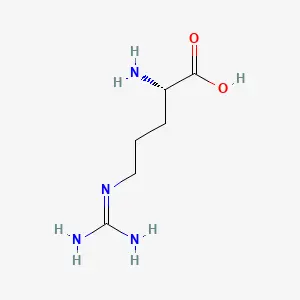
Arginine is one of the 20 amino acids that proteins are made from. The body also makes it, but not always in enough quantity. That makes it a conditionally essential (conditionally indispensable) amino acid.
The National Academies (NASEM, 2005), the WHO, FAO and UN University (2007) and EFSA (2012) all place it outside the nine essential amino acids. Instead it is in a group that can become indispensable under some conditions. Examples are premature babies and children with certain inherited urea cycle defects. NASEM calls it dispensable in healthy people because it is synthesized in adequate amounts.
The “L-” in L-arginine names the form that proteins are made from, and it is the form in food and in supplements.
Beyond building protein, the body turns arginine into nitric oxide, a gas that relaxes blood vessels. It also makes creatine from it, and urea, which carries ammonia out of the body. The kidneys make about 2 g of arginine a day, and a Western diet supplies another 4 to 5 g. Seeds, nuts, legumes, meat and fish are rich in it, as the rankings below show.
The thing most readers do not know is how far the supplement’s story has moved from its biochemistry. Arginine is the raw material for nitric oxide, whose discovery as a body signal won a Nobel Prize in 1998. That made it a popular supplement for blood pressure and circulation.
The trials are more sobering. After a heart attack, 6 people given about 9 g a day died against none on placebo, and the trial closed early. In artery disease, 3 g a day for 6 months did not help. The gains that were found are small: meta-analyses put the effect on blood pressure at about 4 to 6 mmHg (the unit for blood pressure).
Health benefits of arginine
The top findings from 25 studies, strongest evidence first
What the stars mean
- Strong. Several randomized trials, pooled in a meta-analysis, point the same way, or regulators (FDA or EFSA) have approved the claim.
- Moderate. Good randomized trials support it, but there are fewer of them, or their results vary.
- Limited. Small, short or single trials, or mixed results. Promising, but it needs confirmation.
Population and lab studies get no stars: they show a link or a mechanism, not proof.
How we rate evidence →- ★★Lower blood pressure with arginine supplementsIn 22 small, short trials, arginine supplements lowered blood pressure: the top number by 6.4 mm Hg, the bottom by 2.6 mm Hg. A review of 5 trials with 24-hour monitors found the top number 4.2 mm Hg lower.
- ★★Less gut disease in premature babiesArginine given by mouth or vein cut the risk of necrotizing enterocolitis, a serious gut disease, to 0.38 times (3 trials, 285 babies). The authors say three small trials are not enough for a recommendation.
- ★★Better erectile function in some menA review of 10 trials found the odds of improvement 3.37 times as high, though some trials mixed arginine with other substances. A trial of arginine alone (6 g daily) moved 74% of men with poor blood flow to a milder category; only 24% reached normal scores.
- ★★No benefit after a heart attackIn 153 people after a heart attack, about 9 g a day for 6 months did not change artery stiffness or heart pumping. Six people on arginine died against none on placebo, and the trial closed enrollment.
- ★★No help for leg pain from poor circulationIn 133 people with leg pain from poor circulation, 3 g a day for 6 months did not improve nitric oxide measures. Walking distance improved 11.5% on arginine and 28.3% on placebo.
All 20 studies, strongest evidence first
Across 22 trials, oral arginine lowered systolic (top) pressure by 6.4 mmHg
This meta-analysis pooled randomized, placebo-controlled trials of oral L-arginine taken by adults for at least 4 days, up to April 2021. Diastolic pressure (the bottom number) fell 2.6 mmHg. The drops appeared in people with normal and with high blood pressure. They were not clear at doses above 9 g a day, in trials longer than 24 days, or in obese people. For systolic pressure the effective dose was 4 g a day or more. The trials were small and short, and the review looked at blood pressure only, not at heart attacks.
In 5 trials, arginine lowered 24-hour systolic pressure by 4.2 mmHg
This meta-analysis pooled 5 randomized trials of oral arginine with 24-hour blood pressure monitors, in 202 participants. Over 24 hours, diastolic pressure fell by 3.0 mmHg. Daytime and night-time pressures also fell, night-time systolic pressure by 5.7 mmHg. The authors note that few studies were included and call for more research.
In preterm babies, arginine cut the risk of necrotizing enterocolitis
This Cochrane review pooled 3 trials in 285 preterm babies, who got arginine by mouth or by vein for at least 7 days. The risk of necrotizing enterocolitis, a serious gut disease, was 0.38 times that in the comparison group, and the review rated the evidence moderate. About 6 babies needed treatment to prevent one case. Death from any cause did not clearly differ (0.77 times the risk). No clear side effects, such as low blood pressure, were attributed to arginine. The authors say three small trials are not enough to support a practice recommendation.
Arginine after a heart attack: no benefit, 6 deaths against none
In this double-blind trial, 153 people who had had a heart attack took arginine or placebo for 6 months on top of standard care. The goal dose was 3 g three times a day, about 9 g a day. Vascular stiffness and ejection fraction (the share of blood the heart pumps out with each beat) did not change. The deaths, 8.6% of the arginine group, led the safety committee to close enrollment. The authors say arginine should not be recommended after a heart attack.
In poor leg circulation, arginine helped neither nitric oxide nor walking
In this randomized trial, 133 people with intermittent claudication, leg pain from peripheral artery disease, took oral L-arginine or placebo. The dose was 3 g a day for 6 months. Blood arginine rose, but measures of nitric oxide availability, such as flow-mediated dilation, were reduced or not improved. The absolute walking distance improved 28.3% on placebo and 11.5% on arginine. The authors say long-term arginine is not useful in this condition.
Arginine raised the odds of improvement in mild to moderate erectile dysfunction
This meta-analysis pooled 10 trials in 540 men, at doses of 1,500 to 5,000 mg a day, against placebo or no treatment. The odds of improvement were 3.37 times as high, with a wide range (1.29 to 8.77). Some trials combined arginine with other substances, so the pooled result cannot be credited to arginine alone. Side effects were reported by 8.3% on arginine and 2.3% on placebo, none severe.
Arginine alone improved erectile scores in men with poor penile blood flow
This multicenter, double-blind trial tested arginine alone, 6 g a day for 3 months. 51 men with erectile dysfunction caused by poor blood flow took it, and 47 took placebo. The IIEF-6 score, an erectile function questionnaire, rose, and so did blood flow speed in the penile arteries. Flow speed did not rise in severe cases. 74% of men moved to a milder category, but only 24% reached scores without erectile dysfunction. The authors suggest arginine as an option for men who cannot take PDE5 inhibitor drugs.
In people at risk of diabetes, arginine did not cut new cases
This double-blind, placebo-controlled trial included 144 people with impaired glucose tolerance and metabolic syndrome, on a lifestyle program. They took 6.4 g of arginine a day or placebo for 18 months. After 18 months, 21.4% on arginine and 20.8% on placebo had developed diabetes, but 42.4% against 22.1% had regained normal glucose tolerance. After 12 more months without the supplement, diabetes had developed in 27.2% against 47.1%. Insulin sensitivity and beta-cell function had also improved.
Arginine improved artery widening 1.98 points, only from a low start
This meta-analysis pooled 12 short trials with 492 participants. Flow-mediated dilation (FMD) measures how much an artery widens after blood flow is briefly blocked, a test of the artery lining. When baseline FMD was under 7%, arginine raised it by 2.56 points; above 7%, it had no effect. Only one long-term study existed.
In heart or metabolic disease, arginine did not change artery widening overall
This later meta-analysis pooled 13 trials in people with cardiovascular disease, obesity or diabetes who took oral arginine for at least three days. The pooled difference was small and uncertain (standardized mean difference 0.30), and results varied very widely between trials. After removing the two studies that most favored arginine and placebo, a small benefit appeared (0.59). Nitric oxide metabolites and ADMA, a natural blocker of nitric oxide production, did not differ.
In sickle cell crises, arginine did not clearly cut pain or opioids
This meta-analysis pooled 8 trials with 830 people, and the evidence was of low certainty. Time to crisis resolution was 12.6 hours shorter on average and hospital stay 24.8 hours shorter, but both gaps could be chance. Hospital readmission was 23% more likely, which could also be chance. The authors do not recommend routine use and call for a large definitive trial.
An arginine, zinc and antioxidant formula shrank pressure ulcers 60.9% against 45.2%
This multicenter, blinded trial included 200 malnourished adults with stage II to IV pressure ulcers. For 8 weeks they drank 400 mL a day of an energy-dense, protein-rich formula with the added ingredients. The comparison was the same volume of a plain formula with the same calories and protein. The adjusted difference was 18.7 percentage points. Complete healing and wound infections did not differ, and because the formula is a blend, the result cannot be credited to arginine alone.
In critical illness, arginine formulas gave no advantage over standard tube feeding
This meta-analysis pooled 24 trials in 3,013 critically ill people. The immune-modulating formulas were blends. Arginine was alone in 4 studies, with glutamine in 2, with fish oil in 9, and with glutamine and fish oil in 2. Overall they did not change death or hospital stay, but the odds of infection were 0.63 times as high. Only a formula with fish oil alone improved outcomes in medical intensive care patients.
Arginine in pregnancy may lower the risk of pre-eclampsia
This meta-analysis covered 20 randomized trials with 2,028 women. Given to prevent pre-eclampsia (dangerous high blood pressure in pregnancy), arginine went with 0.52 times the risk, based on 4 prevention trials. Severe pre-eclampsia was 0.23 times as likely, and both results are low-certainty evidence. As a treatment it may have lowered systolic pressure by 5.64 mmHg, with very low certainty. The risk of bias was high in 8 trials, and the authors say the findings need cautious reading. Only one small trial (36 women) tested citrulline.
Arginine with micronutrients may slightly shrink pressure ulcers but not heal more
This Cochrane review covered 33 trials with 7,920 people and many kinds of nutrition support. For arginine with micronutrients, 2 studies with 231 people showed an ulcer area 15.8% smaller (low-certainty evidence), but no more ulcers healed. For arginine, zinc and antioxidants against a standard diet, the evidence was very uncertain. The authors conclude that the benefits of nutrition support for pressure ulcers are uncertain.
Arginine may improve aerobic and anaerobic performance, but results varied widely
Fifteen of the 18 studies were pooled. The effect on aerobic tests was large but very inconsistent (standardized mean difference 0.84), and on anaerobic tests small (0.24). The authors suggest 0.15 g per kg of body weight 60 to 90 minutes before exercise. Or, for aerobic performance, 1.5 to 2 g a day for 4 to 7 weeks. A 2025 comment argues that the analysis contains errors that distort the pooled results, and the authors replied.
Oral arginine cut painkiller use and hospital stay in sickle cell crises
In this double-blind trial at two hospitals, 68 Nigerian children aged 5 to 17 with sickle cell pain crises took L-arginine hydrochloride or placebo. The dose was 100 mg per kg three times a day. The mean painkiller score was 73.4 on arginine and 120.0 on placebo, pain scores fell faster, and the crisis resolved sooner. No serious side effects occurred, but it was a small trial, and the meta-analysis above that pools 8 trials found no clear benefit.
In the rare disease MELAS, arginine may have eased stroke-like episodes
MELAS is a rare inherited mitochondrial disease with stroke-like episodes. In two 2-year Japanese trials, 15 patients took oral arginine between episodes and 10 got arginine into a vein during an episode. All were followed for 7 years. Oral arginine lengthened the time between episodes, though not clearly enough to rule out chance. Arginine into a vein improved headache, nausea and vomiting, impaired consciousness and visual disturbance. The abstract describes no placebo group.
In breast cancer patients, arginine more than doubled tumor protein synthesis
In this randomized study, breast cancer patients got a standard diet or arginine supplements until surgery, when the rate of tumor protein synthesis was measured. The median rate was 25.6% a day on arginine and 10% a day on the standard diet. It tracked the Ki67 marker of cell division. NASEM describes the groups as 10 patients each and calls the finding unconfirmed. It cites the study when it advises against arginine supplements, apart from children with certain inherited defects.
Top arginine eaters were 30% less likely to have high CRP
This analysis of the US NHANES III survey (1988 to 1994) used one 24-hour food recall per person. It adjusted for age, sex, race, exercise, calories, body mass index, smoking, diabetes, high blood pressure and fiber. People at the 90th percentile of arginine intake had 0.70 times the odds of a CRP (an inflammation marker) above 3.0 mg/L. They were compared with people at the median. This is an association: arginine-rich foods such as nuts and fish carry many other nutrients, so it cannot be credited to arginine alone.
Foods high in arginine
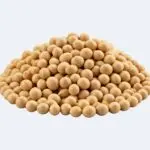
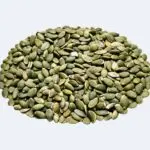
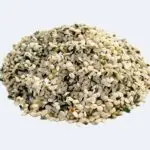
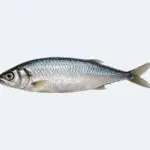
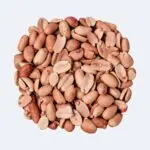
Seeds and nuts lead the USDA (US Department of Agriculture) ranking per 100 g. Pumpkin seeds come first with 5.35 g, then hemp seeds (4.55 g) and peanuts (3.09 g).
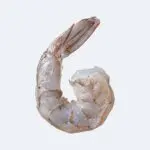
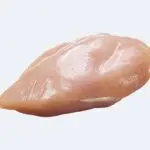
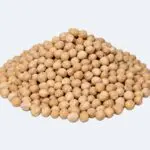
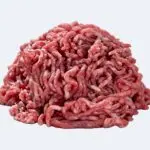
Per serving, soybeans come first with 2.22 g in a cup. Shrimp (1.91 g in 3 oz) and chicken breast (1.72 g in 4 oz) follow. Per 100 kcal, lean seafood and poultry rank highest: shrimp 1.89 g, then cod 1.3 g and tuna 1.28 g. The ranking below has the full lists.
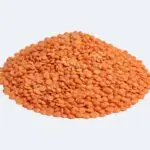
Arginine has no official daily need, so we compare servings with the typical intake. NASEM reports a mean of about 4.2 g a day from food and supplements in a US survey from 1988 to 1994. By our arithmetic, one cup of soybeans (2.22 g) is 53% of that. 4 oz of chicken breast (1.72 g) is 41%, and a cup of lentils (1.38 g) 33%.
Unlike lysine in grains, arginine is not known as the weak link of any food group. NASEM puts the arginine in typical mixed dietary protein at about 5.4 g per 100 g of protein.
The WHO’s table of adult amino acid requirements lists only the nine essential amino acids and has no arginine row. So there is no arginine score for foods like the lysine scores on the lysine page. Animal and plant protein can both supply it.
Per serving. No daily amount is set, so bars compare each food with the top food.
Per 100 g. No daily amount is set, so bars compare each food with the top food.
Per 100 kcal: the same calories of each food, for a fair comparison. Bars compare each food with the top food.
Food labels have no Daily Value or Reference Intake for arginine, so the % compares each food with the top food.
- 1.
- 2.
- 3.
- 4.

- 5.
- 6.
- 7.
- 8.
- 9.
- 10.


- 1.
- 2.
- 3.
- 4.
- 5.
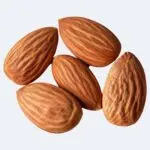
- 6.
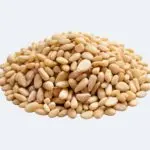
- 7.
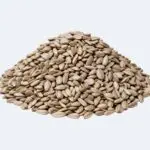
- 8.
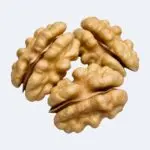
- 9.
- 10.
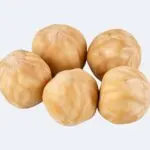


- 1.
- 2.

- 3.
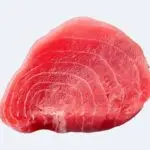
- 4.
- 5.
- 6.
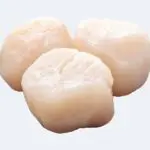
- 7.
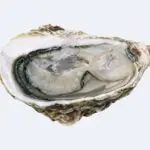
- 8.
- 9.
- 10.


Sources
- FoodData Central. US Department of Agriculture, Agricultural Research Service. Values as shown in the ranking above.
- Protein and amino acid requirements in human nutrition: report of a joint WHO/FAO/UNU expert consultation. WHO Technical Report Series 935. World Health Organization. 2007.
- Institute of Medicine, Food and Nutrition Board. Dietary Reference Intakes for energy, carbohydrate, fiber, fat, fatty acids, cholesterol, protein, and amino acids. National Academies Press. 2005. Chapter 10, protein and amino acids.
How arginine works
Most of the biochemistry below is well established. But it comes from reviews, cell and animal work and small human studies, not from trials of extra arginine.
Four ideas cover it. The body makes arginine in a relay between gut and kidneys, and turns it into nitric oxide. The body also feeds it into the urea cycle and creatine, and takes it up on carriers it shares with other amino acids. Here is each one, and what has been seen in people.
The gut and kidneys make it
Arginine is made from glutamine, glutamate and proline through what researchers call the intestinal-renal axis, according to a 2009 review. A review of kidney metabolism puts it more simply: the gut makes citrulline, and the kidney turns it into arginine.
In humans, kidney synthesis produces about 2 g a day, against 4 to 5 g a day from a Western diet. It follows how much citrulline arrives rather than how much arginine is eaten, and in rats citrulline supply limits the rate. NASEM describes the same pathway from ornithine, which the body can make from proline and possibly from glutamate.
The relay is slow to start in premature babies. A review proposes that their gut makes too little citrulline and arginine, which would explain their low blood arginine.
How the body makes arginine, from the gut to the kidneys. Simplified. Not to scale.
It is the raw material for nitric oxide
In 1988, Palmer, Ashton and Moncada showed that cultured artery cells make nitric oxide (NO) from L-arginine. D-arginine and close look-alikes did not work. NO is a gas signal.
When the Nobel Assembly honored the field in 1998, it explained how NO works. NO made by the inner layer of the arteries spreads to the muscle cells beneath and turns off their contraction. That widens the artery, which controls blood pressure and how blood is shared out. The prize went to Furchgott, Ignarro and Murad for showing that NO is a signal molecule in the cardiovascular system.
There is a puzzle, called the arginine paradox. Blood arginine is already about 25 to 30 times the level that the purified enzyme needs, yet extra arginine improves artery function in some studies.
The leading explanation is asymmetric dimethylarginine (ADMA), a natural blocker of the enzyme. ADMA is raised in high cholesterol, atherosclerosis, high blood pressure, kidney failure and heart failure. Extra arginine may outcompete it. Reviews suggest the people who gain most are those with a high ADMA or a low arginine-to-ADMA ratio.
That fits the meta-analysis above in which only people with low baseline artery function gained. But the peripheral artery disease trial found that long-term arginine did not raise nitric oxide measures.
How arginine becomes nitric oxide in an artery wall, and where ADMA gets in the way. Simplified. Not to scale.
It feeds the urea cycle and makes creatine
NASEM says arginine is needed to make other amino acids, polyamines and creatine, and to clear ammonia through the urea cycle. Reviews list its main exits as four enzymes. Arginase makes ornithine and urea; then come nitric oxide synthase, arginine:glycine amidinotransferase (the first step of creatine) and arginine decarboxylase, which makes agmatine.
Ornithine can go on to polyamines, proline and glutamate. The kidney makes the first creatine intermediate, guanidinoacetate. The body loses 1 to 2 g of creatine as creatinine a day. That has to be replaced from food and from its own production.
Cats show how much the urea cycle matters. In 1978, near-adult cats given one meal of amino acids without arginine developed ammonia poisoning within 2 hours. One died 4.5 hours after eating 8 g of the diet.
Because ornithine also prevented the problem, the authors concluded that the cat cannot make ornithine. People can, but NASEM notes that in children with inherited defects of two urea cycle enzymes, arginine becomes indispensable.
Four jobs of arginine in the body. Not to scale.
How much gets through
Taken by mouth, arginine is partly broken down on the way into the blood. In 10 volunteers, the absolute bioavailability (the share that reaches the blood) of a 10 g oral dose was about 20%. A study that compared it with citrulline blames arginase in the gut wall.
The carrier that takes arginine up in the kidney tubules also carries lysine, ornithine and cystine. Defects of these carriers cause cystinuria and lysinuric protein intolerance, with arginine lost in the urine. The kidney salvages about 3 g of arginine a day this way.
At high doses the gut reacts. A review explains that arginine at high levels makes the gut secrete water through nitric oxide, which fits the diarrhea seen with large single doses. The chart puts the doses in perspective.
Grams of free arginine a day, drawn to scale. Teal: what the body makes and people eat (the 99th percentile is for men aged 51 to 70). Orange: trial doses; the last is the 24.8 g of free arginine in 30 g of the hydrochloride.
What has been seen in people
The clearest human findings are about blood pressure and a few special groups. Meta-analyses of small, short trials find drops of about 4 to 6 mmHg. A Cochrane review of 3 small trials found less necrotizing enterocolitis in premature babies.
Beyond that the picture is mixed. After a heart attack, and in people with poor leg circulation, long courses of arginine did not help. The heart attack trial also raised safety concerns.
In prediabetes, 6.4 g a day did not cut new diabetes. Erectile dysfunction, sickle cell crises, pressure ulcers and exercise each show positive and null results, and several positive trials used blends.
Small studies of growth hormone fit the same pattern. In 8 men, 5 and 9 g of oral arginine raised growth hormone, while 13 g caused considerable stomach distress with no larger rise. In 14 men, 0.075 and 0.15 g per kg raised blood arginine but not growth hormone, insulin or nitric oxide products at rest. Most of these trials are among the study cards above.
Sources
- Institute of Medicine, Food and Nutrition Board. Dietary Reference Intakes for energy, carbohydrate, fiber, fat, fatty acids, cholesterol, protein, and amino acids. National Academies Press. 2005. Chapter 10, protein and amino acids.
- Wu G, Bazer FW, Davis TA, et al. Arginine metabolism and nutrition in growth, health and disease. Amino Acids. 2009.
- Brosnan ME, Brosnan JT. Renal arginine metabolism. J Nutr. 2004.
- Dhanakoti SN, Brosnan JT, Herzberg GR, Brosnan ME. Renal arginine synthesis: studies in vitro and in vivo. Am J Physiol. 1990.
- Wu G, Jaeger LA, Bazer FW, Rhoads JM. Arginine deficiency in preterm infants: biochemical mechanisms and nutritional implications. J Nutr Biochem. 2004.
- Palmer RM, Ashton DS, Moncada S. Vascular endothelial cells synthesize nitric oxide from L-arginine. Nature. 1988.
- The Nobel Prize in Physiology or Medicine 1998. Press release. The Nobel Assembly at Karolinska Institutet. 12 October 1998.
- Böger RH. Asymmetric dimethylarginine, an endogenous inhibitor of nitric oxide synthase, explains the “L-arginine paradox” and acts as a novel cardiovascular risk factor. J Nutr. 2004.
- Bode-Böger SM, Scalera F, Ignarro LJ. The L-arginine paradox: importance of the L-arginine/asymmetrical dimethylarginine ratio. Pharmacol Ther. 2007.
- Wu G, Morris SM Jr. Arginine metabolism: nitric oxide and beyond. Biochem J. 1998.
- Morris SM Jr. Arginine: beyond protein. Am J Clin Nutr. 2006.
- Wyss M, Kaddurah-Daouk R. Creatine and creatinine metabolism. Physiol Rev. 2000.
- Morris JG, Rogers QR. Ammonia intoxication in the near-adult cat as a result of a dietary deficiency of arginine. Science. 1978.
- Tangphao O, Grossmann M, Chalon S, Hoffman BB, Blaschke TF. Pharmacokinetics of intravenous and oral L-arginine in normal volunteers. Br J Clin Pharmacol. 1999.
- Schwedhelm E, Maas R, Freese R, et al. Pharmacokinetic and pharmacodynamic properties of oral L-citrulline and L-arginine: impact on nitric oxide metabolism. Br J Clin Pharmacol. 2008.
- Grimble GK. Adverse gastrointestinal effects of arginine and related amino acids. J Nutr. 2007.
- Collier SR, Casey DP, Kanaley JA. Growth hormone responses to varying doses of oral arginine. Growth Horm IGF Res. 2005.
- Forbes SC, Bell GJ. The acute effects of a low and high dose of oral L-arginine supplementation in young active males at rest. Appl Physiol Nutr Metab. 2011.
How much arginine do you need?
No daily amount of arginine is officially recommended. The body makes it, so healthy people are not expected to need a set amount from food.
NASEM (2005) and the WHO, FAO and UN University (2007) give requirement values for the nine essential amino acids only. The WHO’s summary table of adult requirements has no arginine row. Neither the FDA nor the EU sets a Daily Value for arginine. EFSA’s 2012 opinion sets values for protein only and derives none for amino acids, which are eaten as protein.
For scale, NASEM reports a mean arginine intake of about 4.2 g a day from food and supplements. That figure comes from the US survey of 1988 to 1994.
At the 99th percentile it was 10.1 g a day, in men aged 51 to 70. NASEM puts arginine in typical mixed dietary protein at about 5.4 g per 100 g of protein. The kidneys add about 2 g a day, according to a review of kidney metabolism.
The body can fall short in special conditions. NASEM says arginine becomes indispensable, with daily supplementation required, in children with inherited defects of two urea cycle enzymes, argininosuccinic acid synthetase and argininosuccinase. EFSA names premature newborns as another example of a group that can run short of it.
Arginine deficiency: signs and who is at risk
Official sources describe risk groups, not a checklist of signs of low dietary arginine in healthy adults. Premature babies are the best-described group.
A review says severe low blood arginine (hypoargininemia) is a nutritional problem in preterm infants. It is linked to high blood ammonia and to heart, lung, brain and gut problems. The review proposes that the premature gut cannot yet make enough citrulline and arginine.
Inherited urea cycle disorders are the other group. In citrullinemia type I, caused by a fault in the enzyme argininosuccinate synthase, newborns can develop high ammonia, lethargy and vomiting. Daily treatment includes protein restriction, ammonia-clearing drugs and arginine supplementation, according to GeneReviews.
Arginase 1 deficiency is the opposite problem: the enzyme that breaks arginine down is missing. Treatment aims to normalize plasma arginine with protein restriction, an arginine-free essential amino acid formula and, in some patients, an enzyme drug. These conditions need a specialist.
Rare carrier defects, cystinuria and lysinuric protein intolerance, make the kidneys lose arginine, lysine and ornithine in the urine.
Low arginine also shows up in illness. In a trial in young people aged 3 to 21 hospitalized for sickle cell pain crises, 79% had low arginine on arrival. Their mean was 50 µmol/L, and lower arginine availability went with a longer time to recovery in the placebo group.
Sources
- Institute of Medicine, Food and Nutrition Board. Dietary Reference Intakes for energy, carbohydrate, fiber, fat, fatty acids, cholesterol, protein, and amino acids. National Academies Press. 2005. Chapter 10, protein and amino acids.
- Protein and amino acid requirements in human nutrition: report of a joint WHO/FAO/UNU expert consultation. WHO Technical Report Series 935. World Health Organization. 2007.
- EFSA Panel on Dietetic Products, Nutrition and Allergies (NDA). Scientific opinion on dietary reference values for protein. EFSA J. 2012.
- Wu G, Jaeger LA, Bazer FW, Rhoads JM. Arginine deficiency in preterm infants: biochemical mechanisms and nutritional implications. J Nutr Biochem. 2004.
- Quinonez SC, Lee KN. Citrullinemia type I. GeneReviews. University of Washington, Seattle. Updated 2022.
- McNutt M, Sun A, Crombez EA, Wong D. Arginase 1 deficiency. GeneReviews. University of Washington, Seattle. Updated 2026.
- Simpson KL, MacLeod EL, Kakajiwala A, Gropman AL, Ah Mew N. Urea cycle disorders overview. GeneReviews. University of Washington, Seattle. Updated 2025.
- Brosnan ME, Brosnan JT. Renal arginine metabolism. J Nutr. 2004.
- Morris CR, Hatabah D, Korman R, et al. Arginine therapy for pain in sickle cell disease: a phase-2 randomized, placebo-controlled trial. Am J Hematol. 2025.
Forms of arginine: absorption and effects
Arginine supplements differ in what comes with the arginine. Most trials used L-arginine as the free base or as a salt, the hydrochloride or the aspartate. A few used arginine alpha-ketoglutarate, a complex with silicon and inositol, or a blend.
The weight of the salt is not the weight of the arginine. In one trial, 30 g of the hydrochloride held 24.8 g of free arginine and 30 g of the aspartate held 17 g. Compare the label’s milligrams of arginine, not of the salt.
Whatever the form, the body takes up only part of an oral dose, about 20% of a 10 g dose in one study. The only head-to-head we found is a three-arm trial of the hydrochloride, the aspartate and placebo. It compared each salt with placebo and not with the other, so we found no trial showing that one salt is better than another.
For popular claims about muscle “pumps”, special complexes or time-release forms, we found no trial showing an advantage over plain arginine. Citrulline raised blood arginine more than arginine itself in one small study. But we did not review citrulline trials for health outcomes, so we cannot say which works better.
| Form | What it is | What studies show | Source |
|---|---|---|---|
| L-arginine (free base) | The free amino acid, all arginine by weight (molecular weight 174.20). | The reference for the forms below. In 10 volunteers the absolute bioavailability of a 10 g oral dose was about 20%, with a peak at 1 hour. NASEM reports 30 g of free base a day for 3 days in breast cancer patients, in the Park trial above. | 1, 3, 4 |
| L-arginine hydrochloride | Salt with hydrochloric acid. Arginine is about 83% of its weight (174.20 of 210.66, our arithmetic), which matches the 24.8 g of arginine in 30 g reported in the wound trial. | Used at 30 g a day for 2 weeks in the wound trial, where NASEM reports mild hyperchloremic acidosis and bloating, mild loss of appetite or diarrhea in 6 of 12 people, against 3 of 12 on the aspartate and 1 of 12 on placebo. Also the form in the sickle cell trial (100 mg per kg three times a day) and in 15 people with heart failure (5.6 to 12.6 g a day), who walked farther on arginine than on placebo. | 2, 4, 5, 7, 8 |
| L-arginine aspartate | Salt with aspartic acid. 30 g held 17 g of free arginine in the wound trial (57%, our arithmetic). | Raised wound collagen and lymphocyte responses at 30 g a day in healthy young and elderly volunteers. NASEM reports weight gain, stomach upset and sleepiness at 5 or 10 g of free arginine for 80 days, and no adverse effects in 30 elderly adults at 17 g for 14 days. With 200 mg of adenosine monophosphate, 8 g taken before sex improved erection scores in 26 men in a crossover trial, which is a blend. | 4, 5, 6, 9 |
| Arginine alpha-ketoglutarate | Arginine with alpha-ketoglutarate, sold for muscle “pumps”. The arginine share is not stated in the abstracts. | Two acute trials found no benefit: 3,000 mg did not change bench press or leg press in 8 trained and 8 untrained men, and 3,700 mg doses before exercise did not improve endurance, and chin-ups fell (23.75 against 25.58). | 10, 11 |
| L-citrulline (related compound) | A different amino acid that is readily absorbed and at least partly converted to arginine in the body. | Raised blood arginine more than arginine itself in 20 volunteers, and no treatment improved flow-mediated dilation over baseline. The only citrulline trial in the pre-eclampsia meta-analysis had 36 women and found no effect. We did not review citrulline trials for health outcomes. | 12, 13 |
| Arginine blends | Arginine sold or tested with other ingredients. | Arginine with antioxidant vitamins in a food bar cut pre-eclampsia in women at high risk (absolute risk reduction 0.17 against placebo), while vitamins alone did not. A formula with zinc and antioxidants helped pressure ulcers (200 people). Arginine with Pycnogenol improved erectile function in 3 studies (184 men). Arginine with liposomal vitamin C improved walking in 46 adults with long COVID in a single-blind trial. None can credit its result to arginine alone. | 14, 15, 16, 17 |
| Arginine silicate inositol | A complex of arginine with silicon and inositol. One preparation was reported as 49.5% arginine, 8.2% silicon and 25% inositol by weight. | Rat studies of wound healing, bone healing and arthritis. In people we found two small crossover trials of single doses (1.5 g in 19 young adults, 1,600 mg in 26 gamers) that reported better memory scores or reaction times than placebo. One author declares industry ties. Both compared it with placebo, not with plain arginine. | 18, 19, 20, 21, 22 |
| D-arginine | The mirror-image form. Proteins and nitric oxide production use the L-form. | In the 1988 cell study, D-arginine did not boost nitric oxide release as L-arginine did. We found no human trial of D-arginine. | 23 |
| Arginine in food protein | Arginine released when protein is digested, about 5.4 g per 100 g of mixed dietary protein (NASEM). | The typical intake is about 4.2 g a day. We found no study that compares the blood response to arginine in food with the same amount taken as a supplement. | 4 |
Here are the head-to-head and form-specific studies, five in all, all with limited evidence.
All 5 studies, strongest evidence first
Only about 20% of a 10 g oral dose reached the blood
In this crossover study, 10 volunteers got 30 g into a vein over 30 minutes and, separately, 10 g by mouth. Blood arginine on a normal diet was 15.1 µg/ml, and the peak after the oral dose was 50.0 µg/ml after 1 hour. The authors put the absolute bioavailability of the oral dose at about 20% and found no kidney clearance of it.
Citrulline raised blood arginine more than arginine itself in 20 healthy volunteers
Double-blind, randomized crossover study of six dosing regimes of placebo, citrulline and arginine, each taken for a week. The authors link the weak showing of arginine to its breakdown by arginase in the gut wall. The highest citrulline dose, 3 g twice a day, raised the arginine to ADMA ratio from 186 to 278 and raised urinary nitrate and cGMP. No treatment improved flow-mediated dilation over baseline.
Arginine salts, 30 g a day, raised new collagen in wounds
This 2-week randomized trial in 36 healthy volunteers, with diet not controlled, had three groups. They took 30 g of arginine hydrochloride (24.8 g of free arginine), 30 g of arginine aspartate (17 g of free arginine) or placebo. Hydroxyproline, an index of new collagen, was 23.85 nmol/cm with the hydrochloride, 17.57 with the aspartate and 10.1 with placebo. The abstract compares each salt with placebo, not with each other.
3,000 mg of arginine alpha-ketoglutarate did not improve bench or leg press
In this randomized, double-blind crossover trial, 8 resistance-trained and 8 untrained men took the supplement or placebo 45 minutes before testing. The one-repetition maximum and the repetitions to failure at 60% of it did not differ from placebo, whatever the training status. It was a single dose in a small group.
3,700 mg of arginine alpha-ketoglutarate did not help push-up and chin-up endurance
In a randomized trial, 12 trained young men took a serving 4 hours and again 30 minutes before exercise. They then did three sets of chin-ups, reverse chin-ups and push-ups to exhaustion. Total chin-ups fell, 23.75 on the supplement against 25.58 on placebo, and blood pressure responses did not differ. The authors suggest, from this small study, that these supplements may hinder muscular endurance.
Sources
- L-Arginine, compound summary (CID 6322). PubChem. National Library of Medicine.
- L-Arginine, monohydrochloride, compound summary (CID 66250). PubChem. National Library of Medicine.
- Tangphao O, Grossmann M, Chalon S, Hoffman BB, Blaschke TF. Pharmacokinetics of intravenous and oral L-arginine in normal volunteers. Br J Clin Pharmacol. 1999.
- Institute of Medicine, Food and Nutrition Board. Dietary Reference Intakes for energy, carbohydrate, fiber, fat, fatty acids, cholesterol, protein, and amino acids. National Academies Press. 2005. Chapter 10, protein and amino acids.
- Barbul A, Lazarou SA, Efron DT, Wasserkrug HL, Efron G. Arginine enhances wound healing and lymphocyte immune responses in humans. Surgery. 1990.
- Kirk SJ, Hurson M, Regan MC, Holt DR, Wasserkrug HL, Barbul A. Arginine stimulates wound healing and immune function in elderly human beings. Surgery. 1993.
- Onalo R, Cooper P, Cilliers A, et al. Randomized control trial of oral arginine therapy for children with sickle cell anemia hospitalized for pain in Nigeria. Am J Hematol. 2021.
- Rector TS, Bank AJ, Mullen KA, et al. Randomized, double-blind, placebo-controlled study of supplemental oral L-arginine in patients with heart failure. Circulation. 1996.
- Neuzillet Y, Hupertan V, Cour F, Botto H, Lebret T. A randomized, double-blind, crossover, placebo-controlled comparative clinical trial of arginine aspartate plus adenosine monophosphate for the intermittent treatment of male erectile dysfunction. Andrology. 2013.
- Wax B, Kavazis AN, Webb HE, Brown SP. Acute L-arginine alpha ketoglutarate supplementation fails to improve muscular performance in resistance trained and untrained men. J Int Soc Sports Nutr. 2012.
- Greer BK, Jones BT. Acute arginine supplementation fails to improve muscle endurance or affect blood pressure responses to resistance training. J Strength Cond Res. 2011.
- Schwedhelm E, Maas R, Freese R, et al. Pharmacokinetic and pharmacodynamic properties of oral L-citrulline and L-arginine: impact on nitric oxide metabolism. Br J Clin Pharmacol. 2008.
- Makama M, McDougall ARA, Cao J, et al. L-arginine and L-citrulline for prevention and treatment of pre-eclampsia: a systematic review and meta-analysis. BJOG. 2025.
- Vadillo-Ortega F, Perichart-Perera O, Espino S, et al. Effect of supplementation during pregnancy with L-arginine and antioxidant vitamins in medical food on pre-eclampsia in high risk population: randomised controlled trial. BMJ. 2011.
- Cereda E, Klersy C, Serioli M, Crespi A, D’Andrea F. A nutritional formula enriched with arginine, zinc, and antioxidants for the healing of pressure ulcers: a randomized trial. Ann Intern Med. 2015.
- Tian Y, Zhou Q, Li W, et al. Efficacy of L-arginine and Pycnogenol in the treatment of male erectile dysfunction: a systematic review and meta-analysis. Front Endocrinol (Lausanne). 2023.
- Tosato M, Calvani R, Picca A, et al. Effects of l-arginine plus vitamin C supplementation on physical performance, endothelial function, and persistent fatigue in adults with long COVID: a single-blind randomized controlled trial. Nutrients. 2022.
- Yaman F, Acikan I, Dundar S, et al. Dietary arginine silicate inositol complex increased bone healing: histologic and histomorphometric study. Drug Des Devel Ther. 2016.
- Durmus AS, Tuzcu M, Ozdemir O, et al. Arginine silicate inositol complex accelerates cutaneous wound healing. Biol Trace Elem Res. 2017.
- Sahin K, Perez Ojalvo S, Akdemir F, et al. Effect of inositol-stabilized arginine silicate on arthritis in a rat model. Food Chem Toxicol. 2019.
- Gills JL, Campitelli A, Jones M, et al. Acute inositol-stabilized arginine silicate improves cognitive outcomes in healthy adults. Nutrients. 2021.
- Sowinski R, Gonzalez D, Xing D, et al. Effects of inositol-enhanced bonded arginine silicate ingestion on cognitive and executive function in gamers. Nutrients. 2021.
- Palmer RM, Ashton DS, Moncada S. Vascular endothelial cells synthesize nitric oxide from L-arginine. Nature. 1988.
Is arginine safe? Supplements, dose and interactions
Arginine from food is not a concern. NASEM says there is no evidence that amino acids from usual or even high protein intakes from food present any risk. It focused on supplements.
For arginine, NASEM could identify neither a dose with no observed harm nor a lowest dose with observed harm in healthy people. So it set no tolerable upper intake level, the most a person can safely take each day. It adds that arginine supplements are not advisable other than in children with certain inherited urea cycle defects. It cites a small breast cancer study that it calls unconfirmed.
We found no EFSA upper level for arginine, and EFSA’s 2012 opinion says the data are not sufficient to set one for protein. We found no authorized EU health claim for arginine in Regulation (EU) No 432/2012. For scale, NASEM puts mean US intake from food and supplements at 4.2 g a day. The 99th percentile for men aged 51 to 70 is 10.1 g.
- Doses and stomach effects. A review of side effects found that single doses of 3 to 6 g rarely caused trouble. Most side effects came with single doses above 9 g in adults, often as part of about 30 g a day. They were mainly nausea and diarrhea, and they disappeared when the dose was split. NASEM reports nausea in 2 and diarrhea in 3 of 21 people given 30 g of arginine hydrochloride a day for 7 days. It also reports weight gain, stomach upset and sleepiness with 5 or 10 g of free arginine as aspartate for 80 days. In 8 men, a single 13 g dose caused considerable stomach distress.
- Heart attack, circulation and cancer. After a heart attack, the VINTAGE MI trial closed enrollment after 6 deaths on arginine and none on placebo. Its authors say arginine should not be recommended in that setting. In peripheral artery disease, 3 g a day for 6 months did not help, and walking improved less than on placebo. In a small randomized study of breast cancer patients, arginine raised tumor protein synthesis, which NASEM calls an unconfirmed finding. If you have heart disease or cancer, ask a doctor before using arginine.
- Medicines and conditions. Arginine lowered blood pressure in trials, by about 4 to 6 mmHg. So tell a doctor if you take blood pressure medicine, nitrates or erectile dysfunction drugs. We found one trial of a combination. Adding 3 g of arginine a day to sildenafil for 8 weeks gave slightly better scores, 19.8 against 18.5, and more gastritis. The sildenafil dose was 50 mg every other day. We found no study of arginine with nitrates. An infusion of arginine hydrochloride caused life-threatening high potassium in 2 patients with severe liver disease and moderate kidney failure. Both had recently taken spironolactone. NASEM calls such reports acute toxicity that says little about chronic intake. But they are a reason to ask a doctor first if you have kidney or liver disease. In tissue culture, herpes simplex virus replication was suppressed when arginine was missing, and lysine worked against arginine’s growth-promoting action. We found no trial in people (see the lysine page).
- Pregnancy, children and inherited disorders. Arginine was given to pregnant women in 20 randomized trials with 2,028 women, which the meta-analysis above rates as low-certainty evidence. We found no safety limit for pregnancy. NASEM reports that 17 infants with high ammonia had no adverse effects, under medical care. They were given 175 to 350 mg per kg a day for 6 to 8 weeks. In arginase 1 deficiency, GeneReviews describes treatment with an arginine-free amino acid formula, so these patients follow a specialist’s plan, not supplements. Ask a doctor first if you are pregnant or have kidney, liver or metabolic disease.
How to get more arginine
- Best foods. A cup of soybeans gives 2.22 g, 4 oz of chicken breast 1.72 g and a cup of lentils 1.38 g. By our arithmetic, that is 53%, 41% and 33% of the 4.2 g a day the average US adult takes in.
- Seeds and nuts. Per 100 g, pumpkin seeds hold 5.35 g, hemp seeds 4.55 g and peanuts 3.09 g, and 3 tbsp of hemp seeds give 1.37 g.
- Eat enough protein, and skip the pill unless a doctor suggests one. Arginine makes up about 5.4 g of every 100 g of mixed dietary protein, and the kidneys add about 2 g a day. So a varied diet covers it, and no health body names a daily need. The trial results for blood pressure, erectile dysfunction and exercise are mixed, and some are negative.
Sources
- FoodData Central. US Department of Agriculture, Agricultural Research Service. Values as shown in the ranking above.
- Protein and amino acid requirements in human nutrition: report of a joint WHO/FAO/UNU expert consultation. WHO Technical Report Series 935. World Health Organization. 2007.
- Institute of Medicine, Food and Nutrition Board. Dietary Reference Intakes for energy, carbohydrate, fiber, fat, fatty acids, cholesterol, protein, and amino acids. National Academies Press. 2005. Chapter 10, protein and amino acids.
- EFSA Panel on Dietetic Products, Nutrition and Allergies (NDA). Scientific opinion on dietary reference values for protein. EFSA J. 2012.
- Commission Regulation (EU) No 432/2012 establishing a list of permitted health claims made on foods. Official Journal of the European Union. 2012.
- Schulman SP, Becker LC, Kass DA, et al. L-arginine therapy in acute myocardial infarction: the Vascular Interaction With Age in Myocardial Infarction (VINTAGE MI) randomized clinical trial. JAMA. 2006.
- Wilson AM, Harada R, Nair N, Balasubramanian N, Cooke JP. L-arginine supplementation in peripheral arterial disease: no benefit and possible harm. Circulation. 2007.
- Park KG, Heys SD, Blessing K, et al. Stimulation of human breast cancers by dietary L-arginine. Clin Sci (Lond). 1992.
- Grimble GK. Adverse gastrointestinal effects of arginine and related amino acids. J Nutr. 2007.
- Collier SR, Casey DP, Kanaley JA. Growth hormone responses to varying doses of oral arginine. Growth Horm IGF Res. 2005.
- Bushinsky DA, Gennari FJ. Life-threatening hyperkalemia induced by arginine. Ann Intern Med. 1978.
- El-Wakeel LM, Fouad FA, Saleem MD, Saber-Khalaf M. Efficacy and tolerability of sildenafil/l-arginine combination relative to sildenafil alone in patients with organic erectile dysfunction. Andrology. 2020.
- Griffith RS, DeLong DC, Nelson JD. Relation of arginine-lysine antagonism to herpes simplex growth in tissue culture. Chemotherapy. 1981.
- Makama M, McDougall ARA, Cao J, et al. L-arginine and L-citrulline for prevention and treatment of pre-eclampsia: a systematic review and meta-analysis. BJOG. 2025.
- McNutt M, Sun A, Crombez EA, Wong D. Arginase 1 deficiency. GeneReviews. University of Washington, Seattle. Updated 2026.
- Simpson KL, MacLeod EL, Kakajiwala A, Gropman AL, Ah Mew N. Urea cycle disorders overview. GeneReviews. University of Washington, Seattle. Updated 2025.
- Shiraseb F, Asbaghi O, Bagheri R, et al. Effect of l-arginine supplementation on blood pressure in adults: a systematic review and dose-response meta-analysis of randomized clinical trials. Adv Nutr. 2022.
- Shi Y, Liu Y, Zhou Z, Xu S, Luo P. Reassessment of the effect of oral l-arginine on blood pressure: a systematic review and meta-analysis based on ambulatory blood pressure monitoring. Nitric Oxide. 2026.
History of arginine
The German chemist Ernst Schulze and his assistant Ernst Steiger first isolated arginine in 1886, from yellow lupin seedlings. Its role in animals showed up in 1978. That year, Morris and Rogers fed near-adult cats a single meal without arginine and found ammonia poisoning within 2 hours.
The big change came in 1988, when Palmer, Ashton and Moncada showed that artery cells make nitric oxide from L-arginine. Furchgott, Ignarro and Murad received the 1998 Nobel Prize in Physiology or Medicine for discovering nitric oxide as a signal molecule in the cardiovascular system.
The supplement trials followed. In 1996 a crossover trial in 15 people with heart failure reported better walking distance on 5.6 to 12.6 g of arginine hydrochloride a day.
Larger trials then gave sobering results. VINTAGE MI in 2006, after a heart attack, closed enrollment after 6 deaths on arginine and none on placebo. The NO-PAIN trial in 2007 found no benefit and possible harm in artery disease.
Sources
- Arginine. Wikipedia.
- The Nobel Prize in Physiology or Medicine 1998. Press release. The Nobel Assembly at Karolinska Institutet. 12 October 1998.
- Palmer RM, Ashton DS, Moncada S. Vascular endothelial cells synthesize nitric oxide from L-arginine. Nature. 1988.
- Morris JG, Rogers QR. Ammonia intoxication in the near-adult cat as a result of a dietary deficiency of arginine. Science. 1978.
- Rector TS, Bank AJ, Mullen KA, et al. Randomized, double-blind, placebo-controlled study of supplemental oral L-arginine in patients with heart failure. Circulation. 1996.
- Schulman SP, Becker LC, Kass DA, et al. L-arginine therapy in acute myocardial infarction: the Vascular Interaction With Age in Myocardial Infarction (VINTAGE MI) randomized clinical trial. JAMA. 2006.
- Wilson AM, Harada R, Nair N, Balasubramanian N, Cooke JP. L-arginine supplementation in peripheral arterial disease: no benefit and possible harm. Circulation. 2007.
Frequently asked questions about arginine
Is arginine an essential amino acid?
Not in the strict sense. NASEM (2005) lists nine essential amino acids and puts arginine among the conditionally indispensable ones. That means a dietary source is needed when the body’s own production cannot meet the need. It calls arginine dispensable in healthy people because it is synthesized in adequate amounts, but says children with certain urea cycle defects need it daily. The WHO (2007) and EFSA (2012) also list it as conditionally indispensable, and EFSA names premature newborns as an example.
Does arginine lower blood pressure?
A little, in small and short trials. A 2022 meta-analysis of 22 trials found oral arginine lowered systolic pressure by 6.4 mmHg and diastolic by 2.6 mmHg. There was no clear change above 9 g a day. A 2026 meta-analysis of 5 trials with 24-hour monitors found drops of 4.2 and 3.0 mmHg. Neither shows fewer heart attacks. After a heart attack, a trial aiming for about 9 g a day found no benefit and 6 deaths on arginine against none on placebo.
How much arginine can you take a day?
No official upper limit exists. NASEM could not set one because it found no safe or lowest-harm level in healthy people. It does not advise supplements except for children with certain inherited defects. Trials mostly used 1.5 to 9 g a day. A review found that single doses of 3 to 6 g rarely caused trouble. Most side effects, mainly nausea and diarrhea, came with single doses above 9 g. Ask a doctor first if you have heart disease, kidney or liver disease, or take blood pressure medicine.
Which foods are highest in arginine?
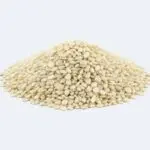
Per 100 g, pumpkin seeds lead our USDA ranking with 5.35 g. Hemp seeds (4.55 g), peanuts (3.09 g), sesame seeds (2.63 g) and almonds (2.47 g) follow. Per serving, soybeans give 2.22 g in a cup, shrimp 1.91 g in 3 oz and chicken breast 1.72 g in 4 oz. The average US adult takes in about 4.2 g a day, according to NASEM.
Is citrulline better than arginine?
It raised blood arginine more in one study. In 20 healthy volunteers, citrulline raised plasma arginine more than arginine itself. Taking 3 g twice a day lifted the arginine to ADMA ratio from 186 to 278. Only about 20% of a 10 g oral dose of arginine reached the blood in another study. No treatment improved flow-mediated dilation in the citrulline study. We did not review citrulline trials for health outcomes, so we cannot say which works better.
Does arginine help erectile dysfunction?
Maybe a little in mild to moderate cases, but the results are mixed. A meta-analysis of 10 trials in 540 men found higher odds of improvement (odds ratio 3.37) at 1,500 to 5,000 mg a day. Some of those trials combined arginine with other ingredients. A trial of 6 g a day for 3 months improved scores in men with vascular erectile dysfunction, but only 24% reached normal scores. Ask a doctor before combining arginine with erectile dysfunction drugs.
What is arginine vasopressin deficiency?
It is a hormone problem, not an amino acid problem. In 2022 a group of endocrine societies proposed the name arginine vasopressin deficiency (AVP-D) for central diabetes insipidus. In that condition, too little of the hormone vasopressin leads to large volumes of dilute urine. The kidney form is called arginine vasopressin resistance (AVP-R). No source we found links either condition to the arginine you eat or take as a supplement.
Does arginine make herpes worse?
It might in a dish, but we found no trial in people. In a 1981 tissue-culture study, herpes simplex virus replication was suppressed when arginine was missing. Lysine worked against arginine’s growth-promoting action. The authors suggested that people prone to herpetic lesions avoid excess arginine. We found no trial of arginine intake or restriction in people; the trials of lysine for cold sores are on the lysine page.