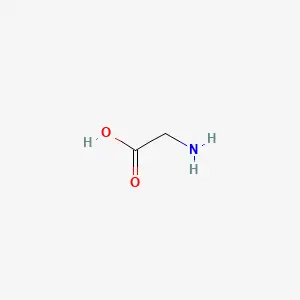
Glycine is the simplest amino acid. It is also the only one with no mirror-image form, because its molecule has no asymmetric carbon atom, according to the National Academies (NASEM). It is a conditionally essential amino acid: the body makes it, mostly from serine, but not always in the amounts it needs.
NASEM’s 2005 report lists it as conditionally indispensable, and so does the 2012 protein opinion of EFSA, the EU’s food safety agency. The WHO/FAO/UNU report of 2007 lists it among the conditionally indispensable amino acids too, but also discusses it under dispensable ones. NASEM’s own section on upper intake levels calls it dispensable, so the sources do not all use the same word.
Beyond building protein, the body makes glutathione, heme, creatine, nucleic acids and uric acid from glycine, a 2013 review says. It also uses glycine in bile acids.
Much of it goes into collagen. NASEM says collagen may make up 25 percent of the body’s protein, and a 2002 trial report says gelatin consists of 30% glycine residues.
One 2009 analysis of the body’s glycine budget found that synthesis gives about 3 g a day and food 1.5 to 3.0 g. It estimated a shortfall of about 10 g a day for a 70 kg adult. That is a calculation, not a measured deficiency, and no official body has set a glycine requirement.
Most people come to glycine for sleep or as a supplement, and the evidence there is thin. The best-known sleep trials are small, and a 157-person trial of glycine in schizophrenia found no benefit over placebo (a dummy pill). Food gives about 3.2 g a day on average in US survey data, and the supplement trials below used 3 g to 60 g.
Health benefits of glycine
The top findings from 23 studies, strongest evidence first
What the stars mean
- Strong. Several randomized trials, pooled in a meta-analysis, point the same way, or regulators (FDA or EFSA) have approved the claim.
- Moderate. Good randomized trials support it, but there are fewer of them, or their results vary.
- Limited. Small, short or single trials, or mixed results. Promising, but it needs confirmation.
Population and lab studies get no stars: they show a link or a mechanism, not proof.
How we rate evidence →- ★★No clear help for schizophrenia symptomsGlycine added to usual treatment for 16 weeks did not reduce negative symptoms more than placebo in 157 people with schizophrenia. A small early trial of 22 people reported about 30% fewer negative symptoms, but the larger trial did not confirm it.
- ★★Mixed results for glycine plus NACIn 114 healthy older adults, a glycine and N-acetylcysteine (NAC) blend for 2 weeks did not raise total glutathione, the main goal. A small 16-week trial in 24 older adults reported better glutathione than placebo.
- ★Better alertness after short nights of sleepHealthy volunteers had their sleep cut to 25% less than usual for three nights. Glycine, 3 g before bed, improved an alertness test, while sleepiness only showed a trend to fall.
- ★Smaller blood sugar rise after glucoseIn 9 healthy people, glycine taken with 25 g of glucose cut the blood glucose response by over half. These were single doses in healthy people.
- ★Lower damage marker in metabolic syndromeIn 60 people with metabolic syndrome, 15 g of glycine a day for 3 months cut a damage marker (TBARS) by 25%. The top blood pressure number fell clearly in the men, on a dose far above food intake.
All 17 studies, strongest evidence first
In schizophrenia, glycine did not reduce negative symptoms more than placebo
This double-blind, double-dummy trial gave 157 people with schizophrenia added glycine, D-cycloserine or placebo for 16 weeks. It ran at five sites in the United States and Israel. Neither glycine nor D-cycloserine beat placebo on negative symptoms (such as low drive and flat emotion) or on thinking tests. Results differed by site, and at one site placebo patients improved more than glycine patients. The authors conclude that neither is a generally effective option.
Glycine, D-serine and sarcosine scored best among NMDA add-ons in schizophrenia
This meta-analysis (a study that pools earlier trials) covered 40 trials in 4,937 people. The trials added NMDA receptor modulators, drugs acting on a brain signal receptor, to antipsychotics in schizophrenia. As a group they improved symptoms, mainly negative ones, with an acceptable safety profile, but only in patients on antipsychotics other than clozapine. The analysis mixes seven agents, so it is not a glycine-only result.
In 114 healthy older adults, glycine plus NAC did not raise glutathione
This 2-week randomized controlled trial (groups picked by chance) was in healthy older adults. It tested a 1 to 1 blend of glycine and N-acetylcysteine (NAC), called GlyNAC. Doses were 2.4, 4.8 or 7.2 g a day. Total glutathione, the main goal, did not rise. The ratio of reduced to oxidized glutathione did not differ either (12.65 at 7.2 g against 12.49 on placebo). In a subgroup picked after the fact, with high oxidative stress and low glutathione, the medium and high doses raised glutathione. Most authors work for Nestlé, which markets products containing glycine and N-acetylcysteine, and this is a blend, not glycine alone.
Review: glycine’s clearest benefits were in the nervous system, including sleep
This systematic review covered glycine given to adults: 18 studies in healthy people and 34 in people with disease. Glycine was given for up to 14 days in healthy people and up to 4 months in patients. The sleep studies were small and at high risk of bias. It reports better psychiatric symptoms with longer glycine use in psychiatric populations, and calls for larger and longer trials in healthy people.
3 g glycine eased next-day fatigue after three short nights
Healthy volunteers had their sleep cut to 25% less than usual for three nights. They took 3 g of glycine or placebo before bed. Glycine improved a vigilance (alertness) test, but sleepiness showed only a trend to decrease. The authors work for Ajinomoto, a company that makes amino acids, and they say glycine did not change the body clock itself.
15 g glycine daily cut a damage marker 25% in metabolic syndrome
This placebo-controlled trial ran 3 months in 60 volunteers with metabolic syndrome (a cluster of heart risk factors). There were 30 on glycine and 30 on placebo. The marker was TBARS, and systolic (top number) blood pressure fell clearly in the men on glycine. The dose is far above the average daily intake from food.
In 9 healthy people, glycine cut the glucose response by over half
Each person was tested on 4 separate occasions, in random order. They took 1 mmol of glycine per kg of lean body mass, 25 g of glucose, both together, or water. With glucose, glycine cut the blood glucose response. Glycine alone slightly raised insulin, and with glucose the insulin response did not clearly differ. The authors suggest a gut hormone is involved, and these were single doses in healthy people.
In older adults, GlyNAC improved glutathione, oxidative stress and function against placebo
This randomized trial gave 24 older adults GlyNAC or an alanine placebo for 16 weeks (12 on GlyNAC, 12 on placebo). Another 12 young adults took GlyNAC for 2 weeks. GlyNAC is glycine plus N-acetylcysteine, so the result cannot be credited to glycine alone. The trial is small, and it comes from the group that earlier reported GlyNAC effects in aged mice.
Small trial: glycine cut negative symptoms about 30% in resistant schizophrenia
This double-blind, placebo-controlled crossover trial gave 22 patients with treatment-resistant schizophrenia 0.8 g of glycine per kg a day for 6 weeks. They stayed on their antipsychotic drugs. Glycine and serine blood levels rose, and low glycine before treatment predicted a better response (r = 0.80, a strong link). The larger trial above did not confirm this.
60 g of glycine daily with clozapine did not change symptoms
This double-blind trial ran 8 weeks in 30 adults with schizophrenia, 27 of whom finished. Symptoms and thinking did not change, and no one worsened clinically. The authors suggest that agents acting at the glycine site may work less well with clozapine than with other antipsychotics.
In malnourished dialysis patients, glycine scored higher than BCAAs on fat-free mass
This double-blind crossover trial enrolled 36 malnourished dialysis patients, and 27 finished. Each took 2 x 7 g a day (14 g) of glycine or of branched-chain amino acids (BCAA). Each supplement lasted 4 months, and there was no placebo arm. The BCAA supplement lowered the fat-free mass index compared with glycine (coefficient −0.27), and neither supplement changed other measures. So glycine was not shown to beat a placebo. Several authors report grants or fees from nutrition and dialysis companies.
In 29 ventilated patients, glycine raised its levels but not clearly muscle
This randomized trial gave 0.2 or 0.4 g per kg a day or placebo for up to 7 days. That came to a median of 16.2 and 29.6 g a day. Plasma and muscle glycine rose with the dose. Quadriceps thickness differed by 0.11 cm in the high-dose group, a gap that could be chance, and fiber diameter did not change. Patients on glycine had shorter intensive care and hospital stays, a secondary result in a trial of 10 or fewer per group.
After stroke, glycine under the tongue showed a trend to fewer deaths
This randomized, double-blind trial enrolled 200 patients within 6 hours of an ischemic stroke (a blocked brain artery). They took glycine under the tongue for 5 days at 0.5, 1.0 or 2.0 g a day, or placebo. Thirty-day mortality was 5.9% on 1 g and 10% on 2 g, against 14% on placebo and 14.3% on 0.5 g. Slight sedation occurred in 9 patients (4.5%), and the authors say larger trials are needed.
Higher blood glycine, glutamine, betaine went with lower type 2 diabetes risk
This meta-analysis of prospective cohort studies (which follow people over time) covered 61 reports with 71,196 people and 412 blood metabolites. Of these metabolites, 123 were linked to diabetes risk. Markers that were higher in people who stayed well, such as glycine, glutamine and betaine, went with 0.69 to 0.90 times the risk. Branched-chain and aromatic amino acids went with higher risk. Results varied a lot between studies for some markers, and a blood level is not the same as intake or a supplement.
Genetic data suggest higher blood glycine protects against coronary heart disease
This genome-wide meta-analysis in 80,003 people found 27 genetic loci for blood glycine, 22 of them new, and used them to test cause. It supports a protective effect against coronary heart disease, with weaker evidence for type 2 diabetes. The coronary link may be partly driven by blood pressure, and the diabetes link may run the other way, with insulin resistance lowering glycine. This is genetic evidence about lifelong blood levels, not a trial of supplements.
In rats, oral glycine brought sleep sooner and lowered core temperature
Glycine shortened the time to non-REM sleep and raised blood flow to the skin in a dose-dependent way, which lets heat escape. Blocking NMDA receptors, but not glycine receptors, prevented this. Removing the suprachiasmatic nucleus, the brain’s body clock, abolished the sleep and temperature effects. The authors are from Ajinomoto and Stanford. It is animal work, and it does not show that the same chain explains the human sleep results.
Mice fed a diet with 8% glycine lived 4% to 6% longer
This was the Interventions Testing Program of the US National Institute on Aging, in genetically varied mice at three sites. Lifespan rose in males and females, and glycine-fed mice were less likely to die of lung adenocarcinoma (a lung cancer). One author works for a company that sells a glycine supplement. It is a mouse result, and we found no human lifespan data.
Foods high in glycine
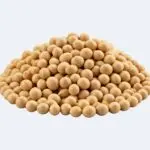
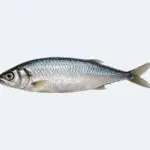
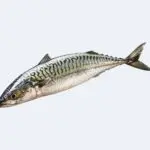
Per serving, our USDA ranking is led by soybeans (one cup, 172 g, 1.32 g) and ground beef (4 oz, 1.32 g). A chicken drumstick with skin (1.24 g) and 3 oz of shrimp (1.14 g) follow. Then come 4 oz of chicken breast (1.13 g) and sardines (one can, 1.09 g).
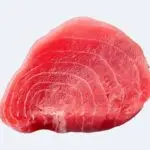
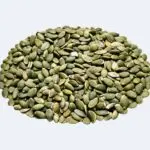
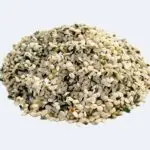
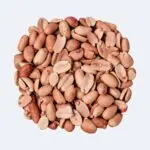
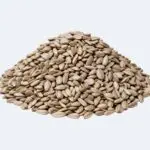
Per 100 g, seeds and nuts lead: pumpkin seeds at 1.84 g, then hemp seeds (1.61 g), peanuts (1.55 g) and sunflower seeds (1.46 g). Per 100 kcal, scallops (1.5 g) lead, ahead of shrimp (1.13 g), cod (1.04 g) and tuna (1.03 g). The ranking below shows the full lists.
Gelatin and bone broth do not appear in our top lists. But a 2002 trial report says gelatin consists of 30% glycine residues, which fits the large share of glycine in collagen. Glycine is not a limiting amino acid in the way lysine is in grains or methionine in legumes.
FAO’s protein quality score, DIAAS, is worked out from indispensable amino acids only, so glycine does not enter it. NASEM says the mixture of dispensable and conditionally indispensable amino acids in food protein meets the body’s needs at adequate intakes.
NASEM reports an average US intake of 3.2 g a day from food and supplements. By our arithmetic, one 4 oz serving of ground beef (1.32 g) is about 41% of that.
The 3 g used in sleep trials would take about 2.3 cups of soybeans. The 15 g a day used in the metabolic syndrome trial would take about 11 cups. That is why trials use powder, and why food alone will not match them.
Per serving. No daily amount is set, so bars compare each food with the top food.
Per 100 g. No daily amount is set, so bars compare each food with the top food.
Per 100 kcal: the same calories of each food, for a fair comparison. Bars compare each food with the top food.
Food labels have no Daily Value or Reference Intake for glycine, so the % compares each food with the top food.
- 1.
- 2.

- 3.

- 4.

- 5.

- 6.
- 7.
- 8.

- 9.
- 10.



- 1.
- 2.
- 3.
- 4.
- 5.
- 6.
- 7.
- 8.
- 9.
- 10.


- 1.
- 2.
- 3.

- 4.
- 5.
- 6.

- 7.
- 8.
- 9.
- 10.


Sources
- FoodData Central. US Department of Agriculture, Agricultural Research Service. Values as shown in the ranking above.
- Institute of Medicine, Food and Nutrition Board. Dietary Reference Intakes for energy, carbohydrate, fiber, fat, fatty acids, cholesterol, protein, and amino acids. National Academies Press. 2005. Pages 719 to 720.
- Gannon MC, Nuttall JA, Nuttall FQ. The metabolic response to ingested glycine. Am J Clin Nutr. 2002.
- FAO Expert Consultation. Dietary protein quality evaluation in human nutrition. FAO Food and Nutrition Paper 92. 2013.
- FAO/WHO/UNU Expert Consultation. Protein and amino acid requirements in human nutrition. WHO Technical Report Series 935. 2007. Sections 2.3.3 and 8.2.
- Bannai M, Kawai N, Ono K, et al. The effects of glycine on subjective daytime performance in partially sleep-restricted healthy volunteers. Front Neurol. 2012.
- Díaz-Flores M, Cruz M, Duran-Reyes G, et al. Oral supplementation with glycine reduces oxidative stress in patients with metabolic syndrome, improving their systolic blood pressure. Can J Physiol Pharmacol. 2013.
How glycine works
Most of the biochemistry below is well established. But it comes from reviews and small physiology studies, and the choices people make about supplements rest on a thinner set of trials.
Five ideas cover most of it. The body makes glycine, mostly from serine, and spends it on many things, and collagen takes a large share. Supplement doses are many times food intake. In the brain, glycine acts as both a brake and an accelerator, and a dedicated enzyme system breaks it down.
Here is each one, and what has been seen in people.
It is made from serine and spent on many things
Glycine is synthesized from serine, threonine, choline and hydroxyproline, mainly in the liver and kidneys, according to a 2013 review. The review lists what it is used for: glutathione, heme, creatine, nucleic acids, uric acid and bile acids. Bile acids are secreted into the gut to help digest fat. A 2009 analysis of published fluxes (flows) in an adult found that synthesis from serine gives more than 85% of the total supply.
The main uses of glycine named in the sources. Not to scale: the sources do not rank them by amount. Serine supplies over 85% of the glycine made, by one analysis of published fluxes.
A large share goes into collagen
Collagen may make up 25 percent of the body’s protein, according to NASEM. In malnutrition the share can rise to 50 percent, because other proteins are lost first.
The WHO report says the synthesis rate of glycine could be rate-limiting, especially in rapidly growing babies or when demand is higher. It adds that glycine synthesis falls when nitrogen intake and dispensable amino acids are low.
The 2009 analysis put diet at 1.5 to 3.0 g a day and synthesis at about 3 g. It concluded this may fall about 10 g a day short for a 70 kg adult, mostly because of collagen. NASEM and the WHO set no requirement from this, so treat it as one group’s estimate.
A 2025 review adds that glycine deficiency has been reported with inadequate protein intake, malnutrition, late pregnancy, diabetes, insulin resistance and exposure to foreign chemicals. Low glycine usually goes with low serine. The review argues that giving serine with glycine may suit those states better, but says no study compares glycine alone with glycine plus serine.
Supplement doses are many times food intake
NASEM puts the mean US intake of glycine from food and supplements at 3.2 g a day. At the 99th percentile, men aged 19 to 30 take in 7.8 g.
The trials on this page gave 3 g before bed in a sleep study and 14 g a day in dialysis patients. Others gave 15 g a day in metabolic syndrome and 60 g a day in schizophrenia.
Oral glycine does raise blood and tissue levels. In ventilated patients, 0.4 g per kg a day raised plasma and muscle glycine. In 11 healthy men, 2 weeks of oral glycine had a peak dose of 0.8 g per kg a day. It raised the brain glycine to creatine ratio, measured 17 hours after the last dose.
Glycine doses in grams a day, drawn to scale. The intake figures are US survey data from NASEM; the trial doses are the ones named on the study cards.
In the brain it is both a brake and an accelerator
Glycine has roles in both excitatory and inhibitory (activating and calming) signaling, through NMDA receptors and glycine receptors, according to a 2012 review. At NMDA receptors it is an obligatory co-agonist (a needed partner signal), which is the reasoning behind the schizophrenia trials.
In rats, oral glycine lowered core temperature and brought sleep sooner by widening skin blood vessels. It worked through NMDA receptors in the suprachiasmatic nucleus, the brain’s body clock. Whether the same chain explains the small human sleep trials has not been shown.
The chain found in rats. Blocking NMDA receptors, but not glycine receptors, stopped the blood vessel effect, and removing the SCN abolished the effects.
Too much glycine is also a disease. In nonketotic hyperglycinemia, an inherited fault in the glycine cleavage system, large amounts of glycine build up in all tissues, including the brain.
How the body breaks it down
The glycine cleavage system is the main enzyme that starts glycine breakdown, giving ammonia and carbon dioxide, according to the 2013 review. Two other routes exist. Serine hydroxymethyltransferase turns glycine back into serine, and glycine can be converted to glyoxylate in peroxisomes (small cell compartments). The 2025 review notes that glycine flowing back to serine uses up methylenetetrahydrofolate, which methylation reactions also need.
What has been seen in people
The firmest human facts are about levels and about trials that found nothing. Oral glycine raises plasma and muscle glycine. In schizophrenia, a small crossover trial found a 30% drop in negative symptoms. But the 157-person trial and the trial with clozapine found no benefit.
In sleep, trials of 3 g before bed were small, and a 2024 systematic review rates them at high risk of bias. GlyNAC results come from a blend, and the one large trial missed its main goal. Blood glycine and genetic data link higher levels to lower heart and diabetes risk, but they do not show that taking glycine does the same.
All of these are among the study cards above.
Sources
- Wang W, Wu Z, Dai Z, et al. Glycine metabolism in animals and humans: implications for nutrition and health. Amino Acids. 2013.
- Meléndez-Hevia E, De Paz-Lugo P, Cornish-Bowden A, Cárdenas ML. A weak link in metabolism: the metabolic capacity for glycine biosynthesis does not satisfy the need for collagen synthesis. J Biosci. 2009.
- Institute of Medicine, Food and Nutrition Board. Dietary Reference Intakes for energy, carbohydrate, fiber, fat, fatty acids, cholesterol, protein, and amino acids. National Academies Press. 2005. Pages 594 to 595 and 719 to 720.
- FAO/WHO/UNU Expert Consultation. Protein and amino acid requirements in human nutrition. WHO Technical Report Series 935. 2007. Sections 2.3.3, 8.2 and 8.3.
- Holeček M. Glycine as a conditionally essential amino acid and its relationship to l-serine. Metabolism. 2025.
- Ali Abdelhamid Y, Bongetti AJ, Caldow MK, et al. The effect of enteral glycine on plasma glycine and muscle structure, size, and function in the critically ill: a randomized controlled trial. Clin Nutr. 2025.
- Kaufman MJ, Prescot AP, Ongur D, et al. Oral glycine administration increases brain glycine/creatine ratios in men: a proton magnetic resonance spectroscopy study. Psychiatry Res. 2009.
- Bannai M, Kawai N. New therapeutic strategy for amino acid medicine: glycine improves the quality of sleep. J Pharmacol Sci. 2012.
- Heresco-Levy U, Javitt DC, Ermilov M, et al. Efficacy of high-dose glycine in the treatment of enduring negative symptoms of schizophrenia. Arch Gen Psychiatry. 1999.
- Kawai N, Sakai N, Okuro M, et al. The sleep-promoting and hypothermic effects of glycine are mediated by NMDA receptors in the suprachiasmatic nucleus. Neuropsychopharmacology. 2015.
- Van Hove JLK, Coughlin C II, Swanson M, Hennermann JB. Nonketotic hyperglycinemia. In: Adam MP, et al., editors. GeneReviews. University of Washington, Seattle. 1993 to 2026 (updated 2019).
- Soh J, Raventhiran S, Lee JH, et al. The effect of glycine administration on the characteristics of physiological systems in human adults: a systematic review. Geroscience. 2024.
How much glycine do you need?
No official daily amount is set for glycine. The body makes it, and the average American already takes in about 3.2 g a day from food and supplements, according to NASEM.
NASEM lists glycine as conditionally indispensable, meaning it needs a dietary source when the body’s own synthesis cannot meet need. It says the quantitative requirement for such amino acids has not been determined.
The WHO/FAO/UNU report gives requirement values only for the nine indispensable amino acids. For the rest, it gives about 0.48 g per kg a day of dispensable amino acids, or preformed amino nitrogen. That amount should keep healthy adults in nitrogen balance.
For a 70 kg adult, that is about 34 g (our arithmetic). The WHO adds that glutamate and glycine appear to be the most effective form. EFSA’s 2012 protein opinion sets no value for single amino acids.
We found no official glycine value for children, pregnancy or breastfeeding. A study of 3 preterm infants fed donor milk in 1981 raised the possibility that glycine is essential for them.
In 12 children recovering from severe malnutrition, a marker of glycine shortage rose during rapid catch-up growth. Two days of oral glycine (1.7 mmol per kg a day) cut it by up to 64% in 7 of 9 children.
Glycine deficiency: signs and who is at risk
We found no report of a diet-caused glycine deficiency syndrome in healthy adults who eat enough protein. A 2025 review says glycine deficiency has been reported with inadequate protein intake, malnutrition, late pregnancy, diabetes and insulin resistance.
In EPIC-Oxford men, plasma glycine was highest in vegans and lowest in meat-eaters. That was even though intakes of most dietary amino acids were up to 47% lower in vegans. So a plant-based diet is not a known glycine risk.
The inherited problem runs the other way. In nonketotic hyperglycinemia, glycine builds up because the glycine cleavage system fails. Treatment aims to lower it with sodium benzoate and to block overstimulated NMDA receptors, according to the GeneReviews entry. The entry adds that valproate, which raises glycine, should be avoided. This needs a metabolic specialist.
Sources
- Institute of Medicine, Food and Nutrition Board. Dietary Reference Intakes for energy, carbohydrate, fiber, fat, fatty acids, cholesterol, protein, and amino acids. National Academies Press. 2005. Pages 593 to 594 and 719 to 720.
- FAO/WHO/UNU Expert Consultation. Protein and amino acid requirements in human nutrition. WHO Technical Report Series 935. 2007. Sections 2.7, 8.2 and 8.3.
- EFSA Panel on Dietetic Products, Nutrition and Allergies (NDA). Scientific opinion on dietary reference values for protein. EFSA J. 2012 (corrected 2015).
- Jackson AA, Shaw JC, Barber A, Golden MH. Nitrogen metabolism in preterm infants fed human donor breast milk: the possible essentiality of glycine. Pediatr Res. 1981.
- Persaud C, Forrester T, Jackson AA. Urinary excretion of 5-L-oxoproline (pyroglutamic acid) is increased during recovery from severe childhood malnutrition and responds to supplemental glycine. J Nutr. 1996.
- Holeček M. Glycine as a conditionally essential amino acid and its relationship to l-serine. Metabolism. 2025.
- Schmidt JA, Rinaldi S, Scalbert A, et al. Plasma concentrations and intakes of amino acids in male meat-eaters, fish-eaters, vegetarians and vegans: a cross-sectional analysis in the EPIC-Oxford cohort. Eur J Clin Nutr. 2016.
- Van Hove JLK, Coughlin C II, Swanson M, Hennermann JB. Nonketotic hyperglycinemia. In: Adam MP, et al., editors. GeneReviews. University of Washington, Seattle. 1993 to 2026 (updated 2019).
Forms of glycine: absorption and effects
Glycine reaches you in four ways. It comes as the free amino acid in powders and capsules, and bound in food protein such as gelatin and collagen. It is also part of mineral chelates (minerals bound to glycine) such as magnesium or iron bisglycinate, and of blends such as GlyNAC.
The honest bottom line: trials of free glycine are few. Many popular products are collagen or minerals whose results cannot be credited to glycine. No trial we found compares glycine forms for sleep or any other outcome.
| Form | What it is | What studies show | Source |
|---|---|---|---|
| Free glycine | The single amino acid, sold as powder or capsules. It has no L- and D-forms, because the molecule has no asymmetric carbon. | Doses in trials were 3 g before bed for sleep, 15 g a day for 3 months in metabolic syndrome, 14 g a day for 4 months in dialysis and 60 g a day for 8 weeks in schizophrenia. In ventilated patients, doses of 0.2 and 0.4 g per kg a day raised plasma glycine in a dose-dependent way. We found no trial that compared glycine with another form. | 1, 2, 3, 4, 5, 19 |
| Collagen peptides and gelatin | Hydrolyzed collagen, a mixed protein. Gelatin consists of 30% glycine residues. | Skin: a meta-analysis of 26 trials found better hydration and elasticity. Knee osteoarthritis: pain eased in 4 trials at high risk of bias. Bone: 5 g a day for 12 months slightly raised bone density. Sleep: 15 g before bed reduced awakenings in 13 men but not sleep latency or efficiency. A 2026 scoping review found that glycine-containing supplements, collagen included, generally raised blood glycine, but says glycine’s role in collagen’s sleep effects has not been tested. Results belong to the whole peptide mix. | 6, 7, 8, 9, 10, 20 |
| Magnesium glycinate (bisglycinate) | Magnesium bound to glycine. We found no source that states the magnesium share by weight. | In 12 people after ileal resection, absorption of a 100 mg dose of labeled magnesium was 23.5% from the glycine chelate and 22.8% from magnesium oxide, but higher from the chelate (23.5% against 11.8%) in the 4 people who absorbed worst. In 155 adults with poor sleep, 250 mg a day of magnesium as bisglycinate lowered insomnia scores slightly more than placebo. We found no trial of magnesium glycinate against another magnesium form for sleep. | 13, 14 |
| Ferrous bisglycinate | Iron bound to glycine. | A meta-analysis of 17 trials found higher hemoglobin and fewer stomach complaints than other iron supplements in pregnant women, with no difference in children. In 80 Danish pregnant women, 25 mg of iron as bisglycinate was not inferior to 50 mg as sulfate, with fewer stomach complaints. | 11, 12 |
| GlyNAC | A blend of glycine and N-acetylcysteine. | In 24 older adults, 16 weeks of GlyNAC improved glutathione and function against a placebo. In 114 healthy older adults, 2 weeks at 2.4 to 7.2 g a day did not raise total glutathione, the main goal. Results belong to the blend. | 15, 16 |
| Sarcosine (N-methylglycine) | A related compound, not glycine. | Six trials in 234 people with schizophrenia gave 2 g a day and found no significant effect at 2, 4, 6 or more than 6 weeks overall, with small benefits in subgroups with chronic illness and no clozapine. | 17 |
| Glycine plus serine | A mix suggested for deficiency states. | A 2025 review argues that serine may suit glycine-deficient states better, but says no studies compare glycine alone with glycine plus serine. | 18 |
For more on the mineral, see our magnesium page. Here are the studies of these forms and products, strongest evidence first, 6 in all. The collagen studies test a peptide mix, and the magnesium and iron studies test the mineral.
All 6 studies, strongest evidence first
Meta-analysis: oral hydrolyzed collagen improved skin hydration and elasticity against placebo
This meta-analysis pooled 26 trials in 1,721 people. Both results were very clear (Z = 4.94 for hydration and 4.49 for elasticity). The effect on hydration varied with the collagen source and the length of treatment. The authors found several biases in the included trials and ask for larger ones. Collagen peptides are a mix of amino acids, so glycine’s own share was not tested.
Bisglycinate iron raised pregnancy hemoglobin with fewer stomach effects than other iron
This meta-analysis pooled 17 trials lasting 4 to 20 weeks, against other iron supplements. Nine were in pregnant women and 4 in children, and the rest were assessed in words. In pregnant women, hemoglobin was higher (standardized difference 0.54) and stomach events were fewer (rate ratio 0.36). Children showed no difference in hemoglobin or ferritin (iron stores). This is an iron effect, not a glycine effect.
Magnesium bisglycinate modestly lowered insomnia scores in 155 poor sleepers
This double-blind, placebo-controlled trial gave 250 mg of magnesium as bisglycinate for 4 weeks. The Insomnia Severity Index fell by 3.9 points against 2.3 on placebo, a small effect (Cohen’s d = 0.2). Other psychological outcomes did not differ. It compared the product with placebo, not with another magnesium form, so the role of glycine is untested. One author runs a contract research firm that is paid by supplement companies.
Collagen peptides eased knee osteoarthritis pain against placebo in 4 trials
This meta-analysis of 507 people found a standardized difference of −0.58. All 4 trials had a high risk of bias. The authors rate the evidence for pain as moderate quality, and for adverse events (no clear difference, odds ratio 1.66) as very low quality. They ask for better trials.
5 g collagen peptides daily slightly raised bone density in at-risk women
This randomized, placebo-controlled trial gave specific collagen peptides for 12 months to 131 postmenopausal women with age-related low bone density. Of them, 102 finished, and all were analyzed. Spine T-score (a bone density score) changed by +0.1 against −0.03 on placebo, and femoral neck (hip) by +0.09 against −0.01. A bone formation marker rose. One author is from the Collagen Research Institute, a company.
Collagen peptides cut awakenings in 13 active men with sleep complaints
In this randomized crossover trial, the men took 15 g of glycine-rich collagen peptides before bed for 7 nights. Polysomnography (an overnight sleep lab test) showed 21.3 awakenings against 29.3 on placebo. Sleep amount, latency (time to fall asleep), efficiency and core temperature did not change. Morning Stroop accuracy (a focus test) was higher. Two authors are employees of Rousselot BV, and the funders supplied the product. It tested collagen peptides, not glycine alone.
Sources
- Bannai M, Kawai N, Ono K, et al. The effects of glycine on subjective daytime performance in partially sleep-restricted healthy volunteers. Front Neurol. 2012.
- Díaz-Flores M, Cruz M, Duran-Reyes G, et al. Oral supplementation with glycine reduces oxidative stress in patients with metabolic syndrome, improving their systolic blood pressure. Can J Physiol Pharmacol. 2013.
- Genton L, Teta D, Pruijm M, et al. Glycine increases fat-free mass in malnourished haemodialysis patients: a randomized double-blind crossover trial. J Cachexia Sarcopenia Muscle. 2021.
- Evins AE, Fitzgerald SM, Wine L, Rosselli R, Goff DC. Placebo-controlled trial of glycine added to clozapine in schizophrenia. Am J Psychiatry. 2000.
- Ali Abdelhamid Y, Bongetti AJ, Caldow MK, et al. The effect of enteral glycine on plasma glycine and muscle structure, size, and function in the critically ill: a randomized controlled trial. Clin Nutr. 2025.
- Gannon MC, Nuttall JA, Nuttall FQ. The metabolic response to ingested glycine. Am J Clin Nutr. 2002.
- Pu SY, Huang YL, Pu CM, et al. Effects of oral collagen for skin anti-aging: a systematic review and meta-analysis. Nutrients. 2023.
- Lin CR, Tsai SHL, Huang KY, et al. Analgesic efficacy of collagen peptide in knee osteoarthritis: a meta-analysis of randomized controlled trials. J Orthop Surg Res. 2023.
- König D, Oesser S, Scharla S, Zdzieblik D, Gollhofer A. Specific collagen peptides improve bone mineral density and bone markers in postmenopausal women: a randomized controlled study. Nutrients. 2018.
- Thomas C, Kingshott RN, Allott KM, et al. Collagen peptide supplementation before bedtime reduces sleep fragmentation and improves cognitive function in physically active males with sleep complaints. Eur J Nutr. 2024.
- Fischer JAJ, Cherian AM, Bone JN, Karakochuk CD. The effects of oral ferrous bisglycinate supplementation on hemoglobin and ferritin concentrations in adults and children: a systematic review and meta-analysis of randomized controlled trials. Nutr Rev. 2023.
- Milman N, Jønsson L, Dyre P, Pedersen PL, Larsen LG. Ferrous bisglycinate 25 mg iron is as effective as ferrous sulfate 50 mg iron in the prophylaxis of iron deficiency and anemia during pregnancy in a randomized trial. J Perinat Med. 2014.
- Schuette SA, Lashner BA, Janghorbani M. Bioavailability of magnesium diglycinate vs magnesium oxide in patients with ileal resection. JPEN J Parenter Enteral Nutr. 1994.
- Schuster J, Cycelskij I, Lopresti A, Hahn A. Magnesium bisglycinate supplementation in healthy adults reporting poor sleep: a randomized, placebo-controlled trial. Nat Sci Sleep. 2025.
- Kumar P, Liu C, Suliburk J, et al. Supplementing glycine and N-acetylcysteine (GlyNAC) in older adults improves glutathione deficiency, oxidative stress, mitochondrial dysfunction, inflammation, physical function, and aging hallmarks: a randomized clinical trial. J Gerontol A Biol Sci Med Sci. 2023.
- Lizzo G, Migliavacca E, Lamers D, et al. A randomized controlled clinical trial in healthy older adults to determine efficacy of glycine and N-acetylcysteine supplementation on glutathione redox status and oxidative damage. Front Aging. 2022.
- Marchi M, Galli G, Magarini FM, Mattei G, Galeazzi GM. Sarcosine as an add-on treatment to antipsychotic medication for people with schizophrenia: a systematic review and meta-analysis of randomized controlled trials. Expert Opin Drug Metab Toxicol. 2021.
- Holeček M. Glycine as a conditionally essential amino acid and its relationship to l-serine. Metabolism. 2025.
- Institute of Medicine, Food and Nutrition Board. Dietary Reference Intakes for energy, carbohydrate, fiber, fat, fatty acids, cholesterol, protein, and amino acids. National Academies Press. 2005. Pages 719 to 720.
- Fan Z, Nelson JM, Wallace TC. Glycine bioavailability and sleep-related outcomes following oral glycine and collagen supplementation: a scoping review. J Diet Suppl. 2026.
Is glycine safe? Supplements, dose and interactions
Glycine from food is not a concern. NASEM set no tolerable upper intake level (UL, the most you can take daily without likely harm) for glycine. It judged that the data on adverse effects from supplements were not sufficient for a dose-response assessment. It noted there have been no chronic dose-response studies of L-glycine in healthy people.
EFSA’s 2012 opinion says the data are not sufficient to set an upper level for protein, and we found no EFSA upper level for glycine. A 2023 review of amino acid tolerance trials covered ten amino acids but not glycine. It notes that no national health agency has set upper levels for amino acids.
What the trials show is limited. Sleep studies used 3 g before bed, and a metabolic syndrome trial used 15 g a day for 3 months. A dialysis trial used 14 g a day for 4 months. A schizophrenia trial used 60 g a day for 8 weeks, and no one worsened clinically.
NASEM also cites 60 g a day for several weeks without adverse effects in patients with schizophrenia. A 2024 review found glycine was given to healthy people for up to 14 days and to patients for up to 4 months. These are findings from studies, not official limits.
Long-term safety in healthy adults is not established, since the review’s studies in healthy people lasted up to 14 days.
- Side effects. In the stroke trial, 1 to 2 g a day under the tongue caused slight sedation in 9 of 200 patients (4.5%). NASEM lists nausea, diarrhea and visual disturbances after surgical irrigation with 1.5% or 2.2% glycine solutions, which is not a supplement use. It also lists growth depression in rats and chicks fed diets of 10 percent glycine.
- Clozapine and other antipsychotics. Glycine added to clozapine gave no benefit in 30 people at 60 g a day. A meta-analysis found NMDA add-ons worked only with antipsychotics other than clozapine. We found no evidence that glycine blocks clozapine. But these doses were given under supervision, and anyone on an antipsychotic should ask their doctor first.
- Inherited disorders. In nonketotic hyperglycinemia, glycine builds up and treatment aims to lower it, so glycine supplements do not fit. This needs a metabolic specialist.
- Kidney disease and intensive care. The dialysis and ventilator trials were supervised, at 14 g a day and up to 0.4 g per kg a day. People with kidney or liver disease should ask a doctor before taking glycine.
- Pregnancy. We found no randomized trial of glycine supplements in pregnancy. Ask your doctor first.
- Mixed products. Magnesium glycinate, iron bisglycinate and collagen peptides carry the safety issues of the mineral or protein as well. Check the label for the dose of the mineral.
Sources
- Institute of Medicine, Food and Nutrition Board. Dietary Reference Intakes for energy, carbohydrate, fiber, fat, fatty acids, cholesterol, protein, and amino acids. National Academies Press. 2005. Pages 719 to 720.
- EFSA Panel on Dietetic Products, Nutrition and Allergies (NDA). Scientific opinion on dietary reference values for protein. EFSA J. 2012 (corrected 2015).
- Elango R. Tolerable upper intake level for individual amino acids in humans: a narrative review of recent clinical studies. Adv Nutr. 2023.
- Evins AE, Fitzgerald SM, Wine L, Rosselli R, Goff DC. Placebo-controlled trial of glycine added to clozapine in schizophrenia. Am J Psychiatry. 2000.
- Goh KK, Wu TH, Chen CH, Lu ML. Efficacy of N-methyl-D-aspartate receptor modulator augmentation in schizophrenia: a meta-analysis of randomised, placebo-controlled trials. J Psychopharmacol. 2021.
- Gusev EI, Skvortsova VI, Dambinova SA, et al. Neuroprotective effects of glycine for therapy of acute ischaemic stroke. Cerebrovasc Dis. 2000.
- Heresco-Levy U, Javitt DC, Ermilov M, et al. Efficacy of high-dose glycine in the treatment of enduring negative symptoms of schizophrenia. Arch Gen Psychiatry. 1999.
- Genton L, Teta D, Pruijm M, et al. Glycine increases fat-free mass in malnourished haemodialysis patients: a randomized double-blind crossover trial. J Cachexia Sarcopenia Muscle. 2021.
- Díaz-Flores M, Cruz M, Duran-Reyes G, et al. Oral supplementation with glycine reduces oxidative stress in patients with metabolic syndrome, improving their systolic blood pressure. Can J Physiol Pharmacol. 2013.
- Soh J, Raventhiran S, Lee JH, et al. The effect of glycine administration on the characteristics of physiological systems in human adults: a systematic review. Geroscience. 2024.
- Ali Abdelhamid Y, Bongetti AJ, Caldow MK, et al. The effect of enteral glycine on plasma glycine and muscle structure, size, and function in the critically ill: a randomized controlled trial. Clin Nutr. 2025.
- Van Hove JLK, Coughlin C II, Swanson M, Hennermann JB. Nonketotic hyperglycinemia. In: Adam MP, et al., editors. GeneReviews. University of Washington, Seattle. 1993 to 2026 (updated 2019).
How to get enough glycine
- Eat enough protein from varied foods. NASEM says the dispensable and conditionally indispensable amino acids in food proteins meet the body’s needs at adequate protein intakes. The US average of 3.2 g a day compares with 1.32 g in a 4 oz serving of ground beef or a cup of soybeans.
- Collagen-rich foods carry a lot of glycine. Gelatin consists of 30% glycine residues. The collagen trials gave 5 g to 15 g a day of a whole peptide mix, not glycine alone.
- Skip pills unless a doctor suggests them. The sleep evidence is limited and small, and the 157-person glycine trial found nothing. The sleep studies used 3 g before bed.
Sources
- Institute of Medicine, Food and Nutrition Board. Dietary Reference Intakes for energy, carbohydrate, fiber, fat, fatty acids, cholesterol, protein, and amino acids. National Academies Press. 2005. Pages 594 and 719 to 720.
- Gannon MC, Nuttall JA, Nuttall FQ. The metabolic response to ingested glycine. Am J Clin Nutr. 2002.
- König D, Oesser S, Scharla S, Zdzieblik D, Gollhofer A. Specific collagen peptides improve bone mineral density and bone markers in postmenopausal women: a randomized controlled study. Nutrients. 2018.
- Thomas C, Kingshott RN, Allott KM, et al. Collagen peptide supplementation before bedtime reduces sleep fragmentation and improves cognitive function in physically active males with sleep complaints. Eur J Nutr. 2024.
- Bannai M, Kawai N, Ono K, et al. The effects of glycine on subjective daytime performance in partially sleep-restricted healthy volunteers. Front Neurol. 2012.
- Soh J, Raventhiran S, Lee JH, et al. The effect of glycine administration on the characteristics of physiological systems in human adults: a systematic review. Geroscience. 2024.
History of glycine
Henri Braconnot first made glycine in 1820 by treating isinglass, a gelatin, with sulfuric acid. He found a body with a sweet taste, which he called sugar of gelatin, according to Eben Horsford’s 1847 account of its history. Boussingault gave the first analysis of it.
Horsford noted that sugar was an unfitting name, since the substance cannot ferment. He adopted the name glycocoll, which was later shortened to glycine, from the Greek word for sweet.
Its place in nutrition came later and is still argued. In 1981, Jackson and colleagues studied 3 preterm infants fed donor breast milk and raised the possibility that glycine is essential for them. In 1996, Persaud, Forrester and Jackson showed a marker of glycine shortage rising during catch-up growth in malnourished children.
The 2005 NASEM report put glycine among the conditionally indispensable amino acids. The WHO report of 2007 said its synthesis could be rate-limiting.
The modern debate is about quantity. The 2009 analysis of glycine fluxes argued that collagen needs more than the body makes. A 2025 review called glycine a conditionally essential amino acid tied to serine. No trial has yet tested whether eating more glycine closes any gap in healthy people.
Sources
- Horsford EN. Investigation of glycocoll and some of its products of decomposition. American Journal of Science and Arts, second series, vols. 3 and 4. 1847.
- Glycine. Wikipedia, history section. Accessed October 2026.
- Jackson AA, Shaw JC, Barber A, Golden MH. Nitrogen metabolism in preterm infants fed human donor breast milk: the possible essentiality of glycine. Pediatr Res. 1981.
- Persaud C, Forrester T, Jackson AA. Urinary excretion of 5-L-oxoproline (pyroglutamic acid) is increased during recovery from severe childhood malnutrition and responds to supplemental glycine. J Nutr. 1996.
- Institute of Medicine, Food and Nutrition Board. Dietary Reference Intakes for energy, carbohydrate, fiber, fat, fatty acids, cholesterol, protein, and amino acids. National Academies Press. 2005. Pages 593 to 594.
- FAO/WHO/UNU Expert Consultation. Protein and amino acid requirements in human nutrition. WHO Technical Report Series 935. 2007. Section 8.2.
- Meléndez-Hevia E, De Paz-Lugo P, Cornish-Bowden A, Cárdenas ML. A weak link in metabolism: the metabolic capacity for glycine biosynthesis does not satisfy the need for collagen synthesis. J Biosci. 2009.
- Holeček M. Glycine as a conditionally essential amino acid and its relationship to l-serine. Metabolism. 2025.
Frequently asked questions about glycine
Does glycine help you sleep?
Possibly a little, but the evidence is thin. In volunteers whose sleep was cut for three nights, 3 g before bed reduced next-day fatigue and improved a vigilance test. A 2024 systematic review says the sleep studies were small, with a high risk of bias. In rats, glycine lowered body temperature and brought sleep sooner, and we found no large human trial.
How much glycine should you take a day?
There is no official dose. Sleep studies used 3 g before bed, and trials in illness used up to 60 g a day under supervision. For comparison, the average US intake from food and supplements is about 3.2 g a day.
Is glycine an essential amino acid?
Not strictly. The body makes it, mostly from serine, so it is not on the list of nine essential amino acids. NASEM, EFSA and the WHO list it as conditionally indispensable, meaning the body may not always make enough, as in premature babies. NASEM’s upper-level section calls it dispensable, though.
What are the side effects of glycine?
Trials report few. In a stroke trial, 1 to 2 g a day under the tongue caused slight sedation in 4.5% of patients. The high-dose trials in schizophrenia reported glycine as well tolerated. NASEM set no upper limit because the data are not enough. People with kidney disease, inherited disorders or on antipsychotics should ask a doctor.
Which foods are highest in glycine?
In our USDA ranking per serving, soybeans (1.32 g in a cup) and ground beef (1.32 g in 4 oz) lead. A chicken drumstick (1.24 g), shrimp (1.14 g in 3 oz), chicken breast (1.13 g) and sardines (1.09 g per can) follow. Per 100 g, pumpkin seeds (1.84 g) lead, ahead of hemp seeds (1.61 g), peanuts and sunflower seeds. Gelatin consists of 30% glycine residues.
Is collagen a good way to get glycine?
It is rich in glycine, but the trials test the whole peptide, not glycine. Collagen peptides improved skin hydration and elasticity in a meta-analysis of 26 trials, and 5 g a day slightly raised bone density in one trial. A 2026 review says glycine’s role in collagen’s sleep effects has not been tested.
Is magnesium glycinate better than other magnesium for sleep?
No trial shows that. One trial in 155 adults with poor sleep found a small gain from magnesium bisglycinate against placebo. An absorption test in 12 people after bowel surgery found no overall difference from magnesium oxide. We found no trial comparing magnesium glycinate with another form for sleep.
What is GlyNAC and does it work?
GlyNAC is a blend of glycine and N-acetylcysteine. In a trial of 24 older adults, 16 weeks improved glutathione and function against placebo. But in 114 healthy older adults, 2 weeks did not raise total glutathione, the main goal. Both trials were small or short, and the results belong to the blend, not to glycine alone.