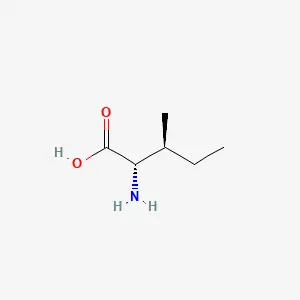
Isoleucine is an amino acid, one of the building blocks of protein. The WHO (World Health Organization), the US National Academies and EFSA (the EU’s food safety agency) all list it as essential, or indispensable. That means food has to supply it.
It has the same chemical formula as leucine, and that is where its name comes from. The German chemist Felix Ehrlich found it in 1903 in sugar beet molasses, as a second form of leucine. With leucine and valine it makes up the branched-chain amino acids (BCAAs). They are named for the forked shape of their side chains.
Isoleucine is not the starting material for a hormone or a brain signal. Apart from going into protein, what the body makes from it is fuel. Muscle and other tissues break it down in two steps into acetyl-CoA and propionyl-CoA. The National Academies call the BCAAs both ketogenic (they can become ketone bodies) and glucogenic (they can become glucose).
Here is what most readers do not know. Adult hemoglobin, the oxygen carrier in red blood cells, contains no isoleucine at all. It is the only amino acid missing from it. So the malaria parasite, which digests hemoglobin for food, has to take isoleucine from the blood instead.
Also, although isoleucine is essential, nobody has measured the adult need directly. The WHO’s 20 mg per kg a day was calculated from the leucine figure. In practice it hardly matters, because 1 cup of soybeans holds 1.39 g. That is about the WHO figure for a 70 kg adult (our arithmetic).
Health benefits of isoleucine
The top findings from 20 studies, strongest evidence first
What the stars mean
- Strong. Several randomized trials, pooled in a meta-analysis, point the same way, or regulators (FDA or EFSA) have approved the claim.
- Moderate. Good randomized trials support it, but there are fewer of them, or their results vary.
- Limited. Small, short or single trials, or mixed results. Promising, but it needs confirmation.
Population and lab studies get no stars: they show a link or a mechanism, not proof.
How we rate evidence →- ★★Less muscle soreness after hard exerciseIn 18 trials in healthy, active people, BCAA blends eased soreness from 24 to 96 hours after exercise, but not right after. These blends contain leucine, isoleucine and valine, so the result is not for isoleucine alone.
- ★★Possibly less hepatic encephalopathy in cirrhosisIn 934 adults with cirrhosis, fewer on BCAA blends had no improvement in hepatic encephalopathy (liver-related brain problems; 0.79 times the risk). The evidence is low certainty, and deaths did not differ.
- ★★Higher muscle index, but no clear strength gainIn 12 trials of older adults with muscle loss (sarcopenia) who did resistance training, BCAA-rich supplements raised skeletal muscle index. Grip strength, walking speed and lean mass did not change clearly.
- ★Mixed effects on blood sugar after a drinkIsoleucine (10 g placed in the stomach before a sugary drink) lowered peak blood sugar in two small trials of healthy people. It did not in 14 men with type 2 diabetes, nor in 12 adults given 0.3 g per kg of lean body mass.
- ★More muscle protein building after a BCAA drinkIn 10 trained men, a 5.6 g BCAA drink after leg exercise raised muscle protein synthesis by 22% over 4 hours. A 2024 review adds that this is smaller than after a complete protein.
All 17 studies, strongest evidence first
In cirrhosis, BCAAs lowered the risk of unimproved hepatic encephalopathy, low certainty
This Cochrane review pooled 18 trials in 934 adults with cirrhosis, with searches to December 2024. Ten trials gave BCAAs by mouth and eight by vein. Hepatic encephalopathy stayed unimproved less often on BCAAs: 0.79 times the risk, with low-certainty evidence. The blends contain leucine, isoleucine and valine, so the result cannot be credited to isoleucine alone. Deaths did not differ (0.89 times the risk, very low certainty). Nausea and diarrhea were reported in 12% on BCAAs and 3% on diets, but the evidence is very uncertain. We found no trials in children, and three trials had support from for-profit organizations.
After muscle-damaging exercise, BCAA blends eased muscle soreness in 18 trials
This meta-analysis pooled randomized trials (chance decided who got what) in healthy, active people. The supplements were BCAA blends of leucine, isoleucine and valine at different doses. Soreness was lower at 24, 48, 72 and 96 hours, but not right after exercise. The effect sizes (Hedges g) were −1.34, −1.75, −1.82 and −0.82. Creatine kinase, a marker of muscle damage, was lower right after exercise (−0.44) and at 72 hours (−0.99). It was not lower at 24, 48 or 96 hours, and lactate dehydrogenase did not change. Higher daily doses and longer use went with larger effects.
With exercise, BCAA-rich supplements raised only skeletal muscle index in sarcopenia
This meta-analysis pooled 12 randomized trials with 459 older adults who had sarcopenia and did resistance training. The supplements were BCAA-rich, and the abstract gives neither the blend nor the dose, so no result can be credited to isoleucine. Skeletal muscle index, a measure of muscle mass for body size, rose (standardized mean difference 0.337). Hand grip strength (0.289), chair stands, walking speed, knee extension strength, lean mass and fat mass did not change clearly.
10 g of isoleucine lowered the blood sugar rise in lean volunteers
In this randomized crossover trial, each of 12 healthy, lean volunteers tried every option in turn. Free isoleucine (5 g or 10 g) or a control was infused into the stomach. This came 15 minutes before a 400 kcal drink with 56 g of carbohydrate. The 10 g dose lowered the peak and the total blood glucose rise (area under the curve), and slowed stomach emptying. The 5 g dose had no clear effect. Insulin, C-peptide, glucagon and the gut hormones GLP-1 and GIP did not change, so the effect looks insulin independent. (The leucine arm of the same paper raised insulin.) Isoleucine did not change how much people ate later. It was one dose, measured for 60 minutes.
In 15 healthy men, isoleucine lowered peak blood sugar, as leucine did
In this double-blind randomized crossover trial, neither the men (aged 27 ± 3 years) nor the researchers knew who got what. Each man tried every option: 10 g of leucine, isoleucine or valine, or a control, placed in the stomach 30 minutes before a mixed drink. Isoleucine and leucine lowered peak blood glucose compared with control and valine. On their own, the amino acids did not change glucose or C-peptide, and isoleucine and valine, but not leucine, raised glucagon. The authors suggest slower early stomach emptying plays a part. No conflicts of interest were declared.
In men with type 2 diabetes, isoleucine did not lower blood sugar
In this double-blind randomized crossover trial, 14 men with diabetes had leucine, isoleucine (10 g each) or a control in turn. It was placed in the stomach 30 minutes before a 500 kcal drink with 74 g of carbohydrate. Peak blood sugar was 12.0 mmol/L (millimoles per liter) on control, 12.5 on leucine and 12.0 on isoleucine. Isoleucine raised insulin (peak 74 mU/L against 70 on control) and glucagon (69 pg/mL against 62). The authors say the result argues against leucine or isoleucine “preloads” for managing type 2 diabetes.
In 12 adults, isoleucine raised the gut hormone GIP, not blood sugar
This randomized crossover trial included 12 healthy, inactive adults (6 women, 6 men). They took leucine, isoleucine, a 1:1 mix of both, or a placebo (a dummy with no active ingredient). The dose was 0.3 g per kg of lean body mass, 30 minutes before an oral glucose tolerance test (a standard sugar drink test). GIP rose more after isoleucine than after leucine or placebo. GLP-1 did not change, and GIP did not track insulin or glucose. The authors conclude that neither amino acid affected the rise in blood sugar.
A BCAA drink after weight training raised muscle protein building by 22%
In this randomized crossover trial, 10 trained men drank 5.6 g of BCAAs or a placebo right after leg exercise. The BCAAs were a blend of leucine, isoleucine and valine. Blood isoleucine rose about 300%. Over 4 hours, muscle protein synthesis was 22% higher on BCAAs (0.110 against 0.090 percent per hour), measured with an isotope infusion and biopsies. A 2024 review adds that this rise in muscle building is smaller than the one after a complete protein.
Small pilot: BCAAs with exercise improved grip and walking more than placebo
In this small double-blind pilot, 20 older adults did moderate aerobic and resistance training three times a week for 8 weeks. Mean age was 70.5 years and mean BMI (body mass index) 35. Each day they took a placebo or 100 mg per kg of body weight of leucine, isoleucine and valine in a 2:1:1 ratio. Handgrip, chair stands and 400 m walk time improved more on BCAAs. Fatigue changed by −45% against +92% on placebo, and depressive symptoms by −29% against +5%. With only 20 people, the authors call the results preliminary.
A BCAA blend did not slow ALS and lung capacity fell faster
This double-blind trial at two centers ran for six months in 95 people with ALS, a disease that destroys the nerves that control muscles. The blend was 12 g of L-leucine, 8 g of L-isoleucine and 6.4 g of L-valine a day (31 people). Others took L-threonine with vitamin B6 (32) or a placebo (32). The estimated drop in forced vital capacity (how much air you can blow out) was about 2.5 times greater on BCAAs than on placebo. Other measures did not differ. The amino acids were well tolerated, and the authors say an adverse effect cannot be ruled out.
In three US cohorts, isoleucine-rich diets went with more type 2 diabetes
The cohorts were the Nurses’ Health Study (1980 to 2012) and Nurses’ Health Study II (1991 to 2011). The last was the Health Professionals Follow-up Study (1986 to 2010). Follow-up lasted up to 32 years, and 16,097 people developed type 2 diabetes. After adjustment for demographics and traditional risk factors, the highest fifth of isoleucine intake had 1.13 times the risk of the lowest. The figure was also 1.13 for leucine and 1.11 for valine. In a healthy subsample, higher intake went with higher blood levels. This is an association and cannot show that isoleucine caused the diabetes.
In 20,154 Spanish adults, BCAA intake was not linked to diabetes
This was the SUN Project, a cohort of university graduates, with a mean follow-up of 14.67 years and 220 new cases of type 2 diabetes. Intake of valine, leucine and isoleucine together came from a 136-item questionnaire and the USDA amino acid database. Each extra 0.5% of energy from BCAAs went with 1.01 times the risk. The top third of intake against the bottom third gave 0.81 times the risk, and the range was wide. With so few cases, the authors call the results preliminary. Isoleucine was not reported separately.
High blood BCAAs looked more like a result of poor metabolic health
This genetic study of about 250,000 UK Biobank participants used gene variants to sort cause from effect in both directions (two-sample, two-way Mendelian randomization). Higher blood levels of BCAAs (leucine, isoleucine and valine together) appeared to follow a higher BMI and more triglycerides (blood fats). They also appeared to follow lower HDL (“good”) cholesterol, greater insulin resistance and a higher type 2 diabetes risk. So they looked more like a result than a cause. In the other direction, higher BCAA levels were linked to more triglycerides and lower HDL cholesterol, independent of BMI and diabetes risk. This is about blood levels, not intake. Three of the authors work for, and hold shares in, a biotechnology company.
In maple syrup urine disease, low isoleucine went with a scaly rash
This systematic review, a search for every relevant report, gathered 19 case reports describing 20 patients, up to June 2026. Maple syrup urine disease is an inherited disorder in which the body cannot break down BCAAs properly. Most patients were infants with red, scaly or eroded patches around the mouth and on the hands and feet (acrodermatitis dysmetabolica). All had low isoleucine and normal zinc, and isoleucine supplements led to improvement in nearly all. The authors say the rash typically comes from too little isoleucine in the diet. These are case reports, not a trial.
In obese mice, low isoleucine restored metabolic health, unlike low leucine
This mouse study also analyzed human diet data. A low-isoleucine diet raised insulin sensitivity in the liver, ketone production and energy use, through a hormone pathway called the FGF21-UCP1 axis. Low valine did the same more weakly, and low leucine did not. The authors also report that differences in dietary isoleucine help explain differences in body mass index between people, which is an association. The senior author advises a company developing mTOR drugs, and the university has applied for a patent based in part on these findings.
In genetically diverse mice, a low-isoleucine diet extended lifespan and reduced frailty
Mice were fed a diet restricted in isoleucine from adulthood. Leanness and blood sugar control improved in both sexes. Lifespan lengthened and frailty fell in males and females, more in males. Mice are not people, and we found no human trial of a low-isoleucine diet. The senior author advises a company developing mTOR drugs.
In old mice, less isoleucine improved metabolic health but lowered grip strength
Mice aged 20 months started a diet with 67% less isoleucine, or 67% less of all amino acids, without a cut in calories. Both diets improved metabolic health and some measures of frailty, and slowed molecular signs of aging. The low-isoleucine diet reduced grip strength in both sexes and had mixed, sex-dependent effects on the heart. The authors suggest similar diets might help older adults, and we found no human trial of such a diet.
Foods high in isoleucine
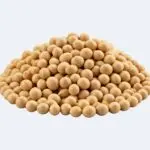
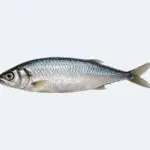
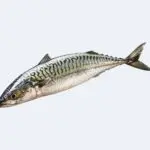
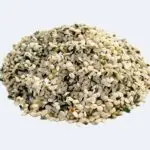
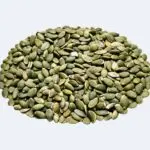
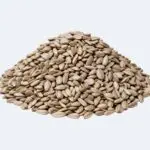
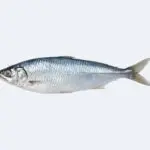
Soybeans lead our USDA ranking per serving: 1 cup (172 g) holds 1.39 g. Chicken breast follows with 1.25 g in 4 oz, then a chicken drumstick (1.11 g) and a can of sardines (1.04 g). Per 100 g, hemp seeds (1.29 g) and pumpkin seeds (1.28 g) come first, then sunflower seeds (1.14 g).
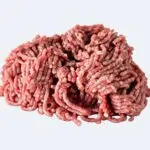
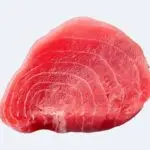
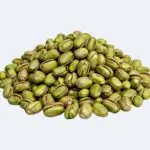
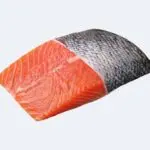
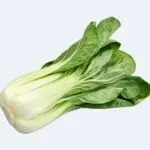
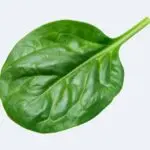
Per 100 kcal, cod (1 g), tuna (0.98 g) and chicken breast (0.92 g) lead. Two vegetables also make that list: bok choy (0.65 g) and spinach (0.64 g). The ranking below shows the full lists.
Isoleucine is in every protein, so a diet with enough protein has enough isoleucine. The National Academies list 63 mg per g of protein in eggs, 60 in milk, 42 in navy beans and 40 in whole wheat flour. So plant proteins hold somewhat less than animal ones. All of them sit above the WHO’s adult requirement pattern of 30 mg per g of protein.
PDCAAS is a score of protein quality. In it, the National Academies’ reference level for isoleucine is 25 mg per g of protein. The WHO also compared food proteins with its requirement pattern. The BCAAs as a group scored 115% of the pattern in cassava and 120% or more in every other protein and diet.
The WHO names lysine, not isoleucine, as the amino acid cereals fall short of. By our arithmetic, 1 cup of soybeans (1.39 g) gives 99% of the WHO figure of 1.4 g for a 70 kg adult. Chicken breast gives 89% in 4 oz (1.25 g), and a can of sardines (1.04 g) gives 74%.
Per serving. No daily amount is set, so bars compare each food with the top food.
Per 100 g. No daily amount is set, so bars compare each food with the top food.
Per 100 kcal: the same calories of each food, for a fair comparison. Bars compare each food with the top food.
Food labels have no Daily Value or Reference Intake for isoleucine, so the % compares each food with the top food.
- 1.
- 2.

- 3.

- 4.
- 5.
- 6.
- 7.

- 8.
- 9.

- 10.


- 1.
- 2.
- 3.
- 4.
- 5.
- 6.
- 7.
- 8.
- 9.
- 10.


- 1.

- 2.
- 3.
- 4.
- 5.
- 6.
- 7.
- 8.
- 9.
- 10.


Sources
- FoodData Central. US Department of Agriculture, Agricultural Research Service. Values as shown in the ranking above.
- WHO/FAO/UNU Expert Consultation. Protein and amino acid requirements in human nutrition. WHO Technical Report Series 935. World Health Organization. 2007.
- Institute of Medicine, Food and Nutrition Board. Dietary Reference Intakes for energy, carbohydrate, fiber, fat, fatty acids, cholesterol, protein, and amino acids. National Academies Press. 2005.
How isoleucine works
Most of what follows comes from reviews, biochemistry, lab work with parasites and cells, and animal studies. Human trials of isoleucine on its own are few, and they are on the cards above.
The main ideas: isoleucine is built into protein and burned for fuel, and it shares enzymes and carriers with leucine and valine. It acts on blood sugar differently from leucine, its blood level tracks metabolic health, and one parasite depends on it. Here is each, and then what has been seen in people.
It is built into protein, and some is burned for fuel
Most of the body’s isoleucine sits in protein, at 35 mg per g of whole-body protein in the WHO’s tissue pattern. The part that is broken down follows a route unlike most amino acids. The first enzymes are found mainly outside the liver, with skeletal muscle as the starting site, according to the National Academies and a 2018 review.
First, an enzyme called branched-chain aminotransferase turns isoleucine into its keto acid, α-keto-β-methylvalerate (KMV). This step can run backward. Then the branched-chain keto acid dehydrogenase complex (BCKD), found in the mitochondria, takes it apart for good into acetyl-CoA and propionyl-CoA.
Propionyl-CoA ends up as succinyl-CoA, which can be turned into glucose. Acetyl-CoA can go to ketone bodies. So isoleucine is both glucogenic and ketogenic.
The two-step breakdown of isoleucine, simplified. Not to scale. A cross marks the step that fails in maple syrup urine disease.
It shares enzymes and carriers with leucine and valine
All three BCAAs go through the same two enzymes, so a lot of one can crowd out the others. They also compete with other large neutral amino acids, especially tryptophan and tyrosine. They compete for the carriers that move amino acids into cells and across the blood-brain barrier. In rats, brain tryptophan falls as the ratio of tryptophan to the other large neutral amino acids, BCAAs included, falls.
Also in rats on low-protein diets, the growth stunting caused by a high-leucine diet could be prevented by giving isoleucine and valine. In older adults, adding 3 g of leucine to 20 g of an essential amino acid mix lowered blood isoleucine by 16%. Its keto acid KMV fell by 22%. Whether any of this matters for people who eat enough protein has not been shown.
What extra leucine did to blood levels in 11 older adults. Drawn to scale: each step is the same percent change.
It acts on blood sugar differently from leucine
Single doses of free isoleucine changed the blood sugar response in some small trials. Ten grams placed in the stomach lowered the rise in glucose after a mixed drink in healthy volunteers, without raising insulin. Leucine, by contrast, raised insulin. In men with type 2 diabetes, the same dose did nothing.
In another trial isoleucine raised the gut hormone GIP, but GIP did not follow insulin or glucose. Mice show more. A low-isoleucine diet, but not a low-leucine one, raised liver insulin sensitivity, ketone production and energy use, and restored metabolic health in obese animals.
In a randomized trial in people, a moderate protein-restricted diet improved metabolic markers. In mice, a diet low only in BCAAs matched its effect on glucose tolerance and body composition. We found no trial of a low-isoleucine diet in people.
A high blood level is a warning sign, and a cause is not proven
Blood BCAAs are higher in people with type 2 diabetes and obesity. In a study of 2,422 people free of diabetes, blood levels of five amino acids predicted who developed diabetes over the next 12 years. They were isoleucine, leucine, valine, tyrosine and phenylalanine.
Genetic analysis of about 250,000 people suggests that high BCAA levels mostly follow poor metabolic health rather than cause it. It also points to a possible effect on triglycerides and HDL cholesterol. A 2018 review says lower BCKD activity helps explain higher BCAA levels in diabetes and obesity. It adds that it is not known whether the amino acids are only markers.
Diet adds to the puzzle. In three US cohorts, a higher intake of isoleucine went with more type 2 diabetes. In a Spanish cohort, BCAA intake did not.
The malaria parasite needs it from the blood
Isoleucine is the only amino acid missing from adult human hemoglobin. The malaria parasite Plasmodium falciparum lives inside red blood cells and digests hemoglobin for amino acids. So it has to take isoleucine from outside the cell. Infected cells took up isoleucine about 5 times faster than healthy cells, through channels the parasite adds to the cell membrane.
When isoleucine was removed from the culture medium, the parasite slowed its metabolism and stayed viable for 72 hours. It resumed rapid growth when isoleucine came back. This is lab work with cultured parasites, and we found no trial of changing isoleucine intake in people with malaria.
Where the malaria parasite gets isoleucine. Not to scale.
When the breakdown is blocked: maple syrup urine disease
In maple syrup urine disease (MSUD), the BCKD complex is low or missing. The National Academies describe very high blood BCAAs, especially leucine. The disorder can be diagnosed in newborns, is associated with intellectual disability and even early death, and is treated by tight dietary control of BCAAs.
That diet can push isoleucine and valine too low, so doctors also give targeted isoleucine and valine supplements. Low isoleucine can cause a skin rash (see the cards above). The disease is named for the sweet smell of the urine. A 1999 study traced the smell to sotolone, a compound also found in fenugreek, lovage and maple syrup.
What has been seen in people
The firmest human findings are about blends, not isoleucine. Blends led to fewer unimproved cases of hepatic encephalopathy in cirrhosis and to less soreness after hard exercise. They also gave a short-lived rise in muscle protein building, smaller than after a complete protein.
Isoleucine on its own lowered the blood sugar rise in two small trials of healthy people, but not in a third. It did not lower it in type 2 diabetes either. A BCAA blend did not slow ALS, and lung function fell faster.
The link between BCAAs and diabetes is consistent for blood levels and mixed for intake. The diet experiments that excite researchers have so far been done only in mice.
Sources
- Institute of Medicine, Food and Nutrition Board. Dietary Reference Intakes for energy, carbohydrate, fiber, fat, fatty acids, cholesterol, protein, and amino acids. National Academies Press. 2005.
- WHO/FAO/UNU Expert Consultation. Protein and amino acid requirements in human nutrition. WHO Technical Report Series 935. World Health Organization. 2007.
- Holeček M. Branched-chain amino acids in health and disease: metabolism, alterations in blood plasma, and as supplements. Nutr Metab (Lond). 2018.
- Isoleucine. Wikipedia.
- Knezek SB, et al. Adding free leucine to a balanced essential amino acid mixture suppresses intracellular transamination of isoleucine and valine in healthy older adults. Clin Nutr. 2026.
- Ullrich SS, Fitzgerald PC, Schober G, et al. Intragastric administration of leucine or isoleucine lowers the blood glucose response to a mixed-nutrient drink by different mechanisms in healthy, lean volunteers. Am J Clin Nutr. 2016.
- Elovaris RA, Bitarafan V, Agah S, et al. Comparative effects of the branched-chain amino acids, leucine, isoleucine and valine, on gastric emptying, plasma glucose, C-peptide and glucagon in healthy men. Nutrients. 2021.
- Elovaris RA, Hajishafiee M, Ullrich SS, et al. Intragastric administration of leucine and isoleucine does not reduce the glycaemic response to, or slow gastric emptying of, a carbohydrate-containing drink in type 2 diabetes. Diabetes Res Clin Pract. 2021.
- Newmire DE, Rivas E, Deemer SE, Willoughby DS, Ben-Ezra V. The impact of a large bolus dose of l-leucine and l-isoleucine on enteroendocrine and pancreatic hormones, and glycemia in healthy, inactive adults. Nutrients. 2019.
- Jackman SR, Witard OC, Philp A, Wallis GA, Baar K, Tipton KD. Branched-chain amino acid ingestion stimulates muscle myofibrillar protein synthesis following resistance exercise in humans. Front Physiol. 2017.
- Yu D, Richardson NE, Green CL, et al. The adverse metabolic effects of branched-chain amino acids are mediated by isoleucine and valine. Cell Metab. 2021.
- Fontana L, Cummings NE, Arriola Apelo SI, et al. Decreased consumption of branched-chain amino acids improves metabolic health. Cell Rep. 2016.
- Wang TJ, Larson MG, Vasan RS, et al. Metabolite profiles and the risk of developing diabetes. Nat Med. 2011.
- Jia RY, Chen JH, Lockhart S, et al. Bidirectional Mendelian randomization indicates causal relationships between circulating branched-chain amino acids and metabolic health. Diabetes. 2025.
- Zheng Y, Li Y, Qi Q, et al. Cumulative consumption of branched-chain amino acids and incidence of type 2 diabetes. Int J Epidemiol. 2016.
- de la O V, Bretos-Azcona T, Basterra-Gortari FJ, et al. Branched-chain amino acid intake and risk of incident type 2 diabetes: results from the SUN cohort. Biomedicines. 2025.
- Liu J, Istvan ES, Gluzman IY, Gross J, Goldberg DE. Plasmodium falciparum ensures its amino acid supply with multiple acquisition pathways and redundant proteolytic enzyme systems. Proc Natl Acad Sci U S A. 2006.
- Martin RE, Kirk K. Transport of the essential nutrient isoleucine in human erythrocytes infected with the malaria parasite Plasmodium falciparum. Blood. 2007.
- Babbitt SE, Altenhofen L, Cobbold SA, et al. Plasmodium falciparum responds to amino acid starvation by entering into a hibernatory state. Proc Natl Acad Sci U S A. 2012.
- Podebrad F, Heil M, Reichert S, et al. 4,5-dimethyl-3-hydroxy-2[5H]-furanone (sotolone): the odour of maple syrup urine disease. J Inherit Metab Dis. 1999.
- Tosi M, Daly A, Evans S, et al. Simplifying supplementation in MSUD: tolerance and acceptability of liquid valine and isoleucine supplements in maple syrup urine disease. Orphanet J Rare Dis. 2026.
- Abtahi-Naeini B, Heidari-Beni M, Rostampour N, et al. Acrodermatitis dysmetabolica as a cutaneous manifestation of isoleucine deficiency in maple syrup urine disease: a systematic review of reported cases. Health Sci Rep. 2026.
- Aamann L, Deshpande N, Dam G, et al. Branched-chain amino acids for people with cirrhosis and hepatic encephalopathy. Cochrane Database Syst Rev. 2026.
- Salem A, Ben Maaoui K, Jahrami H, et al. Attenuating muscle damage biomarkers and muscle soreness after an exercise-induced muscle damage with branched-chain amino acid (BCAA) supplementation: a systematic review and meta-analysis with meta-regression. Sports Med Open. 2024.
- Kaspy MS, Hannaian SJ, Bell ZW, Churchward-Venne TA. The effects of branched-chain amino acids on muscle protein synthesis, muscle protein breakdown and associated molecular signalling responses in humans: an update. Nutr Res Rev. 2024.
- Tandan R, Bromberg MB, Forshew D, et al. A controlled trial of amino acid therapy in amyotrophic lateral sclerosis: I. Clinical, functional, and maximum isometric torque data. Neurology. 1996.
How much isoleucine do you need?
Adults need about 20 mg of isoleucine per kg of body weight a day, according to the WHO, FAO and UN University (2007). That is about 1,400 mg for a 70 kg adult. The US National Academies (2005) set a lower average requirement of 15 mg per kg for adults 19 and older. Their recommended allowance (the amount that covers nearly everyone) is 19 mg per kg, about 1,330 mg for a 70 kg adult.
Neither is a direct measurement. The site has no Daily Value for isoleucine, because neither the FDA nor the EU has set one.
| Source | Requirement (mg per kg a day) | For a 70 kg adult | Notes |
|---|---|---|---|
| WHO/FAO/UNU 2007, adults | 20 | 1,400 mg | Average requirement, 30 mg per g of protein. No reliable direct data exist: the report estimated it from the leucine requirement (39 mg per kg). It adds 24% for a safe level, about 25 mg per kg (our arithmetic). The same pattern is used for older adults. |
| NASEM 2005, adults 19 and older, EAR | 15 | 1,050 mg | No direct measurement in adults. Calculated from the protein requirement and multiplied by 1.55, the average ratio for leucine and valine. |
| NASEM 2005, adults 19 and older, RDA | 19 | 1,330 mg | EAR plus 24% (1.24 times the EAR, rounded). |
| NASEM 2005, pregnancy | 20 (EAR), 25 (RDA) | 1,400 mg (EAR), 1,750 mg (RDA) | Essentially no data. The EAR for nonpregnant women times 1.33. |
| NASEM 2005, breastfeeding | 24 (EAR), 30 (RDA) | 1,680 mg (EAR), 2,100 mg (RDA) | Adds the isoleucine secreted in human milk to the adult EAR. |
Children need more per kg of body weight because they are growing. The WHO gives 36 mg per kg a day at 6 months, 27 at 1 to 2 years and 23 at 3 to 10 years. It gives 22 at 11 to 14 years and 21 at 15 to 18 years, against 20 for adults.
The National Academies’ recommended allowance is 43 mg per kg at 7 to 12 months and 28 at 1 to 3 years. It is 22 at 4 to 8 years, then 22 for boys and 21 for girls at 9 to 13 years. At 14 to 18 years it is 21 for boys and 19 for girls.
For babies up to 6 months they set an adequate intake of 88 mg per kg a day (529 mg a day). It is based on human milk. An adequate intake is a target used when the data are too thin for an allowance.
Indicator amino acid tracer studies measured all three BCAAs together and gave 110 to 134 mg per kg a day. That is higher than the 85 that the WHO’s separate figures add up to (39 + 20 + 26, our arithmetic). The WHO says more work is needed in this area.
Most people eat well above these figures. In US survey data from 1988 to 1994, the mean intake of isoleucine from food and supplements across all groups was 3.6 g a day. The 99th percentile for men aged 51 to 70 was 8.2 g, according to the National Academies. By our arithmetic, 3.6 g is about 2.6 times the WHO figure for a 70 kg adult.
Isoleucine deficiency: signs and who is at risk
A shortfall from diet alone is not known in people who eat enough protein, and we found no report of one. The National Academies note that healthy full-term infants fed only human milk show no signs of amino acid or protein deficiency. The setting where low isoleucine is documented is maple syrup urine disease.
The strict BCAA-limited diet can push blood isoleucine too low. In a review of 20 reported patients, mostly infants, low isoleucine went with a scaly, eroded rash around the mouth, hands and feet. It improved when isoleucine was given. That is why people with the disease take measured isoleucine and valine supplements.
Blood BCAA levels also change in illness. The National Academies say these imbalances appear to result from the diseases, not cause them. A 2018 review reports low BCAA levels in liver cirrhosis, because muscle uses BCAAs to clear ammonia. It reports high levels in maple syrup urine disease, type 2 diabetes and obesity.
Sources
- WHO/FAO/UNU Expert Consultation. Protein and amino acid requirements in human nutrition. WHO Technical Report Series 935. World Health Organization. 2007.
- Institute of Medicine, Food and Nutrition Board. Dietary Reference Intakes for energy, carbohydrate, fiber, fat, fatty acids, cholesterol, protein, and amino acids. National Academies Press. 2005.
- EFSA Panel on Dietetic Products, Nutrition and Allergies (NDA). Scientific opinion on dietary reference values for protein. EFSA J. 2012 (corrected 2015).
- Abtahi-Naeini B, Heidari-Beni M, Rostampour N, et al. Acrodermatitis dysmetabolica as a cutaneous manifestation of isoleucine deficiency in maple syrup urine disease: a systematic review of reported cases. Health Sci Rep. 2026.
- Tosi M, Daly A, Evans S, et al. Simplifying supplementation in MSUD: tolerance and acceptability of liquid valine and isoleucine supplements in maple syrup urine disease. Orphanet J Rare Dis. 2026.
- Holeček M. Branched-chain amino acids in health and disease: metabolism, alterations in blood plasma, and as supplements. Nutr Metab (Lond). 2018.
Forms of isoleucine: absorption and effects
Isoleucine is sold as the free amino acid, most often inside BCAA blends and essential amino acid mixes. It is also bound in the protein of food. Isoleucine has four possible stereoisomers, the same atoms arranged differently in space. Only one is the natural form found in proteins, and that is the one sold.
Unlike minerals, there is no list of forms with known absorption rates. We found no human trial that compared free isoleucine with isoleucine from food protein for any health outcome. Nor did we find a trial that compared one form of an isoleucine supplement with another.
The honest bottom line: the trials that gave isoleucine alone used a single dose of the free amino acid. The ones with a health outcome used blends of three, so what the blend does is not what isoleucine does. A blend’s ratio matters too, since extra leucine lowered blood isoleucine in older adults.
The ratio sold most often is 2:1:1, which means 2 parts leucine to 1 each of isoleucine and valine. So isoleucine is a quarter of the blend (our arithmetic). A 2024 review found that BCAAs alone raise the rate of muscle protein building less than a complete protein does.
| Form | What it is | What studies show | Source |
|---|---|---|---|
| Free L-isoleucine (powder, capsules, ready-to-use liquid) | The single amino acid, not bound in protein | 5 g and 10 g placed in the stomach of 12 healthy volunteers: 10 g lowered the blood sugar rise after a drink, 5 g did not. 10 g did nothing for blood sugar in 14 men with type 2 diabetes. A liquid form was well tolerated in 5 children with maple syrup urine disease and a lower dose was needed. No trial compared it with isoleucine from protein. | 2, 3, 4 |
| BCAA blends (leucine, isoleucine, valine; often 2:1:1) | Free amino acids mixed, isoleucine about a quarter in 2:1:1 | Most supplement trials. 5.6 g raised muscle protein building 22% in 10 men, 100 mg per kg a day of a 2:1:1 blend helped 20 older adults in a pilot, and a blend with 8 g of isoleucine a day for six months did not help in ALS. The cirrhosis trials in the Cochrane review gave BCAAs by mouth or by vein. None of these results belongs to isoleucine alone. | 5, 6, 7, 8 |
| Essential amino acid (EAA) mixes | All nine essential amino acids, free | In 11 older adults, 3 g of leucine added to 20 g of an EAA mix lowered blood isoleucine by 16%. A 2024 review says BCAAs alone raise muscle protein building less than a complete protein. | 9, 10 |
| Isoleucine in food protein | Bound in protein, 40 to 63 mg per g in the foods the National Academies list | Food covers the requirement without supplements (see Foods high in isoleucine). We found no human study that compared how fast or how much isoleucine is absorbed from protein and from the free form. | 1, 14 |
| Keto acid of isoleucine (KMV) and ketoanalogue mixes | The product of the first breakdown step; sold in mixed keto acid products | The body makes KMV from isoleucine. Mixed keto acid products with a low-protein diet in advanced kidney disease were tested in 16 trials with 1,344 participants and gave a higher filtration rate and lower urea nitrogen and phosphorus. The abstract does not list which keto acids were used, and we found no trial of the isoleucine keto acid alone. | 1, 11 |
| 4-Hydroxyisoleucine (fenugreek extract) | A related amino acid from fenugreek, not a form of isoleucine | Blood levels peaked within half an hour of a 150 mg dose in 12 healthy volunteers. Effects on blood sugar were simulated, not measured in people. | 12 |
Here are the studies that compare forms or test a related product, strongest evidence first, three in all.
All 3 studies, strongest evidence first
Extra leucine in an amino acid mix lowered blood isoleucine by 16%
In this randomized, placebo-controlled crossover trial, 11 people aged 60 to 80 took a 20 g essential amino acid mix. They took it alone or with 3 g of added leucine, and stable isotope tracers tracked how the amino acids were used. Compared with the mix alone, the added leucine raised blood leucine by 55% and lowered isoleucine by 16% and its keto acid KMV by 22%. The authors say excess leucine suppresses the breakdown of the other BCAAs inside cells. They speculate that this could affect muscle health, which was not measured. Three authors have a patent application pending.
Liquid isoleucine cut the dose needed by 18% in children with MSUD
This open-label observational study (everyone knew what they took) ran over 56 days in 5 children aged 3 to 14 (mean 8.8) with classical disease. These children need strictly limited BCAAs plus targeted valine and isoleucine. A liquid isoleucine replaced the powder for the second 4 weeks, and it was well tolerated with no adverse effects. The authors say the lower dose suggests better adherence or higher efficacy. Blood leucine fell from a mean of 356 to 219 µmol/L (micromoles per liter). Several authors report funding or fees from makers of metabolic formulas.
Fenugreek’s 4-hydroxyisoleucine peaked in the blood within half an hour
This single-dose study looked at how the body takes up the compound. Twelve healthy volunteers took fenugreek seed extract tablets that gave 150 mg of it. The peak blood level was 2.42 µg/mL (micrograms per milliliter) at 0.5 hours. Computer simulations, not people, suggested that 450 mg a day would keep levels above a glucose-lowering concentration for more than 18 hours. That concentration came from lab studies. 4-Hydroxyisoleucine is a related amino acid from fenugreek, not isoleucine itself, and no effect on blood sugar was measured in people.
Sources
- Institute of Medicine, Food and Nutrition Board. Dietary Reference Intakes for energy, carbohydrate, fiber, fat, fatty acids, cholesterol, protein, and amino acids. National Academies Press. 2005.
- Ullrich SS, Fitzgerald PC, Schober G, et al. Intragastric administration of leucine or isoleucine lowers the blood glucose response to a mixed-nutrient drink by different mechanisms in healthy, lean volunteers. Am J Clin Nutr. 2016.
- Elovaris RA, Hajishafiee M, Ullrich SS, et al. Intragastric administration of leucine and isoleucine does not reduce the glycaemic response to, or slow gastric emptying of, a carbohydrate-containing drink in type 2 diabetes. Diabetes Res Clin Pract. 2021.
- Tosi M, Daly A, Evans S, et al. Simplifying supplementation in MSUD: tolerance and acceptability of liquid valine and isoleucine supplements in maple syrup urine disease. Orphanet J Rare Dis. 2026.
- Jackman SR, Witard OC, Philp A, Wallis GA, Baar K, Tipton KD. Branched-chain amino acid ingestion stimulates muscle myofibrillar protein synthesis following resistance exercise in humans. Front Physiol. 2017.
- Robbins R, O’Connor JC, Cortes TM, Serra MC. Branched-chain amino acids combined with exercise improves physical function and quality of life in older adults: results from a pilot randomized controlled trial. Dietetics (Basel). 2025.
- Tandan R, Bromberg MB, Forshew D, et al. A controlled trial of amino acid therapy in amyotrophic lateral sclerosis: I. Clinical, functional, and maximum isometric torque data. Neurology. 1996.
- Aamann L, Deshpande N, Dam G, et al. Branched-chain amino acids for people with cirrhosis and hepatic encephalopathy. Cochrane Database Syst Rev. 2026.
- Knezek SB, et al. Adding free leucine to a balanced essential amino acid mixture suppresses intracellular transamination of isoleucine and valine in healthy older adults. Clin Nutr. 2026.
- Kaspy MS, Hannaian SJ, Bell ZW, Churchward-Venne TA. The effects of branched-chain amino acids on muscle protein synthesis, muscle protein breakdown and associated molecular signalling responses in humans: an update. Nutr Res Rev. 2024.
- Chen CH, Tsai PH, Tsai WC, et al. Efficacy and safety of ketoanalogue supplementation combined with protein-restricted diets in advanced chronic kidney disease: a systematic review and meta-analysis. J Nephrol. 2024.
- Velpandian T, Gowtham L, Nath M, et al. Human oral pharmacokinetics of 4-hydroxy isoleucine and dosage simulation studies for predicting its pharmacodynamics in diabetes. Indian J Pharmacol. 2025.
- Ehrlich F. Über eine Synthese des Isoleucins. Berichte der deutschen chemischen Gesellschaft. 1908.
- WHO/FAO/UNU Expert Consultation. Protein and amino acid requirements in human nutrition. WHO Technical Report Series 935. World Health Organization. 2007.
Is isoleucine safe? Supplements, dose and interactions
Isoleucine from food is not a concern. The US National Academies set no tolerable upper intake level (the most you can take each day without likely harm) for isoleucine or for BCAAs. It found no adequate dose-response data from people or animals.
It found no reports of harm from normal diets, nor from healthy people given single infused BCAA doses as high as 9.75 g. But it called those studies highly limited, because most used one dose and none checked function.
We found no EFSA upper level for isoleucine, and EFSA’s 2012 opinion on protein says the data are not sufficient to set one for protein. For scale, the National Academies put mean US isoleucine intake from food and supplements at 3.6 g a day. At the 99th percentile for men aged 51 to 70, it was 8.2 g.
- Doses and side effects. Trials gave 10 g of isoleucine as a single dose. A trial in people with ALS gave 8 g a day inside a BCAA blend for six months. A trial in older adults gave 100 mg per kg a day of a 2:1:1 blend for 8 weeks. The ALS trial called the amino acids well tolerated, but lung function fell faster on the blend. In the Cochrane review of cirrhosis, nausea and diarrhea were reported in 12% on BCAAs against 3% on diets, with very low certainty. These are single studies’ doses, not official limits.
- Animal findings. In a 13-week rat study, 2.5% of the diet (about 1,800 mg per kg a day) caused no change. At 8%, urine volume and kidney weight rose. Isoleucine and leucine promoted bladder tumors in rats first given a cancer-causing chemical, at 2% and 4% of the diet, and neither caused tumors alone. The National Academies judged that such two-stage rat data cannot reliably assess human risk. Pregnant rats on a low-protein diet with 5% isoleucine had lighter fetuses than pair-fed controls. No study has tested oral BCAAs in human pregnancy.
- Brain amino acids and medicines. BCAAs compete with tryptophan and tyrosine for entry into the brain. In rats this lowered the brain’s supply, though the National Academies call its relevance to people uncertain. Dietary protein, through the amino acids it releases, can reduce the absorption of levodopa, a Parkinson’s disease drug. We found no study of isoleucine pills and levodopa.
- Conditions. BCAA supplements are unsuitable in maple syrup urine disease, where BCAA intake must be severely limited. A 2018 review says new strategies are needed to avoid adverse effects of BCAAs on ammonia production in cirrhosis and urea cycle disorders. A BCAA blend did not help in ALS, and higher intake has been linked with diabetes in some cohorts.
- Who should ask a doctor. Anyone who is pregnant or breastfeeding, has diabetes, kidney or liver disease, ALS, Parkinson’s disease, or an inherited metabolic disorder, or takes levodopa.
How to get more isoleucine
- Best food. One cup of soybeans gives 1.39 g, 4 oz of chicken breast 1.25 g and a can of sardines 1.04 g. Per 100 g, hemp seeds lead with 1.29 g.
- Eat enough protein from varied foods. Eggs hold 63 mg of isoleucine per g of protein, milk 60, navy beans 42 and whole wheat flour 40. All are above the WHO pattern of 30, so isoleucine is rarely the amino acid to plan around. The WHO flags lysine in cereals.
- Skip single isoleucine pills. No trial shows a health benefit for healthy people, and the blood sugar results come from one-time doses that did nothing in diabetes. BCAA blends eased soreness in a meta-analysis, but they contain leucine and valine too.
Sources
- Institute of Medicine, Food and Nutrition Board. Dietary Reference Intakes for energy, carbohydrate, fiber, fat, fatty acids, cholesterol, protein, and amino acids. National Academies Press. 2005.
- EFSA Panel on Dietetic Products, Nutrition and Allergies (NDA). Scientific opinion on dietary reference values for protein. EFSA J. 2012 (corrected 2015).
- Commission Regulation (EU) No 432/2012 establishing a list of permitted health claims made on foods. Official Journal of the European Union. 2012.
- FoodData Central. US Department of Agriculture, Agricultural Research Service. Values as shown in the ranking above.
- WHO/FAO/UNU Expert Consultation. Protein and amino acid requirements in human nutrition. WHO Technical Report Series 935. World Health Organization. 2007.
- Ullrich SS, Fitzgerald PC, Schober G, et al. Intragastric administration of leucine or isoleucine lowers the blood glucose response to a mixed-nutrient drink by different mechanisms in healthy, lean volunteers. Am J Clin Nutr. 2016.
- Elovaris RA, Bitarafan V, Agah S, et al. Comparative effects of the branched-chain amino acids, leucine, isoleucine and valine, on gastric emptying, plasma glucose, C-peptide and glucagon in healthy men. Nutrients. 2021.
- Elovaris RA, Hajishafiee M, Ullrich SS, et al. Intragastric administration of leucine and isoleucine does not reduce the glycaemic response to, or slow gastric emptying of, a carbohydrate-containing drink in type 2 diabetes. Diabetes Res Clin Pract. 2021.
- Tandan R, Bromberg MB, Forshew D, et al. A controlled trial of amino acid therapy in amyotrophic lateral sclerosis: I. Clinical, functional, and maximum isometric torque data. Neurology. 1996.
- Aamann L, Deshpande N, Dam G, et al. Branched-chain amino acids for people with cirrhosis and hepatic encephalopathy. Cochrane Database Syst Rev. 2026.
- Salem A, Ben Maaoui K, Jahrami H, et al. Attenuating muscle damage biomarkers and muscle soreness after an exercise-induced muscle damage with branched-chain amino acid (BCAA) supplementation: a systematic review and meta-analysis with meta-regression. Sports Med Open. 2024.
- Robbins R, O’Connor JC, Cortes TM, Serra MC. Branched-chain amino acids combined with exercise improves physical function and quality of life in older adults: results from a pilot randomized controlled trial. Dietetics (Basel). 2025.
- Holeček M. Branched-chain amino acids in health and disease: metabolism, alterations in blood plasma, and as supplements. Nutr Metab (Lond). 2018.
- Rusch C, Flanagan R, Suh H, Subramanian I. To restrict or not to restrict? Practical considerations for optimizing dietary protein interactions on levodopa absorption in Parkinson’s disease. NPJ Parkinsons Dis. 2023.
- Knezek SB, et al. Adding free leucine to a balanced essential amino acid mixture suppresses intracellular transamination of isoleucine and valine in healthy older adults. Clin Nutr. 2026.
- Abtahi-Naeini B, Heidari-Beni M, Rostampour N, et al. Acrodermatitis dysmetabolica as a cutaneous manifestation of isoleucine deficiency in maple syrup urine disease: a systematic review of reported cases. Health Sci Rep. 2026.
History of isoleucine
Isoleucine was found in 1903 by the German chemist Felix Ehrlich. He was studying the makeup of sugar beet molasses, a by-product of sugar making. His 1908 paper calls it the natural isomer of leucine and notes that four stereoisomers are possible. It says the natural form was first obtained from beet molasses.
In 1907 he showed that it also occurs in proteins, among them fibrin, egg albumin, gluten and beef muscle. The French chemists Bouveault and Locquin reported a synthetic version in 1905.
How much people need was long a guess. The first adult figure from the FAO and WHO, in 1973 and 1985, was 10 mg per kg a day. It was derived from 700 mg a day in a 1957 review of adult amino acid requirements by W. C. Rose.
A recalculation of old nitrogen balance data gave about 18. The WHO’s 2007 report set 20, calculated from leucine because no reliable direct measurement exists.
Maple syrup urine disease took its name from the sweet smell of patients’ body fluids. Only in 1999 did a study identify the compound, sotolone, in the urine of seven patients and not in healthy controls. Sotolone also gives fenugreek its smell. In 2001, doctors reported newborns whose mothers had eaten fenugreek during labor. The babies smelled of maple syrup, which led to a false suspicion of the disease.
Sources
- Ehrlich F. Über eine Synthese des Isoleucins. Berichte der deutschen chemischen Gesellschaft. 1908.
- Isoleucine. Wikipedia.
- WHO/FAO/UNU Expert Consultation. Protein and amino acid requirements in human nutrition. WHO Technical Report Series 935. World Health Organization. 2007.
- Podebrad F, Heil M, Reichert S, et al. 4,5-dimethyl-3-hydroxy-2[5H]-furanone (sotolone): the odour of maple syrup urine disease. J Inherit Metab Dis. 1999.
- Korman SH, Cohen E, Preminger A. Pseudo-maple syrup urine disease due to maternal prenatal ingestion of fenugreek. J Paediatr Child Health. 2001.
Frequently asked questions about isoleucine
Is isoleucine good for you?
Yes, you need it: the body cannot make isoleucine, and the WHO, the US National Academies and EFSA all list it as indispensable. Food covers it easily: mean US intake from food and supplements was 3.6 g a day. By the WHO figure, a 70 kg adult needs about 1.4 g (our arithmetic). Extra isoleucine from pills has not been shown to help healthy people, because the trials are small, single-dose, or tested blends.
What is the difference between isoleucine and leucine?
They have the same chemical formula but a different shape, and the body treats them differently. By the WHO figures, adults need about 20 mg of isoleucine per kg a day against 39 mg of leucine. In 12 healthy volunteers, 10 g of leucine raised insulin, while 10 g of isoleucine lowered the blood sugar rise without raising it. In mice, a low-isoleucine diet improved metabolic health while a low-leucine diet did not.
How many grams of isoleucine is enough in a day?
About 1.4 g for a 70 kg adult by the WHO figure of 20 mg per kg (our arithmetic). The National Academies’ allowance of 19 mg per kg gives 1.33 g (our arithmetic). Needs per kg are higher in children (27 mg at 1 to 2 years by the WHO). The National Academies’ allowance is 25 mg per kg in pregnancy and 30 while breastfeeding. Nobody has measured the adult need directly, since both figures were calculated from leucine. Mean US intake is about 2.6 times the WHO figure (our arithmetic).
Which foods are highest in isoleucine?
Soybeans lead our USDA ranking per serving, with 1.39 g per cup. Chicken breast follows (1.25 g in 4 oz), then a chicken drumstick (1.11 g) and a can of sardines (1.04 g). Per 100 g, hemp seeds lead with 1.29 g, then pumpkin seeds (1.28 g), sunflower seeds (1.14 g) and sardines (1.13 g). Per 100 kcal, cod (1 g), tuna (0.98 g) and chicken breast (0.92 g) come first.
Does isoleucine lower blood sugar?
In healthy people a single large dose did in some small trials, but not in type 2 diabetes. A 10 g dose lowered the rise in blood sugar after a mixed drink in 12 healthy volunteers and in 15 healthy men. Yet in 14 men with type 2 diabetes, peak glucose was 12.0 mmol/L on both isoleucine and control. No long-term trial exists. In three US cohorts a higher isoleucine intake went with more diabetes (1.13 times the risk). A Spanish cohort found no link for BCAAs combined. So it is not a treatment.
Are BCAA supplements worth taking?
For most people who eat enough protein, the evidence for a benefit is thin. A meta-analysis of 18 trials found less soreness after hard exercise. In 12 trials of older adults with sarcopenia, only skeletal muscle index rose. In cirrhosis, BCAAs lowered the risk of unimproved hepatic encephalopathy with low certainty. BCAA blends hold leucine and valine as well, so no result belongs to isoleucine alone.
Do vegans get enough isoleucine?
Probably yes: whole wheat flour and navy beans hold 40 and 42 mg of isoleucine per g of protein. The WHO adult pattern is 30 mg per g, and the WHO names lysine, not isoleucine, as the amino acid cereals lack. One cup of soybeans gives 1.39 g. We found no study that measured isoleucine status in vegans.
Does isoleucine have side effects?
At food amounts none are expected, and the National Academies set no upper limit because the data are not adequate. Trials gave 10 g as a single dose, and 8 g a day inside a BCAA blend for six months. People with ALS tolerated the blend, though their lung function fell faster. In a Cochrane review, nausea and diarrhea were reported in 12% on BCAAs against 3% on diets, with very low certainty. People with maple syrup urine disease must limit BCAAs.