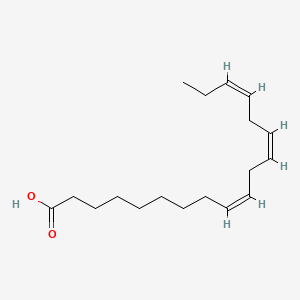
Alpha-linolenic acid (ALA, 18:3 n-3) is a plant omega-3 fat with 18 carbons and three double bonds. It is one of only two essential fatty acids: people cannot make it and must eat it. The main sources are flaxseed, chia seeds, hemp seeds, walnuts and some seed oils.
The other essential fat is linoleic acid, an omega-6. The abbreviation ALA is also used for alpha-lipoic acid, an unrelated compound that the body makes in its mitochondria. This page is about the fat.
The body can lengthen some ALA into EPA and then DHA, the long-chain omega-3 fats of fish, but not much. In young women given labeled (traceable) ALA, an estimated 21% became EPA and 9% DHA. In six young men, labeled EPA and DPA appeared, but no labeled DHA did.
Reviews put the conversion to DHA at under 0.5%. So ALA is no substitute for EPA or DHA from fish or algae, and it has to be judged on its own record.
Here is a surprise. The US adequate intake (AI) for ALA, 1.6 g a day for men and 1.1 g for women, is not a deficiency threshold. The National Academies set it at the highest median intake of adults in the United States. True deficiency has been seen mostly in people fed by tube or vein without ALA.
Average intake from food in the US is 1.59 g a day for women and 2.06 g for men, so most people already meet it.
Sources
- Office of Dietary Supplements, National Institutes of Health. Omega-3 fatty acids: fact sheet for health professionals. Updated 22 August 2025.
- Institute of Medicine, Food and Nutrition Board. Dietary Reference Intakes for energy, carbohydrate, fiber, fat, fatty acids, cholesterol, protein, and amino acids. National Academies Press. 2005.
- Burdge GC, Wootton SA. Conversion of alpha-linolenic acid to eicosapentaenoic, docosapentaenoic and docosahexaenoic acids in young women. Br J Nutr. 2002.
- Burdge GC, Jones AE, Wootton SA. Eicosapentaenoic and docosapentaenoic acids are the principal products of alpha-linolenic acid metabolism in young men*. Br J Nutr. 2002.
- Plourde M, Cunnane SC. Extremely limited synthesis of long chain polyunsaturates in adults: implications for their dietary essentiality and use as supplements. Appl Physiol Nutr Metab. 2007.
- Salehi B, Berkay Yılmaz Y, Antika G, et al. Insights on the Use of α-Lipoic Acid for Therapeutic Purposes. Biomolecules. 2019.
- Mayr JA, Feichtinger RG, Tort F, Ribes A, Sperl W. Lipoic acid biosynthesis defects. J Inherit Metab Dis. 2014.
Health benefits of ALA
The top findings from 34 studies, strongest evidence first
What the stars mean
- Strong. Several randomized trials, pooled in a meta-analysis, point the same way, or regulators (FDA or EFSA) have approved the claim.
- Moderate. Good randomized trials support it, but there are fewer of them, or their results vary.
- Limited. Small, short or single trials, or mixed results. Promising, but it needs confirmation.
Population and lab studies get no stars: they show a link or a mechanism, not proof.
How we rate evidence →- ★★★EU-approved claim: ALA and normal blood cholesterolThe EU allows foods with enough ALA to claim it helps maintain normal blood cholesterol, at 2 g of ALA a day. That is a label rule, not a trial result.
- ★★Little effect on deaths and heart eventsIn 5 trials of added ALA (19,327 people), deaths and coronary heart disease events barely changed. Irregular heartbeat was lower (0.73 times the risk, 2 trials).
- ★★Whole flaxseed and walnuts lowered LDL cholesterolAcross 28 studies of flaxseed products, whole flaxseed lowered LDL (“bad”) cholesterol by 0.16 mmol/L, but flaxseed oil did not. Across 26 trials, walnut diets lowered it by 5.51 mg/dL (walnuts hold other compounds besides ALA).
- ★★Fewer heart events on whole Mediterranean dietsAfter a first heart attack, a Mediterranean diet cut cardiac death or repeat heart attack to 0.27 times the risk of a usual diet. In high-risk people, a Mediterranean diet with mixed nuts gave 0.72 times the risk of major cardiovascular events against low-fat advice (not ALA alone).
- ★★No clear effect on cognitive declineExtra ALA (1.9 g a day) for 40 months did not change decline on a memory and thinking test in 2,911 people with heart disease. Two years of daily walnuts did not change overall decline in 708 older adults.
All 30 studies, strongest evidence first
EU claim: ALA contributes to the maintenance of normal blood cholesterol levels
This is the one EU health claim for ALA, listed in Regulation (EU) No 432/2012. Food must hold at least 0.3 g of ALA per 100 g and per 100 kcal to carry it (Regulation (EC) No 1924/2006). The label must say the effect comes with 2 g of ALA a day, and the Regulation cites EFSA’s 2009 opinion. It is a label rule, not a trial, and the trials are less clear: flaxseed oil did not lower LDL in a pooled analysis.
In 5 trials, added ALA made little or no difference to deaths
Cochrane, a group known for careful reviews, updated this review of randomized trials lasting at least 12 months in 2020. In all it covered 86 trials with 162,796 people. For deaths from any cause, the 5 ALA trials with 19,327 people gave 1.01 times the risk. ALA also made little or no difference to coronary heart disease events (1.00). Cardiovascular events were slightly lower (0.95, low certainty), and arrhythmia was lower (0.73, from 2 trials with 4,912 people, moderate certainty).
Extra ALA in margarine did not clearly cut major cardiovascular events
The double-blind, placebo-controlled Alpha Omega Trial gave test margarines for 40 months to 4,837 heart attack survivors aged 60 to 80 on modern heart drugs. Four margarines gave extra ALA (1.9 g a day), extra EPA plus DHA (226 mg EPA, 150 mg DHA), both, or neither. A major event struck 671 people (13.9%), and the risk on ALA was 0.91 times that without it. In women, a group planned in advance, it was 0.73, close to but not a clear difference. The Netherlands Heart Foundation and others funded the trial.
An ALA-rich Mediterranean diet cut repeat heart attacks and cardiac deaths
In this single-blind randomized trial in Lyon, France, 302 people after a first heart attack ate the Mediterranean diet and 303 a usual prudent diet. Over a mean 27 months, cardiac death or nonfatal heart attack fell to 0.27 times the risk on the usual diet. Cardiac deaths were 3 against 16, nonfatal heart attacks 5 against 17, and total deaths 8 against 20 (adjusted, 0.30 times the risk). The diet also had less saturated fat, cholesterol and linoleic acid and more oleic acid, so the result cannot be credited to ALA alone. Serum lipids and blood pressure stayed similar in both groups.
A Mediterranean diet with mixed nuts cut major cardiovascular events
In this Spanish trial, 7,447 people at high cardiovascular risk ate a Mediterranean diet with mixed nuts or got advice to eat less fat. Over a median 4.8 years, a major event struck 83 people on nuts (3.4%) and 109 controls (4.4%); the hazard ratio was 0.72. The 2013 report was withdrawn after protocol deviations, and this is the corrected analysis. The nuts included walnuts and the diet changed in other ways, so the result cannot be credited to walnuts or ALA.
2 years of daily walnuts did not change overall cognitive decline
In the Walnuts And Healthy Aging trial, 708 older adults ate 30 to 60 g of walnuts a day (about 15% of energy) or none. It ran at two sites, Barcelona and Loma Linda. The global cognition score changed by −0.072 with walnuts and −0.086 without. In the Barcelona group alone, a post hoc comparison (not planned in advance) favored walnuts (−0.037 against −0.097), which the authors call encouraging but inconclusive.
Extra ALA for 40 months did not change cognitive decline
This analysis of 2,911 people with heart disease in the Alpha Omega Trial above used the Mini-Mental State Examination, a memory and thinking test. They took 1.9 g a day of extra ALA, and the score fell by 0.60 points with ALA and 0.74 with placebo. The risk of cognitive decline with ALA was 0.90 times that on placebo. Before the trial, the authors note, the effect of ALA on cognitive decline was unknown.
Flaxseed lowered blood pressure by 1.77 (top) and 1.58 mm Hg (bottom)
This meta-analysis pooled 14 trials, reported in 11 studies, of flaxseed or its extracts (oil, lignans, fiber) taken for 2 weeks or more. Whole flaxseed lowered the bottom number by 1.93 mm Hg, and intake for 12 weeks or more by 2.17. Flaxseed also holds lignans and fiber, so the drop is not ALA alone.
Whole flaxseed lowered LDL by 0.16 mmol/L; flaxseed oil did not
This meta-analysis pooled 28 randomized studies of flaxseed and its products. Overall, total cholesterol fell by 0.10 mmol/L (millimoles per liter, a blood unit) and LDL by 0.08 mmol/L. Whole flaxseed lowered total cholesterol by 0.21 mmol/L, and lignan supplements also lowered it, but flaxseed oil did not. The effect was clearer in women, especially after menopause, and in people with high starting cholesterol; HDL and triglycerides did not change.
In 26 trials, walnut diets lowered LDL by 5.51 mg/dL
This meta-analysis pooled 26 trials with 1,059 people. Against control diets, total cholesterol fell 6.99 mg/dL, triglycerides 4.69 mg/dL and apolipoprotein B (a protein on LDL particles) 3.74 mg/dL. Neither weight (−0.12 kg) nor systolic pressure (−0.72 mm Hg) clearly changed, and drops were larger against American and Western diets. Walnuts supply other fats and compounds besides ALA, so the change is not ALA alone.
Extra ALA did not lower inflammation markers, including C-reactive protein (CRP)
This meta-analysis of 25 randomized trials found no clear effect on CRP, TNF, interleukin 6 or the adhesion molecules sICAM-1 and sVCAM-1. For CRP the standardized difference was −0.06. In healthy people ALA tended to raise CRP. Single trials, such as the linseed oil trial below, did find drops.
ALA raised PSA slightly more than placebo, possibly by chance
This analysis of the Alpha Omega Trial covered 1,622 men aged 60 to 80 after a heart attack. Their starting PSA (a prostate blood test) was under 4 ng/mL. On 2 g a day of ALA for 40 months, PSA rose by 0.52 ng/mL against 0.42 on placebo, a gap of 0.10. The odds of PSA passing 4 ng/mL were 1.15 times those on placebo. The authors say more studies are needed to know whether ALA has a clinically significant effect on PSA or prostate cancer.
In 12 chia trials, most outcomes did not change, on low-quality evidence
This systematic review and meta-analysis covered healthy people, athletes, and people with diabetes or metabolic syndrome. The evidence was low or very low quality. Only higher-dose subgroups differed: lower blood sugar after a meal, lower HDL cholesterol (−0.10 mmol/L) and lower diastolic pressure (−7.14 mm Hg). All trials used surrogate markers, such as blood tests, instead of health events.
6 months of milled flaxseed cut top pressure about 10 mm Hg
This double-blind trial gave 110 people with peripheral artery disease (narrowed leg arteries) 30 g of milled flaxseed a day, or placebo, in foods. The bottom number was about 7 mm Hg lower, and in people starting at 140 or more, the top number fell by 15 mm Hg. Plasma ALA rose 2- to 50-fold in the flaxseed group. Flaxseed also supplies lignans and fiber, and this is one trial in one patient group.
Flaxseed raised blood omega-3 but had limited effect on heart markers
In this double-blind trial, 199 healthy menopausal women ate 40 g of flaxseed or wheat germ a day for 12 months. Flaxseed raised plasma ALA, DPA and total omega-3 fatty acids. Apolipoprotein A-1 and B were lower than with wheat germ, by 0.10 and 0.05 g/L. But both groups saw lipoprotein(a) rise and LDL particles get smaller; the authors call the effect on apolipoprotein metabolism limited.
A walnut diet lowered central diastolic pressure by 1.78 mm Hg
In this controlled-feeding crossover trial, 45 adults at heart risk spent 6 weeks on each diet. The walnut diet gave 3% of energy as ALA and 7% as saturated fat. On the diet where oleic acid replaced the walnut ALA, central diastolic pressure rose by 0.15 mm Hg instead. The main outcome, central systolic pressure, did not change. All three diets lowered total and LDL cholesterol, and the walnut diet did not clearly differ from a diet matched for walnut fatty acids. The authors conclude that benefits came with any moderate-fat diet high in unsaturated fat.
Linseed oil for 3 months cut C-reactive protein by 38%
In this trial, 76 men with abnormal blood fats took 15 ml a day of linseed oil or 15 ml of safflower oil. Serum amyloid A, another inflammation marker, fell by 23.1% and interleukin 6 by 10.5%, independent of changes in blood fats. Safflower oil, rich in linoleic acid, changed none of them. The pooled analysis above found no overall effect on inflammation markers, so this is one trial in men with abnormal blood fats.
Young women: an estimated 21% of ALA became EPA, 9% DHA
In this tracer study, women took 700 mg of carbon-13 labeled ALA, and labeled fats were tracked in blood for 21 days. About 6% became DPA, and around 22% of the dose was breathed out as carbon dioxide in the first 24 hours. The authors suggest women may convert more ALA than men do, which could matter in pregnancy and breastfeeding.
In young men, no labeled DHA appeared in 21 days
In this tracer study, six young men took emulsified carbon-13 ALA with a meal. About 33% of the dose, a third, was breathed out as carbon dioxide over 24 hours. Labeled EPA and DPA did appear, with the liver as the likely main site, but DHA showed no enrichment up to 21 days. The authors conclude that DHA from the diet may be critical for men.
Under 0.1% of dietary ALA reached DPA and DHA, on every diet
In this trial, 29 adults ate each diet for 6 weeks and took a labeled ALA dose daily for 9 days near the end. The diets were a control (7% of energy as linoleic acid, 0.4% as ALA), a low-linoleic acid diet, and a high-ALA diet (1.1% of energy). Nearly all ALA that reached the phospholipid pool went on to EPA. The amounts of ALA and linoleic acid in the diet, not their ratio, set how much was converted.
Flaxseed oil raised plasma EPA by 60% but not DHA
This double-blind trial ran for 12 weeks in 56 adults, mostly African-American with chronic illness. They took flaxseed oil capsules giving 3 g of ALA a day (31 people) or olive oil capsules (25). Plasma DPA rose by 25%, but DHA did not move. The authors suggest ALA may be an alternative to fish oil and call for more trials.
Highest ALA intake: 10% lower risk of death from any cause
This dose-response meta-analysis pooled 41 cohort studies of 1,197,564 people followed for 2 to 32 years. The highest intake went with 0.90 times the risk of death, 0.92 for cardiovascular and 0.89 for coronary death. Cancer death risk was slightly higher (1.06). Each extra 1 g of ALA a day (about one tablespoon of canola oil or half an ounce of walnuts) went with 5% lower risk. That held for death from all causes and from cardiovascular disease, but cohorts cannot show cause.
Higher ALA went with 14% lower cardiovascular disease risk
This meta-analysis of 27 prospective and retrospective studies with 251,049 people compared the top with the bottom third of ALA. Overall the risk was 0.86 times as high; dietary ALA gave 0.90, and blood or tissue ALA gave 0.80, which could be chance. The studies differed a lot (I² 71.3%), which the authors say calls for better studies and large trials.
Higher blood ALA: 9% lower fatal coronary risk, but not total risk
This pooling project analyzed individual data from 19 cohorts with 45,637 people. Per standard-deviation step in blood ALA, the risk was 0.91 times as high for fatal coronary heart disease and 1.00 for total coronary heart disease. Nonfatal heart attack showed no clear link. Blood levels avoid the errors of food questionnaires but cannot show cause.
Meeting 0.7% of energy as ALA went with 28% lower mortality
In this observational analysis of 7,202 people in the PREDIMED trial in Spain, where fish intake is high, ALA tracked walnut intake (r = 0.94). For fatal cardiovascular disease, ALA gave 0.95 times the risk, which could be chance. Meeting the advice for long-chain omega-3 (500 mg a day or more) gave 0.61. The authors conclude that protection from cardiac death was limited to fish-derived fats.
Top 2 fifths of ALA: 38% to 40% less sudden cardiac death
The Nurses’ Health Study followed 76,763 women for 18 years, with 206 sudden cardiac deaths. ALA was not linked with other fatal coronary disease or with nonfatal heart attack. The link with sudden death was linear and held in women with high intakes of long-chain omega-3 fats.
Men with high ALA had 70% higher prostate cancer risk
This meta-analysis pooled 9 cohort and case-control studies of ALA intake or blood levels, giving 1.70 times the risk. The same paper found a lower risk of fatal heart disease with high ALA in 5 cohort studies (0.79). The authors called the prostate link a concern that warrants further study. Later analyses below were less clear.
A weak link of ALA to prostate cancer vanished after bias adjustment
This analysis pooled 8 case-control studies (comparing people with and without the cancer) and 8 prospective studies, giving 1.20 times the risk. Only the 6 studies that measured blood or tissue ALA reached a clear result. After adjusting for publication bias (null results that go unpublished), the ratio was 0.96. The authors call the findings inconsistent.
In 5 cohorts, higher ALA intake was not linked to prostate cancer
The pooled relative risk was 0.97, but the studies disagreed with each other. Comparing intakes above 1.5 g a day with lower intakes, the ratio was 0.95, a weak protective link. The authors point to limits in how ALA intake is measured.
In EPIC-Norfolk, non-fish-eaters had omega-3 levels closer to fish-eaters than expected
In the EPIC-Norfolk cohort, 14,422 men and women aged 39 to 78 kept 7-day food diaries, and 4,902 gave blood. Non-fish-eaters got 57% to 80% of the total omega-3 that fish-eaters did, but the gaps in blood levels were considerably smaller. The estimated ratio of long-chain omega-3 in blood to dietary ALA was higher in women than in men, and in non-fish-eaters than in fish-eaters. That may point to more conversion, and the authors say intervention studies are needed to confirm it.
Foods high in ALA
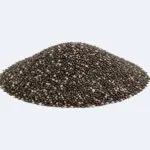
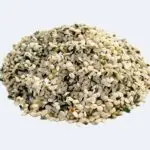
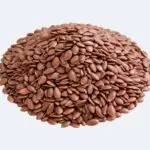
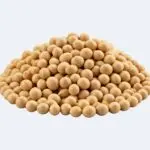
ALA is concentrated in a few seeds and nuts. In our USDA ranking per serving, chia seeds lead with 5.05 g in 1 oz, followed by hemp seeds, walnuts, flaxseeds and soybeans.
Per 100 g the top four are flaxseeds (22.8 g), chia seeds, walnuts and hemp seeds, and the next foods are below 1 g. Per 100 kcal, flaxseeds and chia seeds still lead, and green leaves such as basil, kale and spinach appear because they have so few calories. The ranking below shows every amount.
Oils are not in our ranking. The NIH Office of Dietary Supplements (NIH ODS, part of the US National Institutes of Health) lists them from USDA data. Flaxseed oil holds 7.26 g of ALA in 1 tbsp, canola oil 1.28 g, soybean oil 0.92 g and mayonnaise 0.74 g.
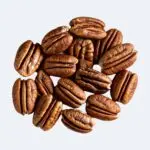
English walnuts give 2.57 g in 1 oz and black walnuts 0.76 g. Beef from grass-fed cows has somewhat more ALA than beef from grain-fed cows. But the amount is small: 0.04 g in 3 oz of ground beef.
By our arithmetic, 1 oz of walnuts (2.57 g) covers 161% of the adequate intake for men (1.6 g) and 234% for women (1.1 g). One tablespoon of flaxseeds (2.35 g) covers 147% and 214%, and 1 tbsp of canola oil (1.28 g) covers 80% and 116%.
In the PREDIMED trial the nut group got 30 g a day of mixed nuts, half of them walnuts (15 g). That holds about 1.4 g of ALA, at 9.08 g per 100 g.
How the food is prepared matters. In a trial of three forms of flaxseed, whole seed did not raise plasma ALA, while milled seed and oil did. In a trial of chia seed, milled chia raised plasma ALA by 58% while whole chia did not.
Refining also changes oils. In a trial in 88 men, trans isomers of ALA from deodorized rapeseed oil (1.41 g a day) raised the LDL-to-HDL ratio by 8.1%.
Per serving. No daily amount is set, so bars compare each food with the top food.
Per 100 g. No daily amount is set, so bars compare each food with the top food.
Per 100 kcal: the same calories of each food, for a fair comparison. Bars compare each food with the top food.
Food labels have no Daily Value or Reference Intake for alpha-linolenic acid, so the % compares each food with the top food.
- 1.
- 2.
- 3.

- 4.
- 5.
- 6.

- 7.

- 8.
- 9.
- 10.


- 1.
- 2.
- 3.
- 4.
- 5.
- 6.
- 7.
- 8.

- 9.

- 10.


- 1.
- 2.
- 3.
- 4.
- 5.

- 6.
- 7.
- 8.
- 9.

- 10.


Sources
- FoodData Central. US Department of Agriculture, Agricultural Research Service. Values as shown in the ranking above.
- Office of Dietary Supplements, National Institutes of Health. Omega-3 fatty acids: fact sheet for health professionals. Updated 22 August 2025.
- Austria JA, Richard MN, Chahine MN, et al. Bioavailability of alpha-linolenic acid in subjects after ingestion of three different forms of flaxseed. J Am Coll Nutr. 2008.
- Nieman DC, Gillitt N, Jin F, et al. Chia seed supplementation and disease risk factors in overweight women: a metabolomics investigation. J Altern Complement Med. 2012.
- Vermunt SH, Beaufrère B, Riemersma RA, et al. Dietary trans alpha-linolenic acid from deodorised rapeseed oil and plasma lipids and lipoproteins in healthy men: the TransLinE Study. Br J Nutr. 2001.
- Sala-Vila A, Guasch-Ferré M, Hu FB, et al. Dietary α-Linolenic Acid, Marine ω-3 Fatty Acids, and Mortality in a Population With High Fish Consumption: Findings From the PREvención con DIeta MEDiterránea (PREDIMED) Study. J Am Heart Assoc. 2016.
How ALA works
The chemistry below is well established. What extra ALA does in people is tested in the study cards above.
ALA has three main fates. It is burned for energy, a little is built into fats and cell membranes, and a small share is lengthened into EPA and DHA. Here are the ideas, with what was measured.
The steps from ALA to DHA in humans, simplified. Not to scale. Omega-6 linoleic acid uses the same enzymes.
It is an essential fat
Mammals can add a double bond at position 9 of a fatty acid, counting from the carboxyl end. They cannot add any between position 10 and the methyl end. Plants add them at positions 12 and 15. So people cannot make ALA or linoleic acid, both must come from food, and the National Academies set an adequate intake for each.
It is absorbed well and burned fast
Omega-3 fats are absorbed at about 95%, like other dietary fats, and leave the gut in chylomicrons (fat-carrying particles). In men who ate labeled fatty acids in a meal, linolenic acid was the most burned of the 18-carbon fatty acids over 9 hours. In tracer studies, 22% of an ALA dose in women and 33% in men was breathed out as carbon dioxide within 24 hours.
FAO, the UN food agency, says much ALA is broken down to acetyl-CoA. The body can reuse that to build cholesterol and saturated and monounsaturated fats. ALA usually makes up less than 0.5% of the fatty acids in plasma and tissue phospholipids, FAO adds.
A small share becomes EPA, and very little becomes DHA
Studies measured this in different ways, so the numbers cannot be added up. In young women an estimated 21% of a labeled dose became EPA and 9% DHA. In young men EPA and DPA were labeled but DHA was not, for 21 days. In eight adults on a beef-based diet, a compartment model sent 0.2% of plasma ALA to EPA.
One review summarizes about 5% to EPA and under 0.5% to DHA. An older one reported 6% to EPA and 3.8% to DHA with a background diet high in saturated fat.
Supplement trials agree: added ALA raises EPA and DPA in blood and breast milk but has little effect on DHA. Only preformed DHA reliably raises DHA status, according to a statement from the International Society for the Study of Fatty Acids and Lipids. FAO concluded that the pathway does not make ALA a substitute for EPA and DHA from fish.
Percent of an ALA dose, drawn to scale. Teal bars are fatty acids made from ALA and orange bars are ALA burned for energy. Methods differ between the tracer studies, the reviews and the model, so the rows are not directly comparable.
Linoleic acid competes for the same enzymes
ALA and linoleic acid use the same desaturase and elongase enzymes, so each slows the conversion of the other. FAO notes that typical linoleic acid intake is about 10 times ALA intake in Western diets.
In a trial of 29 people, the amounts of ALA and linoleic acid eaten, not their ratio, set how much ALA was converted. A diet low in linoleic acid raised the share of ALA going into phospholipids by 3.6%. A high-ALA diet raised the amount reaching DPA and DHA only from 0.7 to 1.9 mg.
Who converts more
Reviews find that women convert a greater fraction of ALA than men, possibly because of estrogen. In the EPIC-Norfolk cohort, the estimated ratio of long-chain omega-3 in blood to dietary ALA was higher in women than in men. It was also higher in non-fish-eaters than in fish-eaters, though that comes from diaries and blood tests, not tracers.
FAO adds that some reports show DHA status improving after long-term use of vegetable oils with ALA and less linoleic acid. More research is needed, it says. In a review of 13 trials, high-dose flaxseed or echium seed oil did not raise the omega-3 index, while algal oil did.
What has been seen in people
Trial doses ranged from 1.9 g of ALA a day in the Alpha Omega margarine to 12 g from flaxseed flour or oil. That is roughly 1.2 to 7.5 times the men’s adequate intake of 1.6 g (our arithmetic). The chart puts them on one scale.
ALA per day in grams, drawn to scale. Green bars are an official intake or what Americans eat; orange bars are amounts given in trials. The walnut and flaxseed rows are our arithmetic from USDA values of 9.08 and 22.8 g per 100 g.
The clearest finding is about conversion: more ALA raises EPA a little and DHA hardly at all. For heart outcomes, the Cochrane review and the Alpha Omega Trial found little or no difference in deaths and events. Cohort studies find lower mortality with higher ALA, but they cannot show cause.
Diet trials such as Lyon and PREDIMED changed several things at once. Flaxseed lowered blood pressure slightly (1.77 mm Hg systolic in the pooled analysis), but it also carries fiber and lignans. Flaxseed taken as seed lowered LDL cholesterol where the oil did not. All of these are among the study cards above.
Sources
- FAO/WHO Expert Consultation. Fats and fatty acids in human nutrition. FAO Food and Nutrition Paper 91. Food and Agriculture Organization of the United Nations. 2010.
- Office of Dietary Supplements, National Institutes of Health. Omega-3 fatty acids: fact sheet for health professionals. Updated 22 August 2025.
- Institute of Medicine, Food and Nutrition Board. Dietary Reference Intakes for energy, carbohydrate, fiber, fat, fatty acids, cholesterol, protein, and amino acids. National Academies Press. 2005.
- DeLany JP, Windhauser MM, Champagne CM, Bray GA. Differential oxidation of individual dietary fatty acids in humans. Am J Clin Nutr. 2000.
- Burdge GC, Wootton SA. Conversion of alpha-linolenic acid to eicosapentaenoic, docosapentaenoic and docosahexaenoic acids in young women. Br J Nutr. 2002.
- Burdge GC, Jones AE, Wootton SA. Eicosapentaenoic and docosapentaenoic acids are the principal products of alpha-linolenic acid metabolism in young men*. Br J Nutr. 2002.
- Pawlosky RJ, Hibbeln JR, Novotny JA, Salem N Jr. Physiological compartmental analysis of alpha-linolenic acid metabolism in adult humans. J Lipid Res. 2001.
- Plourde M, Cunnane SC. Extremely limited synthesis of long chain polyunsaturates in adults: implications for their dietary essentiality and use as supplements. Appl Physiol Nutr Metab. 2007.
- Burdge GC, Calder PC. Conversion of alpha-linolenic acid to longer-chain polyunsaturated fatty acids in human adults. Reprod Nutr Dev. 2005.
- Brenna JT, Salem N Jr, Sinclair AJ, et al. alpha-Linolenic acid supplementation and conversion to n-3 long-chain polyunsaturated fatty acids in humans. Prostaglandins Leukot Essent Fatty Acids. 2009.
- Gerster H. Can adults adequately convert alpha-linolenic acid (18:3n-3) to eicosapentaenoic acid (20:5n-3) and docosahexaenoic acid (22:6n-3)?. Int J Vitam Nutr Res. 1998.
- Goyens PL, Spilker ME, Zock PL, et al. Conversion of alpha-linolenic acid in humans is influenced by the absolute amounts of alpha-linolenic acid and linoleic acid in the diet and not by their ratio. Am J Clin Nutr. 2006.
- Welch AA, Shakya-Shrestha S, Lentjes MA, et al. Dietary intake and status of n-3 polyunsaturated fatty acids in a population of fish-eating and non-fish-eating meat-eaters, vegetarians, and vegans and the product-precursor ratio [corrected] of α-linolenic acid to long-chain n-3 polyunsaturated fatty acids: results from the EPIC-Norfolk cohort. Am J Clin Nutr. 2010.
- Harper CR, Edwards MJ, DeFilippis AP, Jacobson TA. Flaxseed oil increases the plasma concentrations of cardioprotective (n-3) fatty acids in humans. J Nutr. 2006.
- Lane KE, Wilson M, Hellon TG, Davies IG. Bioavailability and conversion of plant based sources of omega-3 fatty acids – a scoping review to update supplementation options for vegetarians and vegans. Crit Rev Food Sci Nutr. 2022.
How much ALA do you need?
Adults need about 1.6 g of ALA a day for men and 1.1 g for women, according to the US National Academies. Their adequate intake (AI) is set at the highest median intake of adults in the United States. EFSA, the EU food safety agency, sets an AI of 0.5% of energy, about 1.1 g on a 2,000 kcal diet (our arithmetic).
For pregnancy and breastfeeding, the National Academies set 1.4 g and 1.3 g. EFSA advises an extra 100 to 200 mg of preformed DHA, which ALA does not reliably supply.
The AI is not a deficiency line. The National Academies found too little data for a requirement, so they set it where deficiency is basically nonexistent in people eating normally. In adults fed by stomach tube, deficiency appeared at 0.015 to 0.095 g a day, and as little as 0.3 g a day prevented symptoms.
Small amounts of EPA and DHA also count toward the AI, since they can reverse an omega-3 deficiency. The International Society for the Study of Fatty Acids and Lipids recommends 0.7% of energy, a society view and not an official value. The values are the same for every adult age band, including those over 70.
| Source | Group | Value | Notes |
|---|---|---|---|
| National Academies 2005, AI | Men 19 years and over | 1.6 g a day | Set at the highest median US intake. Not a deficiency threshold. |
| National Academies 2005, AI | Women 19 years and over | 1.1 g a day | Same method. |
| National Academies 2005, AI | Pregnancy, breastfeeding | 1.4 g, 1.3 g a day | Same method, ages 14 to 50. |
| National Academies 2005, AI | Children and teens | 0.7 g (1 to 3 years), 0.9 g (4 to 8), 1.0 to 1.2 g (9 to 13), 1.1 to 1.6 g (14 to 18) | The lower value is for girls and the higher for boys from age 9. |
| National Academies 2005, AI | Infants 0 to 12 months | 0.5 g a day of all omega-3 fats | Based on human milk. From age 1 the AI is for ALA only. |
| National Academies 2005, AMDR | Adults | 0.6 to 1.2% of energy | The low end meets the AI. The high end is the highest intakes from foods in the US and Canada. About 10% of the range can be EPA and DHA. NIH ODS applies it from age 1. |
| EFSA 2010, AI | Adults | 0.5% of energy | EFSA set no upper level for ALA. |
| FAO/WHO 2010 | Adults | 0.5 to 0.6% of energy | Prevents deficiency symptoms. Total omega-3 fats can range from 0.5 to 2% of energy. |
Most people in the US already eat these amounts. According to NIH ODS, NHANES, the US national health survey, measured intake in 2011 to 2012. Average ALA intake from food was 1.59 g a day in women and 2.06 g in men aged 20 and over.
It was 1.32 g and 1.55 g in girls and boys aged 2 to 19. Supplements added about 100 mg a day in an earlier analysis.
Alpha-linolenic acid: recommended intake per day
US: Adequate Intake (NASEM). EU: Adequate Intake (EFSA).
| Age and sex | US (AI) | EU (AI) |
|---|---|---|
| Men, 31–50 years | 1.6 g | 0.5 % of energy |
| Women, 31–50 years | 1.1 g | 0.5 % of energy |
All ages, pregnancy and breastfeeding
| Age and sex | US (AI) | EU (AI) |
|---|---|---|
| Infants 0–6 months | 0.5 g | None set |
| Infants 7–11 months | None set | 0.5 % of energy |
| Infants 7–12 months | 0.5 g | None set |
| Children 1 year | None set | 0.5 % of energy |
| Children 1–3 years | 0.7 g | None set |
| Children 2–3 years | None set | 0.5 % of energy |
| Children 4–8 years | 0.9 g | None set |
| Children 4–17 years | None set | 0.5 % of energy |
| Females 9–13 years | 1 g | None set |
| Males 9–13 years | 1.2 g | None set |
| Females 14–18 years | 1.1 g | None set |
| Males 14–18 years | 1.6 g | None set |
| Adults 18+ years | None set | 0.5 % of energy |
| Females 19–30 years | 1.1 g | None set |
| Males 19–30 years | 1.6 g | None set |
| Females 31–50 years | 1.1 g | None set |
| Males 31–50 years | 1.6 g | None set |
| Females 51–70 years | 1.1 g | None set |
| Males 51–70 years | 1.6 g | None set |
| Females >70 years | 1.1 g | None set |
| Males >70 years | 1.6 g | None set |
| Pregnancy 14–18 years | 1.4 g | None set |
| Pregnancy | None set | 0.5 % of energy |
| Pregnancy 19–30 years | 1.4 g | None set |
| Pregnancy 31–50 years | 1.4 g | None set |
| Lactation 14–18 years | 1.3 g | None set |
| Lactation | None set | 0.5 % of energy |
| Lactation 19–30 years | 1.3 g | None set |
| Lactation 31–50 years | 1.3 g | None set |
EU and US age bands differ; "None set" means that body sets no value for the group.
ALA deficiency: signs and who is at risk
Deficiency is rare. NIH ODS says clinical signs of essential fatty acid deficiency are usually found only in patients fed by vein (parenteral nutrition) without polyunsaturated fats. That was seen in case reports from the 1970s and 1980s, and all current feeding solutions contain enough. The main sign is rough, scaly skin and dermatitis.
Two reports show what happens. A 6-year-old girl had lost 300 cm of intestine and lived on intravenous nutrition low in linolenic acid. She had numbness, tingling, weakness, trouble walking, leg pain and blurred vision. The symptoms went away when her feed contained linolenic acid, and the authors estimated the need at about 0.54% of calories.
In four adults fed by stomach tube, a slight scaly dermatitis cleared with essential fatty acids. The authors estimated a minimum need of 0.2 to 0.3% of energy. People with long-term fat malabsorption or fat-free feeding are the groups to watch.
Sources
- Institute of Medicine, Food and Nutrition Board. Dietary Reference Intakes for energy, carbohydrate, fiber, fat, fatty acids, cholesterol, protein, and amino acids. National Academies Press. 2005.
- EFSA Panel on Dietetic Products, Nutrition, and Allergies (NDA). Scientific opinion on dietary reference values for fats. EFSA J. 2010.
- FAO/WHO Expert Consultation. Fats and fatty acids in human nutrition. FAO Food and Nutrition Paper 91. Food and Agriculture Organization of the United Nations. 2010.
- Office of Dietary Supplements, National Institutes of Health. Omega-3 fatty acids: fact sheet for health professionals. Updated 22 August 2025.
- Sala-Vila A, Guasch-Ferré M, Hu FB, et al. Dietary α-Linolenic Acid, Marine ω-3 Fatty Acids, and Mortality in a Population With High Fish Consumption: Findings From the PREvención con DIeta MEDiterránea (PREDIMED) Study. J Am Heart Assoc. 2016.
- Holman RT, Johnson SB, Hatch TF. A case of human linolenic acid deficiency involving neurological abnormalities. Am J Clin Nutr. 1982.
- Bjerve KS, Mostad IL, Thoresen L. Alpha-linolenic acid deficiency in patients on long-term gastric-tube feeding: estimation of linolenic acid and long-chain unsaturated n-3 fatty acid requirement in man. Am J Clin Nutr. 1987.
- Bjerve KS, Fischer S, Alme K. Alpha-linolenic acid deficiency in man: effect of ethyl linolenate on plasma and erythrocyte fatty acid composition and biosynthesis of prostanoids. Am J Clin Nutr. 1987.
Forms of ALA: absorption and effects
ALA reaches people as seed oils, ground seeds, whole seeds and nuts, spreads with added ALA, and everyday cooking oils such as canola and soybean. Forms differ in how much ALA they hold and how much of it is absorbed.
The honest bottom line from the trials: oil and milled seed deliver ALA to the blood, and whole seeds mostly do not. No form did much for DHA. Most trials tested one form at a time, so the head-to-head comparisons are the ones in the table.
A common claim is that flaxseed oil can stand in for fish oil. The trials do not support that for DHA. DHA stayed flat on flaxseed oil in the 12-week and 3-month trials, and in a review of 13 trials.
Doses in the trials were 3 g of ALA a day as capsules, 6 g in muffins and 12 g as flour or oil. The last is far above the adequate intake. This page makes no product recommendations.
| Form | What it is | What studies show | Source |
|---|---|---|---|
| Flaxseed oil (liquid or capsules) | Pressed from flaxseed and mostly ALA, with 7.26 g in 1 tbsp | Raised plasma ALA more than milled seed in a 3-month trial at 6 g of ALA a day. As capsules, 3 g of ALA a day raised plasma EPA by 60% over 12 weeks and left DHA unchanged. Flaxseed oil did not lower LDL cholesterol in a pooled analysis of 28 flaxseed studies. Some people on the oil in the 3-month trial had stomach complaints. | 1, 3, 5, 6 |
| Ground (milled) flaxseed | Seed crushed so the oil is released. Also holds lignans and fiber | Raised plasma ALA in the 3-month trial with no withdrawals, and matched the oil at 12 g of ALA a day in an earlier trial. Taken as seed rather than oil, flaxseed lowered LDL cholesterol in the pooled analysis. 30 g a day for 6 months lowered systolic pressure by about 10 mm Hg in people with peripheral artery disease. EFSA’s worst-case calculation flags large amounts of freshly ground linseed taken at one time because of cyanide (see safety). | 3, 4, 6, 11, 12 |
| Whole flaxseed | Intact seed | Did not raise plasma ALA in the 3-month trial, and compliance was a problem. EFSA expects intact linseed to release very little cyanide. | 3, 12 |
| Chia seed, milled or whole | ALA 5.05 g in 1 oz | Milled chia raised plasma ALA by 58% and EPA by 39% in 10 weeks, and whole chia did not. In 10 women, 25 g a day of milled chia for 7 weeks raised plasma ALA by 138% and EPA by 30%, and DHA fell slightly. A meta-analysis of 12 chia trials found few changes in health markers. | 2, 7, 8, 17 |
| Walnuts | Whole nuts with 2.57 g of ALA in 1 oz | Walnut diets lowered LDL cholesterol by 5.51 mg/dL in 26 trials. In a feeding trial, central diastolic pressure fell more on the walnut diet than on a diet with oleic acid in place of the walnut ALA, but not more than on a diet matched for the walnut fatty acids, and all diets lowered LDL. In PREDIMED the nut group got 30 g a day of mixed nuts, half walnuts. | 1, 14, 15, 16 |
| Canola and soybean oil | Common cooking oils with 1.28 g and 0.92 g of ALA in 1 tbsp | The main plant-oil sources of ALA in many diets. Deodorizing refined rapeseed oil forms trans isomers of ALA: 1.41 g a day raised the LDL-to-HDL ratio by 8.1% in 88 men. | 1, 13 |
| Margarine with added ALA | Spread enriched with ALA | In Alpha Omega, about 19 g of margarine a day gave an extra 1.9 g of ALA, and major cardiovascular events did not fall significantly over 40 months. | 10 |
| Algal oil, for comparison | Oil from microalgae that supplies preformed DHA | In 13 trials algal oil raised the omega-3 index, and flaxseed or echium seed oil did not. See the page on DHA. | 9 |
Here are the head-to-head and form-specific studies, strongest evidence first, 4 in all.
All 4 studies, strongest evidence first
Algal oil, not high-dose flax or echium, raised the omega-3 index
This scoping review mapped 13 randomized trials from 2010 to 2020 of plant-based omega-3 oils, and it does not pool their results. It used the omega-3 index (EPA plus DHA in red blood cells), and high-dose flaxseed and echium seed oil did not raise it. Some studies showed reductions on flaxseed. The authors suggest vegetarians and vegans may need regular preformed EPA and DHA, from algal oil.
Milled flaxseed and oil raised plasma ALA; whole seed did not
This 3-month trial compared 3 forms of flaxseed in healthy men and women. They ate 30 g of seed or oil giving 6 g of ALA, baked into muffins, and oil reached higher plasma ALA than milled seed. No form raised plasma EPA or DHA, and cholesterol, triglycerides and platelet aggregation did not change. Whole seed and oil caused stomach complaints severe enough that some people withdrew, while nobody left the milled seed group.
Ground flaxseed raised plasma ALA as much as flaxseed oil
At 12 g of ALA a day, healthy women ate 50 g of ground raw flaxseed daily for 4 weeks. It raised ALA and long-chain omega-3 fatty acids in plasma and red blood cells. The rise in plasma ALA matched that from 20 g of flaxseed oil, so ground seed looked highly bioavailable (well absorbed). Total cholesterol fell by 9% and LDL by 18% on the seed. Cyanogenic glycosides (which can release cyanide) were not detected in muffins baked with 150 g of flaxseed per kg.
Milled chia raised ALA 58% and EPA 39%; whole chia did not
In this trial, 56 overweight women after menopause ate 25 g a day of seeds for 10 weeks. They had milled chia (14 women), whole chia (16) or poppy seed as a placebo (26). Body composition, blood pressure, lipids and inflammation markers did not differ between the groups.
Sources
- Office of Dietary Supplements, National Institutes of Health. Omega-3 fatty acids: fact sheet for health professionals. Updated 22 August 2025.
- FoodData Central. US Department of Agriculture, Agricultural Research Service. Values as shown in the ranking above.
- Austria JA, Richard MN, Chahine MN, et al. Bioavailability of alpha-linolenic acid in subjects after ingestion of three different forms of flaxseed. J Am Coll Nutr. 2008.
- Cunnane SC, Ganguli S, Menard C, et al. High alpha-linolenic acid flaxseed (Linum usitatissimum): some nutritional properties in humans. Br J Nutr. 1993.
- Harper CR, Edwards MJ, DeFilippis AP, Jacobson TA. Flaxseed oil increases the plasma concentrations of cardioprotective (n-3) fatty acids in humans. J Nutr. 2006.
- Pan A, Yu D, Demark-Wahnefried W, et al. Meta-analysis of the effects of flaxseed interventions on blood lipids. Am J Clin Nutr. 2009.
- Nieman DC, Gillitt N, Jin F, et al. Chia seed supplementation and disease risk factors in overweight women: a metabolomics investigation. J Altern Complement Med. 2012.
- Jin F, Nieman DC, Sha W, et al. Supplementation of milled chia seeds increases plasma ALA and EPA in postmenopausal women. Plant Foods Hum Nutr. 2012.
- Lane KE, Wilson M, Hellon TG, Davies IG. Bioavailability and conversion of plant based sources of omega-3 fatty acids – a scoping review to update supplementation options for vegetarians and vegans. Crit Rev Food Sci Nutr. 2022.
- Kromhout D, Giltay EJ, Geleijnse JM, Alpha Omega Trial Group. n-3 fatty acids and cardiovascular events after myocardial infarction. N Engl J Med. 2010.
- Rodriguez-Leyva D, Weighell W, Edel AL, et al. Potent antihypertensive action of dietary flaxseed in hypertensive patients. Hypertension. 2013.
- EFSA Panel on Contaminants in the Food Chain (CONTAM). Evaluation of the health risks related to the presence of cyanogenic glycosides in foods other than raw apricot kernels. EFSA J. 2019.
- Vermunt SH, Beaufrère B, Riemersma RA, et al. Dietary trans alpha-linolenic acid from deodorised rapeseed oil and plasma lipids and lipoproteins in healthy men: the TransLinE Study. Br J Nutr. 2001.
- Guasch-Ferré M, Li J, Hu FB, et al. Effects of walnut consumption on blood lipids and other cardiovascular risk factors: an updated meta-analysis and systematic review of controlled trials. Am J Clin Nutr. 2018.
- Tindall AM, Petersen KS, Skulas-Ray AC, et al. Replacing Saturated Fat With Walnuts or Vegetable Oils Improves Central Blood Pressure and Serum Lipids in Adults at Risk for Cardiovascular Disease: A Randomized Controlled-Feeding Trial. J Am Heart Assoc. 2019.
- Sala-Vila A, Guasch-Ferré M, Hu FB, et al. Dietary α-Linolenic Acid, Marine ω-3 Fatty Acids, and Mortality in a Population With High Fish Consumption: Findings From the PREvención con DIeta MEDiterránea (PREDIMED) Study. J Am Heart Assoc. 2016.
- Teoh SL, Lai NM, Vanichkulpitak P, et al. Clinical evidence on dietary supplementation with chia seed (Salvia hispanica L.): a systematic review and meta-analysis. Nutr Rev. 2018.
Is ALA safe? Supplements, dose and interactions
ALA from food is not a safety concern for healthy people. The National Academies concluded that a tolerable upper intake level cannot be set for omega-3 fats. Their concerns about bleeding and immune function were about high doses of EPA and DHA, not ALA.
EFSA chose not to set an upper level for ALA, and NIH ODS notes that the National Academies set none for any omega-3 fat. The questions that remain are about prostate cancer, flaxseed itself and refined oils.
- Prostate cancer. One pooled analysis of 9 cohort and case-control studies found a 70% higher risk with high ALA intake or blood levels (1.70 times the risk). A later one found a weak link of 1.20 that vanished (0.96) after adjusting for publication bias, and 5 prospective studies pooled to 0.97. In the Alpha Omega Trial, 2 g a day of ALA for 40 months raised PSA by 0.10 ng/mL, but that could be chance. The evidence is mixed and not settled. Men with prostate cancer or at high risk may want to ask their doctor before taking ALA supplements.
- Flaxseed itself. Flaxseed holds cyanogenic glycosides, plant compounds that can release cyanide. EFSA set an acute reference dose of 20 µg (micrograms) of cyanide per kg of body weight. In its worst case, 7.7 to 14.7 g of ground linseed in one sitting reached that dose for an adult. That used the highest level reported in its database. The panel calls this a worst case and expects intact seed to release much less cyanide. But it cannot exclude a risk for adolescents eating ground linseed, for example blended, at 10 to 15 g three times a day. That is the amount the European Medicines Agency recommends for constipation. Trials gave 30 to 50 g a day of ground flaxseed for 4 weeks to 12 months. One concluded that up to 50 g a day was palatable and safe, and it found no cyanogenic glycosides in its baked muffins. In another trial, whole seed and oil caused stomach complaints.
- Refined oils. Deodorizing rapeseed oil forms trans isomers of ALA. In 88 men, 1.41 g a day of them raised the LDL-to-HDL ratio by 8.1%.
- Medicines and surgery. The bleeding-time findings cited by the National Academies and NIH ODS concern 2 to 15 g a day of EPA and DHA from fish oil. We found no study of ALA with warfarin or aspirin, so people on blood thinners should tell their doctor about any new oil supplement.
- Pregnancy and breastfeeding. The adequate intakes are 1.4 g and 1.3 g a day from food. We found no trial of ALA supplements in pregnancy. ALA does not reliably supply DHA, so EFSA advises an extra 100 to 200 mg of preformed DHA.
How to get more ALA
- Choose ground seeds or oil, and grind flax. One tablespoon of flaxseeds gives 2.35 g and 1 oz of chia seeds 5.05 g. But in trials, whole flaxseed and whole chia did not raise blood ALA, while milled seed did.
- Eat walnuts or use canola or soybean oil daily. A 1 oz handful of walnuts gives 2.57 g and a tablespoon of canola oil 1.28 g. That is enough to reach the adequate intake of 1.1 to 1.6 g without a supplement.
- Do not count on ALA for DHA. Conversion is low, so for EPA and DHA eat fish or consider algal oil. A bit of ALA does not hurt, and most people already meet the adequate intake from food.
Sources
- Institute of Medicine, Food and Nutrition Board. Dietary Reference Intakes for energy, carbohydrate, fiber, fat, fatty acids, cholesterol, protein, and amino acids. National Academies Press. 2005.
- Office of Dietary Supplements, National Institutes of Health. Omega-3 fatty acids: fact sheet for health professionals. Updated 22 August 2025.
- EFSA Panel on Dietetic Products, Nutrition, and Allergies (NDA). Scientific opinion on dietary reference values for fats. EFSA J. 2010.
- EFSA Panel on Contaminants in the Food Chain (CONTAM). Evaluation of the health risks related to the presence of cyanogenic glycosides in foods other than raw apricot kernels. EFSA J. 2019.
- Brouwer IA, Katan MB, Zock PL. Dietary alpha-linolenic acid is associated with reduced risk of fatal coronary heart disease, but increased prostate cancer risk: a meta-analysis. J Nutr. 2004.
- Simon JA, Chen YH, Bent S. The relation of alpha-linolenic acid to the risk of prostate cancer: a systematic review and meta-analysis. Am J Clin Nutr. 2009.
- Carayol M, Grosclaude P, Delpierre C. Prospective studies of dietary alpha-linolenic acid intake and prostate cancer risk: a meta-analysis. Cancer Causes Control. 2010.
- Brouwer IA, Geleijnse JM, Klaasen VM, et al. Effect of alpha linolenic acid supplementation on serum prostate specific antigen (PSA): results from the alpha omega trial. PLoS One. 2013.
- Austria JA, Richard MN, Chahine MN, et al. Bioavailability of alpha-linolenic acid in subjects after ingestion of three different forms of flaxseed. J Am Coll Nutr. 2008.
- Cunnane SC, Ganguli S, Menard C, et al. High alpha-linolenic acid flaxseed (Linum usitatissimum): some nutritional properties in humans. Br J Nutr. 1993.
- Vermunt SH, Beaufrère B, Riemersma RA, et al. Dietary trans alpha-linolenic acid from deodorised rapeseed oil and plasma lipids and lipoproteins in healthy men: the TransLinE Study. Br J Nutr. 2001.
- Nieman DC, Gillitt N, Jin F, et al. Chia seed supplementation and disease risk factors in overweight women: a metabolomics investigation. J Altern Complement Med. 2012.
History of ALA
Flax is among the oldest crops. EFSA notes that linseed has been grown for more than 8,000 years in Europe and Asia for its fiber and oil. Chemists studied its oil long before nutritionists did.
Linolenic acid was named in 1887 by the Austrian chemist Karl Hazura, who was working on the acids of drying oils. Ernst Erdmann and F. Bedford published on the linolenic acid in linseed oil in 1909. The name builds on linoleic acid, which comes from the Greek linon, flax.
That it is a nutrient came later. In 1929 George and Mildred Burr showed that rats fed a fat-free diet developed a deficiency disease that linoleic acid prevented. They went on to show that linolenic acid is also an essential fatty acid, according to a review by Spector and Kim.
For people, proof came from rare cases. In 1982 Holman and colleagues described a 6-year-old girl fed by vein. Her numbness, weakness and blurred vision cleared when her feed contained linolenic acid.
In 1987 Bjerve and colleagues reported deficiency in adults fed by stomach tube, and estimated the minimum need at 0.2 to 0.3% of energy. The National Academies built on these reports in 2005.
Interest in ALA and heart disease grew with the Lyon Diet Heart Study, published in The Lancet in 1994. In it, a Mediterranean diet rich in ALA cut cardiac deaths and heart attacks after a first infarct (heart attack). The Alpha Omega Trial tested ALA more directly in 2010, and a Cochrane review pooled the trials in 2020. Their results were more modest than the Lyon trial’s.
Sources
- EFSA Panel on Contaminants in the Food Chain (CONTAM). Evaluation of the health risks related to the presence of cyanogenic glycosides in foods other than raw apricot kernels. EFSA J. 2019.
- Hazura K. Über trocknende Ölsäuren (in German). Monatshefte für Chemie. 1887.
- Erdmann E, Bedford F. Über die im Leinöl enthaltene Linolensäure (in German). Berichte der deutschen chemischen Gesellschaft. 1909.
- α-Linolenic acid. Wikipedia. Etymology and early chemistry, read 24 October 2026.
- Spector AA, Kim HY. Discovery of essential fatty acids. J Lipid Res. 2015.
- Holman RT, Johnson SB, Hatch TF. A case of human linolenic acid deficiency involving neurological abnormalities. Am J Clin Nutr. 1982.
- Bjerve KS, Mostad IL, Thoresen L. Alpha-linolenic acid deficiency in patients on long-term gastric-tube feeding: estimation of linolenic acid and long-chain unsaturated n-3 fatty acid requirement in man. Am J Clin Nutr. 1987.
- Bjerve KS, Fischer S, Alme K. Alpha-linolenic acid deficiency in man: effect of ethyl linolenate on plasma and erythrocyte fatty acid composition and biosynthesis of prostanoids. Am J Clin Nutr. 1987.
- Institute of Medicine, Food and Nutrition Board. Dietary Reference Intakes for energy, carbohydrate, fiber, fat, fatty acids, cholesterol, protein, and amino acids. National Academies Press. 2005.
- de Lorgeril M, Renaud S, Mamelle N, et al. Mediterranean alpha-linolenic acid-rich diet in secondary prevention of coronary heart disease. Lancet. 1994.
- Kromhout D, Giltay EJ, Geleijnse JM, Alpha Omega Trial Group. n-3 fatty acids and cardiovascular events after myocardial infarction. N Engl J Med. 2010.
- Abdelhamid AS, Brown TJ, Brainard JS, et al. Omega-3 fatty acids for the primary and secondary prevention of cardiovascular disease. Cochrane Database Syst Rev. 2020.
Frequently asked questions about ALA
What is the difference between alpha-linolenic acid and alpha-lipoic acid?
They share the abbreviation ALA and little else: alpha-linolenic acid is an essential omega-3 fat found in flaxseed, chia and walnuts. Alpha-lipoic acid, also called thioctic acid, is an organosulfur compound that people make in their mitochondria. It works there as a cofactor for enzymes such as pyruvate dehydrogenase, and it is used as a drug for pain from diabetic nerve damage. This page covers the fat.
Is ALA as good as fish oil?
Not for EPA and DHA: in young women an estimated 21% of an ALA dose became EPA and 9% DHA. In young men no labeled DHA appeared, and reviews put conversion to DHA under 0.5%. In 13 trials, flaxseed and echium seed oil did not raise the omega-3 index, while algal oil did. ALA has its own role as an essential fat, but for DHA eat fish or consider algal oil.
How much ALA do you need per day?
The US adequate intake is 1.6 g for men and 1.1 g for women. EFSA’s is 0.5% of energy, about 1.1 g on a 2,000 kcal diet (our arithmetic). One ounce of walnuts gives 2.57 g and one tablespoon of flaxseeds 2.35 g. Average US intake from food is already 1.59 g for women and 2.06 g for men.
Which foods are highest in ALA?
Per serving, chia seeds lead our USDA ranking with 5.05 g in 1 oz, then hemp seeds, walnuts and flaxseeds. Per 100 g, flaxseeds lead with 22.8 g, then chia seeds, walnuts and hemp seeds. Among oils, flaxseed oil holds 7.26 g in a tablespoon, canola oil 1.28 g and soybean oil 0.92 g.
Is flaxseed oil better than ground flaxseed?
It depends on the goal. In a 3-month trial, oil raised plasma ALA more than milled seed, and whole seed did not raise it. Taken as seed, flaxseed lowered LDL cholesterol in a pooled analysis of 28 studies, and the oil did not. Milled seed also brings fiber and lignans, and nobody left the milled seed group in the trial, while some people on oil had stomach complaints.
Does ALA raise the risk of prostate cancer?
The evidence is mixed. One analysis found a 70% higher risk with high ALA, but a later one found a weak link that vanished after adjusting for publication bias. Five prospective studies pooled to no link (0.97). In a trial, 2 g a day of ALA for 40 months raised PSA by 0.10 ng/mL, with a range that included no effect. Men with prostate cancer or at high risk may want to ask their doctor.
What are the symptoms of ALA deficiency?
Rough, scaly skin and dermatitis are the main signs. In a girl on intravenous feeding without ALA there were also numbness, weakness and blurred vision. Deficiency is basically nonexistent in free-living people in the US and Canada; it has been seen mostly with tube or vein feeding without ALA. FAO says 0.5 to 0.6% of energy prevents deficiency symptoms.
What is the difference between ALA and linoleic acid?
Both are essential fats, and people must get both from food. ALA is an omega-3 with three double bonds, and linoleic acid is an omega-6 with two, and they compete for the same enzymes. The US adequate intake for linoleic acid is 17 g a day for men aged 19 to 50 and 12 g for women. For ALA it is 1.6 g and 1.1 g.