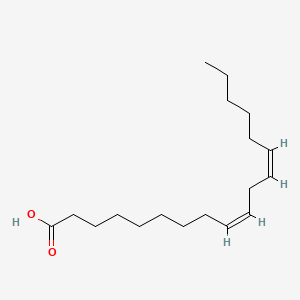
Linoleic acid (LA, 18:2 n-6) is a polyunsaturated omega-6 fatty acid with 18 carbon atoms and two double bonds. It is one of only two essential fatty acids. FAO and WHO experts call it indispensable, because humans cannot make it. The other is alpha-linolenic acid.
LA is the main omega-6 fat in the diet, and it comes mostly from vegetable oils, nuts and seeds.
In the body, LA is built into cell membranes and into the lipids that seal the skin. Only a little is turned into arachidonic acid, the parent of the 2-series eicosanoids (signaling molecules). In a tracer study in men, about 0.2% of a labeled LA dose reached arachidonic acid.
Most readers do not know how much this fat has changed in the food supply, or how hard it is argued over. US supply estimates put LA at 2.79% of energy in 1909 and 7.21% in 1999. Soybean oil use rose more than 1,000-fold (modeled from economic data, not measured intake).
Whether that matters is the “seed oil” debate. This page sets out each side at its real evidence level. It covers lipid trials, heart trials, two recovered diet trials, pooled cohort studies and the omega-6 to omega-3 ratio.
Health benefits of linoleic acid
The top findings from 32 studies, strongest evidence first
What the stars mean
- Strong. Several randomized trials, pooled in a meta-analysis, point the same way, or regulators (FDA or EFSA) have approved the claim.
- Moderate. Good randomized trials support it, but there are fewer of them, or their results vary.
- Limited. Small, short or single trials, or mixed results. Promising, but it needs confirmation.
Population and lab studies get no stars: they show a link or a mechanism, not proof.
How we rate evidence →- ★★★Better cholesterol when replacing saturated fatIn 60 trials, cis unsaturated fats in place of saturated fat lowered the ratio of total to HDL cholesterol. Linoleic acid was the main polyunsaturated fat in them, but the trials did not test it alone.
- ★★Mixed results for heart events and deathsPolyunsaturated fat in place of saturated fat cut coronary heart disease by 19% (0.81 times the risk) in a pool of 8 trials. Trials judged well controlled showed no change in heart events or deaths, and a Cochrane review of omega-6 fats found no clear change in deaths.
- ★★No rise in inflammation markersIn 15 trials in healthy people, more linoleic acid did not raise markers such as C-reactive protein or fibrinogen. The reviewers found virtually no randomized evidence that it raises inflammation.
- ★★Conjugated linoleic acid: modest fat lossConjugated linoleic acid (CLA) is a supplement made of forms of linoleic acid, not linoleic acid itself. At 3.2 g a day, fat mass fell 0.09 kg a week more than on placebo across 18 trials.
- ★★Blood arachidonic acid did not change with intakeIn adults on Western-type diets, cutting dietary linoleic acid by up to 90% did not change arachidonic acid in the blood. Raising it up to six-fold did not either.
All 27 studies, strongest evidence first
The EU allows a claim that linoleic acid supports normal cholesterol
The claim says linoleic acid contributes to the maintenance of normal blood cholesterol levels. Regulation (EU) No 432/2012 allows it only on a food with at least 1.5 g of LA per 100 g and per 100 kcal. The label must say the effect comes with a daily intake of 10 g of LA. EFSA’s 2009 opinion found a cause and effect link. It relied on a meta-analysis of 60 randomized trials, where polyunsaturated fat, mainly linoleic acid, lowered LDL cholesterol. A separate claim covers replacing saturated fats with unsaturated fats in food high in unsaturated fatty acids.
Unsaturated fat in place of saturated fat improved the cholesterol ratio
This meta-analysis (a study that pools earlier studies) covered 60 controlled trials of cis unsaturated fats, polyunsaturated and monounsaturated together. Swapped for saturated fat, they lowered the ratio of total to HDL cholesterol. The paper does not isolate linoleic acid, but EFSA noted that it was the main polyunsaturated fat in the trials. Replacing saturated fat with carbohydrate left the ratio unchanged. Replacing trans fat with carbohydrate and cis unsaturated fat changed it almost twice as much as replacing saturated fat. The authors say effects on blood lipids should be confirmed in prospective studies or clinical trials.
More omega-6 fat did not clearly change death or heart events
This Cochrane review (newest version, 2018) pooled 19 trials in 6,461 people followed for 1 to 8 years. Twelve trials tested linoleic acid and 7 gamma-linolenic acid, and the omega-6 fats usually replaced saturated or monounsaturated fats. Death from any cause was 1.00 times as likely and cardiovascular events 0.97 times, both low-quality evidence. Heart attack was 0.88 times as likely, and all of these differences could be chance. Total cholesterol fell a little, by 0.33 mmol/L (high-quality evidence), while LDL did not clearly change (−0.04, 2 trials). The authors say benefit remains to be proven but may exist in people at high risk of heart attack, and WHO funded the review update.
Polyunsaturated fat for saturated: 0.75 times the nonfatal heart attacks
This systematic review of 17 trials in 66,337 people was published in 2026. Reducing or modifying saturated fat gave only a small change in deaths from any cause (0.96 times the risk). In the subgroup where polyunsaturated fat replaced it, nonfatal heart attack was 0.75 times as likely, a borderline subgroup difference. For people at low cardiovascular risk, the 5-year benefit fell below the authors’ thresholds of importance. For people at high risk it was above them. The trials tested polyunsaturated fat in general, not linoleic acid alone, and the authors report no funding.
Cutting saturated fat lowered combined heart events by 17%
This Cochrane review (newest version, August 2020) pooled 15 trials in 56,675 people. Combined cardiovascular events were 0.83 times as likely (12 trials, moderate-quality evidence), with little or no effect on death from any cause (0.96). Subgroups did not suggest a clear difference between replacing saturated fat with polyunsaturated fat or with carbohydrate. Data on monounsaturated fat and protein were very limited. This tests eating less saturated fat, not eating more linoleic acid.
Polyunsaturated fat in place of saturated fat cut heart disease 19%
This meta-analysis pooled 8 trials in 13,614 people with 1,042 coronary heart disease events. Polyunsaturated fat gave 14.9% of energy in the intervention groups, against 5.0% in controls. The risk was 0.81 times as high, or 0.90 for each 5% of energy, and longer trials showed larger benefits. It pools polyunsaturated fat as a class, and a later analysis (Hamley, next card) judged some of its trials poorly controlled.
In well-controlled trials, mostly n-6 fat did not change heart events
This meta-analysis sorted earlier diet-heart trials by whether the groups differed in diet or care apart from the fats. In the adequately controlled trials, replacing saturated fat with these fats did not change events or deaths. Risk ratios were 1.06 for major coronary events, 1.02 for total coronary events, 1.13 for coronary death and 1.07 for total death. Pooling all trials, total coronary events fell (0.80), and the author concludes that the benefit in earlier meta-analyses came from inadequately controlled trials.
A corn oil diet cut cholesterol 13.8% but did not lower deaths
The Minnesota Coronary Experiment was a double-blind randomized trial (1968 to 73) of 9,423 people in one nursing home and six state mental hospitals. Its data were recovered and had not been published before. The diet replaced animal fats, common margarines and shortenings with corn oil and corn oil margarine. Serum cholesterol fell 13.8%, against 1.0% in controls, but survival graphs showed no benefit overall or in any prespecified subgroup. Autopsies showed no benefit for atherosclerosis or infarcts. Within the trial, each 30 mg/dL (0.78 mmol/L) fall in cholesterol went with a 22% higher risk of death (1.22 times). That is an association, not a randomized comparison. A pooled analysis of 5 trials (10,808 people) found no benefit for coronary death (1.13) or death from any cause (1.07).
More linoleic acid did not raise inflammation markers in 15 trials
This systematic review covered randomized trials (8 parallel and 7 crossover) in healthy people other than infants. None reported significant findings for C-reactive protein, fibrinogen, PAI-1, cytokines, soluble adhesion molecules or tumor necrosis factor alpha. Two studies saw changes in urinary prostaglandin metabolites, and their authors said these did not mean more inflammation. The reviewers conclude that virtually no randomized evidence shows that adding linoleic acid raises inflammatory markers.
Raising or cutting linoleic acid did not change blood arachidonic acid
This systematic review covered human trials in adults eating Western-type diets that measured plasma, serum or red cell phospholipids. Cutting dietary linoleic acid by up to 90% was not linked to changes in arachidonic acid. Raising it up to six-fold was not either. Dietary gamma-linolenic acid and dietary arachidonic acid did raise blood arachidonic acid.
Safflower oil in place of saturated fat raised deaths in heart patients
The Sydney Diet Heart Study was a single-blinded trial (1966 to 73) in 458 men aged 30 to 59. All had a recent coronary event, and the data were recovered later. The intervention group (221 men) replaced saturated fat with safflower oil and safflower oil margarine. Controls (237 men) got no specific dietary instruction or study foods. Death from any cause was 17.6% against 11.8% (hazard ratio 1.62), cardiovascular death 17.2% against 11.0% (1.70) and coronary death 16.3% against 10.1% (1.74). Added to an updated meta-analysis, the data gave a non-significant trend to more coronary death (1.33). It is one small trial, and with no study foods for controls it was not a fat-for-fat swap.
Sunflower oil overfeeding added less liver fat than palm oil
In this double-blind trial, 39 young, normal-weight people ate extra muffins for 7 weeks. The muffins were made with palm oil (saturated fat) or sunflower oil (n-6 polyunsaturated fat). Weight gain was similar, but saturated fat markedly increased liver fat on MRI and caused a twofold larger increase in visceral fat. The sunflower oil group gained nearly three times as much lean tissue. It compares two fats, not linoleic acid against none.
Vegetable n-6 fat beat butter on liver fat in 61 people
This randomized trial put 67 people with abdominal obesity (15% with type 2 diabetes) on equal-calorie diets for 10 weeks; 61 finished. The diets were high in vegetable n-6 polyunsaturated fat, or in saturated fat mainly from butter. Liver fat was lower on the polyunsaturated diet by 16% (MRI) and 34% (spectroscopy) in relative change. PCSK9, TNF receptor-2 and IL-1 receptor antagonist were lower too. In people who stuck to the diet, LDL cholesterol, the total to HDL ratio, triglycerides and insulin were lower. The authors saw no signs of inflammation or oxidative stress from the high n-6 intake.
Less linoleic acid (1.8%) plus EPA and DHA: 4 fewer migraine days
In this 16-week randomized trial, 182 adults with migraine got study foods for about two thirds of their energy. The H3-L6 diet gave 1.5 g of EPA plus DHA a day and linoleic acid at 1.8% of energy or less. The H3 diet gave the same omega-3 with linoleic acid near 7%, and the control diet changed neither. Against control, headache days per month fell by 4.0 on H3-L6 and by 2.0 on H3. H3-L6 beat H3 by 2.0 days, which suggests lowering linoleic acid added something. The quality-of-life score (HIT-6) did not improve significantly, and because omega-3 also changed, the result cannot be credited to linoleic acid alone.
Cutting linoleic acid lowered oxidized linoleic acid compounds in blood
For 12 weeks, people with chronic headache ate a low-linoleic acid diet. It lowered plasma levels of four oxidized LA metabolites (9- and 13-HODE and 9- and 13-oxoODE). It also lowered the LA content of several circulating lipid fractions. Other work has linked these compounds to conditions from cardiovascular disease to chronic pain. This study measured blood levels only and did not test whether the fall helped anyone; the authors say the clinical meaning needs study.
10.5% of energy from linoleic acid lowered blood EPA, against 3.8%
In this randomized crossover trial, 22 men ate each diet for 4 weeks. Vegetable oils high in linoleic acid were swapped for low-linoleic oils, while alpha-linolenic acid stayed near 1% of energy. The high-LA diet lowered plasma phospholipid EPA compared with the low one, and raised the ratio of arachidonic acid to EPA (20.7 against 12.9). It did not change arachidonic acid, DHA, total, LDL or HDL cholesterol, C-reactive protein, interleukin-6 or platelet aggregation.
In men given labeled linoleic acid, about 0.2% became arachidonic acid
For 12 weeks, 38 moderately hyperlipidemic men ate diets enriched with sunflower oil or flaxseed oil. The sunflower oil gave 17 g a day of linoleic acid, and the flaxseed oil 17 g a day of alpha-linolenic acid. The tracer was followed in small subsets (5 and 6 men). Conversion of LA to arachidonic acid was about 0.2% and of ALA to EPA about 0.3%, with DHA formation below 0.01%. The sunflower oil diet did not change blood arachidonic acid.
On a fat-free diet, blood linoleic acid fell from 48.8% to 9.8%
Eight healthy men got fat-free diets with enough calories, 80% from glucose and 20% from amino acids. The food ran by constant drip, through a vein or a stomach tube, for 2 weeks each. Linoleic acid in blood cholesterol esters fell within the 2 weeks, and also in phospholipids (from 21.2% to 3.2% of fatty acids). Eicosatrienoic acid, normally undetectable, appeared (0.6% of cholesterol esters and 2.5% of phospholipids), the biochemical sign of essential fatty acid deficiency. The authors note that the diets resemble the intravenous formulas then in clinical use.
In 30 cohorts, more blood linoleic acid, less cardiovascular death (0.78)
This harmonized pooled analysis (the FORCE consortium) covered 30 prospective studies from 13 countries, with 68,659 people and 15,198 cardiovascular events. Per interquintile range, the risk was 0.78 times as high for cardiovascular death, 0.93 for total cardiovascular disease and 0.88 for ischemic stroke. For coronary heart disease it was 0.94, which could be chance, and arachidonic acid was not linked to higher risk. Levels in blood and fat reflect diet but also metabolism, and cohorts cannot show cause. Two authors report research support from Unilever for this work.
Higher linoleic acid levels went with less type 2 diabetes (0.65)
This FORCE pooled analysis used individual data from 20 cohorts with 39,740 adults: 4,347 new cases over 366,073 person-years. Per interquintile range, the risk was 0.65 times as high, similar in blood and fat tissue. Arachidonic acid was not clearly linked to risk (0.96). The links did not change with age, BMI, sex, omega-3 levels or FADS gene variants.
In 44 cohorts, higher dietary linoleic acid went with lower mortality (0.87)
This meta-analysis of 38 studies covered 44 prospective cohorts with 811,069 people. Comparing the highest with the lowest intake in dietary surveys, the risk was 0.87 times as high for all deaths. It was 0.87 for cardiovascular deaths and 0.89 for cancer deaths. In 65,411 people with blood or fat tissue measurements, each standard deviation higher went with 0.91 for all deaths. Results for total mortality differed a lot between studies (I² = 67.9%).
The highest linoleic acid intake went with 15% fewer coronary events
This meta-analysis pooled 13 prospective cohorts with 310,602 people and 12,479 coronary events, using a fixed-effect model. Highest against lowest intake gave 0.85 times the risk of coronary events, and 0.79 for coronary deaths, a 21% lower risk. Each 5% of energy from linoleic acid replacing saturated fat went with 9% fewer events (0.91) and 13% fewer deaths (0.87).
US linoleic acid supply rose from 2.79% to 7.21% of energy
From 1909 to 1999, the rise came mostly from soybean oil, whose use rose more than 1,000-fold. The authors calculated per capita availability from economic disappearance data for 373 food commodities, so these are supply estimates, not measured intake. The ratio of LA to alpha-linolenic acid went from 6.4 to 10.0. They predicted that tissue omega-3 status fell, with the estimated omega-3 index dropping from 6.51 to 3.84. That is a model, not a measurement.
Higher omega-6 to omega-3 ratio, 26% more deaths
The UK Biobank cohort followed 85,425 UK adults, with 6,461 deaths: 2,794 from cancer and 1,668 from cardiovascular disease. Comparing the highest with the lowest fifth of the ratio, total mortality was 26% higher. Cancer mortality was 14% higher and cardiovascular mortality 31% higher. Omega-3 and omega-6 fatty acids in plasma were each linked to lower mortality, omega-3 more strongly, so the ratio mixes two signals.
Genetically higher linoleic acid showed no clear heart protection
This Mendelian randomization study, with up to 1,153,768 people, used gene variants that raise blood linoleic acid. The variants came from a genome-wide analysis of 114,999 people and were tested against a wide range of cardiovascular outcomes. Estimates were inconsistent across outcomes and methods, with weak evidence of lower ischemic stroke and peripheral artery disease risk once LDL cholesterol was accounted for. The authors say the findings overall do not support a protective role of circulating polyunsaturated fats. They add that effects through lipoprotein traits could bias the results. Mendelian randomization is an observational design.
In mice, safflower oil changed liver mitochondria fats and oxygen use
Twenty-four male mice ate a safflower oil diet (rich in linoleic acid) or a lard diet for about 100 days. Livers on safflower oil had more tetralinoleoyl cardiolipin, a mitochondrial membrane lipid with four linoleic acid chains. Uncoupled mitochondria had higher baseline oxygen use and succinate-driven respiration. It shows that diet changes membrane linoleic acid in mice, and it was not tested in people.
In mice, losing the enzyme Acsl1 broke the skin barrier
Acsl1 activates long-chain fatty acids. Mice without it had severe skin barrier defects and died as embryos. The barrier broke because less linoleic acid reached barrier lipids. Their skin ceramide carrying an ester-linked linoleic acid, a lipid essential for the barrier, was much lower, and so were triglycerides with linoleic acid. The authors suggest triglyceride serves as a reservoir of linoleic acid for building this ceramide.
Foods high in linoleic acid
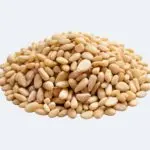
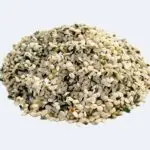
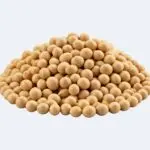
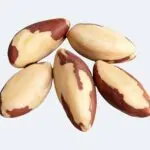
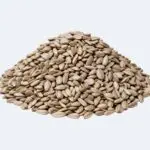
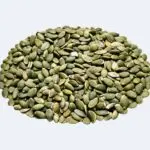
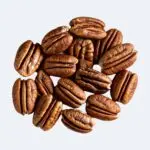
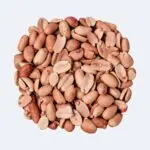
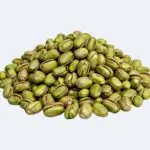
Linoleic acid is in nuts, seeds and vegetable oils, and our USDA ranking is led by nuts and seeds. Per serving, walnuts lead with 10.8 g in 1 oz (28 g). Pine nuts follow with 9.4 g in 1 oz, and hemp seeds with 8.21 g in 3 tbsp. Soybeans, Brazil nuts, sunflower seeds, pumpkin seeds and pecans come next; the ranking below gives their amounts.
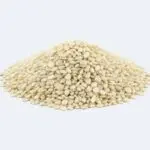
Per 100 g, walnuts (38.1 g), pine nuts (33.2 g) and hemp seeds (27.4 g) lead. Brazil nuts, sunflower seeds and sesame seeds come next. Per 100 kcal, walnuts (5.82 g), hemp seeds (4.95 g) and pine nuts (4.93 g) lead.
Vegetable oils are the biggest sources in practice, but they are not in our ranking. In USDA’s SR Legacy data, per 100 g, linoleic-type safflower oil has 74.6 g of linoleic acid. Linoleic-type sunflower oil (about 65%) has 65.7 g, walnut oil 52.9 g, cottonseed oil 51.5 g and soybean oil 51.0 g. Peanut oil has 32.0 g, canola oil 19.0 g and olive oil 9.76 g.
Butter has 2.73 g and coconut oil 1.68 g. High-oleic types of the same crops are far lower, at 12.7 g for safflower and 3.61 g for sunflower. So the plant on the label does not tell you which fat you are buying.
Our arithmetic for realistic servings: 1 oz of walnuts (10.8 g) gives about 64% of the 17 g US adequate intake for men. It gives 90% of the 12 g for women. An ounce of pine nuts (9.4 g) gives about 55% and 78%. An ounce of sunflower seeds (6.53 g) gives about 38% and 54%.
Heat changes oils. In deep-frying tests, oils rich in linoleic acid gave more 2,4-decadienals, which are aroma compounds. Oils rich in linolenic acid gave the most acrolein, and mainly monounsaturated or saturated oils gave clearly less. That is frying chemistry, not a health result, and we found no trial that compared cold-pressed with refined oils.
Nuts and seeds are not concentrated oils. The Minnesota trial authors caution that results from concentrated oils should not be applied to nuts or other unprocessed foods rich in linoleic acid.
Per serving. No daily amount is set, so bars compare each food with the top food.
Per 100 g. No daily amount is set, so bars compare each food with the top food.
Per 100 kcal: the same calories of each food, for a fair comparison. Bars compare each food with the top food.
Food labels have no Daily Value or Reference Intake for linoleic acid, so the % compares each food with the top food.
- 1.

- 2.
- 3.
- 4.
- 5.
- 6.
- 7.
- 8.
- 9.
- 10.


- 1.
- 2.
- 3.
- 4.
- 5.
- 6.
- 7.
- 8.
- 9.
- 10.

- 1.
- 2.
- 3.
- 4.
- 5.
- 6.
- 7.
- 8.
- 9.
- 10.
Sources
- U.S. Department of Agriculture, Agricultural Research Service. FoodData Central. Values as shown in the ranking above; oil values are from the SR Legacy data type.
- Thürer A, Granvogl M. Generation of Desired Aroma-Active as Well as Undesired Toxicologically Relevant Compounds during Deep-Frying of Potatoes with Different Edible Vegetable Fats and Oils. J Agric Food Chem. 2016.
- Ramsden CE, Zamora D, Majchrzak-Hong S, et al. Re-evaluation of the traditional diet-heart hypothesis: analysis of recovered data from Minnesota Coronary Experiment (1968-73). BMJ. 2016.
How linoleic acid works
The biochemistry of fatty acids is well established, but what extra linoleic acid does in people is tested in the study cards above.
Four ideas cover most of it. LA is a building block of membranes and the skin barrier, and a small share becomes arachidonic acid. It competes with alpha-linolenic acid for the same enzymes, and the body stores and burns it like other fats. Here is each one, and what has been seen in people.
A small share becomes arachidonic acid
EFSA’s panel describes linoleic acid being elongated and desaturated to arachidonic acid, which goes on to make 2-series eicosanoids. The step is slow in people. In a tracer study in men, about 0.2% of a labeled LA dose reached arachidonic acid. And 12 weeks on 17 g a day of sunflower oil left blood arachidonic acid unchanged.
A systematic review of adult trials agrees. Cutting LA by up to 90% or raising it up to six-fold did not change arachidonic acid in blood phospholipids. Dietary gamma-linolenic acid and arachidonic acid did change it. FAO’s experts add that arachidonic acid is not essential for a healthy adult who gets more than 2.5% of energy as LA, as vegans show.
How the body makes arachidonic acid from linoleic acid, simplified. Not to scale.
Arachidonic acid is the reason LA has a bad name. It is the parent of potent signals of inflammation, and drugs that block that pathway are used against inflammation. So many people assume more LA means more inflammation.
A review by Innes and Calder notes that in healthy adults, more LA or arachidonic acid in the diet did not raise many inflammatory markers. It adds that the interaction with omega-3 fats is complex and not properly understood. More on arachidonic acid on its own page.
It competes with alpha-linolenic acid
LA and alpha-linolenic acid use the same enzymes. FAO’s report says excess dietary LA, as with some safflower, sunflower and corn oil, may decrease the formation of DHA from alpha-linolenic acid. The reason is that the delta-6 desaturase is inhibited by excess n-6 substrates. In the tracer study, conversion of each fat varied inversely with the fatty acids of the other family.
In the 22-man crossover trial, 10.5% of energy from LA lowered blood EPA compared with 3.8%. In the UK Biobank cohort, a higher omega-6 to omega-3 ratio went with higher mortality. Whether the ratio itself matters, rather than the amount of each, is the next question.
Does the omega-6 to omega-3 ratio matter?
The ratio idea says the balance of the two families matters more than the amount of each. FAO’s experts found no rationale for a specific n-6 to n-3 ratio, or LA to alpha-linolenic acid ratio. That holds if intakes of each lie within their ranges, and EFSA set no value for it.
A 2006 review found few human trial data to support the ratio and judged it of little value. It favored measures that count EPA and DHA alone.
Observational data point both ways. In UK Biobank a higher plasma ratio went with higher mortality. Yet omega-3 and omega-6 were each linked to lower mortality, omega-3 more strongly.
The trials are small. Very high LA lowered blood EPA in 22 men.
In a migraine trial, raising EPA plus DHA and cutting LA reduced headache days by 2.0 more than the omega-3 change alone. But that diet changed two things at once. Our reading is that getting enough omega-3, from alpha-linolenic acid, EPA and DHA, matters more than hitting a ratio.
It is built into cell membranes and the skin barrier
A review of the skin barrier explains that linoleate-containing acylceramides are essential for barrier function. They sit in the outer skin layer and in the lipid envelope around skin cells. In mice that lack the enzyme Acsl1, which activates linoleic acid, the barrier failed and the pups died as embryos. In mouse liver, a safflower oil diet raised cardiolipin with four LA chains, a lipid of the mitochondrial membrane; this is mouse and lab work.
How linoleic acid supports the skin barrier, from mouse and lab work. Not to scale.
In people, the clearest sign of how much the body needs LA comes from taking it away. Eight healthy men were given a fat-free diet. LA in the cholesterol esters of their blood fell from 48.8% to 9.8% in 2 weeks, and the deficiency marker eicosatrienoic acid appeared. The chart puts it on one scale.
Linoleic acid as a percent of total fatty acids in blood, in healthy men before and after 2 weeks of a fat-free diet given by vein, drawn to scale.
It is stored and burned like other fats
In a tracer test in men, 41% of a laurate dose was burned within 9 hours, against 13% of stearate. Among 18-carbon fatty acids, linolenate was the most highly oxidized, and linoleate appeared to be somewhat conserved.
LA is also stored. Blood and fat tissue levels of LA reflect diet. That is why cohort studies such as the FORCE pooled analyses use them as markers of intake.
What has been seen in people
Trial diets span a wide range of LA, and so has the food supply over a century. The chart puts the numbers on one scale.
Linoleic acid as a share of energy, drawn to scale. Teal bars are official values, orange bars are diets tested in trials, and magenta bars are US food supply estimates, which are not measured intake.
Putting the cards together: LA lowers cholesterol when it replaces saturated fat. It does not raise inflammatory markers or blood arachidonic acid in healthy adults. A very high intake lowers blood EPA compared with a low one.
Pooled cohorts link higher blood LA with fewer cardiovascular deaths and less type 2 diabetes. But the randomized trials that swapped whole fats found no clear gain in deaths or events, and the Sydney trial found harm. The two kinds of evidence answer different questions.
A cohort compares people who differ in many ways. A trial compares diets, usually concentrated oils against animal fats, margarines or nothing. The recovered trials enrolled people with heart disease or people living in institutions. We found no trial that tested linoleic acid alone against a matched diet for heart events.
Sources
- EFSA Panel on Dietetic Products, Nutrition and Allergies (NDA). Scientific opinion on the substantiation of health claims related to linoleic acid and maintenance of normal blood cholesterol concentrations (ID 489) pursuant to Article 13(1) of Regulation (EC) No 1924/2006. EFSA J. 2009.
- Hussein N, Ah-Sing E, Wilkinson P, et al. Long-chain conversion of [13C]linoleic acid and alpha-linolenic acid in response to marked changes in their dietary intake in men. J Lipid Res. 2005.
- Rett BS, Whelan J. Increasing dietary linoleic acid does not increase tissue arachidonic acid content in adults consuming Western-type diets: a systematic review. Nutr Metab (Lond). 2011.
- Innes JK, Calder PC. Omega-6 fatty acids and inflammation. Prostaglandins Leukot Essent Fatty Acids. 2018.
- FAO/WHO Expert Consultation. Fats and fatty acids in human nutrition: report of an expert consultation. FAO Food and Nutrition Paper 91. Food and Agriculture Organization of the United Nations. 2010.
- Liou YA, King DJ, Zibrik D, et al. Decreasing linoleic acid with constant alpha-linolenic acid in dietary fats increases (n-3) eicosapentaenoic acid in plasma phospholipids in healthy men. J Nutr. 2007.
- Kato A, Ito M, Sanaki T, et al. Acsl1 is essential for skin barrier function through the activation of linoleic acid and biosynthesis of ω-O-acylceramide in mice. Biochim Biophys Acta Mol Cell Biol Lipids. 2022.
- Wertz PW. Linoleate-Containing Acylglucosylceramide, Acylceramide, and Events Associated with Formation of the Epidermal Permeability Barrier. Skin Pharmacol Physiol. 2023.
- Mahler CA, Snoke DB, Cole RM, et al. Consuming a Linoleate-Rich Diet Increases Concentrations of Tetralinoleoyl Cardiolipin in Mouse Liver and Alters Hepatic Mitochondrial Respiration. J Nutr. 2024.
- DeLany JP, Windhauser MM, Champagne CM, et al. Differential oxidation of individual dietary fatty acids in humans. Am J Clin Nutr. 2000.
- Wene JD, Connor WE, DenBesten L. The development of essential fatty acid deficiency in healthy men fed fat-free diets intravenously and orally. J Clin Invest. 1975.
- Marklund M, Wu JHY, Imamura F, et al. Biomarkers of Dietary Omega-6 Fatty Acids and Incident Cardiovascular Disease and Mortality. Circulation. 2019.
- Ramsden CE, Zamora D, Faurot KR, et al. Dietary alteration of n-3 and n-6 fatty acids for headache reduction in adults with migraine: randomized controlled trial. BMJ. 2021.
- Blasbalg TL, Hibbeln JR, Ramsden CE, et al. Changes in consumption of omega-3 and omega-6 fatty acids in the United States during the 20th century. Am J Clin Nutr. 2011.
- EFSA Panel on Dietetic Products, Nutrition and Allergies (NDA). Scientific opinion on Dietary Reference Values for fats, including saturated fatty acids, polyunsaturated fatty acids, monounsaturated fatty acids, trans fatty acids, and cholesterol. EFSA J. 2010.
- National Academies of Sciences, Engineering, and Medicine. Rethinking the Acceptable Macronutrient Distribution Range for the 21st century: a letter report. National Academies Press. 2024.
- Harris WS. The omega-6/omega-3 ratio and cardiovascular disease risk: uses and abuses. Curr Atheroscler Rep. 2006.
- Zhang Y, Sun Y, Yu Q, et al. Higher ratio of plasma omega-6/omega-3 fatty acids is associated with greater risk of all-cause, cancer, and cardiovascular mortality: A population-based cohort study in UK Biobank. Elife. 2024.
How much linoleic acid do you need?
Adults need about 12 to 17 g of linoleic acid a day in the US, or 4% of energy in the EU. That is about 9 g on a 2,000 kcal diet (our arithmetic). The US adequate intake is 17 g for men and 12 g for women aged 19 to 50.
EFSA’s adequate intake is 4% of energy for adults, in pregnancy and breastfeeding, and for children from 1 year. FAO and WHO experts say human data are too sparse for a precise requirement, so they give a range. It is an average requirement of 2% of energy and an acceptable range of 2.5 to 9%.
Linoleic acid: recommended intake per day
US: Adequate Intake (NASEM). EU: Adequate Intake (EFSA).
| Age and sex | US (AI) | EU (AI) |
|---|---|---|
| Men, 31–50 years | 17 g | 4 % of energy |
| Women, 31–50 years | 12 g | 4 % of energy |
All ages, pregnancy and breastfeeding
| Age and sex | US (AI) | EU (AI) |
|---|---|---|
| Infants 0–6 months | 4.4 g | None set |
| Infants 7–11 months | None set | 4 % of energy |
| Infants 7–12 months | 4.6 g | None set |
| Children 1 year | None set | 4 % of energy |
| Children 1–3 years | 7 g | None set |
| Children 2–3 years | None set | 4 % of energy |
| Children 4–8 years | 10 g | None set |
| Children 4–17 years | None set | 4 % of energy |
| Females 9–13 years | 10 g | None set |
| Males 9–13 years | 12 g | None set |
| Females 14–18 years | 11 g | None set |
| Males 14–18 years | 16 g | None set |
| Adults 18+ years | None set | 4 % of energy |
| Females 19–30 years | 12 g | None set |
| Males 19–30 years | 17 g | None set |
| Females 31–50 years | 12 g | None set |
| Males 31–50 years | 17 g | None set |
| Females 51–70 years | 11 g | None set |
| Males 51–70 years | 14 g | None set |
| Females >70 years | 11 g | None set |
| Males >70 years | 14 g | None set |
| Pregnancy 14–18 years | 13 g | None set |
| Pregnancy | None set | 4 % of energy |
| Pregnancy 19–30 years | 13 g | None set |
| Pregnancy 31–50 years | 13 g | None set |
| Lactation 14–18 years | 13 g | None set |
| Lactation | None set | 4 % of energy |
| Lactation 19–30 years | 13 g | None set |
| Lactation 31–50 years | 13 g | None set |
EU and US age bands differ; "None set" means that body sets no value for the group.
| Source | Group | Value | Notes |
|---|---|---|---|
| National Academies (IOM) 2005, adequate intake | Men and women aged 19 to 50 | 17 g (men), 12 g (women) a day | From age 51 the values are 14 g and 11 g; pregnancy and breastfeeding 13 g. As listed in the intake table above. |
| National Academies 2005, acceptable range (AMDR) | Children and adults | 5 to 10% of energy | The lower end rests on the adequate intake. About 11 to 22 g on 2,000 kcal. |
| EFSA 2010, adequate intake | Adults, pregnancy, breastfeeding, children from 1 year and infants from 7 months | 4% of energy | About 9 g on 2,000 kcal. EFSA set no upper level for total or any n-6 polyunsaturated fat, and no value for the n-6 to n-3 ratio. |
| FAO/WHO 2010, average requirement and range | Adults | Average requirement 2%, adequate intake 2 to 3%, acceptable range 2.5 to 9% of energy | About 5.6 to 20 g on 2,000 kcal for the range. Infants 6 to 24 months: adequate intake 3.0 to 4.5%, upper limit of the range below 10%. |
Those amounts are small next to what many diets supply. US supply estimates put LA at 7.21% of energy in 1999. That is above every adequate intake in the table and inside the National Academies range, though supply is not measured intake. Pregnancy and breastfeeding raise the US adequate intake only a little, to 13 g a day.
Linoleic acid deficiency: signs and who is at risk
Deficiency is rare in people who eat fat. FAO’s report describes signs first recorded in the 1960s: dryness, scaling and thickening of the skin, and poor growth, in infants fed skimmed-milk formula. In that study of 428 infants, intake on the skimmed preparation was 10 mg of LA per kg of body weight a day. On a corn and coconut oil preparation it was 800 mg per kg.
Neonates on fat-free intravenous nutrition also showed signs. In animal and human studies, signs are prevented when LA gives 1 to 2% of energy, according to FAO.
Today the risk sits with people whose fat intake or absorption is very low: fat malabsorption, malnutrition, and intravenous feeding without enough lipid. In eight healthy men on a fat-free diet, blood LA fell sharply within 2 weeks.
A 2025 review looked at deficiency in parenteral nutrition (feeding by vein). It notes that newer multicomponent lipid emulsions contain less LA and alpha-linolenic acid, so dosing matters. It adds that the triene to tetraene ratio (the Holman index) alone can lead to a wrong diagnosis. Its authors include an employee of Baxter Healthcare, which makes lipid emulsions, and consultants for other makers.
Sources
- Institute of Medicine, Food and Nutrition Board. Dietary Reference Intakes for energy, carbohydrate, fiber, fat, fatty acids, cholesterol, protein, and amino acids. National Academies Press. 2005.
- National Academies of Sciences, Engineering, and Medicine. Rethinking the Acceptable Macronutrient Distribution Range for the 21st century: a letter report. National Academies Press. 2024.
- EFSA Panel on Dietetic Products, Nutrition and Allergies (NDA). Scientific opinion on Dietary Reference Values for fats, including saturated fatty acids, polyunsaturated fatty acids, monounsaturated fatty acids, trans fatty acids, and cholesterol. EFSA J. 2010.
- FAO/WHO Expert Consultation. Fats and fatty acids in human nutrition: report of an expert consultation. FAO Food and Nutrition Paper 91. Food and Agriculture Organization of the United Nations. 2010.
- Wolff J, Cober MP, Huff KA. Essential fatty acid deficiency in parenteral nutrition: Historical perspective and modern solutions, a narrative review. Nutr Clin Pract. 2025.
- Wene JD, Connor WE, DenBesten L. The development of essential fatty acid deficiency in healthy men fed fat-free diets intravenously and orally. J Clin Invest. 1975.
- Commission Regulation (EU) No 432/2012 establishing a list of permitted health claims made on foods. Official Journal of the European Union. 2012.
Forms of linoleic acid: absorption and effects
Linoleic acid reaches people in whole foods and vegetable oils, in conjugated and downstream forms sold as supplements, on the skin, and by vein. It travels in fat in all of them, and we found no study that compared how well different forms are absorbed.
The honest bottom line is that the heart and metabolism trials tested whole oils and fats. So a result belongs to the oil and the fat it replaced, not to linoleic acid on its own. We found no trial of linoleic acid capsules for any health outcome. Nor did we find any for the popular claim that cold-pressed seed oils are healthier than refined ones.
Where trials exist, the doses are large. Men got 17 g a day of sunflower oil as LA for 12 weeks. Women got 8 g of safflower oil a day for 16 weeks. Other diets gave 10.5% of energy from LA for 4 weeks.
Do not confuse conjugated linoleic acid with linoleic acid. CLA is a group of isomers that acts differently, and its trials are about fat loss.
| Form | What it is | What studies show | Source |
|---|---|---|---|
| Nuts and seeds | LA inside whole foods, with their other fats and nutrients | Walnuts, pine nuts and sunflower seeds lead our ranking. The Minnesota authors caution that results from concentrated oils should not be generalized to nuts or other unprocessed foods. We found no trial that compared LA from nuts with LA from oil for heart events. | 1, 2 |
| Vegetable oils rich in LA (safflower, sunflower, soybean, corn) | Triglyceride oils, up to 74.6 g of LA per 100 g | Used in the diet-heart trials: safflower oil and margarine in Sydney, corn oil in Minnesota. Sunflower oil muffins gave less liver fat than palm oil in a 7-week overfeeding trial, and vegetable n-6 fat gave less liver fat than butter in a 10-week trial. Safflower oil at 8 g a day lowered trunk fat and fasting glucose in women with type 2 diabetes. | 1, 3, 2, 4, 5, 6 |
| High-oleic versions of the same oils | Bred or processed to hold mostly oleic acid; 12.7 g of LA per 100 g in safflower, 3.61 g in sunflower | LDL from people on an oleate-rich diet was less easily oxidized in a test tube than LDL from a linoleate-rich diet, but that is not a heart outcome. We found no trial that compared high-linoleic with high-oleic oils for heart events. | 1, 8 |
| Conjugated linoleic acid (CLA) supplements | A group of LA isomers sold for weight loss, a different compound | About 3.2 g a day gave a modest loss of fat mass, 0.09 kg a week more than placebo, in 18 trials. In a crossover trial, CLA lowered BMI while safflower oil did not. | 7, 6 |
| Linoleic acid on the skin | Topical LA or sunflower-seed oil | Topical LA cut the size of acne microcomedones by almost 25% in a month. Two 1970s reports describe correcting essential fatty acid deficiency in people by putting sunflower-seed oil on the skin. In mice, skin barrier lipids need LA. | 9, 10, 11, 12 |
| Arachidonic acid and gamma-linolenic acid | Downstream omega-6 fats | Dietary arachidonic acid and gamma-linolenic acid raised blood arachidonic acid in adult trials, whereas linoleic acid did not. See the page on arachidonic acid. | 13 |
| Intravenous lipid emulsions | LA given by vein to people who cannot eat | Products differ in LA content, and newer multicomponent emulsions hold less, so dosing matters to prevent deficiency. | 14 |
| Heated or reused oils | LA-rich oil after frying | Frying LA-rich oil made more 2,4-decadienals in a lab test. We found no human trial of heated oils and health outcomes. | 15 |
Here are the form-specific studies, strongest evidence first, 5 in all.
All 5 studies, strongest evidence first
3.2 g of conjugated linoleic acid a day gave modest fat loss
Conjugated linoleic acid (CLA) is a group of isomers of linoleic acid sold as a supplement, not linoleic acid itself. This meta-analysis pooled 18 randomized, double-blind, placebo-controlled trials. At the median dose of 3.2 g a day, fat mass fell 0.09 kg a week more than on placebo. The effect grew steadily for up to 6 months, then levelled off toward 2 years, and results comparing isomers were inconclusive.
8 g of safflower oil daily cut trunk fat; CLA cut BMI
In this randomized, double-masked crossover trial, 55 obese postmenopausal women with type 2 diabetes took each oil for 16 weeks. A 4-week washout separated the oils, and 35 of the 55 finished. Safflower oil did not change BMI or total fat mass. But it reduced trunk fat mass, raised lean mass, lowered fasting glucose and raised adiponectin. CLA lowered BMI and total fat mass without changing lean mass.
After 8 weeks, LDL from a linoleate-rich diet oxidized more easily
For 8 weeks, people with mildly raised cholesterol ate oleate-enriched (monounsaturated) or linoleate-enriched diets. LDL from the oleate group resisted copper-induced oxidation better, and the share of 18:2 in LDL tracked the extent of oxidation (r = 0.89). This was measured in isolated LDL in a test tube, not as heart events. The authors suggest replacing saturated fat with monounsaturated fat might be preferable to polyunsaturated fat.
Linoleic acid on the skin shrank acne microcomedones by almost 25%
In this double-blind, placebo-controlled, randomized crossover study, people with mild acne applied it for a month. Digital image analysis of follicle biopsies showed smaller follicular casts and microcomedones, while placebo-treated sites did not change. This was applied to the skin, not eaten, and the authors conclude it might act as a comedolytic (pore-clearing) agent.
Frying in linoleic-rich oils made more 2,4-decadienals
This lab study fried potato chips in different edible oils. Chips fried in oils rich in linoleic acid, the precursor, held significantly more (E,E)- and (E,Z)-2,4-decadienal. The authors list these among aroma-active compounds. Oils rich in linolenic acid gave the most acrolein, which they call toxicologically relevant. Mainly monounsaturated or saturated oils gave clearly less, and no health outcome was tested.
Sources
- U.S. Department of Agriculture, Agricultural Research Service. FoodData Central. Values as shown in the ranking above; oil values are from the SR Legacy data type.
- Ramsden CE, Zamora D, Majchrzak-Hong S, et al. Re-evaluation of the traditional diet-heart hypothesis: analysis of recovered data from Minnesota Coronary Experiment (1968-73). BMJ. 2016.
- Ramsden CE, Zamora D, Leelarthaepin B, et al. Use of dietary linoleic acid for secondary prevention of coronary heart disease and death: evaluation of recovered data from the Sydney Diet Heart Study and updated meta-analysis. BMJ. 2013.
- Rosqvist F, Iggman D, Kullberg J, et al. Overfeeding polyunsaturated and saturated fat causes distinct effects on liver and visceral fat accumulation in humans. Diabetes. 2014.
- Bjermo H, Iggman D, Kullberg J, et al. Effects of n-6 PUFAs compared with SFAs on liver fat, lipoproteins, and inflammation in abdominal obesity: a randomized controlled trial. Am J Clin Nutr. 2012.
- Norris LE, Collene AL, Asp ML, et al. Comparison of dietary conjugated linoleic acid with safflower oil on body composition in obese postmenopausal women with type 2 diabetes mellitus. Am J Clin Nutr. 2009.
- Whigham LD, Watras AC, Schoeller DA. Efficacy of conjugated linoleic acid for reducing fat mass: a meta-analysis in humans. Am J Clin Nutr. 2007.
- Reaven P, Parthasarathy S, Grasse BJ, et al. Effects of oleate-rich and linoleate-rich diets on the susceptibility of low density lipoprotein to oxidative modification in mildly hypercholesterolemic subjects. J Clin Invest. 1993.
- Letawe C, Boone M, Piérard GE. Digital image analysis of the effect of topically applied linoleic acid on acne microcomedones. Clin Exp Dermatol. 1998.
- Press M, Hartop PJ, Prottey C. Correction of essential fatty-acid deficiency in man by the cutaneous application of sunflower-seed oil. Lancet. 1974.
- Prottey C, Hartop PJ, Press M. Correction of the cutaneous manifestations of essential fatty acid deficiency in man by application of sunflower-seed oil to the skin. J Invest Dermatol. 1975.
- Kato A, Ito M, Sanaki T, et al. Acsl1 is essential for skin barrier function through the activation of linoleic acid and biosynthesis of ω-O-acylceramide in mice. Biochim Biophys Acta Mol Cell Biol Lipids. 2022.
- Rett BS, Whelan J. Increasing dietary linoleic acid does not increase tissue arachidonic acid content in adults consuming Western-type diets: a systematic review. Nutr Metab (Lond). 2011.
- Wolff J, Cober MP, Huff KA. Essential fatty acid deficiency in parenteral nutrition: Historical perspective and modern solutions, a narrative review. Nutr Clin Pract. 2025.
- Thürer A, Granvogl M. Generation of Desired Aroma-Active as Well as Undesired Toxicologically Relevant Compounds during Deep-Frying of Potatoes with Different Edible Vegetable Fats and Oils. J Agric Food Chem. 2016.
Is linoleic acid safe? Limits and who should watch it
Linoleic acid from food is not a safety concern for healthy people at usual intakes, and no official upper limit exists. EFSA’s 2010 opinion set no upper level for total or any n-6 polyunsaturated fat.
The FAO and WHO experts put the top of their acceptable range at 9% of energy for LA and 11% for all polyunsaturated fat. Their reason is that experimental studies suggest lipid peroxidation may rise above 11%, particularly when vitamin E (tocopherol) intake is low. The National Academies range tops out at 10% of energy. These are range limits, not toxicity thresholds.
- Heart disease and death. The trial evidence is mixed. The Cochrane review found little or no difference in death or cardiovascular events (1.00 and 0.97 times the risk). In the recovered Sydney trial, deaths were higher on safflower oil in men with heart disease (1.62 times). The Minnesota diet held almost twice the LA of the average American diet. People with heart disease should follow their doctor’s dietary advice.
- Inflammation and blood fats. In 15 trials in healthy people, more LA did not raise inflammatory markers. A high n-6 diet showed no signs of inflammation or oxidative stress in 61 adults with abdominal obesity. In a 22-man crossover trial, 10.5% of energy from LA lowered blood EPA compared with 3.8%. So people who eat little fish should watch their omega-3 intake.
- Heated oils. In frying tests, LA-rich oils made more 2,4-decadienals, and oils rich in linolenic acid gave the most acrolein. We found no human trial of heated or reused oils and health outcomes.
- Fat malabsorption and intravenous feeding. People who cannot absorb fat, or who depend on parenteral nutrition, can develop essential fatty acid deficiency. Some lipid emulsions are low in LA, and the care team sets the dose.
How to get enough linoleic acid
- Best foods. Walnuts give 10.8 g in 1 oz, pine nuts 9.4 g and sunflower seeds 6.53 g. An ounce of walnuts covers about 64% of the US adequate intake for men and 90% for women (our arithmetic).
- Swap rather than add. The cholesterol evidence is about replacing saturated fat with polyunsaturated fat. The EU claim assumes 10 g of LA a day, from food with at least 1.5 g per 100 g and per 100 kcal. The 2026 review found fewer nonfatal heart attacks when polyunsaturated fat replaced saturated fat (0.75 times the risk).
- Keep omega-3 in the mix. Add alpha-linolenic acid from walnuts, flaxseed and similar foods, and EPA and DHA from fish. The trial with 10.5% of energy from LA lowered blood EPA.
Sources
- EFSA Panel on Dietetic Products, Nutrition and Allergies (NDA). Scientific opinion on Dietary Reference Values for fats, including saturated fatty acids, polyunsaturated fatty acids, monounsaturated fatty acids, trans fatty acids, and cholesterol. EFSA J. 2010.
- FAO/WHO Expert Consultation. Fats and fatty acids in human nutrition: report of an expert consultation. FAO Food and Nutrition Paper 91. Food and Agriculture Organization of the United Nations. 2010.
- National Academies of Sciences, Engineering, and Medicine. Rethinking the Acceptable Macronutrient Distribution Range for the 21st century: a letter report. National Academies Press. 2024.
- Hooper L, Al-Khudairy L, Abdelhamid AS, et al. Omega-6 fats for the primary and secondary prevention of cardiovascular disease. Cochrane Database Syst Rev. 2018.
- Ramsden CE, Zamora D, Leelarthaepin B, et al. Use of dietary linoleic acid for secondary prevention of coronary heart disease and death: evaluation of recovered data from the Sydney Diet Heart Study and updated meta-analysis. BMJ. 2013.
- Ramsden CE, Zamora D, Majchrzak-Hong S, et al. Re-evaluation of the traditional diet-heart hypothesis: analysis of recovered data from Minnesota Coronary Experiment (1968-73). BMJ. 2016.
- Johnson GH, Fritsche K. Effect of dietary linoleic acid on markers of inflammation in healthy persons: a systematic review of randomized controlled trials. J Acad Nutr Diet. 2012.
- Bjermo H, Iggman D, Kullberg J, et al. Effects of n-6 PUFAs compared with SFAs on liver fat, lipoproteins, and inflammation in abdominal obesity: a randomized controlled trial. Am J Clin Nutr. 2012.
- Liou YA, King DJ, Zibrik D, et al. Decreasing linoleic acid with constant alpha-linolenic acid in dietary fats increases (n-3) eicosapentaenoic acid in plasma phospholipids in healthy men. J Nutr. 2007.
- Thürer A, Granvogl M. Generation of Desired Aroma-Active as Well as Undesired Toxicologically Relevant Compounds during Deep-Frying of Potatoes with Different Edible Vegetable Fats and Oils. J Agric Food Chem. 2016.
- Wolff J, Cober MP, Huff KA. Essential fatty acid deficiency in parenteral nutrition: Historical perspective and modern solutions, a narrative review. Nutr Clin Pract. 2025.
- U.S. Department of Agriculture, Agricultural Research Service. FoodData Central. Values as shown in the ranking above; oil values are from the SR Legacy data type.
- Steen JP, Klatt KC, Chang Y, et al. Effect of Interventions Aimed at Reducing or Modifying Saturated Fat Intake on Cholesterol, Mortality, and Major Cardiovascular Events : A Risk Stratified Systematic Review of Randomized Trials. Ann Intern Med. 2026.
- Commission Regulation (EU) No 432/2012 establishing a list of permitted health claims made on foods. Official Journal of the European Union. 2012.
History of linoleic acid
In 1929, George and Mildred Burr at the University of Minnesota fed rats a diet that excluded fat more strictly than before. The rats developed scaly skin, inflamed tails and kidney damage, and died within three or four months; as little as three drops of lard helped.
In 1930 the Burrs showed that linoleic acid was the cure, and coined the phrase “essential fatty acids”. The idea was disputed at first. A Yale group in the same issue of the journal argued that the value of fat lay in its vitamins and calories.
For people it took until the 1960s. Dryness, scaling and growth faltering were recorded in infants fed skimmed-milk formula (Hansen and colleagues, 1963, 428 infants), according to FAO. They were also seen in neonates given fat-free intravenous nutrition. In 1975, Wene and colleagues showed that healthy men develop biochemical deficiency within 2 weeks on a fat-free diet.
The seed oil story is more recent. Soybean oil use in the US rose more than 1,000-fold between 1909 and 1999. LA climbed from 2.79% to 7.21% of energy on supply estimates.
Two trials of the 1960s and 70s had tested whether replacing saturated fat with LA-rich oil prevents heart disease. They were the Sydney Diet Heart Study (1966 to 73) and the Minnesota Coronary Experiment (1968 to 73), whose co-principal investigators included Ancel Keys. The authors who recovered the unpublished data say the results of both had not been fully reported.
They published the Sydney data in 2013 and the Minnesota data in 2016, both without benefit, and Sydney with higher deaths. Skeaff and Mann answered in a commentary that the diet-heart hypothesis is unaffected by the Minnesota data.
The pooled cohort work came back with the opposite signal. In 2019, the FORCE consortium reported that higher blood and tissue LA went with lower cardiovascular risk across 30 studies. The Cochrane review of omega-6 fats, updated in 2018, found no clear effect of more omega-6 on death or events. Both sides keep their evidence, and neither design can settle the question alone.
Sources
- ASBMB Today. The discovery of essential fatty acids. American Society for Biochemistry and Molecular Biology.
- Essential fatty acids: the work of George and Mildred Burr. J Biol Chem. 2012.
- FAO/WHO Expert Consultation. Fats and fatty acids in human nutrition: report of an expert consultation. FAO Food and Nutrition Paper 91. Food and Agriculture Organization of the United Nations. 2010.
- Wene JD, Connor WE, DenBesten L. The development of essential fatty acid deficiency in healthy men fed fat-free diets intravenously and orally. J Clin Invest. 1975.
- Blasbalg TL, Hibbeln JR, Ramsden CE, et al. Changes in consumption of omega-3 and omega-6 fatty acids in the United States during the 20th century. Am J Clin Nutr. 2011.
- Ramsden CE, Zamora D, Leelarthaepin B, et al. Use of dietary linoleic acid for secondary prevention of coronary heart disease and death: evaluation of recovered data from the Sydney Diet Heart Study and updated meta-analysis. BMJ. 2013.
- Ramsden CE, Zamora D, Majchrzak-Hong S, et al. Re-evaluation of the traditional diet-heart hypothesis: analysis of recovered data from Minnesota Coronary Experiment (1968-73). BMJ. 2016.
- Skeaff CM, Mann JI. Diet-heart disease hypothesis is unaffected by results of analysis of recovered data from Minnesota Coronary Experiment. Evid Based Med. 2016.
- Marklund M, Wu JHY, Imamura F, et al. Biomarkers of Dietary Omega-6 Fatty Acids and Incident Cardiovascular Disease and Mortality. Circulation. 2019.
- Hooper L, Al-Khudairy L, Abdelhamid AS, et al. Omega-6 fats for the primary and secondary prevention of cardiovascular disease. Cochrane Database Syst Rev. 2018.
Frequently asked questions about linoleic acid
Are seed oils and linoleic acid bad for you?
The evidence does not show harm at usual intakes, but it does not prove a heart benefit either. In 30 cohorts with 68,659 people, higher blood linoleic acid went with lower cardiovascular death (0.78 times the risk). The Cochrane review of 19 trials found little or no difference in death (1.00) or cardiovascular events (0.97).
The recovered Sydney trial found more deaths on safflower oil (1.62 times the risk), and the Minnesota trial found no benefit despite lower cholesterol. Cohorts cannot show cause, so the debate is open.
Does linoleic acid cause inflammation?
Not in healthy people in trials. A review of 15 randomized trials found no significant change in C-reactive protein, fibrinogen, cytokines or other markers. In 61 adults with abdominal obesity, a high n-6 diet showed no signs of inflammation.
Arachidonic acid, made from LA, is the parent of inflammatory signals. But blood arachidonic acid did not change when LA was cut by up to 90% or raised up to six-fold.
How much linoleic acid per day?
The US adequate intake is 17 g for men and 12 g for women aged 19 to 50. EFSA’s is 4% of energy, about 9 g on 2,000 kcal (our arithmetic). The US acceptable range is 5 to 10% of energy and the FAO/WHO range is 2.5 to 9%.
In animal and human studies, deficiency signs are prevented at 1 to 2% of energy. One ounce of walnuts gives 10.8 g.
What is the difference between linoleic acid and linolenic acid?
Linoleic acid is an omega-6 fat with two double bonds (18:2 n-6). Alpha-linolenic acid is an omega-3 fat with three (18:3 n-3). Humans cannot make either, so both are essential, and they use the same enzymes. In a tracer study, conversion of each varied inversely with the fatty acids of the other family.
See our page on alpha-linolenic acid.
Does the omega-6 to omega-3 ratio matter?
It matters less than the amounts of each. FAO’s experts found no rationale for a specific ratio if intakes lie within their ranges, and EFSA set no value for it. A 2006 review judged the ratio of little value and favored measures of EPA and DHA.
In UK Biobank, a higher plasma ratio went with 26% higher total mortality. Yet omega-3 and omega-6 were each linked to lower mortality, omega-3 more strongly. Diets with 10.5% of energy from LA lowered blood EPA compared with 3.8%.
Which foods are highest in linoleic acid?
Per serving, walnuts lead our USDA ranking with 10.8 g in 1 oz. Pine nuts follow (9.4 g), then hemp seeds (8.21 g in 3 tbsp) and soybeans (7.68 g in 1 cup).
Per 100 g, USDA lists 74.6 g for linoleic-type safflower oil and 65.7 g for linoleic-type sunflower oil. That compares with 9.76 g for olive oil and 2.73 g for butter. High-oleic safflower and sunflower oils have only 12.7 g and 3.61 g.
Is linoleic acid good for skin?
It is needed for the skin barrier, and deficiency dries and scales the skin. In infants on skimmed-milk formula, FAO lists dryness, desquamation and thickening of the skin. We found no trial showing extra dietary LA improves skin in people who already get enough.
Topical linoleic acid cut acne microcomedone size by almost 25% in a month-long trial in mild acne. But it was applied to the skin, not eaten.
Is conjugated linoleic acid (CLA) the same as linoleic acid?
No. CLA is a group of isomers of linoleic acid sold as a supplement for fat loss. A meta-analysis of 18 trials found about 3.2 g a day gave a modest fat loss, 0.09 kg a week more than placebo. In one crossover trial, CLA lowered BMI but 8 g a day of safflower oil did not.