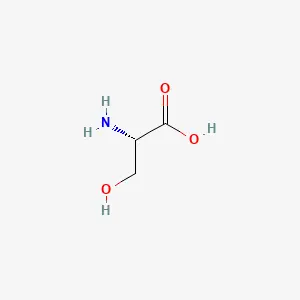
Serine is a non-essential amino acid. That means your body makes it, so you do not have to get it from food. It forms from glucose and from glycine.
NASEM’s 2005 report, EFSA’s 2012 opinion on protein and the WHO/FAO/UNU report of 2007 all list serine as dispensable, their word for non-essential. NASEM is the US National Academies of Sciences, Engineering, and Medicine, and EFSA is the EU’s food safety agency.
A 2022 review argues that serine should count as conditionally essential. Some inherited disorders leave people unable to make enough of it, so the sources do not all use the same word.
The name comes from the Latin sericum, silk, because serine was first isolated from silk protein in 1865. It comes in two mirror-image forms. L-serine is the one in food and body proteins, and D-serine is the form the brain makes from it.
Beyond building protein, the body uses serine to make several other molecules. These include glycine, cysteine and the cell antioxidant glutathione. They also include phosphatidylserine and sphingolipids, fats that sit in cell membranes, and the brain signal D-serine. Serine also supplies the one-carbon units that cells need to build DNA, in a pathway that runs through folate.
Typical intake is a few grams a day. NASEM reports a mean of 3.5 g a day from food and supplements in the US. Soybeans, chicken, fish, eggs, nuts and seeds lead our food ranking.
Here is something most readers do not know: serine also keeps a toxic lookalike in check. When serine is scarce, or when an enzyme is faulty, cells build certain fats from alanine instead. These fats, called deoxysphingolipids, damage nerve cells. People with the inherited nerve disease HSAN1 make them.
So do many people with the eye disease macular telangiectasia type 2 (MacTel). In a 2019 study, their blood serine was 20.6% lower than in healthy controls. Trials of serine pills are few and small. The best randomized trial, in HSAN1, had 18 people.
Health benefits of serine
The top findings from 30 studies, strongest evidence first
What the stars mean
- Strong. Several randomized trials, pooled in a meta-analysis, point the same way, or regulators (FDA or EFSA) have approved the claim.
- Moderate. Good randomized trials support it, but there are fewer of them, or their results vary.
- Limited. Small, short or single trials, or mixed results. Promising, but it needs confirmation.
Population and lab studies get no stars: they show a link or a mechanism, not proof.
How we rate evidence →- ★★Mixed results for D-serine in schizophreniaA review of 148 trials of many treatments found add-on D-serine (mirror-image form, not L-serine) helped in some symptom areas, though it led in none. A trial of 195 people found no clear gain over placebo for negative symptoms or thinking.
- ★Better sleep ratings with L-serine before bedIn two studies of healthy people unhappy with their sleep, L-serine before bed improved their own sleep ratings. In 33 students, 3.0 g of L-serine stopped the body clock delay seen on placebo, which is not the same as better sleep.
- ★Better nerve scores in rare inherited nerve diseaseIn 18 people with HSAN1, L-serine improved a nerve disease score by 1.5 points more than placebo over a year. HSAN1 is rare, so this does not show what serine does in healthy people.
- ★Fewer seizures in inherited serine deficiencyIn 5 people with PHGDH deficiency (an inherited defect in making serine), L-serine plus glycine cut seizures in all and ended them in 2. In two siblings, L-serine alone did not stop seizures; adding glycine did.
- ★Some gains in children with GRIN gene variantsIn an open trial of 24 children with GRIN variants, 52 weeks of L-serine went with better motor function and quality of life (no placebo). In four children with GRIN2B variants it helped two, but group results were not clear.
All 17 studies, strongest evidence first
In HSAN1, L-serine improved a nerve disease score more than placebo
In this randomized trial, 18 people with the inherited nerve disease HSAN1 took L-serine or a placebo (a dummy pill) for a year. The dose was 400 mg per kg a day, and 16 people finished. Their Charcot-Marie-Tooth neuropathy score improved by 1.5 points more on L-serine than on placebo. Everyone took L-serine in the second year. The improvement continued, but it was no longer statistically significant (it could have been chance). Deoxysphinganine, a toxic lipid, fell 59% on L-serine and rose 11% on placebo. No serious side effects were related to L-serine. HSAN1 is rare, so this does not tell us what serine does in healthy people.
L-serine before bed improved ratings of falling and staying asleep
Two randomized crossover studies tested L-serine powder in healthy volunteers who were unhappy with their sleep. In a crossover study, each person tries both the real product and the placebo in turn. They took L-serine or placebo 30 minutes before bed for a few nights, and neither they nor the researchers knew which (double-blind). In the first study, ratings of falling asleep and staying asleep were better on L-serine. In the second, sleep quality ratings were better, and a wrist motion sensor (actigraphy) showed only a trend to fewer awakenings. These are people’s own ratings, and most authors work for FANCL Corporation, which ran the studies.
L-serine before bed prevented a body clock delay seen on placebo
In this double-blind trial, 33 university students took 3.0 g of L-serine (16 students) or a placebo (17) before bed for 2 weeks. The trial ran in autumn and winter. Body clock timing was tracked by dim light melatonin onset, the time melatonin starts to rise in the evening. It came later after 2 weeks on placebo but not on L-serine, and the change differed between the groups. Sleeping habits did not change in either group. A shift in body clock timing is not the same as better sleep.
L-serine helped two of four children with GRIN2B variants
Each child took part in randomized n-of-1 trials for a year. In this kind of trial, a single person switches between the real product and a placebo. These were double-blind and placebo-controlled, over two 6-month cycles. One measure of daily performance improved at 1.5 months. Eleven of 14 other measures leaned the same way, but not clearly enough to rule out chance. Secondary results varied by child, group statistics showed no significant differences, and the authors found no clear sign of who responds. Four children cannot show whether L-serine works.
In ALS, L-serine did not appear to speed decline in daily function
This phase I trial, an early test of safety, gave 20 people with ALS L-serine for six months. It was randomized and double-blind, with four dose regimens: 0.5, 2.5, 7.5 or 15 g per dose, twice a day. There was no placebo group. Instead, progression was compared with matched past patients from five earlier trials. One person withdrew before taking the drug, two withdrew with stomach and gut problems, and three died during the trial. It tested safety, not whether L-serine slows ALS.
In 14 people with HSAN1, L-serine lowered nerve-toxic deoxysphingolipids
The human part of this paper is a small pilot study. The same paper also tested mice with an HSAN1 gene variant. A diet with 10% L-serine lowered these lipids and improved movement and sensation. A diet with 10% L-alanine raised them and caused severe nerve damage.
In GRIN disorders, L-serine went with better motor function and quality-of-life scores
This open-label phase 2A trial gave L-serine for 52 weeks to 24 children with GRIN gene variants, and 23 finished. There was no placebo group. Gross motor function and quality of life improved across the group. Several daily-living and communication scores also improved, mostly in children with milder disease. Brain wave (EEG) patterns returned to normal in five children. One child stopped because of irritability and insomnia. Without a placebo group, natural change and expectation cannot be ruled out.
L-serine and glycine cut seizures in all 5, ending them in 2
This case series followed people with PHGDH deficiency, an inherited defect in making serine, for 3 to 7.5 years. A case series reports on a small group of patients. They were treated with the amino acids they lacked, L-serine and glycine, in different regimens. Psychomotor development (movement and thinking skills) progressed only in the one patient who was diagnosed early and treated with a high dose of L-serine. The amino acids caused no documented side effects. The authors conclude that outcome depends on early diagnosis and treatment.
In two siblings, L-serine alone did not stop seizures; adding glycine did
This case report describes oral treatment in siblings with PHGDH deficiency. L-serine at up to 500 mg per kg a day was not enough to stop their seizures. Adding glycine at 200 mg per kg a day did. Abnormal brain wave (EEG) readings gradually cleared after 6 months. Two patients show what can happen, not how often.
In MacTel, blood serine was 20.6% lower, toxic lipids 84.2% higher
This study compared 125 people with the eye disease MacTel with 94 unaffected controls. The toxic lipids were deoxysphingolipids. The patients did not carry variants in the enzyme serine palmitoyltransferase (SPT). In other parts of the paper, 9 of 11 people with HSAN1 also had MacTel. Mice with low serine had more deoxysphingolipids in the retina and poorer vision. This describes a link and a mechanism, not a trial of serine pills in MacTel.
Genetic analysis points to low serine as MacTel’s main metabolic driver
Mendelian randomization uses gene variants as a natural experiment. Here it pointed to genetically low serine as the main driver. Type 2 diabetes genetics showed a smaller causal role. Glycine, threonine and retinal vessel traits were unlikely to be causal. It is a genetic study of lifelong serine levels, not a test of serine supplements.
Higher blood serine went with lower risk of peripheral artery disease
A case-control study compares people who have a disease with similar people who do not. This study, nested in the PREDIMED trial, compared 167 people with peripheral artery disease (narrowed leg arteries) with 250 matched controls. Each standard-deviation rise in plasma serine went with 0.67 times the odds of the disease. Plasma tryptophan and threonine were also linked to lower risk, and the kynurenine to tryptophan ratio went the other way. A blood level reflects many things besides intake, so this does not show that eating or taking more serine lowers risk. Two authors report advisory roles with nut industry groups.
In East Asians, genetically higher serine went with lower heart disease risk
This Mendelian randomization study used gene variants that predict serine levels. In East Asian data, each unit rise in serine went with 13.1%, 12.6% and 15.5% lower risks of angina, coronary artery disease and heart attack. In European data, serine was linked to lower risk of chronic heart failure. Genes reflect lifelong blood levels, so this is not a trial of supplements.
In human cells, toxin BMAA replaced serine in proteins; L-serine blocked this
BMAA is a non-protein amino acid made by cyanobacteria (blue-green algae). It has been suggested as a trigger for ALS-like disease. The authors filed a patent application on L-serine as a treatment for neurodegenerative (nerve-wasting) disease. This is cell work, and the paper does not show that the same thing happens in people.
In monkeys fed toxin BMAA, adding L-serine reduced spinal cord damage
Vervet monkeys got BMAA for 140 days at 210 mg per kg a day, alone or with the same amount of L-serine. Animals given BMAA alone developed changes like those of early ALS. The L-serine group had less glial activation (a response of the nervous system’s support cells). It also had fewer protein clumps (inclusions) in motor neurons. It is a monkey model of a toxin, not a trial in people.
In mice, serine supplements reversed retina and nerve damage from low serine
Mice with one working copy of the PHGDH gene developed retinal defects sooner on a diet low in serine and glycine. Serine supplements restored retinal and nerve function. In people with MacTel who carry variants in serine pathway enzymes, blood serine was lower still. The paper reports no human trial of serine supplements.
In mice with cancer, a diet without serine and glycine improved survival
The mouse models had intestinal cancer or lymphoma. Tumor cells use serine, and restricting it slowed tumors in these models. Models driven by an activated Kras gene responded less, because they make more of their own serine. A 2017 correction concerned the diet formulas, not the results. We found no human trial of serine restriction, so the effect of extra serine in people with cancer is an open question.
Foods high in serine
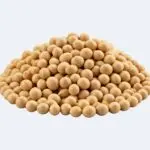
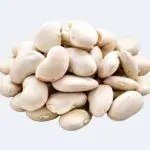
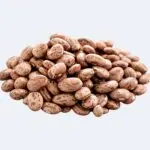
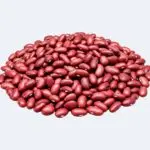
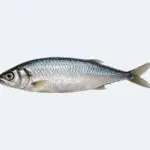
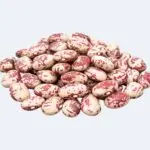
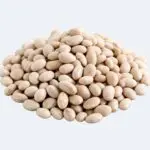
Serine is in almost every protein food. Per serving, our USDA ranking is led by soybeans: one cup (172 g) holds 1.66 g. A chicken drumstick with skin (133 g) follows with 1 g, then lima beans with 0.98 g a cup. Next come chicken breast, pinto beans, kidney beans and sardines.
Per 100 g, seeds and nuts lead. Hemp seeds top the list at 1.71 g, then pumpkin seeds at 1.67 g and pistachio nuts at 1.28 g. Peanuts follow at 1.27 g, then cashews (1.08 g) and sunflower seeds (1.08 g).
Per 100 kcal, cod (0.89 g) and tuna (0.87 g) lead. Shrimp (0.78 g), chicken breast (0.72 g) and eggs (0.68 g) come next. The ranking below shows the full lists.
A 2023 review names many rich sources: soybeans, nuts (especially peanuts, almonds and walnuts), eggs, chickpeas, lentils, meat, and fish, especially shellfish. Animal or plant makes little difference for serine.
Serine does not decide protein quality the way lysine does in grains or methionine in legumes. That is because FAO’s protein quality score, DIAAS, is worked out from indispensable (essential) amino acids only. FAO is the UN’s Food and Agriculture Organization. NASEM also says the dispensable and conditionally indispensable amino acids in food protein meet the body’s needs at adequate intakes.
NASEM reports an average US intake of 3.5 g a day from food and supplements. By our arithmetic, one cup of soybeans (1.66 g) is about 47% of that. One 4 oz serving of chicken breast (0.97 g) is about 28%.
The doses used in studies are far higher. The 3.0 g before bed in the circadian (body clock) study would take about 1.8 cups of soybeans. The 400 mg per kg a day used in HSAN1 is about 28 g for a 70 kg adult, or about 17 cups. That is why trials use powder, and why food will not match them.
Per serving. No daily amount is set, so bars compare each food with the top food.
Per 100 g. No daily amount is set, so bars compare each food with the top food.
Per 100 kcal: the same calories of each food, for a fair comparison. Bars compare each food with the top food.
Food labels have no Daily Value or Reference Intake for serine, so the % compares each food with the top food.
- 1.
- 2.

- 3.
- 4.

- 5.
- 6.
- 7.
- 8.
- 9.
- 10.
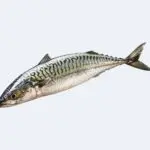


- 1.
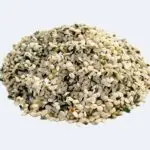
- 2.
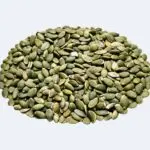
- 3.
- 4.
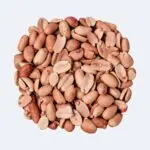
- 5.
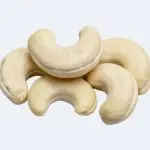
- 6.
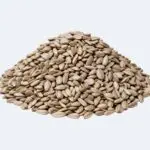
- 7.
- 8.
- 9.

- 10.


- 1.

- 2.
- 3.

- 4.
- 5.
- 6.
- 7.
- 8.
- 9.

- 10.



Sources
- FoodData Central. US Department of Agriculture, Agricultural Research Service. Values as shown in the ranking above.
- Institute of Medicine, Food and Nutrition Board. Dietary Reference Intakes for energy, carbohydrate, fiber, fat, fatty acids, cholesterol, protein, and amino acids. National Academies Press. 2005. Pages 593 to 594 and 729 to 730.
- FAO Expert Consultation. Dietary protein quality evaluation in human nutrition. FAO Food and Nutrition Paper 92. 2013.
- Handzlik MK, Metallo CM. Sources and Sinks of Serine in Nutrition, Health, and Disease. Annu Rev Nutr. 2023.
- Ohashi M, Lee SI, Eto T, et al. Intake of L-serine before bedtime prevents the delay of the circadian phase in real life. J Physiol Anthropol. 2022.
- Fridman V, Suriyanarayanan S, Novak P, et al. Randomized trial of l-serine in patients with hereditary sensory and autonomic neuropathy type 1. Neurology. 2019.
How serine works
Much of the biochemistry below is well established. But it comes from reviews, cell work and animal studies. The choices people make about pills rest on a thinner set of trials.
Five ideas cover most of it. The body makes serine by two routes, and it feeds many other pathways. When it runs short, alanine takes its place in a key enzyme. The brain turns it into D-serine, and supplement doses are many times what food gives.
Here is each one, and what has been seen in people.
It is made from glucose and from glycine
Cells make serine from glucose in three steps, using the enzymes PHGDH, PSAT1 and PSPH, says a 2020 review. In the human brain, serine is found mainly in glial cells, the brain’s support cells, which supply it to neurons. A 2023 review adds that the liver and kidney make serine mostly from glycine. They use the enzyme SHMT and a folate form, and release the serine into the blood.
Serine crosses the blood-brain barrier poorly, which is why the brain makes its own. In adult rat liver, the top activity of PHGDH was more than 50-fold lower than that of SHMT.
The two routes to serine named in the reviews. Not to scale: the sources give no amounts for the routes in people.
It feeds many other pathways
Besides building protein, serine does several jobs, according to a 2022 review. It supplies the head group of phosphatidylserine and the backbone of sphingolipids. It gives its side chain to glycine and one-carbon units, and it helps make cysteine and glutathione. The one-carbon units are the main supply for building purines and thymidine, the building blocks of DNA.
NASEM lists serine as a precursor (starting material) of two conditionally indispensable amino acids, cysteine and glycine. In the brain, the enzyme serine racemase turns L-serine into D-serine.
The main uses of serine named in the sources. Not to scale: the sources do not rank them by amount.
A shortage lets alanine take its place
The enzyme serine palmitoyltransferase (SPT) normally joins serine to a fatty acid to start making sphingolipids. When serine is scarce, or when gene variants change the enzyme, it can use alanine instead. It then makes deoxysphingolipids. These cannot be broken down in the usual way and are toxic to nerve cells.
Variants in the SPTLC1 and SPTLC2 genes cause HSAN1. In the 2019 MacTel study, deoxysphingolipid levels were higher when serine was lower (a negative correlation).
In one patient with HSAN1C, the L-serine dose was raised to 400 mg per kg a day. Deoxysphingolipids fell in step with the rising serum serine. In the randomized trial of HSAN1, deoxysphinganine fell 59% on L-serine.
The chain proposed from human and lab work. In people, low serine is linked to MacTel and a faulty SPT causes HSAN1; whether raising serine slows MacTel has not been tested in a trial we found.
D-serine is a brain signal
D-serine acts at NMDA receptors, the glutamate receptors involved in learning. It is a co-agonist, a partner that must be present for the receptor to open. A 2020 review says it has been seen as a glial transmitter, a co-transmitter in neurons and a toxic agent released by inflammatory astrocytes. So its role is still being worked out.
A 2020 review of the synthesis pathway notes where each partner acts. Glycine acts mostly at NMDA receptors outside the junctions between nerve cells (extrasynaptic), and D-serine mostly at the junctions (synaptic). This is why D-serine, not L-serine, is the form tested in schizophrenia. It is also why those trials are in the section on forms.
Carriers, and how it is broken down
Serine enters cells through transporters that are not selective. The carrier ASCT1 takes up alanine, serine and cysteine at high affinity and threonine at lower affinity. So these amino acids share one route, according to the 2023 review.
In fasted mice, a labeled oral dose of serine was readily converted to glycine, pyruvate and glucose. So serine can also serve as a fuel precursor in the liver. Arteriovenous studies, which compare blood going into and out of an organ, show that the kidney and liver release serine into the blood. A review reports that kidney release was 80% to 90% lower in people with renal insufficiency (failing kidneys).
Supplement doses are many times food intake
NASEM puts the mean US intake of serine from food and supplements at 3.5 g a day. At the 99th percentile for men aged 31 to 50, it is 7.9 g. The studies on this page gave 3.0 g before bed in a circadian study. They gave up to 12 g a day for 4 weeks in a tolerance study in healthy men.
They also gave 400 mg per kg a day in HSAN1 and up to 15 g twice a day in ALS. In the tolerance study, plasma serine rose at the 9 and 12 g doses, so oral doses do reach the blood.
Serine doses in grams a day, drawn to scale. The intake figures are US survey data (NHANES III) from NASEM; the HSAN1 bar is our arithmetic (400 mg per kg for a 70 kg adult); the ALS bar is the top regimen, 15 g twice a day.
What has been seen in people
The firmest human facts are about rare diseases. In HSAN1, 400 mg per kg a day for a year slowed a neuropathy score by 1.5 points more than placebo in 18 people. Deoxysphinganine fell 59%. In inherited serine deficiency, amino acid treatment cut seizures in case series, and early treatment mattered.
In MacTel, low serine goes with deoxysphingolipids, and genetic data suggest it is a cause. But we found no published trial of serine supplements in MacTel. In ALS, a phase I study without a placebo arm found no faster decline.
For sleep, small studies report better ratings and a steadier body clock, and we found no large trial. In healthy adults, we found no trial of serine that measured a health outcome beyond sleep. All of these are among the study cards above.
Sources
- Handzlik MK, Metallo CM. Sources and Sinks of Serine in Nutrition, Health, and Disease. Annu Rev Nutr. 2023.
- Murtas G, Marcone GL, Sacchi S, et al. L-serine synthesis via the phosphorylated pathway in humans. Cell Mol Life Sci. 2020.
- Holeček M. Serine Metabolism in Health and Disease and as a Conditionally Essential Amino Acid. Nutrients. 2022.
- Coyle JT, Balu D, Wolosker H. D-Serine, the Shape-Shifting NMDA Receptor Co-agonist. Neurochem Res. 2020.
- de Koning TJ, Snell K, Duran M, et al. L-serine in disease and development. Biochem J. 2003.
- Auranen M, Toppila J, Suriyanarayanan S, et al. Clinical and metabolic consequences of L-serine supplementation in hereditary sensory and autonomic neuropathy type 1C. Cold Spring Harb Mol Case Stud. 2017.
- Miura N, Matsumoto H, Cynober L, et al. Subchronic Tolerance Trials of Graded Oral Supplementation with Phenylalanine or Serine in Healthy Adults. Nutrients. 2021.
- Institute of Medicine, Food and Nutrition Board. Dietary Reference Intakes for energy, carbohydrate, fiber, fat, fatty acids, cholesterol, protein, and amino acids. National Academies Press. 2005. Pages 593 to 594 and 729 to 730.
- Garofalo K, Penno A, Schmidt BP, et al. Oral L-serine supplementation reduces production of neurotoxic deoxysphingolipids in mice and humans with hereditary sensory autonomic neuropathy type 1. J Clin Invest. 2011.
- Gantner ML, Eade K, Wallace M, et al. Serine and Lipid Metabolism in Macular Disease and Peripheral Neuropathy. N Engl J Med. 2019.
- Fridman V, Suriyanarayanan S, Novak P, et al. Randomized trial of l-serine in patients with hereditary sensory and autonomic neuropathy type 1. Neurology. 2019.
- Levine TD, Miller RG, Bradley WG, et al. Phase I clinical trial of safety of L-serine for ALS patients. Amyotroph Lateral Scler Frontotemporal Degener. 2017.
- Ohashi M, Lee SI, Eto T, et al. Intake of L-serine before bedtime prevents the delay of the circadian phase in real life. J Physiol Anthropol. 2022.
How much serine do you need?
No official daily amount is set for serine. The body makes it, and NASEM lists it as dispensable. NASEM defines that group as amino acids that can be made in the body from other amino acids or other nitrogen-containing compounds.
NASEM puts the mean US intake from food and supplements at 3.5 g a day. For men aged 31 to 50 at the 99th percentile, it is 7.9 g. A 2023 review estimates 1 to 2.5 g a day for an inactive 50-year-old man of 65 kg on the US recommended protein intake. The two estimates differ by method.
The WHO/FAO/UNU report gives requirement values only for the nine indispensable amino acids. For the rest, it gives a combined figure. In it, dispensable amino acids (or preformed amino nitrogen) supply about 0.48 g per kg a day. Together with the indispensable ones, they make up a mean protein requirement of 0.66 g per kg a day.
That is about 34 g a day for a 70 kg adult (our arithmetic), for all dispensable amino acids together, not serine alone. EFSA’s 2012 opinion sets reference values for protein, not for single amino acids.
We found no official serine value for children, pregnancy or breastfeeding. NASEM notes a suggestion that in newborns only alanine, aspartate, glutamate, serine and probably asparagine are truly dispensable in the diet.
Serine deficiency: signs and who is at risk
We found no report of a serine deficiency caused by diet alone in healthy adults who eat enough protein. A 2023 review says that studies of plasma amino acids in people who eat no meat found little evidence of a body-wide (systemic) serine shortage.
The EPIC-Oxford study measured 21 plasma amino acids in 392 men who were meat-eaters, fish-eaters, vegetarians or vegans. Only 6 differed between the groups, and serine was not among them. That held even though vegans ate up to 47% less of the dietary amino acids.
The deficiency that does exist is inherited. Defects in the three enzymes that make serine (PHGDH, PSAT and PSP) lead to serine biosynthesis defects, according to a 2016 review. They range from Neu-Laxova syndrome, a lethal disease with multiple malformations, to infant forms with severe neurological problems and poor growth. At the mild end is a childhood form with intellectual disability.
The first PHGDH case report appeared in 1996, in two brothers with congenital microcephaly (a small head from birth), severe developmental delay and epilepsy. L-serine, sometimes with glycine, can help, especially when started before neurological damage occurs. Doses of 80 to 700 mg per kg a day have been reported in PHGDH deficiency. This needs a metabolic specialist.
A defect in the serine transporter ASCT1 has also been described in children.
Serine can run low in other conditions too. Reviews report low blood serine in diabetes, obesity with neuropathy (nerve damage), kidney disease and fatty liver disease. In the 2019 study, people with MacTel had 20.6% less serine than controls. These are associations, and in most of them no trial has tested whether serine pills help.
Sources
- Institute of Medicine, Food and Nutrition Board. Dietary Reference Intakes for energy, carbohydrate, fiber, fat, fatty acids, cholesterol, protein, and amino acids. National Academies Press. 2005. Pages 593 to 594 and 729 to 730.
- FAO/WHO/UNU Expert Consultation. Protein and amino acid requirements in human nutrition. WHO Technical Report Series 935. 2007. Sections 2.7, 8.2 and 8.3.
- EFSA Panel on Dietetic Products, Nutrition and Allergies (NDA). Scientific opinion on dietary reference values for protein. EFSA J. 2012 (corrected 2015).
- Handzlik MK, Metallo CM. Sources and Sinks of Serine in Nutrition, Health, and Disease. Annu Rev Nutr. 2023.
- Schmidt JA, Rinaldi S, Scalbert A, et al. Plasma concentrations and intakes of amino acids in male meat-eaters, fish-eaters, vegetarians and vegans: a cross-sectional analysis in the EPIC-Oxford cohort. Eur J Clin Nutr. 2016.
- El-Hattab AW. Serine biosynthesis and transport defects. Mol Genet Metab. 2016.
- Jaeken J, Detheux M, Van Maldergem L, et al. 3-Phosphoglycerate dehydrogenase deficiency: an inborn error of serine biosynthesis. Arch Dis Child. 1996.
- De Koning TJ, Duran M, Van Maldergem L, et al. Congenital microcephaly and seizures due to 3-phosphoglycerate dehydrogenase deficiency: outcome of treatment with amino acids. J Inherit Metab Dis. 2002.
- Gantner ML, Eade K, Wallace M, et al. Serine and Lipid Metabolism in Macular Disease and Peripheral Neuropathy. N Engl J Med. 2019.
Forms of serine: absorption and effects
Serine reaches you in five ways. It comes bound in food protein, and as the free amino acid L-serine in powders, capsules and the trials of rare disorders. It also comes as D-serine, the mirror-image form that researchers have tested as a drug. Then there is phosphatidylserine, a fat that carries a serine head group, and blends with other compounds.
The honest bottom line: the L-serine trials are small and mostly in rare disorders, and the D-serine trials are mixed. Many products sold around serine are the fat or a blend, whose results cannot be credited to serine alone. We found no trial that compared forms of serine for absorption or for any health outcome.
| Form | What it is | What studies show | Source |
|---|---|---|---|
| Free L-serine | The form found in proteins, sold as powder or capsules and used in trials of rare disorders. | 3.0 g before bed for 2 weeks in a circadian study; 400 mg per kg a day for a year in HSAN1; 0.5 to 15 g per dose, twice a day, for 6 months in ALS; 3 to 12 g a day for 4 weeks in healthy men, with no treatment-related adverse events in an industry-linked trial. We found no trial that compared it with another form. | 1, 2, 3, 4 |
| Serine in food protein | L-serine bound in protein and released by digestion. | NASEM says the dispensable amino acids in food protein at adequate intakes meet the body’s needs. A review estimates 1 to 2.5 g a day from the recommended protein intake, and NASEM reports a mean of 3.5 g a day from food and supplements. We found no trial that compared serine from food with free serine. | 5, 6 |
| D-serine | The mirror-image form, made in the brain by serine racemase and tested as an add-on drug. | Doses of 30 mg per kg a day in several schizophrenia trials, 2 g a day in others and in depression, and up to 120 mg per kg in a dose-finding study. A 195-person trial found no benefit over placebo, and a network meta-analysis lists D-serine among agents with benefit in one or more domains, not as the leading one. In rats, doses above 500 mg per kg damaged the kidneys; humans have been tested up to 120 mg per kg. | 7, 8, 9 |
| Phosphatidylserine | A fat (phospholipid) with a serine head group. Soybean phosphatidylserine is made from soy lecithin by an enzyme reaction with L-serine. | 100 to 300 mg a day: memory scores rose only in older people who started with low scores, and in children with ADHD, 200 to 300 mg a day modestly reduced inattention in a meta-analysis of 3 trials. These trials test the fat, so they say little about serine itself. We found no trial that compared it with L-serine. | 10, 11 |
| Blends that contain L-serine | L-serine with EPA, or with N-acetylcysteine, nicotinamide riboside and L-carnitine. | 594 mg of L-serine with 149 mg of EPA a day eased back and knee pain in 120 adults; a four-part blend with 12.35 g of L-serine in each dose improved Alzheimer’s scores in patients with higher scores. The results belong to the blend, and authors of both are linked to industry. | 12, 13 |
| Racemic DL-serine | A 50:50 mix of the L- and D-forms. | We found no human trial of DL-serine. | None |
For more on the related amino acids, see our glycine and threonine pages. Here are the studies of these forms and products, 13 in all, strongest evidence first. The D-serine studies test D-serine, not L-serine. The phosphatidylserine and blend studies do not test serine alone.
All 13 studies, strongest evidence first
Add-on D-serine helped some schizophrenia symptoms, with moderate to high certainty
A network meta-analysis pools trials to compare several treatments at once. This analysis covered 148 trials in 12,339 people with schizophrenia. D-serine at 2,000 to 4,000 mg a day, added to treatment, showed benefit in one or more symptom areas, with moderate to high certainty. The analysis rated that certainty of evidence with GRADE, a standard system. D-serine did not lead in any area named in the summary: piracetam, benzoate and memantine led for total, positive and negative symptoms. D-serine is the mirror-image form, not L-serine, and the trials added it to antipsychotic drugs.
In schizophrenia, D-serine did not beat placebo for negative symptoms or thinking
This multicenter, double-blind, randomized trial gave 195 people with schizophrenia D-serine at 2 g a day or placebo for 16 weeks, on top of antipsychotics. Negative symptoms (such as low drive and flat emotion) improved 11.4% on D-serine and 14.8% on placebo. Thinking improved 6.8% and 6.1%. Neither difference was statistically significant. The authors point to a large placebo response and to lower doses than in earlier studies. D-serine was well tolerated.
In ADHD, phosphatidylserine modestly reduced inattention compared with placebo
This meta-analysis pooled 3 trials with 216 children with ADHD who took 200 to 300 mg of phosphatidylserine a day. Inattention improved, with an effect size of 0.36, a modest effect. Effects on overall ADHD symptoms and on hyperactivity-impulsivity were not statistically significant. The authors rate the quality of evidence as low. Phosphatidylserine is a fat that carries serine, so the result is not about serine.
L-serine plus EPA lowered back pain scores compared with placebo
In this randomized, double-blind trial, 120 adults with long-lasting back and knee pain took a blend or placebo for 8 weeks. The daily blend held 594 mg of L-serine and 149 mg of EPA, a fish-oil fat. At week 8, the back pain score was 14.2 on the blend and 19.0 on placebo. The knee score was lower at weeks 4, 8 and 12. No adverse events were seen. The pills held EPA as well as L-serine, so the result cannot be credited to serine. Several authors work for Ajinomoto, a company that makes amino acids.
Soy phosphatidylserine raised memory scores only in people starting low
In this double-blind, randomized trial, 78 older Japanese people had memory complaints. They took soybean phosphatidylserine at 100 or 300 mg a day, or placebo, for 6 months. Test scores rose in every group, including placebo, and no side effects were seen. Soybean phosphatidylserine is made from soy lecithin by an enzyme reaction with L-serine, but the trial tests the fat, not serine. The authors work at the Yakult Central Institute.
For Alzheimer’s, an L-serine blend beat placebo in worse-scoring patients
This randomized phase 2 trial tested a four-part blend that was 61.75% L-serine. Each dose held 12.35 g of L-serine, 1 g of nicotinamide riboside, 2.55 g of N-acetylcysteine and 3.73 g of L-carnitine tartrate. Patients took it once a day for 28 days, then twice a day until day 84. Scores on the ADAS-Cog thinking test, where lower is better, fell 29% from the start in the blend group. The difference from placebo was significant in patients with higher (worse) scores. The result belongs to the blend, and three authors founded and own shares of the company behind it.
Added to risperidone, D-serine did not differ from risperidone alone
In this randomized, double-blind trial, 65 people with an acute worsening of schizophrenia took risperidone for 6 weeks. Sarcosine, D-serine at 2 g a day or placebo was added. Total symptom scores fell more on sarcosine than on placebo or D-serine. D-serine did not differ from risperidone alone in any measure of benefit.
In older adults, D-serine improved one thinking test but not the others
This randomized, double-blind, placebo-controlled crossover study included 50 healthy older adults. The Groton Maze test, of spatial memory and problem solving, improved. People whose plasma D-serine rose more improved more. Other thinking tests and a mood scale did not change. The authors call for longer studies.
At high schizophrenia risk, D-serine beat placebo on negative symptoms
This double-blind, randomized pilot trial included people at high risk of schizophrenia. They took D-serine at 60 mg per kg a day or placebo for 16 weeks. Of 44 people randomized, 35 had usable data (15 on D-serine, 20 on placebo). Negative symptoms improved by 35.7% against placebo, a significant difference. Five people on D-serine and nine on placebo left early. The authors say about 40 per group would be needed to confirm it.
In major depression, D-serine did not beat placebo overall
This randomized, double-blind trial included 44 hospital inpatients with major depression. On top of usual treatment, they took D-serine at 2 g a day or placebo for 6 weeks. Both groups improved on all measures, with no significant differences in the whole sample. In a subgroup with severe depression, D-serine did better on depressive symptoms, but subgroup results are weaker evidence.
In hard-to-treat schizophrenia, D-serine improved several kinds of symptoms
This double-blind, placebo-controlled crossover trial included 39 people with treatment-resistant schizophrenia. They took D-serine at 30 mg per kg a day for 6 weeks, on top of risperidone or olanzapine. Negative, positive, cognitive and depression symptoms all improved. About a third had a drop of more than 20% in a rating of overall symptoms. D-serine was well tolerated and lab values did not worsen. The 195-person trial above did not confirm these gains.
In Tourette syndrome, D-serine did not reduce tics more than placebo
This randomized, double-blind trial included 24 children and teens with Tourette syndrome. For 6 weeks they took D-serine at up to 30 mg per kg a day (9 children), riluzole (10) or placebo (5). Tics fell in all groups: by 39.5% on D-serine and 30.2% on placebo on the combined score, a difference that could be chance. The groups were very small.
With clozapine, D-serine did not improve symptoms or make them worse
In this double-blind trial, 20 people taking the antipsychotic clozapine were given D-serine at 30 mg per kg a day for 6 weeks. The authors suggest that clozapine may act on the NMDA system itself, or that people on clozapine do not respond to D-serine. A 2021 meta-analysis found that NMDA add-ons worked only with antipsychotics other than clozapine.
Sources
- Ohashi M, Lee SI, Eto T, et al. Intake of L-serine before bedtime prevents the delay of the circadian phase in real life. J Physiol Anthropol. 2022.
- Fridman V, Suriyanarayanan S, Novak P, et al. Randomized trial of l-serine in patients with hereditary sensory and autonomic neuropathy type 1. Neurology. 2019.
- Levine TD, Miller RG, Bradley WG, et al. Phase I clinical trial of safety of L-serine for ALS patients. Amyotroph Lateral Scler Frontotemporal Degener. 2017.
- Miura N, Matsumoto H, Cynober L, et al. Subchronic Tolerance Trials of Graded Oral Supplementation with Phenylalanine or Serine in Healthy Adults. Nutrients. 2021.
- Institute of Medicine, Food and Nutrition Board. Dietary Reference Intakes for energy, carbohydrate, fiber, fat, fatty acids, cholesterol, protein, and amino acids. National Academies Press. 2005. Pages 593 to 594 and 729 to 730.
- Handzlik MK, Metallo CM. Sources and Sinks of Serine in Nutrition, Health, and Disease. Annu Rev Nutr. 2023.
- Weiser M, Heresco-Levy U, Davidson M, et al. A multicenter, add-on randomized controlled trial of low-dose d-serine for negative and cognitive symptoms of schizophrenia. J Clin Psychiatry. 2012.
- Liang CW, Cheng HY, Tseng MM. Augmentation with glutamatergic modulators for schizophrenia: A network meta-analysis. Prog Neuropsychopharmacol Biol Psychiatry. 2025.
- Meftah A, Hasegawa H, Kantrowitz JT. D-Serine: A Cross Species Review of Safety. Front Psychiatry. 2021.
- Kato-Kataoka A, Sakai M, Ebina R, et al. Soybean-derived phosphatidylserine improves memory function of the elderly Japanese subjects with memory complaints. J Clin Biochem Nutr. 2010.
- Bruton A, Nauman J, Hanes D, et al. Phosphatidylserine for the Treatment of Pediatric Attention-Deficit/Hyperactivity Disorder: A Systematic Review and Meta-Analysis. J Altern Complement Med. 2021.
- Sasahara I, Yamamoto A, Takeshita M, et al. l-Serine and EPA Relieve Chronic Low-Back and Knee Pain in Adults: A Randomized, Double-Blind, Placebo-Controlled Trial. J Nutr. 2020.
- Yulug B, Altay O, Li X, et al. Combined metabolic activators improve cognitive functions in Alzheimer’s disease patients: a randomised, double-blinded, placebo-controlled phase-II trial. Transl Neurodegener. 2023.
- Lane HY, Chang YC, Liu YC, et al. Sarcosine or D-serine add-on treatment for acute exacerbation of schizophrenia: a randomized, double-blind, placebo-controlled study. Arch Gen Psychiatry. 2005.
- Kantrowitz JT, Woods SW, Petkova E, et al. D-serine for the treatment of negative symptoms in individuals at clinical high risk of schizophrenia: a pilot, double-blind, placebo-controlled, randomised parallel group mechanistic proof-of-concept trial. Lancet Psychiatry. 2015.
- Sempach L, Schaub AC, Brühl AB, et al. Adjunctive d-serine treatment for major depressive disorder: A randomized clinical trial. J Affect Disord. 2025.
- Heresco-Levy U, Javitt DC, Ebstein R, et al. D-serine efficacy as add-on pharmacotherapy to risperidone and olanzapine for treatment-refractory schizophrenia. Biol Psychiatry. 2005.
- Goh KK, Wu TH, Chen CH, et al. Efficacy of N-methyl-D-aspartate receptor modulator augmentation in schizophrenia: A meta-analysis of randomised, placebo-controlled trials. J Psychopharmacol. 2021.
Is serine safe? Supplements, dose and interactions
Serine from food is not a concern. NASEM set no tolerable upper intake level (UL) for serine; a UL is the highest daily intake likely to pose no risk. It said the data on supplements were not available for a dose-response assessment, which judges how risk changes with dose.
It also said the safety of repeated oral doses cannot be assessed. That is because the only human data it found were a single 15 g dose in four healthy adults, with no adverse effects. It also described rat studies from the 1940s in which supplemental L-serine reduced appetite and, in some reports, caused kidney damage and deaths.
EFSA’s 2012 opinion could not set an upper level for protein. A 2023 review notes that no national health agency has set upper levels for amino acids.
What the studies show is limited but reassuring at the doses tested. In a 4-week tolerance study in healthy men, graded doses of 3 to 12 g a day caused no treatment-related adverse events. The authors set a no-observed-adverse-effect level, the highest dose with no harm seen, of 12 g a day. That is one study’s finding, not an official limit.
Its authors include Ajinomoto employees and staff of the International Council for Amino Acid Science, an industry group. In HSAN1, 400 mg per kg a day for a year had no serious adverse effects related to L-serine. In ALS, doses up to 15 g twice a day for six months were generally well tolerated. Two of 20 people withdrew with stomach and gut problems.
- Side effects seen. Stomach and gut problems in the ALS trial. In the GRIN trial, one child had irritability and insomnia that led to stopping. These were supervised studies in people with rare disorders.
- D-serine is different. In rats, D-serine above 500 mg per kg caused kidney damage. A 2021 review by researchers who run D-serine trials looked at all published human studies. Only one person had abnormal kidney values linked to D-serine, and they resolved within days. The doses went up to 120 mg per kg.
- Kidney disease, liver disease and pregnancy. We found no trial of L-serine supplements in kidney or liver disease or in pregnancy. A review reports that kidney release of serine is much lower in renal insufficiency and that D-serine is higher in chronic kidney disease. Ask a doctor first.
- Cancer. Tumor cells use serine, and in mice a diet without serine and glycine slowed some tumors. We found no human trial, so people with cancer should ask their care team before taking serine pills.
- Medicines. We found no report of an interaction between L-serine and medicines. Most D-serine trials gave it on top of antipsychotics. A 2021 meta-analysis found that NMDA add-ons worked only with antipsychotics other than clozapine.
- Inherited disorders. L-serine is a treatment in serine deficiency and HSAN1, given by specialists at set doses. It is not for self-treatment.
- Mixed products. Phosphatidylserine, EPA blends and multi-ingredient blends carry the safety issues of their other ingredients as well. Check the label for the dose of each.
Sources
- Institute of Medicine, Food and Nutrition Board. Dietary Reference Intakes for energy, carbohydrate, fiber, fat, fatty acids, cholesterol, protein, and amino acids. National Academies Press. 2005. Pages 729 to 730.
- EFSA Panel on Dietetic Products, Nutrition and Allergies (NDA). Scientific opinion on dietary reference values for protein. EFSA J. 2012 (corrected 2015).
- Elango R. Tolerable Upper Intake Level for Individual Amino Acids in Humans: A Narrative Review of Recent Clinical Studies. Adv Nutr. 2023.
- Miura N, Matsumoto H, Cynober L, et al. Subchronic Tolerance Trials of Graded Oral Supplementation with Phenylalanine or Serine in Healthy Adults. Nutrients. 2021.
- Fridman V, Suriyanarayanan S, Novak P, et al. Randomized trial of l-serine in patients with hereditary sensory and autonomic neuropathy type 1. Neurology. 2019.
- Levine TD, Miller RG, Bradley WG, et al. Phase I clinical trial of safety of L-serine for ALS patients. Amyotroph Lateral Scler Frontotemporal Degener. 2017.
- Juliá-Palacios N, Olivella M, Sigatullina Bondarenko M, et al. L-serine treatment in patients with GRIN-related encephalopathy: a phase 2A, non-randomized study. Brain. 2024.
- Meftah A, Hasegawa H, Kantrowitz JT. D-Serine: A Cross Species Review of Safety. Front Psychiatry. 2021.
- Handzlik MK, Metallo CM. Sources and Sinks of Serine in Nutrition, Health, and Disease. Annu Rev Nutr. 2023.
- Maddocks ODK, Athineos D, Cheung EC, et al. Modulating the therapeutic response of tumours to dietary serine and glycine starvation. Nature. 2017.
- Goh KK, Wu TH, Chen CH, et al. Efficacy of N-methyl-D-aspartate receptor modulator augmentation in schizophrenia: A meta-analysis of randomised, placebo-controlled trials. J Psychopharmacol. 2021.
How to get enough serine
- Eat enough protein from varied foods. NASEM says the mixture of dispensable amino acids in food protein at adequate intakes meets the body’s needs. The US average is 3.5 g a day. A cup of soybeans has 1.66 g, 4 oz of chicken breast 0.97 g and a can of sardines 0.92 g.
- Plant-based diets are not a known risk. In EPIC-Oxford, plasma serine was not among the amino acids that differed between meat-eaters and vegans, and soybeans top our per-serving ranking.
- Skip pills unless a doctor suggests them. The evidence for L-serine is limited to rare disorders and small studies. The doses used, from 3.0 g before bed to about 28 g a day, are many times the 3.5 g from food.
Sources
- Institute of Medicine, Food and Nutrition Board. Dietary Reference Intakes for energy, carbohydrate, fiber, fat, fatty acids, cholesterol, protein, and amino acids. National Academies Press. 2005. Pages 593 to 594 and 729 to 730.
- FoodData Central. US Department of Agriculture, Agricultural Research Service. Values as shown in the ranking above.
- Schmidt JA, Rinaldi S, Scalbert A, et al. Plasma concentrations and intakes of amino acids in male meat-eaters, fish-eaters, vegetarians and vegans: a cross-sectional analysis in the EPIC-Oxford cohort. Eur J Clin Nutr. 2016.
- Handzlik MK, Metallo CM. Sources and Sinks of Serine in Nutrition, Health, and Disease. Annu Rev Nutr. 2023.
- Ohashi M, Lee SI, Eto T, et al. Intake of L-serine before bedtime prevents the delay of the circadian phase in real life. J Physiol Anthropol. 2022.
- Fridman V, Suriyanarayanan S, Novak P, et al. Randomized trial of l-serine in patients with hereditary sensory and autonomic neuropathy type 1. Neurology. 2019.
History of serine
Serine takes its name from the Latin word for silk, sericum. Emil Cramer first isolated it from silk protein in 1865, according to a 2023 review. Its structure was established in 1902.
Until 1996, no inherited disorder of serine synthesis had been reported in people. Then Jaeken and colleagues described two brothers with congenital microcephaly, profound developmental delay and epilepsy. Their spinal fluid held very little serine. The cause was low activity of 3-phosphoglycerate dehydrogenase, the first step of serine synthesis.
The authors said this kind of inborn error had not been reported in people before. In 1998, de Koning and colleagues reported that L-serine with glycine ended seizures in two siblings. Defects in the other two enzymes were reported in 1997 (PSP deficiency) and 2007 (PSAT deficiency).
D-serine came into trials in 1998. That year, Tsai and colleagues added it to antipsychotics in 31 people with schizophrenia and reported better positive, negative and cognitive symptoms. A 195-person trial in 2012 found no benefit over placebo.
L-serine as a treatment for nerve disease followed. A pilot study in 14 people with HSAN1 came in 2011, then a randomized trial in 18 people in 2019. That was the same year a paper linked low serine to the eye disease MacTel.
Small trials have also tested L-serine in ALS (2017) and in GRIN disorders (2024 and 2025). We found no large phase 3 result for any of them.
Sources
- Handzlik MK, Metallo CM. Sources and Sinks of Serine in Nutrition, Health, and Disease. Annu Rev Nutr. 2023.
- Serine. Wikipedia, history section. Accessed October 2026.
- Jaeken J, Detheux M, Van Maldergem L, et al. 3-Phosphoglycerate dehydrogenase deficiency: an inborn error of serine biosynthesis. Arch Dis Child. 1996.
- de Koning TJ, Duran M, Dorland L, et al. Beneficial effects of L-serine and glycine in the management of seizures in 3-phosphoglycerate dehydrogenase deficiency. Ann Neurol. 1998.
- El-Hattab AW. Serine biosynthesis and transport defects. Mol Genet Metab. 2016.
- Tsai G, Yang P, Chung LC, et al. D-serine added to antipsychotics for the treatment of schizophrenia. Biol Psychiatry. 1998.
- Weiser M, Heresco-Levy U, Davidson M, et al. A multicenter, add-on randomized controlled trial of low-dose d-serine for negative and cognitive symptoms of schizophrenia. J Clin Psychiatry. 2012.
- Garofalo K, Penno A, Schmidt BP, et al. Oral L-serine supplementation reduces production of neurotoxic deoxysphingolipids in mice and humans with hereditary sensory autonomic neuropathy type 1. J Clin Invest. 2011.
- Fridman V, Suriyanarayanan S, Novak P, et al. Randomized trial of l-serine in patients with hereditary sensory and autonomic neuropathy type 1. Neurology. 2019.
- Gantner ML, Eade K, Wallace M, et al. Serine and Lipid Metabolism in Macular Disease and Peripheral Neuropathy. N Engl J Med. 2019.
- Levine TD, Miller RG, Bradley WG, et al. Phase I clinical trial of safety of L-serine for ALS patients. Amyotroph Lateral Scler Frontotemporal Degener. 2017.
- Juliá-Palacios N, Olivella M, Sigatullina Bondarenko M, et al. L-serine treatment in patients with GRIN-related encephalopathy: a phase 2A, non-randomized study. Brain. 2024.
- den Hollander B, Rothuizen-Lindenschot M, Le HL, et al. Potential benefits of l-serine in children with GRIN2B loss-of-function variants: Randomized n-of-1 trials. Mol Genet Metab. 2025.
Frequently asked questions about serine
Is serine an essential amino acid?
No. The body makes serine from glucose and glycine. NASEM, EFSA and the WHO/FAO/UNU report all list it as dispensable, which means non-essential. A 2022 review argues it should count as conditionally essential, because rare inherited defects leave some people unable to make enough.
How much serine do you need a day?
There is no official daily amount, but NASEM reports a mean US intake of 3.5 g a day from food and supplements. A 2023 review estimates 1 to 2.5 g a day for a 65 kg man eating the recommended protein. The WHO gives about 0.48 g per kg a day for all dispensable amino acids together. By our arithmetic, that is about 34 g for a 70 kg adult.
What is the difference between serine and threonine?
You must eat threonine, while the body makes serine. NASEM lists threonine as indispensable and serine as dispensable. The two are chemically related, and threonine has its own page: threonine.
Which foods are highest in serine?
In our USDA ranking per serving, soybeans lead with 1.66 g in a cup. Then come chicken drumstick (1 g), lima beans (0.98 g), chicken breast (0.97 g in 4 oz) and pinto beans (0.97 g). Per 100 g, hemp seeds (1.71 g) and pumpkin seeds (1.67 g) lead, then pistachio nuts, peanuts, cashews and sunflower seeds.
Does serine help you sleep?
Possibly a little, but the evidence is thin. In two crossover studies, L-serine before bed improved ratings of falling asleep and staying asleep, though night awakenings only tended to fall. In 33 students, 3.0 g before bed for 2 weeks prevented a delay in body clock timing without changing sleeping habits. We found no large trial.
Are serine supplements safe?
At the doses tested, mostly yes, but long-term safety is not established. NASEM set no upper limit, and in healthy men 3 to 12 g a day for 4 weeks caused no treatment-related adverse events. In HSAN1, 400 mg per kg a day for a year had no serious related adverse effects. People with kidney or liver disease, pregnant women and people with cancer should ask a doctor first.
Is serine used to treat HSAN1 or macular telangiectasia (MacTel)?
For HSAN1, an 18-person trial gave L-serine at 400 mg per kg a day for a year. It improved a neuropathy score by 1.5 points more than placebo. For MacTel, blood serine was 20.6% lower in patients, and genetic data point to low serine as a cause. But we found no published trial of serine supplements in MacTel. Both are specialist matters.
Is D-serine the same as L-serine, and does it work?
D-serine is the mirror-image form, which the brain makes from L-serine. It has been tested as an add-on in schizophrenia, where a 195-person trial at 2 g a day found no benefit over placebo. Smaller trials at 30 mg per kg a day reported gains. High doses damaged the kidneys of rats, and it is a research drug rather than a food nutrient.