4 fats
Fats
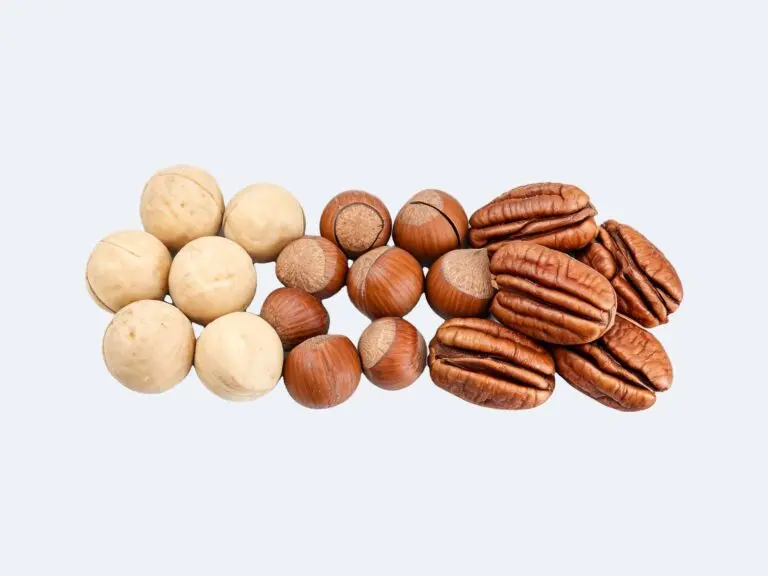
Monounsaturated fats
Monounsaturated fats: oleic acid and its relatives, how they lower LDL, olive oil, nuts and avocado, how much to eat and which foods are richest.
Top source: macadamia nuts, 16.7 g per 1 oz (28 g)
Top source: macadamia nuts, 58.9 g per 100 g
Fats
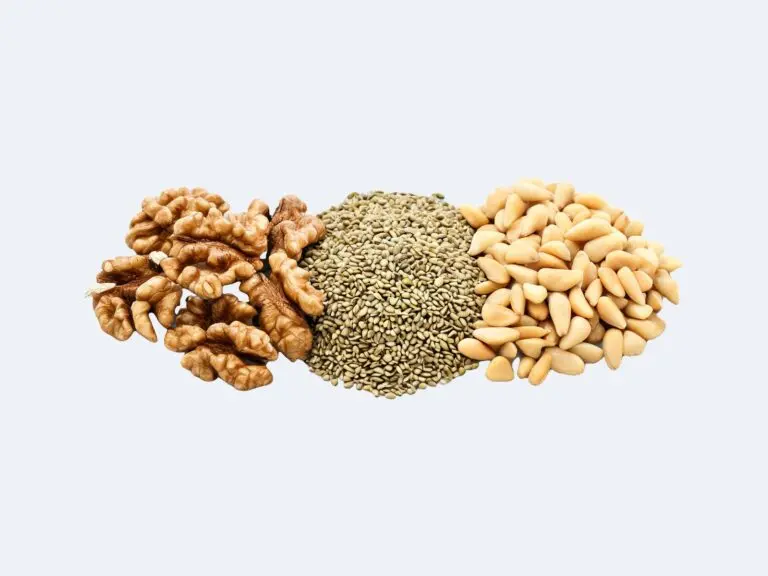
Polyunsaturated fats
Polyunsaturated fats: omega-3 versus omega-6, essential fatty acids, how much you need, heart health evidence and the richest foods like walnuts and seeds.
Top source: walnuts, 13.4 g per 1 oz (28 g)
Top source: walnuts, 47.2 g per 100 g
Fats
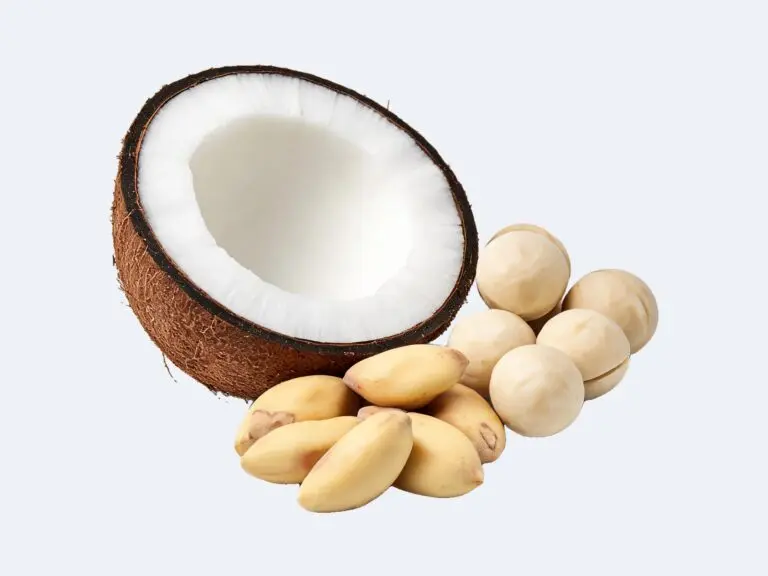
Saturated fats
Saturated fats explained: the types (palmitic, stearic, lauric), what they do to LDL, the 10% and 5-6% of calories limits and which foods are highest.
DV 20 g (FDA) · RI 20 g (EU)
RI 20 g (EU) · DV 20 g (FDA)
Top source: ground lamb, 58% DV per 4 oz (113 g)
Top source: coconuts, 148% DV per 100 g
Top source: ground lamb, 58% RI per 4 oz (113 g)
Top source: coconuts, 148% RI per 100 g
Fats
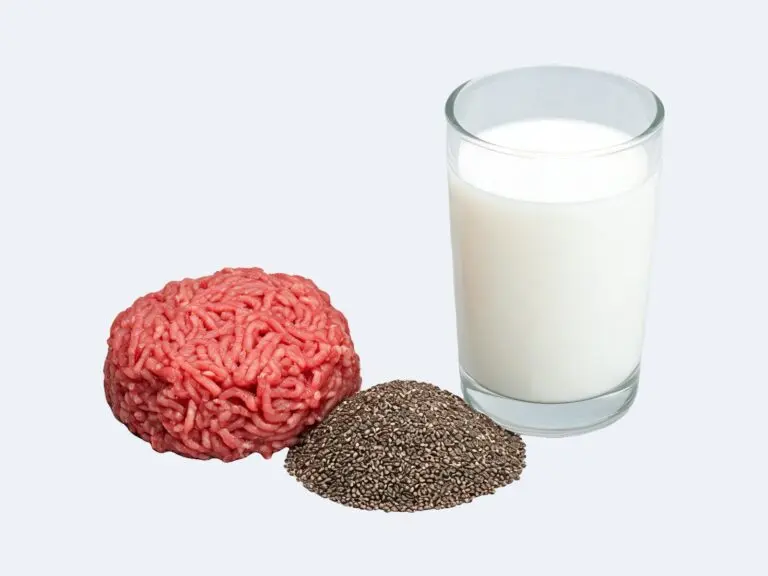
Trans fats
Industrial trans fat raised LDL cholesterol and lowered HDL in controlled trials. The small amounts in dairy and beef show no clear heart risk in cohorts. Here is what 29 studies show, which laws cap it, why a label can say 0 g and how to eat less of it.
Top source: ground beef, 1.33 g per 4 oz (113 g)
Top source: ground beef, 1.18 g per 100 g


