Omega-3 fatty acids are a family of polyunsaturated fats. The NIH says they have a double bond three carbons from the methyl end of the chain, which gives them their name. This page covers five: alpha-linolenic acid (ALA, 18:3 n-3), stearidonic acid (SDA, 18:4 n-3), eicosapentaenoic acid (EPA, 20:5 n-3), docosapentaenoic acid (DPA, 22:5 n-3) and docosahexaenoic acid (DHA, 22:6 n-3). ALA is the only essential one, which means the body cannot make it. EPA, DPA and DHA are the long-chain omega-3s.
Fish do not make their own EPA and DHA. The NIH says microalgae at the base of the marine food chain make them, and fish collect them as they feed. The body can lengthen plant ALA into the long chains, but slowly: the NIH puts reported conversion below 15%, and one review puts it at about 5% for EPA and under 0.5% for DHA. So the source matters, and fish, plants, capsules and algae each get their own section here.
The evidence is narrower than the reputation. The EU allows heart, blood pressure and triglyceride claims for EPA and DHA at set daily amounts, and a Cochrane review found fewer preterm births with omega-3 supplements in pregnancy. But 1 g a day of fish oil did not significantly lower major cardiovascular events in the two biggest trials in people at usual risk, a Cochrane review of 86 trials found little or no effect on deaths, and doses above 1 g a day went with more atrial fibrillation.
Health benefits of omega-3 fatty acids
The best-supported findings are official and narrow. The EU allows heart, blood pressure and triglyceride claims for EPA and DHA, long-chain omega-3 lowered triglycerides by about 15% in a Cochrane review, and omega-3 in pregnancy lowered preterm birth. Beyond that, results are mostly null. One gram a day of fish oil did not significantly lower major cardiovascular events in VITAL or ASCEND. At 4 g a day, purified EPA lowered events in REDUCE-IT while EPA plus DHA did not in STRENGTH, and the placebo oil is still argued about. Supplements did not protect thinking in older adults, and doses above 1 g a day went with more atrial fibrillation. Plant ALA has weaker evidence than fish omega-3. We found no trial that tested a target omega-6 to omega-3 ratio against heart disease or deaths. Each card names what was given: fish oil, purified EPA, DHA oil or margarine, and many trials mix EPA and DHA, so a result belongs to the mix and not to one fat. Here is what 32 studies and reports found, strongest evidence first, including the trials that found nothing or found harm.
The EU authorizes heart, blood pressure and triglyceride claims for EPA and DHA: 250 mg a day for the heart, 3 g for blood pressure, 2 g for triglycerides
Regulation (EU) No 432/2012 lists “EPA and DHA contribute to the normal function of the heart” for food that is at least a source of omega-3 fatty acids, with the information that the effect comes with a daily intake of 250 mg of EPA and DHA. The blood pressure claim needs a food that provides 3 g of EPA and DHA a day, and the triglyceride claim 2 g a day. When these two claims are used on supplements or fortified foods, consumers must be told not to exceed a supplemental 5 g of EPA and DHA combined, and neither claim may be used for foods aimed at children. DHA alone has separate claims for brain function and vision at 250 mg of DHA a day.
The EU authorizes one claim for ALA: it contributes to normal blood cholesterol levels at 2 g of ALA a day
Regulation (EU) No 432/2012 lists “ALA contributes to the maintenance of normal blood cholesterol levels”. The claim may be used only for food that is at least a source of ALA: under Regulation (EC) No 1924/2006 that means at least 0.3 g of ALA per 100 g and per 100 kcal. Consumers must be told the beneficial effect is obtained with a daily intake of 2 g of ALA. It is the only ALA claim on the list.
In 86 trials with 162,796 people, long-chain omega-3 made little or no difference to deaths, cardiovascular events or stroke, and lowered triglycerides by about 15%
Cochrane review of trials lasting at least 12 months that gave long-chain omega-3 (EPA and DHA, mostly as capsules, 0.5 g to more than 5 g a day) or ALA, against usual or lower intake. Deaths from any cause (risk ratio 0.97, range 0.93 to 1.01, high certainty) and cardiovascular events (0.96, range 0.92 to 1.01) did not change, while coronary heart disease events fell slightly (0.91, range 0.85 to 0.97, low certainty). ALA probably made little or no difference to deaths (1.01, range 0.84 to 1.20) but probably lowered arrhythmia slightly (0.73, range 0.55 to 0.97, 2 trials). Long-chain omega-3 lowered triglycerides in a dose-dependent way (high certainty); neither type changed blood pressure or serious adverse events.
In 70 trials with 19,927 women, omega-3 in pregnancy lowered preterm birth (risk ratio 0.89) and early preterm birth (0.58)
Cochrane review of omega-3 long-chain fatty acids given as supplements or foods during pregnancy, so the result is not for one fatty acid alone. Births before 37 weeks fell from 13.4% to 11.9% (26 trials, high-quality evidence) and births before 34 weeks from 4.6% to 2.7% (9 trials). Pregnancies lasting past 42 weeks probably rose from 1.6% to 2.6%, and low birth weight fell from 15.6% to 14%. For children’s cognition, vision and other development, the review found very few differences, mostly in low to very low quality evidence. The large Australian trial below came after the review’s search date.
Show 23 more studies
In 7 large trials with 81,210 people, marine omega-3 supplements raised the risk of atrial fibrillation (hazard ratio 1.25), and more above 1 g a day (1.49)
Meta-analysis of cardiovascular outcome trials with at least 500 people and a median follow-up of at least a year that reported atrial fibrillation. 58,939 patients were in trials of 1 g a day or less (hazard ratio 1.12, range 1.03 to 1.22) and 22,271 in trials of more than 1 g (1.49, range 1.04 to 2.15). Each extra gram a day went with a hazard ratio of 1.11 (range 1.06 to 1.15). Average follow-up was 4.9 years. The trials were designed to study heart and blood vessel events, not rhythm.
In 38 trials with 49,757 adults, long-chain omega-3 had little or no effect on dementia, cognitive impairment or global cognition
Meta-analysis of randomized trials lasting at least 24 weeks. Long-chain omega-3 had no or very little effect on new neurocognitive illness (risk ratio 0.98, range 0.87 to 1.10, 6 trials, 33,496 people), new cognitive impairment (0.99, range 0.92 to 1.06) or the Mini-Mental State Examination (difference 0.10 points, range 0.03 to 0.16, 13 trials), all in moderate-quality evidence. There were no differences by dose, duration or type of intervention. Effects of ALA, omega-6 or total polyunsaturated fat were unclear.
In 25,871 adults at usual risk, 1 g a day of marine omega-3 did not lower major cardiovascular events (hazard ratio 0.92) or cancer
VITAL: randomized placebo-controlled trial of marine omega-3 (1 g a day) and vitamin D3 (2,000 IU a day) in men 50 and older and women 55 and older, followed for a median of 5.3 years. Major cardiovascular events occurred in 386 people on omega-3 and 419 on placebo (hazard ratio 0.92, range 0.80 to 1.06), and invasive cancer in 820 and 797 (1.03). Total heart attacks were lower (0.72, range 0.59 to 0.90), but that was a secondary outcome; stroke (1.04) and cardiovascular death (0.96) did not differ, and there was no excess of bleeding. Funded by the National Institutes of Health and others.
In 15,480 adults with diabetes, 1 g a day of omega-3 did not lower serious vascular events (rate ratio 0.97) over 7.4 years
ASCEND: randomized trial in adults with diabetes and no known atherosclerotic cardiovascular disease, given 1-g capsules of omega-3 or an olive oil placebo daily (adherence 76%). A serious vascular event occurred in 689 people (8.9%) on omega-3 and 712 (9.2%) on placebo (rate ratio 0.97, range 0.87 to 1.08). Adding revascularization changed nothing (882 against 887 people, 1.00), and deaths from any cause were 9.7% against 10.2% (0.95, range 0.86 to 1.05). Funded by the British Heart Foundation and others.
In 8,179 people on statins with high triglycerides, 4 g a day of icosapent ethyl, a purified EPA, lowered cardiovascular events (hazard ratio 0.75)
REDUCE-IT: double-blind trial in people with established cardiovascular disease (70.7%) or diabetes plus another risk factor, triglycerides of 135 to 499 mg/dL and LDL cholesterol of 41 to 100 mg/dL, given 2 g of icosapent ethyl twice a day or placebo for a median of 4.9 years. The main composite occurred in 17.2% against 22.0% (range 0.68 to 0.83) and cardiovascular death in 4.3% against 5.2% (0.80, range 0.66 to 0.98). Hospitalization for atrial fibrillation or flutter was higher (3.1% against 2.1%, P=0.004) and serious bleeding 2.7% against 2.1% (P=0.06). The NIH says the placebo was mineral oil, which may not be neutral (see the cards on the placebo debate below). Funded by Amarin Pharma.
In 13,078 people at high risk, 4 g a day of EPA plus DHA did not lower cardiovascular events (hazard ratio 0.99) against corn oil
STRENGTH: double-blind trial in statin-treated people with high cardiovascular risk, high triglycerides and low HDL cholesterol, comparing a carboxylic acid form of EPA and DHA with corn oil, which was meant to be an inert comparator. It was stopped early, at 1,384 of a planned 1,600 primary events, because benefit looked unlikely. The main composite occurred in 12.0% on omega-3 and 12.2% on corn oil (range 0.90 to 1.09). Gastrointestinal side effects were more common on omega-3 (24.7% against 14.7%). The NIH adds that atrial fibrillation was more common in the omega-3 group.
In 1,014 people aged 70 to 82 after a heart attack, 1.8 g a day of omega-3 did not reduce cardiovascular events over 2 years, and new atrial fibrillation was 7.2% against 4.0%
OMEMI: randomized trial adding 1.8 g a day of omega-3 (930 mg EPA and 660 mg DHA) or corn oil to standard care 2 to 8 weeks after a heart attack; 1,027 were randomized. The main composite occurred in 108 people (21.4%) on omega-3 and 102 (20.0%) on placebo (hazard ratio 1.08, range 0.82 to 1.41). New atrial fibrillation, a secondary outcome, was 7.2% against 4.0% (1.84, range 0.98 to 3.45, P=0.06). Major bleeding was 10.7% against 11.0%.
In 4,837 people after a heart attack, low-dose EPA plus DHA or plant ALA in margarine did not reduce major cardiovascular events (hazard ratios 1.01 and 0.91)
Alpha Omega: double-blind trial in patients aged 60 to 80 on modern drug treatment who ate a margarine for 40 months: placebo, EPA plus DHA (an extra 226 mg of EPA and 150 mg of DHA a day), ALA (an extra 1.9 g a day) or both. Major cardiovascular events occurred in 671 patients (13.9%). EPA plus DHA had a hazard ratio of 1.01 (range 0.87 to 1.17) and ALA 0.91 (range 0.78 to 1.05). In the prespecified subgroup of women, ALA had a ratio of 0.73 (range 0.51 to 1.03, P=0.07). Funded by the Netherlands Heart Foundation and others.
In 25,119 adults without heart disease, 460 mg of EPA plus 380 mg of DHA a day did not significantly change new atrial fibrillation (hazard ratio 1.09)
VITAL Rhythm: ancillary study of the VITAL trial in adults aged 50 and older without prior cardiovascular disease, cancer or atrial fibrillation, given EPA plus DHA and/or vitamin D3 against placebo. Over a median of 5.3 years, atrial fibrillation confirmed by medical records occurred in 469 people (3.7%) on omega-3 and 431 (3.4%) on placebo (range 0.96 to 1.24, P=.19). The dose was 840 mg a day of EPA plus DHA (our arithmetic), below the 1 g a day cut-off used in the pooled analysis above.
In 5,486 pregnancies, 900 mg of omega-3 a day did not lower early preterm birth (2.2% against 2.0%), and more babies were very large for their gestational age
ORIP: double-blind trial in Australia. Women received fish-oil capsules with 900 mg of omega-3 long-chain fats, or vegetable-oil capsules, daily from before 20 weeks until 34 weeks or delivery. Early preterm delivery (before 34 weeks) occurred in 61 of 2,734 pregnancies (2.2%) on omega-3 and 55 of 2,752 (2.0%) on control (adjusted relative risk 1.13, range 0.79 to 1.63). Very large babies for gestational age were more common (1.30, range 1.02 to 1.65) and minor gastrointestinal complaints more frequent. Funded by the Australian National Health and Medical Research Council and the Thyne Reid Foundation.
In 1,032 pregnant women, 1,000 mg of DHA a day gave fewer early preterm births than 200 mg (1.7% against 2.4%), mostly in women with low DHA at the start
ADORE: randomized, double-blind, adaptive-design trial; 1,100 women were enrolled and 1,032 analyzed. Early preterm birth was 1.7% (9 of 540) on the higher dose and 2.4% (12 of 492) on the lower. Among women with low DHA status it was 2.0% against 4.1%; among women with high status there was no dose effect (1.4% against 1.1%). The trial reports Bayesian posterior probabilities (0.81 overall, 0.93 in low-status women), not conventional P values. The higher dose was linked to fewer serious adverse events. Funded by the National Institutes of Health; DSM supplied the capsules.
In 18,353 adults without depression, 1 g a day of marine omega-3 did not prevent it, and depression risk was higher (hazard ratio 1.13)
VITAL-DEP: ancillary study to VITAL in 18,353 adults (mean age 67.5) given 1 g a day of fish oil with 465 mg EPA and 375 mg DHA, vitamin D3 or placebo for a median of 5.3 years. Depression or clinically relevant depressive symptoms occurred in 651 people on omega-3 (13.9 per 1,000 person-years) and 583 on placebo (12.3), a hazard ratio of 1.13 (range 1.01 to 1.26, P=.03). Mood scores did not differ (change in PHQ-8 score 0.03 points, range -0.01 to 0.07). This tested prevention in people without depression, not treatment.
In 3,424 healthy adults aged 60 and older, 1 g a day of marine omega-3 did not change cognitive decline over 2.8 years
Two cognitive substudies of VITAL: 3,424 people tested by phone (eight tests, 2.8 years) and 794 tested in person (nine tests, 2.0 years). Omega-3 (1 g a day, including 840 mg of EPA plus DHA) did not change the annual rate of cognitive change: the pooled difference was -0.01 standard units (range -0.02 to 0.003, P=.15).
In 33 trials with 1,848 people with depression, omega-3 gave a small benefit (standardized difference -0.40) that the Cochrane authors call unlikely to be clinically meaningful
Cochrane review of 35 trials in adults with major depressive disorder; 34 compared omega-3 supplements with placebo. The pooled effect was small to modest (range -0.64 to -0.16, very low-certainty evidence), about 2.5 points on the 17-item Hamilton scale against a minimal clinically important change of 3.0. Remission (odds ratio 1.13, range 0.74 to 1.72) and response (1.20, range 0.80 to 1.79) did not differ significantly. The authors say the estimate may be biased toward a positive finding.
In 4,203 people at risk of advanced macular degeneration, adding EPA and DHA to the AREDS formula did not slow progression (31% against 31% over 5 years)
AREDS2: randomized, double-masked trial in people aged 50 to 85 with large drusen. Participants took DHA (350 mg) plus EPA (650 mg), lutein plus zeaxanthin, both, or placebo, on top of the AREDS vitamin formula, with a median follow-up of 5 years. Progression to advanced macular degeneration was 31% on placebo and 31% on DHA plus EPA (hazard ratio 0.97, 98.7% range 0.82 to 1.16).
In 15 trials with 1,889 full-term infants, formula with added DHA and arachidonic acid gave no consistent gain in vision or mental development
Cochrane review comparing formula with and without added long-chain polyunsaturated fats. Of nine studies of visual acuity, four found a benefit and five did not; sweep visual evoked potential acuity improved at 12 months in three trials (244 infants), but Teller card acuity did not in three others (256 infants). Mental development scores at 18 months did not differ (mean difference 0.06, range -2.01 to 2.14, 4 trials), and none of 13 growth studies found a benefit or harm. The authors could not recommend routine supplementation of term formula. Evidence was low quality.
In 15 trials of healthy people, adding linoleic acid, the main omega-6 fat, did not raise markers of inflammation
Systematic review of randomized trials (8 parallel and 7 crossover) in healthy people other than infants. None reported significant changes in C-reactive protein, fibrinogen, plasminogen activator inhibitor type 1, cytokines, soluble adhesion molecules or tumor necrosis factor-alpha. The only significant findings were in two urine markers, and those studies’ authors said the changes did not show more inflammation. This speaks to the worry that more omega-6 works against omega-3, but it does not test the omega-6 to omega-3 ratio itself.
In human trials, raising or lowering the linoleic acid in the diet did not change arachidonic acid in blood phospholipids
Systematic review of adult trials that changed dietary linoleic acid and measured arachidonic acid, the omega-6 fat the body turns into eicosanoids. Cutting linoleic acid by up to 90% was not significantly related to arachidonic acid in plasma or serum phospholipids (P=0.39), and raising it up to six-fold was not either (P=0.72). Dietary gamma-linolenic acid and arachidonic acid did change arachidonic acid levels. The authors conclude that in adults on Western-type diets, the amount of linoleic acid eaten does not change tissue arachidonic acid. Funded in part by the Tennessee Agricultural Experiment Station.
A review of 80 studies that used a mineral oil placebo found no consistent effect on blood fats, inflammation or statin absorption, written by authors tied to the REDUCE-IT sponsor
The review asks whether mineral oil, not icosapent ethyl, explains part of REDUCE-IT. Side effects were mostly gastrointestinal, as expected for a lubricant laxative. Changes in triglycerides, LDL cholesterol, HDL cholesterol, C-reactive protein and blood pressure were inconsistent and generally not significant, and there was no consistent evidence that the amounts used in REDUCE-IT affect the absorption of nutrients or statins. Several authors are Amarin Pharma employees and shareholders, and Amarin funded the editorial help and the journal supplement.
In 17 cohorts with 42,466 people, those with the highest blood levels of EPA, DPA and DHA had a 15% to 18% lower risk of death than those with the lowest
Pooled analysis of prospective cohorts with 15,720 deaths over a median of 16 years. After adjustment, risk of death from any cause was lower in the highest than the lowest fifth of long-chain omega-3 (at least P<0.003), with similar results for deaths from cardiovascular disease, cancer and other causes. ALA showed no association. Blood levels also reflect fish intake and other habits, so this cannot show that the fats cause the difference. The lead author reports stock in OmegaQuant Analytics, a laboratory that offers blood fatty acid testing.
In 41 cohort articles with 1,197,564 people, higher ALA intake went with a lower risk of death from all causes (relative risk 0.90) and a slightly higher risk of cancer death (1.06)
Meta-analysis of prospective cohorts on ALA intake and ALA in blood or tissue. High intake against low went with lower risk of death from cardiovascular disease (0.92, range 0.86 to 0.99) and coronary heart disease (0.89, range 0.81 to 0.97) as well as all causes (range 0.83 to 0.97). Each extra gram a day, about a tablespoon of canola oil or half an ounce of walnuts, went with 5% lower all-cause mortality. Higher blood ALA went with lower all-cause and coronary mortality only. Cohort links cannot show that ALA is the cause.
A model built on 106,088 Danish people suggests the placebo oil explains part, not all, of the gap between REDUCE-IT and STRENGTH
In the Copenhagen General Population Study, people who met the main entry criteria of REDUCE-IT (5,684) or STRENGTH (6,862) were followed for atherosclerotic cardiovascular disease. The researchers applied the changes in triglycerides, LDL cholesterol and C-reactive protein seen in each trial’s active and comparator oil groups. The estimated active against comparator hazard ratio was 0.88 (range 0.84 to 0.93) mimicking REDUCE-IT, against 0.75 in the trial, and 0.96 (range 0.93 to 0.99) mimicking STRENGTH, against 0.99. The authors conclude that the comparator oils (mineral versus corn) explain part of the gap but the active oils (EPA versus EPA plus DHA) do not, leaving an unexplained 13%. A model, not a trial.
In 11,875 pregnant women, children of mothers who ate no seafood were more likely to have a low verbal IQ (odds ratio 1.48)
ALSPAC birth cohort: women completed a food frequency questionnaire at 32 weeks, and the analysis adjusted for 28 confounders. Compared with mothers who ate more than 340 g of seafood a week, children of mothers who ate none had higher odds of being in the lowest quarter for verbal IQ (range 1.16 to 1.90); those who ate some, up to 340 g, had 1.09 (range 0.92 to 1.29). The authors conclude that advice to limit seafood to 340 g a week could be detrimental. Observational, so other differences between families may play a part.
Foods high in omega-3 fatty acids
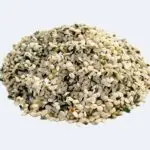
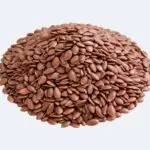
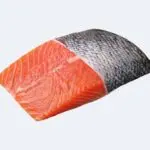
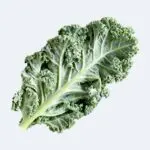
Omega-3 foods fall into two groups that the body treats differently. Seeds, nuts and some oils supply ALA, and oily fish supply EPA, DPA and DHA. Our omega-3 total adds ALA, EPA, DPA and DHA from USDA data, so it ranks both groups together. Per serving, chia seeds lead with 5.05 g in an ounce, followed by a mackerel fillet (112 g) at 2.99 g, hemp seeds (2.61 g in 3 tablespoons), walnuts (2.57 g in an ounce), flaxseeds (2.35 g in a tablespoon), farmed Atlantic salmon (2.13 g in 3 oz), wild Atlantic salmon (1.72 g), herring (1.47 g) and a can of sardines (1.36 g). Per 100 g the seeds and nuts lead (flaxseeds 22.8 g, chia seeds 17.8 g, walnuts 9.08 g, hemp seeds 8.68 g), then mackerel (2.67 g), farmed salmon (2.51 g), wild salmon (2.02 g), herring (1.73 g) and sardines (1.48 g).
A total that mixes the two groups hides a difference. In seeds nearly all of it is ALA, which the body converts only slowly. In fish it is mostly EPA, DPA and DHA, the forms most trials tested. Adding the long-chain values from our EPA, DPA and DHA rankings (our arithmetic), a mackerel fillet holds about 2.8 g, 3 oz of farmed Atlantic salmon about 2.0 g, wild Atlantic salmon about 1.5 g, herring about 1.4 g and oysters about 0.6 g, while tuna (0.23 g) and cod (0.16 g) hold much less. EFSA’s adequate intake of 250 mg of EPA plus DHA a day adds up to 1.75 g a week, and 3 oz of farmed salmon alone holds 1.67 g of the two (0.73 g EPA and 0.94 g DHA). For ALA the arithmetic is easy: the adequate intakes of 1.6 g for men and 1.1 g for women are less than a tablespoon of flaxseeds or an ounce of walnuts holds.
Form and preparation change what you get. In a 3-month trial, milled flaxseed and flaxseed oil raised blood ALA but whole flaxseed did not. The NIH says farmed fish usually have more EPA and DHA than wild-caught fish, but it depends on the feed, and Scottish farmed salmon lost EPA and DHA between 2006 and 2015 as marine ingredients in feed were replaced; in our ranking farmed salmon holds more than wild per 3 oz. Grass-fed beef has somewhat more omega-3, mainly ALA, than grain-fed beef, and some eggs, yogurts, juices, milks and soy drinks are fortified with DHA, so check the label. In grilled Pacific saury 84% of DHA and 87% of EPA remained, in pan-fried 85% and 77%, and in deep-fried 58% and 51%, mostly through loss into cooking juices or frying oil. On EU labels, “source of omega-3 fatty acids” needs at least 0.3 g of ALA, or 40 mg of EPA plus DHA, per 100 g and per 100 kcal, and “high in omega-3” needs 0.6 g of ALA or 80 mg of EPA plus DHA.
Fish also carry methylmercury. The FDA and EPA advise people who are or might become pregnant, or who are breastfeeding, to eat 2 to 3 servings of 4 oz a week from the “Best Choices” list, which includes salmon, sardines, herring, Atlantic mackerel, oysters, freshwater trout, anchovies and cod, or one serving from the “Good Choices” list. They advise avoiding king mackerel, marlin, orange roughy, shark, swordfish, tilefish from the Gulf of Mexico and bigeye tuna. A JAMA review of benefits and risks concluded that for adults the benefits of fish intake exceed the potential risks, and for women of childbearing age modest intake outweighs them apart from a few species.
Per serving. No daily amount is set, so bars compare each food with the top food.
Per 100 g. No daily amount is set, so bars compare each food with the top food.
Per 100 kcal: the same calories of each food, for a fair comparison. Bars compare each food with the top food.
Food labels have no Daily Value or Reference Intake for omega-3 fatty acids, so the % compares each food with the top food.
- 1.

- 2.

- 3.
- 4.

- 5.
- 6.

- 7.
- 8.

- 9.

- 10.



- 1.
- 2.
- 3.
- 4.
- 5.
- 6.
- 7.
- 8.
- 9.
- 10.


- 1.
- 2.
- 3.
- 4.
- 5.
- 6.

- 7.
- 8.
- 9.
- 10.


Sources
- FoodData Central. US Department of Agriculture, Agricultural Research Service. Values as shown in our omega-3 total, ALA, EPA, DPA and DHA rankings.
- National Institutes of Health, Office of Dietary Supplements. Omega-3 fatty acids: fact sheet for health professionals. Updated August 22, 2025.
- Cheung LK, Tomita H, Takemori T. Mechanisms of Docosahexaenoic and Eicosapentaenoic Acid Loss from Pacific Saury and Comparison of Their Retention Rates after Various Cooking Methods. J Food Sci. 2016.
- Austria JA, Richard MN, Chahine MN, et al. Bioavailability of alpha-linolenic acid in subjects after ingestion of three different forms of flaxseed. J Am Coll Nutr. 2008.
- US Food and Drug Administration and US Environmental Protection Agency. Advice about eating fish. Advice revised October 2021.
- Mozaffarian D, Rimm EB. Fish intake, contaminants, and human health: evaluating the risks and the benefits. JAMA. 2006.
- European Parliament and Council. Regulation (EC) No 1924/2006 on nutrition and health claims made on foods, with the omega-3 nutrition claims added by Commission Regulation (EU) No 116/2010. Official Journal of the European Union. 2006 and 2010.
How omega-3 fatty acids work
Most of the biochemistry below is well established, but the details of the signaling molecules come from cell and animal studies, and what extra omega-3 does for health in people is tested in the study cards above. Five ideas cover the family: the five fats differ in length and source, the body lengthens plant ALA only slowly, omega-3s are built into membranes and turned into signals, the omega-6 to omega-3 ratio is a weaker yardstick than it sounds, and a blood test called the omega-3 index tracks status. Here is each one, and what has been seen in people.
Five omega-3 fats, one family
All five share the same end of the chain, but they differ in length and where they come from. ALA is the only essential one, and it sits at the top of the pathway. In the pathway shown in the FAO and WHO expert report, the body adds a double bond and two carbons at a time to reach the longer fats. The table gives the main sources and what sets each fat apart.
| Fatty acid | Shorthand | Main sources | What sets it apart | Source |
|---|---|---|---|---|
| Alpha-linolenic acid (ALA) | 18:3 n-3 | Flaxseed, chia seeds, walnuts, canola and soybean oils | The only essential omega-3. The body turns little of it into EPA and DHA. | 1, 2 |
| Stearidonic acid (SDA) | 18:4 n-3 | Blackcurrant seed oil, fish oils and soybean oil from modified soybeans; echium oil in a trial | The step after ALA in the pathway. SDA oils raised EPA in trials but not DHA. | 2, 4, 5, 6 |
| Eicosapentaenoic acid (EPA) | 20:5 n-3 | Fish, especially oily fish, and fish oil; originally made by microalgae | Purified EPA ethyl ester is a prescription drug tested in REDUCE-IT. Part of the EU heart claim with DHA. | 1, 2 |
| Docosapentaenoic acid (DPA) | 22:5 n-3 | Oily fish such as salmon, herring and mackerel | The step between EPA and DHA. EFSA found no data on DPA taken alone. | 2, 3 |
| Docosahexaenoic acid (DHA) | 22:6 n-3 | Oily fish, fish oil and algal oil | Especially high in the retina, brain and sperm. The EU allows brain and vision claims at 250 mg a day. | 1, 2 |
The omega-3 family in the order the body builds it. Green marks plant sources and orange the long chains from fish and algae. DHA takes further steps in the body (24:5 and 24:6, then shortening) that are left out here. Not to scale.
The body lengthens ALA only slowly
The body can lengthen ALA into SDA, EPA, DPA and DHA, mostly in the liver, but the NIH puts reported conversion rates below 15%. In a tracer study, young women who took 700 mg of labeled ALA converted an estimated 21% to EPA, 6% to DPA and 9% to DHA over 21 days. In six young men, labeled EPA and DPA appeared, but there was no labeled DHA at any point up to 21 days, and the authors suggest preformed DHA from food may be critical for them. A review of human studies puts conversion in healthy non-vegetarian adults at about 5% for EPA and under 0.5% for DHA. The ISSFAL consensus review concluded that ALA supplements raise EPA and DPA but have little effect on DHA, and that raising DHA takes preformed DHA.
Share of dietary ALA that becomes longer omega-3 fats. Orange bars are from tracer studies in young women, drawn to scale at 18 pixels per percent; red bars are the range given in a review. In six young men no labeled DHA was detected, so no bar is drawn.
SDA sits one step after ALA, and oils rich in it did raise EPA. In 45 volunteers, soybean oil enriched with SDA (about 3.7 g a day) raised the omega-3 index by 19.5% against 25.4% for about 1 g a day of EPA ethyl ester, which works out to about 17% efficiency for red cell EPA, and DHA did not change. In another trial, echium oil with 2 g of SDA a day raised plasma EPA by 168% and DPA by 68% over 8 weeks while DHA fell by 5%. Both results are in the forms section below.
They are built into membranes and become signals
Omega-3s are parts of the phospholipids that form cell membranes, and DHA in particular is especially high in the retina, brain and sperm, the NIH says. DHA accumulates most rapidly in the third trimester of pregnancy, and in the brain it keeps accumulating through the first 2 years after birth. The body also uses omega-3s and omega-6s for energy and to make eicosanoids, signaling molecules with wide-ranging roles in the cardiovascular, pulmonary, immune and endocrine systems. Eicosanoids made from omega-6s are generally more potent mediators of inflammation, vasoconstriction and platelet aggregation than those made from omega-3s, although there are exceptions. EPA and DHA compete with arachidonic acid for the enzymes that make eicosanoids, which tips the balance toward less inflammatory activity. In mice, aspirin plus DHA produced a new family of molecules that Serhan and colleagues named resolvins; at nanogram doses they cut leukocyte build-up in inflamed tissue by 40% to 80%. That is a lab result, so the human cards above are the test of whether it matters for health.
They are absorbed like other fats
The NIH says absorption is efficient, about 95%, like other ingested fats. Fats are released in the gut, taken up with bile-salt micelles, packed into chylomicrons and sent into the lymph, then carried in lipoprotein particles to tissues for burning, use or storage. The chemical form changes how much EPA and DHA reaches the blood, and that is covered in the forms section.
The omega-6 to omega-3 ratio is a weak yardstick
Omega-6 and omega-3 fats compete for the same desaturation enzymes, so some researchers propose that the ratio of the two in the diet drives chronic disease. The NIH says the optimal ratio, if any, has not been defined, that others find such ratios too nonspecific, and that most agree raising EPA and DHA matters far more than lowering linoleic acid or arachidonic acid. EFSA chose not to set specific values for the n-3 to n-6 ratio, and FAO and WHO saw no rationale for a specific ratio, or a linoleic acid to ALA ratio, if intakes of both fall within their recommended ranges. The trials fit that view: 15 trials found more linoleic acid did not raise inflammation markers, and trials of changing linoleic acid intake did not change arachidonic acid in blood phospholipids (cards above). One omega-3 researcher argues that the ratio should be replaced by the omega-3 index, below; he reports owning stock in a laboratory that offers the test. For the practical answer, aim for more EPA and DHA from fish or algae, not for less omega-6.
The omega-3 index tracks status
The omega-3 index is the share of EPA plus DHA in red blood cell fatty acids. It reflects intake over roughly the previous 120 days, the NIH says, and EPA plus DHA typically make up 3% to 5% of red cell fatty acids in Western populations with low fish intake, about half the level in Japan. Harris and von Schacky proposed it as a risk marker in 2004 and found that 8% or more went with the greatest protection from death from coronary heart disease and 4% or less with the least. Experts have not established normal ranges. The index responds to what you eat: women who ate two oily fish servings a week or took capsules both reached 6.2% in 16 weeks, and vegans who started below 4% reached 4.8% on an algal supplement. Harris reports owning stock in OmegaQuant Analytics, a laboratory that offers blood fatty acid testing.
Omega-3 index in percent of red blood cell fatty acids, drawn to scale. The marks at 4% and 8% are the values at which Harris and von Schacky found the least and the greatest protection from coronary death. In the fish and capsule groups the index started at 4.0% and 4.3%.
What has been seen in people
Trial doses of EPA plus DHA ran from 840 mg to 4 g a day, about 3 to 16 times the 250 mg that EFSA sets as an adequate intake (our arithmetic), and far above the 90 mg that American adults got from food in survey data from 2011 to 2012. The chart puts them on one scale.
EPA plus DHA in milligrams a day, drawn to scale. Green bars are amounts eaten in US surveys or advised by official bodies, orange bars are amounts in trials (REDUCE-IT gave EPA alone), and red marks the level up to which EFSA found no safety concern for supplements.
The clearest findings are narrow. EPA plus DHA lower triglycerides, and omega-3 in pregnancy lowers preterm birth in the Cochrane review, though the largest single trial did not. In people at usual risk, 840 mg a day did not significantly lower major cardiovascular events (VITAL, ASCEND), cognitive decline (VITAL-Cog) or new atrial fibrillation (VITAL Rhythm), yet pooled trials above 1 g a day showed more atrial fibrillation. At 4 g a day, purified EPA lowered events in REDUCE-IT while EPA plus DHA did not in STRENGTH, and the two trials differ in more than the fat: the placebo oil (mineral or corn), the form and the patients. Observational studies link higher blood levels of long-chain omega-3 with lower risk of death, but they cannot show cause. All of these are among the study cards above.
Sources
- National Institutes of Health, Office of Dietary Supplements. Omega-3 fatty acids: fact sheet for health professionals. Updated August 22, 2025.
- FAO and WHO. Fats and fatty acids in human nutrition: report of an expert consultation. FAO Food and Nutrition Paper 91. Food and Agriculture Organization. 2010.
- EFSA Panel on Dietetic Products, Nutrition and Allergies (NDA). Scientific opinion on the Tolerable Upper Intake Level of eicosapentaenoic acid (EPA), docosahexaenoic acid (DHA) and docosapentaenoic acid (DPA). EFSA J. 2012.
- Lemke SL, Vicini JL, Su H, et al. Dietary intake of stearidonic acid-enriched soybean oil increases the omega-3 index: randomized, double-blind clinical study of efficacy and safety. Am J Clin Nutr. 2010.
- Kuhnt K, Fuhrmann C, Köhler M, et al. Dietary echium oil increases long-chain n-3 PUFAs, including docosapentaenoic acid, in blood fractions and alters biochemical markers for cardiovascular disease independently of age, sex, and metabolic syndrome. J Nutr. 2014.
- Harris WS, Lemke SL, Hansen SN, et al. Stearidonic acid-enriched soybean oil increased the omega-3 index, an emerging cardiovascular risk marker. Lipids. 2008.
- Burdge GC, Wootton SA. Conversion of alpha-linolenic acid to eicosapentaenoic, docosapentaenoic and docosahexaenoic acids in young women. Br J Nutr. 2002.
- Burdge GC, Jones AE, Wootton SA. Eicosapentaenoic and docosapentaenoic acids are the principal products of alpha-linolenic acid metabolism in young men*. Br J Nutr. 2002.
- Plourde M, Cunnane SC. Extremely limited synthesis of long chain polyunsaturates in adults: implications for their dietary essentiality and use as supplements. Appl Physiol Nutr Metab. 2007.
- Brenna JT, Salem N Jr, Sinclair AJ, et al. alpha-Linolenic acid supplementation and conversion to n-3 long-chain polyunsaturated fatty acids in humans. Prostaglandins Leukot Essent Fatty Acids. 2009.
- Serhan CN, Hong S, Gronert K, et al. Resolvins: a family of bioactive products of omega-3 fatty acid transformation circuits initiated by aspirin treatment that counter proinflammation signals. J Exp Med. 2002.
- EFSA Panel on Dietetic Products, Nutrition and Allergies (NDA). Scientific opinion on Dietary Reference Values for fats, including saturated fatty acids, polyunsaturated fatty acids, monounsaturated fatty acids, trans fatty acids, and cholesterol. EFSA J. 2010.
- Johnson GH, Fritsche K. Effect of dietary linoleic acid on markers of inflammation in healthy persons: a systematic review of randomized controlled trials. J Acad Nutr Diet. 2012.
- Rett BS, Whelan J. Increasing dietary linoleic acid does not increase tissue arachidonic acid content in adults consuming Western-type diets: a systematic review. Nutr Metab (Lond). 2011.
- Harris WS. The Omega-6:Omega-3 ratio: A critical appraisal and possible successor. Prostaglandins Leukot Essent Fatty Acids. 2018.
- Harris WS, Von Schacky C. The Omega-3 Index: a new risk factor for death from coronary heart disease?. Prev Med. 2004.
- Sarter B, Kelsey KS, Schwartz TA, et al. Blood docosahexaenoic acid and eicosapentaenoic acid in vegans: Associations with age and gender and effects of an algal-derived omega-3 fatty acid supplement. Clin Nutr. 2015.
- Harris WS, Pottala JV, Sands SA, et al. Comparison of the effects of fish and fish-oil capsules on the n 3 fatty acid content of blood cells and plasma phospholipids. Am J Clin Nutr. 2007.
- Albert CM, Cook NR, Pester J, et al. Effect of Marine Omega-3 Fatty Acid and Vitamin D Supplementation on Incident Atrial Fibrillation: A Randomized Clinical Trial. JAMA. 2021.
- Kang JH, Vyas CM, Okereke OI, et al. Marine n-3 fatty acids and cognitive change among older adults in the VITAL randomized trial. Alzheimers Dement (N Y). 2022.
- Manson JE, Cook NR, Lee IM, et al. Marine n-3 Fatty Acids and Prevention of Cardiovascular Disease and Cancer. N Engl J Med. 2019.
- Bhatt DL, Steg PG, Miller M, et al. Cardiovascular Risk Reduction with Icosapent Ethyl for Hypertriglyceridemia. N Engl J Med. 2019.
- Nicholls SJ, Lincoff AM, Garcia M, et al. Effect of High-Dose Omega-3 Fatty Acids vs Corn Oil on Major Adverse Cardiovascular Events in Patients at High Cardiovascular Risk: The STRENGTH Randomized Clinical Trial. JAMA. 2020.
- Kalstad AA, Myhre PL, Laake K, et al. Effects of n-3 Fatty Acid Supplements in Elderly Patients After Myocardial Infarction: A Randomized, Controlled Trial. Circulation. 2021.
How much omega-3 do you need?
There is no RDA for omega-3. US adults have an adequate intake of 1.6 g of ALA a day for men and 1.1 g for women, EFSA sets 250 mg of EPA plus DHA a day for adults, and health bodies advise 1 to 2 servings of seafood a week. In pregnancy, the US adequate intake of ALA is 1.4 g a day and 1.3 g while breastfeeding, EFSA adds 100 to 200 mg of preformed DHA to the adult 250 mg, and FAO and WHO advise at least 300 mg of EPA plus DHA, with at least 200 mg of it DHA.
| Source | Group | Value | Notes |
|---|---|---|---|
| National Academies 2005 | Men 19 and older | 1.6 g a day of ALA | Adequate intake (AI). For ages 1 and older the AIs apply only to ALA, the only essential omega-3. No intake is set for EPA or DHA. |
| National Academies 2005 | Women 19 and older | 1.1 g a day of ALA | AI. Pregnancy 1.4 g, breastfeeding 1.3 g. |
| National Academies 2005 | Infants 0 to 12 months | 0.5 g a day of total omega-3 | AI, equal to the mean intake of healthy breastfed infants. |
| National Academies 2005 | Ages 1 and older | 0.6% to 1.2% of energy as ALA | Acceptable range (AMDR). About 10% of it can be EPA and DHA. On 2,000 kcal that is 1.3 to 2.7 g of ALA, of which 130 to 270 mg may be EPA and DHA (our arithmetic). |
| EFSA 2010 | Adults | 0.5% of energy as ALA | AI. About 1.1 g on 2,000 kcal (our arithmetic). No upper limit for ALA. |
| EFSA 2010 | Adults | 250 mg a day of EPA plus DHA | AI for the two together. EFSA 2012 notes dietary recommendations of 250 to 500 mg a day for European adults. |
| EFSA 2010 | Pregnancy and breastfeeding | Add 100 to 200 mg a day of preformed DHA | On top of the adult AI. “Preformed” means DHA itself, not DHA made from ALA. |
| EFSA 2010 | Infants over 6 months and children under 24 months | 100 mg a day of DHA | AI. |
| FAO/WHO 2010 | Adults | Total omega-3 of 0.5% to 2% of energy; 250 mg a day of EPA plus DHA | ALA above 0.5% of energy prevents deficiency symptoms. Not enough evidence to set a minimum for EPA or DHA alone. No specific omega-6 to omega-3 ratio is recommended if intakes fall within the report’s ranges. |
| FAO/WHO 2010 | Pregnant and breastfeeding women | At least 300 mg a day of EPA plus DHA, of which at least 200 mg DHA | Minimum for adult health and for fetal and infant development. |
| AHA 2018 | Adults | 1 to 2 seafood meals a week | Science advisory on seafood omega-3. For people with coronary heart disease the AHA recommends about 1 g a day of EPA plus DHA, preferably from oily fish, and does not recommend supplements for people without high cardiovascular risk (as summarized by the NIH). |
| Dietary Guidelines 2020-2025 | Adults | At least 8 oz of seafood a week | Based on a 2,000 kcal diet, less for children. Pregnant or breastfeeding women: 8 to 12 oz a week of seafood lower in mercury. |
The 2025-2030 Dietary Guidelines list omega-3-rich seafood among healthy fats and name low-mercury omega-3-rich seafood such as salmon, sardines and trout for pregnant women; the summary document states no weekly amount. Intakes of EPA and DHA are well below the advice. The NIH quotes about 90 mg a day from food for US adults in 2011 to 2012, and says most Americans meet the ALA intakes (1.59 g a day for women and 2.06 g for men). Fish oil supplements added about 20 mg of EPA and 10 mg of DHA to mean daily intakes in a 2003 to 2008 analysis.
Omega-3 deficiency: signs and who is at risk
The NIH says a deficiency of essential fatty acids, omega-3 or omega-6, can cause rough, scaly skin and dermatitis, and that plasma and tissue DHA fall when omega-3 is lacking. It also says no cut-off for DHA or EPA is known below which vision, nerve or immune function is impaired. Classic deficiency in healthy people in the US is virtually nonexistent. Signs were found mainly in patients on intravenous feeding with no polyunsaturated fats, and all current feeding solutions contain adequate amounts. One 6-year-old girl on intravenous feeding low in linolenic acid had numbness, weakness, trouble walking and blurred vision that disappeared when her emulsion was changed to one with ALA; her authors estimated the ALA requirement at about 0.54% of calories.
Low status is more common than deficiency. Vegans eat almost no preformed EPA and DHA, but in 165 vegans the omega-3 index averaged 3.7%, similar to a group of omnivores who also eat very little. Infants born early miss part of the supply, because DHA accumulates most rapidly in the third trimester, and FAO and WHO list DHA as conditionally essential for infants because the body makes too little from ALA.
Sources
- National Institutes of Health, Office of Dietary Supplements. Omega-3 fatty acids: fact sheet for health professionals. Updated August 22, 2025.
- Institute of Medicine, Food and Nutrition Board. Dietary Reference Intakes for energy, carbohydrate, fiber, fat, fatty acids, cholesterol, protein, and amino acids. National Academies Press. 2005. Values as summarized in the NIH fact sheet.
- EFSA Panel on Dietetic Products, Nutrition and Allergies (NDA). Scientific opinion on Dietary Reference Values for fats, including saturated fatty acids, polyunsaturated fatty acids, monounsaturated fatty acids, trans fatty acids, and cholesterol. EFSA J. 2010.
- EFSA Panel on Dietetic Products, Nutrition and Allergies (NDA). Scientific opinion on the Tolerable Upper Intake Level of eicosapentaenoic acid (EPA), docosahexaenoic acid (DHA) and docosapentaenoic acid (DPA). EFSA J. 2012.
- FAO and WHO. Fats and fatty acids in human nutrition: report of an expert consultation. FAO Food and Nutrition Paper 91. Food and Agriculture Organization. 2010.
- Rimm EB, Appel LJ, Chiuve SE, et al. Seafood Long-Chain n-3 Polyunsaturated Fatty Acids and Cardiovascular Disease: A Science Advisory From the American Heart Association. Circulation. 2018.
- US Department of Agriculture and US Department of Health and Human Services. Dietary Guidelines for Americans, 2020-2025. 9th edition. 2020. Quoted in the NIH fact sheet and on the FDA and EPA fish advice page.
- US Department of Agriculture and US Department of Health and Human Services. Dietary Guidelines for Americans, 2025-2030.
- US Food and Drug Administration and US Environmental Protection Agency. Advice about eating fish. Advice revised October 2021.
- Holman RT, Johnson SB, Hatch TF. A case of human linolenic acid deficiency involving neurological abnormalities. Am J Clin Nutr. 1982.
- Sarter B, Kelsey KS, Schwartz TA, et al. Blood docosahexaenoic acid and eicosapentaenoic acid in vegans: Associations with age and gender and effects of an algal-derived omega-3 fatty acid supplement. Clin Nutr. 2015.
Forms of omega-3: absorption and effects
Omega-3s reach people as plant seeds and oils (ALA), SDA oils, whole fish and shellfish, fish oil in several chemical forms, krill oil, algal oil, cod liver oil and prescription products. The honest bottom line is that every fish-based form raised blood EPA and DHA, that ethyl esters were absorbed somewhat less well than triglyceride forms in two trials, and that we found no trial that compared forms for a heart or brain outcome. Plant sources are different in kind: they supply ALA, which raises EPA and DPA a little but not DHA.
Taking some forms with a meal seems wise. In the one trial that varied the meal, a free fatty acid product gave 4.0 times the EPA plus DHA exposure of an ethyl ester product on a low-fat diet, and the gap narrowed to 1.3 times on a high-fat diet. We found no trial that compared the same triglyceride oil with and without a fatty meal. The outcome trials above used purified EPA ethyl ester (REDUCE-IT), a carboxylic acid mix of EPA and DHA (STRENGTH), 1-g fish oil capsules (VITAL, ASCEND), fish oil or DHA oil (pregnancy trials) and fortified margarine (Alpha Omega).
| Form | What it is | What studies show | Source |
|---|---|---|---|
| Whole flaxseed, milled flaxseed, flaxseed oil, chia seeds, walnuts | ALA in seeds, nuts and oils | In a 3-month trial milled flaxseed and flaxseed oil raised plasma ALA but whole seed did not, and no group had more EPA or DHA. Flaxseed oil with 3 g of ALA a day raised plasma EPA by 60% and DPA by 25% in 56 people over 12 weeks; DHA did not change. A review found high-dose flaxseed oil did not raise the omega-3 index. | 2, 3, 4 |
| SDA oils: echium oil, SDA-enriched soybean oil | SDA, the step after ALA | In 252 adults SDA soybean oil raised the omega-3 index to 4.69% against 4.15% on regular oil. In 45 volunteers it worked at about 17% of the efficiency of EPA for red cell EPA, and DHA did not change. Echium oil raised plasma EPA by 168% and DPA by 68% while DHA fell 5%, about 25% and 50% less than fish oil did. | 5, 6, 7 |
| Oily fish | Whole food | Two servings a week and 1 to 2 capsules a day gave the same rise in red cell EPA plus DHA over 16 weeks at 485 mg a day. | 8 |
| Natural fish oil triglycerides | Oil as it occurs in fish | The reference form in a 72-person trial. The NIH says natural and re-esterified triglycerides and free fatty acids have somewhat higher bioavailability than ethyl esters, but all forms raise plasma EPA and DHA. | 1, 9 |
| Ethyl esters | Made from natural triglycerides by swapping the glycerol for ethanol; the form of icosapent ethyl and of omega-3-acid ethyl ester drugs | Uptake was 73% of natural oil in the 72-person trial, and the omega-3 index rose to 171% against 197% for re-esterified triglycerides in 150 volunteers over 6 months. In a single-dose crossover in 54 overweight adults a free fatty acid product gave 4.0 times the exposure on a low-fat diet and 1.3 times on a high-fat diet; the authors work for the maker. | 9, 10, 11 |
| Re-esterified triglycerides | Ethyl esters converted back to triglycerides | Uptake was 124% of natural oil in the 72-person trial, and the omega-3 index reached 197% in the 150-volunteer trial. | 9, 10 |
| Free fatty acids | Fatty acids without glycerol or ethanol attached | Uptake was 91% of natural oil, not significantly different. The high exposure on a low-fat diet is a brand comparison with an ethyl ester drug. | 9, 11 |
| Krill oil | Omega-3 mainly in phospholipids | The NIH says some studies suggest higher bioavailability than fish oil and others do not, so “krill oil is better absorbed” is unproven. We found no trial of krill oil against fish oil for a heart or brain outcome. | 1 |
| Algal oil | DHA, sometimes with EPA, from cultured microalgae; usually triglycerides | 600 mg of DHA a day matched cooked salmon for blood DHA in 32 adults. 254 mg of EPA plus DHA a day raised vegans’ omega-3 index from 3.1% to 4.8%. A review found algal oil raised the index in every study. The NIH says capsules usually hold about 100 to 300 mg of DHA. | 12, 13, 4, 1 |
| Cod liver oil | Oil from cod livers | The NIH says cod liver oil supplements provide vitamin A and vitamin D in addition to long-chain omega-3, so the doses add up with other supplements. | 1 |
| Prescription EPA or EPA plus DHA | Icosapent ethyl (EPA ethyl ester) and omega-3 carboxylic acids | At 4 g a day, EPA plus DHA agents lowered triglycerides by 30% or more in very high triglycerides, with LDL cholesterol rising; EPA alone did not raise LDL. Only the EPA ethyl ester lowered events in a trial (REDUCE-IT); the EPA plus DHA acid product did not (STRENGTH). | 14, 15, 16 |
Here are the form-specific and head-to-head studies, strongest evidence first, 5 in all.
In 252 overweight adults, 4.2 g a day of SDA from enriched soybean oil raised the omega-3 index to 4.69%, against 4.15% on regular soybean oil
Double-blind trial for 12 weeks. A group taking 1 g a day of EPA reached 4.84%. The omega-3 index is the share of EPA plus DHA in red blood cell fatty acids, and the SDA oil raised it by raising EPA. No treatment-related adverse effects were reported. The first author’s listed affiliation is Monsanto.
A scoping review of 13 reports found high-dose flaxseed or echium oil did not raise the omega-3 index, while microalgal oil raised it in every study
The review covered randomized trials published from January 2010 to September 2020 that tested plant-based omega-3 oils and used the omega-3 index to compare status. Some studies of flaxseed or echium seed oil showed reductions. The authors’ preliminary advice for vegetarians and vegans is regular use of preformed EPA and DHA supplements to help maintain the index, and they call for studies of the best doses and ratios.
In 165 vegans, the average omega-3 index was 3.7%, and 254 mg a day of EPA plus DHA from algae raised it from 3.1% to 4.8% in 46 of them
The index was measured with dried blood spots. It was higher in women than in men (3.9% against 3.5%) and rose with age, and it was similar to that of a cohort of deployed US soldiers, so vegans were not lower than omnivores who also eat very little EPA and DHA. The 46 vegans with an index below 4% took a vegetarian omega-3 supplement for 4 months; that part had no control group.
In 32 adults, 600 mg a day of DHA from algal-oil capsules matched cooked salmon for raising blood DHA over 2 weeks
Randomized, open-label trial. DHA rose by about 80% in plasma phospholipids and about 25% in red blood cells in both groups, and the changes were similar between groups; the authors call the two bioequivalent. Both were well tolerated. A small, short trial; the abstract does not state who funded it.
In premenopausal women, two oily fish servings a week and fish-oil capsules raised red cell EPA plus DHA equally (4.0% to 6.2% and 4.3% to 6.2%)
Healthy women were randomized to a daily average of 485 mg of EPA plus DHA from two weekly servings of oily fish (salmon and albacore tuna) or from 1 to 2 capsules a day, for 16 weeks. There was no difference between the groups, and plasma phospholipids gave similar results. EPA rose faster with fish in the first 4 weeks (P=0.01). The fish group had 11 women, so the trial was small.
Sources
- National Institutes of Health, Office of Dietary Supplements. Omega-3 fatty acids: fact sheet for health professionals. Updated August 22, 2025.
- Austria JA, Richard MN, Chahine MN, et al. Bioavailability of alpha-linolenic acid in subjects after ingestion of three different forms of flaxseed. J Am Coll Nutr. 2008.
- Harper CR, Edwards MJ, DeFilippis AP, et al. Flaxseed oil increases the plasma concentrations of cardioprotective (n-3) fatty acids in humans. J Nutr. 2006.
- Lane KE, Wilson M, Hellon TG, et al. Bioavailability and conversion of plant based sources of omega-3 fatty acids – a scoping review to update supplementation options for vegetarians and vegans. Crit Rev Food Sci Nutr. 2022.
- Lemke SL, Vicini JL, Su H, et al. Dietary intake of stearidonic acid-enriched soybean oil increases the omega-3 index: randomized, double-blind clinical study of efficacy and safety. Am J Clin Nutr. 2010.
- Harris WS, Lemke SL, Hansen SN, et al. Stearidonic acid-enriched soybean oil increased the omega-3 index, an emerging cardiovascular risk marker. Lipids. 2008.
- Kuhnt K, Fuhrmann C, Köhler M, et al. Dietary echium oil increases long-chain n-3 PUFAs, including docosapentaenoic acid, in blood fractions and alters biochemical markers for cardiovascular disease independently of age, sex, and metabolic syndrome. J Nutr. 2014.
- Harris WS, Pottala JV, Sands SA, et al. Comparison of the effects of fish and fish-oil capsules on the n 3 fatty acid content of blood cells and plasma phospholipids. Am J Clin Nutr. 2007.
- Dyerberg J, Madsen P, Møller JM, et al. Bioavailability of marine n-3 fatty acid formulations. Prostaglandins Leukot Essent Fatty Acids. 2010.
- Neubronner J, Schuchardt JP, Kressel G, et al. Enhanced increase of omega-3 index in response to long-term n-3 fatty acid supplementation from triacylglycerides versus ethyl esters. Eur J Clin Nutr. 2011.
- Davidson MH, Johnson J, Rooney MW, et al. A novel omega-3 free fatty acid formulation has dramatically improved bioavailability during a low-fat diet compared with omega-3-acid ethyl esters: the ECLIPSE (Epanova(®) compared to Lovaza(®) in a pharmacokinetic single-dose evaluation) study. J Clin Lipidol. 2012.
- Arterburn LM, Oken HA, Bailey Hall E, et al. Algal-oil capsules and cooked salmon: nutritionally equivalent sources of docosahexaenoic acid. J Am Diet Assoc. 2008.
- Sarter B, Kelsey KS, Schwartz TA, et al. Blood docosahexaenoic acid and eicosapentaenoic acid in vegans: Associations with age and gender and effects of an algal-derived omega-3 fatty acid supplement. Clin Nutr. 2015.
- Skulas-Ray AC, Wilson PWF, Harris WS, et al. Omega-3 Fatty Acids for the Management of Hypertriglyceridemia: A Science Advisory From the American Heart Association. Circulation. 2019.
- Bhatt DL, Steg PG, Miller M, et al. Cardiovascular Risk Reduction with Icosapent Ethyl for Hypertriglyceridemia. N Engl J Med. 2019.
- Nicholls SJ, Lincoff AM, Garcia M, et al. Effect of High-Dose Omega-3 Fatty Acids vs Corn Oil on Major Adverse Cardiovascular Events in Patients at High Cardiovascular Risk: The STRENGTH Randomized Clinical Trial. JAMA. 2020.
Is omega-3 safe? Supplements, dose and interactions
Omega-3 from food is not a safety concern for healthy people, and no official body has set an upper limit. The National Academies set none for any omega-3, and in 2012 EFSA found the data insufficient to set one for EPA, DHA or DPA. EFSA still gave guidance: long-term supplements of EPA plus DHA up to about 5 g a day do not appear to raise bleeding risk or affect glucose control, immune function or lipid oxidation, provided the oils are not oxidized, and EPA alone up to 1.8 g a day or DHA alone up to about 1 g a day raise no safety concern. US numbers differ by document. The NIH says the FDA concluded that supplements giving no more than 5 g a day of EPA and DHA are safe when used as recommended. The FDA’s food rule for menhaden oil limits uses so that total EPA or DHA intake does not exceed 3 g per person per day, and its 2004 qualified health claim says supplement labels should not recommend more than 2 g a day. FAO and WHO set an upper range of 2 g a day of EPA plus DHA, while noting that 3 g a day caused no adverse effects in short and intermediate trials. The EU blood pressure and triglyceride claims require supplements to tell people not to exceed 5 g a day of EPA and DHA combined.
- Heart rhythm. A meta-analysis of 7 large trials found more atrial fibrillation with marine omega-3 (hazard ratio 1.25), 1.49 above 1 g a day. The NIH says two trials at 4 g a day slightly raised the risk, and in REDUCE-IT 3.1% were hospitalized for atrial fibrillation or flutter against 2.1%. At 840 mg a day, VITAL Rhythm found no significant rise. People with heart rhythm problems or heart disease should ask a doctor before taking high doses.
- Cholesterol. EFSA found that 2 to 6 g a day of EPA plus DHA, and 2 to 4 g a day of DHA, raise LDL cholesterol by about 3%, which may not affect cardiovascular risk, while EPA at up to 4 g a day had no significant effect on LDL cholesterol.
- Side effects and blood thinners. Side effects are usually mild: unpleasant taste, bad breath, heartburn, nausea, stomach discomfort, diarrhea, headache and odorous sweat, per the NIH. In STRENGTH, 24.7% had gastrointestinal side effects at 4 g a day against 14.7% on corn oil. The National Academies noted that 2 to 15 g a day of EPA and DHA might lengthen bleeding time, and fish oil might raise the INR in people on warfarin. Most research finds 3 to 6 g a day of fish oil does not change anticoagulant status, but drug labels advise periodic INR checks, so tell your doctor if you take a blood thinner.
- Contaminants and quality. The NIH says omega-3 supplements have not been found to contain methylmercury, because it is removed in processing. Fish are another matter; see the FDA and EPA advice in the foods section. Rancid oil is a concern: EFSA’s limit applies if the oils are not oxidized. Check the label for the EPA and DHA content, because a typical 1,000 mg fish oil capsule holds about 180 mg of EPA and 120 mg of DHA, and cod liver oil adds vitamin A and vitamin D.
- Pregnancy and babies. Talk to a midwife or doctor before taking omega-3 in pregnancy. The Cochrane review found that pregnancies lasting past 42 weeks probably rose from 1.6% to 2.6%, and in the largest trial more babies were very large for gestational age. A JAMA review concluded that for women of childbearing age the benefits of modest fish intake outweigh the risks, apart from a few high-mercury species.
How to get more omega-3
- Eat oily fish once or twice a week. Two 3 oz servings of farmed Atlantic salmon hold about 4.0 g of EPA, DPA and DHA in our rankings, and mackerel, herring and sardines are also rich. The AHA advises 1 to 2 seafood meals a week. If you are pregnant or breastfeeding, choose from the FDA and EPA “Best Choices” list.
- Add a plant source of ALA, and grind the seeds. A tablespoon of flaxseeds holds 2.35 g of ALA, an ounce of walnuts 2.57 g and an ounce of chia seeds 5.05 g, all above the 1.1 to 1.6 g adequate intake. Milled flaxseed raised blood ALA in a trial, but whole seed did not. Plant ALA will not do the work of fish for EPA and DHA.
- Use algal oil if you eat no fish. Algal capsules usually hold about 100 to 300 mg of DHA. In a 2-week trial 600 mg of DHA a day from algal oil matched cooked salmon for blood DHA, and 254 mg a day of EPA plus DHA raised the omega-3 index of vegans from 3.1% to 4.8%.
Sources
- National Institutes of Health, Office of Dietary Supplements. Omega-3 fatty acids: fact sheet for health professionals. Updated August 22, 2025.
- EFSA Panel on Dietetic Products, Nutrition and Allergies (NDA). Scientific opinion on the Tolerable Upper Intake Level of eicosapentaenoic acid (EPA), docosahexaenoic acid (DHA) and docosapentaenoic acid (DPA). EFSA J. 2012.
- FAO and WHO. Fats and fatty acids in human nutrition: report of an expert consultation. FAO Food and Nutrition Paper 91. Food and Agriculture Organization. 2010.
- US Food and Drug Administration. 21 CFR 184.1472: Menhaden oil. Code of Federal Regulations, Title 21.
- European Commission. Commission Regulation (EU) No 432/2012 establishing a list of permitted health claims made on foods, other than those referring to the reduction of disease risk and to children’s development and health. Official Journal of the European Union. 2012.
- Mozaffarian D, Rimm EB. Fish intake, contaminants, and human health: evaluating the risks and the benefits. JAMA. 2006.
- US Food and Drug Administration and US Environmental Protection Agency. Advice about eating fish. Advice revised October 2021.
- Rimm EB, Appel LJ, Chiuve SE, et al. Seafood Long-Chain n-3 Polyunsaturated Fatty Acids and Cardiovascular Disease: A Science Advisory From the American Heart Association. Circulation. 2018.
- FoodData Central. US Department of Agriculture, Agricultural Research Service. Values as shown in our omega-3 total, ALA, EPA, DPA and DHA rankings.
- Austria JA, Richard MN, Chahine MN, et al. Bioavailability of alpha-linolenic acid in subjects after ingestion of three different forms of flaxseed. J Am Coll Nutr. 2008.
- Lane KE, Wilson M, Hellon TG, et al. Bioavailability and conversion of plant based sources of omega-3 fatty acids – a scoping review to update supplementation options for vegetarians and vegans. Crit Rev Food Sci Nutr. 2022.
- Arterburn LM, Oken HA, Bailey Hall E, et al. Algal-oil capsules and cooked salmon: nutritionally equivalent sources of docosahexaenoic acid. J Am Diet Assoc. 2008.
- Sarter B, Kelsey KS, Schwartz TA, et al. Blood docosahexaenoic acid and eicosapentaenoic acid in vegans: Associations with age and gender and effects of an algal-derived omega-3 fatty acid supplement. Clin Nutr. 2015.
History of omega-3 fatty acids
The story starts with rats, not fish. In 1929 George and Mildred Burr reported that a fat-free diet gave rats a deficiency disease, which showed that fatty acids are essential nutrients, and they showed that linoleic acid prevented it. They later showed that linolenic acid, the omega-3 analog, is essential too. Human proof came in 1982, when Holman and colleagues described a 6-year-old girl on intravenous feeding whose numbness, weakness and blurred vision cleared when her emulsion supplied linolenic acid.
Fish came next. The NIH says epidemiological research from the 1970s found low rates of heart attack among Greenland Inuit and other fish-eating populations, which spurred the research on EPA and DHA. Bang, Dyerberg and Nielsen published the plasma lipid pattern of Greenland west-coast Inuit in The Lancet in 1971 (the paper’s title says “Eskimos”). In 1978 Dyerberg and colleagues reported that EPA, unlike arachidonic acid, does not make human platelets aggregate, and noted that Eskimos have high EPA, low arachidonic acid, a low incidence of heart attack and a tendency to bleed. A 2014 review found that most studies report coronary artery disease as often in Greenland Eskimos and in Canadian and Alaskan Inuit as in non-Eskimo populations, and that Bang and Dyerberg’s 1970s studies did not examine how common coronary disease was.
Trials followed. The NIH lists the 1989 Diet and Reinfarction Trial and the 1999 GISSI-Prevenzione trial as early support, and the 2007 Japanese JELIS trial, in which 1.8 g a day of EPA with a statin went with 19% fewer major coronary events. Harris and von Schacky proposed the omega-3 index as a risk marker in 2004. Then came a run of null results (the Alpha Omega trial in 2010, ORIGIN in 2012, VITAL and ASCEND in 2018), the positive REDUCE-IT in 2019, the negative STRENGTH in 2020 and a Cochrane review of 86 trials, also in 2020, that found little or no effect on deaths and cardiovascular events.
Sources
- Spector AA, Kim HY. Discovery of essential fatty acids. J Lipid Res. 2015.
- Holman RT, Johnson SB, Hatch TF. A case of human linolenic acid deficiency involving neurological abnormalities. Am J Clin Nutr. 1982.
- Bang HO, Dyerberg J, Nielsen AB. Plasma lipid and lipoprotein pattern in Greenlandic West-coast Eskimos. Lancet. 1971.
- Dyerberg J, Bang HO, Stoffersen E, et al. Eicosapentaenoic acid and prevention of thrombosis and atherosclerosis?. Lancet. 1978.
- Fodor JG, Helis E, Yazdekhasti N, et al. “Fishing” for the origins of the “Eskimos and heart disease” story: facts or wishful thinking?. Can J Cardiol. 2014.
- National Institutes of Health, Office of Dietary Supplements. Omega-3 fatty acids: fact sheet for health professionals. Updated August 22, 2025.
- Harris WS, Von Schacky C. The Omega-3 Index: a new risk factor for death from coronary heart disease?. Prev Med. 2004.
- Abdelhamid AS, Brown TJ, Brainard JS, et al. Omega-3 fatty acids for the primary and secondary prevention of cardiovascular disease. Cochrane Database Syst Rev. 2020.
Frequently asked questions about omega-3 fatty acids
What is the difference between ALA, EPA and DHA?
ALA is the plant omega-3 with 18 carbons, and it is the only essential one. EPA (20 carbons) and DHA (22 carbons) are the long-chain omega-3s found in fish and algae. The NIH puts conversion of ALA to EPA and DHA below 15%: a tracer study found 21% to EPA and 9% to DHA in young women and no DHA in young men. DHA is especially high in the retina and brain, and EPA is the omega-3 in the REDUCE-IT drug icosapent ethyl.
Does the omega-6 to omega-3 ratio matter?
Probably less than popular articles say. EFSA chose not to set an n-3 to n-6 ratio, FAO and WHO saw no rationale for a specific ratio if intakes fall within their ranges, and the NIH says the optimal ratio, if any, has not been defined. In 15 trials, more linoleic acid did not raise inflammation markers, and changing linoleic acid intake did not change arachidonic acid in blood. The practical aim is more EPA and DHA, not less omega-6.
Do omega-3 supplements prevent heart attacks?
Mostly not in people at usual risk. A Cochrane review of 86 trials found no change in deaths (risk ratio 0.97) or cardiovascular events (0.96), and slightly fewer coronary heart disease events (0.91). One gram a day did not significantly lower major events in VITAL (hazard ratio 0.92) or ASCEND (rate ratio 0.97). At 4 g a day purified EPA did in REDUCE-IT (0.75), but EPA plus DHA did not in STRENGTH (0.99), and doses above 1 g a day went with more atrial fibrillation.
Is it better to eat fish or take fish oil?
For raising blood levels they matched in one trial: about 485 mg a day of EPA plus DHA from two weekly fish servings or from capsules both lifted red cell EPA plus DHA to 6.2% in 16 weeks. The AHA advises 1 to 2 seafood meals a week, especially when seafood replaces less healthy foods, and does not recommend supplements for people without high cardiovascular risk. “Krill oil is better absorbed” is unproven, since studies disagree.
Can vegans get enough omega-3?
Vegans can meet the ALA intake with milled flaxseed, chia seeds or walnuts, but the body converts little ALA to EPA and DHA. Vegans in one study averaged an omega-3 index of 3.7%, and 254 mg a day of EPA plus DHA from algae raised it from 3.1% to 4.8% in those below 4%. A review found algal oil raised the index in every study, while high-dose flaxseed or echium oil did not.
How much omega-3 is too much?
EFSA found no safety concern for supplements of EPA plus DHA up to about 5 g a day. US documents differ: the NIH reports an FDA conclusion that up to 5 g a day from supplements is safe, the FDA’s menhaden oil rule is built on 3 g a day, and supplement labels should not recommend more than 2 g a day. Above 1 g a day, atrial fibrillation risk rose in pooled trials, and large doses might lengthen bleeding time, so ask a doctor if you take blood thinners.
Which fish are safe to eat in pregnancy?
The FDA and EPA advise 2 to 3 servings of 4 oz a week from the “Best Choices” list, which includes salmon, sardines, herring, Atlantic mackerel, oysters, freshwater trout and cod. Avoid king mackerel, marlin, orange roughy, shark, swordfish, Gulf of Mexico tilefish and bigeye tuna. In a UK study, children of mothers who ate no seafood had higher odds of a low verbal IQ than those whose mothers ate more than 340 g a week.
What are omega-3-6-9 fats?
Omega-3 and omega-6 are the two families of essential fats: ALA is the essential omega-3 and linoleic acid the essential omega-6. Omega-9 fats, mainly oleic acid in olive oil, are not essential. FAO says mammals can add a double bond at the 9 position but not nearer the methyl end of the chain, which is why the body can make omega-9 but not omega-3 or omega-6. See our oleic acid page.