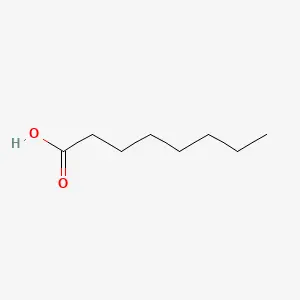
Caprylic acid (octanoic acid, 8:0, C8H16O2) is a saturated fat with eight carbons. FAO and WHO (the UN food and health agencies) class fatty acids with 8 to 13 carbons as medium-chain. That puts it with capric acid (10:0) and lauric acid (12:0) in the medium-chain group. The name comes from the Latin word for goat.
PubChem, a US chemical database, describes an oily liquid with a slightly unpleasant, rancid-like smell that occurs naturally in coconuts and breast milk. Most people meet it as a main ingredient of MCT oil (medium-chain triglyceride oil), which is why this page covers MCT oil too.
Medium-chain fats take a shortcut. FAO says they are absorbed across the gut and travel through the portal vein to the liver, where they are rapidly burned. Long-chain fats go out through the lymph instead.
Ketones are fuels the liver makes from fat. In a crossover trial in 9 healthy adults, pure C8 oil raised blood ketones more than coconut oil or any other test oil. The coconut oil peak was 25% of the C8 peak.
One more fact most readers do not know: your body attaches this 8-carbon fat to ghrelin, a hunger hormone made in the stomach. Ghrelin needs it to be active. In rats, though, eating more caprylic acid did not raise the active form.
The evidence is narrower than the interest. The best-supported use is the MCT ketogenic diet for children whose epilepsy drugs fail. It worked about as well as the classical diet in one randomized trial. A Cochrane review of ketogenic diets, though, rates the evidence low to very low.
For weight, a meta-analysis (a study that pools trials) found about half a kilogram. In Alzheimer’s disease, small trials, some tied to the makers, point to a benefit mainly in people without the APOE4 gene variant. For Candida we found lab studies only. Few trials test caprylic acid alone: most use MCT oil, a mix of C8 and C10, or tricaprilin.
Health benefits of caprylic acid
The top findings from 24 studies, strongest evidence first
What the stars mean
- Strong. Several randomized trials, pooled in a meta-analysis, point the same way, or regulators (FDA or EFSA) have approved the claim.
- Moderate. Good randomized trials support it, but there are fewer of them, or their results vary.
- Limited. Small, short or single trials, or mixed results. Promising, but it needs confirmation.
Population and lab studies get no stars: they show a link or a mechanism, not proof.
How we rate evidence →- ★★More seizure-free children on ketogenic dietsIn 13 trials, children on ketogenic diets, which include MCT diets, were 3.16 times as likely to be seizure free (low-certainty evidence). In one trial, the MCT diet controlled seizures about as well as the classical diet.
- ★★Slightly better thinking in memory declineIn people with mild cognitive impairment or Alzheimer’s, MCT supplements raised ketones, and a combined thinking measure improved clearly. In another analysis, general thinking improved but memory, language and attention did not.
- ★★A little less weight and waist sizeIn 749 healthy adults, swapping long-chain fats for C8 and C10 MCTs cut body weight by 0.51 kg more and waist size by 1.46 cm. The authors found commercial bias in the trials.
- ★★No overall LDL change, but higher triglyceridesAcross 7 trials, MCT oil barely moved LDL, the “bad” cholesterol (+0.02 mmol/L), but raised triglycerides by 0.14 mmol/L. Against oils rich in unsaturated fat, it raised LDL.
- ★★Less food eaten at later mealsIn a review of 17 studies (11 pooled for food intake), people ate less at later lab meals after MCT instead of long-chain fat. Appetite ratings and appetite hormones showed little change.
All 20 studies, strongest evidence first
Ketogenic diets: children about 3 times likelier to be seizure free
This Cochrane review pooled 13 trials (932 people, 711 children) of classic, MCT and modified Atkins diets, so MCT alone gets no credit. Against usual care, seizure freedom was 3.16 times as likely (4 trials, 385 children), and a 50% or greater drop in seizures 5.80 times. All trials were at high risk of bias because nobody could be blinded, and the evidence is low to very low certainty. In adults no one became seizure free, and vomiting, constipation and diarrhea were the most common side effects.
The MCT diet controlled seizures about as well as the classical diet
Of 145 children with intractable epilepsy, 61 started the classical diet and 64 the MCT diet; 94 (45 and 49) were analyzed. Mean seizures as a percent of baseline were 66.5% (classical) against 68.9% (MCT) at 3 months, and 40.8% against 53.2% at 12 months. None of these gaps was clear, and the numbers with a 50% or 90% seizure drop did not differ. Blood ketones were higher on the classical diet, and the authors call the two diets comparable in efficacy and tolerability.
MCTs cut body weight 0.51 kg more than long-chain fats
This meta-analysis pooled 13 trials of more than 3 weeks in 749 healthy adults that swapped long-chain fats for C8 and C10 MCTs. MCTs also lowered waist size by 1.46 cm and belly (visceral) fat, with no change in blood fats. The authors found commercial bias, many trials lacked details for a full quality check, and trials differed in length, dose and calorie control. They call for independent trials.
MCTs cut later food intake in lab meals, but not hunger ratings
This review covered 17 studies with 291 people, and 11 were pooled for energy intake. After MCT instead of long-chain fat, people ate less at later meals (effect size −0.444), after a single dose and after longer use. Appetite ratings and appetite hormones showed little change, and the effect was measured under laboratory conditions.
MCT oil did not change LDL but raised triglycerides in 7 trials
The trials lasted at least 2 weeks and compared MCT oil (6:0 to 10:0 fatty acids) with another fat in adults. LDL moved only +0.02 mmol/L (a unit for blood levels), total cholesterol +0.04 and HDL −0.01, while triglycerides rose 0.14 mmol/L. Against oils rich in unsaturated fat, MCT oil raised total and LDL cholesterol. Against longer-chain saturated fats there was some sign of lower levels.
MCTs raised ketones and may slightly aid thinking in memory decline
This review pooled 12 records with 422 people with mild cognitive impairment or Alzheimer’s disease. In the randomized trials, MCTs raised beta-hydroxybutyrate (a ketone) by 0.355 against placebo. ADAS-Cog, a thinking test, trended better (−0.539), and a combined ADAS-Cog and MMSE measure improved clearly (standardized difference −0.289). The authors say the studies’ risk of bias means more trials are needed.
MCT improved general thinking in Alzheimer’s impairment, mostly without APOE4
This meta-analysis of 9 publications (10 studies) compared oral MCT with placebo in mild cognitive impairment or Alzheimer’s disease. General cognition improved (standardized difference 0.64), but memory, language and attention did not. The effect was larger in people without the APOE4 variant (standardized difference 1.87) than in those with it. The authors call for better characterized studies before a firm conclusion.
Tricaprilin improved Alzheimer’s test scores by 1.9 points at day 45
152 people with mild to moderate Alzheimer’s took tricaprilin (AC-1202), a caprylic acid triglyceride, or placebo for 90 days, with usual drugs. The gain on the ADAS-Cog thinking test was larger without the APOE4 variant: 4.77 points at day 45 and 3.36 at day 90. Blood beta-hydroxybutyrate rose 2 hours after a dose, and side effects were mostly mild gut complaints, more often with tricaprilin. The first author works for the maker, Accera, which planned to market the product as Axona.
MCT jelly improved an Alzheimer’s test 2.62 points; placebo worsened 2.57
53 people with Alzheimer’s took MCT jelly (17.3 g of MCT a day) or canola oil jelly (19.7 g) for 30 days each. Doses were taken three times a day, and the analysis covered the 46 who finished and had no APOE4 gene copies. Total and HDL cholesterol and the ketones beta-hydroxybutyrate and acetoacetate were higher after MCT, while everyday activity scores did not differ.
An MCT drink raised brain ketone use by 230% over 6 months
52 people with mild cognitive impairment took 30 g a day of a ketogenic MCT drink or a matching placebo, assigned at random and blinded. PET scans showed brain glucose uptake stayed unchanged. Episodic memory, language, executive function and processing speed improved on the drink from baseline, but the abstract gives no comparison with placebo. Seventy-five percent of participants finished.
In healthy older adults, an MCT product raised ketones but not thinking
Healthy older adults took 30 g a day of GSK2981710, an MCT that releases ketones, or placebo for 14 days. 80 completed the main part, and peak beta-hydroxybutyrate rose, but thinking and memory-related brain activity did not change. Diarrhea was the most common side effect (75% of people in the main part), and 11% withdrew because of side effects.
MCT oil gave 1.67 kg lower weight than olive oil when dieting
49 overweight adults in a weight-loss plan took 18 to 24 g a day of MCT oil or olive oil for 16 weeks; 31 finished. Fat mass loss was not clearly different, though trunk, total and abdominal fat at the end were lower with MCT oil. The plan included weekly group counseling, and the authors report no conflicts of interest.
Daily MCT oil (60 g) did not improve endurance in 12 runners
Trained runners took 60 g of MCT oil or 56 g of corn oil a day for 2 weeks each, in random order. Time to exhaustion was 99.8 minutes after MCT oil and 106.5 after corn oil, a gap that could be chance. VO2max (peak oxygen use) and blood measures were similar, and the respiratory exchange ratio was higher at 15 minutes only.
Single-dose octanoic acid did not beat placebo at the main time point
19 people with alcohol-responsive essential tremor took a single 4 mg/kg dose of octanoic acid, the 8-carbon fatty acid, or placebo. At 80 minutes, the main time point, tremor power did not differ from placebo, and the treatment was well tolerated. Tremor was lower after octanoic acid at later time points (best at 180 minutes), which the authors say warrants trials at higher doses.
Seizure clusters fell 50% to 75% in 4 infants, 100% in 2
This open safety study (phase 1/2a) gave tricaprilin (CER-0001) to 8 infants with drug-resistant epileptic spasms, with no control group. The dose was raised over up to 14 days within a 28-day study period. Gut side effects hit 75% of the infants (vomiting in 50%), 2 had severe side effects, and 3 continued treatment afterwards. Three authors are employees of the maker, Cerecin.
The MCT emulsion diet stopped seizures in 8 of 50 children
In this uncontrolled clinic series from the 1980s, every child with drug-resistant epilepsy got the medium-chain triglyceride emulsion diet. Eight became seizure free (4 without anticonvulsant drugs), and with anticonvulsants added, 4 had seizures cut by 90% and 10 by 50% to 90%. Results were best in astatic myoclonic and absence seizures. Giving food with the MCT reduced side effects, and an extra dose at bedtime helped night seizures.
High- and low-MCT preterm formulas gave similar short-term growth
This Cochrane review covered 10 randomized or quasi-randomized trials with 253 preterm infants; growth data came from 7 trials with 136 infants. High-MCT formula meant 30% or more of the fat by weight. Weight gain differed by −0.21 g/kg/day (low-certainty evidence), and one study reported more gut intolerance with high-MCT formula. No trial looked at long-term growth or brain development.
In rat brain slices, decanoic acid, not ketones, calmed seizure-like activity
This lab study used rat hippocampal slices and frog egg cells (Xenopus oocytes). Decanoic acid, the other main fat of the MCT diet besides caprylic acid, blocked excitatory AMPA receptors at levels the authors call therapeutically relevant. That is the same target as the drug perampanel, and the ketones beta-hydroxybutyrate and acetone had no such effect. The abstract names decanoic acid, not caprylic acid, as the active fat.
In lab dishes, octanoic acid cut Candida biofilm by more than 75%
This lab study tested 31 fatty acids against the yeast Candida albicans; octanoic acid had that effect at 2 µg/mL. Six medium-chain saturated fatty acids (heptanoic, octanoic, nonanoic, decanoic, undecanoic and lauric acid) blocked biofilm formation and hyphal growth. Their minimum inhibitory concentrations were 100 to 200 µg/mL, and nonanoic acid, the most effective, was tested in a worm model. It is a dish experiment, so it does not show that swallowing caprylic acid treats a yeast infection.
In rats, dietary caprylic acid did not raise active ghrelin
Male rats ate three levels of caprylic acid (0, 8 and 21% of fatty acids) for six weeks, under moderate-fat, calorie-restricted and high-fat conditions. The stomach took up the caprylic acid, but plasma octanoylated (active) ghrelin stayed unchanged while unacylated ghrelin fell. Body weight and food intake did not change. The work was partly funded by the French Dairy Council.
Sources
- European Commission. Commission Regulation (EU) No 432/2012 establishing a list of permitted health claims made on foods. Official Journal of the European Union. 2012.
- EFSA Panel on Dietetic Products, Nutrition and Allergies. Scientific opinion on the substantiation of health claims related to medium-chain triglycerides and reduction in body weight. EFSA Journal. 2011. Article 2240.
Foods high in caprylic acid
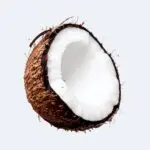
Caprylic acid is a minor fat in most foods. In our USDA ranking per serving, coconuts lead with 0.67 g in 1 oz (28 g). They are far ahead of semi-skimmed cow’s milk at 0.05 g in a cup (246 g), then buckwheat and cashews with traces.
Coconuts also lead per 100 g, at 2.35 g, and per 100 kcal. The ranking below shows the rest.
The richest everyday sources are oils, and the ranking does not include them. FAO lists dairy fat, coconut oil and palm kernel oil as the typical sources.
PubChem puts caprylic acid at about 8% of coconut oil, and a 2020 trial gives 6% to 8%. The coconut oil in a 2017 trial held 3%, so the share varies with the batch. PubChem gives cow’s milk fat an average of 0.79% of its fatty acids, in a range of 0.53% to 1.04%.
MCT oil is made by freeing caprylic and capric acid from coconut and palm kernel oil and joining them back to glycerol, according to FAO. It is a refined product and is not in our food data.
A daily 20 g of tricaprilin, as in the Alzheimer’s trial of AC-1202, carries about 18 g of caprylic acid. That is our arithmetic from the molecular weights.
At 0.67 g an ounce, that would take about 27 ounces (about 780 g) of coconut a day. At 0.05 g a cup, it would take about 370 cups of milk. Food gives milligrams to a gram or so, while the supplement trials use tens of grams.
Per serving. No daily amount is set, so bars compare each food with the top food.
Per 100 g. No daily amount is set, so bars compare each food with the top food.
Per 100 kcal: the same calories of each food, for a fair comparison. Bars compare each food with the top food.
Food labels have no Daily Value or Reference Intake for caprylic acid, so the % compares each food with the top food.
- 1.
- 2.

- 3.
- 4.
- 5.
- 6.

- 7.
- 8.

- 9.
- 10.


- 1.
- 2.

- 3.
- 4.
- 5.
- 6.
- 7.
- 8.
- 9.
- 10.


- 1.
- 2.
- 3.
- 4.
- 5.
- 6.
- 7.
- 8.
- 9.
- 10.
Sources
- FoodData Central. US Department of Agriculture, Agricultural Research Service. Values as shown in the ranking above.
- National Center for Biotechnology Information. PubChem compound summary for caprylic acid (CID 379). US National Library of Medicine. Includes entries from the Hazardous Substances Data Bank.
- FAO and WHO. Fats and fatty acids in human nutrition: report of an expert consultation. FAO Food and Nutrition Paper 91. Food and Agriculture Organization. 2010.
- Norgren J, Sindi S, Sandebring-Matton A, et al. Ketosis After Intake of Coconut Oil and Caprylic Acid-With and Without Glucose: A Cross-Over Study in Healthy Older Adults. Front Nutr. 2020.
- Vandenberghe C, St-Pierre V, Pierotti T, Fortier M, Castellano CA, Cunnane SC. Tricaprylin Alone Increases Plasma Ketone Response More Than Coconut Oil or Other Medium-Chain Triglycerides: An Acute Crossover Study in Healthy Adults. Curr Dev Nutr. 2017.
- Henderson ST, Vogel JL, Barr LJ, Garvin F, Jones JJ, Costantini LC. Study of the ketogenic agent AC-1202 in mild to moderate Alzheimer’s disease: a randomized, double-blind, placebo-controlled, multicenter trial. Nutr Metab (Lond). 2009.
How caprylic acid works
Most of what is known about how caprylic acid works comes from short human physiology studies, brain slices and animals. What it does for health is tested in the study cards above.
Five ideas cover it. It goes straight to the liver, and the liver turns it into ketones. C8 behaves differently from C10 and coconut oil, and it may act on nerve cells directly. The body also uses it to switch on ghrelin.
Here is each idea, and what has been seen in people.
It goes straight to the liver
From MCT oil to ketones, as described by FAO, a review of cell metabolism and a modeling study. Not to scale.
After a meal, gut enzymes split fats. According to FAO, the short and medium-chain fatty acids released are absorbed across the gut. They travel through the portal vein to the liver, where they are rapidly burned. Long-chain fatty acids are rebuilt into fats, packed into chylomicrons (fat-carrying particles) and sent into the blood through the lymph.
A review of cell metabolism adds that medium-chain fatty acids enter mitochondria, the energy-making parts of cells, without the carnitine carrier that long-chain fats need.
For tricaprilin, a modeling study found that the steps before absorption limit the ketone supply. These are how well the oil disperses, how fast it is split and how fast the stomach empties. The step from octanoic acid to ketones played only a minor role in the model. Several authors are employees of the maker, Cerecin, which funded the study.
The liver turns it into ketones
Mean blood beta-hydroxybutyrate (a ketone) over 4 hours after each drink, in millimoles per liter and drawn to scale. Orange is coconut oil, teal is C8 and gray is the sunflower oil control.
Ketones are a fuel the brain can use when glucose is scarce. A crossover trial tested 15 healthy adults aged 65 to 73. Over 4 hours, 20 g of C8 lifted blood beta-hydroxybutyrate to a mean of 0.45 mmol/L. That compares with 0.18 with sunflower oil and 0.22 with 30 g of coconut oil, which was not clearly different from sunflower oil.
Carbohydrate gets in the way: 50 g of glucose cut the C8 value to 0.28 mmol/L. A German crossover study in 11 young women found the same pattern with tricaprylin at 0.2 g per kg of body weight. Ketones rose at low and medium glucose doses but not at the highest dose.
In people with Alzheimer’s disease, 30 g a day for one month doubled brain ketone use without changing brain glucose use. That held for a mix of caprylic acid (55%) and capric acid (35%) in 11 people, and for tricaprylin (95%) in 6 people.
C8, C10 and coconut oil are not the same
Share of C8 in the test oils of one trial, drawn to scale. The C8 oil bar is drawn at 95% because the trial reports over 95%. Other sources put the C8 share of coconut oil at 6% to 8%.
MCT oil is not one product. In the Quebec trial the classic MCT oil was 55% C8 and 35% C10. One test oil was over 95% C8, another over 95% C10, and the coconut oil held 3% C8 and 5% C10. Over 8 hours pure C8 was the most ketogenic, and the coconut oil peak was a quarter of it.
The rest of coconut oil is mostly other fats. FAO gives lauric acid at about 45 g per 100 g of coconut oil and palm kernel oil. Capric acid has its own page, because it behaves differently in the brain.
It may also act on nerve cells directly
Ketones were the first idea for how the MCT diet calms seizures, but ketone levels track seizure control poorly. In rat brain slices, decanoic acid (C10) blocked AMPA glutamate receptors and calmed seizure-like activity, and the ketones did not. In the same group’s earlier screen, octanoic acid at the same concentration had no effect on seizure-like discharges in brain slices. Decanoic acid had a strong one.
A 1986 study of children on the MCT emulsion diet found octanoic and decanoic acid in their blood. Their levels did not track seizure control. A 2018 review concludes that medium-chain fatty acids, rather than ketones, probably block seizure onset. It says they also change cell energy through mitochondrial biogenesis (making new mitochondria).
So in epilepsy, the benefit of the MCT diet may owe more to capric acid than to caprylic acid.
The body uses it to switch on ghrelin
Ghrelin, a hormone from the stomach, raises hunger. An enzyme called ghrelin O-acyltransferase (GOAT) attaches an 8-carbon fatty acid, octanoate, to ghrelin, and ghrelin needs that attachment to be active.
8 young men were sampled in the last 24 hours of a 61.5-hour fast. Most blood fatty acids were raised, but C8 and C10 were not. No fatty acid level predicted how much ghrelin was acylated, and the authors suggest the octanoate comes from inside the gut.
That raises the question of whether eating caprylic acid changes appetite. In rats it did not: dietary C8 left the active form of ghrelin unchanged and did not change body weight or food intake. In mice, an MCT diet raised plasma ghrelin 2.5-fold, yet ghrelin no longer made the mice eat more. We found no human trial that fed caprylic acid and measured active ghrelin.
What has been seen in people
The ketone rise is the best-established piece. It shows up in every crossover study above and can be seen in the brain with scans. What ketones do for health is less clear.
In epilepsy, the MCT diet matched the classical diet in one randomized trial. For weight, the effect is small, about half a kilogram in a meta-analysis, and the EFSA panel found the link not established. For thinking, the meta-analyses lean positive, mainly in people without the APOE4 variant. Yet healthy older adults saw no change, and a review of exercise studies found very little to no benefit from MCT oil for performance.
Sources
- FAO and WHO. Fats and fatty acids in human nutrition: report of an expert consultation. FAO Food and Nutrition Paper 91. Food and Agriculture Organization. 2010.
- Schönfeld P, Wojtczak L. Short- and medium-chain fatty acids in energy metabolism: the cellular perspective. J Lipid Res. 2016.
- Li Z, Ramirez G, Tang R, et al. Modeling digestion, absorption, and ketogenesis after administration of tricaprilin formulations to humans. Eur J Pharm Biopharm. 2023.
- Norgren J, Sindi S, Sandebring-Matton A, et al. Ketosis After Intake of Coconut Oil and Caprylic Acid-With and Without Glucose: A Cross-Over Study in Healthy Older Adults. Front Nutr. 2020.
- Frenser M, Fobker M, Feuerborn RA, Marquardt T, Fischer T. Effect of glucose on medium chain triglyceride induced ketosis in healthy adults in a randomized, double-blind, controlled study. Sci Rep. 2026.
- Croteau E, Castellano CA, Richard MA, et al. Ketogenic Medium Chain Triglycerides Increase Brain Energy Metabolism in Alzheimer’s Disease. J Alzheimers Dis. 2018.
- Fortier M, Castellano CA, Croteau E, et al. A ketogenic drink improves brain energy and some measures of cognition in mild cognitive impairment. Alzheimers Dement. 2019.
- Vandenberghe C, St-Pierre V, Pierotti T, Fortier M, Castellano CA, Cunnane SC. Tricaprylin Alone Increases Plasma Ketone Response More Than Coconut Oil or Other Medium-Chain Triglycerides: An Acute Crossover Study in Healthy Adults. Curr Dev Nutr. 2017.
- Chang P, Augustin K, Boddum K, et al. Seizure control by decanoic acid through direct AMPA receptor inhibition. Brain. 2016.
- Chang P, Terbach N, Plant N, Chen PE, Walker MC, Williams RS. Seizure control by ketogenic diet-associated medium chain fatty acids. Neuropharmacology. 2013.
- Sills MA, Forsythe WI, Haidukewych D. Role of octanoic and decanoic acids in the control of seizures. Arch Dis Child. 1986.
- Augustin K, Khabbush A, Williams S, et al. Mechanisms of action for the medium-chain triglyceride ketogenic diet in neurological and metabolic disorders. Lancet Neurol. 2018.
- Nass R, Nikolayev A, Liu J, et al. The level of circulating octanoate does not predict ghrelin O-acyl transferase (GOAT)-mediated acylation of ghrelin during fasting. J Clin Endocrinol Metab. 2015.
- Lemarié F, Beauchamp E, Dayot S, Duby C, Legrand P, Rioux V. Dietary Caprylic Acid (C8:0) Does Not Increase Plasma Acylated Ghrelin but Decreases Plasma Unacylated Ghrelin in the Rat. PLoS One. 2015.
- Aotani D, Ariyasu H, Tanaka T, et al. Dietary medium chain triglycerides impairs orexigenic action of ghrelin in mice. Front Endocrinol (Lausanne). 2025.
- Chapman-Lopez TJ, Koh Y. The Effects of Medium-Chain Triglyceride Oil Supplementation on Endurance Performance and Substrate Utilization in Healthy Populations: A Systematic Review. J Obes Metab Syndr. 2022.
- EFSA Panel on Dietetic Products, Nutrition and Allergies. Scientific opinion on the substantiation of health claims related to medium-chain triglycerides and reduction in body weight. EFSA Journal. 2011. Article 2240.
How much caprylic acid do you need?
No official body sets a daily amount of caprylic acid. The FDA has set no Daily Value for it, and the EU no Reference Intake.
The 2010 FAO and WHO report on fats names dairy fat, coconut oil and palm kernel oil as typical sources. It gives no intake value. PubChem lists it as a metabolite that the human body also makes, and we found no deficiency disease for it.
What trials have used is a different question. The MCT doses in the cards ranged from 17.3 g to 30 g a day, for weeks to months. The weight-loss trial used 18 to 24 g a day of MCT oil, and runners took 60 g a day.
The Alzheimer’s trial of tricaprilin used 20 g a day. The single-dose tremor trial used 4 mg/kg of octanoic acid, about 280 mg for a 70 kg adult (our arithmetic).
A 2021 review of the ketone response suggests starting with 5 g of C8 and building up to 15 to 20 g. Ideally, it says, take it after an overnight fast or with a low-carbohydrate meal. That is one team’s advice from the trials, not an official limit. A 2022 review of exercise studies calls 30 g the safe maximal dose for limiting side effects during exercise.
Sources
- US Food and Drug Administration. Daily Value on the Nutrition and Supplement Facts Labels. FDA. Accessed October 2026.
- FAO and WHO. Fats and fatty acids in human nutrition: report of an expert consultation. FAO Food and Nutrition Paper 91. Food and Agriculture Organization. 2010.
- National Center for Biotechnology Information. PubChem compound summary for caprylic acid (CID 379). US National Library of Medicine. Includes entries from the Hazardous Substances Data Bank.
- Henderson ST, Vogel JL, Barr LJ, Garvin F, Jones JJ, Costantini LC. Study of the ketogenic agent AC-1202 in mild to moderate Alzheimer’s disease: a randomized, double-blind, placebo-controlled, multicenter trial. Nutr Metab (Lond). 2009.
- Fortier M, Castellano CA, Croteau E, et al. A ketogenic drink improves brain energy and some measures of cognition in mild cognitive impairment. Alzheimers Dement. 2019.
- O’Neill BV, Dodds CM, Miller SR, et al. The effects of GSK2981710, a medium-chain triglyceride, on cognitive function in healthy older participants: A randomised, placebo-controlled study. Hum Psychopharmacol. 2019.
- Xu Q, Zhang Y, Zhang X, et al. Medium-chain triglycerides improved cognition and lipid metabolomics in mild to moderate Alzheimer’s disease patients with APOE4(-/-): A double-blind, randomized, placebo-controlled crossover trial. Clin Nutr. 2020.
- St-Onge MP, Bosarge A. Weight-loss diet that includes consumption of medium-chain triacylglycerol oil leads to a greater rate of weight and fat mass loss than does olive oil. Am J Clin Nutr. 2008.
- Misell LM, Lagomarcino ND, Schuster V, Kern M. Chronic medium-chain triacylglycerol consumption and endurance performance in trained runners. J Sports Med Phys Fitness. 2001.
- Haubenberger D, McCrossin G, Lungu C, et al. Octanoic acid in alcohol-responsive essential tremor: a randomized controlled study. Neurology. 2013.
- Lin TY, Liu HW, Hung TM. The Ketogenic Effect of Medium-Chain Triacylglycerides. Front Nutr. 2021.
- Chapman-Lopez TJ, Koh Y. The Effects of Medium-Chain Triglyceride Oil Supplementation on Endurance Performance and Substrate Utilization in Healthy Populations: A Systematic Review. J Obes Metab Syndr. 2022.
Forms of caprylic acid: absorption and effects
Caprylic acid reaches people in several forms. It is a small part of the fat in coconut oil, palm kernel oil and milk fat. It is in classic MCT oil (a mix of C8 and C10) and in C8 oil (tricaprylin, called tricaprilin as a drug). It also comes in emulsions, drinks and jellies, and tremor trials used the free acid.
The honest bottom line is that two trials compared C8 with coconut oil, and both found C8 raised ketones more. One found MCT oil more filling than coconut oil. We found no trial that compared a pure C8 oil with a C8 and C10 mix on a health outcome. So the claim that pure C8 is better for the brain or for weight has no trial behind it.
Two other popular claims need care. Coconut oil is not MCT oil, as the table and the cards below show. And MCT oil does not simply melt fat. In a trial of 24 overweight men, energy use was higher on day 2, but the difference was not clear by day 28.
The weight effects in meta-analyses are also small. No brands or product recommendations are made here.
| Form | What it is | What studies show | Source |
|---|---|---|---|
| Coconut oil | The whole oil: high in lauric acid (about 45 g per 100 g) with a small share of caprylic acid (3% to 8%, depending on the source) | Its ketone rise was not different from sunflower oil in 15 older adults. It was less filling than MCT oil in a crossover study. In a meta-analysis of 16 trials it raised LDL cholesterol by 10.47 mg/dL compared with nontropical vegetable oils. | 1, 2, 4, 5, 6 |
| Classic MCT oil (C8 and C10) | Medium-chain triglycerides made from caprylic and capric acid; 55% C8 and 35% C10 in one trial | The form in most trials of weight, appetite and thinking. A meta-analysis of 13 trials found 0.51 kg less body weight than with long-chain fats. A mix of 55% caprylic and 35% capric acid at 30 g a day doubled brain ketone use in 11 people with Alzheimer’s disease. In 7 trials MCT oil left LDL cholesterol unchanged and raised triglycerides by 0.14 mmol/L. In 24 overweight men, energy expenditure was higher on day 2 but not significantly by day 28. | 1, 3, 7, 8, 9, 10 |
| C8 oil (tricaprylin or tricaprilin) | The triglyceride of caprylic acid, over 95% C8; sold as MCT oil or developed as the drug tricaprilin | The most ketogenic oil in an 8-hour crossover study, and 20 g lifted blood ketones to 0.45 mmol/L in older adults. Carbohydrate blunted the ketone rise in 11 young women. The product AC-1202 was tested in 152 people with Alzheimer’s disease, and tricaprilin in 8 infants with epileptic spasms. A model says the dispersion of the oil and stomach emptying limit its ketone supply. | 3, 4, 11, 12, 13, 14 |
| C10 oil (tricaprin) | The triglyceride of capric (decanoic) acid, over 95% C10 | It was less ketogenic than C8 in the crossover study, where C8 was the most ketogenic oil. In the lab, decanoic acid rather than octanoic acid blocked AMPA receptors and calmed seizure-like activity in brain slices. | 3, 15, 16 |
| Free octanoic acid | The liquid acid, which PubChem lists as corrosive to metals and tissue | Taken by mouth only in tremor trials. A single 4 mg/kg dose did not beat placebo at the main time point in 19 people. A dose-escalation study with doses of 8 to 128 mg/kg reached no dose-limiting toxicity, with mild abdominal discomfort the most frequent side effect. In 16 people with voice tremor, 3 weeks of dosing lowered the magnitude of tremor against placebo. | 2, 17, 18, 19 |
| Emulsions, drinks and jellies | MCT mixed with water, milk or a gelling agent | The MCT emulsion diet was used in children with epilepsy, and giving food with the MCT reduced side effects. MCT jelly was tested for 30 days in Alzheimer’s disease. A review says emulsifying MCT might raise ketones and ease side effects. In 29 people, an MCT breakfast in liquid form lowered whole-day intake compared with a liquid long-chain fat and emptied from the stomach most slowly. | 20, 21, 22, 23 |
| MCT in infant formula | Preterm formula with 30% or more of its fat as MCT | In 10 trials, high-MCT and low-MCT formulas gave similar short-term growth, with low to very low certainty. One study reported more stomach and bowel intolerance with high-MCT formula. | 24 |
Here are the form-specific and head-to-head studies, strongest evidence first, 4 in all.
All 4 studies, strongest evidence first
Coconut oil raised LDL by 10.47 mg/dL against nontropical vegetable oils
This review pooled 16 trials of at least 2 weeks that compared coconut oil with other fats. Coconut oil also raised HDL cholesterol by 4.00 mg/dL, and the LDL result was uncertain, with results varying a lot between trials. Markers of blood sugar, inflammation and body fat did not change. This is about the whole oil, which is high in lauric acid and holds little caprylic acid, so it says little about MCT oil.
Pure C8 oil raised ketones most of all test oils
9 adults took each oil in turn as two 20 mL doses in skim milk, including coconut oil mixes. Coconut oil held 3% C8 and 5% C10, MCT oil 55% C8 and 35% C10, pure oils over 95%. Over the day C8 raised ketones 295 µmol/L above control, with areas under the curve 813% and 870% higher. Coconut oil peaked at 25% of the C8 peak, and C8 raised the acetoacetate-to-beta-hydroxybutyrate ratio half as much as coconut oil.
C8 lifted ketones to 0.45 mmol/L, sunflower oil to 0.18
After a 12-hour fast, 15 healthy adults aged 65 to 73 tried six oil combinations on separate weeks. These were sunflower oil (30 g), C8 (20 g) with sunflower oil (10 g), coconut oil (30 g), and C8 with coconut oil. Adding 50 g of glucose cut mean 4-hour ketones to 0.28 mmol/L with C8 and 0.08 with coconut oil. Coconut oil (30 g) did not differ from sunflower oil, coffee and cream came with every drink, and blood glucose stayed stable.
MCT oil cut intake at the next meal; coconut oil did not
After an overnight fast, people drank a breakfast smoothie with 205 kcal of MCT oil, coconut oil or vegetable oil (control) on three test days. At an unlimited sandwich lunch 180 minutes later, they ate less after MCT oil than after coconut oil or the control. MCT oil also raised fullness over the 3 hours, and coconut oil was rated less palatable. The authors conclude that coconut oil cannot be promoted as having MCT-like effects on food intake and fullness.
Sources
- FAO and WHO. Fats and fatty acids in human nutrition: report of an expert consultation. FAO Food and Nutrition Paper 91. Food and Agriculture Organization. 2010.
- National Center for Biotechnology Information. PubChem compound summary for caprylic acid (CID 379). US National Library of Medicine. Includes entries from the Hazardous Substances Data Bank.
- Vandenberghe C, St-Pierre V, Pierotti T, Fortier M, Castellano CA, Cunnane SC. Tricaprylin Alone Increases Plasma Ketone Response More Than Coconut Oil or Other Medium-Chain Triglycerides: An Acute Crossover Study in Healthy Adults. Curr Dev Nutr. 2017.
- Norgren J, Sindi S, Sandebring-Matton A, et al. Ketosis After Intake of Coconut Oil and Caprylic Acid-With and Without Glucose: A Cross-Over Study in Healthy Older Adults. Front Nutr. 2020.
- Kinsella R, Maher T, Clegg ME. Coconut oil has less satiating properties than medium chain triglyceride oil. Physiol Behav. 2017.
- Neelakantan N, Seah JYH, van Dam RM. The Effect of Coconut Oil Consumption on Cardiovascular Risk Factors: A Systematic Review and Meta-Analysis of Clinical Trials. Circulation. 2020.
- Mumme K, Stonehouse W. Effects of medium-chain triglycerides on weight loss and body composition: a meta-analysis of randomized controlled trials. J Acad Nutr Diet. 2015.
- Croteau E, Castellano CA, Richard MA, et al. Ketogenic Medium Chain Triglycerides Increase Brain Energy Metabolism in Alzheimer’s Disease. J Alzheimers Dis. 2018.
- McKenzie KM, Lee CM, Mijatovic J, Haghighi MM, Skilton MR. Medium-Chain Triglyceride Oil and Blood Lipids: A Systematic Review and Meta-Analysis of Randomized Trials. J Nutr. 2021.
- St-Onge MP, Ross R, Parsons WD, Jones PJ. Medium-chain triglycerides increase energy expenditure and decrease adiposity in overweight men. Obes Res. 2003.
- Frenser M, Fobker M, Feuerborn RA, Marquardt T, Fischer T. Effect of glucose on medium chain triglyceride induced ketosis in healthy adults in a randomized, double-blind, controlled study. Sci Rep. 2026.
- Henderson ST, Vogel JL, Barr LJ, Garvin F, Jones JJ, Costantini LC. Study of the ketogenic agent AC-1202 in mild to moderate Alzheimer’s disease: a randomized, double-blind, placebo-controlled, multicenter trial. Nutr Metab (Lond). 2009.
- Cantillon M, Chen S, McIntyre N, et al. Ketogenic drug tricaprilin (CER-0001) for the treatment of refractory infantile epileptic spasms: a phase 1/2a study. Front Pediatr. 2025.
- Li Z, Ramirez G, Tang R, et al. Modeling digestion, absorption, and ketogenesis after administration of tricaprilin formulations to humans. Eur J Pharm Biopharm. 2023.
- Chang P, Augustin K, Boddum K, et al. Seizure control by decanoic acid through direct AMPA receptor inhibition. Brain. 2016.
- Chang P, Terbach N, Plant N, Chen PE, Walker MC, Williams RS. Seizure control by ketogenic diet-associated medium chain fatty acids. Neuropharmacology. 2013.
- Haubenberger D, McCrossin G, Lungu C, et al. Octanoic acid in alcohol-responsive essential tremor: a randomized controlled study. Neurology. 2013.
- Voller B, Lines E, McCrossin G, et al. Dose-escalation study of octanoic acid in patients with essential tremor. J Clin Invest. 2016.
- Lowell SY, Kelley RT, Monahan M, Hosbach-Cannon CJ, Colton RH, Mihaila D. The Effect of Octanoic Acid on Essential Voice Tremor: A Double-Blind, Placebo-Controlled Study. Laryngoscope. 2019.
- Sills MA, Forsythe WI, Haidukewych D, MacDonald A, Robinson M. The medium chain triglyceride diet and intractable epilepsy. Arch Dis Child. 1986.
- Xu Q, Zhang Y, Zhang X, et al. Medium-chain triglycerides improved cognition and lipid metabolomics in mild to moderate Alzheimer’s disease patients with APOE4(-/-): A double-blind, randomized, placebo-controlled crossover trial. Clin Nutr. 2020.
- Lin TY, Liu HW, Hung TM. The Ketogenic Effect of Medium-Chain Triacylglycerides. Front Nutr. 2021.
- Maher T, Sampson A, Goslawska M, Pangua-Irigaray C, Shafat A, Clegg ME. Food Intake and Satiety Response after Medium-Chain Triglycerides Ingested as Solid or Liquid. Nutrients. 2019.
- Perretta L, Ouldibbat L, Hagadorn JI, Brumberg HL. High versus low medium chain triglyceride content of formula for promoting short-term growth of preterm infants. Cochrane Database Syst Rev. 2021.
Is caprylic acid safe? Supplements, dose and interactions
Caprylic acid at food amounts is not described as a safety concern in any source we found. The FDA lists it as a flavoring agent and adjuvant, limited to good manufacturing practice levels (21 CFR 184.1025). PubChem reports that JECFA, the FAO and WHO food additives committee, saw no safety concern at current intake as a flavoring.
We found no upper limit and no recommended intake for caprylic acid or MCT oil from the FDA, the EU or FAO and WHO. MCT oil and tricaprilin are another matter. The trials used tens of grams a day, for 14 days up to 6 months, so long-term safety at those doses is untested.
- Stomach and bowel upset is the main problem. In healthy older adults on 30 g a day of MCT, 75% in the main part had diarrhea and 11% withdrew because of side effects. In infants on tricaprilin, 75% had gut side effects and 50% vomited, while food eased side effects in children on the MCT diet. A 2021 review suggests starting with 5 g and building up, and says emulsifying the oil might ease side effects.
- Blood fats. A meta-analysis of 7 trials found that MCT oil did not change LDL cholesterol but raised triglycerides by 0.14 mmol/L. In 31 overweight adults who finished a 16-week plan, MCT oil did not worsen blood sugar, cholesterol or blood pressure compared with olive oil. Coconut oil is different: it raised LDL cholesterol by 10.47 mg/dL in a meta-analysis of 16 trials.
- Who should ask a doctor. A 1982 review lists ketosis, acidosis and cirrhosis as reasons not to use MCT, which raises ketones on purpose. People with liver disease, and anyone pregnant, breastfeeding or on medicines, should ask a doctor first. We found no trial in pregnancy or breastfeeding, and no human study of drug interactions.
- The pure acid. The liquid acid is corrosive to metals and tissue, according to PubChem, and it is not the form sold as MCT oil. In a tremor dose-escalation study, oral octanoic acid reached no dose-limiting toxicity up to 128 mg/kg in single doses. Mild belly discomfort was the most frequent side effect.
- Candida and other medical claims. Yeast claims rest on lab work: in dishes, octanoic acid blocked Candida albicans biofilm, and caprylic and capric acid blocked hyphae and biofilm (2017). An older study found capric acid killed the yeast fastest, but we found no human trial. In 2013 the FDA told the maker of Axona, a tricaprilin product, it was an unapproved new drug, not a medical food (RAPS). A phase 3 tricaprilin trial is registered, but its June 2026 record shows it had not started recruiting.
How to use caprylic acid wisely
- Count on food for small amounts only. An ounce of coconut gives 0.67 g and a cup of semi-skimmed milk 0.05 g in our USDA ranking. The supplement trials used 17.3 to 30 g a day of MCT. Food will not give you trial doses.
- If you try MCT oil, start low and take it with food. A 2021 review suggests 5 g to start, and children on the MCT diet had fewer side effects when they took it with food. Expect a modest result: about 0.51 kg of weight in a meta-analysis and no gain in endurance in 12 runners.
- Do not swap coconut oil for MCT oil. In 15 older adults, coconut oil did not raise ketones above sunflower oil. It was less filling than MCT oil in a crossover study. In a meta-analysis of 16 trials, it raised LDL cholesterol by 10.47 mg/dL.
Sources
- US Food and Drug Administration. 21 CFR 184.1025: Caprylic acid. Code of Federal Regulations. Accessed October 2026.
- National Center for Biotechnology Information. PubChem compound summary for caprylic acid (CID 379). US National Library of Medicine. Includes entries from the Hazardous Substances Data Bank.
- O’Neill BV, Dodds CM, Miller SR, et al. The effects of GSK2981710, a medium-chain triglyceride, on cognitive function in healthy older participants: A randomised, placebo-controlled study. Hum Psychopharmacol. 2019.
- Cantillon M, Chen S, McIntyre N, et al. Ketogenic drug tricaprilin (CER-0001) for the treatment of refractory infantile epileptic spasms: a phase 1/2a study. Front Pediatr. 2025.
- Sills MA, Forsythe WI, Haidukewych D, MacDonald A, Robinson M. The medium chain triglyceride diet and intractable epilepsy. Arch Dis Child. 1986.
- Lin TY, Liu HW, Hung TM. The Ketogenic Effect of Medium-Chain Triacylglycerides. Front Nutr. 2021.
- McKenzie KM, Lee CM, Mijatovic J, Haghighi MM, Skilton MR. Medium-Chain Triglyceride Oil and Blood Lipids: A Systematic Review and Meta-Analysis of Randomized Trials. J Nutr. 2021.
- St-Onge MP, Bosarge A, Goree LL, Darnell B. Medium chain triglyceride oil consumption as part of a weight loss diet does not lead to an adverse metabolic profile when compared to olive oil. J Am Coll Nutr. 2008.
- Neelakantan N, Seah JYH, van Dam RM. The Effect of Coconut Oil Consumption on Cardiovascular Risk Factors: A Systematic Review and Meta-Analysis of Clinical Trials. Circulation. 2020.
- Bach AC, Babayan VK. Medium-chain triglycerides: an update. Am J Clin Nutr. 1982.
- Voller B, Lines E, McCrossin G, et al. Dose-escalation study of octanoic acid in patients with essential tremor. J Clin Invest. 2016.
- Lee JH, Kim YG, Khadke SK, Lee J. Antibiofilm and antifungal activities of medium-chain fatty acids against Candida albicans via mimicking of the quorum-sensing molecule farnesol. Microb Biotechnol. 2021.
- Jadhav A, Mortale S, Halbandge S, et al. The Dietary Food Components Capric Acid and Caprylic Acid Inhibit Virulence Factors in Candida albicans Through Multitargeting. J Med Food. 2017.
- Bergsson G, Arnfinnsson J, Steingrímsson O, Thormar H. In vitro killing of Candida albicans by fatty acids and monoglycerides. Antimicrob Agents Chemother. 2001.
- Regulatory Affairs Professionals Society. Medical foods can’t treat Alzheimer’s disease: FDA. RAPS. 14 January 2014.
- ClinicalTrials.gov. Tricaprilin Phase 3 ALTER-AD (Alternative-Alzheimer Disease) Study (NCT05809908). US National Library of Medicine. Record verified June 2026.
- FoodData Central. US Department of Agriculture, Agricultural Research Service. Values as shown in the ranking above.
- Norgren J, Sindi S, Sandebring-Matton A, et al. Ketosis After Intake of Coconut Oil and Caprylic Acid-With and Without Glucose: A Cross-Over Study in Healthy Older Adults. Front Nutr. 2020.
- Kinsella R, Maher T, Clegg ME. Coconut oil has less satiating properties than medium chain triglyceride oil. Physiol Behav. 2017.
- Mumme K, Stonehouse W. Effects of medium-chain triglycerides on weight loss and body composition: a meta-analysis of randomized controlled trials. J Acad Nutr Diet. 2015.
- Misell LM, Lagomarcino ND, Schuster V, Kern M. Chronic medium-chain triacylglycerol consumption and endurance performance in trained runners. J Sports Med Phys Fitness. 2001.
- St-Onge MP, Bosarge A. Weight-loss diet that includes consumption of medium-chain triacylglycerol oil leads to a greater rate of weight and fat mass loss than does olive oil. Am J Clin Nutr. 2008.
History of caprylic acid
The name caprylic comes from the Latin word for goat, like caproic acid (6:0) and capric acid (10:0). PubChem lists two ways of making it commercially, both from coconut oil. They are saponification and distillation, or fermentation and fractional distillation of the oil’s volatile fatty acids.
The medical story starts with epilepsy. Fasting has been used for epilepsy since at least 500 BC, and doctors introduced the ketogenic diet in the 1920s to mimic it. In 1921 Wilder published two articles on ketonemia and epilepsy. Nine papers on the diet followed in the 1920s, covering more than 400 patients.
Antiseizure drugs then pushed the diet aside. In 1971 Huttenlocher and colleagues published medium-chain triglycerides as a therapy for intractable childhood epilepsy. In 1986 Sills and colleagues reported 50 children on the MCT emulsion diet, 8 of them seizure free. The first randomized trial of the classical and MCT versions came in 2009.
The brain-fuel idea reached Alzheimer’s disease in 2004. Reger and colleagues gave 20 people with Alzheimer’s or mild cognitive impairment an MCT drink and saw ketones rise. People without the APOE4 variant also did better on the ADAS-Cog test. In 2009 Henderson reported the 90-day trial of AC-1202, a tricaprylin product that its maker, Accera, planned to sell as Axona.
The FDA objected to its medical food status in 2013. A phase 3 trial of tricaprilin, called ALTER-AD, is registered with 535 planned participants. Its June 2026 record showed it was not yet recruiting.
Octanoic acid had a different path into medicine. The tremor trials began because 1-octanol, an 8-carbon alcohol, had shown benefit in essential tremor, and octanoic acid is its main breakdown product. A placebo-controlled trial of octanoic acid in essential tremor was published in 2013. In 2013 and 2016, UK lab work pointed to decanoic acid, rather than octanoic acid, as the seizure-calming fat of the MCT diet.
Sources
- Wikipedia contributors. Caprylic acid. Wikimedia Foundation. Accessed October 2026.
- National Center for Biotechnology Information. PubChem compound summary for caprylic acid (CID 379). US National Library of Medicine. Includes entries from the Hazardous Substances Data Bank.
- Wheless JW. History of the ketogenic diet. Epilepsia. 2008.
- Höhn S, Dozières-Puyravel B, Auvin S. History of dietary treatment from Wilder’s hypothesis to the first open studies in the 1920s. Epilepsy Behav. 2019.
- Huttenlocher PR, Wilbourn AJ, Signore JM. Medium-chain triglycerides as a therapy for intractable childhood epilepsy. Neurology. 1971.
- Sills MA, Forsythe WI, Haidukewych D, MacDonald A, Robinson M. The medium chain triglyceride diet and intractable epilepsy. Arch Dis Child. 1986.
- Neal EG, Chaffe H, Schwartz RH, et al. A randomized trial of classical and medium-chain triglyceride ketogenic diets in the treatment of childhood epilepsy. Epilepsia. 2009.
- Reger MA, Henderson ST, Hale C, et al. Effects of beta-hydroxybutyrate on cognition in memory-impaired adults. Neurobiol Aging. 2004.
- Henderson ST, Vogel JL, Barr LJ, Garvin F, Jones JJ, Costantini LC. Study of the ketogenic agent AC-1202 in mild to moderate Alzheimer’s disease: a randomized, double-blind, placebo-controlled, multicenter trial. Nutr Metab (Lond). 2009.
- Regulatory Affairs Professionals Society. Medical foods can’t treat Alzheimer’s disease: FDA. RAPS. 14 January 2014.
- ClinicalTrials.gov. Tricaprilin Phase 3 ALTER-AD (Alternative-Alzheimer Disease) Study (NCT05809908). US National Library of Medicine. Record verified June 2026.
- Voller B, Lines E, McCrossin G, et al. Dose-escalation study of octanoic acid in patients with essential tremor. J Clin Invest. 2016.
- Haubenberger D, McCrossin G, Lungu C, et al. Octanoic acid in alcohol-responsive essential tremor: a randomized controlled study. Neurology. 2013.
- Chang P, Terbach N, Plant N, Chen PE, Walker MC, Williams RS. Seizure control by ketogenic diet-associated medium chain fatty acids. Neuropharmacology. 2013.
- Chang P, Augustin K, Boddum K, et al. Seizure control by decanoic acid through direct AMPA receptor inhibition. Brain. 2016.
Frequently asked questions about caprylic acid
What is caprylic acid, and is it the same as MCT oil?
Caprylic acid is the 8-carbon fatty acid, called C8. MCT oil is a manufactured fat in which medium-chain fatty acids sit on glycerol, usually caprylic and capric acid. In one trial the classic MCT oil held 55% C8 and 35% C10, and the C8 oil over 95% C8. So caprylic acid is a main part of many MCT oils, and some products are almost pure C8.
Does caprylic acid kill Candida?
In dishes, to a degree; in people, we found no evidence. Octanoic acid cut Candida albicans biofilm formation by more than 75% at 2 µg/mL in a lab study. An older dish study found capric acid killed the yeast fastest.
We found no trial of caprylic acid by mouth for a yeast infection. A persistent infection needs a doctor’s diagnosis.
Is C8 better than coconut oil?
For raising ketones, yes in the two trials that compared them. In 9 healthy adults, the coconut oil ketone peak was a quarter of the C8 peak. In 15 older adults, 20 g of C8 lifted ketones to 0.45 mmol/L. Coconut oil (30 g) did not differ from sunflower oil.
The whole coconut oil raised LDL cholesterol by 10.47 mg/dL in a meta-analysis, while MCT oil left it unchanged.
Does MCT oil help you lose weight?
Only a little. A meta-analysis of 13 trials found 0.51 kg less body weight than with long-chain fats. In one 16-week plan, MCT oil gave a 1.67 kg lower weight than olive oil.
MCT lowered later food intake in lab meals but not hunger ratings. An EFSA panel concluded in 2011 that a cause and effect link between MCTs and weight loss was not established.
Does MCT oil help Alzheimer’s disease?
Possibly a little, mainly in people without the APOE4 variant. A meta-analysis of 9 publications found better general cognition. A 6-month trial in 52 people with mild cognitive impairment raised brain ketone use by 230%.
In healthy older adults, 30 g a day for 14 days raised ketones but did not change thinking. Tricaprilin is not an approved drug.
How much caprylic acid or MCT oil should I take?
No official dose exists. The trials used 17.3 to 30 g a day of MCT, and 18 to 24 g a day of MCT oil in the weight-loss trial. A 2021 review suggests starting with 5 g of C8 and building up to 15 to 20 g. Food gives far less: 0.67 g in an ounce of coconut.
What are the side effects of MCT oil?
Stomach and bowel upset is the main one. In healthy older adults on 30 g a day, 75% had diarrhea in the main part of the trial and 11% withdrew. MCT oil also raised triglycerides by 0.14 mmol/L in a meta-analysis of 7 trials. Taking it with food and building up slowly helps, and people with liver disease should ask a doctor first.
Does the MCT diet help epilepsy?
It helps some children, with low certainty. A Cochrane review of ketogenic diets, including the MCT diet, found children were about 3 times as likely to be seizure free (risk ratio 3.16). It rated the evidence low to very low.
In a trial of 145 children the MCT and classical diets worked about equally. It is a medical treatment for drug-resistant epilepsy, not a supplement to start on your own.