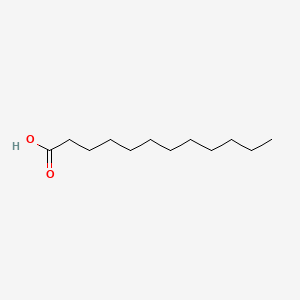
Lauric acid (dodecanoic acid, 12:0, C12H24O2) is a saturated fat with twelve carbons, named after laurel oil. PubChem, a US chemical database, lists its odor as like oil of bay. It makes up about 45 g of every 100 g of coconut oil and of palm kernel oil. That figure comes from FAO and WHO, the UN food and health agencies.
That is why it sits at the center of the coconut oil debate. It is one of the saturated fats, next to myristic acid and palmitic acid. The body does not need it from food: FAO and WHO list only linoleic acid and alpha-linolenic acid as essential fatty acids.
On paper lauric acid is a medium-chain fat, because FAO and WHO define medium-chain as 8 to 13 carbons. In the blood it acts more like its longer neighbors. In a WHO review of controlled diet trials, it raised LDL cholesterol, the kind linked to artery disease, and also HDL, the “good” kind. Because HDL rose as well, the ratio of total to HDL cholesterol fell, and that is where the debate starts.
One thing most readers do not know: coconut oil is not MCT oil. In a 2017 trial, the coconut oil held 3% caprylic and 5% capric acid, the two fats that make up 90% of classical MCT oil. It raised ketones (fuels the liver makes from fat) only about a quarter as much as a caprylic acid oil.
For MCT oil and caprylic acid, see that page. This page weighs the evidence on lauric acid, coconut oil, palm kernel oil and monolaurin.
Health benefits of lauric acid
The top findings from 26 studies, strongest evidence first
What the stars mean
- Strong. Several randomized trials, pooled in a meta-analysis, point the same way, or regulators (FDA or EFSA) have approved the claim.
- Moderate. Good randomized trials support it, but there are fewer of them, or their results vary.
- Limited. Small, short or single trials, or mixed results. Promising, but it needs confirmation.
Population and lab studies get no stars: they show a link or a mechanism, not proof.
How we rate evidence →- ★★★Raised both “bad” LDL and “good” HDL cholesterolLauric-rich oils raised total cholesterol, much of it HDL, so the ratio of total to HDL fell; its effect on heart disease risk is uncertain. Coconut oil raised LDL by 10.47 and HDL by 4.00 mg/dL over non-tropical oils.
- ★★Fewer cardiovascular events with less saturated fatCutting saturated fat for at least 2 years meant 17% fewer cardiovascular events (pooled from 12 trials), while deaths from any cause changed little. This Cochrane review of 15 trials in 56,675 people tested saturated fat as a whole, not lauric acid.
- ★★Coconut oil on the skin eased children’s eczemaIn 117 children with mild to moderate eczema, coconut oil rubbed on the skin (not eaten) cut severity by 68.23% in 8 weeks. Mineral oil cut it by 38.13%.
- ★★Mixed results for coconut oil against olive oilIn a 4-week trial, coconut oil left LDL no different from olive oil and 0.42 mmol/L below butter. In a 12-week trial, LDL was clearly lower on olive oil than on coconut oil.
- ★★No better thinking in Alzheimer’s diseaseIn 120 older adults with mild to moderate Alzheimer’s, 30 mL a day of virgin coconut oil for 24 weeks did not improve thinking scores. The comparison group took canola oil.
All 24 studies, strongest evidence first
Lauric acid sharply raised total cholesterol, but much was HDL
This meta-analysis pooled 60 selected trials of how the amount and type of dietary fat change blood fats. Lauric-rich oils lowered the ratio of total to HDL cholesterol. Myristic and palmitic acid had little effect on the ratio, and stearic acid lowered it slightly. The authors stress that a blood marker is not a disease outcome: the effect of lauric acid-rich fats on heart disease risk remains uncertain.
Coconut oil raised LDL 10.47 and HDL 4.00 over non-tropical oils
This review pooled 16 trials of at least 2 weeks comparing coconut oil with other fats; figures are in mg/dL. The headline gaps are against non-tropical vegetable oils, and they held after dropping non-randomized and poor-quality trials. LDL results varied widely between trials, and the ranges of likely values were wide. Coconut oil did not clearly change markers of blood sugar, inflammation or body fat.
Virgin coconut oil cut triglycerides 12.12 and raised HDL 7.91 mg/dL
This 2025 meta-analysis pooled 14 randomized trials in 1,049 adults, lasting 2 to 24 weeks. Other blood fat markers did not clearly change, and neither did blood sugar, body measures, blood pressure or C-reactive protein (an inflammation marker). Total cholesterol rose in people under 50.
Coconut oil left LDL no different from olive oil, below butter
Healthy adults aged 50 to 75 in Cambridgeshire, UK, were recruited through BBC websites; 96 were randomized and 91 came back. For 4 weeks they ate 50 g a day of extra virgin coconut oil, olive oil or butter. LDL on coconut oil was 0.42 mmol/L below butter, and HDL was higher than on butter (+0.18 mmol/L) or olive oil (+0.16). Weight, waist and blood pressure did not differ, and the authors say the findings do not change advice to cut saturated fat.
Coconut, red palm and olive oils gave the same C-reactive protein
For 12 weeks, 156 adults aged 25 to 45 with a large waist ate diets of about 2,400 kcal with equal calories. Each diet was enriched with red palm olein, extra virgin coconut oil or extra virgin olive oil. LDL cholesterol was clearly lower on olive oil than on the other two oils. The authors conclude the three oils had statistically similar heart and metabolic effects overall.
Lauric acid raised total cholesterol 0.48 mmol/L above oleic acid
18 healthy women and 14 healthy men ate three diets for 6 weeks each, in random order, with 40% of energy as fat. The lauric fat was 75% palm kernel oil and 25% high-oleic sunflower oil, and lauric acid gave about 8.5% of energy. Against the oleic diet HDL rose 0.14 mmol/L, and against the palmitic acid diet total cholesterol rose 0.22 and HDL 0.12. Triglycerides and lipoprotein(a) did not change.
A coconut oil diet did not change homocysteine or six inflammation markers
45 healthy adults in Malaysia ate high-protein diets with coconut oil, palm olein or olive oil, for 5 weeks each in three sequences. The test fat made up two-thirds of the 30% of calories from fat; coconut oil was the fat rich in lauric and myristic acid. All fasting blood fat measures were clearly lower on the olive oil diet than on the coconut oil diet. The coconut oil diet lowered lipoprotein(a) after meals.
Cutting saturated fat for at least 2 years cut cardiovascular events 17%
This Cochrane review of 15 randomized trials in 56,675 people tested saturated fat as a whole, not lauric acid. Combined cardiovascular events were 0.83 times as likely in 12 trials, with moderate-quality evidence. Deaths from any cause changed little (0.96 times, in 11 trials), and a WHO grant funded the update.
Virgin coconut oil did not improve cognition in Alzheimer’s disease
120 people over 65 with mild-to-moderate Alzheimer’s in Sri Lanka took 30 mL a day of virgin coconut oil or canola oil for 24 weeks. Thinking scores (MMSE 15 to 25 at the start), blood fats and HbA1c did not differ between the groups. In a subgroup, APOE ε4 carriers on coconut oil gained 2.37 MMSE points more than non-carriers. 30% of people dropped out.
Coconut oil on the skin cut eczema severity 68.23%, mineral oil 38.13%
117 children with mild to moderate eczema (atopic dermatitis) had virgin coconut oil or mineral oil rubbed on the skin, not eaten, for 8 weeks. 59 children on coconut oil and 58 on mineral oil were analyzed, and severity was scored with SCORAD. Skin water loss fell from 26.68 to 7.09 with coconut oil and from 24.12 to 13.55 with mineral oil.
A 5% monolaurin vaginal gel cured 17%, no better than placebo (25%)
109 women with bacterial vaginosis used the monolaurin gel (73) or a placebo gel (36) in the vagina, twice a day for 3 days. Lactobacilli (helpful vaginal bacteria) rose in the monolaurin group. About two thirds of both groups had mild to moderate local side effects, with no difference between them.
High-lauric oil: LDL 3.70 mmol/L, against 3.31 on oleic oil
14 men ate liquid-formula diets with a high-lauric oil, high-oleic sunflower oil or palm oil, 3 weeks each in random order. The lauric oil was synthetic, not coconut oil, and palm oil supplied palmitic acid. Total cholesterol was 4.94, 4.44 and 5.17 mmol/L on the lauric, oleic and palm oil diets. Triglycerides and HDL cholesterol did not differ, and LDL on palm oil was 3.93, above lauric oil.
Lauric (coconut) and palmitic (palm) diets gave the same blood fats
15 young women ate each diet for 4 weeks after a 2-week baseline diet, in random order. In each diet, 4% of energy from monounsaturated fat was replaced by lauric or palmitic acid. Blood lipids, apolipoproteins A-I and B and lipoprotein(a) did not differ between the two diets, nor did glucose and insulin. VLDL cholesterol was higher at the end of the lauric period than at its baseline (0.51 against 0.38 mmol/L).
Lauric-myristic fat gave the same LDL as two other saturated diets
18 men aged 21 to 32 ate three diets for 28 days each. Each test pair of saturated fats gave 4 to 6% of energy. The pairs were 12:0 + 14:0, 14:0 + 16:0 and 16:0 + 18:0, and total and LDL cholesterol did not differ. The lauric-myristic diet, with palm kernel oil and free myristic acid, tended to give the highest HDL.
Virgin coconut oil lowered triglycerides but raised LDL and total cholesterol
48 adults with metabolic syndrome took 30 mL a day of virgin coconut oil for 4 weeks, or kept their usual diet. HDL also rose, VLDL and fasting blood sugar fell, and waist and blood pressure did not change. The blood marker asymmetric dimethylarginine rose. The oil replaced other fat, there was no placebo oil, and the authors urge caution until long-term data are available.
A daily tablespoon of coconut oil raised HDL, against soybean oil
29 men with obesity took 1 tablespoon (12 mL) of extra virgin coconut oil (15) or soybean oil (14) for 45 days. HDL changed by +3.67 with coconut oil and −3.79 with soybean oil. The total to HDL ratio fell by 0.63 against a rise of 0.23. Both groups ate a balanced diet, and body measures did not change.
A coconut-oil baking fat did not raise calorie burning over corn oil
15 overweight teenagers aged 13 to 18 ate meals with 20 g of fat from corn oil or a coconut oil baking fat. The baking fat held 1.1 g of fatty acids with 10 carbons or fewer. Calorie burning after the meal, appetite and glucose did not differ, while triglycerides and leptin were lower, and peptide YY higher, after corn oil. A USDA small-business grant to Prosperity Organic Foods, Inc. funded it.
Monolaurin gels lowered vaginal Candida and Gardnerella but not Lactobacillus
36 women with vaginal Candida or Gardnerella used gels with 0% (14), 0.5% (13) or 5% (9) glycerol monolaurate. They used them every 12 hours for 2 days, and vaginal pH and Lactobacillus counts did not change. The control gel also lowered Gardnerella vaginalis, but only the monolaurin gels lowered Candida. No adverse events were reported.
Staph aureus stayed in 5% with coconut oil, 50% with olive
52 adults with eczema (26 per oil) rubbed virgin coconut or olive oil on two clear skin sites twice daily for 4 weeks. S. aureus was found at the start in 20 coconut oil and 12 olive oil users, and afterward in 1 against 6. The severity score fell with both oils, more with coconut oil. The paper points to monolaurin’s activity in test tubes, but the trial did not test monolaurin itself.
Oil pulling with coconut oil held back plaque about like chlorhexidine mouthwash
29 volunteers tried coconut oil rinsing and a 0.2% chlorhexidine mouthwash in turn, each after a professional cleaning, over 4 days of plaque regrowth. The plaque index was 1.67 after oil pulling and 1.61 after chlorhexidine, and the stain index 0.21 against 0.47. Gum index and bleeding were similar. It was a 4-day plaque model, not a long-term gum disease trial, and the oil is swished, not swallowed.
Top lauric acid intake went with 7% higher risk, a borderline result
Two large US cohorts followed 73,147 women (1984 to 2012) and 42,635 men (1986 to 2010), with 7,035 cases of coronary heart disease. Against the lowest intake, the highest had 1.07 times the risk for lauric acid, 1.13 for myristic and 1.18 for palmitic and stearic acid. These fats were closely linked in the diet (r = 0.38 to 0.93), so their effects cannot be separated. Three authors are Unilever employees, and a fourth had a Unilever-funded fellowship.
Big coconut eaters had higher cholesterol, yet little vascular disease
This study compared two Polynesian atolls, Tokelau (63% of energy from coconut) and Pukapuka (34%). Both diets were high in saturated fat but low in cholesterol and sugar, and serum cholesterol was 35 to 40 mg/dL higher on Tokelau. Food and fat samples were high in lauric and myristic acid, and the authors saw no evidence that the saturated fat harmed people. Whole-coconut island diets differ from Western diets in many other ways.
Higher blood monolaurin went with less COVID-19 in healthcare workers
This Italian cohort enrolled 2,712 healthcare workers and analyzed 1,000 (mean age 46.4) over 6 months. The best protective cut-off was 0.45 µg/mL of serum monolaurin. A blood level cannot show that taking monolaurin does the same, and the abstract does not say where it came from. No trial has tested monolaurin supplements for this.
In lab and mouse tests, lauric acid stopped acne bacteria
This lab study tested Propionibacterium acnes and two other skin bacteria. Lauric acid stopped P. acnes at doses over 15 times lower than benzoyl peroxide. It spared human oil gland cells in a dish and, on or in mouse ears, lowered the P. acnes count and swelling. We found no trial of lauric acid in people with acne.
Foods high in lauric acid
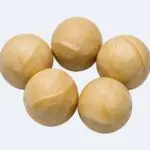
Coconut is far ahead of every other food in our USDA ranking. Coconut gives 4.21 g of lauric acid in 1 oz (28 g) and 14.9 g per 100 g. The next foods are tiny by comparison. Semi-skimmed cow’s milk gives 0.14 g in a cup, ground lamb 0.11 g in 4 oz and macadamia nuts 0.02 g in 1 oz.
The concentrated sources are the fats pressed from the coconut and from the palm kernel. FAO and WHO give about 45 g of lauric acid per 100 g of both coconut oil and palm kernel oil. Palm kernel oil is a different fat from palm oil, which FAO describes as about 50% saturated fat, mostly palmitic acid.
Our arithmetic: the 50 g a day of coconut oil used in one trial carries about 22 g of lauric acid. 1 oz (28 g) of coconut oil carries about 12.6 g, three times what the same weight of coconut gives.
Human milk also contains lauric acid. In a survey of nine countries, milk from the Philippines had more than twice the lauric and myristic acid of most other countries. The authors say such differences most likely reflect habitual diet.
Refining and cooking: the trials we found used virgin or extra virgin coconut oil. We found no trial that compared virgin with refined coconut oil for blood fats. We found no source on how frying or hydrogenation changes the lauric acid in coconut oil.
Per serving. No daily amount is set, so bars compare each food with the top food.
Per 100 g. No daily amount is set, so bars compare each food with the top food.
Per 100 kcal: the same calories of each food, for a fair comparison. Bars compare each food with the top food.
Food labels have no Daily Value or Reference Intake for lauric acid, so the % compares each food with the top food.
- 1.
- 2.
- 3.
- 4.
- 5.
- 6.
- 7.
- 8.
- 9.
- 10.


- 1.
- 2.
- 3.
- 4.
- 5.
- 6.

- 7.
- 8.
- 9.
- 10.


- 1.
- 2.
- 3.
- 4.
- 5.
- 6.
- 7.
- 8.
- 9.
- 10.


Sources
- FoodData Central. US Department of Agriculture, Agricultural Research Service. Values as shown in the ranking above.
- FAO and WHO. Fats and fatty acids in human nutrition: report of an expert consultation. FAO Food and Nutrition Paper 91. Food and Agriculture Organization. 2010.
- Khaw KT, Sharp SJ, Finikarides L, et al. Randomised trial of coconut oil, olive oil or butter on blood lipids and other cardiovascular risk factors in healthy men and women. BMJ Open. 2018.
- Yuhas R, Pramuk K, Lien EL. Human milk fatty acid composition from nine countries varies most in DHA. Lipids. 2006.
- National Center for Biotechnology Information. PubChem compound summary for lauric acid (CID 3893). US National Library of Medicine.
How lauric acid works
Most of what is known comes from feeding trials that measure blood fats, plus a few small physiology studies. The germ-killing work is mostly from test tubes.
Five ideas cover it. Lauric acid sits on the border between medium and long chains, and coconut oil is mostly not MCT oil. It raises both LDL and HDL cholesterol, and it acts on gut hormones and cell signals. In a dish it stops some germs.
Here is each idea, and what has been seen in people.
It sits on the border between medium and long chains
Chain length in carbon atoms, drawn to scale. Green: the fats that make up most MCT oil. Magenta: lauric acid. Orange: long-chain saturated fats.
FAO and WHO define medium-chain fatty acids as 8 to 13 carbons and long-chain as 14 to 20. That puts lauric acid in the medium-chain group. Older definitions of medium-chain triglycerides (MCT) ran from 6 to 12 carbons. A 2022 review says that today the compositions vary among manufacturers, and there seems to be no clear definition.
FAO says short and medium-chain fatty acids go through the portal vein to the liver and are burned quickly. Long-chain fatty acids are packed into chylomicrons (fat-carrying particles) and travel through the lymph. A 2023 trial calls the chain length of lauric acid intermediate between the two. We found no human study that traced which route lauric acid takes.
Where the line falls is clearer for cholesterol. In 1965, Keys and colleagues analyzed 63 sets of comparisons from controlled diet experiments. They found that saturated fatty acids with fewer than 12 carbons have little or no effect on serum cholesterol. So the cholesterol effect begins at about 12 carbons, the length of lauric acid, not with the caprylic and capric acid of MCT oil.
Coconut oil is mostly not MCT oil
Share of the oil that is each fat, in percent and drawn to scale. The C8 and C10 shares come from the oils tested in a 2017 trial; the lauric acid share is the FAO figure per 100 g of oil.
In the 2017 crossover trial in 9 adults, a pure C8 oil gave the largest rise in ketones. The coconut oil held 3% tricaprylin (C8) and 5% tricaprin (C10), and the classical MCT oil 55% C8 and 35% C10. Coconut oil’s ketones peaked at +200 µmol/L, or 25% of the C8 peak.
A 2023 trial in 15 women found something different. Ketone bodies after a 30 g coconut oil meal and after an MCT oil meal both differed from those after a long-chain oil meal. The authors say the lauric acid in coconut oil acted much like medium-chain fats in these measures.
So coconut oil does raise ketones, but less than a C8 oil, and the two trials used different MCT oils and doses. Other claims borrowed from MCT oil are not supported either. A coconut oil-enriched baking fat did not raise calorie burning in 15 teenagers. And 120 people with Alzheimer’s disease did not improve on 30 mL a day of virgin coconut oil.
It raises both LDL and HDL cholesterol
Change in blood cholesterol for each 1% of energy that replaces carbohydrate, in mmol/L and drawn to scale. Orange bars are LDL; green bars are HDL.
The WHO review pooled 52 trials with 134 diet data points. It estimated what each saturated fat does when it replaces carbohydrate. Per 1% of energy, lauric acid raised total cholesterol by 0.029 mmol/L, LDL by 0.017 and HDL by 0.019. It lowered the total to HDL ratio by 0.035 and triglycerides by 0.015.
Myristic acid raised LDL more (0.044) and palmitic acid raised LDL by 0.036, while stearic acid had no clear effect. Lauric acid alone lowered the total to HDL and the LDL to HDL ratios compared with carbohydrates.
The authors point out that the included diets held a mean of only 1.2% of energy as lauric acid (range 0.0 to 16.9%). They say more controlled studies at higher intakes are needed.
A lower ratio is not a lower risk. The 2003 meta-analysis says the effect of lauric acid-rich fats on heart disease risk remains uncertain. The American Heart Association advisory of 2017 notes that LDL cholesterol is a cause of atherosclerosis (clogged arteries). It adds that replacing saturated with unsaturated fats lowers it.
It acts on gut hormones and cell signals
In healthy men, lauric acid infused into the upper gut raised the gut hormones cholecystokinin and peptide YY. It also lowered the food eaten at the next meal, in proportion to the load. That is an infusion study, not a meal.
A 2026 study found lauric acid built into an unusual phospholipid, dilauroylphosphatidylcholine, in liver cells and mice. It was also seen in people after a coconut oil meal. In mice this switched on genes controlled by the nuclear receptor LRH-1. Whether this matters for health is not known.
In a dish, it and monolaurin stop some germs
Monolaurin (glycerol monolaurate) is lauric acid attached to glycerol. In the lab, lauric acid stopped the acne bacterium at far lower doses than benzoyl peroxide. Monolaurin stopped antibiotic-resistant Staphylococcus aureus from the skin of people with eczema at 2 µg/mL, without harming skin cells in a dish. Glycerol monolaurate also killed Candida and Gardnerella vaginalis in test tubes.
These are doses applied directly to germs. We found no study that measured how much lauric acid or monolaurin reaches the skin or gut after eating coconut oil.
What has been seen in people
Across 16 trials, coconut oil raised LDL cholesterol by 10.47 mg/dL and HDL by 4.00 compared with non-tropical vegetable oils. The 2025 meta-analysis of virgin coconut oil found HDL up 7.91 mg/dL and triglycerides down 12.12.
Single trials differ. 50 g a day of coconut oil left LDL no different from olive oil and 0.42 mmol/L below butter. In 156 adults, though, olive oil gave lower LDL than coconut oil.
We found no trial of heart attacks or deaths for lauric acid or coconut oil. In the Nurses’ Health Study and Health Professionals Follow-up Study, the top lauric acid intake had 1.07 times the coronary heart disease risk. Palmitic acid had 1.18. For monolaurin, the human trials are limited to vaginal gels and a blood-level cohort.
Sources
- Mensink RP. Effects of saturated fatty acids on serum lipids and lipoproteins: a systematic review and regression analysis. Geneva: World Health Organization. 2016. ISBN 978 92 4 156534 9.
- FAO and WHO. Fats and fatty acids in human nutrition: report of an expert consultation. FAO Food and Nutrition Paper 91. Food and Agriculture Organization. 2010.
- Keys A, Anderson JT, Grande F. Serum cholesterol response to changes in the diet: IV. Particular saturated fatty acids in the diet. Metabolism. 1965.
- Watanabe S, Tsujino S. Applications of medium-chain triglycerides in foods. Front Nutr. 2022.
- Furuta Y, Manita D, Hirowatari Y, et al. Postprandial fatty acid metabolism with coconut oil in young females: a randomized, single-blind, crossover trial. Am J Clin Nutr. 2023.
- Vandenberghe C, St-Pierre V, Pierotti T, et al. Tricaprylin alone increases plasma ketone response more than coconut oil or other medium-chain triglycerides: an acute crossover study in healthy adults. Curr Dev Nutr. 2017.
- Mensink RP, Zock PL, Kester AD, Katan MB. Effects of dietary fatty acids and carbohydrates on the ratio of serum total to HDL cholesterol and on serum lipids and apolipoproteins: a meta-analysis of 60 controlled trials. Am J Clin Nutr. 2003.
- Sacks FM, Lichtenstein AH, Wu JHY, et al. Dietary fats and cardiovascular disease: a presidential advisory from the American Heart Association. Circulation. 2017.
- Feltrin KL, Little TJ, Meyer JH, et al. Effects of lauric acid on upper gut motility, plasma cholecystokinin and peptide YY, and energy intake are load, but not concentration, dependent in humans. J Physiol. 2007.
- Klatt KC, Fontenot L, Dong B, et al. Provision of lauric acid results in endogenous production of the liver receptor homolog-1 ligand, dilauroylphosphatidylcholine, and evidence of LRH-1 transactivation. J Nutr. 2026.
- Nakatsuji T, Kao MC, Fang JY, et al. Antimicrobial property of lauric acid against Propionibacterium acnes: its therapeutic potential for inflammatory acne vulgaris. J Invest Dermatol. 2009.
- Laowansiri M, Suwanchote S, Wannigama DL, et al. Monolaurin inhibits antibiotic-resistant Staphylococcus aureus in patients with atopic dermatitis. Sci Rep. 2025.
- Strandberg KL, Peterson ML, Lin YC, Pack MC, Chase DJ, Schlievert PM. Glycerol monolaurate inhibits Candida and Gardnerella vaginalis in vitro and in vivo but not Lactobacillus. Antimicrob Agents Chemother. 2010.
- Neelakantan N, Seah JYH, van Dam RM. The effect of coconut oil consumption on cardiovascular risk factors: a systematic review and meta-analysis of clinical trials. Circulation. 2020.
- Zhang Y, Wang Y, Li L, et al. The effect of virgin coconut oil (VCO) on cardiovascular disease risk factors: a systematic review and meta-analysis. Diabetol Metab Syndr. 2025.
- Khaw KT, Sharp SJ, Finikarides L, et al. Randomised trial of coconut oil, olive oil or butter on blood lipids and other cardiovascular risk factors in healthy men and women. BMJ Open. 2018.
- Zong G, Li Y, Wanders AJ, et al. Intake of individual saturated fatty acids and risk of coronary heart disease in US men and women: two prospective longitudinal cohort studies. BMJ. 2016.
- Mancuso AC, Widdice LE, Hughes BL, et al. Five percent monolaurin vaginal gel for the treatment of bacterial vaginosis: a randomized placebo-controlled trial. J Low Genit Tract Dis. 2020.
- Sola D, Tonello S, Casciaro GF, et al. Higher serum monolaurin is associated with a lower risk of COVID-19: results from a prospective observational cohort study. Int J Mol Sci. 2025.
- LaBarrie J, St-Onge MP. A coconut oil-rich meal does not enhance thermogenesis compared to corn oil in a randomized trial in obese adolescents. Insights Nutr Metab. 2017.
- Fernando MG, Silva R, Fernando WMADB, et al. Effect of virgin coconut oil supplementation on cognition of individuals with mild-to-moderate Alzheimer’s disease in Sri Lanka (VCO-AD Study): a randomized placebo-controlled trial. J Alzheimers Dis. 2023.
How much lauric acid do you need?
No official body sets a daily amount of lauric acid. The FDA has set no Daily Value for it, and the EU no Reference Intake. The body does not need it from food: FAO and WHO list only linoleic acid and alpha-linolenic acid as essential fatty acids. They also say the body’s own fat-making from carbohydrate ends with palmitic acid.
What is set is a ceiling for saturated fat as a whole, which includes lauric acid.
| Source | Group | Value | Notes |
|---|---|---|---|
| WHO 2023 | Adults and children aged 2 and older | No more than 10% of total energy intake from saturated fatty acids | Applies to all saturated fatty acids together, not to lauric acid alone. WHO also says fat should be mostly unsaturated. |
| FAO and WHO 2010 | Adults | Upper end of the range for saturated fat: 10% of energy | Called the U-AMDR. Applies to all saturated fats together. |
| EFSA 2010 | Adults | Saturated fatty acid intake should be as low as possible | No numeric intake value set for saturated fat. |
A worked example, also our arithmetic: a 2023 trial states that coconut oil is about 84% saturated fatty acids. So 50 g of coconut oil carries about 42 g of saturated fat. That is nearly twice the 22 g that 10% of a 2,000 kcal diet allows. The 50 g a day used in one trial is a trial dose, not advice.
We found no disease named for a lack of lauric acid. Lauric acid is a normal part of human milk and of the coconut and palm kernel fats many people eat. No minimum is set by any body we found.
Sources
- World Health Organization. WHO updates guidelines on fats and carbohydrates. News release. 17 July 2023.
- FAO and WHO. Fats and fatty acids in human nutrition: report of an expert consultation. FAO Food and Nutrition Paper 91. Food and Agriculture Organization. 2010.
- EFSA Panel on Dietetic Products, Nutrition and Allergies (NDA). Scientific opinion on dietary reference values for fats, including saturated fatty acids, polyunsaturated fatty acids, monounsaturated fatty acids, trans fatty acids, and cholesterol. EFSA Journal 8(3):1461. 2010.
- US Food and Drug Administration. Daily Value on the Nutrition and Supplement Facts Labels. FDA. Accessed October 2026.
- Furuta Y, Manita D, Hirowatari Y, et al. Postprandial fatty acid metabolism with coconut oil in young females: a randomized, single-blind, crossover trial. Am J Clin Nutr. 2023.
- Khaw KT, Sharp SJ, Finikarides L, et al. Randomised trial of coconut oil, olive oil or butter on blood lipids and other cardiovascular risk factors in healthy men and women. BMJ Open. 2018.
Forms of lauric acid: absorption and effects
Lauric acid reaches people in a few forms: coconut oil, palm kernel oil and whole coconut foods. Far less often, it comes as monolaurin, a gel or a supplement. The forms differ in what else comes with the lauric acid and in how it is used, not in the acid itself.
The honest bottom line is that trials test oils, not lauric acid by itself. Apart from two trials of coconut oil against MCT oil, we found no head-to-head trial of forms. We found no randomized trial of lauric acid capsules, and none of oral monolaurin supplements.
Virgin against refined is a common claim. The trials mostly used virgin or extra virgin coconut oil, and we found none that compared the two for blood fats. Calling coconut oil an MCT oil is another popular claim with weak support. The two head-to-head trials below disagree on size, and a coconut oil baking fat did not raise calorie burning.
| Form | What it is | What studies show | Source |
|---|---|---|---|
| Virgin or extra virgin coconut oil | Coconut oil sold as virgin; about 45 g lauric acid per 100 g of coconut oil | 50 g a day for 4 weeks left LDL equal to olive oil and 0.42 mmol/L below butter; across 16 trials of coconut oil, LDL rose 10.47 mg/dL against non-tropical oils. No virgin against refined trial found | 1, 2, 4 |
| Palm kernel oil | Oil from the palm kernel, a different fat from palm oil; about 45 g lauric acid per 100 g | As 75% of the fat in a lauric diet, it raised total cholesterol 0.48 mmol/L above an oleic acid diet; with myristic acid it gave the same LDL as two other saturated-fat diets | 3, 4, 16 |
| MCT oil | Mostly caprylic (C8) and capric (C10) acid; makers differ and there is no clear definition. The classical oil in one trial was 55% C8 and 35% C10 | The C8 oil’s ketone peak was about 4 times that of coconut oil in 9 adults; a second trial found coconut oil and MCT oil alike against a long-chain oil | 5, 6, 7 |
| Coconut flesh, cream and milk | Whole coconut foods | In a review, studies of coconut flesh or squeezed coconut in traditional diets found no worse heart outcomes, but the review says this cannot be applied to a Western diet; the atoll diets had 34% to 63% of energy from coconut | 11, 12 |
| Free lauric acid | The fatty acid itself, as used in infusion and lab studies | Infused into the gut of healthy men it raised cholecystokinin and peptide YY and lowered later food intake. We found no trial of lauric acid capsules | 10 |
| Monolaurin (glycerol monolaurate) | Lauric acid on a glycerol backbone; sold as a supplement and used in gels | Vaginal gel cured 17% against 25% on placebo in bacterial vaginosis, and lowered Candida in 36 women; a high blood level went with less COVID-19 in a cohort. We found no oral supplement trial and no trial against coconut oil | 8, 9, 15 |
| Virgin coconut oil on the skin | The same oil, applied to the skin and not eaten | SCORAD fell 68.23% against 38.13% for mineral oil in 117 children; S. aureus remained in 5% of adults against 50% with olive oil | 13, 14 |
Here are the head-to-head studies of coconut oil and MCT oil, 2 in all.
All 2 studies, strongest evidence first
After a coconut oil meal, ketones rose like after MCT oil
15 young women ate test meals with 30 g of coconut oil, MCT oil or long-chain oil (LCT), with blood drawn for 8 hours. Ketone bodies differed between the coconut oil and LCT meals and between the MCT and LCT meals, with no coconut-MCT difference reported. VLDL and IDL cholesterol rose least after coconut oil. One author’s affiliation is Tosoh Corporation.
Coconut oil raised ketones about a quarter as much as C8
9 adults took two 20 mL doses of each test oil in skim milk, with blood drawn every 30 minutes for 8 hours. Coconut oil held 3% tricaprylin (C8) and 5% tricaprin (C10), and the classical MCT oil 55% C8 and 35% C10. The C8 oil’s ketone areas were 813% and 870% above control. Coconut oil’s ketones peaked at +200 µmol/L, or 25% of the C8 peak.
Sources
- Khaw KT, Sharp SJ, Finikarides L, et al. Randomised trial of coconut oil, olive oil or butter on blood lipids and other cardiovascular risk factors in healthy men and women. BMJ Open. 2018.
- Neelakantan N, Seah JYH, van Dam RM. The effect of coconut oil consumption on cardiovascular risk factors: a systematic review and meta-analysis of clinical trials. Circulation. 2020.
- Temme EH, Mensink RP, Hornstra G. Comparison of the effects of diets enriched in lauric, palmitic, or oleic acids on serum lipids and lipoproteins in healthy women and men. Am J Clin Nutr. 1996.
- FAO and WHO. Fats and fatty acids in human nutrition: report of an expert consultation. FAO Food and Nutrition Paper 91. Food and Agriculture Organization. 2010.
- Vandenberghe C, St-Pierre V, Pierotti T, et al. Tricaprylin alone increases plasma ketone response more than coconut oil or other medium-chain triglycerides: an acute crossover study in healthy adults. Curr Dev Nutr. 2017.
- Furuta Y, Manita D, Hirowatari Y, et al. Postprandial fatty acid metabolism with coconut oil in young females: a randomized, single-blind, crossover trial. Am J Clin Nutr. 2023.
- Watanabe S, Tsujino S. Applications of medium-chain triglycerides in foods. Front Nutr. 2022.
- Mancuso AC, Widdice LE, Hughes BL, et al. Five percent monolaurin vaginal gel for the treatment of bacterial vaginosis: a randomized placebo-controlled trial. J Low Genit Tract Dis. 2020.
- Strandberg KL, Peterson ML, Lin YC, Pack MC, Chase DJ, Schlievert PM. Glycerol monolaurate inhibits Candida and Gardnerella vaginalis in vitro and in vivo but not Lactobacillus. Antimicrob Agents Chemother. 2010.
- Feltrin KL, Little TJ, Meyer JH, et al. Effects of lauric acid on upper gut motility, plasma cholecystokinin and peptide YY, and energy intake are load, but not concentration, dependent in humans. J Physiol. 2007.
- Eyres L, Eyres MF, Chisholm A, Brown RC. Coconut oil consumption and cardiovascular risk factors in humans. Nutr Rev. 2016.
- Prior IA, Davidson F, Salmond CE, Czochanska Z. Cholesterol, coconuts, and diet on Polynesian atolls: a natural experiment: the Pukapuka and Tokelau island studies. Am J Clin Nutr. 1981.
- Evangelista MT, Abad-Casintahan F, Lopez-Villafuerte L. The effect of topical virgin coconut oil on SCORAD index, transepidermal water loss, and skin capacitance in mild to moderate pediatric atopic dermatitis: a randomized, double-blind, clinical trial. Int J Dermatol. 2014.
- Verallo-Rowell VM, Dillague KM, Syah-Tjundawan BS. Novel antibacterial and emollient effects of coconut and virgin olive oils in adult atopic dermatitis. Dermatitis. 2008.
- Sola D, Tonello S, Casciaro GF, et al. Higher serum monolaurin is associated with a lower risk of COVID-19: results from a prospective observational cohort study. Int J Mol Sci. 2025.
- Park S, Snook JT, Bricker L, et al. Relative effects of high saturated fatty acid levels in meat, dairy products, and tropical oils on serum lipoprotein and low-density lipoprotein degradation by mononuclear cells in healthy males. Metabolism. 1996.
Is lauric acid safe? Limits and who should watch it
We found no source that names lauric acid in food as a safety concern for most people, and no upper limit for it. The limit is for saturated fat as a whole.
WHO advises no more than 10% of total energy from saturated fatty acids. EFSA, the EU’s food safety agency, says intake should be as low as possible. What the trials show is a rise in LDL cholesterol.
- Cholesterol. Coconut oil raised LDL cholesterol by 10.47 mg/dL against non-tropical vegetable oils across 16 trials. In 48 adults with metabolic syndrome, 30 mL a day of virgin coconut oil raised LDL and total cholesterol. If you have high LDL cholesterol or heart disease, ask a doctor before adding coconut oil.
- Dose and length. Trial doses ranged from a tablespoon (12 mL) to 50 g a day and ran 2 to 24 weeks. Such trials were not built to find rare harms or long-term outcomes, and we found no trial of heart attacks or deaths.
- Monolaurin. No oral monolaurin supplement trial or upper limit was found. In the vaginal gel trial, about two thirds of both groups had mild to moderate local side effects, the same as placebo. Ask a doctor before using a supplement for an infection.
- Cutting saturated fat. A Cochrane review of 15 trials found 17% fewer combined cardiovascular events when saturated fat was cut for at least 2 years. Deaths changed little. That is a result for saturated fat in general, not for lauric acid.
How to eat lauric acid wisely
- Count coconut oil as saturated fat. 50 g of coconut oil carries about 42 g of saturated fat, against about 22 g in 10% of a 2,000 kcal diet (our arithmetic).
- Swap, do not add. The American Heart Association concluded that replacing saturated fat with unsaturated fat, especially polyunsaturated fat, lowers cardiovascular disease. So use coconut oil where its flavor matters, and unsaturated oils for most cooking.
- Know the dose in the source. 1 oz (28 g) of coconut gives 4.21 g of lauric acid in our USDA data. The same weight of coconut oil gives about 12.6 g (our arithmetic from the FAO figure).
Sources
- World Health Organization. WHO updates guidelines on fats and carbohydrates. News release. 17 July 2023.
- EFSA Panel on Dietetic Products, Nutrition and Allergies (NDA). Scientific opinion on dietary reference values for fats, including saturated fatty acids, polyunsaturated fatty acids, monounsaturated fatty acids, trans fatty acids, and cholesterol. EFSA Journal 8(3):1461. 2010.
- Neelakantan N, Seah JYH, van Dam RM. The effect of coconut oil consumption on cardiovascular risk factors: a systematic review and meta-analysis of clinical trials. Circulation. 2020.
- Nikooei P, Hosseinzadeh-Attar MJ, Asghari S, et al. Effects of virgin coconut oil consumption on metabolic syndrome components and asymmetric dimethylarginine: a randomized controlled clinical trial. Nutr Metab Cardiovasc Dis. 2021.
- Mancuso AC, Widdice LE, Hughes BL, et al. Five percent monolaurin vaginal gel for the treatment of bacterial vaginosis: a randomized placebo-controlled trial. J Low Genit Tract Dis. 2020.
- Hooper L, Martin N, Jimoh OF, Kirk C, Foster E, Abdelhamid AS. Reduction in saturated fat intake for cardiovascular disease. Cochrane Database Syst Rev. 2020.
- Sacks FM, Lichtenstein AH, Wu JHY, et al. Dietary fats and cardiovascular disease: a presidential advisory from the American Heart Association. Circulation. 2017.
- Khaw KT, Sharp SJ, Finikarides L, et al. Randomised trial of coconut oil, olive oil or butter on blood lipids and other cardiovascular risk factors in healthy men and women. BMJ Open. 2018.
- Furuta Y, Manita D, Hirowatari Y, et al. Postprandial fatty acid metabolism with coconut oil in young females: a randomized, single-blind, crossover trial. Am J Clin Nutr. 2023.
- FoodData Central. US Department of Agriculture, Agricultural Research Service. Values as shown in the ranking above.
- FAO and WHO. Fats and fatty acids in human nutrition: report of an expert consultation. FAO Food and Nutrition Paper 91. Food and Agriculture Organization. 2010.
History of lauric acid
Lauric acid is named after laurel oil. The chemist Theodor Marsson isolated it from laurel fat in 1842, and it later became a raw material for soaps and cosmetics.
The cholesterol story began in 1965. Keys, Anderson and Grande analyzed 63 sets of comparisons from controlled diet experiments. They found that saturated fats with fewer than 12 carbons, and stearic acid, have little or no effect on serum cholesterol.
In 1981 Prior and colleagues described a natural experiment on two Pacific atolls. People on Tokelau got 63% of their energy from coconut and people on Pukapuka 34%. Cholesterol was 35 to 40 mg/dL higher on Tokelau, and vascular disease was uncommon on both.
Meta-analyses then separated the fats: 27 trials in 1992 (Mensink and Katan), and 60 trials in 2003, which showed lauric acid’s large HDL effect. A 2016 WHO review pooled 52 trials for individual fatty acids.
Medium-chain triglycerides came from coconut oil. According to a 2022 review, coconut oil processing was popular in the United States in the 1950s. The medium-chain fatty acids it left over needed a use, and a production method for MCT was established. The early definition ran from 6 to 12 carbons.
By 1982 a review covered the medical and nutritional uses of MCT since 1970. The 2017 American Heart Association advisory on dietary fats concluded that lowering saturated fat and replacing it with unsaturated fats lowers cardiovascular disease. A 2018 trial recruited through BBC websites compared coconut oil with olive oil and butter. A 2020 meta-analysis pooled 16 trials of coconut oil.
Sources
- Wikipedia contributors. Lauric acid. Wikimedia Foundation. Accessed October 2026.
- Keys A, Anderson JT, Grande F. Serum cholesterol response to changes in the diet: IV. Particular saturated fatty acids in the diet. Metabolism. 1965.
- Prior IA, Davidson F, Salmond CE, Czochanska Z. Cholesterol, coconuts, and diet on Polynesian atolls: a natural experiment: the Pukapuka and Tokelau island studies. Am J Clin Nutr. 1981.
- Mensink RP, Katan MB. Effect of dietary fatty acids on serum lipids and lipoproteins. A meta-analysis of 27 trials. Arterioscler Thromb. 1992.
- Mensink RP, Zock PL, Kester AD, Katan MB. Effects of dietary fatty acids and carbohydrates on the ratio of serum total to HDL cholesterol and on serum lipids and apolipoproteins: a meta-analysis of 60 controlled trials. Am J Clin Nutr. 2003.
- Mensink RP. Effects of saturated fatty acids on serum lipids and lipoproteins: a systematic review and regression analysis. Geneva: World Health Organization. 2016. ISBN 978 92 4 156534 9.
- Watanabe S, Tsujino S. Applications of medium-chain triglycerides in foods. Front Nutr. 2022.
- Bach AC, Babayan VK. Medium-chain triglycerides: an update. Am J Clin Nutr. 1982.
- Sacks FM, Lichtenstein AH, Wu JHY, et al. Dietary fats and cardiovascular disease: a presidential advisory from the American Heart Association. Circulation. 2017.
- Khaw KT, Sharp SJ, Finikarides L, et al. Randomised trial of coconut oil, olive oil or butter on blood lipids and other cardiovascular risk factors in healthy men and women. BMJ Open. 2018.
- Neelakantan N, Seah JYH, van Dam RM. The effect of coconut oil consumption on cardiovascular risk factors: a systematic review and meta-analysis of clinical trials. Circulation. 2020.
Frequently asked questions about lauric acid
Is lauric acid good for you?
It is a normal dietary fat with one clear effect: it raises both LDL and HDL cholesterol. Per 1% of energy it raised LDL by 0.017 mmol/L and HDL by 0.019 in a WHO review of 52 trials. It also lowered the total to HDL ratio. The authors say the effect on heart disease risk remains uncertain, and WHO advises no more than 10% of energy from saturated fat in total.
Does lauric acid raise cholesterol?
Yes, both LDL and HDL. In a crossover trial of 18 women and 14 men, a lauric acid diet raised total cholesterol 0.48 mmol/L above an oleic acid diet. Across 16 trials, coconut oil raised LDL by 10.47 mg/dL against non-tropical oils. Lauric acid raises LDL less than myristic or palmitic acid per unit of energy.
Is lauric acid an MCT?
On paper yes, but in practice mostly no. FAO and WHO call 8 to 13 carbons medium-chain, which includes lauric acid (12). MCT oil is mostly caprylic and capric acid, and the saturated fats below 12 carbons have little or no effect on cholesterol.
In a 2017 trial, coconut oil raised ketones about a quarter as much as a C8 oil. A 2023 trial found coconut oil resembled MCT oil.
Is coconut oil healthy?
Coconut oil raises LDL cholesterol compared with non-tropical oils, and we found no trial of heart attacks. LDL rose 10.47 mg/dL across 16 trials, yet in one 4-week trial it was no different from olive oil and below butter.
Also, 50 g of coconut oil carries about 42 g of saturated fat (our arithmetic). A 2,000 kcal diet allows about 22 g a day at 10%, so unsaturated oils suit most cooking.
Does monolaurin work as a supplement?
We found no randomized trial of oral monolaurin supplements. The human trials used vaginal gels. One gel cured 17% of bacterial vaginosis against 25% for placebo, and another lowered Candida in 36 women. A cohort found less COVID-19 at higher blood monolaurin, but that does not show that a supplement works.
Is lauric acid good for skin or acne?
Only in the lab so far. Lauric acid stopped acne bacteria at doses over 15 times lower than benzoyl peroxide in test tubes and on mouse ears. We found no human acne trial. On the skin, virgin coconut oil cut eczema scores 68.23% in 117 children, against 38.13% for mineral oil.
How much lauric acid is in coconut oil and palm kernel oil?
About 45 g per 100 g of each, according to FAO and WHO. That is about 22 g in 50 g of oil (our arithmetic). Palm kernel oil is a different fat from palm oil, which is mostly palmitic acid.
Does coconut oil help with weight loss or memory?
Not in the trials we found. A coconut oil-enriched baking fat did not raise calorie burning in 15 teenagers. Virgin coconut oil, 30 mL a day, did not improve cognition in 120 people with Alzheimer’s disease over 24 weeks.
Body measures also did not differ in the 4-week trial of 50 g a day or the 45-day trial in 29 men. Nor did they in the pooled analysis of 14 trials.