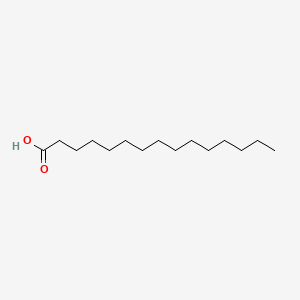
Pentadecanoic acid (C15:0, also called pentadecylic acid; C15H30O2) is a saturated fat. It has 15 carbons in a straight chain. The common saturated fats in the FAO and WHO list all have an even number of carbons, so an odd count makes this one unusual. FAO and WHO (the UN food and health agencies) class fatty acids with 14 to 20 carbons as long-chain.
It is a minor fat. A review puts the two main odd-chain fatty acids together at only 1.5% to 2.5% of milk fat. They are C15:0 and margaric acid (heptadecanoic acid, C17:0). It is a close neighbor of palmitic acid (C16:0), but a different molecule with a different story.
Its main source is the stomach of ruminant animals such as cows. Microbes in the rumen make odd-chain fatty acids, and these pass into milk fat and meat. So blood C15:0 has long served as a marker of how much dairy fat a person eats.
It is a leaky marker. People make some C15:0 themselves. In a trial in 16 healthy adults, a week of inulin, a fiber, raised blood C15:0 by about 17%.
The health story is why people search for it. In large cohort studies (studies that follow big groups of people over time), people with higher blood C15:0 had less type 2 diabetes. They had less heart disease in some studies but not in others. One 2026 analysis using genetic data found no sign that C15:0 causes a change in blood pressure.
Researchers at Seraphina Therapeutics, which sells a C15:0 supplement, proposed in 2020 that it is an essential fatty acid. FAO and WHO name only linoleic acid and alpha-linolenic acid as indispensable. We found no C15:0 claim in the EU Register of nutrition and health claims. Two small randomized trials of C15:0 have been published.
Health benefits of pentadecanoic acid (C15:0)
The top findings from 27 studies, strongest evidence first
What the stars mean
- Strong. Several randomized trials, pooled in a meta-analysis, point the same way, or regulators (FDA or EFSA) have approved the claim.
- Moderate. Good randomized trials support it, but there are fewer of them, or their results vary.
- Limited. Small, short or single trials, or mixed results. Promising, but it needs confirmation.
Population and lab studies get no stars: they show a link or a mechanism, not proof.
How we rate evidence →- ★C15:0 capsules raised blood C15:0 levelsIn 30 young adults with overweight or obesity, 200 mg a day raised blood C15:0 by 1.88 µg/mL more than placebo over 12 weeks. No significant adverse events occurred, and the maker supplied the capsules.
- ★Dairy and inulin fiber raised blood C15:0In 30 young adults, a dairy-rich diet raised blood C15:0 more than meat or grain diets. In 16 healthy adults, 7 days of inulin fiber raised it by about 17%.
- Population studyLinked to less type 2 diabetesHigher blood C15:0 went with 0.80 times the risk of type 2 diabetes in 16 cohorts (63,682 people), comparing the 90th with the 10th percentile. In EPIC-InterAct, each standard deviation higher gave 0.79 times the risk.
- Population studyLinked to less cardiovascular disease in some studiesIn 4,150 Swedish adults, higher blood C15:0 went with 0.75 times the risk of cardiovascular disease. A pooled analysis of 13 studies found no clear total link (0.94 times) but less heart failure (0.72 times).
- Population studyLinked to slightly lower blood pressureIn 3,196 US adults, each standard deviation higher C15:0 went with a lower top blood pressure number (1.47 mm Hg). A genetic analysis found no evidence that C15:0 causes this.
All 24 studies, strongest evidence first
200 mg of C15:0 daily raised blood levels over placebo
30 young adults with overweight or obesity (mean age 20.0, BMI 33.4) took pure C15:0 (20 people) or placebo (10) for 12 weeks. In this double-blind, single-center trial, blood C15:0 rose 1.88 µg/mL more than on placebo, with no significant adverse events. Half of the 20 on C15:0 ended above 5 µg/mL and were compared with the rest. They had bigger drops in the liver enzymes ALT (−29 U/L) and AST (−6 U/L) and a bigger hemoglobin rise (0.60 g/dL). That is an after-the-fact comparison inside the treated group, not a randomized one. The maker, Seraphina Therapeutics, supplied the capsules and placebo and supported the trial, along with the NIH.
C15:0 added to a diet lowered LDL further, 88 women
This double-blind, randomized 12-week trial was in Chinese women with fatty liver disease. They ate a Mediterranean-style diet plus C15:0 (31 women), the diet alone (28) or their habitual diet (29). Both diet groups lost more weight (4.0 and 3.4 kg against 1.5 kg) than the control group. They also lost more liver fat (down 33% and 30% against 10%), so most of the change came with the diet itself. The abstract gives no C15:0 dose and no size for the LDL (“bad” cholesterol) change. The trial registry calls the added item an odd-chain fatty acid food product. It lists Wilmar International Limited as a collaborator, and the paper declares no conflicts.
A week of inulin fiber raised blood C15:0 about 17%
In this randomized, double-blind crossover trial, 16 healthy adults took each supplement for 7 days. They were cellulose (30 g a day), inulin (30 g a day) and propionate (6 g a day). Propionate raised it by 13%, and cellulose changed nothing. Margaric acid (C17:0) rose in almost all participants, by 11% on inulin and 13% on propionate. The authors conclude that propionate made in the gut feeds the liver’s production of odd-chain fats. So blood levels may reflect fiber and not only dairy fat.
A dairy diet raised C15:0 more than meat or grain
30 young adults (13 men and 17 women, aged 22) ate three diets with the same calories, in random order. The diets were high in dairy, meat or grain. In an unplanned, after-the-fact look at blood fats (cholesteryl esters), C15:0 was higher after dairy than after meat or grain. On a log-ratio scale the gaps were β 0.27 and β 0.15. Margaric acid (17:0) did not differ between diets. It shows that dairy raises C15:0, not that the rise is healthy.
Higher blood C15:0 went with less type 2 diabetes
These new pooled analyses of 16 cohorts covered 63,682 people in 12 countries. There were 15,180 new cases of type 2 diabetes over an average of 9 years. Comparing the 90th with the 10th percentile, risk was 0.80 times as high for 15:0 and 0.65 times for 17:0. That was after allowing for body fat and markers of the body’s own fat making. The link was stronger in women than in men. The authors note that these markers cannot tell dairy foods apart, and unmeasured factors may still play a part.
In EPIC-InterAct, more blood C15:0 went with less diabetes
The EPIC-InterAct study compared 12,403 people in Europe who developed type 2 diabetes with a sample of 16,154. Each standard deviation (a typical spread) higher gave 0.79 times the risk for 15:0 and 0.67 for 17:0. Even-chain saturated fats (myristic, palmitic and stearic acids) went with a higher risk, the odd-chain ones with a lower one. The authors say it is not yet clear how much of the odd-chain signal comes from diet and how much from the body’s own production.
An umbrella review linked C15:0 to less type 2 diabetes
This review of 13 meta-analyses and 133 original articles (39 of them new) covered long-term cohorts with 1,226,322 people, searched to February 2025. C15:0 gave 0.82 times the risk. So did linoleic acid (0.80) and arachidic acid (0.78), while palmitic acid went the other way (1.19). The abstract does not say how many studies fed the C15:0 estimate. The same large cohorts may appear in more than one of the pooled analyses on this page.
More red cell C15:0, less ischemic heart disease, in China
The China Kadoorie Biobank followed 8,185 adults for about 5 years, with 387 cases of ischemic heart disease. The top third had 0.72 times the risk of the bottom third. In this population with little dairy, C15:0 and C17:0 tracked dairy, wheat and coarse grains, and fish and seafood. An updated meta-analysis added 33 more long-term studies (112,193 people). It gave 0.74 times the diabetes risk per 10th to 90th percentile range of 15:0.
Odd-chain fats went with less coronary heart disease and stroke
Three cohorts with 172,891 people were analyzed. The odd-chain group (15:0 and 17:0 summed) could be defined in EPIC-CVD, with 7,343 coronary heart disease cases and 6,499 stroke cases. Per standard deviation, coronary risk was 0.82 times as high and stroke risk 0.73. Even-chain saturated fats went the other way (1.24 and 1.23). C15:0 is not reported on its own in the abstract, and the authors say trial evidence for most fatty acids remains unclear.
Higher C15:0 went with less cardiovascular disease in Sweden
4,150 Swedish adults had 578 cardiovascular events over 16.6 years. Serum cholesterol-ester 15:0 gave 0.75 times the risk per interquintile range. The link with death from any cause was not a straight line, with the lowest risk near the median 15:0. A meta-analysis with 17 other studies gave 0.88 times the risk of total cardiovascular disease. That was for the top against the bottom third of 15:0, and 17:0 gave 0.86. It found no link to death from any cause (3 studies or fewer for each marker). The authors say the markers cannot tell dairy foods apart.
15:0 and 17:0 together went with less coronary heart disease
EPIC-Norfolk followed 25,639 adults for 13 years. This study compared 2,424 people with coronary heart disease with 4,930 controls. The top against the bottom quarter of odd-chain fats gave 0.73 times the odds, while even-chain saturated fats went with higher risk (odds ratio 1.75). The odd-chain group combined 15:0 and 17:0, so the result is not for C15:0 alone.
C15:0 showed no total cardiovascular link, but less heart failure
This meta-analysis of 13 long-term studies had 7,680 cardiovascular cases, top third against bottom third. For 15:0, total disease risk was 0.94 times as high, with no link to coronary heart disease or stroke on their own. Heart failure risk was lower, at 0.72 times. For 17:0 it was 0.82, and this result differs from the Swedish meta-analysis above, which included more studies.
C15:0 tracked lower blood pressure; genetic data found no cause
The CARDIA cohort had 3,196 US adults, and 3,889 ARIC participants replicated it. Each standard deviation higher C15:0 went with 1.47 mm Hg lower top-number pressure. The 10-year risk of new high blood pressure was 0.86 times as high. C15:0 was not linked to cardiovascular disease or to heart ultrasound measures. A genetic analysis (two-sample Mendelian randomization) found no evidence that C15:0 causes the blood pressure changes. The authors say the evidence is not consistent with a causal heart benefit, and they report no commercial ties.
Blood C15:0 was not linked to stroke in US cohorts
These case-control studies with 594 stroke cases came from two US cohorts, the Nurses’ Health Study and the Health Professionals Follow-Up Study. Median follow-up was 8.3 years, and each case was matched to one control. The top against the bottom quarter gave 0.85 times the risk, and the range of likely values was wide. Margaric acid (0.99), trans-palmitoleate (0.89) and myristic acid (1.05) were not linked to stroke either. Results were similar for red cell fatty acids and for ischemic and hemorrhagic strokes.
C15:0 was not linked to total deaths in older adults
The Cardiovascular Health Study followed 2,907 older US adults for 22 years, with 2,428 deaths. It measured blood fatty acids at the start, 6 years and 13 years. The top against the bottom fifth gave 1.05 times the risk. C15:0 was not linked to cardiovascular disease, coronary heart disease or stroke either. Margaric acid went with fewer cardiovascular deaths (0.77) but more non-cardiovascular deaths (1.27).
Higher blood C15:0 went with less liver fat in children
This snapshot study of 237 children aged 8 to 17 cannot show cause. Liver fat was measured on MRI, and dairy fat intake (median 10.6 g a day) went with lower liver fat (r = −0.162). In adjusted models, plasma C15:0 predicted lower liver fat (B = −0.247). The authors call the findings hypothesis-generating and ask for clinical trials.
Fat and serum C15:0 tracked dairy fat (0.52, 0.43)
Healthy men aged 21 to 55 kept 14-day weighed food records. Fatty acids were measured in serum (110 men) and fat tissue (107 men). A correlation of 1 would be a perfect match, so C15:0 is a useful but loose marker of total dairy fat intake. Margaric acid (17:0) in serum was inversely linked to milk fat intake.
Blood spot C15:0 spotted high-fat dairy eaters, not total dairy
The Food4Me study had 1,180 people from seven countries, with dairy intake from a food questionnaire. In dried blood spots, C15:0 was linked to high-fat dairy intake. It told low from high eaters of high-fat dairy products apart. C15:0 and C17:0 both did poorly for total dairy intake, and the authors advise caution in population studies.
C15:0 raised early growth in rats fed no essential fats
This was a direct test of the essentiality idea. Rats on a diet lacking essential fatty acids got C15:0 or linoleic acid at weaning, for 11 weeks. They grew faster early on than deficient rats. C15:0 also led to odd-chain n-8 fats (C19:3, C21:3 and C21:4) not described before. The authors call the result suggestive and the mechanism unclear, and the lead author’s PhD is funded by CNIEL, a French dairy industry organization.
Supplement-maker authors proposed that C15:0 is an essential fatty acid
This 2020 paper reports that C15:0 eased inflammation, anemia, unhealthy blood fats and fibrosis in animal experiments. It adds human cohort findings and proposes that C15:0 is essential. The lead author co-founded and works for Epitracker and Seraphina Therapeutics, a C15:0 supplement maker. The companies financed the studies and hold an exclusive US Navy license to sell odd-chain saturated fatty acids, and a coauthor holds equity. The paper says the body does not readily make C15:0, which the fiber trial above calls into question.
C15:0 was not toxic and calmed inflammation in cell tests
Pure C15:0 at 1.9 to 50 µM was screened in 12 human cell systems against 148 biomarkers. It was compared with EPA, a fish-oil fat, and 4,500 other compounds. It showed anti-inflammatory and antiproliferative activities involving 36 biomarkers, while EPA was toxic to 4 systems at the top dose. At 17 µM the two shared 12 activities and C15:0 had 28 more. Cells in a dish are not people. The work relates to patents owned by the US Navy or Epitracker. They are licensed to Seraphina Therapeutics, which sells a C15:0 ingredient and supplement.
In mice, gut bacteria made C15:0 from inulin, easing NASH
Inulin worked better than cellulose against NASH, a severe fatty liver disease, in mice. Tracing 13C-labeled inulin showed that the bacterium Parabacteroides distasonis used it to make C15:0, confirmed in a dish and in germ-free mice. C15:0 or the bacterium restored gut barrier function and cut blood lipopolysaccharide and liver inflammatory cytokines. So C15:0 protected against NASH in mice, but it has not been tested in people.
Bacterial C15:0 cut artery plaque around 50% in mice
Giving the bacterium Bacteroides uniformis eased atherosclerosis, and screening found C15:0 as its main active product. Added C15:0 improved blood fats. The authors report that it directly inhibits HMG-CoA reductase, a cholesterol-making enzyme, in the liver. C15:0 was markedly lower in people with unhealthy blood fats, an association only. One author is an inventor on a pending patent application for C15:0 in atherosclerosis, and the paper was published online in October 2026.
Dietary C15:0 at 1% gave pregnant mice mild insulin resistance
C15:0 raised C15:0 and C17:0 in the mothers’ blood, fetal tissue and offspring blood without affecting embryo development. During pregnancy and lactation it caused mild insulin resistance, and in lactation oxidative stress. PPARα and MAPK signaling were turned up in the mothers’ liver. Offspring grew faster and had lower triglycerides and higher antioxidant capacity. Safety in human pregnancy is untested.
Foods high in pentadecanoic acid (C15:0)
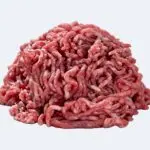
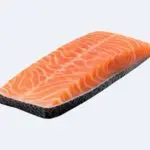
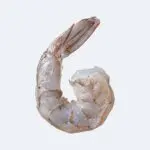
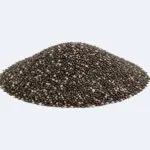
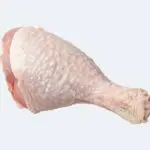
Fat from ruminant animals is the main food source. In our USDA ranking per serving, ground beef leads with 0.11 g in 4 oz (113 g). Semi-skimmed cow’s milk follows at 0.05 g in a cup (246 g), then farmed Atlantic salmon at 0.04 g in 3 oz (85 g). Shrimp, chia seeds and a chicken drumstick follow at 0.01 g, and one large egg holds 0.004 g.
The order changes with the measure. Per 100 g, ground beef leads with 0.1 g, then salmon with 0.05 g and chia seeds with 0.03 g. Per 100 kcal, milk and ground beef are close at 0.04 g. Vegetables such as cauliflower and zucchini show only traces, 0.002 g and 0.001 g in a cup.
Butter, cheese and yogurt are not in our ranking, so it understates dairy fat. A review reports that odd-chain fatty acids make up 1.5% to 2.5% of milk fat. C15:0 is about twice as abundant as C17:0. By our arithmetic that puts C15:0 at roughly 1% to 1.7% of milk fat.
What the cow eats changes it. In a feeding study of dairy cows, more grass silage in the diet raised milk C15:0 and C17:0. A study of retail whole milk found more odd- and branched-chain fatty acids per serving in organic milk than in conventional milk. But the abstract does not single out C15:0.
Food is not only dairy and beef. In the China Kadoorie Biobank, where people eat little dairy, red cell C15:0 also tracked wheat, coarse grains, fish and seafood. Part of that is the gut route: fiber feeds bacteria that make propionate, which the liver turns into C15:0 (see below).
For scale, a supplement trial used 200 mg a day. That is what about 4 cups of semi-skimmed milk would give at the ranking values. Nearly 2 four-ounce portions of ground beef would give the same (our arithmetic from 0.05 g and 0.11 g).
Per serving. No daily amount is set, so bars compare each food with the top food.
Per 100 g. No daily amount is set, so bars compare each food with the top food.
Per 100 kcal: the same calories of each food, for a fair comparison. Bars compare each food with the top food.
Food labels have no Daily Value or Reference Intake for pentadecylic acid, so the % compares each food with the top food.
- 1.
- 2.

- 3.
- 4.
- 5.
- 6.
- 7.

- 8.

- 9.

- 10.


- 1.
- 2.
- 3.
- 4.
- 5.
- 6.
- 7.
- 8.
- 9.
- 10.

- 1.
- 2.
- 3.
- 4.
- 5.
- 6.
- 7.

- 8.
- 9.
- 10.


Sources
- FoodData Central. US Department of Agriculture, Agricultural Research Service. Values as shown in the ranking above.
- National Center for Biotechnology Information. PubChem compound summary for pentadecanoic acid (CID 13849). US National Library of Medicine. Includes entries from the Joint FAO/WHO Expert Committee on Food Additives.
- Jenkins B, West JA, Koulman A. A review of odd-chain fatty acid metabolism and the role of pentadecanoic Acid (c15:0) and heptadecanoic Acid (c17:0) in health and disease. Molecules. 2015.
- Patel M, Wredle E, Bertilsson J. Effect of dietary proportion of grass silage on milk fat with emphasis on odd- and branched-chain fatty acids in dairy cows. J Dairy Sci. 2013.
- Unger AL, Bourne DE, Walsh H, Kraft J. Fatty Acid Content of Retail Cow’s Milk in the Northeastern United States-What’s in It for the Consumer?. J Agric Food Chem. 2020.
- Sun L, Xu X, Du H, et al. Erythrocyte odd-chain fatty acids and the risk of cardiometabolic diseases: a prospective study and updated meta-analysis. Eur J Prev Cardiol. 2025.
- Weitkunat K, Schumann S, Nickel D, et al. Odd-chain fatty acids as a biomarker for dietary fiber intake: a novel pathway for endogenous production from propionate. Am J Clin Nutr. 2017.
- Robinson MK, Lee E, Ugalde-Nicalo PA, et al. Pentadecanoic Acid Supplementation in Young Adults with Overweight and Obesity: A Randomized Controlled Trial. J Nutr. 2024.
How pentadecanoic acid (C15:0) works
Most of what is known about what C15:0 does inside the body comes from cells and animals. Much of it comes from authors tied to a C15:0 supplement maker. The solid human findings are about where blood C15:0 comes from and how well it tracks dairy.
This section covers the sources, the fiber route and how loosely blood levels follow dairy. It then covers how it is absorbed, what cell and animal studies suggest, and what has been seen in people.
Ruminant microbes make it, and so can your own body
Three routes to C15:0 in blood. The first two are described in the sources cited; the third is a proposal from a review. Not to scale.
A review explains how ruminant animals come to carry C15:0. Microbes in the rumen build fatty acids and can make odd-chain ones. They do it from propionate, or by removing the first carbon of palmitic or stearic acid (alpha-oxidation). In some bacteria, odd-chain acids reach up to 40% of the cell’s fatty acids.
The animal takes them up, and the mammary gland puts them into milk fat.
The review reports a C15:0 to C17:0 ratio of about 2 to 1 in ruminant milk fat. In human plasma the ratio is about 1 to 2, the reverse. The review reads this as a sign that people make some odd-chain fat themselves, possibly by the same alpha-oxidation. That second part is a proposal, not a measurement.
A second review says C15:0 and C17:0 can be made from propionic acid produced in the gut.
The company paper that proposes C15:0 as essential says the body does not readily make it. The fiber trial in the next section found that the liver does make some. A mouse study traced a gut bacterium turning inulin into C15:0. How much of a person’s blood C15:0 is homemade, and how much comes from food, has not been settled.
Fiber raises it too
Rise in plasma phospholipid C15:0 and C17:0 after 7 days in 16 healthy adults, in percent and drawn to scale. Cellulose had no effect on either fatty acid, so its bar is only a marker.
In the randomized crossover trial, inulin (30 g a day) and propionate (6 g a day) raised plasma C15:0 in 7 days. The rises were about 17% and 13%, and cellulose did nothing. Human liver cancer cells grown in propionate also made more odd-chain fatty acids as the dose rose (R² = 0.99), while palmitic acid fell. The authors conclude that propionate from the gut feeds the liver’s production of odd-chain fatty acids.
The picture is not uniform. In 869 Dutch patients after a heart attack, C15:0 tracked dairy intake but not fiber intake, while C17:0 tracked both. Two authors of that study work for Unilever. A third received Unilever support for studies of these fatty acids in populations.
Blood levels follow dairy fat only loosely
Correlations between C15:0 and reported dairy intake in six analyses, drawn to scale; a bar reaching a value of 1 would be a perfect match. The studies differ in tissue, method and population, so compare them loosely.
Smedman and colleagues studied 62 older men. C15:0 in cholesterol esters rose with the amount of milk-product fat they ate (r = 0.46). A review calls it the first study of this kind.
Later studies found weaker links, as the chart shows. They ranged from 0.52 in fat tissue down to 0.15 for the odd-chain group in a large European cohort. In 1,180 people across seven countries, C15:0 separated low from high eaters of high-fat dairy, but it performed poorly for total dairy.
A controlled feeding trial confirms the direction, since a dairy-rich diet raised C15:0 more than a meat or grain diet.
Still, a blood level of C15:0 reflects dairy fat, fiber, the body’s own production and other habits at once. That is the main limit on every cohort result on this page.
It is absorbed as a free fatty acid, without help from lipase
A test of fat digestion used C15:0 as a control. In this blood test for malabsorption, people take free pentadecanoic acid (2.5 g in one meal). They take it with heptadecanoic acid bound in a triglyceride that needs pancreatic lipase, a fat-digesting enzyme.
When lipase was blocked in healthy adults, absorption of the bound fat fell by 65% to 71%. It was minimal in cystic fibrosis without enzymes. The free C15:0 was absorbed normally, so the bound fat could be compared against it.
A model fitted to the data gave C15:0 bioavailability (how much is absorbed) in cystic fibrosis comparable to healthy people. That held with and without enzymes. In rats, the supplement-maker paper reports that labeled C15:0 was partly lengthened to C17:0.
Reviews also propose that C15:0 can be lengthened into very-long-chain fats in brain lipids. They propose it can also be shortened to propionyl-CoA, which feeds the cell’s energy cycle. Those are ideas, not measured effects in people.
What cell and animal studies suggest
Cell studies from the supplement-maker group report that C15:0 acts on pathways of inflammation, energy sensing and cell growth. These include AMPK and mTOR, at around 17 µM. In a panel of human cell systems, it shares 24 activities with the drug rapamycin. The same group’s papers note patents owned by the US Navy or Epitracker and licensed to Seraphina Therapeutics.
Other groups report that C15:0 made by gut bacteria protected mice against fatty liver disease (NASH). A 2026 Nature paper reports that it cut artery plaque by around 50% in mice by inhibiting a cholesterol-making enzyme. Its authors include an inventor on a pending patent application for C15:0.
Two mouse and rat studies bear on safety. In pregnant mice, a diet with 1% C15:0 caused mild insulin resistance. An algal oil rich in C15:0 and C17:0 caused no harm in rats up to 15% of the diet. Cells and mice differ from people in dose, diet and biology.
What has been seen in people
Two randomized trials have tested C15:0 in people. In the first, 30 young adults took 200 mg a day for 12 weeks, with no significant adverse events. Their blood C15:0 rose by 1.88 µg/mL more than on placebo.
In the second, adding C15:0 to a Mediterranean-style diet lowered LDL cholesterol further than the diet alone in 88 women. But most of the weight and liver-fat change came with the diet itself. Neither trial tested diabetes, heart disease or deaths. The chart puts the trial dose next to food amounts from our USDA ranking.
C15:0 per serving in milligrams, drawn to scale. Green bars are foods as shown in our USDA ranking (rounded to the digits shown there); the orange bar is the daily capsule dose in the 12-week trial. Foods and capsules differ in what else comes with the C15:0.
The cohort links between blood C15:0 and lower diabetes risk are consistent. But the one genetic analysis we found, for blood pressure, gave no sign of a causal effect. Trial evidence on disease outcomes does not exist. The honest summary is that C15:0 is a well-studied marker and a poorly tested nutrient.
Sources
- Jenkins B, West JA, Koulman A. A review of odd-chain fatty acid metabolism and the role of pentadecanoic Acid (c15:0) and heptadecanoic Acid (c17:0) in health and disease. Molecules. 2015.
- Pfeuffer M, Jaudszus A. Pentadecanoic and Heptadecanoic Acids: Multifaceted Odd-Chain Fatty Acids. Adv Nutr. 2016.
- Weitkunat K, Schumann S, Nickel D, et al. Odd-chain fatty acids as a biomarker for dietary fiber intake: a novel pathway for endogenous production from propionate. Am J Clin Nutr. 2017.
- Pertiwi K, Küpers LK, Wanders AJ, de Goede J, Zock PL, Geleijnse JM. Associations of dairy and fiber intake with circulating odd-chain fatty acids in post-myocardial infarction patients. Nutr Metab (Lond). 2019.
- Smedman AE, Gustafsson IB, Berglund LG, Vessby BO. Pentadecanoic acid in serum as a marker for intake of milk fat: relations between intake of milk fat and metabolic risk factors. Am J Clin Nutr. 1999.
- Brevik A, Veierød MB, Drevon CA, Andersen LF. Evaluation of the odd fatty acids 15:0 and 17:0 in serum and adipose tissue as markers of intake of milk and dairy fat. Eur J Clin Nutr. 2005.
- Albani V, Celis-Morales C, Marsaux CF, et al. Exploring the association of dairy product intake with the fatty acids C15:0 and C17:0 measured from dried blood spots in a multipopulation cohort: Findings from the Food4Me study. Mol Nutr Food Res. 2016.
- Shi F, Chowdhury R, Sofianopoulou E, et al. Association of circulating fatty acids with cardiovascular disease risk: analysis of individual-level data in three large prospective cohorts and updated meta-analysis. Eur J Prev Cardiol. 2025.
- Vissers LET, Soedamah-Muthu SS, van der Schouw YT, Zuithoff NPA, Geleijnse JM, Sluijs I. Consumption of a diet high in dairy leads to higher 15:0 in cholesteryl esters of healthy people when compared to diets high in meat and grain. Nutr Metab Cardiovasc Dis. 2020.
- Stallings VA, Mondick JT, Schall JI, Barrett JS, Wilson M, Mascarenhas MR. Diagnosing malabsorption with systemic lipid profiling: pharmacokinetics of pentadecanoic acid and triheptadecanoic acid following oral administration in healthy subjects and subjects with cystic fibrosis. Int J Clin Pharmacol Ther. 2013.
- Mascarenhas MR, Mondick J, Barrett JS, Wilson M, Stallings VA, Schall JI. Malabsorption blood test: Assessing fat absorption in patients with cystic fibrosis and pancreatic insufficiency. J Clin Pharmacol. 2015.
- Venn-Watson S, Lumpkin R, Dennis EA. Efficacy of dietary odd-chain saturated fatty acid pentadecanoic acid parallels broad associated health benefits in humans: could it be essential?. Sci Rep. 2020.
- Venn-Watson S, Schork NJ. Pentadecanoic Acid (C15:0), an Essential Fatty Acid, Shares Clinically Relevant Cell-Based Activities with Leading Longevity-Enhancing Compounds. Nutrients. 2023.
- Wei W, Wong CC, Jia Z, et al. Parabacteroides distasonis uses dietary inulin to suppress NASH via its metabolite pentadecanoic acid. Nat Microbiol. 2023.
- Yin C, Chen Y, Lin G, et al. A gut microbial odd-chain fatty acid alleviates atherosclerosis in mice. Nature. 2026.
- Wang J, Zheng S, Li Z, et al. Pentadecanoic acid (C15:0, PA) induces mild maternal glucose intolerance and promotes the growth of the offspring partly through up-regulating liver PPARα and MAPK signaling pathways. Food Funct. 2024.
- Matulka RA, Howell LA, Pratyusha Chennupati B, Teresa Bock J. Safety evaluation of odd-chain fatty acid algal oil. Food Chem Toxicol. 2021.
- Robinson MK, Lee E, Ugalde-Nicalo PA, et al. Pentadecanoic Acid Supplementation in Young Adults with Overweight and Obesity: A Randomized Controlled Trial. J Nutr. 2024.
- Chooi YC, Zhang QA, Magkos F, et al. Effect of an Asian-adapted Mediterranean diet and pentadecanoic acid on fatty liver disease: the TANGO randomized controlled trial. Am J Clin Nutr. 2024.
- Steffen BT, Jacobs DR Jr, Li A, et al. Plasma pentadecanoic acid is modestly related to cardiovascular health in CARDIA and ARIC cohorts: observational associations without evidence of causality. Front Nutr. 2026.
How much pentadecanoic acid (C15:0) do you need?
No health body sets a daily amount of pentadecanoic acid. The FDA has set no Daily Value for it and the EU no EU Reference Intake. We found no mention of it in the 2010 FAO and WHO report on fats. That report names only linoleic acid and alpha-linolenic acid as indispensable fatty acids.
The only target we found comes from supplement research. The authors of the 12-week trial chose 200 mg a day to reach a blood level of at least 5 µg/mL. They derived that level from cell and population evidence, and no health body has endorsed it.
For scale, 200 mg is what about 4 cups of semi-skimmed milk give at our USDA ranking values. Nearly 2 four-ounce portions of ground beef give the same (our arithmetic). We found no disease named for a lack of C15:0 and no accepted blood threshold.
The idea of a C15:0 deficiency comes from the supplement-maker authors. They say circulating odd-chain fatty acids have been declining. They suggest that decades of lower intake may add to chronic disease, and no trial has tested that.
Is C15:0 an essential fatty acid?
Not by the usual definition. FAO and WHO call linoleic acid and alpha-linolenic acid indispensable because humans cannot make them, and set requirements for them. The 2020 proposal uses a looser three-part definition. In it, an essential fatty acid is needed for health, is not made at adequate levels in the body, and must come from the diet.
Its authors, tied to the maker of a C15:0 supplement, say C15:0 fits. The evidence does not settle it. The liver makes some C15:0 from fiber-derived propionate. In rats that lacked essential fats, C15:0 raised early growth, which is suggestive but not a deficiency disease.
We found no study in people or animals that withheld C15:0 and produced a deficiency disease. A 2024 mini-review from French researchers calls its essentiality controversial and says more work is needed on both criteria.
Sources
- US Food and Drug Administration. Daily Value on the Nutrition and Supplement Facts Labels. FDA. Accessed October 2026.
- FAO and WHO. Fats and fatty acids in human nutrition: report of an expert consultation. FAO Food and Nutrition Paper 91. Food and Agriculture Organization. 2010.
- European Commission. Commission Regulation (EU) No 432/2012 establishing a list of permitted health claims made on foods. Official Journal of the European Union. 2012.
- European Commission. EU Register of nutrition and health claims made on foods. Searched October 2026 for pentadecanoic acid, C15:0 and odd-chain fatty acids.
- Robinson MK, Lee E, Ugalde-Nicalo PA, et al. Pentadecanoic Acid Supplementation in Young Adults with Overweight and Obesity: A Randomized Controlled Trial. J Nutr. 2024.
- Venn-Watson S, Lumpkin R, Dennis EA. Efficacy of dietary odd-chain saturated fatty acid pentadecanoic acid parallels broad associated health benefits in humans: could it be essential?. Sci Rep. 2020.
- Weitkunat K, Schumann S, Nickel D, et al. Odd-chain fatty acids as a biomarker for dietary fiber intake: a novel pathway for endogenous production from propionate. Am J Clin Nutr. 2017.
- Jenkins B, West JA, Koulman A. A review of odd-chain fatty acid metabolism and the role of pentadecanoic Acid (c15:0) and heptadecanoic Acid (c17:0) in health and disease. Molecules. 2015.
- Ciesielski V, Legrand P, Blat S, Rioux V. New insights on pentadecanoic acid with special focus on its controversial essentiality: A mini-review. Biochimie. 2024.
- Ciesielski V, Guerbette T, Fret L, et al. Dietary pentadecanoic acid supplementation at weaning in essential fatty acid-deficient rats shed light on the new family of odd-chain n-8 PUFAs. J Nutr Biochem. 2025.
- FoodData Central. US Department of Agriculture, Agricultural Research Service. Values as shown in the ranking above.
Forms of pentadecanoic acid (C15:0): absorption and effects
C15:0 reaches people in several forms. It comes bound in the fat of milk and ruminant meat, and it is made in the body from fiber. It also comes as the pure free fatty acid in capsules, and as an odd-chain food product in one trial. Animal tests used an odd-chain algal oil.
The honest bottom line is that no trial has compared one form with another, or a supplement with dairy fat. What we know about forms comes from single trials. Free C15:0 capsules raise blood C15:0. A dairy-rich diet raises it, and so does fiber.
The studies of key outcomes above used these forms. Free C15:0 capsules (200 mg a day) were tested on blood levels and liver enzymes. An odd-chain food product added to a diet was tested on LDL cholesterol in women with fatty liver. Fiber and propionate were tested on blood levels, and the cohort studies used no form at all, since they measured what the body held.
Claims that a supplement is absorbed better or works better than dairy fat have no trial behind them.
| Form | What it is | What studies show | Source |
|---|---|---|---|
| Dairy and ruminant fat | C15:0 bound in milk fat and meat fat, with many other fats | Odd-chain acids are 1.5% to 2.5% of milk fat. A dairy-rich diet raised blood C15:0 in 30 adults. Butter raised LDL cholesterol in a trial, and we found no trial of the C15:0 in dairy fat on its own. | 1, 2, 3 |
| Made in the body | Built by the liver from propionate, which gut bacteria make from fiber; alpha-oxidation of palmitic acid is proposed | Inulin raised blood C15:0 by about 17% in a week in 16 adults, and propionate by 13%. The share of homemade versus dietary C15:0 is unsettled. | 1, 4 |
| Free C15:0 capsules | The pure free fatty acid, as in the trial that supplied capsules from a supplement maker | 200 mg a day raised blood C15:0 by 1.88 µg/mL more than placebo in 30 adults for 12 weeks. A single 2.5 g dose was absorbed with or without lipase in a pilot. No head-to-head trial against dairy or other forms. | 5, 6, 7 |
| Odd-chain food product | A food product containing odd-chain fatty acids, added to a diet | Lowered LDL cholesterol further than the diet alone in 88 women. The abstract gives no dose, and the registry calls the item an odd-chain fatty acid food product. | 8, 9 |
| Odd-chain algal oil | A microalgal oil made mostly of C15:0 and C17:0 | No adverse effects in rats up to 15% of the diet over 13 weeks. We found no human trial. The authors are at Burdock Group Consultants and Heliae Development. | 10 |
Here are the form-specific studies, strongest evidence first, 3 in all.
All 3 studies, strongest evidence first
Butter raised LDL 0.42 mmol/L more than coconut oil
In this randomized trial, 91 healthy adults aged 50 to 75 ate 50 g a day of a fat for 4 weeks. It was unsalted butter, extra virgin coconut oil or extra virgin olive oil. Butter raised LDL by 0.38 more than olive oil. Butter is a natural dairy source of C15:0, but the test food was the whole fat. So the LDL result cannot be credited to its C15:0, which is a small part of milk fat.
Free C15:0 was absorbed even without working lipase
This pilot study had 15 healthy adults and 6 people with cystic fibrosis. They took a single 2.5 g dose of free pentadecanoic acid in a breakfast test meal. The meal also held heptadecanoic acid bound in a triglyceride that needs pancreatic lipase (a fat-digesting enzyme). The lipase blocker orlistat cut absorption of the bound C17:0 by 71% at its peak, but C15:0 absorption did not change. In cystic fibrosis, C15:0 absorption did not differ with or without enzymes. The test is proposed as a blood test for fat malabsorption, not as a supplement.
Odd-chain algal oil caused no harm in rats at 15% of diet
This 13-week study tested a microalgal oil made mostly of the two odd-chain fats, C15:0 and C17:0. It was compared with a DHA-rich algal oil. The highest dose with no harmful effects was 15% of the diet. That equals 7,553.9 mg/kg a day of the oil in males and 8,387.7 in females. The oil did not damage genes or chromosomes in tests. The authors work for Burdock Group Consultants and Heliae Development, and this was a mixture of two fatty acids, tested in rats.
Sources
- Jenkins B, West JA, Koulman A. A review of odd-chain fatty acid metabolism and the role of pentadecanoic Acid (c15:0) and heptadecanoic Acid (c17:0) in health and disease. Molecules. 2015.
- Vissers LET, Soedamah-Muthu SS, van der Schouw YT, Zuithoff NPA, Geleijnse JM, Sluijs I. Consumption of a diet high in dairy leads to higher 15:0 in cholesteryl esters of healthy people when compared to diets high in meat and grain. Nutr Metab Cardiovasc Dis. 2020.
- Khaw KT, Sharp SJ, Finikarides L, et al. Randomised trial of coconut oil, olive oil or butter on blood lipids and other cardiovascular risk factors in healthy men and women. BMJ Open. 2018.
- Weitkunat K, Schumann S, Nickel D, et al. Odd-chain fatty acids as a biomarker for dietary fiber intake: a novel pathway for endogenous production from propionate. Am J Clin Nutr. 2017.
- Robinson MK, Lee E, Ugalde-Nicalo PA, et al. Pentadecanoic Acid Supplementation in Young Adults with Overweight and Obesity: A Randomized Controlled Trial. J Nutr. 2024.
- Stallings VA, Mondick JT, Schall JI, Barrett JS, Wilson M, Mascarenhas MR. Diagnosing malabsorption with systemic lipid profiling: pharmacokinetics of pentadecanoic acid and triheptadecanoic acid following oral administration in healthy subjects and subjects with cystic fibrosis. Int J Clin Pharmacol Ther. 2013.
- Mascarenhas MR, Mondick J, Barrett JS, Wilson M, Stallings VA, Schall JI. Malabsorption blood test: Assessing fat absorption in patients with cystic fibrosis and pancreatic insufficiency. J Clin Pharmacol. 2015.
- Chooi YC, Zhang QA, Magkos F, et al. Effect of an Asian-adapted Mediterranean diet and pentadecanoic acid on fatty liver disease: the TANGO randomized controlled trial. Am J Clin Nutr. 2024.
- US National Library of Medicine. Ectopic Fat in Singaporean Women – the Culprit Leading to Gestational Diabetes, Metabolic Syndrome, and Type 2 Diabetes (TANGO Study). ClinicalTrials.gov NCT05259475. Record verified September 2023.
- Matulka RA, Howell LA, Pratyusha Chennupati B, Teresa Bock J. Safety evaluation of odd-chain fatty acid algal oil. Food Chem Toxicol. 2021.
Is pentadecanoic acid (C15:0) safe? Supplements, dose and interactions
At the amounts in food, pentadecanoic acid is not described as a safety concern in any source we found. No authority sets an upper limit or a recommended intake. PubChem lists it as a flavoring agent added to food. It records a 2023 evaluation by the Joint FAO/WHO food additives committee that found no safety concern at current intake for flavoring use.
Those amounts are tiny, so this says little about supplements. The 12-week placebo-controlled trial gave 200 mg a day to 30 young adults. No significant adverse events occurred, and the supplement maker supplied the capsules.
- Little long-term data. The trials ran 12 weeks and enrolled 30 and 88 people. We found no trial in children, pregnancy, breastfeeding, older adults or people with kidney or liver disease, and no study of interactions with drugs. Ask a doctor first if you are pregnant, breastfeeding, have liver disease or take medicines.
- Pregnancy. In pregnant mice, 1% C15:0 in the diet caused mild insulin resistance and oxidative stress during lactation. That is a mouse result, but it is the only pregnancy study we found. It is a reason not to start a supplement in pregnancy without advice.
- Animal safety tests. A 13-week rat study tested an algal oil rich in C15:0 and C17:0. It found no adverse effects up to 15% of the diet, equal to over 7,500 mg/kg a day of the oil. The authors are at Burdock Group Consultants and Heliae Development. A mixture of two fatty acids is not the same as C15:0 alone.
- It is a saturated fat. FAO and WHO advise that total saturated fat should not exceed 10% of energy. The report’s findings on LDL name lauric, myristic and palmitic acids, not C15:0. Cohort studies find odd-chain fats go with lower risk and even-chain ones with higher risk. But no trial has tested C15:0 for heart disease. The foods that carry it add other saturated fats. In one trial, 50 g a day of butter raised LDL 0.42 mmol/L more than coconut oil.
How to get more pentadecanoic acid (C15:0) wisely
- Eat the foods that carry it as you would anyway. Ground beef, semi-skimmed milk and farmed salmon lead our ranking. But full-fat dairy and meat bring other saturated fats, so C15:0 is not a reason to eat more of them.
- Feed the gut bacteria with fiber. Inulin raised blood C15:0 by about 17% in a week in 16 adults. The dose of 30 g a day is more than the whole 28 g Daily Value for fiber. So it is a trial dose, not an everyday target.
- Ask before a supplement. Capsules raise blood C15:0, but the two trials are small, the first was supplied by the maker, and none tested disease. A doctor can say whether a supplement fits your health and medicines.
Sources
- National Center for Biotechnology Information. PubChem compound summary for pentadecanoic acid (CID 13849). US National Library of Medicine. Includes entries from the Joint FAO/WHO Expert Committee on Food Additives.
- FAO and WHO. Fats and fatty acids in human nutrition: report of an expert consultation. FAO Food and Nutrition Paper 91. Food and Agriculture Organization. 2010.
- Robinson MK, Lee E, Ugalde-Nicalo PA, et al. Pentadecanoic Acid Supplementation in Young Adults with Overweight and Obesity: A Randomized Controlled Trial. J Nutr. 2024.
- Wang J, Zheng S, Li Z, et al. Pentadecanoic acid (C15:0, PA) induces mild maternal glucose intolerance and promotes the growth of the offspring partly through up-regulating liver PPARα and MAPK signaling pathways. Food Funct. 2024.
- Matulka RA, Howell LA, Pratyusha Chennupati B, Teresa Bock J. Safety evaluation of odd-chain fatty acid algal oil. Food Chem Toxicol. 2021.
- Khaw KT, Sharp SJ, Finikarides L, et al. Randomised trial of coconut oil, olive oil or butter on blood lipids and other cardiovascular risk factors in healthy men and women. BMJ Open. 2018.
- Weitkunat K, Schumann S, Nickel D, et al. Odd-chain fatty acids as a biomarker for dietary fiber intake: a novel pathway for endogenous production from propionate. Am J Clin Nutr. 2017.
- US Food and Drug Administration. Daily Value on the Nutrition and Supplement Facts Labels. FDA. Accessed October 2026.
- FoodData Central. US Department of Agriculture, Agricultural Research Service. Values as shown in the ranking above.
History of pentadecanoic acid (C15:0)
Pentadecanoic acid is an old molecule in biochemistry. A 1951 paper in the Journal of Biological Chemistry followed a carbon-14 labeled version. It studied how the acid is absorbed and carried in the lymph.
For decades after that, labs used C15:0 and C17:0 as internal standards in fat analyses. They were thought to be too rare in people to matter, according to a 2015 review.
The marker story began in 1999. That year Smedman and colleagues in Sweden showed in 62 men that C15:0 in serum tracked milk fat intake. Cohort studies then linked higher levels to less coronary heart disease (EPIC-Norfolk, 2012). They also linked them to less type 2 diabetes (EPIC-InterAct, 2014; a 16-cohort pooled analysis, 2018).
In 2017 the fiber trial added another source, propionate from gut bacteria.
The essential-fatty-acid story began in dolphins. In 2020 Venn-Watson and colleagues reported on bottlenose dolphins moved to a modified fish diet. The dolphins had lower insulin and cholesterol and higher hematocrit. C15:0 was the highest-prioritized odd-chain fat among the markers of the new diet.
The lead author is a shareholder in and employee of Epitracker and Seraphina Therapeutics. Later in 2020 a paper from the same group proposed C15:0 as essential, and the first human trials followed in 2024. In 2026 an analysis of two US cohorts with genetic data concluded that the evidence is not consistent with a causal heart benefit.
Sources
- CHAIKOFF IL, BLOOM B, STEVENS BP, REINHARDT WO, DAUBEN WG. Pentadecanoic acid-5-C14; its absorption and lymphatic transport. J Biol Chem. 1951.
- Jenkins B, West JA, Koulman A. A review of odd-chain fatty acid metabolism and the role of pentadecanoic Acid (c15:0) and heptadecanoic Acid (c17:0) in health and disease. Molecules. 2015.
- Smedman AE, Gustafsson IB, Berglund LG, Vessby BO. Pentadecanoic acid in serum as a marker for intake of milk fat: relations between intake of milk fat and metabolic risk factors. Am J Clin Nutr. 1999.
- Khaw KT, Friesen MD, Riboli E, Luben R, Wareham N. Plasma phospholipid fatty acid concentration and incident coronary heart disease in men and women: the EPIC-Norfolk prospective study. PLoS Med. 2012.
- Forouhi NG, Koulman A, Sharp SJ, et al. Differences in the prospective association between individual plasma phospholipid saturated fatty acids and incident type 2 diabetes: the EPIC-InterAct case-cohort study. Lancet Diabetes Endocrinol. 2014.
- Imamura F, Fretts A, Marklund M, et al. Fatty acid biomarkers of dairy fat consumption and incidence of type 2 diabetes: A pooled analysis of prospective cohort studies. PLoS Med. 2018.
- Weitkunat K, Schumann S, Nickel D, et al. Odd-chain fatty acids as a biomarker for dietary fiber intake: a novel pathway for endogenous production from propionate. Am J Clin Nutr. 2017.
- Venn-Watson S, Baird M, Novick B, Parry C, Jensen ED. Modified fish diet shifted serum metabolome and alleviated chronic anemia in bottlenose dolphins (Tursiops truncatus): Potential role of odd-chain saturated fatty acids. PLoS One. 2020.
- Venn-Watson S, Lumpkin R, Dennis EA. Efficacy of dietary odd-chain saturated fatty acid pentadecanoic acid parallels broad associated health benefits in humans: could it be essential?. Sci Rep. 2020.
- Robinson MK, Lee E, Ugalde-Nicalo PA, et al. Pentadecanoic Acid Supplementation in Young Adults with Overweight and Obesity: A Randomized Controlled Trial. J Nutr. 2024.
- Chooi YC, Zhang QA, Magkos F, et al. Effect of an Asian-adapted Mediterranean diet and pentadecanoic acid on fatty liver disease: the TANGO randomized controlled trial. Am J Clin Nutr. 2024.
- Steffen BT, Jacobs DR Jr, Li A, et al. Plasma pentadecanoic acid is modestly related to cardiovascular health in CARDIA and ARIC cohorts: observational associations without evidence of causality. Front Nutr. 2026.
Frequently asked questions about pentadecanoic acid (C15:0)
What is pentadecylic acid, and is it the same as pentadecanoic acid?
Yes. Pentadecylic acid is an older name for pentadecanoic acid. It is also written C15:0 or 15:0, with the formula C15H30O2. It is a saturated fat with 15 carbons in a straight chain, found in small amounts in dairy fat, ruminant meat and some fish.
Gut bacteria and the liver also make it, and margaric acid (C17:0) is its odd-chain neighbor.
Is C15:0 an essential fatty acid?
Not by the usual definition. FAO and WHO name only linoleic acid and alpha-linolenic acid as indispensable, because humans cannot make them. In 2020, authors tied to a C15:0 supplement maker proposed a looser definition and said C15:0 fits.
But the liver makes some C15:0 from fiber, and we found no study that withheld it and produced a deficiency disease. A 2024 mini-review calls its essentiality controversial.
Does C15:0 lower the risk of type 2 diabetes?
Higher blood C15:0 goes with a lower risk, but that does not show that C15:0 does it. A pooled analysis of 16 cohorts (63,682 people) found 0.80 times the risk, and an umbrella review found 0.82. The same blood levels rise with dairy fat, fiber and other habits. We found no randomized trial of C15:0 on diabetes.
Do C15:0 supplements work?
They raise blood C15:0, and that is all the trials show so far. In 30 young adults, 200 mg a day for 12 weeks raised it by 1.88 µg/mL more than placebo. In 88 women with fatty liver disease, adding C15:0 to a diet lowered LDL further than the diet alone. But the diet drove most of the weight and liver-fat change.
No trial has tested diabetes, heart disease or deaths, and a supplement maker supplied the capsules in the first.
How much C15:0 should you take per day?
No health body sets an amount. The 12-week trial used 200 mg a day. That is about what 4 cups of semi-skimmed milk or nearly 2 four-ounce portions of ground beef give (our arithmetic from the USDA ranking). We found no study showing that more than food gives is needed.
Ask a doctor before starting a supplement, especially in pregnancy.
Which foods have the most C15:0?
In our USDA ranking per serving, ground beef leads with 0.11 g in 4 oz. Semi-skimmed milk follows at 0.05 g in a cup, then farmed Atlantic salmon at 0.04 g in 3 oz. Butter, cheese and yogurt are not in the ranking, but odd-chain acids make up 1.5% to 2.5% of milk fat according to a review. Fiber helps too, since gut bacteria turn it into propionate and the liver builds C15:0 from that.
Is C15:0 the same as C17:0 (margaric acid)?
No. Both are odd-chain saturated fats found in dairy fat and linked in cohorts to lower diabetes risk. But C17:0 has two more carbons than C15:0, and the links differ. In the pooled cohort analysis, diabetes risk was 0.65 times as high for 17:0 and 0.80 for 15:0. In older US adults, 17:0 but not 15:0 went with fewer cardiovascular deaths (0.77).
See margaric acid for its page.
Is C15:0 bad for you because it is a saturated fat?
Not on the evidence so far, but it has not been tested the way heart advice is. FAO and WHO say total saturated fat should not exceed 10% of energy. Their findings on LDL name lauric, myristic and palmitic acids, not C15:0. Cohorts find odd-chain fats go with lower risk and even-chain ones with higher risk.
The foods that carry C15:0 add other saturated fats. In one trial, 50 g a day of butter raised LDL by 0.42 mmol/L more than coconut oil.