
Boron is a trace element that plants need and that most people eat without noticing. In food and water it appears as borates and boric acid. Your gut absorbs about 90% of it or more. The kidneys clear it fast: its half-life, the time it takes to clear half of it, is about a day.
The WHO (World Health Organization) published a review of boron in 1998. It notes that boron has been known since the 1920s to be essential for higher plants. There it helps with cell division and membrane structure.
Here is what most readers do not know: boron has not been established as essential for people. No biological function has been proven, and no deficiency disease has been defined. The US has set no recommended allowance or adequate intake for boron. EFSA, the EU’s food safety agency, has set no dietary reference value either.
The only official numbers are upper limits (the most considered safe): 20 mg a day in the US and 10 mg in the EU.
In the American diet, the top two sources of boron are coffee and milk, even though both are low in boron per serving. They lead because people drink so much of them. Together they supply 12% of intake in a US analysis. Human trials on boron are small, and several of the best-known ones came from one USDA research center in North Dakota.
Health benefits of boron
The top findings from 24 studies, strongest evidence first
What the stars mean
- Strong. Several randomized trials, pooled in a meta-analysis, point the same way, or regulators (FDA or EFSA) have approved the claim.
- Moderate. Good randomized trials support it, but there are fewer of them, or their results vary.
- Limited. Small, short or single trials, or mixed results. Promising, but it needs confirmation.
Population and lab studies get no stars: they show a link or a mechanism, not proof.
How we rate evidence →- ★Mixed results for minerals and hormones after menopauseIn 12 women, a 3 mg boron supplement after a low-boron diet cut calcium and magnesium lost in urine and raised estradiol and testosterone. That was a before-and-after test with no placebo; a similar study found 3 mg changed no minerals or hormones.
- ★Mixed results for testosterone in menIn 8 men with no placebo week, 10 mg of boron a day raised free testosterone. In 19 bodybuilders, 2.5 mg a day did not raise testosterone or strength more than placebo.
- ★Less joint pain with calcium fructoborateIn 60 people with knee discomfort, calcium fructoborate (a boron-fructose compound) eased pain and stiffness more than placebo within 14 days. The maker funded the study, and two weeks is short.
- ★Less period pain with boronIn 113 students, 10 mg of boron around the period lowered self-rated pain severity and duration more than placebo over two cycles. The abstract gives no sizes.
- ★Very low boron gave poorer attention and memoryIn three studies of older adults, a diet with about 0.25 mg of boron per 2000 kcal gave poorer attention and memory than 3.25 mg. Other labs had yet to confirm it.
All 22 studies, strongest evidence first
3 mg of boron cut mineral loss and raised hormones after menopause
On a research ward, 12 women aged 48 to 82 ate about 0.25 mg of boron a day for 119 days. Then a 3 mg supplement cut the calcium and magnesium lost in urine and raised blood estradiol and testosterone. Seven were on a low-magnesium diet and five on an adequate one, and the changes looked larger when magnesium was low. The catch: the abstract reads as a before-and-after test in the same women, not a placebo trial, and the next card did not repeat it.
3 mg changed no minerals or hormones in a similar study
Postmenopausal women on a research ward ate a low-boron diet (0.33 mg a day) for 3 weeks. Then they added a 3 mg supplement for 3 more weeks, and minerals, sex hormones and bone-turnover markers did not change. The low-boron diet seemed to make the gut absorb more calcium, which the authors say may have hidden any effect of boron. Three weeks on each diet is short.
Boron raised free testosterone in 8 men, with no placebo week
Eight healthy men took a placebo with breakfast on day 0, then one 10 mg boron capsule a day from day 1 to day 7. On 10 mg a day, free testosterone, dihydrotestosterone, cortisol and vitamin D rose, while estradiol and three inflammation markers fell. The catch: the men were compared only with themselves on the placebo day, so anything else that changed that week could explain part of it. We found no repeat of this trial.
Boron did not raise testosterone or strength in 19 bodybuilders
Ten men took 2.5 mg of boron a day for 7 weeks, a quarter of the one above, and nine took a placebo. Both groups gained lean mass, strength and total testosterone from training, with no clear difference between them. Plasma boron rose in the boron group (from 20.1 to 32.6 ppb, parts per billion) and fell in the placebo group. A second paper by the same authors reports the same 19 men (Green and Ferrando, 1994).
In 11 women, boron’s effect on urine calcium flipped with magnesium
Postmenopausal women lived on a research ward for 167 days, on a diet with 0.36 mg of boron and 109 mg of magnesium a day. Periods with 3 mg of boron, 200 mg of magnesium and 1000 mg of aluminum were added in turn. On the basal diet, 3 mg of boron lowered the share of calcium lost in urine, but it raised that share when magnesium was added. Nine times more boron in the diet raised plasma boron only 1.5 times.
Very low boron gave poorer attention and memory in older adults
In three studies, healthy older adults each ate two diets, with about 0.25 or 3.25 mg of boron per 2000 kcal. They took dexterity, attention and memory tests; attention and memory were poorer on low boron, and in two of the three studies brain waves slowed. The abstract gives no group sizes, and in 2001 the IOM, a US expert panel, said other labs had yet to confirm the findings. The author works at the same USDA research center as the authors of the 1987 and 1997 studies in this list.
A small arthritis trial reported 50% improved on boron, 10% on placebo
A review describes this double-blind trial in 20 people with osteoarthritis, who took 6 mg of boron a day or a placebo. The review is by Rex Newnham, who first proposed boron for arthritis after it eased his own symptoms. It describes the trial in one sentence and gives no length, and we found no full report of it in PubMed. Comparisons of arthritis rates between regions that the review cites cannot separate boron from other differences.
Calcium fructoborate eased pain and stiffness more than placebo within 14 days
In a double-blind trial, 60 people with knee discomfort took 110 mg of calcium fructoborate, a boron-fructose compound, or a placebo twice a day. On day 14, scores were an estimated 13.73 points lower than placebo on the WOMAC joint scale and 8.9 lower on the McGill pain score. The catch: two weeks is short, and a 2021 correction says the maker FutureCeuticals funded the study and employed three of the authors. It adds that the first author is a named inventor on patents for the compound.
Calcium fructoborate lowered inflammation markers in 60 people with knee arthritis
This 2-week pilot recruited 116 people with knee osteoarthritis, of whom 72 started and 60 finished, in four groups. C-reactive protein, fibrinogen and the erythrocyte sedimentation rate (all blood signs of inflammation) fell more than on placebo, and cholesterol and triglycerides changed slightly. The catch: the abstract gives no dose and no effect sizes, and the study measured blood markers, not pain. No serious adverse events were reported.
Boron eased period pain more than placebo in 113 students
In this triple-blind trial, 58 took 10 mg of boron and 55 a placebo, from two days before the flow until its third day. They did this for two cycles, and self-rated pain was lower in severity and duration on boron. The catch: the abstract only says the differences were unlikely to be chance and gives no sizes. It is a single short trial, and one of its authors also wrote the testosterone study above.
Calcium fructoborate lowered C-reactive protein in healthy adults
In a double-blind trial, healthy adults took 112 mg or 56 mg of calcium fructoborate a day, or a placebo, for 30 days. On 112 mg, C-reactive protein fell 31.3% from baseline. LDL cholesterol (the “bad” kind) fell 9.8% and 9.4%, and triglycerides, interleukin 6 and MCP-1 also fell from baseline. The catch: these are blood markers in healthy people, not symptoms, and two authors work for FutureCeuticals, a maker of the ingredient.
In angina, C-reactive protein fell in every group, including fructoborate alone
This trial assigned people to groups by chance (randomized) and was double-blind. It started with 166 people and reports on 87 with stable angina, chest pain that comes on with effort. Over 60 days, groups took resveratrol, calcium fructoborate, or the two together, and C-reactive protein fell 39.7% with calcium fructoborate alone. There was no placebo, and the best quality-of-life result came from the mixture, so the result cannot be credited to boron alone.
A single boron dose left clotting, sugar and fats unchanged
Fifteen healthy men ate a fatty meal with 11.6 mg of boron or a placebo, each trying both, at visits at least 2 weeks apart. The trial was double-blind, and the boron came as 102.6 mg of sodium tetraborate decahydrate. Plasma boron reached 0.124 mg per liter against 0.008 on placebo, but clotting factor VIIa, insulin, glucose and blood lipids did not change. Borax Europe Ltd funded the work.
Top boron eaters had less than half the odds of prostate cancer
This analysis of a US survey (NHANES III) compared 95 men with prostate cancer and 8,720 without. The top fourth of dietary boron intake had 0.46 times the odds, allowing for age, race, education, smoking, body mass index, calories and alcohol. The range was wide, and the trend across quarters was not quite strong enough to rule out chance. The authors ask for caution because of the small number of cases and the survey design.
In 35,244 US men, boron intake was not linked to prostate cancer
VITAL is a cohort, a study that follows a group of people over years; it tracked these men to 2004, and 832 developed prostate cancer. Boron was estimated from a food questionnaire and from multivitamins. For the top versus bottom fourth of total intake, the risk was 1.17 times as high, a gap that could be chance. There was no pattern by stage or grade, no boron-rich food went with lower risk, and this larger study did not confirm the survey above.
In kidney transplant patients, more urinary boron went with fewer deaths
In 693 kidney transplant recipients, each doubling of boron in 24-hour urine went with 0.51 times the risk of death, about half. Deaths were 73 (32%), 47 (20%) and 30 (13%) in the lowest, middle and highest thirds. The analysis allowed for age, sex, kidney function and heart disease history, and fruit, wine and nuts were the main food sources of boron. The catch: urinary boron may simply mark a healthier diet in these patients, and the authors call for trials.
Plasma boron was not linked to death, except in women
These 863 adults in northern Germany were followed for a median of 11 years, and 99 died. Per 5-unit rise in plasma boron, the risk of death was 1.07 times as high at first. After allowing for other factors it was 1.03, which could be chance. In women it was 1.11 and in men 1.00, but women had only 27 deaths, so the authors say to read this with caution.
High-boron water: higher serum boron went with shorter newborns
In northern Argentina, 194 pregnant women drank water with 377 to 10,929 µg of boron per liter, far above ordinary supplies. Serum boron above 80 µg per liter went with shorter newborns (a µg, or microgram, is a thousandth of a milligram). In the third trimester, each 100 µg per liter rise in serum boron went with newborns 0.9 cm shorter and 120 g lighter. Over the whole pregnancy the link with length was weaker (0.69 cm per 100 µg per liter), and the authors want it tested elsewhere.
No link to poorer semen quality in 192 highly exposed workers
Boron workers and two comparison groups were followed for three months. Blood boron averaged 499.2 ppb in boron workers and 96.1 and 47.9 ppb in the comparison groups. Neither blood nor urine boron showed a clear link with sperm count, concentration, motility, shape, DNA breakage, cell death (apoptosis) or abnormal chromosome numbers (aneuploidy). The authors note that exposures stayed below the doses that harmed animals.
Rats: no fetal effects at 55, smaller fetuses at 76 mg/kg
Pregnant rats, sixty per group, ate boric acid in their feed from day 0 to day 20 of pregnancy. Fetuses weighed 94% of controls at 76 mg per kg a day and 88% at 143 mg per kg a day, with some rib changes. Recovery was complete by birth, and the authors set the no-effect level at 55 mg per kg a day on day 20. This rat experiment, at doses far above food levels, is the basis of the official upper limits.
Far above food levels, boric acid harmed rat and mouse fetuses
Pregnant rats ate 78, 163 or 330 mg per kg a day, and mice 248, 452 or 1003 mg per kg a day. Rat fetal weight fell at every dose, and malformations rose from 163 mg per kg, mostly enlarged brain ventricles and shortened ribs. In mice the no-effect dose for development was 248 mg per kg. Doses are for boric acid, not for boron alone.
In vitamin D-short chicks, boron moved blood sugar and fats toward normal
Day-old cockerels ate a low-boron diet (no more than 0.18 mg per kg) for 26 days, with inadequate or adequate vitamin D3. Some got added boric acid, and 1.4 mg of boron per kg of feed helped plasma glucose and triglycerides only when vitamin D was inadequate. Boron also appeared to speed growth-plate maturation, and a ninefold rise in dietary boron doubled plasma boron. These are chicks, not people.
Foods high in boron
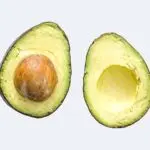
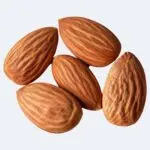
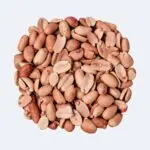
Boron comes mostly from plants. In our ranking, half an avocado (101 g) leads per serving with 2.29 mg. Next come 5 fl oz of red wine (1.05 mg), an ounce of almonds (0.75 mg), a cup of grapes and an ounce of peanuts.
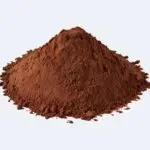
Per 100 g, cocoa powder leads at 2.68 mg, with almonds, avocados and peanuts close behind. Per 100 kcal, white mushrooms lead at 1.98 mg. The ranking below has the full list.
Our boron values come from the New Zealand Total Diet Study, the Danish Frida database and a few published measurements. The Sources page lists them. So they are measurements of specific foods and will differ from other samples.
Published surveys show the same pattern. The IOM reports the highest boron concentrations in fruit-based drinks and products, tubers and legumes, and almost none in animal products and some grain products. EFSA lists fruits, leafy vegetables, mushrooms, nuts, legumes, wine, cider and beer as rich sources, and meat, fish and dairy as poor ones.
How much you eat matters as much as concentration. In the US analysis, coffee and milk were the top two contributors despite low boron per serving. Apples, dried beans and potatoes completed the top five.
By our arithmetic on the ranking, half an avocado and an ounce of almonds give about 3 mg. That is two to three times the typical daily intake.
Water counts too. EFSA reports that bottled water averages 0.75 mg per liter, with up to 4.35 mg per liter in one study. The IOM puts US municipal (tap) water at 0.005 to 2 mg per liter, with a mean of 0.2 mg. Depending on where you live, water can supply a major share of the daily total.
Per serving. No daily amount is set, so bars compare each food with the top food.
Per 100 g. No daily amount is set, so bars compare each food with the top food.
Per 100 kcal: the same calories of each food, for a fair comparison. Bars compare each food with the top food.
Food labels have no Daily Value or Reference Intake for boron, so the % compares each food with the top food.
- 1.
- 2.

- 3.
- 4.

- 5.
- 6.

- 7.
- 8.

- 9.

- 10.



- 1.
- 2.
- 3.
- 4.
- 5.
- 6.
- 7.
- 8.
- 9.

- 10.


- 1.
- 2.
- 3.
- 4.
- 5.

- 6.
- 7.
- 8.
- 9.
- 10.



Sources
- Pearson AJ, Ashmore E. Risk assessment of antimony, barium, beryllium, boron, bromine, lithium, nickel, strontium, thallium and uranium concentrations in the New Zealand diet. Food Addit Contam Part A Chem Anal Control Expo Risk Assess. 2020. Data: figshare, doi:10.6084/m9.figshare.11470398.v1, CC BY 4.0.
- Danish Food Composition Database, Frida version 5.5, November 2025. National Food Institute, Technical University of Denmark. doi:10.11583/DTU.29500682. CC BY 4.0.
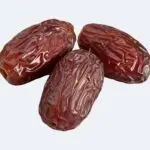
- International Programme on Chemical Safety. Boron. Environmental Health Criteria 204. World Health Organization, Geneva. 1998. Boron in dates as cited there from Hunt et al., 1991.
- Institute of Medicine, Food and Nutrition Board. Dietary Reference Intakes for vitamin A, vitamin K, arsenic, boron, chromium, copper, iodine, iron, manganese, molybdenum, nickel, silicon, vanadium, and zinc. Chapter 13, boron. National Academy Press. 2001.
- EFSA Panel on Dietetic Products, Nutrition and Allergies (NDA). Opinion on the tolerable upper intake level of boron (sodium borate and boric acid). EFSA J. 2004.
- Rainey CJ, Nyquist LA, Christensen RE, et al. Daily boron intake from the American diet. J Am Diet Assoc. 1999.
- Meacham SL, Hunt CD. Dietary boron intakes of selected populations in the United States. Biol Trace Elem Res. 1998.
- Stübing F, Kowarschik S, Koeder C, et al. Boron Intake and 24-hour Urinary Excretion in Long-term Omnivores, Vegetarians and Vegans: a Cross-sectional Study. Biol Trace Elem Res. 2026.
How boron works
Nobody has found a boron-containing enzyme in people. So most of what follows comes from chemistry, animal work and small balance studies in people, which track what goes in and what comes out. Three ideas cover it.
First, the body handles boron as boric acid and clears it quickly. Next, boric acid can bind molecules that carry two neighboring hydroxyl (OH) groups. And in experiments, boron seems to touch how calcium, magnesium, vitamin D and sex hormones are handled. Here is each idea, and what has been seen in people.
It travels as boric acid and the kidneys clear it fast
In the gut, most food boron is turned into boric acid, a small neutral molecule that crosses easily. The IOM puts absorption at about 90% in the normal intake range, and EFSA says more than 90%. The body does not break boron down. It travels in the blood as free boric acid and leaves mainly through the kidneys.
EFSA says more than 90% of a dose appears in urine, and the IOM cites a half-life of about 21 hours. In a ward study of 11 postmenopausal women, urine and feces together accounted for nearly all the boron they ate, with no sign of build-up. Animal data suggest bone holds a small, slower pool.
The path of boron through the body. Not to scale. The half-life comes from human studies the IOM and EFSA cite, and the bone store from animal data.
Blood levels rise far less than intake, but studies disagree on why
In the 167-day ward study, a ninefold rise in dietary boron raised plasma boron only 1.5 times. In chicks, a ninefold rise in the diet gave a twofold rise in plasma. The authors of both studies read this as a sign that the body keeps boron under control. The evidence is mixed.
The IOM lists a 42-day study in men as some evidence of control. Against it, the IOM lists a study where about the same share was excreted at 2.2 and 10 mg a day: 86% and 84%. EFSA concludes that metabolic studies show no such control in humans, although some reports suggest it.
Dietary boron and plasma boron in 11 postmenopausal women, relative to the basal diet (0.36 mg of boron a day), drawn to scale. The supplemented diet had 9.0 times the boron, and plasma had 1.5 times.
Boric acid can bind molecules with two neighboring OH groups
In water at body pH, boron is mostly boric acid. Boric acid binds sugars and other molecules that carry two OH groups side by side, and the bonds are loose and reversible. The IOM says this could in theory stabilize sugars or steroids. Boron also blocks a wide range of enzymes in test tubes, but no boron-containing enzyme has been identified.
A researcher who has studied boron for decades proposes that boron esters form with ribose-containing molecules such as S-adenosylmethionine and NAD, and with membrane molecules. This could explain its varied effects, but the idea remains a hypothesis.
How boron is thought to bind molecules. Not to scale. The chemistry is shown in test tubes; whether it explains any effect in people is not known.
In experiments it seems to touch calcium, magnesium, vitamin D and sex hormones
EFSA calls calcium handling perhaps the best-documented effect. Both the IOM and EFSA note that boron effects often show up only when another nutrient is short. In the chick study above, boron helped only when vitamin D was inadequate. In the women’s studies, the changes looked larger when magnesium was low.
The human results do not line up. One ward study found less calcium and magnesium in urine and higher estradiol and testosterone with 3 mg a day. A second found no change, and the 167-day study found that calcium loss moved in opposite directions depending on magnesium. In the same group of experiments, boron raised blood estradiol further in postmenopausal women taking estrogen therapy, says the WHO-published review.
What has been seen in people
The clearest results are about handling, not health: boron is absorbed, circulates as boric acid and leaves in the urine. On outcomes, the cards above show mixed mineral and hormone results from small studies. They show a testosterone claim that the one placebo-controlled trial did not support. And they show joint-comfort results from short trials of calcium fructoborate with industry ties.
The IOM concluded in 2001 that the evidence did not establish a function for boron in humans, and EFSA reached the same view in 2004.
Sources
- Institute of Medicine, Food and Nutrition Board. Dietary Reference Intakes for vitamin A, vitamin K, arsenic, boron, chromium, copper, iodine, iron, manganese, molybdenum, nickel, silicon, vanadium, and zinc. Chapter 13, boron. National Academy Press. 2001.
- EFSA Panel on Dietetic Products, Nutrition and Allergies (NDA). Opinion on the tolerable upper intake level of boron (sodium borate and boric acid). EFSA J. 2004.
- International Programme on Chemical Safety. Boron. Environmental Health Criteria 204. World Health Organization, Geneva. 1998.
- Hunt CD, Herbel JL, Nielsen FH. Metabolic responses of postmenopausal women to supplemental dietary boron and aluminum during usual and low magnesium intake: boron, calcium, and magnesium absorption and retention and blood mineral concentrations. Am J Clin Nutr. 1997.
- Hunt CD, Herbel JL, Idso JP. Dietary boron modifies the effects of vitamin D3 nutrition on indices of energy substrate utilization and mineral metabolism in the chick. J Bone Miner Res. 1994.
- Nielsen FH, Hunt CD, Mullen LM, Hunt JR. Effect of dietary boron on mineral, estrogen, and testosterone metabolism in postmenopausal women. FASEB J. 1987.
- Beattie JH, Peace HS. The influence of a low-boron diet and boron supplementation on bone, major mineral and sex steroid metabolism in postmenopausal women. Br J Nutr. 1993.
- Nielsen FH. Update on human health effects of boron. J Trace Elem Med Biol. 2014.
How much boron do you need?
There is no recommended amount of boron. The US has set no recommended dietary allowance or adequate intake, and EFSA has set no dietary reference value. Typical adult diets supply about 1 to 1.5 mg a day. The only official numbers are upper limits: 20 mg a day for US adults and 10 mg for EU adults.
The agencies agree on why. The IOM said in 2001 that the evidence had not established a clear biological function for boron in humans, so it set no requirement. EFSA said in 2004 that boron has not been established as essential for people and that no recommended intakes exist.
The WHO-published 1998 review took a more favorable view. It judged boron a beneficial element at nutritional amounts, and possibly an essential one. It said the main reason boron is not recognized as essential is that no specific biochemical function is known.
It reported that a 1996 WHO report had suggested a mean basal requirement for adults of about 0.375 mg a day. That report also suggested a minimum population mean intake of about 0.75 mg. Its acceptable safe range for population mean intakes was 1 to 13 mg a day. The review says it does not necessarily represent WHO policy.
Neither agency sets a separate amount for pregnancy or breastfeeding. The IOM upper limit matches other adults: 17 mg at ages 14 to 18 and 20 mg at 19 to 50. EFSA’s 10 mg applies to pregnant and breastfeeding women too. In US surveys, median (middle) intakes were 1.05 to 1.08 mg a day in pregnancy and 1.27 mg while breastfeeding.
For infants, the IOM could not set an upper limit and says their boron should come only from food and formula. Children have lower limits. The IOM sets 3 mg at ages 1 to 3, 6 mg at 4 to 8 and 11 mg at 9 to 13. At 14 to 18 it is 17 mg.
EFSA sets 3, 4 and 5 mg for ages 1 to 3, 4 to 6 and 7 to 10. For ages 11 to 14 and 15 to 17 it sets 7 and 9 mg. Neither agency gives a separate value for older adults.
Both limits come from rat studies, not from harm seen in people. The IOM took the rat no-effect dose for lower fetal weight: 9.6 mg of boron per kg of body weight a day. It divided that by a safety factor of 30 and multiplied by an adult weight of 61 kg, which gives 20 mg a day. EFSA started from the same dose, used a factor of 60 and got 0.16 mg per kg, or 10 mg a day.
EFSA’s limits apply only to boron as boric acid and borates. The IOM found that even at the 95th percentile, US total intake from food, water and supplements stayed under 5 mg a day. But EFSA notes bodybuilding supplements with 1.5 to 10 mg per dose, which can add up to 1.5 to 30 mg a day.
Boron deficiency: signs and who is at risk
No boron deficiency disease has been described in people. The IOM found no clear, reproducible marker of boron status to build a requirement on. What exists are diet experiments.
One set of studies compared older adults eating about 0.25 mg a day with about 3 mg. On the low intake, they reported poorer attention, memory and brain-wave patterns and changes in calcium handling. Another found no change in minerals or hormones.
The IOM noted that the brain findings come from one laboratory and need confirming elsewhere. Because no deficiency syndrome is defined, lists of boron deficiency symptoms on supplement sites are not established medicine.
No group is known to be at risk. In a US analysis, the lowest 5% of adults ate under about half a milligram a day. That is 0.43 mg for men and 0.33 mg for women, against medians of 1.02 and 0.83 mg. Vegetarians eat more, with mean intakes of 1.47 mg for men and 1.29 mg for women.
In a German study, long-term vegans had the highest median intake, about 1.9 mg a day. Vegetarians came next (about 1.7 mg), then omnivores (about 1.5 mg).
There is no accepted test. Urine boron mostly follows recent intake. In the German study, 24-hour urinary boron rose and fell with estimated intake (correlation r = 0.74 in omnivores and 0.79 in vegans). We found no cutoff that separates a deficient from a sufficient level.
Sources
- Institute of Medicine, Food and Nutrition Board. Dietary Reference Intakes for vitamin A, vitamin K, arsenic, boron, chromium, copper, iodine, iron, manganese, molybdenum, nickel, silicon, vanadium, and zinc. Chapter 13, boron. National Academy Press. 2001.
- EFSA Panel on Dietetic Products, Nutrition and Allergies (NDA). Opinion on the tolerable upper intake level of boron (sodium borate and boric acid). EFSA J. 2004.
- International Programme on Chemical Safety. Boron. Environmental Health Criteria 204. World Health Organization, Geneva. 1998.
- Rainey CJ, Nyquist LA, Christensen RE, et al. Daily boron intake from the American diet. J Am Diet Assoc. 1999.
- Stübing F, Kowarschik S, Koeder C, et al. Boron Intake and 24-hour Urinary Excretion in Long-term Omnivores, Vegetarians and Vegans: a Cross-sectional Study. Biol Trace Elem Res. 2026.
- Nielsen FH, Hunt CD, Mullen LM, Hunt JR. Effect of dietary boron on mineral, estrogen, and testosterone metabolism in postmenopausal women. FASEB J. 1987.
- Beattie JH, Peace HS. The influence of a low-boron diet and boron supplementation on bone, major mineral and sex steroid metabolism in postmenopausal women. Br J Nutr. 1993.
- Penland JG. Dietary boron, brain function, and cognitive performance. Environ Health Perspect. 1994.
Forms of boron: absorption and effects
In food and water, boron is mostly borate and boric acid. EFSA notes that in water near neutral pH, the main form is boric acid, whichever compound was the source. Plants also hold some boron as sugar-borate esters, according to a review by authors tied to a fructoborate maker.
Supplements are sold as boric acid, sodium borate, calcium fructoborate, boron citrate and boron glycinate. They differ mainly in how much boron they carry by weight and in how they are marketed. We found little evidence that they differ in what happens in the body.
The honest bottom line is that almost nothing compares forms. We found one small trial that put two forms head to head: a pilot in rheumatoid arthritis in which calcium fructoborate beat sodium tetraborate. We found no trial of boric acid, boron citrate or boron glycinate against another form.
The idea that organic forms such as fructoborate work better than inorganic ones rests on papers by authors tied to the maker of calcium fructoborate. A review by those authors says that once swallowed, the compound mainly delivers boron as boric acid. Absorption of the intact compound is possible, it says, but not confirmed in people. We found no source that compares side effects of the forms.
Most of the older trials above do not name the compound in their abstracts. Where it is named, the factor VII trial used sodium tetraborate decahydrate and the COVID-19 pilot used boron citrate. The knee, osteoarthritis, healthy-adult and angina trials used calcium fructoborate.
| Form | Share of the mineral by weight | What studies show | Source |
|---|---|---|---|
| Borates and boric acid in food and water | Not stated | Boron in food is mainly borate and boric acid, with some sugar-borate esters in plants. EFSA says borate is absorbed at more than 90% and the IOM says about 90%. We found no study that compared absorption from different foods. | 1, 2, 8 |
| Boric acid | 17.5% (IOM conversion factor 0.175) | The compound behind both upper limits, and the one used in the animal studies that set them. It is also the active ingredient of some household pesticides and cleaners, where swallowing it has killed small children. | 1, 2, 10 |
| Sodium borate (borax, sodium tetraborate) | 11.3% (IOM conversion factor 0.113) | A dose of 102.6 mg of sodium tetraborate decahydrate gave 11.6 mg of boron and raised plasma boron to 0.124 mg per liter against 0.008 on placebo, but did not change insulin, glucose, lipids or factor VIIa in 15 men (funded by Borax Europe). In a pilot in rheumatoid arthritis, 55 mg a day (6 mg of boron) improved disease scores, though less than calcium fructoborate did. | 1, 3, 4 |
| Calcium fructoborate | Not stated | Marketed for joints. Trials gave 56 to 220 mg a day for 14 to 60 days and reported lower pain scores and inflammation markers. Some were funded by the maker or have authors who work for it. A review by authors tied to the maker says the compound mainly supplies boron as boric acid after digestion, and that absorption of the intact compound is unconfirmed in people. | 4, 5, 6, 7, 8, 11 |
| Boron citrate | Not stated | One pilot in 40 adults with COVID-19 gave 5 mg of boron citrate twice a day beside routine treatment and reported better oxygen saturation. No study compared it with another form. | 9 |
| Boron glycinate | Not stated | Sold as a supplement. We found no human study of its absorption or effects. | None |
Here are the 2 human trials that tested a named form head to head or on its own, both small pilots. We found no trial that compared health outcomes of boric acid, boron citrate and boron glycinate with each other, and none on boron glycinate.
All 2 studies, strongest evidence first
In 72 people with rheumatoid arthritis, calcium fructoborate beat sodium tetraborate
This double-blind pilot randomized 80 patients who were also taking etanercept. For 60 days they took 220 mg of calcium fructoborate, 55 mg of sodium tetraborate (6 mg of boron) or placebo daily, and 72 finished. Both boron groups improved clinical scores and lowered ESR, C-reactive protein, TNF-alpha and interleukins 1 alpha and 6 against placebo, more so on calcium fructoborate. The catch: the groups were small, the abstract gives no effect sizes, and the boron content of the fructoborate dose is not stated.
Boron citrate beat routine care on oxygen in 40 COVID-19 patients
Four groups of about 10 took boron citrate (5 mg twice a day), oleoylethanolamide (200 mg twice a day), both, or routine treatment only. The boron citrate groups had better oxygen saturation and breathing rate, higher white cell and lymphocyte counts, and lower lactate dehydrogenase and sedimentation rate. The catch: the control group had no placebo, one arm combined boron with another compound, and no trial compared boron citrate with another form. It is the only boron citrate trial we found.
Sources
- Institute of Medicine, Food and Nutrition Board. Dietary Reference Intakes for vitamin A, vitamin K, arsenic, boron, chromium, copper, iodine, iron, manganese, molybdenum, nickel, silicon, vanadium, and zinc. Chapter 13, boron. National Academy Press. 2001.
- EFSA Panel on Dietetic Products, Nutrition and Allergies (NDA). Opinion on the tolerable upper intake level of boron (sodium borate and boric acid). EFSA J. 2004.
- Wallace JM, Hannon-Fletcher MP, Robson PJ, et al. Boron supplementation and activated factor VII in healthy men. Eur J Clin Nutr. 2002.
- Hussain SA, Abood SJ, Gorial FI. The adjuvant use of calcium fructoborate and borax with etanercept in patients with rheumatoid arthritis: Pilot study. J Intercult Ethnopharmacol. 2017.
- Pietrzkowski Z, Phelan MJ, Keller R, et al. Short-term efficacy of calcium fructoborate on subjects with knee discomfort: a comparative, double-blind, placebo-controlled clinical study. Clin Interv Aging. 2014.
- Rogoveanu OC, Mogoşanu GD, Bejenaru C, et al. Effects of Calcium Fructoborate on Levels of C-Reactive Protein, Total Cholesterol, Low-Density Lipoprotein, Triglycerides, IL-1β, IL-6, and MCP-1: a Double-blind, Placebo-controlled Clinical Study. Biol Trace Elem Res. 2015.
- Scorei IR, Biţă A, Mogoşanu GD, Hunter JM. Calcium Fructoborate: Unique Among Other Boron-Carbohydrate Complexes from Nature: Biochemical Roles and Pharmacological Potential. Handb Exp Pharmacol. 2026.
- Hunter JM, Nemzer BV, Rangavajla N, et al. The Fructoborates: Part of a Family of Naturally Occurring Sugar-Borate Complexes-Biochemistry, Physiology, and Impact on Human Health: a Review. Biol Trace Elem Res. 2019.
- Akbari N, Ostadrahimi A, Tutunchi H, et al. Possible therapeutic effects of boron citrate and oleoylethanolamide supplementation in patients with COVID-19: A pilot randomized, double-blind, clinical trial. J Trace Elem Med Biol. 2022.
- Hamilton RA, Wolf BC. Accidental boric acid poisoning following the ingestion of household pesticide. J Forensic Sci. 2007.
- Correction notice, with the conflict of interest statement for the knee discomfort trial. Erratum: Short-term efficacy of calcium fructoborate on subjects with knee discomfort. Clin Interv Aging. 2021.
Is boron safe? Supplements, dose and interactions
Boron from food is not a concern for healthy people. The IOM found no data on harm from large amounts in food and water.
The US tolerable upper intake level (UL), the most a day that is unlikely to cause harm, is 20 mg of boron for adults. For children it is 17 mg at ages 14 to 18, 11 mg at 9 to 13 and 6 mg at 4 to 8. It is 3 mg at 1 to 3, with none set for infants. EFSA’s UL is lower, 10 mg a day for adults, and applies to boron as boric acid and borates.
Both rest on the rat studies above, with a safety factor of 30 at the IOM and 60 at EFSA. EFSA found that the intake of some boron supplements may exceed its UL.
- Doses and side effects. Supplements hold 1.5 to 10 mg of boron per dose (EFSA), and the trials above used 2.5 to 11.6 mg a day. The IOM lists nausea, stomach discomfort, vomiting and diarrhea as first signs of boron poisoning, with skin flushing, excitement, convulsions and collapse at higher doses. Reports of borates given for epilepsy used 1 g to 25 g a day of the compound. Long-term side effects were skin inflammation, hair loss, poor appetite and indigestion.
- Accidental poisoning is the real danger. Boric acid in household cleaners, pesticides and wood preservatives has poisoned and killed young children. A report of an 18-month-old who died after swallowing a roach killer notes that most borate deaths on record were in infants. Two infants with boric acid overdose in Italy were treated with dialysis. In a review of 784 boric acid swallowings at poison centers, 88.3% had no symptoms, and the most common were vomiting, abdominal pain and diarrhea. But the IOM cites potential lethal doses of 3 to 6 g for infants and 15 to 20 g for adults. Keep these products away from children, and do not swallow them as supplements.
- Pregnancy, children and fertility. In animals, boric acid lowered fetal weight and caused rib and brain malformations at doses far above food levels. Higher doses damaged sperm production. People with far higher exposures than the public have not shown clear male reproductive effects. In one overview, Chinese workers averaged 31.3 mg a day, and a subset 125 mg a day. They differed from controls only in the share of Y-carrying sperm. In Turkish plant workers averaging 14.45 mg a day, sperm and hormone tests were unaffected. In pregnant women in Argentina who drank very high-boron water, higher serum boron went with shorter newborns. We found no trial of boron supplements in pregnancy or in children, so ask your doctor first.
- Kidneys, hormones and medicines. The kidneys clear more than 90% of absorbed boron, which is why EFSA built its safety factor around differences in kidney filtration. We found no study of boron supplements in people with kidney disease. In the older experiments, boron raised blood estradiol further in postmenopausal women taking estrogen therapy. So if you take hormone therapy or have a hormone-sensitive condition, ask a doctor first. We found no studies of boron interacting with medicines.
How to get more boron
- Best foods. Half an avocado gives 2.29 mg and an ounce of almonds 0.75 mg in our ranking. EFSA lists fruits, leafy vegetables, mushrooms, nuts and legumes as the richest sources.
- Food before pills. No trial shows that a boron pill does more than a boron-rich diet. One researcher who has studied boron for decades argues that intakes under 1 mg a day are not rare. That researcher advises more fruit, vegetables, nuts and pulses. Supplements carry 1.5 to 10 mg per dose, and some can take a daily intake past the EU limit of 10 mg.
- Count your water. US tap water supplies 0.005 to 2 mg per liter (mean 0.2 mg), and bottled water averaged 0.75 mg per liter in one study. So water can change your total.
Sources
- Institute of Medicine, Food and Nutrition Board. Dietary Reference Intakes for vitamin A, vitamin K, arsenic, boron, chromium, copper, iodine, iron, manganese, molybdenum, nickel, silicon, vanadium, and zinc. Chapter 13, boron. National Academy Press. 2001.
- EFSA Panel on Dietetic Products, Nutrition and Allergies (NDA). Opinion on the tolerable upper intake level of boron (sodium borate and boric acid). EFSA J. 2004.
- International Programme on Chemical Safety. Boron. Environmental Health Criteria 204. World Health Organization, Geneva. 1998.
- Litovitz TL, Klein-Schwartz W, Oderda GM, Schmitz BF. Clinical manifestations of toxicity in a series of 784 boric acid ingestions. Am J Emerg Med. 1988.
- Hamilton RA, Wolf BC. Accidental boric acid poisoning following the ingestion of household pesticide. J Forensic Sci. 2007.
- Pedicelli S, Picca S, Di Nardo M, et al. Treatment of boric acid overdose in two infants with Continuous Venovenous Hemodialysis. Clin Toxicol (Phila). 2015.
- Scialli AR, Bonde JP, Brüske-Hohlfeld I, et al. An overview of male reproductive studies of boron with an emphasis on studies of highly exposed Chinese workers. Reprod Toxicol. 2010.
- Duydu Y, Başaran N, Üstündağ A, et al. Reproductive toxicity parameters and biological monitoring in occupationally and environmentally boron-exposed persons in Bandirma, Turkey. Arch Toxicol. 2011.
- Igra AM, Harari F, Lu Y, et al. Boron exposure through drinking water during pregnancy and birth size. Environ Int. 2016.
- Nielsen FH. Update on human health effects of boron. J Trace Elem Med Biol. 2014.
History of boron
Boron’s first proven job was in plants. Since the 1920s it has been known as an essential micronutrient for higher plants, where it takes part in cell division and membrane structure. Borates also had a long career in medicine.
They were used as antiseptics, in skin powders and ointments for burns and diaper rash, and to rinse body cavities, until their toxicity was recognized. Most of the deaths on record were in infants.
The case for boron in joints goes back to 1963. According to his own account, Rex Newnham found then that boron eased his own arthritis, and he later reviewed the case for boron in joints.
Interest in boron as a nutrient for people grew in 1987. That year, USDA researchers in North Dakota reported that a 3 mg supplement changed calcium, magnesium and hormones in postmenopausal women on a low-boron diet. A second ward study did not repeat the result.
The official positions came later. A 1996 WHO report proposed a safe range of 1 to 13 mg a day. The IOM set an upper limit of 20 mg in 2001 and decided there was too little evidence for a requirement. EFSA set a 10 mg limit in 2004.
Whether boron counts as essential for people is still open, because no one has found what it does in the body.
Sources
- Hamilton RA, Wolf BC. Accidental boric acid poisoning following the ingestion of household pesticide. J Forensic Sci. 2007.
- International Programme on Chemical Safety. Boron. Environmental Health Criteria 204. World Health Organization, Geneva. 1998.
- Nielsen FH, Hunt CD, Mullen LM, Hunt JR. Effect of dietary boron on mineral, estrogen, and testosterone metabolism in postmenopausal women. FASEB J. 1987.
- Beattie JH, Peace HS. The influence of a low-boron diet and boron supplementation on bone, major mineral and sex steroid metabolism in postmenopausal women. Br J Nutr. 1993.
- Newnham RE. Essentiality of boron for healthy bones and joints. Environ Health Perspect. 1994.
- Institute of Medicine, Food and Nutrition Board. Dietary Reference Intakes for vitamin A, vitamin K, arsenic, boron, chromium, copper, iodine, iron, manganese, molybdenum, nickel, silicon, vanadium, and zinc. Chapter 13, boron. National Academy Press. 2001.
- EFSA Panel on Dietetic Products, Nutrition and Allergies (NDA). Opinion on the tolerable upper intake level of boron (sodium borate and boric acid). EFSA J. 2004.
Frequently asked questions about boron
Does boron raise testosterone?
Not reliably. In a trial of 8 healthy men, 10 mg a day for a week raised free testosterone, with no placebo group that week. In a placebo-controlled trial of 19 bodybuilders, 2.5 mg a day for 7 weeks changed neither testosterone nor muscle mass or strength. In postmenopausal women, one study found that 3 mg raised blood testosterone and estradiol, and another found no change. We found no larger trial of boron and testosterone in men.
How much boron should you take a day?
No amount is recommended: typical diets supply about 1 to 1.5 mg, and supplements carry 1.5 to 10 mg per dose. The adult upper limit is 20 mg in the US and 10 mg in the EU. Boron-rich foods are the lower-risk way to eat more. Ask a doctor before taking a supplement if you are pregnant, have kidney disease or take hormone therapy, and before giving one to a child.
Is boron an essential mineral?
It has not been established as one. The IOM (2001) and EFSA (2004) both say no clear function in humans has been proven, so neither set a requirement. A WHO-published 1998 review called boron a beneficial element, perhaps an essential one. A 1996 WHO report proposed a safe range of 1 to 13 mg a day, and plants do need boron.
Which foods are highest in boron?
Per serving, avocado leads our ranking with 2.29 mg. Red wine (1.05 mg in 5 fl oz) and almonds (0.75 mg per ounce) follow, then grapes and peanuts. Per 100 g, cocoa powder (2.68 mg) and almonds (2.64 mg) lead. Coffee and milk are low in boron per serving, but they are the biggest sources in the US by volume.
Is boron good for bones and joints?
The evidence is thin. In three studies of postmenopausal women, 3 mg a day had mixed effects on calcium, and we found no trial with fractures as the outcome. Joint results come from a 20-person trial in a 1994 review and from short calcium fructoborate trials, two by authors working for its maker. Eating more fruit, vegetables and nuts is reasonable, but boron pills are unproven for joints.
Can you be deficient in boron?
No boron deficiency disease has been described, and there is no accepted test. In one laboratory’s diet studies, older adults eating about 0.25 mg a day instead of 3 mg had poorer attention and memory. Calcium and hormone levels changed in some studies but not others. The lowest 5% of US adults eat under about half a milligram a day, and no disease has been tied to those intakes.
Is calcium fructoborate better than boric acid or borax?
Only one trial compared forms, a pilot we found no repeat of. In 72 people with rheumatoid arthritis on etanercept, calcium fructoborate improved disease scores more than sodium tetraborate over 60 days, and both beat placebo. Claims that organic forms work better come mostly from authors tied to the maker. Their own review says the compound mainly delivers boron as boric acid.
Can you take borax or boric acid as a supplement?
Household borax and boric acid are sold as cleaners, pesticides and preservatives, and swallowing them has poisoned and killed small children. The trials that used a borate gave measured capsule doses, for example 55 mg of sodium tetraborate (6 mg of boron) a day. The EU limit applies to boron as boric acid and borates. We found no safety data that support taking household products, so do not use them as supplements.