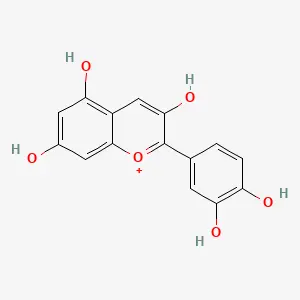
Cyanidin is a plant pigment in the anthocyanidin group of flavonoids. It looks red in acid and turns bluer as the acidity falls. One review says this single molecule can account for the colors of cornflowers, blackberries, red cabbage and roses.
In plants it is found with sugar groups attached, and the result is called an anthocyanin. The most common form, cyanidin-3-glucoside (C3G), is described as the major anthocyanin in most plants. In a 2006 analysis of US foods, cyanidin supplied 45% of all anthocyanin intake.
Plants make anthocyanins for more than looks. A 2025 review lists sun protection, antioxidant roles, camouflage, and attracting pollinators and seed dispersers among the proposed jobs. It says protective functions in leaves probably came first, with flower and fruit color evolving later.
Here is what most readers do not know: little cyanidin reaches the blood as itself. In a tracer study, 8 men took 500 mg of C3G labeled with carbon-13, and about 12% was absorbed. Much of what circulated afterward was smaller molecules, such as protocatechuic acid.
So some effects credited to cyanidin may belong to its breakdown products. Most human trials also used mixes of anthocyanins, not cyanidin alone, and this page names the product each time.
Health benefits of cyanidin
The top findings from 17 studies, strongest evidence first
What the stars mean
- Strong. Several randomized trials, pooled in a meta-analysis, point the same way, or regulators (FDA or EFSA) have approved the claim.
- Moderate. Good randomized trials support it, but there are fewer of them, or their results vary.
- Limited. Small, short or single trials, or mixed results. Promising, but it needs confirmation.
Population and lab studies get no stars: they show a link or a mechanism, not proof.
How we rate evidence →- ★★Better artery widening from cyanidin-rich anthocyaninsIn pooled trials of anthocyanin foods and extracts rich in cyanidin, artery widening (FMD) improved by 1.62%. Blood fats, blood pressure and glucose did not change, and the products were not pure cyanidin.
- ★Lower LDL cholesterol with anthocyanin supplementsIn 150 adults with high cholesterol, 320 mg a day of an anthocyanin mix cut LDL by 10.4% and CRP (an inflammation marker) by 21.6%. In 120 adults with abnormal blood fats, a berry anthocyanin supplement lowered LDL by 13.6%.
- ★No heart-marker change in two other trialsBlack rice anthocyanins (28 days, 52 adults) did not change cholesterol or blood sugar markers. Elderberry capsules (12 weeks, 52 postmenopausal women) did not change lipids, glucose or inflammation.
- ★Lower body mass with blood orange extractOverweight adults taking a blood orange extract daily for 6 months, with diet and exercise, lost 4.2% of body mass, against 2.2% on placebo. The extract holds other compounds, so this is not cyanidin alone.
- ★About 12% of a cyanidin compound was absorbedIn 8 men given 500 mg of pure C3G (cyanidin-3-glucoside), about 12% was absorbed. This was a high dose of a pure compound, not food.
All 17 studies, strongest evidence first
Cyanidin-rich anthocyanins improved artery widening by 1.62%
This 2026 systematic review pooled 65 randomized trials of anthocyanin foods and extracts in healthy people, plus 18 cohort studies. Each trial gave at least 50 mg a day. In trials lasting a day or more, cyanidin improved flow-mediated dilation (FMD), a test of how well an artery widens, by 1.62%. Blood fats, blood pressure and glucose did not change. Trials counted toward cyanidin when it was a large share of the dose, so this is not pure cyanidin. Part of the funding came from the US Highbush Blueberry Council, and one author advises its grants committee.
An anthocyanin mix lowered CRP 21.6% and LDL 10.4% in 24 weeks
150 adults with high cholesterol took 320 mg a day of a purified anthocyanin mixture or a placebo (dummy pill). CRP, a marker of inflammation, fell 21.6% against 2.5% on placebo. LDL (“bad” cholesterol) fell 10.4% while it was flat on placebo, and HDL (“good” cholesterol) rose 14.0% while it fell 0.9%. Cyanidin-3-glucoside was one part of the mix. In cell tests the mix reduced inflammation signals more than delphinidin-3-glucoside or cyanidin-3-glucoside alone.
The same mix lowered blood markers of platelet activity
This paper reports other outcomes of the same 24-week trial of 320 mg a day, in the same 150 adults. Markers that fell included beta-thromboglobulin, soluble P-selectin and RANTES. In cell tests, the mix and its two main parts, delphinidin-3-glucoside and cyanidin-3-glucoside, each blocked the release of platelet granules. The authors link this to the PI3K/Akt signaling pathway.
Berry anthocyanins raised HDL 13.7% and lowered LDL 13.6%
120 adults aged 40 to 65 with abnormal blood fats took 160 mg twice a day for 12 weeks, or a placebo. The abstract does not list which anthocyanins the supplement held. HDL rose 13.7% (placebo 2.8%) and LDL fell 13.6% (placebo change 0.6%). CETP, a protein that moves cholesterol between particles, fell 10.4% in mass, and in liver cells cyanidin-3-glucoside lowered CETP activity.
In overweight adults, blood orange extract cut body mass 4.2%
Overweight adults aged 20 to 65 took a Moro blood orange extract or a placebo daily for 6 months, with diet and exercise. The paper names cyanidin-3-glucoside as one anthocyanin of blood oranges, but the extract holds other compounds and the abstract gives no cyanidin dose. Body mass fell 2.2% on placebo, and waist fell 3.9 cm against 1.7 cm. Fat mass and visceral (belly) fat were lower, and the authors report no conflict of interest.
Black rice anthocyanins did not change LDL cholesterol in 28 days
52 adults with high cholesterol each took three capsule types in turn, in random order, without knowing which. The capsules held black rice anthocyanins at 320 mg a day (the dihydroxy type, including the cyanidin glycosides). Others held bilberry anthocyanins (the trihydroxy type, including the delphinidin glycosides) or a placebo. Neither type changed lipoproteins, blood sugar markers, HDL function or other heart markers, and the authors suggest 4 weeks may have been too short.
Elderberry extract did not change heart risk markers after menopause
52 healthy postmenopausal women (26 per group) took elderberry capsules or a placebo for 12 weeks. The capsules gave 500 mg a day of anthocyanins as cyanidin glycosides. Lipids, glucose, inflammation and platelet markers did not change, and liver and kidney tests stayed in the normal range. The authors call the dose apparently safe but ineffective for these markers.
Black rice extract improved self-rated memory, but not tested memory
48 older adults with subjective memory impairment (memory complaints without a diagnosis) took part. For 12 weeks they took six capsules a day of a black rice extract rich in cyanidin-3-glucoside (C3G), or a placebo. Memory tests (ADAS-cog, CERAD-K) did not differ clearly, although ADAS-cog scores trended toward improvement. The abstract gives no C3G dose, no adverse events were reported, and the authors state no conflicts.
With a fatty meal, an extract lowered blood endotoxin and post-meal glucose
In random order, 25 healthy adults ate a 1,026 kcal high-fat meal with one dose of extract or with placebo. The extract gave 320.4 mg of anthocyanins (90% cyanidin and delphinidin), and blood was drawn for 5 hours. It lowered blood endotoxin (a bacterial toxin) and the post-meal rise in glucose and triglycerides. Rises in insulin, GLP-1 and cholesterol did not clearly change. Several authors work or worked for the maker, NSE Products, and two others have received grants from it.
Blood orange juice raised blood C3G but few other markers
16 healthy women drank 600 mL of the juice a day for 21 days, and in another period ate a juice-free diet. The juice is also high in vitamin C and carotenoids, and blood vitamin C, cyanidin-3-glucoside, beta-cryptoxanthin and zeaxanthin rose. White blood cell DNA resisted oxidative stress better, but plasma antioxidant capacity, MDA and a urinary clotting marker did not change. The authors say long-term effects need study.
Of 500 mg of labeled C3G, about 12% was absorbed
Eight men took 500 mg of C3G tagged with carbon-13, and samples were followed for 48 hours. Relative bioavailability (the share absorbed) was 12.38%: 5.37% in urine and 6.91% in breath. That is more than older urine studies had suggested. Metabolites peaked in blood after about 10 hours and were mostly phenolic, hippuric, phenylacetic and phenylpropenoic acids. Recovery was 43.9% (15.1% to 99.3% between men), and this was a pure compound at a high dose, not food.
After blood orange juice, most cyanidin became protocatechuic acid
Six fasting volunteers drank 1 L of blood orange juice holding 71 mg of cyanidin glucosides. Blood cyanidin-3-glucoside peaked at 1.9 nmol/L, while protocatechuic acid reached 492 nmol/L, nearly 73% of the amount eaten. About 1.2% of the dose appeared in urine as anthocyanins. The authors suggest the acid may explain the short-term rise in antioxidant activity seen after cyanidin-rich foods.
Moderate cyanidin intake linked to about half the odds of esophageal cancer
This case-control study compared 820 people with esophageal cancer (squamous cell type) and 863 without it in Yanting County, China. It used a 76-item food questionnaire. The third intake quartile had 0.48 times the odds of the lowest. The link was weaker at the highest intake, so there was no steady dose response. Peonidin showed no link, and a study like this cannot show cause.
In 452 Chinese children, more cyanidin linked to denser bones
This cross-sectional study (a snapshot at a single time) covered children aged 6 to 9, using a 79-item food questionnaire and X-ray bone scans. For each standard-deviation rise in cyanidin intake, bone mineral content was 1.48% to 1.68% higher at all sites. Bone mineral density was 0.66% to 1.00% higher at all sites except the legs. Delphinidin and peonidin showed no clear link, and one time point cannot show that cyanidin caused the difference.
C3G-rich purple corn color curbed weight gain in mice
In this 12-week mouse study, purple corn color rich in cyanidin-3-glucoside was added to a high-fat diet. It cut weight gain and fat tissue weights, and brought blood glucose, insulin and leptin back to normal. It also lowered TNF-alpha mRNA (an inflammation signal) in fat tissue. The test material was a color extract, not pure C3G, and mouse doses do not carry over to people.
In artery-prone mice, C3G reduced immune cell build-up
Apolipoprotein E-deficient mice, which develop atherosclerosis easily, were given C3G by mouth through a tube. C3G was turned into protocatechuic acid, whose peak in blood was 3.7 times that of C3G. C3G lowered the CCR2 receptor on monocytes, a type of white blood cell. It reduced monocyte and macrophage infiltration more than the acid alone, so the authors think C3G acts partly through its metabolite.
In vessel cells, C3G acted as an antioxidant
These were experiments in membrane vesicles, human blood vessel cells and rat hearts after blocked blood flow. At physiological concentrations, C3G entered the cells through a transporter, bilitranslocase, and worked as an antioxidant inside them. It also protected isolated rat hearts as blood flow returned. The authors point out that blood levels of such flavonoids are very low, and this is cell and organ work, not people.
Foods high in cyanidin
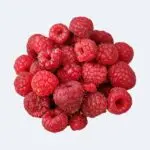
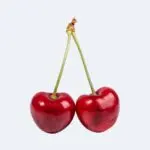
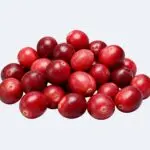
Cyanidin comes mostly from dark red and purple fruit, and almost always as glycosides (bound to sugars). In the USDA ranking below, raspberries come first at 45.8 mg per 100 g, ahead of cherries at 30.2 mg and cranberries at 29.9 mg.
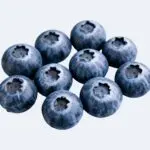
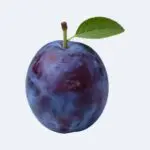
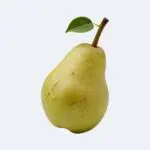
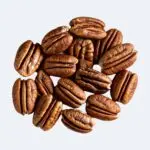
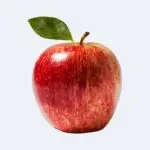
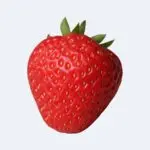
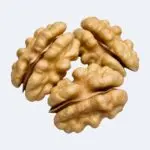
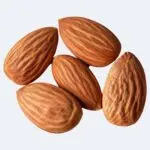
A cup of raspberries (123 g) holds 56.3 mg. Per serving, blueberries, plums, pears, apples and strawberries follow. Pecans and pistachios are the only nuts in the top ten per serving.
The ranking is an average, and foods vary a lot. In a 2006 analysis of US foods, total anthocyanins ran from 0.7 mg per 100 g in gooseberry to 1,480 mg in chokeberry. Only 24 of more than 100 foods contained any.
Cherries differ by type. Red sweet cherries held mostly cyanidin-3-rutinoside, 185 mg per 100 g in the cultivar Kordia. The tart cherry Montmorency held 21 mg of cyanidin-3-glucosylrutinoside and 6.2 mg of cyanidin-3-rutinoside.
Average intakes are modest. In the US, all anthocyanins together came to about 12.5 mg a day. In 27 European study centers, the six anthocyanidins together ranged from 18.73 to 64.88 mg a day, with cyanidin and malvidin the main contributors.
Per serving. No daily amount is set, so bars compare each food with the top food.
Per 100 g. No daily amount is set, so bars compare each food with the top food.
Per 100 kcal: the same calories of each food, for a fair comparison. Bars compare each food with the top food.
Food labels have no Daily Value or Reference Intake for cyanidin, so the % compares each food with the top food.
- 1.
- 2.
- 3.
- 4.
- 5.
- 6.
- 7.
- 8.
- 9.
- 10.


- 1.
- 2.
- 3.
- 4.
- 5.
- 6.
- 7.
- 8.
- 9.
- 10.


- 1.
- 2.
- 3.
- 4.
- 5.
- 6.
- 7.
- 8.
- 9.
- 10.
Sources
- Wu X, Beecher GR, Holden JM, et al. Concentrations of anthocyanins in common foods in the United States and estimation of normal consumption. J Agric Food Chem. 2006.
- Mulabagal V, Lang GA, DeWitt DL, Dalavoy SS, Nair MG. Anthocyanin content, lipid peroxidation and cyclooxygenase enzyme inhibitory activities of sweet and sour cherries. J Agric Food Chem. 2009.
- Zamora-Ros R, Knaze V, Luján-Barroso L, et al. Estimation of the intake of anthocyanidins and their food sources in the European Prospective Investigation into Cancer and Nutrition (EPIC) study. Br J Nutr. 2011.
- Bhagwat S, Haytowitz DB. USDA Database for the Flavonoid Content of Selected Foods, Release 3.3. US Department of Agriculture, Agricultural Research Service. 2018.
How cyanidin works
Most of what we know about how cyanidin works comes from test tubes, cells and animals. Four ideas keep coming back.
The body changes most of it into smaller molecules, and those molecules may do much of the work. It switches on the cell’s own defenses, and it acts like an insulin helper in fat cells. Here is each one, and what has been seen in people.
Most of it is changed on the way in
Anthocyanins are unstable at near-neutral pH, so researchers expected cyanidin glycosides to break down before reaching the blood. Early urine studies agreed. After elderberry, anthocyanins in urine were only 0.003% to 0.16% of the dose across three studies. A blood orange juice study found about 1.2%.
A 2013 tracer study changed the picture. When 8 men took 500 mg of carbon-13-labeled C3G, about 12.4% was recovered from urine and breath. Labeled metabolites stayed in the blood for up to 48 hours.
A 2014 review argues the true share absorbed may be higher still, because some is recycled between the gut and liver. It adds that most of it enters the blood as metabolites. In a systematic review of 10 trials, C3G was the compound seen most often in blood and urine after berries. So it can serve as a marker of berry intake.
Drawn to scale. The rows measure different things: the first counts a carbon-13 label in urine and breath, the second anthocyanins in urine for 24 hours, the third anthocyanins in urine for 4 hours. The elderberry bar is too thin to see well.
Its breakdown products may do much of the work
After blood orange juice, protocatechuic acid (PCA) reached 492 nmol/L in blood. That is about 260 times the peak of intact C3G (1.9 nmol/L). The authors put PCA at nearly 73% of the cyanidin eaten.
A second paper on the tracer trial found 17 labeled compounds in blood. They included PCA and 13 of its metabolites, with hippuric acid and ferulic acid the main ones.
In mice, C3G was turned into PCA. Yet C3G still lowered a monocyte receptor and macrophage infiltration more than PCA alone. So the parent molecule is not only a delivery vehicle.
In cultured human blood vessel cells, C3G and its metabolites PCA and vanillic acid all reduced immune cells sticking to the vessel lining. This happened at 1 to 10 µM (micromoles per liter). The metabolites also lowered adhesion molecules, perhaps through Nrf2 and NF-κB.
It switches on the cell’s own defenses
In cultured human blood vessel cells, C3G was carried in by a transporter called bilitranslocase. Inside, it acted as an antioxidant at physiological concentrations. In isolated rat hearts it protected tissue as blood flow returned after a blockage.
In a second set of cell experiments, C3G prevented oxidative stress from the inflammation signal TNF-alpha. It switched on Nrf2, a control protein that turns on the cell’s own protective genes. Blocking ERK1/2, an upstream signaling enzyme, cancelled the Nrf2 rise.
How C3G acted in two sets of experiments with cultured human endothelial cells, the cells that line blood vessels. The first showed the transporter and the antioxidant action, the second the ERK1/2 and Nrf2 steps. A sketch of the order, not to scale.
It acts like an insulin helper in fat cells
In human fat cells grown in a dish, 50 µmol/L C3G and 100 µmol/L PCA raised glucose uptake. They moved the GLUT4 sugar transporter to the cell surface. They also raised the activity of PPARγ, a control protein for fat and sugar handling, along with adiponectin. Blocking PPARγ cancelled the rise in adiponectin and GLUT4.
These amounts are far above what blood reached after orange juice: 1.9 nmol/L of C3G and 492 nmol/L of PCA. That is a reason for caution. In mice, a C3G-rich purple corn color curbed weight gain on a high-fat diet (see the mouse card above).
The order of events seen in human omental fat cells. PCA is protocatechuic acid, a breakdown product of C3G. A sketch, not to scale.
What has been seen in people
The lab ideas and the human results only partly match. The 2026 meta-analysis found better artery widening with cyanidin, which fits the blood vessel cell work. But it found no change in blood sugar or blood fats, which the mouse and fat cell work might have predicted.
A 28-day trial of black rice anthocyanins also found no change in glucose markers or lipids. The two trials that did find lower LDL used about 320 mg a day of mixed anthocyanins. All of these are among the study cards above.
Sources
- de Ferrars RM, Czank C, Zhang Q, et al. The pharmacokinetics of anthocyanins and their metabolites in humans. Br J Pharmacol. 2014.
- Mülleder U, Murkovic M, Pfannhauser W. Urinary excretion of cyanidin glycosides. J Biochem Biophys Methods. 2002.
- Frank T, Sonntag S, Strass G, et al. Urinary pharmacokinetics of cyanidin glycosides in healthy young men following consumption of elderberry juice. Int J Clin Pharmacol Res. 2005.
- Wu X, Cao G, Prior RL. Absorption and metabolism of anthocyanins in elderly women after consumption of elderberry or blueberry. J Nutr. 2002.
- Czank C, Cassidy A, Zhang Q, et al. Human metabolism and elimination of the anthocyanin, cyanidin-3-glucoside: a (13)C-tracer study. Am J Clin Nutr. 2013.
- Fang J. Some anthocyanins could be efficiently absorbed across the gastrointestinal mucosa: extensive presystemic metabolism reduces apparent bioavailability. J Agric Food Chem. 2014.
- Sandoval-Ramírez BA, Catalán Ú, Fernández-Castillejo S, et al. Cyanidin-3-glucoside as a possible biomarker of anthocyanin-rich berry intake in body fluids of healthy humans: a systematic review of clinical trials. Nutr Rev. 2020.
- Vitaglione P, Donnarumma G, Napolitano A, et al. Protocatechuic acid is the major human metabolite of cyanidin-glucosides. J Nutr. 2007.
- Wang D, Zou T, Yang Y, Yan X, Ling W. Cyanidin-3-O-β-glucoside with the aid of its metabolite protocatechuic acid, reduces monocyte infiltration in apolipoprotein E-deficient mice. Biochem Pharmacol. 2011.
- Festa J, Hussain A, Singh H, Da Boit M. Cyanidin-3-glucoside phenolic metabolites, protocatechuic acid and vanillic acid, attenuate the adhesion of monocytes to endothelial cells in response to TNF-α by targeting NF-κB and Nrf2 pathways. Eur J Nutr. 2025.
- Ziberna L, Tramer F, Moze S, et al. Transport and bioactivity of cyanidin 3-glucoside into the vascular endothelium. Free Radic Biol Med. 2012.
- Speciale A, Anwar S, Canali R, et al. Cyanidin-3-O-glucoside counters the response to TNF-alpha of endothelial cells by activating Nrf2 pathway. Mol Nutr Food Res. 2013.
- Scazzocchio B, Varì R, Filesi C, et al. Cyanidin-3-O-β-glucoside and protocatechuic acid exert insulin-like effects by upregulating PPARγ activity in human omental adipocytes. Diabetes. 2011.
- Tsuda T, Horio F, Uchida K, Aoki H, Osawa T. Dietary cyanidin 3-O-beta-D-glucoside-rich purple corn color prevents obesity and ameliorates hyperglycemia in mice. J Nutr. 2003.
- Avendano EE, Ellingson H, Digga E, et al. Dietary intakes of anthocyanins and cardiometabolic health: a systematic review and meta-analysis of randomized trials and prospective cohort studies in healthy participants. Am J Clin Nutr. 2026.
- Aboufarrag H, Hollands WJ, Percival J, et al. No effect of isolated anthocyanins from bilberry fruit and black rice on LDL cholesterol or other biomarkers of cardiovascular disease in adults with elevated cholesterol: a randomized, placebo-controlled, cross-over trial. Mol Nutr Food Res. 2022.
- Zhu Y, Ling W, Guo H, et al. Anti-inflammatory effect of purified dietary anthocyanin in adults with hypercholesterolemia: a randomized controlled trial. Nutr Metab Cardiovasc Dis. 2013.
- Qin Y, Xia M, Ma J, et al. Anthocyanin supplementation improves serum LDL- and HDL-cholesterol concentrations associated with the inhibition of cholesteryl ester transfer protein in dyslipidemic subjects. Am J Clin Nutr. 2009.
Is cyanidin safe? Supplements, dose and interactions
We found no safety concern for cyanidin at food amounts, which are small. The US average is about 12.5 mg a day of all anthocyanins, and cyanidin supplied 45% of that, or about 5.6 mg. We found no upper limit set for cyanidin itself.
Anthocyanin extracts are also used as food colors (E 163). The European Food Safety Authority (EFSA) re-evaluated them and found the toxicity data not enough to set a numerical acceptable daily intake. It judged that exposure from current uses of grape skin and blackcurrant extracts was unlikely to be a safety concern. It could not verify that for extracts from other sources.
- Trial doses and tolerance. Trials used 320 mg a day of mixed anthocyanins for up to 24 weeks and 500 mg a day of cyanidin glycosides for 12 weeks. That is roughly 26 to 40 times the US average intake of all anthocyanins. In the 500 mg trial, liver and kidney tests stayed in the normal range. A black rice extract trial of 12 weeks reported no adverse events. A 2-week trial of a black bean seed coat extract found it well tolerated, with no serious events. A 2022 review found limited evidence of overt toxicity from anthocyanin-rich extracts, but says high-dose safety needs more research.
- Drug interactions. In a lab assay, anthocyanins and their sugar-free forms (aglycones) blocked the liver enzyme CYP3A4. They did so about 10,000 times more weakly than grapefruit compounds. That is a theoretical concern. We found no human interaction study for cyanidin, so people on prescription drugs should ask a pharmacist before taking high-dose anthocyanin supplements.
- Pregnancy, children and long use. We found no trials of cyanidin supplements in pregnancy, breastfeeding or children, and none longer than 24 weeks. Ask your doctor before using supplements in these groups.
How to get more cyanidin
- Best food. Raspberries top the USDA ranking at 45.8 mg per 100 g, with cherries and cranberries next at about 30 mg. Cultivar matters: a sweet cherry such as Kordia held 185 mg of cyanidin-3-rutinoside per 100 g.
- Keep it cool and acidic. In heated water solutions, C3G broke down faster as the pH rose from 2.2 to 6.0. It also broke down faster as the temperature rose from 100 to 165 °C. Drying mulberries at 60 and 75 °C also degraded C3G. These are lab and processing tests, not home cooking.
- Food versus supplement. No trial compared the two. Only about 12% of a labeled 500 mg C3G dose was absorbed. The trials that found effects used 320 to 500 mg a day, far more than fruit gives.
Sources
- EFSA Panel on Food Additives and Nutrient Sources added to Food (ANS). Scientific opinion on the re-evaluation of anthocyanins (E 163) as a food additive. EFSA J. 2013. Conclusions as summarized in Gott D, Sharing experience: the re-evaluation of colours by the ANS Panel, EFSA stakeholder workshop, 2014.
- Wu X, Beecher GR, Holden JM, et al. Concentrations of anthocyanins in common foods in the United States and estimation of normal consumption. J Agric Food Chem. 2006.
- Curtis PJ, Kroon PA, Hollands WJ, et al. Cardiovascular disease risk biomarkers and liver and kidney function are not altered in postmenopausal women after ingesting an elderberry extract rich in anthocyanins for 12 weeks. J Nutr. 2009.
- Zhu Y, Ling W, Guo H, et al. Anti-inflammatory effect of purified dietary anthocyanin in adults with hypercholesterolemia: a randomized controlled trial. Nutr Metab Cardiovasc Dis. 2013.
- Joo SH, Hahn C, Lim HK, et al. An exploration of the Oryza sativa L. cyanidin-3-glucoside on the cognitive function in older adults with subjective memory impairment. Psychiatry Investig. 2019.
- Jeon S, Han S, Lee J, Hong T, Yim DS. The safety and pharmacokinetics of cyanidin-3-glucoside after 2-week administration of black bean seed coat extract in healthy subjects. Korean J Physiol Pharmacol. 2012.
- Cladis DP, Weaver CM, Ferruzzi MG. (Poly)phenol toxicity in vivo following oral administration: a targeted narrative review of (poly)phenols from green tea, grape, and anthocyanin-rich extracts. Phytother Res. 2022.
- Dreiseitel A, Schreier P, Oehme A, et al. Anthocyanins and their metabolites are weak inhibitors of cytochrome P450 3A4. Mol Nutr Food Res. 2008.
- Sui X, Dong X, Zhou W. Combined effect of pH and high temperature on the stability and antioxidant capacity of two anthocyanins in aqueous solution. Food Chem. 2014.
- Zhou M, Chen Q, Bi J, Wang Y, Wu X. Degradation kinetics of cyanidin 3-O-glucoside and cyanidin 3-O-rutinoside during hot air and vacuum drying in mulberry (Morus alba L.) fruit: a comparative study based on solid food system. Food Chem. 2017.
- Czank C, Cassidy A, Zhang Q, et al. Human metabolism and elimination of the anthocyanin, cyanidin-3-glucoside: a (13)C-tracer study. Am J Clin Nutr. 2013.
- Mulabagal V, Lang GA, DeWitt DL, Dalavoy SS, Nair MG. Anthocyanin content, lipid peroxidation and cyclooxygenase enzyme inhibitory activities of sweet and sour cherries. J Agric Food Chem. 2009.
- Bhagwat S, Haytowitz DB. USDA Database for the Flavonoid Content of Selected Foods, Release 3.3. US Department of Agriculture, Agricultural Research Service. 2018.
History of cyanidin
The word anthocyanin goes back to 1835. That year the German pharmacist Ludwig Clamor Marquart coined “Anthokyan” for the substance that gives flowers their blue color. He did so in a book on the colors of flowers.
The classic work on cyanidin and its relatives came from Richard Willstätter. He studied the pigments of flowers and fruits after becoming a professor in Berlin in 1912. He showed that the colors of geraniums, cornflowers, blueberries, roses, pomegranate seeds, grapes and blackcurrant come from three related pigments. They are pelargonidin, cyanidin and delphinidin, in sugar-bound forms.
His students also worked out that nearly the same compound can show different colors depending on pH. In 1924 his group made cyanidin in the lab from simpler chemicals. Willstätter received the 1915 Nobel Prize in Chemistry for his research on plant pigments, chiefly chlorophyll.
Cyanidin-rich pigments later reached the food industry. Anthocyanin extracts carry the color code E163 in the European Union, and EFSA re-evaluated them in 2013 (see the safety section above).
Sources
- Trauner D. Richard Willstätter and the 1915 Nobel Prize in Chemistry. Angew Chem Int Ed. 2015;54:11910-11916.
- Anthocyanin. Wikipedia.
- Richard Willstätter. Wikipedia.
- EFSA Panel on Food Additives and Nutrient Sources added to Food (ANS). Scientific opinion on the re-evaluation of anthocyanins (E 163) as a food additive. EFSA J. 2013.
Frequently asked questions about cyanidin
What does cyanidin do for the body?
The best-supported effect is small, and no finding reaches strong evidence. A 2026 meta-analysis found that anthocyanin trials rich in cyanidin improved artery widening by 1.62%, with no change in blood fats, blood pressure or glucose. Trials of mixed anthocyanins on cholesterol disagree. In two trials, 320 mg a day lowered LDL by 10.4% and 13.6%, while black rice, bilberry and elderberry products changed nothing in two others.
Which foods are highest in cyanidin?
In the USDA ranking, raspberries come first at 45.8 mg per 100 g, ahead of cherries at 30.2 mg and cranberries at 29.9 mg. Per serving, blueberries, plums and pears come next. Chokeberry had the most total anthocyanins in a 2006 US analysis, 1,480 mg per 100 g, but that figure counts all anthocyanins, not cyanidin alone.
What is the difference between cyanidin, cyanidin-3-glucoside and anthocyanins?
Cyanidin is the colored core molecule, an anthocyanidin. In plants it carries sugars, and the sugar-bound form is called an anthocyanin. With one glucose attached it is cyanidin-3-glucoside (C3G), described as the major anthocyanin in most plants. Most studies and supplements deal with anthocyanin mixtures, so check which compound a trial actually used.
How much cyanidin should you get a day?
No recommended amount exists. The average American eats about 12.5 mg of all anthocyanins a day, and cyanidin supplied 45% of that, about 5.6 mg. Trials used 320 to 500 mg a day of mixed anthocyanins. EFSA did not set a numerical acceptable daily intake for anthocyanin food colors.
Does cyanidin have side effects?
Trials reported few. A 12-week trial of 500 mg a day of cyanidin glycosides left liver and kidney tests in the normal range. A black rice extract trial reported no adverse events. A 2022 review found limited evidence of overt toxicity but wants more high-dose research. We found no human drug interaction study, and none in pregnancy or children.
How well is cyanidin absorbed?
Poorly as the intact molecule, but better than once thought. A tracer study in 8 men found about 12.4% of a 500 mg dose of C3G absorbed. Older urine studies found 1.2% or less. Most of it becomes smaller molecules such as protocatechuic acid, which reached 492 nmol/L in blood after blood orange juice.
Why does cyanidin change color?
The color depends on acidity. Anthocyanins look red in acid and turn blue as the pH rises. A 2015 history of Willstätter’s work describes how one compound shifts from a red form to purple and blue forms with pH. That is how a single pigment can account for the colors of cornflowers, blackberries, red cabbage and roses.
Cyanidin vs delphinidin: which is better?
Neither has been shown better in a head-to-head trial. Both are anthocyanidins: cyanidin has two hydroxyl groups on its side ring where delphinidin has three. In the 2026 meta-analysis, cyanidin improved FMD by 1.62% in longer trials. Delphinidin improved FMD in short and longer trials, plus arterial stiffness, insulin and triglycerides. Foods give mixes of both, and the anthocyanins page covers the group.