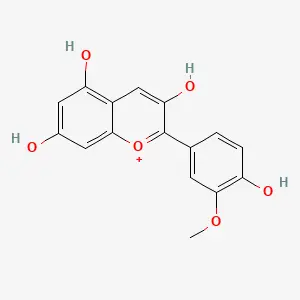
Peonidin is a red-purple pigment in the anthocyanin family, the group that gives many flowers and fruits their red, purple and blue colors. It is cyanidin with one extra methyl group, a small carbon-and-hydrogen tag, on its side ring (see cyanidin). In plants it is attached to sugars, and those sugar forms are what turn up in cranberries, purple-fleshed sweet potatoes, purple corn and black rice. In cranberry juice, one study found peonidin 3-galactoside was the second most plentiful anthocyanin.
Plants make anthocyanins for more than looks. A 2025 review lists proposed jobs: shading leaves from strong sun, scavenging reactive oxygen, camouflage, and attracting pollinators and seed dispersers.
Small decorations such as a methyl group can shift a pigment’s color. In one potato variety, red-skinned and purple-skinned tubers differ in how active a methylating gene is. In the red tubers, the conversion of cyanidin to peonidin 3-glucoside was hindered.
One thing most readers do not know is that people make peonidin too. When four elderly women took elderberry extract, whose main pigments are cyanidin sugars, peonidin forms appeared in their urine. The authors took this as the first proof that the body methylates cyanidin (adds the methyl group). So peonidin in your blood does not always come from peonidin in your food.
Health benefits of peonidin
The top findings from 23 studies, strongest evidence first
What the stars mean
- Strong. Several randomized trials, pooled in a meta-analysis, point the same way, or regulators (FDA or EFSA) have approved the claim.
- Moderate. Good randomized trials support it, but there are fewer of them, or their results vary.
- Limited. Small, short or single trials, or mixed results. Promising, but it needs confirmation.
Population and lab studies get no stars: they show a link or a mechanism, not proof.
How we rate evidence →- ★Sweet potato drink lowered liver markersIn two 8-week trials in people with borderline hepatitis, a sweet potato drink rich in anthocyanins (pigments) lowered the liver marker GGT against placebo. The gains appeared on some days only in one trial, and the result belongs to the whole drink, not peonidin.
- ★No change in cholesterol or antioxidant markersIn 20 healthy women, 750 ml of cranberry juice a day for 2 weeks did not change cholesterol, antioxidant enzymes or DNA damage. It was a whole juice, so no result can be credited to peonidin.
- ★Only small amounts of anthocyanins reach the urineAfter 200 ml of cranberry juice, 5.0% of the anthocyanins consumed were recovered in urine within 24 hours, mostly peonidin 3-galactoside (56.1%). After elderberry extract, only 0.077% of the dose was excreted in 4 hours, including peonidin forms.
- Population studyLinked to lower cancer deathIn 14,029 US adults followed for a median of 117 months, higher peonidin intake went with 0.93 times the risk of cancer death. The authors tested many flavonoids, and the amount behind this ratio is not stated.
- Population studyLinked to lower CRP, an inflammation markerIn 8,335 US adults, more peonidin went with lower C-reactive protein (CRP), a blood sign of inflammation, also after adjusting for fruit and vegetables. The study gives no effect size.
All 23 studies, strongest evidence first
In elderly women, elderberry extract led to peonidin forms in urine
Four elderly women took 12 g of elderberry extract (720 mg of anthocyanins, mainly two cyanidin sugars). Within 4 hours their urine held peonidin 3-glucoside, peonidin 3-sambubioside and peonidin monoglucuronide, which the authors identify as metabolites. Only 0.077% of the dose was excreted in that time. In six women who ate 189 g of lowbush blueberries, anthocyanins were below the detection limit in plasma.
After cranberry juice, peonidin 3-galactoside led the anthocyanins in urine
Eleven healthy volunteers drank 200 ml of cranberry juice containing 650.8 µg of total anthocyanins. Six of the 12 anthocyanins identified in cranberry could be measured in urine. Peonidin 3-galactoside, the second most plentiful in the juice, reached 41.5 nmol in urine within 24 hours, making up 56.1% of the anthocyanins recovered. Levels peaked 3 to 6 hours after drinking, and 5.0% of the anthocyanins consumed were recovered in 24 hours; it measured absorption, not health effects.
Cranberry juice did not change antioxidant status, blood fats or DNA damage
In this placebo-controlled trial, 20 healthy women aged 18 to 40 drank 750 ml of cranberry juice a day for 2 weeks. The juice had more anthocyanins, phenols and vitamin C than the placebo, and plasma vitamin C rose, but no anthocyanins were detectable in plasma. Cholesterol, triglycerides, antioxidant enzymes, urine markers of oxidative damage and DNA damage in white blood cells were unchanged. This was a whole juice, with peonidin galactoside at 29.2% of the anthocyanins the paper names, so no result can be credited to peonidin.
Sweet potato drink cut liver marker GGT by 27.9 IU/L
In this randomized, double-blind, placebo-controlled trial, healthy Japanese men with borderline hepatitis drank two bottles a day for 8 weeks; 38 finished. Each 125 ml bottle of the purple-fleshed sweet potato drink held 200.3 mg of acylated anthocyanins, against 1.7 mg in the placebo. AST and ALT also changed differently from placebo over time, and the abstract does not name the pigments. The Oki 2006 card below found a peonidin-based pigment in urine after a similar drink, but this result belongs to the whole drink.
A sweet potato drink lowered GGT, AST and ALT against placebo
In this double-blind, placebo-controlled pilot trial, 40 healthy adults aged 41 to 69 with borderline hepatitis drank three bottles a day for 8 weeks. 39 finished, and each 125 ml bottle held 177 mg of anthocyanins, against 1.3 mg in the placebo. The differences appeared on some days only: GGT on days 15 and 43, AST on days 29 and 43, and ALT on day 43. Two authors work at Yakult Central Institute and one at Yakult Honsha, and the abstract names no pigments.
Blood after an anthocyanin juice slowed pancreatic cancer cells in a dish
In this randomized crossover trial, 35 healthy people drank the juice or a placebo for 28 days. Plasma extracts taken after the juice reduced the migration of PANC-1 pancreatic cancer cells in a dish, but not of AsPC-1 cells. Of 14 metabolites that changed, o-coumaric acid and peonidin-3-galactoside rose in step with less PANC-1 migration. The abstract does not name the juice, and the result comes from cells, not from cancer in people.
After a red wine extract, peonidin and malvidin glucuronides appeared in blood
Seven healthy volunteers took a single 12 g dose of an extract whose pigments included the 3-glucosides of delphinidin, cyanidin, petunidin, peonidin and malvidin. Anthocyanins appeared in plasma about 30 minutes after the dose, peaking around 1.6 hours later for the glucosides and 2.5 hours for the glucuronides. Only 0.05% of the dose reached the urine in 24 hours, and about 94% of that came out within 6 hours. Plasma antioxidant capacity rose and MCP-1, an inflammation signal, fell despite low plasma levels, but the abstract mentions no placebo group.
After grape-blueberry juice, malvidin and peonidin led in blood and urine
In this randomized crossover study, 10 people drank 0.33 liter of juice (841 mg of anthocyanins per liter) or smoothie (983 mg per liter). Malvidin and peonidin appeared partly as glucuronides, while delphinidin, cyanidin and petunidin were found only as their native sugar forms. Juice and smoothie gave similar anthocyanin levels in plasma and urine. This was a grape and blueberry mix, so peonidin cannot be separated from the rest.
After a purple sweet potato drink, a peonidin pigment appeared in urine
Eighty-seven healthy volunteers drank beverages with 22.1, 107.8 or 84.9 mg of anthocyanins per 250 ml. The pigment, peonidin 3-caffeoylsophoroside-5-glucoside, appeared in urine within 2 hours. It reached 15.1, 46.6 and 53.3 µg per liter of urine, higher with the two richer drinks. It tracks the absorption of one pigment from a mixed drink, not a health effect.
Only 0.23% of grape juice and 0.18% of wine anthocyanins reached urine
Nine healthy volunteers took 400 ml of red wine (279.6 mg of total anthocyanins) or red grape juice (283.5 mg). From wine, peonidin glucoside was absorbed at 291.5% of the grape juice level (relative bioavailability). For the cyanidin, delphinidin, malvidin and petunidin glucosides it was 57.1 to 65.7%, and bioequivalence was not shown for any anthocyanin. With so little reaching the urine within 7 hours, the authors question whether anthocyanins contribute to health.
Higher peonidin intake went with lower cancer death in US adults
This NHANES cohort, from a US national health survey, followed 14,029 US adults for a median of 117 months, with 405 cancer deaths. Peonidin went with 0.93 times the risk of cancer death, and naringenin, catechin and flavonols also went with lower risk. The authors tested many flavonoids, and the abstract does not say what amount of peonidin the ratio refers to.
In 8,335 adults, more peonidin went with lower CRP, an inflammation marker
This cross-sectional analysis of NHANES 1999 to 2002 covered US adults aged 19 and over. Flavonoid intake came from a single 24-hour dietary recall matched with USDA flavonoid databases. Quercetin, kaempferol, malvidin, peonidin, daidzein and genistein went with lower CRP, also after adjusting for fruit and vegetable intake. The abstract gives no effect size for peonidin.
More peonidin went with lower odds of cardiovascular-kidney-metabolic disease and depression
This analysis of NHANES 2007 to 2010 used linked death records. In fully adjusted models, peonidin went with 0.716 times the odds of the combined condition. For death from any cause it was 0.964 times the risk, not clear after adjusting for multiple tests, while petunidin and total anthocyanidins were clear. The authors stress that these are associations, not proof of cause.
In 820 cases, peonidin was not linked to esophageal cancer risk
This population-based case-control study of esophageal squamous cell carcinoma, in a high-risk area of China, compared these cases with 863 controls. It used a 76-item food questionnaire. Moderate anthocyanidin intake, the third quartile rather than the fourth, went with lower odds (0.58 times), as did cyanidin (0.48) and delphinidin (0.57). Total flavonoids, quercetin, kaempferol and peonidin, among others, showed no link.
People with mild cognitive impairment ate more peonidin, unlike most flavonoids
This matched case-control study of older adults used a food frequency questionnaire. People with MCI (mild cognitive impairment) ate less total flavonoids, isoflavones, flavonols and anthocyanidins but more peonidin. Multivariate analysis confirmed that higher peonidin intake went with higher odds of MCI. The abstract gives no numbers for peonidin and does not explain the result, and a questionnaire cannot show cause.
In 452 children, peonidin showed no link to bone, unlike cyanidin
This cross-sectional study of Chinese children aged 6 to 9 used a 79-item food questionnaire and X-ray bone scans. Each standard-deviation rise in cyanidin intake went with 1.33 to 15.4 g more bone mineral content at all sites. Delphinidin and peonidin showed no clear link to bone mineral content or density. Cross-sectional data cannot show cause.
Peonidin 3-glucoside curbed lung cancer spread in dishes and animals
Pure peonidin 3-glucoside (P3G) cut the invasion (P < 0.001) and motility (P < 0.05) of lung cancer cells. It lowered their release of the enzymes MMP-2, MMP-9 and u-PA, and reduced ERK1/2 and AP-1 activity. P3G also reduced the spread (metastasis) of Lewis lung carcinoma cells in animals (P < 0.001). This was the pure compound in a dish and in animals, not food.
Purple corncob peonidin-3-glucoside cut fat buildup in fatty liver cells
Six anthocyanins were separated from purple corncob and tested in liver cells loaded with free fatty acids, a model of fatty liver disease. P3G reduced lipid accumulation, reactive oxygen species and inflammation, raised glutathione and the enzymes SOD, GPX and CAT, and improved the cells’ mitochondria. The authors say it may interact with PPARα, which drives fat oxidation in peroxisomes, and this was in cells only.
Peonidin killed colon cancer cells but spared normal ones in a dish
The effect depended on dose and time. Peonidin triggered autophagy, a cell self-clearing process, and lowered invasion and the levels of MMP-9, Snail, Slug and vimentin. The authors suggest it acts through the ERK, NF-κB and COX-2 pathway, and call the evidence preliminary.
In fish, peonidin-3-glucoside raised bone-forming cells, cut induced bone breakdown
Human bone-forming cells (hFOB) grew more when treated with anthocyanins and resveratrol. In transgenic medaka fish, P3G increased osteoblast (bone-forming cell) differentiation. Cyanidin, P3G and resveratrol reduced bone resorption triggered by RANKL, at 1 to 4 µg/ml. The authors suggest further study for osteoporosis; this is a fish model.
Peonidin injections protected mouse retinas from a photoreceptor-destroying chemical
Mice were given N-methyl-N-nitrosourea (MNU), a model that resembles retinitis pigmentosa, and then peonidin or vehicle (an inactive liquid) by injection. Peonidin protected photoreceptors in function and structure and partly reversed abnormal signaling in the inner retina. It was injected, not eaten.
Black rice pigments stopped tumor cells from dividing in a dish
Peonidin 3-glucoside and cyanidin 3-glucoside were both isolated from black rice (Oryza sativa indica). They arrested cells in the G2/M phase of division and triggered cell death. The animal test used the rice anthocyanins as a group, which slowed the growth of Lewis lung carcinoma cells in animals. So it cannot be credited to peonidin alone.
Peonidin alone was inconsistent; with malvidin it calmed fat-cell inflammation
Primary human fat cells were treated with lipopolysaccharide, a bacterial toxin, after peonidin, malvidin, or both. The combination lowered the mRNA (gene activity) of IL-6, IL-1β, IL-8, MCP-1, TLR2, TNF-alpha, COX-2 and IP-10. The authors say studies in living animals are needed.
Foods high in peonidin
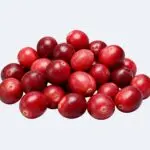
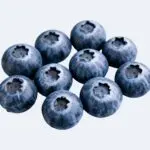
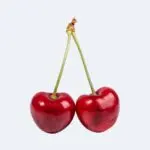
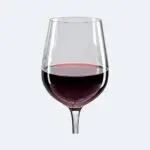
Cranberries lead the USDA ranking with 30.5 mg of peonidin per 100 g, and blueberries follow with 20.3 mg. After them comes a steep drop: cherries hold 1.5 mg and red wine 1.25 mg, and the ranking below has the rest.
A cup of cranberries (100 g) gives 30.5 mg and a cup of blueberries (148 g) about 30 mg.
The ranking leaves out pigmented crops that USDA does not cover. Purple-fleshed sweet potato has cyanidin and peonidin as its major anthocyanidins. A study of a Chinese purple sweet potato cultivar found a high share of peonidin-based anthocyanins. Peonidin 3-glucoside is one of the six main anthocyanins in purple corncob and was isolated from black rice.
In American cranberries, peonidin 3-galactoside and 3-arabinoside are two of four anthocyanins that made up about 92% of those identified. One cranberry juice held 650.8 µg (micrograms, thousandths of a milligram) of total anthocyanins in 200 ml. That is far less than the 30.5 mg of peonidin the USDA lists in 100 g of raw cranberries.
US adults take in an estimated 12.5 mg of all anthocyanins a day. Cyanidin, delphinidin and malvidin supply 45%, 21% and 15% of it. The ranking below is from USDA data.
Per serving. No daily amount is set, so bars compare each food with the top food.
Per 100 g. No daily amount is set, so bars compare each food with the top food.
Per 100 kcal: the same calories of each food, for a fair comparison. Bars compare each food with the top food.
Food labels have no Daily Value or Reference Intake for peonidin, so the % compares each food with the top food.
- 1.
- 2.
- 3.
- 4.
- 5.
- 6.
- 7.
- 8.


- 1.
- 2.
- 3.
- 4.
- 5.
- 6.
- 7.
- 8.
- 1.
- 2.
- 3.
- 4.
- 5.
- 6.
- 7.
- 8.
Sources
- Bhagwat S, Haytowitz DB. USDA Database for the Flavonoid Content of Selected Foods, Release 3.3 (2018). US Department of Agriculture, Agricultural Research Service, Nutrient Data Laboratory.
- Truong VD, Deighton N, Thompson RT, et al. Characterization of anthocyanins and anthocyanidins in purple-fleshed sweetpotatoes by HPLC-DAD/ESI-MS/MS. J Agric Food Chem. 2010.
- Sun H, Zhang P, Zhu Y, Lou Q, He S. Antioxidant and prebiotic activity of five peonidin-based anthocyanins extracted from purple sweet potato. Sci Rep. 2018.
- Hao R, Shan S, Yang D, Zhang H, Sun Y, Li Z. Peonidin-3-O-glucoside from purple corncob ameliorates nonalcoholic fatty liver disease. Nutrients. 2023.
- Chen PN, Chu SC, Chiou HL, et al. Cyanidin 3-glucoside and peonidin 3-glucoside inhibit tumor cell growth and induce apoptosis in vitro and suppress tumor growth in vivo. Nutr Cancer. 2005.
- Urbstaite R, Raudone L, Janulis V. Phytogenotypic anthocyanin profiles and antioxidant activity variation in fruit samples of the American cranberry (Vaccinium macrocarpon Aiton). Antioxidants (Basel). 2022.
- Ohnishi R, Ito H, Kasajima N, et al. Urinary excretion of anthocyanins in humans after cranberry juice ingestion. Biosci Biotechnol Biochem. 2006.
- Wu X, Beecher GR, Holden JM, et al. Concentrations of anthocyanins in common foods in the United States and estimation of normal consumption. J Agric Food Chem. 2006.
How peonidin works
Most of what we know about how peonidin works comes from test tubes, cells and animals. Three ideas come up.
It neutralizes free radicals (reactive, damaging molecules) in a tube, though not better than common standards. It turns down a signaling chain called ERK that drives inflammation and cell invasion in dishes. It is also made from cyanidin by adding a methyl group, and then absorbed in only small amounts. Here is each one, and what has been seen in people.
It neutralizes free radicals, but not better than the standards
In chemical tests peonidin does scavenge free radicals. A 2026 test-tube study measured the amount needed to neutralize half of the radicals (the IC50, where lower means stronger). Against the ABTS radical, peonidin scored 15.40 µg/mL, close to the standards BHA, BHT, Trolox and α-tocopherol (10.83 to 12.82). Against the DPPH radical it needed 41.63 µg/mL, about 6.6 times the 6.30 of Trolox.
Drawn to scale. IC50 is the amount needed to neutralize half of the radicals, so a shorter bar is a stronger scavenger. In the ABTS test the gap was small: 15.40 for peonidin against 10.83 to 12.82 for the standards.
These are chemical tests, not what happens in the body. In 20 women who drank 750 ml of cranberry juice a day for 2 weeks, the antioxidant status of plasma did not change. The extra methyl group also changes how the molecule behaves. In a test with the enzyme tyrosinase, cyanidin bound and inhibited more strongly than peonidin did.
It turns down a growth and inflammation switch called ERK
ERK1/2 is a signaling protein. In these studies it sat upstream of COX-2, an inflammation enzyme, and of the invasion enzymes MMP-2, MMP-9 and u-PA.
In mouse skin cells, peonidin blocked the ERK activation triggered by a phorbol ester (TPA), and COX-2 stayed lower. In lung cancer cells, peonidin 3-glucoside did the same and cut the release of those invasion enzymes. A 2026 study in colon cancer cells points to the same chain, with NF-κB, a switch for inflammation, in the middle.
All of this used the pure compound in dishes, plus one animal test of lung cancer spread. One lab result goes the other way. In human fat cells, peonidin alone did not consistently lower inflammatory genes, and only a mix with malvidin did.
Cell studies link peonidin to lower ERK activity and, through it, to less COX-2 and fewer invasion enzymes. It was seen with the pure compound in dishes; no study shows it in people.
The body turns cyanidin into peonidin, and absorbs little of either
Peonidin differs from cyanidin by one methyl group. Plants add it with enzymes called anthocyanin O-methyltransferases, which in a lab-engineered bacterium turned cyanidin 3-glucoside into peonidin 3-glucoside. A potato study found the same kind of enzyme at work in tubers.
People do it too. In the elderberry trial, peonidin 3-glucoside, peonidin 3-sambubioside and a peonidin glucuronide showed up in urine, though the berry’s pigments were cyanidin sugars.
A simplified sketch of the side ring. In cyanidin the 3′ position carries an OH group. In peonidin it carries OCH3, a methoxy group. In four women who took elderberry extract, peonidin forms were found in urine.
Very little of any anthocyanin reaches the urine. After cranberry juice, 5.0% of the anthocyanins consumed were recovered in 24 hours, the highest of these studies. In studies of red wine, red grape juice and elderberry extract it was 0.05 to 0.23%.
A tracer study followed labeled carbon from cyanidin 3-glucoside, counting all its breakdown products. It put relative bioavailability higher, at 12.38%, and its metabolites were breakdown products such as phenolic and hippuric acids. That study used cyanidin 3-glucoside, not peonidin.
Drawn to scale. These are different drinks, doses, time windows and methods, so they are not a fair race, and all measure total anthocyanins, not peonidin alone.
What has been seen in people
None of these mechanisms has been shown to work for peonidin in people. Cranberry juice, which carries peonidin sugars, did not change antioxidant status or blood fats in 20 women. Purple-fleshed sweet potato drinks lowered liver markers in two small trials, with many pigments in the mix.
Studies that linked estimated peonidin intake to outcomes were mixed. Two US surveys found lower CRP and cancer death, and a third found lower odds of cardiovascular-kidney-metabolic disease with depression. Others found no link to esophageal cancer risk or to children’s bone density, and one case-control study found more mild cognitive impairment. All of these are among the study cards above.
Sources
- Karageçili H, Yerlikaya E, Ertürk A, et al. Comprehensive evaluation of peonidin: antioxidant and multi-enzyme inhibitory abilities with molecular docking insights. Molecules. 2026.
- Duthie SJ, Jenkinson AM, Crozier A, et al. The effects of cranberry juice consumption on antioxidant status and biomarkers relating to heart disease and cancer in healthy human volunteers. Eur J Nutr. 2006.
- Wang M, Chen R, Wang S, et al. Comparative study of binding behaviors of cyanidin, cyanidin-3-galactoside, peonidin with tyrosinase. J Fluoresc. 2024.
- Kwon JY, Lee KW, Hur HJ, Lee HJ. Peonidin inhibits phorbol-ester-induced COX-2 expression and transformation in JB6 P+ cells by blocking phosphorylation of ERK-1 and -2. Ann N Y Acad Sci. 2007.
- Ho ML, Chen PN, Chu SC, et al. Peonidin 3-glucoside inhibits lung cancer metastasis by downregulation of proteinases activities and MAPK pathway. Nutr Cancer. 2010.
- Fang CL, Sun DP, Kang NW, et al. Peonidin suppresses the malignant characteristics in colon cancer cells by regulating Erk/NF-κB/COX-2 axis. Biol Pharm Bull. 2026.
- Mackert JD, McIntosh MK. Combination of the anthocyanidins malvidin and peonidin attenuates lipopolysaccharide-mediated inflammatory gene expression in primary human adipocytes. Nutr Res. 2016.
- Cress BF, Leitz QD, Kim DC, et al. CRISPRi-mediated metabolic engineering of E. coli for O-methylated anthocyanin production. Microb Cell Fact. 2017.
- Zhang H, Zhao Y, Zhao X, et al. Methylation level of potato gene OMT30376 regulates tuber anthocyanin transformations. Front Plant Sci. 2022.
- Wu X, Cao G, Prior RL. Absorption and metabolism of anthocyanins in elderly women after consumption of elderberry or blueberry. J Nutr. 2002.
- Ohnishi R, Ito H, Kasajima N, et al. Urinary excretion of anthocyanins in humans after cranberry juice ingestion. Biosci Biotechnol Biochem. 2006.
- Frank T, Netzel M, Strass G, Bitsch R, Bitsch I. Bioavailability of anthocyanidin-3-glucosides following consumption of red wine and red grape juice. Can J Physiol Pharmacol. 2003.
- Garcia-Alonso M, Minihane AM, Rimbach G, Rivas-Gonzalo JC, de Pascual-Teresa S. Red wine anthocyanins are rapidly absorbed in humans and affect monocyte chemoattractant protein 1 levels and antioxidant capacity of plasma. J Nutr Biochem. 2009.
- Czank C, Cassidy A, Zhang Q, et al. Human metabolism and elimination of the anthocyanin, cyanidin-3-glucoside: a (13)C-tracer study. Am J Clin Nutr. 2013.
Is peonidin safe? Supplements, dose and interactions
We found no report of harm from peonidin in food, where it is part of what people already eat. We found no peonidin supplement sold or tested on its own, and no toxicity study of purified peonidin. No health agency has set an intake limit for it.
In the US, fruit juice and vegetable juice are listed color additives that are exempt from certification (21 CFR 73.250 and 73.260). They may be used in foods generally, in amounts consistent with good manufacturing practice. Those rules cover whole juices, not peonidin as such.
- Typical intakes. US adults take in an estimated 12.5 mg of anthocyanins a day. Across 27 European centers, average anthocyanidin intake ranged from 19.83 to 64.88 mg a day in men and from 18.73 to 44.08 mg in women.
- Trial doses and side effects. The purple-fleshed sweet potato drink trials gave about 400 and 530 mg of mixed anthocyanins a day for 8 weeks, by our arithmetic. The Oki 2017 abstract reports no clinically relevant changes in other blood tests. Cranberry juice trials used 240 to 750 ml a day for 1 to 2 weeks.
- Animal studies. Rats fed a purple corn color for 90 days showed no treatment-related harm apart from stained fur and black stools. The no-observed-adverse-effect level was 5.0% of the diet (3,542 mg/kg a day in males, 3,849 in females). Purified cyanidin had a NOAEL of 30 mg/kg a day in rats over 28 days.
- Warfarin. Case reports raised the idea that cranberry juice raises the INR (a blood-clotting test) in people on warfarin. Two small placebo-controlled trials found no clinically important effect. One gave 30 patients 240 ml a day for 2 weeks, and one gave 7 patients 250 ml for 7 days. People on warfarin who change how much cranberry juice they drink should still tell their clinic.
How to get more peonidin
- Best foods. Cranberries (30.5 mg per 100 g) and blueberries (20.3 mg) lead the USDA data. Purple-fleshed sweet potato and purple corn are rich in peonidin sugars in studies, but USDA has no ranking for them.
- Check juice labels. One cranberry juice held 650.8 µg of total anthocyanins in 200 ml. That is far less than the 30.5 mg of peonidin the USDA lists in 100 g of raw cranberries. Juice products vary.
- Steaming is fine. In three purple-fleshed sweet potato varieties, steaming had no significant effect on total anthocyanin or on the individual pigments.
Sources
- Bhagwat S, Haytowitz DB. USDA Database for the Flavonoid Content of Selected Foods, Release 3.3 (2018). US Department of Agriculture, Agricultural Research Service, Nutrient Data Laboratory.
- Wu X, Beecher GR, Holden JM, et al. Concentrations of anthocyanins in common foods in the United States and estimation of normal consumption. J Agric Food Chem. 2006.
- Zamora-Ros R, Knaze V, Luján-Barroso L, et al. Estimation of the intake of anthocyanidins and their food sources in the European Prospective Investigation into Cancer and Nutrition (EPIC) study. Br J Nutr. 2011.
- 21 CFR 73.250: Fruit juice. Code of Federal Regulations, US Food and Drug Administration.
- 21 CFR 73.260: Vegetable juice. Code of Federal Regulations, US Food and Drug Administration.
- Suda I, Ishikawa F, Hatakeyama M, et al. Intake of purple sweet potato beverage affects on serum hepatic biomarker levels of healthy adult men with borderline hepatitis. Eur J Clin Nutr. 2008.
- Oki T, Kano M, Ishikawa F, Goto K, Watanabe O, Suda I. Double-blind, placebo-controlled pilot trial of anthocyanin-rich purple sweet potato beverage on serum hepatic biomarker levels in healthy Caucasians with borderline hepatitis. Eur J Clin Nutr. 2017.
- Nabae K, Hayashi SM, Kawabe M, et al. A 90-day oral toxicity study of purple corn color, a natural food colorant, in F344 rats. Food Chem Toxicol. 2008.
- Suresh S, Vellapandian C. Assessment of oral toxicity and safety profile of cyanidin: acute and subacute studies on anthocyanin. Future Sci OA. 2024.
- Ansell J, McDonough M, Zhao Y, Harmatz JS, Greenblatt DJ. The absence of an interaction between warfarin and cranberry juice: a randomized, double-blind trial. J Clin Pharmacol. 2009.
- Li Z, Seeram NP, Carpenter CL, et al. Cranberry does not affect prothrombin time in male subjects on warfarin. J Am Diet Assoc. 2006.
- Ohnishi R, Ito H, Kasajima N, et al. Urinary excretion of anthocyanins in humans after cranberry juice ingestion. Biosci Biotechnol Biochem. 2006.
- Truong VD, Deighton N, Thompson RT, et al. Characterization of anthocyanins and anthocyanidins in purple-fleshed sweetpotatoes by HPLC-DAD/ESI-MS/MS. J Agric Food Chem. 2010.
Frequently asked questions about peonidin
What does peonidin do for the body?
Nobody knows yet, because no trial has tested pure peonidin in people. Cranberry juice, which carries peonidin sugars, did not change antioxidant status or blood fats in 20 women. Purple-fleshed sweet potato drinks lowered liver markers in two small trials.
Surveys that estimated peonidin intake found lower CRP and cancer death in some and no link in others. One found higher odds of mild cognitive impairment. Lab work on the pure compound is interesting, but it comes from cells and animals.
Which foods are high in peonidin?
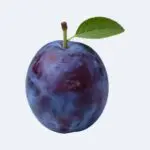
Cranberries and blueberries lead the USDA ranking, at 30.5 and 20.3 mg per 100 g. Cherries (1.5 mg), red wine (1.25 mg) and plums (0.31 mg) are far behind. Studies also find peonidin sugars in purple-fleshed sweet potato, purple corn and black rice, which the USDA ranking does not cover.
What is the difference between peonidin and cyanidin?
Peonidin is cyanidin with one extra methyl group, so an OH group on the side ring becomes OCH3. People turn some cyanidin into peonidin: peonidin forms appeared in urine after elderberry, whose main pigments are cyanidin sugars. In a tyrosinase enzyme test cyanidin acted more strongly than peonidin. Cyanidin supplies 45% of US anthocyanin intake, and peonidin was not among the top three.
Does cranberry juice contain peonidin?
Yes, as peonidin sugars. In cranberry juice, peonidin 3-galactoside was the second most plentiful anthocyanin. In American cranberries, it and peonidin 3-arabinoside are two of four anthocyanins that made up about 92% of those identified.
One juice held 650.8 µg of total anthocyanins in 200 ml. That is far less than the 30.5 mg of peonidin the USDA lists in 100 g of raw cranberries.
Does the body absorb peonidin?
Only a little. After cranberry juice, 5.0% of the anthocyanins consumed were recovered in urine in 24 hours. In studies of red wine, grape juice and elderberry it was 0.05 to 0.23%.
Peonidin glucuronides, a form the body makes, turned up in blood and urine after a red wine extract. A tracer study of cyanidin 3-glucoside counted all breakdown products and estimated 12.38% relative bioavailability.
Is peonidin a good antioxidant?
In a tube, it is a fair one but not better than the standards. Its IC50 was 15.40 µg/mL against the ABTS radical, compared with 10.83 to 12.82 for BHA, BHT, Trolox and α-tocopherol. Against DPPH it was 41.63, compared with 6.30 for Trolox. In people, 750 ml of cranberry juice a day for 2 weeks did not change plasma antioxidant status.
Does peonidin have side effects or interact with medicines?
We found no toxicity study of purified peonidin and no human safety trial of it. Food amounts are what people already eat. Rats fed purple corn color for 90 days had a no-observed-adverse-effect level of 5.0% of the diet.
Two small trials of cranberry juice in people on warfarin found no clinically important effect on INR. But anyone on warfarin who changes their cranberry intake should tell their clinic.
Is there a peonidin supplement, and how much should you take?
We found no trial of a peonidin supplement, and no health agency has set a daily amount for it. US adults take in an estimated 12.5 mg of anthocyanins a day from food. The sweet potato drink trials gave about 400 to 530 mg of mixed anthocyanins, not peonidin alone. In the studies we found, peonidin came from foods and juices, not from a supplement.