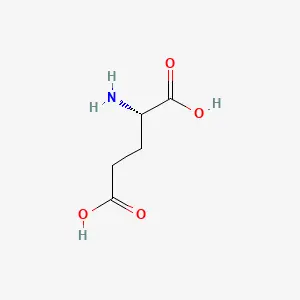
Glutamic acid is an amino acid, one of the building blocks of protein. It is the most abundant amino acid in the diet. The WHO lists it as dispensable (non-essential), and the US National Academies call it a dispensable amino acid too. So the body makes what it needs, and food does not have to supply it.
You will often see it called glutamate. It is the same molecule: glutamate is the form with a negative charge that glutamic acid takes at the pH of the body. It is also the form found in salts such as monosodium glutamate (MSG).
Beyond building protein, glutamic acid is a hub of metabolism. The body uses it to pass nitrogen between amino acids, to make glutathione, and to make GABA, the brain’s main inhibitory (calming) signal. It is also the brain’s main excitatory signal. As free glutamate, it creates umami, the savory taste that Kikunae Ikeda identified in kelp broth in 1908.
Here is what most readers do not know. Most of the glutamate you eat never reaches your blood. Gut cells use it as fuel or turn it into other compounds first.
In piglets, 95% of the dietary glutamate that reached the gut lining was metabolized on its first pass. In premature infants, blood glutamate did not rise when glutamate was fed through a tube. The blood-brain barrier then pumps glutamate out of the brain rather than in.
Controlled trials have not shown that MSG reliably causes the headaches and flushing it is blamed for. Adults eat about 13 to 15 g of glutamic acid a day from food, according to the FDA and the National Academies. So supplements are rarely a topic.
Health benefits of glutamic acid
The top findings from 26 studies, strongest evidence first
What the stars mean
- Strong. Several randomized trials, pooled in a meta-analysis, point the same way, or regulators (FDA or EFSA) have approved the claim.
- Moderate. Good randomized trials support it, but there are fewer of them, or their results vary.
- Limited. Small, short or single trials, or mixed results. Promising, but it needs confirmation.
Population and lab studies get no stars: they show a link or a mechanism, not proof.
How we rate evidence →- ★★More symptoms than placebo in self-described reactorsIn blinded tests of self-described reactors, 5 g of MSG brought on symptoms more often than placebo. In one trial, 38.5% reacted to MSG only and 13.1% to placebo only, but only 19 of 37 MSG-only reactors did so again on retest.
- ★★No clear symptoms in healthy peopleIn 71 healthy people given MSG in capsules or drinks before breakfast, 85% had no response to MSG and 86% none to placebo. In a review, six studies giving MSG with food found no clear headache effect, while four of seven without food did.
- ★★No clear effect on asthmaTwo small trials (24 adults) found no clear drop in lung function after MSG. A trial of 100 patients with asthma found none after 2.5 g either.
- ★Mixed results on how much people eatA broth with MSG cut the energy 86 women ate at a snack buffet (3 of 4 authors are linked to an MSG seller). In 22 adults, a high-protein meal with MSG did not raise fullness, and people ate more at the next course (0.64 MJ).
- ★Short-term changes in blood sugar and insulinIn 13 healthy men, 2 g of MSG in a liquid meal cut the first-hour blood sugar rise versus table salt (40.6 against 49.2). In 18 healthy people given 10 g of MSG before a sugar drink, a higher blood glutamate level went with a bigger insulin response.
All 22 studies, strongest evidence first
Self-described reactors: 38.5% reacted to MSG only, 13.1% to placebo only
This multicenter, double-blind, placebo-controlled crossover trial enrolled 130 people who said they react to MSG. They took 5 g of MSG without food and a placebo, on separate days. A reaction meant 2 or more of 10 listed symptoms within 2 hours, and another 14.6% reacted to both. Only 19 of 37 people who reacted to MSG but not placebo did so again on retest. The 2 most consistent reactors responded to only one of 3 MSG challenges when it was given with food. The authors saw no persistent or serious effects.
MSG before breakfast caused no more sensations than placebo in healthy people
This randomized double-blind crossover trial in 71 healthy people ran over 5 days. Capsules and specially formulated drinks hid the taste of MSG. Doses were 1.5, 3.0 and 3.15 g per person (0.015 to 0.07 g per kg). Most people had no response to MSG (85%) or placebo (86%), and reports fell as the dose rose. The authors say the strong taste of MSG undermines most earlier “blind” studies, and they found no rigorous evidence linking the syndrome to MSG.
In self-described sensitive people, 5 g of MSG caused worse symptoms
This randomized double-blind challenge tested 61 self-identified MSG-sensitive volunteers. On the first challenge, 22 (36.1%) responded to MSG and 15 (24.6%) to placebo, a gap that could be chance. Six responded to both and 18 to neither. Total symptom severity was higher after MSG than placebo (374 against 232), with a threshold near 2.5 g. Headache, muscle tightness, numbness or tingling, weakness and flushing were more common after MSG on rechallenge. The symptoms did not fit an IgE-mediated allergy (the usual food allergy type), and the authors prefer the name MSG symptom complex.
Studies with food found no clear headache effect, except women in one
This systematic review covered studies giving MSG by mouth. The six studies with food found no clear difference, while four of seven studies without food did. Many used solutions stronger than 2%, whose taste is easy to identify, so the authors judge them not properly blinded. They conclude that more studies are needed to know whether MSG causes headache. One author works for the International Glutamate Technical Committee, an industry body.
Cochrane: no clear asthma effect of MSG in two small trials
The crossover challenges, in 24 adults in all, used 1 g, 5 g and 25 mg per kg of MSG or placebo. The outcome was a fall in FEV1 (the air blown out in one second) above 15% or 200 mL. Symptom scores, airway reactivity and blood markers (eosinophil cationic protein and tryptase) did not differ either. The authors say the evidence is too limited to tell whether avoiding MSG is worthwhile, and they found no studies in children. We found no later update of this 2012 review.
2.5 g of MSG did not clearly worsen lung function in asthma
This single-blind, placebo-controlled screening challenge (patients did not know which they got) ranks below the double-blind trials. Of the 100 patients, 30 blamed Chinese restaurant meals for their asthma, and seventy had no such history. In all, 78 had aspirin-sensitive asthma. No patient had a clear fall in FEV1 or developed asthma symptoms, and the average change after MSG matched placebo. The authors advise healthy skepticism about MSG sensitivity in asthma.
2 g of MSG in a liquid meal lowered first-hour blood sugar
In this single-blind crossover, 13 healthy men had a 520 kcal liquid meal with MSG, or with NaCl (table salt) as the control. The first-hour blood sugar curve was 40.6 against 49.2 mg·h/dL. Thirty minutes after the meal, GLP-1, a gut hormone that helps release insulin, was 58.1 pmol/L with MSG against 13.4 with NaCl. Stomach emptying and symptoms did not differ. This is a short hormone experiment, not a trial of health outcomes.
10 g of oral MSG raised insulin release after glucose
In this double-blind, placebo-controlled crossover trial, 18 healthy volunteers had a 75 g oral glucose load (a sugar drink). Their 75-minute insulin response rose with the blood glutamate level (r = 0.485, a moderate link), but glucose tolerance did not change. EFSA cites an insulin rise at this single dose when it explains why human data could not set a safe limit.
MSG broth before a snack buffet cut energy eaten in 86 women
This controlled crossover trial gave three 200 mL preloads 15 minutes before a buffet of 16 snacks. They were a low-energy chicken broth, the broth with 0.5 g per 100 mL MSG, and the broth with MSG plus IMP. IMP (inosine monophosphate) is another umami compound. The cut with the MSG broth included sweet and high-fat snacks. Appetite ratings did not differ, and the MSG-plus-IMP broth did not show the effect. Three of the four authors are affiliated with Ajinomoto, a company that sells MSG.
In 22 adults, MSG in a high-protein meal did not raise fullness
In this randomized crossover trial, 10 men and 12 women had different first courses. These were water, a high-protein meal with 0.6% MSG plus 0.25% IMP, the high-protein meal alone, the meal with MSG only, and a sham-fed meal. Appetite, GLP-1, glucose and insulin changes were similar across the three fed meals. After the MSG-only meal, people ate 0.64 MJ (megajoules, a unit of energy) more at the next course than after the meal with no additives.
In 120 older adults, MSG soup was eaten no more than plain
In this controlled trial, the adults averaged 72 years, and some had smell or taste loss. They ate 198 g of tomato soup with added MSG against 203 g of plain soup. The soup held 1,200 mg per L of MSG plus 3 g per L of celery powder. So it tested a flavor mix, not MSG alone. Intake, liking and perceived strength did not differ, including in the group with low smell and taste sensitivity.
In chemoradiotherapy, 2.7 g of MSG daily softened the drop in taste
In this randomized trial, patients with head and neck cancer on chemoradiotherapy either served as controls or took the MSG supplement. They took it during their second round of chemotherapy. The T1R3 gene (part of the umami and sweet receptors) was measured in tongue samples. All three measures (the gene, taste sensitivity and energy intake) fell after chemotherapy, and the fall was smaller with MSG. Two authors work at a research laboratory of Ajinomoto.
Of 52 umami salt-cutting studies, only one measured daily sodium intake
This scoping review (a broad map of the research) looked at umami tastants for cutting sodium. Most studies tested only whether people accept foods with part of the salt swapped for an umami tastant. They were done at a single time point. MSG was the most studied tastant. The authors call for prospective trials that measure sodium intake and blood pressure.
Daily MSG raised blood pressure; more nausea and headache than salt water
In this randomized, double-blind, placebo-controlled trial, 32 healthy people drank MSG daily for 5 days. Each day they drank MSG at 150 mg per kg, about 10.5 g for a 70 kg adult (our arithmetic), in 400 mL of soda. The control was NaCl (table salt) at 24 mg per kg, also in soda. There was no robust effect on muscle pain sensitivity, and the glutamate level in the jaw muscle was not highly disturbed. This is far above a normal serving.
A low glutamate diet beat waiting for Gulf War illness symptoms
In this trial, 40 veterans with Gulf War illness were randomized to the diet or a wait list for one month. Symptom scores fell more on the diet (effect size 1.16). Then came a double-blind MSG or placebo crossover challenge, whose results varied widely between people. The diet phase could not be blinded, and the authors say other parts of the diet, or differences between people, may drive the change.
Uncontrolled additive-free diet eased fibromyalgia and IBS; MSG brought symptoms back
This study enrolled 57 people with fibromyalgia and irritable bowel syndrome (IBS). Of the 37 who finished a 4-week additive-free diet, 84% reported over 30% fewer symptoms. The diet phase had no control group and also excluded aspartame. Those who improved then took part in a 2-week double-blind crossover challenge, and the total symptom score returned more with MSG than with placebo. The authors call for more research.
Additive glutamate went with more ischemic heart disease in 108,932 French adults
This NutriNet-Santé cohort was followed for a median of 7.92 years, with 2,397 cases of cardiovascular disease. Each extra 200 mg a day of additive glutamate went with 1.05 times the risk of ischemic heart disease (narrowed heart arteries). Naturally occurring glutamic acid also went with higher risk (1.13 times per 3,000 mg a day), and no link was found with stroke. The authors caution that residual confounding (other differences between people) cannot be ruled out and that causality cannot be established.
In diabetes, top-fifth glutamate intake went with 30% higher cardiovascular risk
The Nurses’ Health Study and Health Professionals Follow-Up Study covered 15,040 US adults with type 2 diabetes, with food questionnaires every 2 to 4 years. That rise was a hazard ratio of 1.30, while glutamine went with lower risk. Higher glutamate also went with higher total mortality (hazard ratio 1.20). Most dietary glutamate comes bound in protein, so this study cannot separate glutamate from the foods that carry it.
Top-third MSG users had about twice the odds of overweight
This cross-sectional INTERMAP study looked at 752 rural Chinese adults aged 40 to 59, at a single point in time. Most cooked at home, and eighty-two percent used MSG, averaging 0.33 g a day. Compared with non-users, the odds ratio was 2.10 for a BMI (body mass index) of at least 23. For a BMI of at least 25, it was 2.75. The result held after adjusting for activity and energy intake. A single time point cannot show that MSG came first.
Top-fifth MSG intake went with 33% higher overweight risk over 5.5 years
The China Health and Nutrition Survey followed 10,095 Chinese adults, using a weighed food inventory and three 24-hour recalls. Average intake was 2.2 g a day. The hazard ratio was 1.33, adjusted for age, activity and energy intake. The authors say more studies are needed to establish cause.
MSG was not tied to weight gain once other foods were counted
The Jiangsu Nutrition Study followed 1,282 Chinese adults for 5 years. A link between MSG and a lower chance of 5% weight gain appeared when total glutamate intake was added to the model. But it vanished when rice intake or food patterns were added. The authors conclude no association exists once other foods are accounted for.
In 349 rural Thai adults, more daily MSG went with metabolic syndrome
Families were given MSG as the only source for cooking for 10 days. Each extra gram of MSG a day went with 1.14 times the odds of metabolic syndrome and 1.16 times the odds of overweight. Other researchers questioned how intake was assessed and noted that the study lacked data on main dietary patterns. They also noted that it cannot show cause (Chinna and Karupaiah 2013; Rogers 2013).
Foods high in glutamic acid
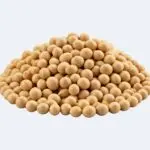
Soybeans lead our USDA ranking per serving, with 5.55 g of glutamic acid in 1 cup. A chicken drumstick (3.86 g), 4 oz of chicken breast (3.77 g) and 3 oz of shrimp (3.4 g) follow.
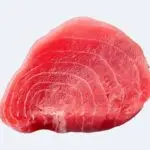
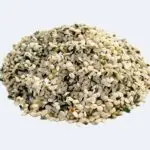
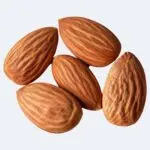
Per 100 g, seeds and nuts lead: hemp seeds (6.27 g), almonds (6.21 g) and pumpkin seeds (6.19 g). Per 100 kcal, shrimp (3.36 g), cod (3.24 g) and tuna (3.19 g) come first. The ranking below shows the full lists.
Glutamic acid is in every protein, so a diet with enough protein has plenty of it, from animal and plant foods alike. No daily amount is set, so we cannot say what share of a requirement a serving gives.
For scale, the National Academies put the average US intake at about 15 g a day. So 1 cup of soybeans (5.55 g) is about 37% of that, and 4 oz of chicken breast (3.77 g) about 25% (our arithmetic).
Most of the glutamic acid in these foods is bound in protein, where it has no taste. Kurihara reports that glutamate makes up 21% to 35% of casein, wheat gluten, soy glycinin and muscle myosin.
Free glutamate, the loose form that tastes of umami, is released as proteins break down during fermentation, aging and ripening. That is why it is high in kombu, cheese, soy sauce, fish sauce and ripe tomatoes (table below). The FDA notes that free glutamate also occurs naturally in yeast extract, hydrolyzed vegetable protein, autolyzed yeast, soy extracts, tomatoes and cheeses.
Per serving. No daily amount is set, so bars compare each food with the top food.
Per 100 g. No daily amount is set, so bars compare each food with the top food.
Per 100 kcal: the same calories of each food, for a fair comparison. Bars compare each food with the top food.
Food labels have no Daily Value or Reference Intake for glutamic acid, so the % compares each food with the top food.
- 1.
- 2.

- 3.

- 4.

- 5.
- 6.
- 7.

- 8.
- 9.
- 10.



- 1.
- 2.
- 3.
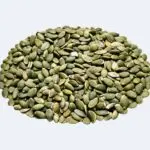
- 4.
- 5.
- 6.
- 7.
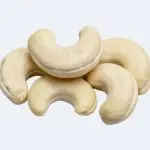
- 8.
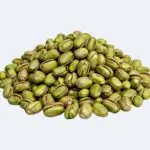
- 9.
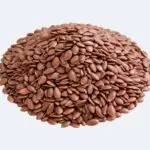
- 10.


- 1.
- 2.

- 3.
- 4.
- 5.
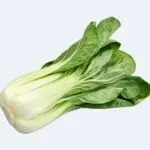
- 6.
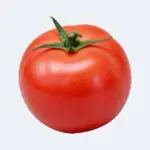
- 7.
- 8.
- 9.

- 10.


The ranking above counts glutamic acid in USDA data. The table below is a different measure, the free glutamate that gives food its taste, as published by Kurihara.
| Food | Free glutamate (mg per 100 g) | Source |
|---|---|---|
| Kombu (kelp) | 1,200 to 3,400 | 2 |
| Nori (seaweed) | 1,380 | 2 |
| Cheese | 300 to 1,680 | 2 |
| Anchovies | 630 to 1,440 | 2 |
| Fish sauce | 620 to 1,380 | 2 |
| Soy sauce | 410 to 1,260 | 2 |
| Green tea | 220 to 670 | 2 |
| Aged cured ham | 340 | 2 |
| Tomato | 150 to 250 | 2 |
| Scallop | 140 | 2 |
| Potato | 30 to 100 | 2 |
| Carrot | 40 to 80 | 2 |
| Onion | 20 to 50 | 2 |
Sources
- FoodData Central. US Department of Agriculture, Agricultural Research Service. Values as shown in the ranking above.
- Kurihara K. Umami the fifth basic taste: history of studies on receptor mechanisms and role as a food flavor. Biomed Res Int. 2015.
- US Food and Drug Administration. Questions and answers on monosodium glutamate (MSG). FDA. Content current as of July 17, 2026.
- Institute of Medicine, Food and Nutrition Board. Dietary Reference Intakes for energy, carbohydrate, fiber, fat, fatty acids, cholesterol, protein, and amino acids. National Academies Press. 2005.
How glutamic acid works
Most of what follows comes from reviews, chemistry, pig studies and a few small human experiments. Human trials of glutamic acid itself are on the cards above.
Four ideas cover it. Glutamic acid is a hub of metabolism, and the gut uses most of what you eat. The brain makes and guards its own supply, and taste cells detect it as umami. Here is each one, and what has been seen in people.
It is a hub of amino acid metabolism
Glutamate is a main constituent of dietary protein, and the body also makes it. According to the National Academies, dietary glutamate is rapidly converted by transamination (handing on its nitrogen) to alpha-ketoglutarate. From there it goes on to other intermediates, notably alanine.
It is made in the opposite direction when other amino acids, such as arginine, proline and histidine, are broken down. The enzyme glutaminase also makes it from glutamine. In this way it carries nitrogen from the breakdown of amino acids toward the urea the liver makes.
A 2013 review adds that glutamate is needed to make glutathione and the folate cofactors. Once carboxylated after a protein is built, its side chains bind calcium and matter for blood clotting. Its product GABA is the brain’s major inhibitory signal.
Five roles of glutamic acid in the body. Not to scale. The gut role comes from piglet studies.
The WHO adds that people need a preformed source of alpha-amino nitrogen on top of the nine indispensable amino acids. It is usually supplied by the dispensable amino acids in food protein. In experiments, glutamate, alone or with glycine, looks like an efficient source.
The gut uses most of the glutamate you eat
Glutamate is the most abundant amino acid in the diet. Yet the National Academies say it is almost totally extracted by the gut, and what escapes is largely taken up by the liver.
In piglets on milk-protein diets, 95% of the dietary glutamate that reached the gut lining was metabolized on its first pass. Half of that went to carbon dioxide, which made glutamate the single largest source of energy for the gut. The lining also used it to make glutathione, arginine and proline.
In five premature infants given glutamate through a tube, blood glutamate stayed at its baseline (82 µM, then 84 and 90 µM on two doses). EFSA reached the same view: glutamate is absorbed in the intestine and metabolized in the gut wall. It found limited evidence that even 10 g of MSG raises brain glutamate.
Peak blood glutamate after MSG with a meal and in water. Drawn to scale.
The way it is taken matters. In adults, 150 mg per kg of MSG drunk in water peaked at about 12 times the usual blood level, according to the National Academies. The peak came at 45 minutes. A liquid meal blunted the rise.
In another trial, adding 1.1 g per kg of starch hydrolysate (broken-down starch) to the water cut the peak from 59.4 to 7.18 µmol/dL. The authors suggest carbohydrate supplies pyruvate, which helps gut cells transaminate (convert) glutamate, so less reaches the blood.
It is a brain signal, behind a guarded barrier
Glutamate is the principal excitatory neurotransmitter (a signal that activates nerve cells) in the brain. Nerve cells release it from vesicles at their endings, where its concentration is highest. It acts on receptors named NMDA, AMPA, kainate and metabotropic.
Powerful transporters keep removing it from the fluid between cells, because too much activation can kill nerve cells, a process called excitotoxicity. The blood-brain barrier does its part. Transporters in its brain-facing membrane move glutamate out of the brain. So there is no net entry, except in a few small areas that lack the barrier.
Plasma holds 50 to 100 µmol/L of glutamate, and whole brain tissue 10,000 to 12,000 µmol/L. The fluid between cells holds only 0.5 to 2 µmol/L.
Three glutamate pools in blood and brain, and the barrier between them. Not to scale: tissue holds thousands of times more than the fluid between cells.
So does what you eat change the glutamate in your brain? A 2018 review of studies in rodents, monkeys and people concludes that dietary MSG does not raise blood glutamate appreciably, except in vast amounts. The barrier keeps brain levels from rising unless blood levels are raised by non-physiologic means.
The National Academies describe one controlled study of fasting men. In it, 12.7 g of MSG (160 mg per kg) did not change prolactin, cortisol or four other pituitary hormones.
The brain lesions reported in 1969 came from injecting MSG into newborn mice. JECFA, the joint FAO/WHO expert committee on food additives, reviewed this. It found that lesions were never seen in animals fed glutamate with food, only with large doses by gavage (a tube into the stomach).
Meldrum’s review sees no evidence of brain damage in people from dietary glutamate. In 2000, Meldrum noted that drugs acting on glutamate receptors were being tested for brain injury, epilepsy and other conditions. That is a different matter from eating glutamate.
What does move brain glutamate in people? A 2021 imaging study found that levels shifted after a meal and followed blood sugar, not the glutamate eaten.
It is the taste of umami
Free glutamate is detected by taste cells. Researchers have identified three umami receptors: T1R1 plus T1R3, mGluR4 and mGluR1.
Only T1R1 plus T1R3 shows the synergy between glutamate and the nucleotides inosinate and guanylate. Inosinate is found in meat and fish, and guanylate in dried shiitake. The response to a mixture is about 1.7 times larger than to glutamate alone in rats, and about 8 times larger in people. That is why the Japanese stock dashi pairs kelp, rich in glutamate, with dried bonito, rich in inosinate.
A 2002 study found that T1R1 plus T1R3 is a broadly tuned sensor for L-amino acids. Glutamate bound in protein has no taste. Pure umami compounds taste unpalatable on their own but improve the taste of foods.
Umami synergy between glutamate and inosinate. Drawn to scale from the review’s figures, not from one experiment.
What has been seen in people
The clearest human results are about MSG as a seasoning. In double-blind challenges, 2.5 g and more on an empty stomach brought on symptoms in some people who believed they were sensitive. But this was not consistent, and not with food. No trial reproduced asthma.
EFSA judged the human data unsuitable for setting a safe level, because no dose without effect could be found. The hormone and appetite effects of MSG are small and mixed. Whether MSG helps cut salt is mostly untested, since most studies are taste tests.
Cohort links to weight, metabolic syndrome and heart disease point in different directions. They cannot separate MSG from the foods it is eaten with. We found no trial showing that eating more glutamic acid improves brain function.
The low glutamate diet trials in Gulf War illness and fibromyalgia are small. Their authors say other parts of the diet may explain the gains.
Sources
- Institute of Medicine, Food and Nutrition Board. Dietary Reference Intakes for energy, carbohydrate, fiber, fat, fatty acids, cholesterol, protein, and amino acids. National Academies Press. 2005.
- WHO/FAO/UNU Expert Consultation. Protein and amino acid requirements in human nutrition. WHO Technical Report Series 935. World Health Organization. 2007.
- EFSA Panel on Food Additives and Nutrient Sources added to Food (ANS). Re-evaluation of glutamic acid (E 620), sodium glutamate (E 621), potassium glutamate (E 622), calcium glutamate (E 623), ammonium glutamate (E 624) and magnesium glutamate (E 625) as food additives. EFSA Journal. 2017;15(7):4910.
- Meldrum BS. Glutamate as a neurotransmitter in the brain: review of physiology and pathology. J Nutr. 2000.
- Zhou Y, Danbolt NC. Glutamate as a neurotransmitter in the healthy brain. J Neural Transm. 2014.
- Hawkins RA. The blood-brain barrier and glutamate. Am J Clin Nutr. 2009.
- Fernstrom JD. Monosodium glutamate in the diet does not raise brain glutamate concentrations or disrupt brain functions. Ann Nutr Metab. 2018.
- Burrin DG, Stoll B. Metabolic fate and function of dietary glutamate in the gut. Am J Clin Nutr. 2009.
- Reeds PJ, Burrin DG, Stoll B, Jahoor F. Intestinal glutamate metabolism. J Nutr. 2000.
- Haÿs SP, Ordonez JM, Burrin DG, Sunehag AL. Dietary glutamate is almost entirely removed in its first pass through the splanchnic bed in premature infants. Pediatr Res. 2007.
- Brosnan JT, Brosnan ME. Glutamate: a truly functional amino acid. Amino Acids. 2013.
- Stegink LD, Baker GL, Filer LJ Jr. Modulating effect of Sustagen on plasma glutamate concentration in humans ingesting monosodium L-glutamate. Am J Clin Nutr. 1983.
- Stegink LD, Filer LJ Jr, Baker GL. Effect of carbohydrate on plasma and erythrocyte glutamate levels in humans ingesting large doses of monosodium L-glutamate in water. Am J Clin Nutr. 1983.
- Kubota M, Kimura Y, Shimojo M, et al. Dynamic alterations in the central glutamatergic status following food and glucose intake: in vivo multimodal assessments in humans and animal models. J Cereb Blood Flow Metab. 2021.
- Kurihara K. Umami the fifth basic taste: history of studies on receptor mechanisms and role as a food flavor. Biomed Res Int. 2015.
- Nelson G, Chandrashekar J, Hoon MA, et al. An amino-acid taste receptor. Nature. 2002.
- Beauchamp GK. Sensory and receptor responses to umami: an overview of pioneering work. Am J Clin Nutr. 2009.
- Holton KF, Kirkland AE, Baron M, et al. The low glutamate diet effectively improves pain and other symptoms of Gulf War illness. Nutrients. 2020.
- Holton KF, Taren DL, Thomson CA, Bennett RM, Jones KD. The effect of dietary glutamate on fibromyalgia and irritable bowel symptoms. Clin Exp Rheumatol. 2012.
How much glutamic acid do you need?
There is no daily amount of glutamic acid to aim for. The body makes it, and neither the WHO nor the US National Academies set a requirement. The WHO lists it with aspartic acid, asparagine, alanine and serine as a dispensable amino acid, and the National Academies call it dispensable too. The site has no Daily Value for glutamic acid, because neither the FDA nor the EU has set one.
Most people eat far more than they would ever need. In US survey data from 1988 to 1994, the mean intake of glutamic acid from food and supplements was about 15 g a day. That held in all life stage and gender groups. The highest median was 21.1 g, in men aged 19 to 30.
The highest 99th percentile was 33.7 g, in men aged 31 to 50, according to the National Academies. The FDA puts the average adult at about 13 g a day of glutamate from the protein in food. Added MSG supplies about 0.55 g.
Babies start life on a high-glutamate diet. In a study of 16 women, glutamic acid was the most abundant free amino acid in human milk. It rose about 2.5-fold from colostrum (the first milk) to 3 months. By then, glutamic acid and glutamine together made up more than half of the free amino acids.
Glutamic acid deficiency: signs and who is at risk
A diet-caused shortfall of glutamic acid is not known. The WHO and the National Academies class it as dispensable. The National Academies note that even in the newborn, glutamate is among the amino acids suggested to be truly dispensable.
The WHO says people do need some preformed alpha-amino nitrogen on top of the nine indispensable amino acids. When total nitrogen intake is low, making dispensable amino acids may become limited. The WHO names glycine and glutamine as the likely limits, rather than glutamic acid.
We found no source that names a group at risk of glutamic acid deficiency. A diet that is short of protein is short of all amino acids, and that, not glutamic acid, is the problem to fix.
Sources
- WHO/FAO/UNU Expert Consultation. Protein and amino acid requirements in human nutrition. WHO Technical Report Series 935. World Health Organization. 2007.
- Institute of Medicine, Food and Nutrition Board. Dietary Reference Intakes for energy, carbohydrate, fiber, fat, fatty acids, cholesterol, protein, and amino acids. National Academies Press. 2005.
- US Food and Drug Administration. Questions and answers on monosodium glutamate (MSG). FDA. Content current as of July 17, 2026.
- Agostoni C, Carratù B, Boniglia C, et al. Free glutamine and glutamic acid increase in human milk through a three-month lactation period. J Pediatr Gastroenterol Nutr. 2000.
Forms of glutamic acid: absorption and effects
Glutamic acid comes in four packages: bound in protein, loose in foods, as the pure acid, and as salts, mainly MSG. The molecule is the same in all of them. The FDA says that free glutamate released when proteins are digested is chemically the same as the glutamate in MSG.
What differs is taste and speed. Glutamate bound in protein has no taste and is released during digestion. Free glutamate tastes of umami and can reach the blood quickly if it is drunk on its own.
The honest bottom line: in people, the biggest difference is not the form but how it is taken. In one trial, 150 mg per kg of MSG in water gave a peak blood level of 71.8 µmol/dL. In a liquid meal, the peak was 10.8. Carbohydrate also cut the peak.
That fits the symptom trials, where reactions appeared on an empty stomach and not with food. We found no human trial that compared MSG with glutamic acid, potassium glutamate or yeast extract for taste, symptoms or health. So claims that the glutamate in one is “natural” and safer than in another have no trial behind them.
| Form | What it is | What studies show | Source |
|---|---|---|---|
| Protein-bound glutamate | Part of the protein chain in every food protein; no taste on its own | Makes up 21% to 35% of casein, wheat gluten, soy glycinin and muscle myosin. Peak blood glutamate after MSG in a liquid meal was similar to that after the same amount bound in protein. | 4, 6 |
| Free glutamate in food | Loose glutamate made as proteins break down in fermented, aged or ripe foods | Gives the umami taste. Highest in kombu (1,200 to 3,400 mg per 100 g), cheese, soy sauce and fish sauce, and stable when heated. | 4 |
| L-Glutamic acid (E 620) | The free acid; sparingly soluble in water | Tastes sour, not umami, until it is neutralized. Authorized in the EU as an additive under the group limit, and listed as generally recognized as safe in the US when used as a salt substitute. We found no human trial of glutamic acid pills for a health outcome. | 2, 4, 12 |
| Monosodium glutamate (E 621) | The sodium salt, freely soluble; made today by fermentation of starch, sugar beets, sugar cane or molasses | The form used in nearly all challenge trials. Peak blood glutamate was 71.8 µmol/dL after 150 mg per kg in water and 10.8 in a liquid meal; starch cut the peak to a fraction of its size. The FDA considers it generally recognized as safe. | 3, 5, 6, 7, 9 |
| Other glutamate salts (E 622 to E 625) | Potassium, calcium, ammonium and magnesium glutamate | Potassium and calcium glutamate also taste of umami. EFSA covers all of them in one group limit. The FDA requires them to be declared by name on labels. We found no trial comparing the salts with MSG. | 2, 3, 4, 12 |
| Yeast extract, hydrolyzed protein, soy extracts | Ingredients where free glutamate occurs naturally with sodium | The FDA requires them on the ingredient list but not a glutamate statement, and foods containing them cannot claim “No MSG” or “No added MSG”. | 3 |
| Milk and infant formula | Free and protein-bound glutamic acid | Glutamic acid is the most abundant free amino acid in human milk. In 141 infants, extensively hydrolyzed formula gave more glutamic acid than cow milk formula. | 10, 11 |
Here are the studies that compare how glutamate is taken, or measure intake from different formulas, four in all.
All 4 studies, strongest evidence first
MSG in water raised blood glutamate far more than in a meal
This Latin square crossover trial (each person gets the conditions in a rotated order) had 6 adults. MSG in water at 150 mg per kg raised peak blood glutamate to 71.8 µmol/dL. A ready-to-feed liquid meal with 0, 100 or 150 mg per kg of added MSG gave peaks of 6.64, 11.2 and 10.8 µmol/dL. These were similar to the peaks seen when adults ate the same amount of glutamate bound in protein. For a 70 kg adult, 150 mg per kg is 10.5 g (our arithmetic).
Adding starch cut the blood glutamate peak after MSG in water
In this crossover trial, 8 adults took 150 mg per kg of MSG in water. With 1.1 g per kg of partially hydrolyzed corn starch added, the peak fell from 59.4 to 7.18 µmol/dL. The area under the blood glutamate curve fell from 3,391 to 451, and slower stomach emptying did not explain the drop. The authors propose that carbohydrate supplies pyruvate, which helps gut cells transaminate glutamate.
In 9 adults, MSG in consommé raised blood glutamate with dose
This Latin square trial gave 0, 25 and 50 mg per kg of MSG in beef consommé. Peaks were 10.2 and 17.0 µmol/dL at 25 and 50 mg per kg, against a 3.69 baseline. Plain consommé did not raise blood glutamate. Six of the nine reported an idiosyncratic symptom response when tested with 150 mg per kg. So nine more people were tested at 0 and 50 mg per kg, and their amino acid responses did not differ.
All 141 infants took in more than the EFSA figure
This secondary analysis followed infants randomized to cow milk formula or extensively hydrolyzed formula, with weighed bottles and diet records. Intake was over the figure at every age from 0.5 to 12.5 months, and higher on the hydrolyzed formula. As formula intake fell, intake from other foods rose from 5.5 months. EFSA’s figure, 30 mg per kg a day, was derived for glutamate used as a food additive, and the study measured intake, not health outcomes.
Sources
- Institute of Medicine, Food and Nutrition Board. Dietary Reference Intakes for energy, carbohydrate, fiber, fat, fatty acids, cholesterol, protein, and amino acids. National Academies Press. 2005.
- EFSA Panel on Food Additives and Nutrient Sources added to Food (ANS). Re-evaluation of glutamic acid (E 620), sodium glutamate (E 621), potassium glutamate (E 622), calcium glutamate (E 623), ammonium glutamate (E 624) and magnesium glutamate (E 625) as food additives. EFSA Journal. 2017;15(7):4910.
- US Food and Drug Administration. Questions and answers on monosodium glutamate (MSG). FDA. Content current as of July 17, 2026.
- Kurihara K. Umami the fifth basic taste: history of studies on receptor mechanisms and role as a food flavor. Biomed Res Int. 2015.
- Sano C. History of glutamate production. Am J Clin Nutr. 2009.
- Stegink LD, Baker GL, Filer LJ Jr. Modulating effect of Sustagen on plasma glutamate concentration in humans ingesting monosodium L-glutamate. Am J Clin Nutr. 1983.
- Stegink LD, Filer LJ Jr, Baker GL. Effect of carbohydrate on plasma and erythrocyte glutamate levels in humans ingesting large doses of monosodium L-glutamate in water. Am J Clin Nutr. 1983.
- Stegink LD, Filer LJ Jr, Baker GL. Plasma glutamate concentrations in adult subjects ingesting monosodium L-glutamate in consomme. Am J Clin Nutr. 1985.
- Stegink LD, Filer LJ Jr, Baker GL. Effect of starch ingestion on plasma glutamate concentrations in humans ingesting monosodium L-glutamate in soup. J Nutr. 1985.
- Mennella JA, Smethers AD, Delahanty MT, Stallings VA, Trabulsi JC. Glutamic acid intake by formula-fed infants: are acceptable daily intakes appropriate? Eur J Pediatr. 2023.
- Agostoni C, Carratù B, Boniglia C, et al. Free glutamine and glutamic acid increase in human milk through a three-month lactation period. J Pediatr Gastroenterol Nutr. 2000.
- US Code of Federal Regulations, Title 21, Part 182: § 182.1045 Glutamic acid, § 182.1047 Glutamic acid hydrochloride, § 182.1500 Monoammonium glutamate and § 182.1516 Monopotassium glutamate.
Is glutamic acid safe? Supplements, dose and interactions
Glutamic acid from food is not a concern for most people. The National Academies found very few adverse effects of L-glutamate consumption that matter for humans. They could not set an upper intake level for L-glutamate from supplements. Data on neurotoxicity were conflicting and not sufficient for a dose-response assessment.
EFSA set a group acceptable daily intake of 30 mg per kg of body weight a day, expressed as glutamic acid. An acceptable daily intake is the amount you can eat every day for life without appreciable risk. It covers glutamic acid and its salts used as food additives (E 620 to E 625). That is about 2.1 g for a 70 kg adult (our arithmetic).
The FDA considers the addition of MSG to foods generally recognized as safe. We found no official listing of a drug interaction for dietary glutamate.
- What the limits cover. EFSA’s figure comes from a no-effect dose of 3,200 mg of MSG per kg in a rat study of brain development. It applied a safety factor of 100: 32 mg of MSG, or 27.8 mg of glutamate, rounded to 30. It replaced a “not specified” limit from the EU’s Scientific Committee on Food (1990) and JECFA (1987, kept in 2006). EFSA estimated that exposure from additive use alone exceeded the limit at the high end (the 95th percentile) in all population groups. It asked the European Commission to consider revising maximum levels, mainly in fine bakery wares, soups and broths, sauces, meat products, seasonings and food supplements.
- Doses people react to. EFSA found the MSG symptom complex rarely seen below 3,000 mg (42.9 mg per kg for a 70 kg adult). It found headache at 85.8 mg per kg and an insulin rise at 10,000 mg. Blood pressure rose at the one dose tested, 150 mg per kg. The FDA, citing a 1990s report, says mild, short-lived symptoms may occur in some sensitive people who take 3 g or more without food. They include headache, numbness, flushing, tingling, palpitations and drowsiness. A typical serving with added MSG has under 0.5 g.
- Sodium. MSG contains sodium, about 12% by weight against about 39% for table salt. That is our arithmetic from formula weights; EFSA gives 187.13 for MSG monohydrate. Swapping some salt for MSG can lower the sodium in a recipe, but whether it lowers daily sodium intake is mostly untested.
- Babies. EFSA said the high exposure in infants deserves special attention, and named soups and broths as their main source. It left findings in newborn animals out of its additive assessment, because direct exposure of newborns is outside its scope. Breast milk is naturally rich in free glutamate. The infant formula study above found every infant over the EFSA figure at every age, without measuring health outcomes.
- Brain. No brain damage in people has been shown to result from dietary glutamate, and the barrier keeps glutamate out of the brain at food doses. A pain study in people with jaw muscle disorders gave 150 mg per kg of MSG. It found more pain and a larger glutamate rise in the muscle. That dose is far above a serving.
- Who should ask a doctor. Anyone on a sodium-restricted diet, anyone considering a long low glutamate diet (it removes many foods), and parents choosing infant formulas. People who notice symptoms after a meal can try smaller amounts with food. The trials reproduced reactions only at 2.5 g or more, mostly on an empty stomach.
How to get enough glutamic acid
- Best food. Soybeans give 5.55 g per cup, a chicken drumstick 3.86 g, and 4 oz of chicken breast 3.77 g. Per 100 g, hemp seeds lead with 6.27 g.
- Eat enough protein from varied foods. Every protein holds glutamic acid, and adults take in about 13 to 15 g a day. So it is not an amino acid to plan around.
- Use taste, not pills. For a savory flavor, foods rich in free glutamate such as ripe tomatoes, cheese, soy sauce and kelp do the job. No trial shows a benefit of glutamic acid pills for healthy people.
Sources
- Institute of Medicine, Food and Nutrition Board. Dietary Reference Intakes for energy, carbohydrate, fiber, fat, fatty acids, cholesterol, protein, and amino acids. National Academies Press. 2005.
- EFSA Panel on Food Additives and Nutrient Sources added to Food (ANS). Re-evaluation of glutamic acid (E 620), sodium glutamate (E 621), potassium glutamate (E 622), calcium glutamate (E 623), ammonium glutamate (E 624) and magnesium glutamate (E 625) as food additives. EFSA Journal. 2017;15(7):4910.
- US Food and Drug Administration. Questions and answers on monosodium glutamate (MSG). FDA. Content current as of July 17, 2026.
- FoodData Central. US Department of Agriculture, Agricultural Research Service. Values as shown in the ranking above.
- Kurihara K. Umami the fifth basic taste: history of studies on receptor mechanisms and role as a food flavor. Biomed Res Int. 2015.
- Maluly HDB, Arisseto-Bragotto AP, Reyes FGR. Monosodium glutamate as a tool to reduce sodium in foodstuffs: technological and safety aspects. Food Sci Nutr. 2017.
- Obayashi Y, Nagamura Y. Does monosodium glutamate really cause headache? A systematic review of human studies. J Headache Pain. 2016.
- Geha RS, Beiser A, Ren C, et al. Multicenter, double-blind, placebo-controlled, multiple-challenge evaluation of reported reactions to monosodium glutamate. J Allergy Clin Immunol. 2000.
- Shimada A, Baad-Hansen L, Castrillon E, et al. Differential effects of repetitive oral administration of monosodium glutamate on interstitial glutamate concentration and muscle pain sensitivity. Nutrition. 2015.
- Shimada A, Castrillon EE, Baad-Hansen L, et al. Increased pain and muscle glutamate concentration after single ingestion of monosodium glutamate by myofascial temporomandibular disorders patients. Eur J Pain. 2016.
- Mennella JA, Smethers AD, Delahanty MT, Stallings VA, Trabulsi JC. Glutamic acid intake by formula-fed infants: are acceptable daily intakes appropriate? Eur J Pediatr. 2023.
- Meldrum BS. Glutamate as a neurotransmitter in the brain: review of physiology and pathology. J Nutr. 2000.
- Fernstrom JD. Monosodium glutamate in the diet does not raise brain glutamate concentrations or disrupt brain functions. Ann Nutr Metab. 2018.
- Agostoni C, Carratù B, Boniglia C, et al. Free glutamine and glutamic acid increase in human milk through a three-month lactation period. J Pediatr Gastroenterol Nutr. 2000.
History of glutamic acid
Glutamic acid was first isolated in 1866 by the German chemist Karl Ritthausen, who treated wheat gluten with sulfuric acid. The name comes from the gluten. Its taste was recognized much later.
In 1908 Kikunae Ikeda, a professor of physical chemistry at the University of Tokyo, set out to find what made kelp broth taste good. He extracted 12 kg of dried kombu with water and got crystals of glutamic acid, which taste sour. He neutralized them with sodium hydroxide and obtained 30 g of monosodium glutamate. He named its taste umami.
Ikeda patented a way of making MSG. Industrial production began in 1909 with Saburosuke Suzuki, first by breaking down vegetable proteins with hydrochloric acid. Direct fermentation arrived in 1956 and replaced the other methods. World production by fermentation was estimated at 2 million tons a year in 2009.
Ikeda’s best pupil, Kodama, found inosinate in dried bonito in 1913. Kuninaka found guanylate in 1957 and noticed that the nucleotides multiply the umami of glutamate. Umami was recognized internationally as a fifth basic taste only in the late 1900s. The T1R1 plus T1R3 receptor was identified in 2002.
The controversy began in 1968, when a complex of symptoms after a Chinese meal was first described. MSG was suggested as the cause, and it came to be called the Chinese restaurant syndrome.
The JECFA gave glutamates a numerical limit of 0 to 120 mg per kg in 1970 and 1973. It changed this to “not specified” in 1987. In 1988 it concluded that properly controlled trials had failed to establish a link between the syndrome and MSG.
The FASEB report of 1995 found no verifiable evidence of harm in most people. But it allowed that a small group reacts to 3 g without food. EFSA returned to a numerical limit of 30 mg per kg in 2017.
The brain role of glutamate was found late. Fernstrom writes that its neurotransmitter role was discovered only in the last 60 years.
Sources
- Glutamic acid. Wikipedia.
- Kurihara K. Glutamate: from discovery as a food flavor to role as a basic taste (umami). Am J Clin Nutr. 2009.
- Kurihara K. Umami the fifth basic taste: history of studies on receptor mechanisms and role as a food flavor. Biomed Res Int. 2015.
- Sano C. History of glutamate production. Am J Clin Nutr. 2009.
- US Food and Drug Administration. Questions and answers on monosodium glutamate (MSG). FDA. Content current as of July 17, 2026.
- Geha RS, Beiser A, Ren C, et al. Review of alleged reaction to monosodium glutamate and outcome of a multicenter double-blind placebo-controlled study. J Nutr. 2000.
- Institute of Medicine, Food and Nutrition Board. Dietary Reference Intakes for energy, carbohydrate, fiber, fat, fatty acids, cholesterol, protein, and amino acids. National Academies Press. 2005.
- EFSA Panel on Food Additives and Nutrient Sources added to Food (ANS). Re-evaluation of glutamic acid (E 620), sodium glutamate (E 621), potassium glutamate (E 622), calcium glutamate (E 623), ammonium glutamate (E 624) and magnesium glutamate (E 625) as food additives. EFSA Journal. 2017;15(7):4910.
- Nelson G, Chandrashekar J, Hoon MA, et al. An amino-acid taste receptor. Nature. 2002.
- Fernstrom JD. Monosodium glutamate in the diet does not raise brain glutamate concentrations or disrupt brain functions. Ann Nutr Metab. 2018.
Frequently asked questions about glutamic acid
Is MSG bad for you?
Not for most people, according to the FDA, which considers added MSG generally recognized as safe. Controlled trials have not shown that it reliably causes symptoms. In the largest double-blind trial, 130 people who believed they react to MSG took 5 g without food. Of them, 38.5% reacted to MSG only and 13.1% to placebo only, but the reactions did not repeat reliably. EFSA set a group limit of 30 mg per kg a day for glutamates used as additives. That is about 2.1 g for a 70 kg adult (our arithmetic). EFSA estimated that exposure at the high end exceeds it in all age groups, and MSG also adds sodium.
What is the difference between glutamic acid and glutamate?
They are the same molecule in two electrical states. Glutamic acid keeps the hydrogen on its side chain acid group. Glutamate has lost it and carries a negative charge, which is the form at the pH of the body and in salts such as MSG. The FDA says the free glutamate released when proteins are digested is chemically the same as the glutamate in MSG.
What is the difference between glutamic acid and glutamine?
Glutamine is a different amino acid, and the body converts one into the other with two enzymes. Glutaminase turns glutamine into glutamate and ammonia, and glutamine synthetase does the reverse. The WHO lists glutamic acid as dispensable and glutamine as conditionally indispensable. That means the body usually makes enough glutamine but may fall short in illness or injury. Glutamic acid is the brain’s main excitatory signal and gives food its umami taste.
Does MSG cause headaches or asthma?
Controlled trials do not show that it does reliably. A systematic review found that studies giving MSG with food found no clear difference in headache, apart from women in one study. Four of seven studies without food did, but many used strong solutions that were easy to taste, so they were poorly blinded. For asthma, a Cochrane review pooled two crossover trials in 24 adults and found no difference. A single-blind challenge in 100 people with asthma found no fall in lung function at 2.5 g. At 150 mg per kg, about 10.5 g for a 70 kg adult, healthy volunteers reported more headache and nausea than with salt water.
Does the glutamate in food reach the brain?
Very little does. Gut cells use most dietary glutamate as fuel and raw material, and blood glutamate rises sharply only after large doses drunk in water. The blood-brain barrier pumps glutamate out of the brain rather than in. Blood holds 50 to 100 µmol/L, the fluid between brain cells only 0.5 to 2. A 2018 review concludes that MSG in the diet does not raise brain glutamate or disrupt brain function. Brain glutamate is regulated by the brain: a 2021 study found it shifted after a meal in line with blood sugar.
Can MSG help cut salt?
It can help make food taste right with less salt, but proof that it lowers daily sodium intake is thin. MSG is about 12% sodium by weight, against about 39% for table salt (our arithmetic). A scoping review of 52 studies found only one that measured daily sodium intake. Most tested whether foods with part of the salt replaced were acceptable.
Does MSG make you gain weight?
Large Chinese cohorts disagree. In the INTERMAP study of 752 adults, the top third of MSG users had about twice the odds of overweight (odds ratio 2.10). A 5.5-year study of 10,095 adults found a hazard ratio of 1.33 in the top fifth. A study of 1,282 adults found no link once rice intake or food patterns were counted.
A 2014 symposium report concluded that the link is likely explained by other changes in diet and activity. It added that controlled studies adding MSG to the diet show no effect on body weight.
Should you take a glutamic acid supplement?
There is no reason to for most people. The body makes glutamic acid, and food supplies about 13 to 15 g a day. We found no randomized trial of glutamic acid pills showing a health benefit in healthy adults. The National Academies could not set an upper limit for supplements. MSG itself has been given in capsules, water and broth in trials, mostly to test symptoms.