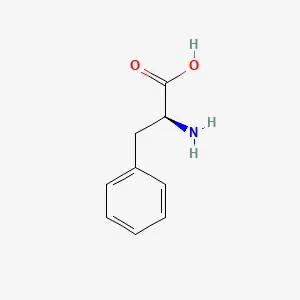
Phenylalanine is an essential amino acid, one of the building blocks of protein that the body cannot make, so food has to supply it. The 2007 report of the WHO (World Health Organization), FAO and UN University calls it nutritionally indispensable. The US National Academies (NASEM, 2005) list it as an indispensable amino acid too.
Much of it is not built into protein but converted to tyrosine. The National Academies call tyrosine conditionally indispensable, because the liver makes it from phenylalanine. Tyrosine in turn is a precursor of the catecholamine neurotransmitters (brain messengers such as dopamine), hormones and melanin skin pigments.
Almost everyone who eats enough protein gets enough. In US survey data from 1988 to 1994, the mean intake of phenylalanine from food and supplements was 3.4 g a day. The WHO sets the need for phenylalanine plus tyrosine at 25 mg per kg of body weight a day. That is about 1,750 mg for a 70 kg adult (our arithmetic).
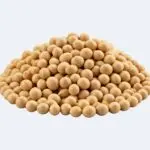
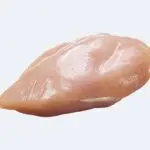
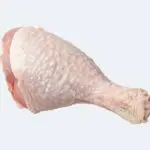
Soybeans and chicken lead our USDA ranking per serving, and pumpkin seeds, hemp seeds and peanuts lead per 100 g.
Here is what most readers do not know. Phenylalanine sits behind one of the best-known food warnings: “contains phenylalanine” on products sweetened with aspartame. Aspartame is about half phenylalanine by weight, according to the National Academies.
The warning is for people with phenylketonuria (PKU), a rare inherited condition in which the body cannot break phenylalanine down. Newborns are screened for it with a blood phenylalanine test, using a simple method published by Robert Guthrie and Ada Susi in 1963. Treatment is a low-phenylalanine diet for life, with prescription drugs for some people.
For everyone else, we found no evidence that phenylalanine from food or from aspartame at the amounts studied does harm.
Health benefits of phenylalanine
The top findings from 20 studies, strongest evidence first
What the stars mean
- Strong. Several randomized trials, pooled in a meta-analysis, point the same way, or regulators (FDA or EFSA) have approved the claim.
- Moderate. Good randomized trials support it, but there are fewer of them, or their results vary.
- Limited. Small, short or single trials, or mixed results. Promising, but it needs confirmation.
Population and lab studies get no stars: they show a link or a mechanism, not proof.
How we rate evidence →- ★★PKU drug sapropterin lowered blood phenylalanineIn 89 people with PKU (phenylketonuria, an inherited condition), 6 weeks of sapropterin cut blood phenylalanine far more than placebo (by 236 µmol/L). In responding children it let them eat 17.7 mg/kg a day more phenylalanine than placebo.
- ★★PKU drug sepiapterin cut blood phenylalanine 63%In 98 people who responded to it, 6 weeks of sepiapterin cut blood phenylalanine by 63%, against a 1% change on placebo. Side effects were mostly mild stomach and bowel events (59% against 33% on placebo).
- ★★Stopping pegvaliase brought blood phenylalanine back upIn adults with PKU who had cut blood phenylalanine on pegvaliase, switching to placebo for 8 weeks raised it by 664.8 to 949.8 µmol/L. Those who kept taking the drug saw a rise of only 26.5.
- ★★Aspartame did not affect thinking in healthy adultsIn 48 healthy young adults, aspartame at 15 or 45 mg/kg a day for 20 days did not change thinking tests, brain waves or behavior. In 48 carriers of one PKU variant (without PKU), thinking matched placebo, and only the 45 mg/kg dose raised blood phenylalanine, within the normal range.
- ★No proven link to alertness, mood or memoryIn 2010 EFSA, the EU food safety agency, found no cause-and-effect link for L-phenylalanine claims about alertness, mood, pain relief and memory. For alertness, the 29 references given held no usable data.
All 16 studies, strongest evidence first
Cochrane review: sapropterin cut blood phenylalanine in some people with PKU
This Cochrane review (Cochrane is a group known for careful reviews of trials) found two placebo-controlled trials, both sponsored by BioMarin, the maker. In the first, 89 children and adults on an unrestricted diet took 10 mg/kg a day. Their blood phenylalanine fell by 238.8 µmol/L (micromoles per liter) more than on placebo. In the second, 46 responding children aged 4 to 12 on a restricted diet took 20 mg/kg a day. Their blood phenylalanine fell 51.9 µmol/L more than on placebo, a gap that could be chance. But the phenylalanine they could eat rose by 18 mg/kg a day more than on placebo, by the review’s calculation. The authors found short-term benefit in some people and no serious short-term adverse events. They found no evidence on long-term effects and no clear evidence of benefit in severe PKU.
Sapropterin cut blood phenylalanine by 236 µmol/L in PKU
This double-blind phase III trial (neither patients nor doctors knew who got what) included 89 people with PKU. For 6 weeks, 42 took 10 mg/kg a day of sapropterin and 47 took a placebo, a dummy pill. Mean age was 20, and blood phenylalanine at the start averaged 843 µmol/L on sapropterin and 888 on placebo. Placebo raised it by 3 µmol/L. A fall of 30% or more occurred in 18 of 41 people (44%) on sapropterin and 4 of 47 (9%) on placebo. Possibly drug-related adverse events were reported by 23% and 20%. The authors say sapropterin could be an adjunct to a low-phenylalanine diet and might even replace the diet in some instances. This is the first of the two trials in the Cochrane review above.
Sapropterin let responding children eat 17.7 mg/kg more phenylalanine than placebo
In this double-blind trial, 90 children aged 4 to 12 were screened for a response. The 46 responders were randomized 3 to 1 to sapropterin (20 mg/kg a day) or placebo for 10 weeks. They stayed on a phenylalanine-restricted diet. After 3 weeks, a phenylalanine supplement was added every 2 weeks while blood phenylalanine stayed under 360 µmol/L. The sapropterin group ended up tolerating 20.9 mg/kg a day of added phenylalanine, against 2.9 on placebo. No severe or serious related adverse events were seen. This is the second of the two trials in the Cochrane review above.
Sepiapterin cut blood phenylalanine by 63%, against a 1% change on placebo
This phase 3 randomized, double-blind trial in people with PKU ran at 34 sites in 13 countries, with 157 people enrolled. In part 1, 114 of 156 people (73%) responded with a fall of 15% or more. In part 2, 98 responders (49 in each group) took sepiapterin or placebo for 6 weeks. The sepiapterin dose stepped up from 20 to 40 to 60 mg/kg a day every 2 weeks. The placebo-adjusted fall was 395.9 µmol/L. Adverse events were reported by 59% on sepiapterin and 33% on placebo, mostly mild stomach and bowel events, and there were no serious ones. PTC Therapeutics, the maker, funded the trial, and several authors work for it.
Stopping pegvaliase raised blood phenylalanine by 664.8 to 949.8 µmol/L
This randomized discontinuation trial (PRISM-2, part 2) enrolled adults who had already cut blood phenylalanine by at least 20% on pegvaliase. They were randomized 2 to 1 to keep taking it or to switch to placebo for 8 weeks. The pooled pegvaliase group had 66 people (20 or 40 mg a day), and each of two placebo groups had 14. Blood phenylalanine rose by 26.5 in those who kept taking pegvaliase. The difference was clear, and adverse events were usually fewer on placebo. BioMarin, the maker, sponsored the trial, and several authors are affiliated with it.
EFSA found no cause and effect link for claims made for L-phenylalanine
This is a 2010 EFSA opinion on claims sent in under Regulation (EC) No 1924/2006. The claims covered alertness, mood, pain relief and memory. For alertness, 29 references were provided, and the Panel found no scientific data in them that could be used. For mood, the two human studies were uncontrolled studies of DL-phenylalanine in depression. For pain relief and memory, no references were provided from which conclusions could be drawn. The EU Register lists the phenylalanine claims it covers as non-authorized.
Cochrane: tyrosine supplements in PKU gave no benefit beyond higher blood tyrosine
The review found six trials, and three, with 56 participants in all, were suitable. Blood tyrosine was higher on supplements (mean difference 23.46), and the other outcomes showed no clear differences. The trials had a low to moderate risk of bias. The authors say no recommendation can be made about routine use, and they have no plans to update the review. It tests tyrosine, not phenylalanine, and is here because people with PKU are often asked about it.
L-phenylalanine plus UVA repigmented vitiligo up to 77% in an open trial
These were an open trial in 149 patients over 18 months and a small double-blind trial in 32 patients over 6 months. Vitiligo causes patches of skin to lose their color, and UVA is ultraviolet A light. Repigmentation reached 60% in the blinded trial. Blood levels of L-phenylalanine peaked 30 to 60 minutes after an oral dose. A higher dose raised blood levels but did not improve the results. The authors say the best dose appears to be below 50 mg/kg a day, and that it is difficult to draw firm conclusions.
10 g of L-phenylalanine cut calories eaten from 1,587 to 1,089
Six normal-weight, fasted adults (four men and two women) took 10 g of L-phenylalanine, D-phenylalanine or a placebo 20 minutes before a standard meal. After D-phenylalanine they ate 1,492 kcal, so the D form did not cut intake. They felt fuller after L-phenylalanine. Blood cholecystokinin (CCK), a gut hormone linked to fullness, rose from 1.10 to 5.49 pmol/L. It did not rise after D-phenylalanine or placebo. The sample was tiny, and later trials gave mixed results.
In Parkinson’s disease, oral phenylalanine reversed the effect of infused levodopa
Nine patients whose response to levodopa swung up and down (an oscillating motor state) were studied. High-protein meals reversed the benefit of infused levodopa while plasma levodopa stayed the same. So did oral phenylalanine, leucine or isoleucine at 100 mg/kg, while glycine and lysine at the same dose had no effect. The authors conclude that competition between large neutral amino acids and levodopa for transport into the brain may partly explain the fluctuating response. Meals also cut peak plasma levodopa by 29%.
D-phenylalanine did not relieve chronic pain better than placebo
This double-blind crossover trial included 30 people whose pain had not responded to other treatments. They took 250 mg of D-phenylalanine four times a day for four weeks, and a lactose placebo for four weeks. More pain relief on D-phenylalanine was reported by 25% of patients, more on placebo by 22%, and no difference by 53%. The lowest visual analog pain level (a line-scale rating) was reported by 47% on D-phenylalanine and 53% on placebo. The authors found no clear pain-relieving effect.
DL-phenylalanine scored the same as imipramine for depression, with no placebo group
In this double-blind trial, 40 depressed patients took DL-phenylalanine (150 to 200 mg a day) or the antidepressant imipramine. There were 20 in each group, for 30 days. Only 27 finished (14 on imipramine and 13 on phenylalanine). Scores on the Hamilton scale and on a self-rating questionnaire did not differ between the groups. Anxiety ratings were lower on imipramine on days 10 and 20 but not on day 30. The authors say DL-phenylalanine might have substantial antidepressant properties, but that the study design calls for careful interpretation.
In early-treated PKU, higher blood phenylalanine went with lower childhood IQ
This meta-analysis, a study that pools other studies, covered 40 studies in early-treated PKU. It combined the links between blood phenylalanine and IQ found within each study. In childhood, each 100 µmol/L rise in blood phenylalanine went with a 1.3 to 3.1 point lower IQ. From birth to age 12, the correlation was -0.35. For the mean lifetime phenylalanine level, each 100 µmol/L rise predicted a 1.9 to 4.1 point lower IQ. Correlations show a link, not proof of cause. The authors conclude that blood phenylalanine is a sound stand-in marker for IQ in trials of PKU treatments.
In treated PKU, the age diet control was lost best predicted IQ
This study followed 119 children with PKU whose treatment began before 65 days of age, and measured IQ at 8 or 10 years. Diet was counted as out of control when blood phenylalanine stayed above 15 mg/dL. The age at loss of control also best predicted the gap in school achievement and behavior problems, compared with unaffected siblings. The biggest deficits were in children who lost control before age 6. The age at starting treatment and the highest phenylalanine before treatment did not clearly predict the outcomes. The authors concluded that phenylalanine restriction should continue after age 8.
95% of very-high-phenylalanine mothers had at least one intellectually disabled child
The authors reviewed the literature and ran an international survey of 524 pregnancies in 155 women with PKU or high phenylalanine. Very high meant blood phenylalanine of 20 mg/dL or more. In untreated pregnancies, intellectual disability, small head size (microcephaly) and congenital heart disease were much more frequent than in the general population. They tracked the mother’s blood phenylalanine. In 34 pregnancies a low-phenylalanine diet began after conception or shortly before it. The authors could not tell whether a diet begun after conception helps, and said that treatment begun before conception should be evaluated.
In French adults with early-treated PKU, 25.7% had psychiatric problems
These were baseline data from a 5-year cohort study (a study that follows people over time) of 187 French adults. The psychiatric problems were mainly depression and anxiety. Neurological symptoms such as tremor, migraines and balance problems were reported by 11.2%, all with classic PKU. Neither diet adherence nor current blood phenylalanine was clearly linked to neurological or psychiatric findings, possibly because control was not tight. The design was cross-sectional (a single snapshot), and there was no control group. The authors call outcomes generally favorable but advise lifelong follow-up.
Foods high in phenylalanine
Beans and poultry lead our USDA ranking per serving. One cup of soybeans (172 g) holds 1.49 g of phenylalanine. A 4 oz chicken breast follows with 1.03 g, then a chicken drumstick with skin (0.94 g) and adzuki beans (0.92 g per cup).
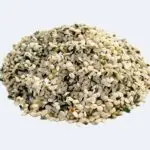
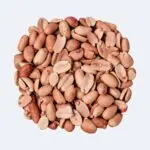
Per 100 g, seeds and nuts take over: pumpkin seeds have 1.73 g, hemp seeds 1.45 g and peanuts 1.38 g. Per 100 kcal, cod (0.85 g), tuna (0.83 g), shrimp (0.83 g) and chicken breast (0.76 g) lead, followed by basil and spinach. The ranking below shows the full lists.
Phenylalanine is in every protein, so animal and plant foods both supply it. The WHO says the content of each indispensable amino acid in its example proteins is considerably greater than its requirement pattern, with two exceptions. Neither exception is phenylalanine.
The WHO table lists total aromatic amino acids (phenylalanine plus tyrosine) at 243% to 314% of the pattern. That covers egg, beef, milk, soy, potato, rice, maize and wheat protein. Lysine, by comparison, is only 57% in wheat and 58% in maize. So lysine is the amino acid to plan around in grain-based diets, not phenylalanine.
In the National Academies’ table, phenylalanine plus tyrosine is 98 mg per g of protein in eggs and 96 in milk. It is 81 in whole wheat flour and 77 in navy beans. The WHO adult pattern is 38 (see the chart in the next section).
By our arithmetic, one chicken breast (1.03 g) gives 59% of the 1,750 mg WHO figure for phenylalanine plus tyrosine. One cup of soybeans (1.49 g) gives 85%. That is from phenylalanine alone, before counting any tyrosine in the same food.
For people with PKU the same list is a list of foods to limit, because protein-rich foods are the main source. A UK consensus of metabolic dietitians covers foods such as nuts, seeds, meat, fish, eggs and dried legumes. It says they are added only for people who tolerate at least 20 g a day of natural protein. The richer foods need a higher tolerance.
Products made with aspartame carry a phenylalanine warning for the same reason.
Per serving. No daily amount is set, so bars compare each food with the top food.
Per 100 g. No daily amount is set, so bars compare each food with the top food.
Per 100 kcal: the same calories of each food, for a fair comparison. Bars compare each food with the top food.
Food labels have no Daily Value or Reference Intake for phenylalanine, so the % compares each food with the top food.
- 1.
- 2.
- 3.
- 4.
- 5.
- 6.
- 7.
- 8.
- 9.
- 10.


- 1.
- 2.
- 3.
- 4.
- 5.
- 6.
- 7.
- 8.
- 9.
- 10.


- 1.

- 2.
- 3.
- 4.
- 5.
- 6.
- 7.
- 8.
- 9.
- 10.



Sources
- FoodData Central. US Department of Agriculture, Agricultural Research Service. Values as shown in the ranking above.
- FAO/WHO/UNU Expert Consultation. Protein and amino acid requirements in human nutrition. WHO Technical Report Series 935. World Health Organization. 2007 Tables 20, 23, 24 and 36, and section 8.1.5.
- Institute of Medicine, Food and Nutrition Board. Dietary Reference Intakes for energy, carbohydrate, fiber, fat, fatty acids, cholesterol, protein, and amino acids. National Academies Press. 2005. Pages 679 to 681 and 686 (Table 10-23).
- Gama MI, Adam S, Adams S, et al. Suitability and allocation of protein-containing foods according to protein tolerance in PKU: a 2022 UK national consensus. Nutrients. 2022.
- Aspartame. Code of Federal Regulations, title 21, section 172.804(a) and (d)(2).
How phenylalanine works
Most of the biochemistry below comes from reviews, drug labels and tracer studies. The human findings that matter most are trials in people with PKU.
Four ideas cover it. Most phenylalanine is turned into tyrosine, and phenylalanine shares a carrier into the brain with other amino acids. The conversion fails in PKU and the treatments work around that, and almost every food protein carries more than enough of it. Here is each one, and what has been seen in people.
Most of it is turned into tyrosine
An enzyme called phenylalanine hydroxylase (PAH) does the rate-limiting step of phenylalanine breakdown, the slowest step that sets the pace. According to a 2013 review, it consumes about 75% of the phenylalanine that comes from the diet and from protein breakdown. PAH, helped by a molecule called tetrahydrobiopterin (BH4), converts phenylalanine into tyrosine.
The WHO says tyrosine depends on there being enough phenylalanine. It adds that at present it is not possible to set a specific value for how much tyrosine spares phenylalanine. That is why requirements are given for the pair.
How phenylalanine becomes tyrosine, simplified. Not to scale, and the review does not give the share that goes to each product.
It shares a carrier into the brain, and tyrosine is the preferred fuel
Phenylalanine is one of the large neutral amino acids, which cross into the brain on shared carriers. A review of the LAT1 carrier says it takes up essential amino acids at the blood-brain barrier and the placenta.
The best-known human effect is in Parkinson’s disease. Oral phenylalanine, leucine or isoleucine at 100 mg per kg reversed the effect of infused levodopa, as a high-protein meal did. Levodopa’s blood level did not fall, and glycine and lysine had no effect.
Phenylalanine can also feed the pathway to dopamine, but the enzyme that starts it prefers tyrosine. So unless tyrosine is abnormally low, changes in phenylalanine do not change catecholamine production, according to a 2007 review. Separately, 10 g of L-phenylalanine released the gut hormone cholecystokinin in 6 people and cut how much they ate at the next meal.
In PKU the conversion fails, and treatments work around it
PKU is caused by PAH deficiency, and most PAH gene variants lead to a misfolded, unstable enzyme. Phenylalanine then builds up in blood and brain. Left untreated, it causes severe intellectual disability, epilepsy and behavioral problems, according to the European guidelines.
Treatment tries to lower it in three ways. A phenylalanine-restricted diet reduces what goes in. Sapropterin is a synthetic form of BH4. Sepiapterin is a precursor that cells convert into BH4, so both help PAH work in people who respond.
Pegvaliase is an injected, PEGylated form of an enzyme (coated with a polymer so it lasts longer), phenylalanine ammonia lyase from Anabaena variabilis. It converts phenylalanine to trans-cinnamic acid and ammonia without PAH.
Three ways blood phenylalanine is lowered in PKU, as a diagram. Not to scale, and the panels do not rank them.
How low is low enough? The American College of Medical Genetics and Genomics (ACMG) issued a guideline in 2023. It strongly recommends keeping blood phenylalanine at 360 µmol/L or lower for life. The PRISM authors call 120 µmol/L the upper limit of normal in people without PKU.
The US label for pegvaliase is for people whose levels stay above 600 µmol/L despite existing management. Adults entering the PRISM trials averaged 1,232.7 µmol/L.
Blood phenylalanine thresholds and a trial starting level, drawn to scale. The bars come from different documents, so they are reference points, not one data set.
Almost every food protein carries plenty
The WHO adult pattern is 38 mg of phenylalanine plus tyrosine per g of protein. That is the 25 mg per kg requirement divided by the 0.66 g per kg protein requirement (our arithmetic). Egg, milk, whole wheat and navy bean protein all sit well above it in the National Academies’ table. This is the opposite of lysine in grains or methionine in legumes, and it is why phenylalanine is rarely the amino acid to plan around.
Phenylalanine plus tyrosine per gram of protein in four foods, drawn to scale, against the WHO adult pattern (dashed line).
What has been seen in people
The firmest human findings are in PKU. Randomized trials show that sapropterin, sepiapterin and pegvaliase lower blood phenylalanine. But they measured blood phenylalanine and diet tolerance, not IQ, and the makers sponsored most of them.
Open-label results, where everyone knows the treatment, are larger. In the PRISM program, 261 adults on pegvaliase went from a mean of 1,232.7 µmol/L to 311.4 µmol/L at 24 months. Of them, 60.7% reached 360 µmol/L or lower, and 12 people had sudden whole-body allergic reactions consistent with anaphylaxis criteria.
In the AMPLIPHY crossover trial, sepiapterin lowered blood phenylalanine by 437.0 µmol/L, against 256.6 for sapropterin at its top dose. But that trial was open-label. A registry comparison found a median of 167 µmol/L after 3 years on pegvaliase. That compares with 660 on sapropterin plus diet and 1,157 on diet alone.
Why the target matters comes from observational studies. Higher blood phenylalanine goes with lower IQ in early-treated children, losing diet control early costs IQ, and high maternal levels harm the baby.
The few trials of phenylalanine pills are small. With UVA light, oral L-phenylalanine repigmented vitiligo in small trials. A 2021 review lists it among the most promising nutrition-based add-ons.
In 6 people, 10 g cut calories eaten. In a later trial, 10 g (not 5 g) lowered energy intake in 16 lean men. In 32 overweight women it had no overall effect.
We found no trial showing a benefit of phenylalanine pills in healthy people. All of these are among the study cards above, or in the sources below.
Sources
- Flydal MI, Martinez A. Phenylalanine hydroxylase: function, structure, and regulation. IUBMB Life. 2013.
- Institute of Medicine, Food and Nutrition Board. Dietary Reference Intakes for energy, carbohydrate, fiber, fat, fatty acids, cholesterol, protein, and amino acids. National Academies Press. 2005. Pages 727 and 728 (phenylalanine) and 734 (tyrosine).
- FAO/WHO/UNU Expert Consultation. Protein and amino acid requirements in human nutrition. WHO Technical Report Series 935. World Health Organization. 2007 Tables 20, 23, 24 and 36, and section 8.1.5.
- Scalise M, Galluccio M, Console L, Pochini L, Indiveri C. The human SLC7A5 (LAT1): the intriguing histidine/large neutral amino acid transporter and its relevance to human health. Front Chem. 2018.
- Nutt JG, Woodward WR, Hammerstad JP, et al. The “on-off” phenomenon in Parkinson’s disease. Relation to levodopa absorption and transport. N Engl J Med. 1984.
- Fernstrom JD, Fernstrom MH. Tyrosine, phenylalanine, and catecholamine synthesis and function in the brain. J Nutr. 2007.
- Ballinger AB, Clark ML. L-phenylalanine releases cholecystokinin (CCK) and is associated with reduced food intake in humans: evidence for a physiological role of CCK in control of eating. Metabolism. 1994.
- Fitzgerald PCE, Manoliu B, Herbillon B, et al. Effects of L-phenylalanine on energy intake and glycaemia: impacts on appetite perceptions, gastrointestinal hormones and gastric emptying in healthy males. Nutrients. 2020.
- Pohle-Krauza RJ, Navia JL, Madore EY, Nyrop JE, Pelkman CL. Effects of L-phenylalanine on energy intake in overweight and obese women: interactions with dietary restraint status. Appetite. 2008.
- van Wegberg AMJ, MacDonald A, Ahring K, et al. The complete European guidelines on phenylketonuria: diagnosis and treatment. Orphanet J Rare Dis. 2017.
- Thomas J, Levy H, Amato S, et al. Pegvaliase for the treatment of phenylketonuria: results of a long-term phase 3 clinical trial program (PRISM). Mol Genet Metab. 2018.
- Blau N. Sepiapterin: from sapropterin to next-generation therapy. Mol Genet Metab. 2026.
- Smith WE, Berry SA, Bloom K, et al. Phenylalanine hydroxylase deficiency diagnosis and management: a 2023 evidence-based clinical guideline of the American College of Medical Genetics and Genomics (ACMG). Genet Med. 2025.
- PALYNZIQ (pegvaliase-pqpz): prescribing information. US Food and Drug Administration. Revised 2/2026.
- Giżewska M, Inwood A, Tyčová R, et al. Efficacy and safety of sepiapterin versus sapropterin in patients with phenylketonuria: results from the phase 3, randomized, crossover, open-label, active-controlled AMPLIPHY trial. Metabolism. 2026.
- Burton BK, Clague GE, Harding CO, et al. Long-term comparative effectiveness of pegvaliase versus medical nutrition therapy with and without sapropterin in adults with phenylketonuria. Mol Genet Metab. 2024.
- Waisbren SE, Noel K, Fahrbach K, et al. Phenylalanine blood levels and clinical outcomes in phenylketonuria: a systematic literature review and meta-analysis. Mol Genet Metab. 2007.
- Shakhbazova A, Wu H, Chambers CJ, Sivamani RK. A systematic review of nutrition, supplement, and herbal-based adjunctive therapies for vitiligo. J Altern Complement Med. 2021.
How much phenylalanine do you need?
Adults need about 25 mg of phenylalanine plus tyrosine per kg of body weight a day, according to the WHO/FAO/UNU report of 2007. That is about 1,750 mg for a 70 kg adult. The US recommended dietary allowance (the amount that covers nearly everyone) for the pair is 33 mg per kg (about 2,310 mg). EFSA has not set a value for phenylalanine.
| Source | Requirement (mg per kg a day) | For a 70 kg adult | Notes |
|---|---|---|---|
| WHO/FAO/UNU 2007, adults | 25 | 1,750 mg | Phenylalanine plus tyrosine, 38 mg per g of protein. A best estimate near the midpoint of a range of estimates that all carry considerable uncertainty. |
| NASEM 2005, EAR, adults 19 and older | 27 | 1,890 mg | Phenylalanine plus tyrosine. The average of estimates ranging from 15.1 to 39 mg per kg. |
| NASEM 2005, RDA, adults 19 and older | 33 | 2,310 mg | Phenylalanine plus tyrosine. Set at 1.24 times the EAR. |
| NASEM 2005, pregnancy | 36 (EAR), 44 (RDA) | Not calculated | Phenylalanine plus tyrosine. Scaled from the nonpregnant EAR by 1.33, as there are essentially no direct data. |
| NASEM 2005, lactation | 41 (EAR) | Not calculated | Phenylalanine plus tyrosine. Adds the amount in human milk to the nonlactating EAR. |
For children, the WHO values for phenylalanine plus tyrosine fall with age. They are 59 mg per kg a day at 6 months and 40 at 1 to 2 years. They are 30 at 3 to 10 and at 11 to 14 years, 28 at 15 to 18 and 25 from age 18.
EFSA reproduced these values in its 2012 opinion on protein but did not derive reference values for individual amino acids. It said amino acids are not provided as individual nutrients but in the form of protein, and that more data are needed.
Actual intakes are well above the requirement. The mean from US survey data was 3.4 g of phenylalanine a day, about 1.9 times the WHO figure for the pair (our arithmetic). At the 99th percentile in men 31 to 50 it was 7.7 g.
Phenylalanine deficiency: signs and who is at risk
We found no report of a phenylalanine deficiency syndrome in healthy people who eat enough protein. Shortfalls would come from a very low protein intake overall. The WHO lists aromatic amino acids at well over the requirement pattern in staple proteins. The reverse problem, too much phenylalanine, is PKU, covered in the safety section.
Too little can happen during PKU treatment. The US labels for sapropterin, pegvaliase and sepiapterin all warn of low blood phenylalanine (hypophenylalaninemia). The sapropterin label says children under 7 years given 20 mg per kg a day are at increased risk. That is why blood phenylalanine is checked regularly in treatment.
Sources
- FAO/WHO/UNU Expert Consultation. Protein and amino acid requirements in human nutrition. WHO Technical Report Series 935. World Health Organization. 2007 Tables 20, 23, 24 and 36, and section 8.1.5.
- Institute of Medicine, Food and Nutrition Board. Dietary Reference Intakes for energy, carbohydrate, fiber, fat, fatty acids, cholesterol, protein, and amino acids. National Academies Press. 2005. Pages 679 to 681 and 686 (Table 10-23).
- Institute of Medicine, Food and Nutrition Board. Dietary Reference Intakes for energy, carbohydrate, fiber, fat, fatty acids, cholesterol, protein, and amino acids. National Academies Press. 2005. Pages 727 and 728 (phenylalanine) and 734 (tyrosine).
- EFSA Panel on Dietetic Products, Nutrition and Allergies (NDA). Scientific opinion on dietary reference values for protein. EFSA J. 2012;10(2):2557.
- KUVAN (sapropterin dihydrochloride): prescribing information. US Food and Drug Administration. Revised 2024.
- PALYNZIQ (pegvaliase-pqpz): prescribing information. US Food and Drug Administration. Revised 2/2026.
- SEPHIENCE (sepiapterin): prescribing information. US Food and Drug Administration. Revised 7/2025.
Forms of phenylalanine: absorption and effects
Phenylalanine reaches you in several ways. It is bound in the protein of every food and sold as free L-phenylalanine in supplements. The D- and DL- forms are sold for mood and pain. Phenylalanine also makes up half of the sweetener aspartame. People with PKU use phenylalanine-free amino acid mixtures and a low-phenylalanine milk protein called glycomacropeptide.
The honest bottom line: no trial compares forms for a health benefit. The comparisons below measure how the body handles each form, and several are small.
| Form | What it is | What studies show | Source |
|---|---|---|---|
| Phenylalanine in food protein | Bound in protein, the form in all foods | Mean intake from food and supplements was 3.4 g a day in US survey data. The National Academies found no data to set an upper limit. | 1 |
| Free L-phenylalanine | The single amino acid in its natural L-form, as capsules or powder | In vitiligo trials with UVA light, oral doses of 50 mg per kg and 100 mg per kg were used, and in one trial a higher dose raised blood levels but not repigmentation. 10 g before a meal cut calories eaten in 6 people. The National Academies report no adverse effects from single doses of 10 g in 13 men, and no data on long-term use. | 1, 2, 3, 13, 14, 15 |
| D-phenylalanine | The mirror-image form of the amino acid | 10 g did not release the gut hormone CCK or cut food intake, and 250 mg four times a day did not relieve chronic pain better than placebo. EFSA found no cause and effect link with pain relief. | 2, 4, 6 |
| DL-phenylalanine | An equal mix of the D- and L-forms | At 150 to 200 mg a day it scored the same as imipramine in a trial with no placebo group. EFSA found only uncontrolled studies in depression. | 5, 6 |
| Aspartame | The methyl ester of the dipeptide aspartyl-phenylalanine, about 50% phenylalanine by weight | Blood phenylalanine rises with dose. In 48 carriers of one PKU variant, 45 mg per kg a day stayed within the normal range, and in 48 healthy adults it had no effect on thinking. US and EU rules require a phenylalanine statement on the label. | 1, 7, 8, 11, 12 |
| Phenylalanine-free amino acid mixtures and glycomacropeptide (GMP) | Protein substitutes for PKU. GMP is a milk protein with only a small amount of phenylalanine | In 30 people with PKU, blood phenylalanine control was similar over 3 weeks, and GMP was rated more acceptable. In healthy adults, amino acids from GMP and free amino acids were absorbed faster than from casein. | 9, 10 |
The trials in the benefits section used free L-phenylalanine by mouth (vitiligo at 50 to 100 mg per kg a day, appetite at 10 g). Others used D-phenylalanine (pain), DL-phenylalanine (depression) and, in PKU, drugs rather than the amino acid itself. Here are the form-specific studies, strongest evidence first, 4 in all.
All 4 studies, strongest evidence first
In healthy adults, aspartame did not affect thinking, brain waves or behavior
In this randomized, double-blind, placebo-controlled crossover study, 48 healthy young adults first spent a month free of aspartame. They then took sodas and capsules with placebo, aspartame or sucrose for 20 days each. A low-dose group took 15 mg/kg a day and a high-dose group 45 mg/kg a day. Plasma phenylalanine rose on aspartame. Tests of thinking, side effects, amino acids, insulin, glucose and brain waves (EEG) showed no differences. The volunteers were healthy young adults, so the result says nothing about PKU.
In PKU carriers, aspartame raised plasma phenylalanine within the normal range
This randomized, double-blind, placebo-controlled crossover study included 48 people, 21 men and 27 women, who are heterozygous for PKU. That means they carry one variant and do not have PKU. They took aspartame at 15 or 45 mg/kg a day, or placebo, for 12 weeks each. Plasma phenylalanine rose 1 and 3 hours after the morning dose in the 45 mg/kg group only. Tests of thinking, EEG, urinary organic acids and adverse experiences did not differ from placebo. The authors say aspartame is about 50% phenylalanine, 40% aspartic acid and 10% methanol.
Glycomacropeptide medical food gave similar blood phenylalanine control to amino acid mixtures
This randomized crossover trial included 30 early-treated people with PKU aged 15 to 49: 20 with classical PKU and 10 with variant PKU. In random order, for 3 weeks each, they ate their usual low-phenylalanine diet with amino acid medical foods or glycomacropeptide (GMP) medical foods. Both supplied the same protein equivalent. GMP contains a small amount of phenylalanine, and intake from it was 88 mg a day. Blood phenylalanine averaged 444 µmol/L with amino acid foods and 497 with GMP, which could be chance. People rated GMP more acceptable and noted fewer stomach symptoms and less hunger with it.
Free amino acids and glycomacropeptide were absorbed faster than casein
In this three-way randomized crossover trial, 20 healthy adults each took 0.4 g/kg of protein equivalent. It came as phenylalanine-free L-amino acids, low-phenylalanine casein glycomacropeptide (CGMP) or casein, a milk protein. Blood was sampled for 240 minutes. Total amino acid exposure was largest for L-amino acids, then CGMP, then casein, with no difference between L-amino acids and CGMP. Casein gave a sustained curve, while the other two rose quickly and fell. Tyrosine from CGMP rose gradually, which the authors say suggests a beneficial effect on the phenylalanine to tyrosine ratio. These were healthy volunteers, not people with PKU.
Sources
- Institute of Medicine, Food and Nutrition Board. Dietary Reference Intakes for energy, carbohydrate, fiber, fat, fatty acids, cholesterol, protein, and amino acids. National Academies Press. 2005. Pages 727 and 728 (phenylalanine) and 734 (tyrosine).
- Ballinger AB, Clark ML. L-phenylalanine releases cholecystokinin (CCK) and is associated with reduced food intake in humans: evidence for a physiological role of CCK in control of eating. Metabolism. 1994.
- Siddiqui AH, Stolk LM, Bhaggoe R, et al. L-phenylalanine and UVA irradiation in the treatment of vitiligo. Dermatology. 1994.
- Walsh NE, Ramamurthy S, Schoenfeld L, Hoffman J. Analgesic effectiveness of D-phenylalanine in chronic pain patients. Arch Phys Med Rehabil. 1986.
- Beckmann H, Athen D, Olteanu M, Zimmer R. DL-phenylalanine versus imipramine: a double-blind controlled study. Arch Psychiatr Nervenkr. 1979.
- EFSA Panel on Dietetic Products, Nutrition and Allergies (NDA). Scientific opinion on the substantiation of health claims related to L-phenylalanine and increased alertness, enhancement of mood, pain relief and improvement of memory. EFSA J. 2010;8(10):1748.
- Trefz F, de Sonneville L, Matthis P, et al. Neuropsychological and biochemical investigations in heterozygotes for phenylketonuria during ingestion of high dose aspartame (a sweetener containing phenylalanine). Hum Genet. 1994.
- Spiers PA, Sabounjian L, Reiner A, et al. Aspartame: neuropsychologic and neurophysiologic evaluation of acute and chronic effects. Am J Clin Nutr. 1998.
- Ney DM, Stroup BM, Clayton MK, et al. Glycomacropeptide for nutritional management of phenylketonuria: a randomized, controlled, crossover trial. Am J Clin Nutr. 2016.
- Daly A, Pinto A, Evans S, et al. Protein substitute absorption: a randomised controlled trial comparing CGMP vs. amino acids vs. micellar casein in healthy volunteers. Nutrients. 2025.
- Aspartame. Code of Federal Regulations, title 21, section 172.804(a) and (d)(2).
- European Parliament and Council. Foods for which additional mandatory particulars must be provided on the label. Regulation (EU) No 1169/2011, Annex III, point 2.3 (copy on legislation.gov.uk).
- Cormane RH, Siddiqui AH, Westerhof W, Schutgens RB. Phenylalanine and UVA light for the treatment of vitiligo. Arch Dermatol Res. 1985.
- Antoniou C, Schulpis H, Michas T, et al. Vitiligo therapy with oral and topical phenylalanine with UVA exposure. Int J Dermatol. 1989.
- Camacho F, Mazuecos J. Oral and topical L-phenylalanine, clobetasol propionate, and UVA/sunlight: a new study for the treatment of vitiligo. J Drugs Dermatol. 2002.
Is phenylalanine safe? Supplements, dose and interactions
Phenylalanine from food is not a concern for almost everyone. The National Academies set no tolerable upper intake level (the most you can take each day without likely harm). They said data on chronic supplemental phenylalanine in apparently healthy adults were not available.
EFSA derived no reference values for individual amino acids and found its data insufficient for an upper level for protein. We found no EFSA upper level for phenylalanine.
The National Academies list no adverse effects from single doses of L-phenylalanine as high as 10 g in 13 men. They also list dose-related rises in blood phenylalanine when adults were given aspartame. The doses were 4 to 200 mg per kg of aspartame (2 to 100 mg per kg of phenylalanine). Single doses up to 60 mg per kg of aspartame had no effect on behavior or thinking.
Phenylketonuria: the condition where phenylalanine is not safe
PKU, also called PAH deficiency, is rare. A 2026 meta-analysis puts classic PKU at 0.29 per 10,000 births worldwide, 0.58 in North America and 0.67 in Europe. The National Academies give about 1 in 15,000 US infants.
Newborns are screened with a blood phenylalanine test, and an out-of-range result is confirmed with a plasma amino acid test and genetic testing. The National Academies say irreversible brain damage can follow if phenylalanine is not restricted within 1 month of birth. Restriction is continued at least through childhood and adolescence. The ACMG guideline now recommends lifelong treatment for anyone whose untreated level is above 360 µmol/L, and genetic testing at birth.
The diet limits natural protein and adds phenylalanine-free protein supplements called medical foods, made from amino acids or glycomacropeptide. Most European recommendations rest on evidence graded C or D, the lower grades. Three prescription drugs can add to diet, and each has limits set by regulators.
Sapropterin (US approval 2007) is for BH4-responsive PKU, from age 1 month in the US label, used with a phenylalanine-restricted diet. The label says response can be found only by a therapeutic trial.
Pegvaliase (US approval 2018) carries a boxed warning for anaphylaxis and is available only through a restricted program. It requires epinephrine to be prescribed. In the 2026 US label it is for people 12 and older whose level stays above 600 µmol/L despite existing management. The EMA (the EU medicines agency) product information lists patients aged 16 and older for pegvaliase.
Sepiapterin (US approval 2025) is for sepiapterin-responsive PKU from age 1 month, with a phenylalanine-restricted diet. Treatment is run by a metabolic team.
Pregnancy is the highest-stakes case. The National Academies call maternal hyperphenylalaninemia (high phenylalanine in the mother) a recognized human teratogen, something that causes birth defects. It is linked to intellectual disability, small head size, growth delay and congenital heart defects in the baby. The ACMG guideline strongly recommends a level of 360 µmol/L or lower before conception.
People who carry one PKU variant are a different case. In a trial in 48 carriers, aspartame at 45 mg per kg a day raised blood phenylalanine only within the normal range.
Aspartame and the “contains phenylalanine” warning
Aspartame is the chemical 1-methyl N-L-α-aspartyl-L-phenylalanine, and about 50% of it by weight is phenylalanine, according to the National Academies. In the US, 21 CFR 172.804 requires the label of any food containing it to say “PHENYLKETONURICS: CONTAINS PHENYLALANINE”. In the EU, Regulation 1169/2011 requires “contains a source of phenylalanine”. When only the E number is listed, it requires “contains aspartame (a source of phenylalanine)”.
The warning is for people with PKU. For everyone else, a trial in 48 healthy adults found no effect on thinking, brain waves or behavior. They took aspartame at 45 mg per kg a day for 20 days.
In July 2023 the WHO’s expert committee on food additives (JECFA) kept its acceptable daily intake of 0 to 40 mg per kg a day. The cancer agency IARC classified aspartame as possibly carcinogenic to humans (group 2B) on limited evidence, mainly for liver cancer. By the WHO’s example, a 70 kg adult would need 9 to 14 cans of diet soda a day to pass the limit. Each can holds 200 to 300 mg of aspartame.
- Levodopa. In 9 people with Parkinson’s disease, phenylalanine at 100 mg per kg reversed the effect of infused levodopa. The US labels for sapropterin and sepiapterin list a levodopa interaction: seizures, over-stimulation or irritability may occur. Ask your doctor.
- Tardive dyskinesia. This is involuntary movement, often caused by antipsychotic drugs. In 312 psychiatric patients, men with tardive dyskinesia had higher blood phenylalanine after a 100 mg per kg test dose than men without. Women did not show this. That shows a link, not a cause, and we found no trial of phenylalanine pills in the condition.
- Doses used in trials. Trials used 50 to 100 mg per kg a day by mouth in vitiligo and 10 g once for appetite. They used 250 mg four times a day of D-phenylalanine for pain and 150 to 200 mg a day of DL-phenylalanine for depression. These are trial doses, not recommendations.
- What we did not find. We found no trial of phenylalanine pills taken with MAO inhibitors (a class of antidepressants), antipsychotics or blood pressure drugs. We found none in pregnancy, and no study of long-term use in healthy adults.
- Who should ask a doctor. People with PKU restrict phenylalanine for life, so a phenylalanine pill is the opposite of their treatment. Anyone who is pregnant, takes levodopa, or has a movement disorder or another inherited metabolic condition should also ask first.
How to get enough phenylalanine, or less if you have PKU
- Eat enough protein from varied foods. The mean US intake of 3.4 g a day is about twice the WHO figure for phenylalanine plus tyrosine (our arithmetic). One chicken breast gives 1.03 g and one cup of soybeans 1.49 g, and staple proteins carry well over the requirement pattern.
- Skip the pills unless a doctor suggests them. EFSA found no cause and effect link for mood, pain, alertness or memory. The vitiligo, appetite, pain and depression trials are small, old or negative.
- If you have PKU, follow your metabolic team’s plan. The guideline target is a blood level of 360 µmol/L or lower. The foods that supply most phenylalanine are the protein-rich ones listed above, and products with the aspartame warning add to the total.
Sources
- Institute of Medicine, Food and Nutrition Board. Dietary Reference Intakes for energy, carbohydrate, fiber, fat, fatty acids, cholesterol, protein, and amino acids. National Academies Press. 2005. Pages 727 and 728 (phenylalanine) and 734 (tyrosine).
- EFSA Panel on Dietetic Products, Nutrition and Allergies (NDA). Scientific opinion on dietary reference values for protein. EFSA J. 2012;10(2):2557.
- van Wegberg AMJ, MacDonald A, Ahring K, et al. The complete European guidelines on phenylketonuria: diagnosis and treatment. Orphanet J Rare Dis. 2017.
- Smith WE, Berry SA, Bloom K, et al. Phenylalanine hydroxylase deficiency diagnosis and management: a 2023 evidence-based clinical guideline of the American College of Medical Genetics and Genomics (ACMG). Genet Med. 2025.
- Arnold G, Vockley J. Phenylalanine hydroxylase deficiency. GeneReviews. University of Washington, Seattle. Updated 2025.
- Dóczi TI, Vaghela S, Obeng GD, et al. Epidemiology of hyperphenylalaninemia: a systematic review and meta-analysis. Sage Open Pediatr. 2026.
- Guthrie R, Susi A. A simple phenylalanine method for detecting phenylketonuria in large populations of newborn infants. Pediatrics. 1963.
- KUVAN (sapropterin dihydrochloride): prescribing information. US Food and Drug Administration. Revised 2024.
- PALYNZIQ (pegvaliase-pqpz): prescribing information. US Food and Drug Administration. Revised 2/2026.
- SEPHIENCE (sepiapterin): prescribing information. US Food and Drug Administration. Revised 7/2025.
- Kuvan: summary of product characteristics. European Medicines Agency. Section 4.1.
- Palynziq: summary of product characteristics. European Medicines Agency. Section 4.1.
- Sephience: summary of product characteristics. European Medicines Agency. Section 4.1.
- Aspartame. Code of Federal Regulations, title 21, section 172.804(a) and (d)(2).
- European Parliament and Council. Foods for which additional mandatory particulars must be provided on the label. Regulation (EU) No 1169/2011, Annex III, point 2.3 (copy on legislation.gov.uk).
- Aspartame hazard and risk assessment results released. World Health Organization. 14 July 2023.
- Richardson MA, Reilly MA, Read LL, et al. Phenylalanine kinetics are associated with tardive dyskinesia in men but not in women. Psychopharmacology (Berl). 1999.
- Gama MI, Adam S, Adams S, et al. Suitability and allocation of protein-containing foods according to protein tolerance in PKU: a 2022 UK national consensus. Nutrients. 2022.
- FAO/WHO/UNU Expert Consultation. Protein and amino acid requirements in human nutrition. WHO Technical Report Series 935. World Health Organization. 2007 Tables 20, 23, 24 and 36, and section 8.1.5.
History of phenylalanine
Phenylalanine was first found in etiolated lupin sprouts (grown in the dark) by E. Schulze and Barbieri in 1879, according to a 1914 physiological chemistry textbook. Chemists including Erlenmeyer and Fischer later made it by synthesis.
The disease came to light before the amino acid’s role did. In 1934 the Norwegian physician and biochemist Asbjørn Følling examined two children with severe intellectual disability. He proved by organic chemistry that they excreted phenylpyruvic acid in their urine, and he then found it in eight more patients.
He described a new inborn error of metabolism, later called phenylketonuria. He showed that it follows an autosomal recessive pattern and was probably caused by a block in phenylalanine metabolism. He also found that carriers could be detected by phenylalanine loading. It was the first inborn error of metabolism shown to affect the mind.
Treatment followed in 1951 in Birmingham, UK. Three hospital professionals, Evelyn Hickmans, John Gerrard and Horst Bickel, worked with a two-year-old girl named Sheila Jones and her mother Mary. Together they produced a diet and showed that it worked. Newborn screening began only after it was shown that people with PKU could be treated with a modified diet.
In 1963 Guthrie and Susi published a simple blood phenylalanine method for screening newborns in large populations.
The requirement was harder to pin down. The WHO report credits the pioneering nitrogen balance work of William Rose for early amino acid requirements. The 1973 and 1985 FAO/WHO values for phenylalanine plus tyrosine were 14 mg per kg a day.
The 2007 report set 25 after some tracer studies suggested higher values of 22 to 39 mg per kg. It noted that all the estimates carry considerable uncertainty. Drugs arrived later, with sapropterin in the US in 2007, pegvaliase in 2018 and sepiapterin in 2025.
Sources
- Hammarsten O. A text-book of physiological chemistry. Translated by J. A. Mandel. John Wiley and Sons. 1914.
- Phenylalanine. Wikipedia.
- Christ SE. Asbjørn Følling and the discovery of phenylketonuria. J Hist Neurosci. 2003.
- Følling I. The discovery of phenylketonuria. Acta Paediatr Suppl. 1994.
- Green A. The first treatment for PKU: the pioneers, Birmingham 1951. Int J Neonatal Screen. 2021.
- Guthrie R, Susi A. A simple phenylalanine method for detecting phenylketonuria in large populations of newborn infants. Pediatrics. 1963.
- FAO/WHO/UNU Expert Consultation. Protein and amino acid requirements in human nutrition. WHO Technical Report Series 935. World Health Organization. 2007 Tables 20, 23, 24 and 36, and section 8.1.5.
- KUVAN (sapropterin dihydrochloride): prescribing information. US Food and Drug Administration. Revised 2024.
- PALYNZIQ (pegvaliase-pqpz): prescribing information. US Food and Drug Administration. Revised 2/2026.
- SEPHIENCE (sepiapterin): prescribing information. US Food and Drug Administration. Revised 7/2025.
Frequently asked questions about phenylalanine
Is phenylalanine bad for you?
Not for most people. It is an essential amino acid, and the National Academies found no data to set an upper limit for supplements. They list no adverse effects from single doses of 10 g in 13 men. The exception is PKU, where phenylalanine builds up in blood and brain. Left untreated, it causes severe intellectual disability, epilepsy and behavioral problems, according to the European guidelines. People with PKU follow a low-phenylalanine diet from birth.
What does “contains phenylalanine” on a label mean?
It is a warning for people with PKU. In the US, 21 CFR 172.804 requires foods with aspartame to say “PHENYLKETONURICS: CONTAINS PHENYLALANINE”, and EU rules require “contains a source of phenylalanine”. Aspartame is about 50% phenylalanine by weight. For others it is not a danger sign. In 48 healthy adults, 45 mg of aspartame per kg a day for 20 days did not affect thinking, brain waves or behavior.
How is PKU found and treated?
Newborns are screened with a blood phenylalanine test, and an out-of-range result is confirmed with plasma amino acids and genetic testing. Treatment is a lifelong diet low in phenylalanine, with phenylalanine-free protein supplements. The ACMG guideline aims for a blood level of 360 µmol/L or lower. Sapropterin, sepiapterin and pegvaliase can lower blood phenylalanine in some people, each with limits in its US and EU labels. A metabolic team manages all of it.
How much phenylalanine do you need a day?
The WHO sets 25 mg per kg of body weight a day for phenylalanine plus tyrosine, about 1,750 mg for a 70 kg adult. The US recommended allowance for the pair is 33 mg per kg, about 2,310 mg, with 44 mg per kg in pregnancy. The 70 kg figures are our arithmetic. Mean US intake was 3.4 g of phenylalanine a day.
Which foods are highest in phenylalanine?
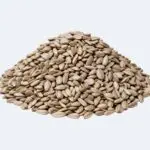
Per serving, soybeans lead our USDA ranking with 1.49 g per cup. Then come chicken breast (1.03 g in 4 oz), chicken drumstick (0.94 g), adzuki beans (0.92 g) and pinto beans (0.91 g). Per 100 g, pumpkin seeds lead with 1.73 g, then hemp seeds (1.45 g), peanuts (1.38 g) and sunflower seeds (1.17 g). Per 100 kcal, cod (0.85 g) and tuna (0.83 g) lead.
Does phenylalanine help depression, pain or vitiligo?
The evidence is thin. EFSA found no cause and effect link for mood, pain relief, alertness or memory. DL-phenylalanine at 150 to 200 mg a day scored the same as imipramine in 40 depressed patients, but the trial had no placebo group. D-phenylalanine at 250 mg four times a day did not beat placebo for chronic pain in 30 people. For vitiligo, oral L-phenylalanine with UVA light repigmented skin by up to 77% in an open trial and 60% in a small blinded trial. The best dose seemed to be below 50 mg per kg a day.
What is the difference between phenylalanine and tyrosine?
Phenylalanine is essential, and the liver makes tyrosine from it. That is why the National Academies call tyrosine conditionally indispensable. Requirements are set for the pair, 25 mg per kg a day by the WHO. Tyrosine is the preferred starting material for dopamine. A Cochrane review of 3 trials in 56 people with PKU found no benefit of tyrosine supplements beyond a higher blood tyrosine level.
Is aspartame safe?
In July 2023 the WHO’s expert committee JECFA kept its acceptable daily intake of 0 to 40 mg per kg a day. The cancer agency IARC classified aspartame as possibly carcinogenic (group 2B) on limited evidence, mainly for liver cancer. By the WHO’s example, a 70 kg adult would need 9 to 14 cans of diet soda a day to pass the limit. Each can holds 200 to 300 mg of aspartame. The label warning exists for people with PKU.