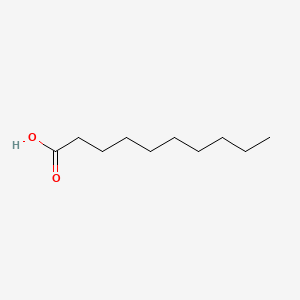
Capric acid (decanoic acid, 10:0, C10H20O2) is a saturated fat with ten carbons. FAO and WHO (the UN food and health agencies) count fatty acids with eight to thirteen carbons as medium-chain. That puts it in the same group as caprylic acid (8:0) and lauric acid (12:0). Pure, it is a white solid with a rancid odor that melts at 31.5 °C.
The name comes from the Latin word for goat, as it does for caproic acid (6:0) and caprylic acid. Goats really are a source. Capric acid made up 10.4% and 9.5% of the fatty acids in the milk fat of two goat breeds in China. With its two smaller goat-named cousins, it made about 14% (our arithmetic).
Coconut oil, palm kernel oil and cow’s milk fat carry it too. It is also a main part of MCT oil (medium-chain triglyceride oil), with caprylic acid.
What sets capric acid apart is epilepsy. The MCT ketogenic diet, which makes the liver turn fat into ketones, is a medical treatment for drug-resistant epilepsy. In the lab, decanoic acid, but not the ketones, blocked AMPA receptors (switches for fast nerve signals) in rat brain slices. That is the same target as the seizure drug perampanel.
In nerve-like cells it was burned at only a fifth of the rate of caprylic acid. So it can build up where caprylic acid does not. In healthy adults it makes about a third of the ketones that caprylic acid makes. So caprylic acid is the better choice if ketones are the goal.
The human evidence is thinner than the lab story. A 2020 Cochrane review (a careful pooled review) rates the evidence for ketogenic diets as low to very low certainty. We found no trial of capric acid on its own against a placebo (a dummy treatment).
Two small open studies, where everyone knew what they took, point toward fewer seizures. They tested a medical food in 61 people and an enriched diet in 15 children. Blood levels tracked seizures in one study but not in an older one. For healthy people, the claims for weight and blood fats rest on MCT blends.
A cup of semi-skimmed milk holds 0.12 g of capric acid in our USDA ranking, and 1 oz of coconut holds 0.53 g. This page weighs 26 studies.
Health benefits of capric acid
The top findings from 26 studies, strongest evidence first
What the stars mean
- Strong. Several randomized trials, pooled in a meta-analysis, point the same way, or regulators (FDA or EFSA) have approved the claim.
- Moderate. Good randomized trials support it, but there are fewer of them, or their results vary.
- Limited. Small, short or single trials, or mixed results. Promising, but it needs confirmation.
Population and lab studies get no stars: they show a link or a mechanism, not proof.
How we rate evidence →- ★★Ketogenic diets helped childhood epilepsy, low-certainty evidenceIn 4 studies of 385 children with drug-resistant epilepsy, ketogenic diets made seizure freedom 3.16 times as likely. These are whole diets, not capric acid alone, and the MCT diet did not clearly differ from the classic one.
- ★★Slightly more weight loss with MCT oilIn 13 trials of 749 adults, MCT oil (octanoic plus decanoic acid) lowered weight by 0.51 kg more than long-chain fats. It is an oil blend, not capric acid alone.
- ★★MCT oil: no LDL change, higher triglyceridesIn 7 trials, MCT oil (6:0 to 10:0 fatty acids) barely moved LDL (0.02 mmol/L) and raised blood fats called triglycerides (0.14 mmol/L). The result depended on the comparison fat.
- ★Fewer seizures in small decanoic acid diet studiesIn 15 children, a decanoic acid-enriched ketogenic diet cut seizures further, in a tiny unblinded trial. In 61 people, a decanoic acid-rich medical food went with 50% fewer seizures, with no control group.
- ★Better walking speed in frail older adultsIn three small trials of frail adults aged 85 on average, walking speed rose more on MCTs than on long-chain fats. The MCT was a C8 and C10 mix (6 g a day), not capric acid alone, and the tests were chosen after the fact.
All 20 studies, strongest evidence first
Low-certainty evidence: ketogenic diets beat usual care in drug-resistant childhood epilepsy
This 2020 Cochrane meta-analysis (a study that pools trials) covered 13 studies with 932 people on classic, MCT or modified Atkins diets. In 4 studies with 385 children, the diets made seizure freedom 3.16 times as likely and a halving of seizures 5.80 times as likely. All 13 studies had a high risk of bias because people knew their diet. The evidence is low to very low certainty, uncertain in adults, and says nothing about decanoic acid alone.
MCT and classical diets did not differ at 3, 6, 12 months
Of 145 children with intractable epilepsy, 61 started the classical diet and 64 the MCT diet; 94 (45 and 49) were analyzed. Mean seizures as a share of baseline did not clearly differ: 66.5% against 68.9% at 3 months, and 40.8% against 53.2% at 12. Ketones were higher on the classical diet at 3 and 6 months; a later review says the two diets were not shown equal. The MCT diet gives octanoic and decanoic acid together, so this says nothing about decanoic acid alone.
MCTs cut weight 0.51 kg more than long-chain fats in 13 trials
The trials, in 749 adults, lasted more than 3 weeks and compared MCTs made of octanoic and decanoic acid with long-chain fats. MCTs also lowered waist size by 1.46 cm and total body fat, with no differences in blood fats (lipids). The authors found commercial bias, and the trials differed in length, dose and control of calorie intake. This is MCT oil as a whole; the caprylic acid page covers it.
MCT oil did not change LDL but raised triglycerides in 7 trials
The trials lasted at least 2 weeks and compared MCT oil (6:0 to 10:0 fatty acids) with another fat in adults. LDL moved only 0.02 mmol/L (a unit for blood levels), and total and HDL cholesterol did not change, but triglycerides rose 0.14 mmol/L. MCT oil raised total and LDL cholesterol against mostly unsaturated fats, with some sign of lower levels against longer-chain saturated fats. So the result depended on the comparison fat, and the oil is a blend, not capric acid alone.
MCTs raised walking speed and arm muscle in frail elderly people
This re-analysis pooled three small 3-month trials: 29 people took 6 g a day of MCTs and 27 took 6 g of long-chain fats. On MCTs, body weight rose 1.2 against 0.2 kg, right arm muscle area 1.4 against −0.7 cm2 and grip strength 1.6 against 0.3 kg. Walking speed also rose more in these frail adults, mean age 85. The tests were chosen after the fact, and the MCT was a C8 and C10 mix, not capric acid alone.
C10-enriched diet cut seizures in all 5 starting on it
In what the authors call the first direct comparison, 15 children with refractory epilepsy had 8 weeks each on two ketogenic diets, in either order. Ten finished; the classic diet first helped 2 of 5, and switching to the C10-enriched diet cut seizures further. Those starting on the enriched diet kept their gains, and 2 of them became seizure-free. Brief low blood sugar, acidosis, high urine calcium and stomach upset were manageable, but the trial is tiny and unblinded.
A decanoic acid-rich medical food went with 50% fewer seizures
61 people with drug-resistant epilepsy took K.Vita, an MCT blend with a set ratio of decanoic to octanoic acid, and limited refined sugar. 23 of 35 children and 18 of 26 adults finished, and stomach upset was the main reason for stopping. Mean seizures or other attacks fell 50% with little or no ketosis, tracking blood C10 and C8 but not beta-hydroxybutyrate (a ketone). With no control group, some of the fall may be chance or placebo, and several authors work for Vitaflo, which makes K.Vita.
16:8 fasting plus MCT did not clearly beat fasting alone
In this exploratory crossover pilot, 36 adults with drug-resistant epilepsy enrolled and 22 finished both 12-week periods. Two people (9%) on fasting plus MCT reached lasting seizure freedom. More people halved their seizures early on fasting plus MCT, but the gap could be chance. Ketones and octanoic and decanoic acid rose, with no clear link to fewer seizures, and the abstract does not give the MCT blend.
In preterm babies with Candida, MCT went with far fewer stool fungi
12 preterm infants on formula or breast milk took part: 8 got an MCT supplement and 4 did not, over 3 weeks. The supplement raised MCT intake, measured by capric acid content. Within a week fungal counts fell (rate ratio 0.15), and they rose again after it stopped (rate ratio 61). Controls showed no such changes, but this is a fat blend in a very small trial.
Only 16.7% of children responded to mostly MCT diets at 3 months
This study followed 48 children with refractory epilepsy for 2 years, so it shows what happened, not what the diet caused. At the best time point 22.9% responded, and only 33% were still on the diet at 1 year and 23% at 2 years. Stomach problems were common in the first 6 weeks, and growth slowed in 30% and weight fell in 15%. No one had kidney stones or ECG changes, and the authors report milder seizures in most patients after 3 months.
66.7% of children responded to MCT oil added to their medicines
This record review covered 36 children with drug-resistant epilepsy taking MCT oil (C8 to C10, 60:40) before a ketogenic diet. The mean dose was 0.7 mL/kg, and response grew with treatment length but not with dose, age or number of other medicines. Of the 63.8% who then chose a ketogenic diet, 65.2% saw a further drop in seizures. There was no control group, and one author works for Dr. Schär AG.
Blood fatty acids did not track seizure control on the MCT diet
This observational study measured serum octanoic and decanoic acid, beta-hydroxybutyrate and acetoacetate in children starting the MCT diet. All rose as the diet began, and on the full diet they varied across the day and were low in the morning. No link between octanoic or decanoic acid levels and seizure control was found, and the abstract does not give the number of children. It disagrees with the K.Vita finding above.
Classic ketogenic diet did not raise blood decanoic acid in 5 children
Serum C10 was measured before and after the diet began (mean 63.2 µM, micromoles per liter, before). Only one child, a non-responder, showed a rise (5%). In the other four, two of them responders, it fell by between 5.3% and 75.5%. The authors suggest a higher C10 level is not part of how the classic diet works, but this is five children.
Each gram of decanoic acid: 21% lower coronary disease odds, possibly chance
This snapshot study used diet recalls from 34,186 US adults in NHANES (a US health survey), 2003 to 2018. Each extra gram a day went with 0.79 times the odds of coronary artery disease, but the range included no effect. After a log transformation the figure was 0.81, a clear link, and the link was also clear among men and non-Hispanic white people. A snapshot of diet and disease together cannot show that decanoic acid lowers risk, and the foods that carry it differ in many other ways.
More dietary decanoic acid went with better thinking test scores
This snapshot of 2,246 US adults aged 60 and older used NHANES 2011 to 2014, with two 24-hour diet recalls and four thinking tests. The regression coefficient (β) was 0.539, and high blood pressure and diabetes accounted for 27.53% and 24.33% of the link. The authors note that the design limits conclusions about cause.
In rat brain slices, decanoic acid, not ketones, curbed seizure-like activity
Two ex vivo models (living rat brain tissue) showed decanoic acid strongly cut excitatory but not inhibitory signaling, by blocking AMPA receptors directly. In frog egg cells with AMPA receptor parts, it was a non-competitive blocker at therapeutically relevant levels. It probably binds the M3 helix of GluA2, a site separate from that of perampanel, an add-on seizure drug. Not tested in people.
Decanoic acid and perampanel together beat either alone in lab brain tests
The authors predicted a synergy because the two compounds are thought to bind different sites. They found it in direct AMPA receptor blocking, in an ex vivo seizure model and in seizure-induced activity in human brain slices. They read this as support for a possible combination of perampanel and dietary decanoic acid. No one has tested the combination in people.
In mice, capric acid raised seizure thresholds at MCT-diet blood levels
The doses gave blood levels like those reported in people on the MCT diet. Oral capric acid raised thresholds in the 6-Hz and maximal electroshock tests, but not in the intravenous pentylenetetrazole test. At higher doses it impaired movement. Given with caprylic acid, the other main fatty acid of the MCT diet, the 6-Hz effect was stronger.
In nerve-like cells, decanoic acid, not octanoic acid, raised a mitochondrial enzyme
In a neuronal cell line, 250 µM decanoic acid raised citrate synthase over 6 days, and also complex I and catalase activity. Electron microscopy suggested more mitochondria (the cell’s power plants). A blocker of PPAR-gamma, a receptor decanoic acid is reported to activate, prevented the rise. The authors propose it could mimic the extra mitochondria seen on the ketogenic diet, but these are cells in a dish.
In mice, tricaprin raised GLP-1, not ketones, and eased cognitive decline
Mice on a high-fat diet got tricaprin (a C10 triglyceride) or tricaprylin (C8); both eased cognitive decline, but only tricaprylin raised blood ketones. Blocking the GLP-1 receptor removed tricaprin’s memory benefit. In cells, 2-monocaprin, not tricaprin itself, stimulated GLP-1 release. The authors say the two fats act in different ways; this is a mouse study.
Foods high in capric acid
Capric acid is a minor fat in most foods. In our USDA ranking per serving, coconuts lead with 0.53 g in 1 oz (28 g). Next is semi-skimmed cow’s milk at 0.12 g in a cup (246 g), then ground lamb at 0.07 g in 4 oz (113 g).
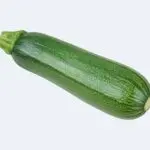
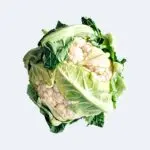
Everything after the first two is a trace. Turmeric, zucchini, cauliflower and chicken breast come next, and the ranking below shows the rest. Coconuts also lead per 100 g, with 1.86 g, and per 100 kcal. Goat milk, coconut oil and palm kernel oil do not appear in the top ten above.
The chart shows where capric acid is concentrated, as a share of the fat. Goat milk fat is the richest, at about a tenth of its fatty acids. With caproic and caprylic acid, the three goat-named fats made 14.6% and 13.8% of the two breeds’ milk fat (our arithmetic).
Coconut oil held 5.5% in one analysis, and a review gives a range of 5.0% to 8.0%. Palm kernel oil held 3.0% in one analysis, with a range of 2.6% to 5.0%. Retail cow’s milk held 3.46%.
These are shares of the fat, not of the food. FAO and WHO list dairy fat, coconut oil and palm kernel oil as its typical sources.
Capric acid as a percent of all fatty acids, drawn to scale. The values come from different studies, methods and samples: single analyses of two goat breeds, of one coconut oil and of one palm kernel oil, and pooled retail cow’s milk. They are shares of the fat, not of the food.
By our arithmetic, the 5.4 g a day of extra capric acid that one liquid-feed trial added would take about 10 oz of coconut. That is also about 98 g of coconut oil at 5.5%. The median US adult takes in about 0.36 g a day, according to NHANES data. Food covers that, and the doses used in epilepsy come from medical products, not from a food plate.
Per serving. No daily amount is set, so bars compare each food with the top food.
Per 100 g. No daily amount is set, so bars compare each food with the top food.
Per 100 kcal: the same calories of each food, for a fair comparison. Bars compare each food with the top food.
Food labels have no Daily Value or Reference Intake for capric acid, so the % compares each food with the top food.
- 1.
- 2.

- 3.
- 4.
- 5.
- 6.
- 7.

- 8.
- 9.
- 10.


- 1.
- 2.
- 3.
- 4.
- 5.
- 6.
- 7.
- 8.
- 9.
- 10.


- 1.
- 2.
- 3.
- 4.
- 5.
- 6.
- 7.
- 8.
- 9.
- 10.


Sources
- FoodData Central. US Department of Agriculture, Agricultural Research Service. Values as shown in the ranking above.
- National Center for Biotechnology Information. PubChem compound summary for decanoic acid (CID 2969). US National Library of Medicine. Includes entries from the Hazardous Substances Data Bank.
- Korma SA, Li L, Wei W, et al. A Comparative Study of Milk Fat Extracted from the Milk of Different Goat Breeds in China: Fatty Acids, Triacylglycerols and Thermal and Spectroscopic Characterization. Biomolecules. 2022.
- Nguyen DD, Solah VA, Hunt W, et al. Fatty acid profiling of Western Australian pasteurised milk using gas chromatography-mass spectrometry. Food Res Int. 2024.
- Orsavova J, Misurcova L, Ambrozova JV, Vicha R, Mlcek J. Fatty Acids Composition of Vegetable Oils and Its Contribution to Dietary Energy Intake and Dependence of Cardiovascular Mortality on Dietary Intake of Fatty Acids. Int J Mol Sci. 2015.
- Abrante-Pascual S, Nieva-Echevarría B, Goicoechea-Oses E. Vegetable Oils and Their Use for Frying: A Review of Their Compositional Differences and Degradation. Foods. 2024.
- Nainggolan M, Sinaga AGS. Characteristics of fatty acid composition and minor constituents of red palm olein and palm kernel oil combination. J Adv Pharm Technol Res. 2021.
- FAO and WHO. Fats and fatty acids in human nutrition: report of an expert consultation. FAO Food and Nutrition Paper 91. Food and Agriculture Organization. 2010.
- Vandenberghe C, St-Pierre V, Pierotti T, Fortier M, Castellano CA, Cunnane SC. Tricaprylin Alone Increases Plasma Ketone Response More Than Coconut Oil or Other Medium-Chain Triglycerides: An Acute Crossover Study in Healthy Adults. Curr Dev Nutr. 2017.
- Wu Z, Yang W, Li M, Li F, Gong R, Wu Y. Relationship between Dietary Decanoic Acid and Coronary Artery Disease: A Population-Based Cross-Sectional Study. Nutrients. 2023.
- Griffen C, Schoeler NE, Browne R, et al. Tolerance, adherence, and acceptability of a ketogenic 2.5:1 ratio, nutritionally complete, medium chain triglyceride-containing liquid feed in children and adults with drug-resistant epilepsy following a ketogenic diet. Epilepsia Open. 2024.
How capric acid works
Most of what is known about how capric acid acts comes from cells, brain slices and animals, plus a few human blood measurements. The ideas fit in five steps. It goes straight to the liver, makes fewer ketones than caprylic acid and lingers in nerve cells. It also blocks AMPA receptors and acts on PPAR-gamma, mitochondria and mTORC1.
Several of the lab authors are named on patents related to decanoic acid. One 2026 co-author works for the maker of the high-decanoic blend, which is worth knowing when reading the claims.
It goes straight to the liver
Where capric acid goes, as found in studies of absorption, ketones and neuron-like cells. Not to scale.
FAO and WHO say that the short and medium-chain fatty acids released in digestion are absorbed across the gut. They travel through the portal vein to the liver, where they are rapidly burned. Long-chain fats are different: they travel in chylomicrons (fat-carrying particles).
A Japanese team measured capric acid in fasting plasma from 5 healthy volunteers and found none above the detection limit of 0.1 µmol/L. In 106 non-fasting samples, 50 had none, 29 held 0.5 µmol/L or less and 27 held more than that.
It makes fewer ketones than caprylic acid
Ketone response to each medium-chain triglyceride over an 8-hour study day as a share of the caprylic acid response, drawn to scale. The C10 and C12 bars come from the study’s statements that C8 was about three times and about six times more ketogenic, so they are approximate and our arithmetic.
In the liver, medium-chain fats are turned into ketones, but not equally. In a crossover study of healthy adults, C8 was about three times more ketogenic than C10. It was about six times more ketogenic than C12. The ketone rise was about twice as high without a meal.
A second crossover trial of 9 adults tested coconut oil, with 5% tricaprin and 3% tricaprylin. Its ketone rise peaked at 25% of the rise from pure C8. In mice, tricaprylin raised ketones and tricaprin did not. In 19 healthy adults, blood ketones peaked 60 minutes after MCT oil alone, and adding glucose delayed the peak and lifted it slightly.
If you want ketones, caprylic acid is the better fat; the caprylic acid page has more on MCT oil and ketosis. The K.Vita study went the other way. Seizures fell with little or no ketosis, and the fall tracked blood C10 and C8 but not beta-hydroxybutyrate.
In nerve cells it lingers
Capric acid in blood plasma in micromoles per liter, drawn to scale. Bars under 1 are thin, so the value is printed. The adult and child values come from different studies, people and methods, and the child value is our conversion from 27.0 mg/L (molecular weight 172.26).
A lab team traced the burning of labeled C8 and C10 in a neuron-like cell line. Both were burned, but C10 at only 20% of the C8 rate. C10 depends on the enzyme CPT1, which is low in neurons, while 66% of C8 burning did not. C10 burning fell further when C8 was present, which the authors say lets C10 build up on the MCT diet.
This is a cell line, not a brain. In children on a diet with 45.9% of calories from MCT, mean plasma levels were 44.2 mg/L of octanoic acid. Decanoic acid was 27.0 mg/L, about 157 µmol/L (our conversion), far above the levels in the healthy adults in the chart. But the studies differ in people and methods, and we found no human study that measured capric acid in the brain.
It blocks AMPA receptors
AMPA receptors carry fast excitatory signals between neurons, and blocking them calms seizure-like activity. In rat hippocampal slices, decanoic acid reduced epileptic activity, but the ketones beta-hydroxybutyrate and acetone did not. In frog egg cells, it blocked AMPA receptors in a non-competitive way at levels the authors call therapeutically relevant.
A lab team then showed a synergy with perampanel in direct receptor blocking, in an ex vivo model and in human brain slices. In tissue removed from children with intractable epilepsy, both decanoic acid and perampanel inhibited epileptic activity and excitatory signaling. In mice, capric acid raised seizure thresholds at doses giving blood levels like those reported in people on the MCT diet.
A 2025 systematic review gathers this work and concludes that it reinforces the therapeutic potential of MCTs, with hurdles still to address. We found no study that shows this block happening in people eating a normal diet.
It acts on PPAR-gamma, mitochondria and mTORC1
Three targets of decanoic acid seen in lab studies. All three come from cells, tissue or animals, not people.
A structural study found that decanoic acid binds PPAR-gamma directly and partly activates it, without driving fat-cell growth. It and its triglyceride also improved glucose handling and blood fats in diabetic mice without weight gain. In nerve-like cells at 250 µM, it raised citrate synthase, complex I and catalase over 6 days, where octanoic acid did not. A PPAR-gamma blocker stopped the rise.
A 2026 study in mouse hippocampal cells found that C8, C10 and the pair all raised respiratory chain enzyme activity. They did so no less than beta-hydroxybutyrate did. In amoebae, rat hippocampal tissue and astrocytes from patients with tuberous sclerosis, decanoic acid turned down mTORC1, a growth-signaling pathway. That happened with glucose high and insulin absent.
In mice, tricaprin raised GLP-1, a hormone that promotes insulin release, and the memory benefit went away when the GLP-1 receptor was blocked.
What has been seen in people
The human evidence matches the lab ideas only loosely. The Cochrane review finds benefit from ketogenic diets with low-certainty evidence, and an MCT diet matched a classical diet in 145 children. Two small open studies of decanoic acid-rich products point the same way, and in K.Vita the fall in seizures tracked blood C10.
But two older studies found blood octanoic and decanoic acid that did not track seizure control. A classic ketogenic diet did not raise C10 in 5 children. We found no trial that gave decanoic acid alone against placebo, so the lab mechanisms remain unproven in people.
Sources
- FAO and WHO. Fats and fatty acids in human nutrition: report of an expert consultation. FAO Food and Nutrition Paper 91. Food and Agriculture Organization. 2010.
- Shrestha R, Hui SP, Imai H, et al. Plasma capric acid concentrations in healthy subjects determined by high-performance liquid chromatography. Ann Clin Biochem. 2015.
- St-Pierre V, Vandenberghe C, Lowry CM, et al. Plasma Ketone and Medium Chain Fatty Acid Response in Humans Consuming Different Medium Chain Triglycerides During a Metabolic Study Day. Front Nutr. 2019.
- Vandenberghe C, St-Pierre V, Pierotti T, Fortier M, Castellano CA, Cunnane SC. Tricaprylin Alone Increases Plasma Ketone Response More Than Coconut Oil or Other Medium-Chain Triglycerides: An Acute Crossover Study in Healthy Adults. Curr Dev Nutr. 2017.
- Shobako M, Kawano K, Taniguchi E, Ohinata K. Medium-chain triglycerides tricaprin TC10 and tricaprylin TC8 attenuated HFD-induced cognitive decline in a manner dependent on or independent of GLP-1. Sci Rep. 2025.
- Heidt C, Fobker M, Newport M, Feldmann R, Fischer T, Marquardt T. Beta-Hydroxybutyrate (BHB), Glucose, Insulin, Octanoate (C8), and Decanoate (C10) Responses to a Medium-Chain Triglyceride (MCT) Oil with and without Glucose: A Single-Center Study in Healthy Adults. Nutrients. 2023.
- Schoeler NE, Orford M, Vivekananda U, et al. K.Vita: a feasibility study of a blend of medium chain triglycerides to manage drug-resistant epilepsy. Brain Commun. 2021.
- Khabbush A, Orford M, Tsai YC, et al. Neuronal decanoic acid oxidation is markedly lower than that of octanoic acid: A mechanistic insight into the medium-chain triglyceride ketogenic diet. Epilepsia. 2017.
- Haidukewych D, Forsythe WI, Sills M. Monitoring octanoic and decanoic acids in plasma from children with intractable epilepsy treated with medium-chain triglyceride diet. Clin Chem. 1982.
- Sills MA, Forsythe WI, Haidukewych D. Role of octanoic and decanoic acids in the control of seizures. Arch Dis Child. 1986.
- Enderlin J, Loussouarn A, Benoist JF, Dozières-Puyravel B, Auvin S. Absence of increased blood decanoic acid levels in children with epilepsy treated with classic ketogenic diet. Epileptic Disord. 2019.
- Chang P, Augustin K, Boddum K, et al. Seizure control by decanoic acid through direct AMPA receptor inhibition. Brain. 2016.
- Chang P, Terbach N, Plant N, Chen PE, Walker MC, Williams RS. Seizure control by ketogenic diet-associated medium chain fatty acids. Neuropharmacology. 2013.
- Augustin K, Williams S, Cunningham M, et al. Perampanel and decanoic acid show synergistic action against AMPA receptors and seizures. Epilepsia. 2018.
- Wright SK, Wilson MA, Walsh R, et al. Abolishing spontaneous epileptiform activity in human brain tissue through AMPA receptor inhibition. Ann Clin Transl Neurol. 2020.
- Wlaź P, Socała K, Nieoczym D, et al. Acute anticonvulsant effects of capric acid in seizure tests in mice. Prog Neuropsychopharmacol Biol Psychiatry. 2015.
- Falsaperla R, Sortino V, Soler MA, Spatuzza M, Fortuna S, Salpietro V. AMPA Receptor Modulation Through Medium-Chain Triglycerides and Decanoic Acid Supports Nutritional Intervention in Pediatric Epilepsy. Nutrients. 2025.
- Malapaka RRV, Khoo S, Zhang J, et al. Identification and mechanism of 10-carbon fatty acid as modulating ligand of peroxisome proliferator-activated receptors. J Biol Chem. 2012.
- Hughes SD, Kanabus M, Anderson G, et al. The ketogenic diet component decanoic acid increases mitochondrial citrate synthase and complex I activity in neuronal cells. J Neurochem. 2014.
- Rühling MR, Hartmann H, Das AM. Towards Simplification of Ketogenic Diet in Epilepsy: Effect of Caprylic (C8) and Capric (C10) Acid on the Mitochondrial Respiratory Chain in Murine Hippocampal Neurons In Vitro. Nutrients. 2026.
- Warren EC, Dooves S, Lugarà E, et al. Decanoic acid inhibits mTORC1 activity independent of glucose and insulin signaling. Proc Natl Acad Sci U S A. 2020.
- Pain E, Kapatel Y, Singh PK, et al. Energy metabolism, adenosine, and glutamate signaling reprogramming by decanoic acid in Glut1 disorder syndrome. Epilepsia Open. 2026.
- Neal EG, Chaffe H, Schwartz RH, et al. A randomized trial of classical and medium-chain triglyceride ketogenic diets in the treatment of childhood epilepsy. Epilepsia. 2009.
- Martin-McGill KJ, Bresnahan R, Levy RG, Cooper PN. Ketogenic diets for drug-resistant epilepsy. Cochrane Database Syst Rev. 2020.
- Pellizzari M, De Clauser L, Mir-Majidi S, et al. Impact of medium-chain triglyceride with and without ketogenic diet in the management of drug-resistant epilepsy: a systematic review. Nutr Neurosci. 2026.
How much capric acid do you need?
No official body sets a daily amount of capric acid. The FDA has set no Daily Value for it, and the EU no Reference Intake. We found no intake value for it in the 2010 FAO and WHO report on fats.
That report’s evidence on blood cholesterol names the saturated fatty acids from lauric (12:0) to palmitic (16:0) acids. It does not mention capric acid there. FAO and WHO name only linoleic and alpha-linolenic acid as essential fatty acids, and capric acid is not one of them. We found no disease or deficiency state tied to a lack of capric acid, so there is no daily need to meet.
What people actually eat is small. In NHANES data on 34,186 US adults, the median intake of dietary decanoic acid was 0.356 g a day. The middle half of people ate 0.191 to 0.584 g.
The doses in epilepsy care are far higher and come from medical products. A liquid-feed study added 5.4 g a day of C10 (and 8.3 g of C8) to a ketogenic diet. On the older MCT diet, 10 children took 45.9% of their calories as MCT on average.
Sources
- US Food and Drug Administration. Daily Value on the Nutrition and Supplement Facts Labels. FDA. Accessed October 2026.
- European Commission. Commission Regulation (EU) No 432/2012 establishing a list of permitted health claims made on foods. Official Journal of the European Union. 2012.
- FAO and WHO. Fats and fatty acids in human nutrition: report of an expert consultation. FAO Food and Nutrition Paper 91. Food and Agriculture Organization. 2010.
- Wu Z, Yang W, Li M, Li F, Gong R, Wu Y. Relationship between Dietary Decanoic Acid and Coronary Artery Disease: A Population-Based Cross-Sectional Study. Nutrients. 2023.
- Griffen C, Schoeler NE, Browne R, et al. Tolerance, adherence, and acceptability of a ketogenic 2.5:1 ratio, nutritionally complete, medium chain triglyceride-containing liquid feed in children and adults with drug-resistant epilepsy following a ketogenic diet. Epilepsia Open. 2024.
- Haidukewych D, Forsythe WI, Sills M. Monitoring octanoic and decanoic acids in plasma from children with intractable epilepsy treated with medium-chain triglyceride diet. Clin Chem. 1982.
- FoodData Central. US Department of Agriculture, Agricultural Research Service. Values as shown in the ranking above.
Forms of capric acid: absorption and effects
Capric acid reaches people in several forms. In food it is part of triglycerides in dairy fat, coconut oil and palm kernel oil. In MCT oil it is blended with caprylic acid, and in some medical products it is enriched.
A few special forms are used on their own. Tricaprin is a triglyceride with three capric acid chains, and monocaprin is the single-chain glyceride. Sodium caprate is a salt used in drug delivery. We found no trial of the pure acid as a supplement.
The honest bottom line is that we found no trial comparing a pure C10 product with C8 or with a placebo for seizures. The ketone studies show C8 beating C10. The C10-rich products have been tested in small, unblinded studies.
Why forms matter: the same gram of C10 sits in different company in each one. In classical MCT oil it is about 35% of the oil, beside 55% C8, in one trial. In coconut oil it is about 5% of a fat that is mostly lauric acid.
The trials of key outcomes in the benefits section used the MCT ketogenic diet (epilepsy) and a decanoic acid-rich medical food (K.Vita). Others used an enriched ketogenic diet (Shin) and C8 and C10 MCT blends (weight, blood fats and frailty). The head-to-head studies below compare the forms directly.
| Form | What it is | What studies show | Source |
|---|---|---|---|
| Foods: dairy fat, coconut oil, palm kernel oil | Capric acid inside triglycerides, with other fatty acids | 10.4% and 9.5% of goat milk fat, 3.46% of retail cow’s milk, 5.0% to 8.0% of coconut oil and 2.6% to 5.0% of palm kernel oil. Coconut oil is mostly lauric acid, and it raised ketones to only 25% of the C8 peak in 9 adults. | 1, 2, 3, 4, 5, 6, 23 |
| Classical MCT oil | A blend of caprylic and capric triglycerides, 55% C8 and 35% C10 in one trial; 60:40 in another | The oil of the MCT ketogenic diet. It matched the classical diet in 145 children, and 6 g a day of a C8 and C10 MCT raised muscle area and walking speed in frail adults. It makes fewer ketones than pure C8. As a whole it cut weight 0.51 kg more than long-chain fats and did not change LDL. | 6, 9, 10, 11, 12, 13, 7 |
| Decanoic acid-rich blends and C10-enriched diets | MCT blends with extra decanoic acid, a medical food (K.Vita) and an enriched ketogenic diet | Mean seizures fell 50% in 61 people on K.Vita, and all 5 children who started on a C10-enriched diet had fewer seizures, in small open studies. A decanoic acid-rich MCT did not raise fat burning in light exercise, while an octanoic acid-rich one did. | 14, 15, 8 |
| Tricaprin | A triglyceride of three capric acid chains | Raised myocardial fat washout in 17 people with a rare heart-fat disease at 1.5 g a day, and was followed by long-term survival in registry data. In mice it raised GLP-1 but not ketones. | 16, 17, 18 |
| Monocaprin | The 1-monoglyceride of capric acid | Inactivates herpes virus in the lab. A gel of monocaprin plus doxycycline shortened cold sore healing; the trial credits the combination. | 19 |
| Sodium caprate and free capric acid | The sodium salt and the acid itself | Sodium caprate has a long history of use in people and food additive status, and the FDA lists capric acid among permitted food fatty acids. It is mostly studied as an absorption enhancer for peptide drugs, with single-digit, highly variable gains in bioavailability in people. In one human test, a tablet with it matched the reference. We found no supplement trial. | 20, 21, 24, 22 |
Here are the form-specific and head-to-head studies, strongest evidence first, 6 in all.
All 6 studies, strongest evidence first
Pure tricaprylin (C8) raised ketones most in 9 healthy adults
People took each oil in turn as two 20 mL doses in milk, with blood drawn every 30 minutes for 8 hours. The oils were coconut oil (3% tricaprylin, 5% tricaprin), MCT oil (55% C8, 35% C10), pure C8, pure C10 and mixes. C8 alone gave +295 µmol/L over the day, with ketone areas under the curve 813% and 870% above the control. Coconut oil peaked at 25% of the C8 peak, and the abstract gives no figure for pure C10.
Tricaprylin (C8) made about three times the ketones of tricaprin
Healthy adults took 20 mL doses of C8, C10, C12 (trilaurin) or a C8C10 mix. The first dose came with breakfast and the second, 4 hours later, without a meal, over an 8-hour study day. Ketones rose most after C8, less where octanoate was absent or diluted by C10, and about twice as high without a meal. C8 was about six times more ketogenic than C12, and the abstract gives no participant count.
Octanoic-rich MCT raised fat burning in light exercise, decanoic-rich did not
Inactive adults in their 40s and 50s took 0 g or 6 g a day of octanoic or decanoic acid-rich MCT. Each lasted 14 days, with a 14-day break between. During 20 W exercise only the octanoic acid-rich oil raised total fat burning. At the ventilation threshold (where breathing speeds up) both oils raised power output, and the result varied with age group.
Monocaprin plus doxycycline gel healed cold sores faster than placebo
People with early (tingling) symptoms or a blister applied the gel 5 times a day for 5 days. Healing took 5.3 to 5.5 days on the combination against 7.25 to 7.5 on placebo, recorded in a diary. Pain relief was greater with the combination than with monocaprin alone or placebo, and the abstract gives no healing result for monocaprin alone. Monocaprin, the 1-monoglyceride of capric acid, inactivates herpes virus in the lab.
Tricaprin improved heart fat clearance in 17 people with a rare disease
People with triglyceride deposit cardiomyovasculopathy took 1.5 g a day of tricaprin (CNT-01), a triglyceride of capric acid, or placebo for 8 weeks. Heart-muscle fat washout rose 7.08 points against −0.26 on placebo, a clear difference once one placebo patient with a bypass-graft problem was excluded. Walking distance and the disease severity score did not clearly change. This was an early (phase IIa) trial, and a co-author, Hirano, holds a joint research chair with Toa Eiyo and advises the company.
In registries, tricaprin users with a rare heart disease showed long-term survival
Patients with triglyceride deposit cardiomyovasculopathy who took tricaprin also showed recovery from heart failure, but the abstract gives no patient number or comparison group. The disease is a rare adult heart condition first found in Japanese patients with heart failure. The first author holds a research chair with Toa Eiyo, advises the company and holds patents. Registry data show what happened, not what the supplement caused, and the authors call for study in other ethnic groups.
Sources
- Korma SA, Li L, Wei W, et al. A Comparative Study of Milk Fat Extracted from the Milk of Different Goat Breeds in China: Fatty Acids, Triacylglycerols and Thermal and Spectroscopic Characterization. Biomolecules. 2022.
- Nguyen DD, Solah VA, Hunt W, et al. Fatty acid profiling of Western Australian pasteurised milk using gas chromatography-mass spectrometry. Food Res Int. 2024.
- Orsavova J, Misurcova L, Ambrozova JV, Vicha R, Mlcek J. Fatty Acids Composition of Vegetable Oils and Its Contribution to Dietary Energy Intake and Dependence of Cardiovascular Mortality on Dietary Intake of Fatty Acids. Int J Mol Sci. 2015.
- Abrante-Pascual S, Nieva-Echevarría B, Goicoechea-Oses E. Vegetable Oils and Their Use for Frying: A Review of Their Compositional Differences and Degradation. Foods. 2024.
- Nainggolan M, Sinaga AGS. Characteristics of fatty acid composition and minor constituents of red palm olein and palm kernel oil combination. J Adv Pharm Technol Res. 2021.
- Vandenberghe C, St-Pierre V, Pierotti T, Fortier M, Castellano CA, Cunnane SC. Tricaprylin Alone Increases Plasma Ketone Response More Than Coconut Oil or Other Medium-Chain Triglycerides: An Acute Crossover Study in Healthy Adults. Curr Dev Nutr. 2017.
- St-Pierre V, Vandenberghe C, Lowry CM, et al. Plasma Ketone and Medium Chain Fatty Acid Response in Humans Consuming Different Medium Chain Triglycerides During a Metabolic Study Day. Front Nutr. 2019.
- Nosaka N, Tsujino S, Honda K, Suemitsu H, Kato K. Enhancement of Fat Oxidation during Submaximal Exercise in Sedentary Persons: Variations by Medium-Chain Fatty Acid Composition and Age Group. Lipids. 2020.
- Viollaz R, Alberti MJ, de Clauser L, Vilavedra JF. Use of medium-chain triglycerides in paediatric patients with drug-resistant epilepsy without ketogenic therapy. Epilepsy Behav. 2026.
- Neal EG, Chaffe H, Schwartz RH, et al. A randomized trial of classical and medium-chain triglyceride ketogenic diets in the treatment of childhood epilepsy. Epilepsia. 2009.
- Ezaki O, Abe S. Medium-chain triglycerides (8:0 and 10:0) increase muscle mass and function in frail older adults: a combined data analysis of clinical trials. Front Nutr. 2023.
- Mumme K, Stonehouse W. Effects of medium-chain triglycerides on weight loss and body composition: a meta-analysis of randomized controlled trials. J Acad Nutr Diet. 2015.
- McKenzie KM, Lee CM, Mijatovic J, Haghighi MM, Skilton MR. Medium-Chain Triglyceride Oil and Blood Lipids: A Systematic Review and Meta-Analysis of Randomized Trials. J Nutr. 2021.
- Schoeler NE, Orford M, Vivekananda U, et al. K.Vita: a feasibility study of a blend of medium chain triglycerides to manage drug-resistant epilepsy. Brain Commun. 2021.
- Shin HJ, Ryu S, Lee N, et al. Decanoic acid-enriched ketogenic diet in refractory epilepsy. Front Neurol. 2025.
- Miyauchi H, Hirano KI, Nakano Y, et al. (123)I-BMIPP Scintigraphy Shows That CNT-01 (Tricaprin) Improves Myocardial Lipolysis in Patients with Idiopathic Triglyceride Deposit Cardiomyovasculopathy: First Randomized Controlled, Exploratory Trial for TGCV. Ann Nucl Cardiol. 2022.
- Hirano KI, Okamura S, Sugimura K, et al. Long-term survival and durable recovery of heart failure in patients with triglyceride deposit cardiomyovasculopathy treated with tricaprin. Nat Cardiovasc Res. 2025.
- Shobako M, Kawano K, Taniguchi E, Ohinata K. Medium-chain triglycerides tricaprin TC10 and tricaprylin TC8 attenuated HFD-induced cognitive decline in a manner dependent on or independent of GLP-1. Sci Rep. 2025.
- Skulason S, Holbrook WP, Thormar H, Gunnarsson GB, Kristmundsdottir T. A study of the clinical activity of a gel combining monocaprin and doxycycline: a novel treatment for herpes labialis. J Oral Pathol Med. 2012.
- Twarog C, Fattah S, Heade J, Maher S, Fattal E, Brayden DJ. Intestinal Permeation Enhancers for Oral Delivery of Macromolecules: A Comparison between Salcaprozate Sodium (SNAC) and Sodium Caprate (C(10)). Pharmaceutics. 2019.
- Niu Z, La Zara D, Blaabjerg L, et al. Combining SNAC and C10 in oral tablet formulations for gastric peptide delivery: A preclinical and clinical study. J Control Release. 2025.
- National Center for Biotechnology Information. PubChem compound summary for decanoic acid (CID 2969). US National Library of Medicine. Includes entries from the Hazardous Substances Data Bank.
- FAO and WHO. Fats and fatty acids in human nutrition: report of an expert consultation. FAO Food and Nutrition Paper 91. Food and Agriculture Organization. 2010.
- US Food and Drug Administration. 21 CFR 172.860: Fatty acids. Electronic Code of Federal Regulations. Accessed October 2026.
Is capric acid safe? Supplements, dose and interactions
At food amounts, no source we found describes capric acid as a concern. The FDA permits capric acid among the fatty acids that may be safely used in food. A safety assessment of decanoic acid as a fragrance ingredient found no concern for skin allergy (sensitization) or for damage to genes (genotoxicity).
A review of drug delivery describes sodium caprate as having a long history of use in people. We found no upper limit from any authority. Medical products are another matter: the trials on this page ran from 5 days to 2 years, and several reported side effects.
- Stomach upset. In K.Vita, 66% of children and 69% of adults finished, and stomach problems were the main reason for stopping. Completion was higher with a gradual start. A review of studies in healthy adults suggests starting with 5 g and rising slowly, since stomach upset and diarrhea are the main side effects.
- Epilepsy is not a do-it-yourself treatment. The MCT and enriched diets are medical therapy, and children on the enriched diet had brief low blood sugar, metabolic acidosis and high urine calcium. In a 2-year study of mostly MCT-diet children, growth slowed in 30% and weight fell in 15%. Do not replace seizure medicines with a supplement; the perampanel synergy is a lab result, and we found no trial of drug interactions in people.
- Cholesterol and triglycerides. In a meta-analysis of 7 trials, MCT oil did not change LDL cholesterol but raised triglycerides by 0.14 mmol/L. We found no trial that measured capric acid alone.
- The pure acid on skin. PubChem says the neat acid irritates human skin above 1% in volunteers, so pure capric acid is a raw material, not a skin product. We found no study of capric acid in pregnancy. Ask a doctor before using any capric acid or MCT product if you are pregnant, breastfeeding or take seizure medicines.
How to get more capric acid
- Know what food gives. Coconut holds 0.53 g in 1 oz and a cup of semi-skimmed milk 0.12 g, in our ranking. Goat milk fat is about a tenth capric acid, but we found no trial of food amounts.
- For seizures, use a medical product with a dietitian. The C10-rich foods and diets in trials were supervised, and completion was higher when K.Vita was introduced gradually. Do not start one in place of treatment.
- For ketones, choose C8. Caprylic acid is about three times more ketogenic than capric acid in healthy adults. See the caprylic acid page for MCT oil, and the lauric acid page for coconut oil.
Sources
- Api AM, Belsito D, Biserta S, et al. RIFM fragrance ingredient safety assessment, decanoic acid, CAS Registry Number 334-48-5. Food Chem Toxicol. 2020.
- US Food and Drug Administration. 21 CFR 172.860: Fatty acids. Electronic Code of Federal Regulations. Accessed October 2026.
- National Center for Biotechnology Information. PubChem compound summary for decanoic acid (CID 2969). US National Library of Medicine. Includes entries from the Hazardous Substances Data Bank.
- Twarog C, Fattah S, Heade J, Maher S, Fattal E, Brayden DJ. Intestinal Permeation Enhancers for Oral Delivery of Macromolecules: A Comparison between Salcaprozate Sodium (SNAC) and Sodium Caprate (C(10)). Pharmaceutics. 2019.
- Schoeler NE, Orford M, Vivekananda U, et al. K.Vita: a feasibility study of a blend of medium chain triglycerides to manage drug-resistant epilepsy. Brain Commun. 2021.
- Shin HJ, Ryu S, Lee N, et al. Decanoic acid-enriched ketogenic diet in refractory epilepsy. Front Neurol. 2025.
- Lambrechts DA, de Kinderen RJ, Vles HS, de Louw AJ, Aldenkamp AP, Majoie MJ. The MCT-ketogenic diet as a treatment option in refractory childhood epilepsy: A prospective study with 2-year follow-up. Epilepsy Behav. 2015.
- Lin TY, Liu HW, Hung TM. The Ketogenic Effect of Medium-Chain Triacylglycerides. Front Nutr. 2021.
- McKenzie KM, Lee CM, Mijatovic J, Haghighi MM, Skilton MR. Medium-Chain Triglyceride Oil and Blood Lipids: A Systematic Review and Meta-Analysis of Randomized Trials. J Nutr. 2021.
- St-Pierre V, Vandenberghe C, Lowry CM, et al. Plasma Ketone and Medium Chain Fatty Acid Response in Humans Consuming Different Medium Chain Triglycerides During a Metabolic Study Day. Front Nutr. 2019.
- FoodData Central. US Department of Agriculture, Agricultural Research Service. Values as shown in the ranking above.
History of capric acid
The name comes first. Capric, caproic and caprylic acid all take their names from the Latin word for goat, according to PubChem, because of their sweaty, goaty smell. The French chemist Michel Eugène Chevreul, who studied animal fats in the early 1800s, is credited with finding capric acid in 1823.
The epilepsy story is far younger. Fasting has been used against seizures since at least 500 BC. The ketogenic diet was introduced in the 1920s to mimic fasting, then faded when modern drugs arrived (Wheless, 2008).
In 1971 Huttenlocher and colleagues published medium-chain triglycerides as a therapy for intractable childhood epilepsy in Neurology. That work started the MCT ketogenic diet. In 1982 a team measured octanoic and decanoic acid in the plasma of children on the diet and suggested the acids might help control seizures. But in 1986 the same group found no link between the levels and seizure control.
The mechanism work is newer still. In 2013 Chang and colleagues found that specific medium-chain fatty acids from the MCT diet controlled seizure-like activity in the lab better than valproate. In 2014 a team showed that decanoic acid, not octanoic acid, raised mitochondrial enzymes in nerve-like cells.
In 2016 the AMPA receptor block was reported, in 2017 the slow burning of C10 in neurons, and in 2018 the synergy with perampanel. In 2021 the K.Vita feasibility study put a decanoic acid-rich product in 61 people. In 2025 a small crossover trial compared a C10-enriched ketogenic diet with the classic one.
Sources
- Wikipedia contributors. Capric acid. Wikimedia Foundation. Accessed October 2026.
- National Center for Biotechnology Information. PubChem compound summary for decanoic acid (CID 2969). US National Library of Medicine. Includes entries from the Hazardous Substances Data Bank.
- Wheless JW. History of the ketogenic diet. Epilepsia. 2008.
- Huttenlocher PR, Wilbourn AJ, Signore JM. Medium-chain triglycerides as a therapy for intractable childhood epilepsy. Neurology. 1971.
- Haidukewych D, Forsythe WI, Sills M. Monitoring octanoic and decanoic acids in plasma from children with intractable epilepsy treated with medium-chain triglyceride diet. Clin Chem. 1982.
- Sills MA, Forsythe WI, Haidukewych D. Role of octanoic and decanoic acids in the control of seizures. Arch Dis Child. 1986.
- Chang P, Terbach N, Plant N, Chen PE, Walker MC, Williams RS. Seizure control by ketogenic diet-associated medium chain fatty acids. Neuropharmacology. 2013.
- Hughes SD, Kanabus M, Anderson G, et al. The ketogenic diet component decanoic acid increases mitochondrial citrate synthase and complex I activity in neuronal cells. J Neurochem. 2014.
- Chang P, Augustin K, Boddum K, et al. Seizure control by decanoic acid through direct AMPA receptor inhibition. Brain. 2016.
- Khabbush A, Orford M, Tsai YC, et al. Neuronal decanoic acid oxidation is markedly lower than that of octanoic acid: A mechanistic insight into the medium-chain triglyceride ketogenic diet. Epilepsia. 2017.
- Augustin K, Williams S, Cunningham M, et al. Perampanel and decanoic acid show synergistic action against AMPA receptors and seizures. Epilepsia. 2018.
- Schoeler NE, Orford M, Vivekananda U, et al. K.Vita: a feasibility study of a blend of medium chain triglycerides to manage drug-resistant epilepsy. Brain Commun. 2021.
- Shin HJ, Ryu S, Lee N, et al. Decanoic acid-enriched ketogenic diet in refractory epilepsy. Front Neurol. 2025.
Frequently asked questions about capric acid
What is capric acid?
Capric acid, also called decanoic acid, is a saturated fatty acid with ten carbons (10:0, C10H20O2). It is a medium-chain fat found in goat milk fat, coconut oil, palm kernel oil and cow’s milk fat. With caprylic acid, it is a main part of MCT oil. The name comes from the Latin word for goat.
Does capric acid help with seizures?
Possibly, but it is not proven. In the lab, decanoic acid blocks AMPA receptors. Two small open studies of decanoic acid-rich products saw fewer seizures. They fell 50% in 61 people on K.Vita, and in all 5 children who started a C10-enriched ketogenic diet.
A 2020 Cochrane review rates the evidence for ketogenic diets as low to very low certainty. We found no placebo-controlled trial of capric acid alone. Do not replace seizure medicines.
Capric acid or caprylic acid: which makes more ketones?
Caprylic acid. In healthy adults, C8 was about three times more ketogenic than C10 over an 8-hour study day. Coconut oil peaked at 25% of the C8 ketone rise.
Capric acid may matter more for the brain targets seen in the lab. C10 is burned slowly in nerve-like cells and can build up. The caprylic acid page has more on ketones.
Which foods have the most capric acid?
In our USDA ranking, coconuts lead with 0.53 g in 1 oz. Semi-skimmed cow’s milk follows with 0.12 g in a cup, then ground lamb with 0.07 g in 4 oz. As a share of the fat, goat milk fat is richest at about 10% of its fatty acids. It is ahead of coconut oil at 5.5% in one analysis, cow’s milk at 3.46% and palm kernel oil at 3.0%.
Is capric acid safe, and does it have side effects?
At food amounts it is not a concern in any source we found. The FDA permits capric acid among the fatty acids allowed in food.
Medical products can cause stomach upset: in K.Vita it was the main reason people stopped. Children on an enriched ketogenic diet also had transient low blood sugar and acidosis. We found no upper limit and no trial in pregnancy.
Does capric acid raise cholesterol?
Not on current evidence for MCT oil as a whole. A meta-analysis of 7 trials found MCT oil did not change LDL cholesterol (0.02 mmol/L) but raised triglycerides by 0.14 mmol/L. It did raise LDL against mostly unsaturated fats. We found no trial of capric acid alone, and the FAO and WHO blood cholesterol evidence names lauric to palmitic acid, not capric acid.
Is capric acid the same as MCT oil?
No, it is one part of MCT oil, which is usually a blend of both. In one trial, MCT oil was 55% caprylic acid (8:0) and 35% capric acid (10:0).
Pure capric acid is a solid that melts at 31.5 °C, and the trials we found did not test it alone as a supplement. The caprylic acid page covers MCT oil.
Why is it called capric acid?
The name comes from the Latin word for goat. Caproic, caprylic and capric acid are all named for goats, according to PubChem, because of their sweaty, goaty smell. Goat milk fat held capric acid at 10.4% and 9.5% of its fatty acids in two breeds in China.