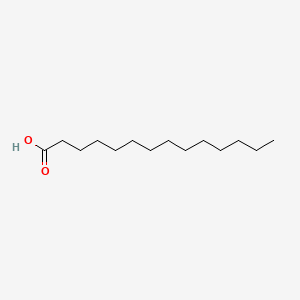
Myristic acid (tetradecanoic acid, 14:0, C14H28O2) is a saturated fat with fourteen carbons. It is named after Myristica fragrans, the nutmeg tree. It melts at about 54 °C, according to PubChem, so it is solid at room temperature.
FAO and WHO (the UN food and health agencies) call fats with 14 to 20 carbons long-chain. That puts it between lauric acid and palmitic acid among the saturated fats. Your body does not need it from food: FAO and WHO list only linoleic acid and alpha-linolenic acid as essential fatty acids.
Its claim to fame is the LDL cholesterol story. LDL is the “bad” cholesterol linked to clogged arteries, and HDL is the “good” kind.
A WHO review pooled 52 diet trials. Each 1% of energy from myristic acid, in place of carbohydrate, raised LDL by 0.044 mmol/L (a unit for blood levels). That was the largest estimate of the four saturated fats it covered, and HDL cholesterol rose by 0.021.
Our arithmetic: on a 2,000 kcal diet that is about 0.02 mmol/L of LDL for each gram of myristic acid. Because HDL rose too, the ratio of total to HDL cholesterol did not change in a way beyond chance.
One thing most readers do not know: the richest source is not dairy or coconut. Nutmeg butter was 79.2% myristic acid in one study, against 19.9% in coconut oil and 11% in milk fat.
Cells also use myristic acid as a tag. They attach it to the start of hundreds of proteins to steer them to the right place. It is a small share of the fatty acids in animal tissues (usually 0.5% to 1% by weight).
This page weighs 27 studies on blood fats, dairy fat, coconut and nutmeg, and notes where the evidence stops. We found no trial of heart attacks or deaths for myristic acid alone.
Health benefits of myristic acid
The top findings from 27 studies, strongest evidence first
What the stars mean
- Strong. Several randomized trials, pooled in a meta-analysis, point the same way, or regulators (FDA or EFSA) have approved the claim.
- Moderate. Good randomized trials support it, but there are fewer of them, or their results vary.
- Limited. Small, short or single trials, or mixed results. Promising, but it needs confirmation.
Population and lab studies get no stars: they show a link or a mechanism, not proof.
How we rate evidence →- ★★★LDL up in some trials, ratio barely changedIn a pooled analysis of 60 trials, myristic acid had little effect on the ratio of total to HDL cholesterol. In one 3-week trial, LDL was 0.11 mmol/L higher than on palmitic acid; in a smaller trial of 12 men, it did not differ.
- ★★★Cutting saturated fat meant fewer cardiovascular eventsIn 15 trials of 56,675 people, cutting saturated fat for 2 years or more lowered cardiovascular events by 17% (12 trials). Deaths changed little or not at all, and this is saturated fat as a whole, not myristic acid alone.
- ★★Butter raised LDL more than two oilsIn a 4-week trial, 50 g a day of butter raised LDL 0.42 mmol/L above coconut oil and 0.38 above olive oil. In another trial, butter also raised LDL more than olive oil.
- ★Lower blood sugar curve at 970 mgCapsules of a reworked oil (970 mg of myristic acid a day) cut the blood sugar curve after a glucose drink by about 20%. In 100 adults with high blood sugar after a glucose drink, the low dose did not work, and fasting insulin was higher on 970 mg.
- ★Lower triglycerides, higher HDL on more myristic acidIn 25 men without blood fat problems, 1.2% of energy as myristic acid gave lower triglycerides and higher HDL than 0.6%. Saturated fat also differed, so it is not myristic acid alone.
All 22 studies, strongest evidence first
Myristic acid barely changed the total to HDL cholesterol ratio
This meta-analysis (a study that pools many trials) combined 60 selected trials on how the amount and type of fat change blood fats. Like palmitic acid, myristic acid had little effect on the ratio, while lauric acid lowered it. Stearic acid lowered it slightly, and replacing saturated fat with cis unsaturated fat lowered it. The authors stress that marker changes should not be read as changes in risk until long-term studies or clinical trials confirm them.
Across 15 trials, less saturated fat meant 17% fewer cardiovascular events
This Cochrane review pooled 15 randomized trials (56,675 people), from diet advice to fully provided food, that cut saturated fat for at least 2 years. Combined cardiovascular events fell to 0.83 times the risk (12 trials); deaths changed little or not at all (0.96 overall, 0.95 cardiovascular). The trials changed saturated fat as a whole, so none of this is down to myristic acid alone. A WHO grant funded the review.
Myristic acid raised LDL 0.11 mmol/L above palmitic, 0.50 above oleic
36 women and 23 men ate three diets for 3 weeks each, in random order, differing by about 10% of energy in these fats. The myristic acid came from a specially produced fat, the palmitic acid from palm oil and the oleic acid from high-oleic sunflower oil. Mean blood cholesterol was 5.19 mmol/L on myristic acid, 4.96 on palmitic acid and 4.53 on oleic acid. HDL was 0.12 mmol/L higher on myristic than on palmitic acid, and women and men did not differ.
LDL rose more on butter than on coconut or olive oil
Healthy adults aged 50 to 75 in Cambridgeshire, UK, joined through BBC websites; 96 were randomized and 91 came to the follow-up. For 4 weeks they ate 50 g a day of butter, extra virgin coconut oil or extra virgin olive oil. Butter raised LDL 0.42 mmol/L above coconut oil and 0.38 mmol/L above olive oil, and the oils did not differ (-0.04 mmol/L). Coconut oil raised HDL 0.18 mmol/L above butter. Both fats carry myristic acid, but each is a mix of fats, so the result belongs to the foods.
A 2022 review of 44 trials could not pool myristic acid swaps
It covered randomized trials of at least 14 days, searched to February 2021, that swapped one dietary saturated fat for another fat. Pooling needed at least 3 similar swaps, which only palmitic and stearic acid had. Replacing palmitic acid with unsaturated fats lowered LDL cholesterol by 0.36 mmol/L (18 trials). Results varied a lot and studies were few, so the authors say the effects of all single saturated fats need confirming in trials. One author works at the International Life Sciences Institute Europe.
A 41% myristic fat raised LDL no more than palm oil
12 men ate two strictly controlled diets in random order for 3 weeks each, with 40% of energy as fat. 41% of that fat was either myristic or palmitic acid, and a month separated the diets. Total and LDL cholesterol did not differ, while HDL was 8% higher on myristic acid (1.10 against 1.01 mmol/L). Clotting factor VII activity rose slightly (98% against 96%). The authors note that the idea of myristic acid raising cholesterol more than palmitic acid rested on very few experiments. For LDL this differs from the 36 women and 23 men trial, and both were short and used specially made fats.
970 mg a day cut the blood sugar curve about 20%
100 adults with high blood sugar after a glucose drink took capsules of a reworked oil, or a placebo (dummy capsule), for 12 weeks. Doses were 730, 970 or 1,460 mg of myristic acid a day (groups of 20, 30 and 20; placebo 30). Neither the people nor the researchers knew who got what. On the medium dose, the area under the glucose curve was 78.8 against 101.4 mg/dL·h on placebo. The high dose also lowered it, the low dose did not, and fasting insulin was 2.2 µU/mL higher on the medium dose. Two oil companies, J-OIL MILLS and Raffinee International, partly funded the trial; their employees are authors and say they did not help interpret the results.
In 25 men, more myristic acid meant lower triglycerides and higher HDL
Monks without blood fat problems ate two same-calorie diets for 5 weeks each, with 0.6% or 1.2% of energy as myristic acid. Fat was 30% of energy (8% saturated) or 34% (11% saturated), with the same oleate, linoleate, alpha-linolenate and cholesterol. Both diets lowered total and LDL cholesterol from the start; DHA in cholesteryl esters rose only on the 1.2% diet. Triglycerides were lower and HDL higher after the 1.2% diet than after the 0.6% diet. Saturated fat also differed between the diets, so the effects cannot be credited to myristic acid alone.
In 3 months, 1.8% myristic acid plus 0.9% alpha-linolenic acid raised LCAT
Each diet ran 3 months: a control (myristic acid 1.2% of energy, alpha-linolenic acid 0.4%), diet 1 (1.2%, 0.9%) and diet 2 (1.8%, 0.9%). LCAT, which moves cholesterol from tissues into HDL, rose from 13.2 to 24.2 on diet 1 and 33.3 µmol/(L·h) on diet 2. The ratio of total to HDL cholesterol fell, but alpha-linolenic acid changed too, so the result belongs to the combination. The trial comes from the same French group as the 25 men trial above.
The highest myristic acid intake went with 13% more coronary heart disease
The Nurses’ Health Study (from 1984) and the Health Professionals Follow-up Study (from 1986) are two US cohorts of 73,147 women and 42,635 men. Top against bottom intake gave 1.13 times the risk for myristic acid, 1.07 for lauric, 1.18 for palmitic and 1.18 for stearic acid. Intakes of the four fats rose and fell together (correlations 0.38 to 0.93). So the myristic acid result cannot be separated from the others, and three authors are Unilever employees while a fourth has a Unilever-funded fellowship.
Higher blood myristic acid went with 15% more type 2 diabetes
EPIC-InterAct compared 12,403 people with new type 2 diabetes with a sample of 16,154, drawn from a European cohort of more than 340,000. Each standard deviation (a typical spread) higher gave 1.15 times the risk for myristic acid, 1.26 for palmitic acid and 1.06 for stearic acid. The odd-chain fats 15:0 and 17:0 went with lower risk (0.79 and 0.67). Blood levels reflect both diet and the body’s own fat making, and the authors say these sources need to be separated.
No clear type 2 diabetes link for blood myristic acid
The Cardiovascular Health Study measured blood fatty acids in 3,004 older US adults in 1992; 297 developed diabetes over 30,763 person-years. Palmitic acid (1.89 times the risk, top against bottom fifth) and stearic acid (1.62) went with higher risk. Myristic acid was one of the secondary markers, which the report says were not significantly associated. This differs from the European study above, which used a different design and population.
Even-chain saturated fats in blood went with 24% more heart disease
The study used three cohorts with 172,891 people (EPIC-CVD, UK Biobank and INTERVAL); this result comes from EPIC-CVD, with 7,343 coronary and 6,499 stroke cases. Per standard deviation, coronary heart disease risk was 1.24 times as high and stroke 1.23, while odd-chain fats went the other way (0.82). The result is for the group of even-chain fats, not for myristic acid alone, and the authors call for trials.
High-fat milk went with 8% more heart disease, cheese 4% less
This meta-analysis pooled 13 cohort studies of coronary heart disease and 7 of ischemic stroke. High-fat milk went with 1.08 times the coronary risk per 200 g a day, and cheese with 0.96 per 20 g a day. Results differed between studies. These are foods: milk fat is about 11% myristic acid by weight, but the studies did not measure myristic acid.
The most dairy went with 4% less coronary heart disease, 55 studies
The highest against the lowest dairy intake gave 0.96 times the risk of coronary heart disease, 0.91 for high blood pressure and 0.90 for stroke. Low-fat dairy went with lower risk of high blood pressure and stroke, and high-fat dairy with lower risk of stroke. Milk, cheese and yogurt gave mixed results, studies differed a lot, and the authors rate the evidence low to moderate. Dairy fat carries myristic acid, but these studies did not measure it.
In Sicily, higher blood myristic acid went with lower HDL
The study linked HDL cholesterol and blood fatty acids in people eating a Mediterranean diet (beta -0.24 for myristic acid). It also tested HepG2 liver cells, where only myristic acid increased HDL binding, which fell 29% after cell-surface proteoglycans were removed. Uptake of HDL cholesteryl esters rose 32%. The population finding points the opposite way from the feeding trials, where myristic acid raised HDL.
In 143 adults with type 2 diabetes, myristic acid flagged fatty liver
Of 349 blood fats profiled, 13 were at least twice as high in people with fatty liver disease (MASLD), and 10 of those were triglycerides. Myristic acid was the fatty acid in blood triglycerides that differed most. In 26 patients, 2 weeks of full diabetes treatment lowered it, more in those with MASLD. A snapshot study like this cannot show that myristic acid causes fatty liver.
In monkeys, palmitic acid raised cholesterol less than lauric plus myristic
Rhesus, cebus and squirrel monkeys, three species, rotated through five purified diets with 31% of energy as fat, 12 weeks each. Replacing lauric plus myristic acid with palmitic acid lowered total and LDL cholesterol. Palmitic acid was only slightly cholesterol-raising compared with linoleic acid. The two fats were fed as a pair, so the result cannot be split between them.
In mice on a high-fat diet, 3% myristic acid worsened insulin resistance
C57BL/6 mice ate a high-fat diet with or without 3% myristic acid for 12 weeks. With myristic acid, body weight, belly fat, blood insulin, insulin resistance, fat-tissue inflammation and the hormone resistin were higher, while fasting glucose was the same. Markers of oxidative stress and inflammation in the liver were lower. Mouse results do not carry over to people.
In diabetes-prone mice, myristic acid cut test glucose 24 to 28%
Male Nagoya-Shibata-Yasuda mice got 300 mg/kg of myristic acid or palmitic acid by mouth every other day from 4 weeks of age. Glucose in tolerance tests fell against vehicle (a blank) and palmitic acid, and insulin-responsive glucose fell about 20%. Weight gain was smaller, and the enzyme DGKδ was 1.6-fold higher in muscle. This is the opposite of the high-fat diet study above. Its last author is also the last author of the 2026 capsule trial in this list.
Myristic acid worsened palmitic acid’s liver damage in cells and mice
In mouse liver cells, myristic acid did not kill cells alone. But it increased palmitic acid-driven cell death and stress by keeping ceramide production going. Mice fed palmitic plus myristic acid developed more liver damage, inflammation and scarring than mice fed either alone. A ceramide-blocking drug (myriocin) largely prevented it.
Early coconut oil protected 63.64% of mice from Crohn’s-like gut disease
SAMP1/YitFc mice ate a high-dose coconut oil diet when young (95% CI 30.79 to 89.07%), with similar protection at lower doses. It did not reverse established disease in adult mice, but with steroids it kept remission going longer. Protection went with myristic acid, gut microbe shifts and more regulatory T cells. Coconut oil also holds lauric acid, so the myristic acid link is only an association, and the authors declare no competing interests.
Foods high in myristic acid
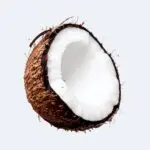
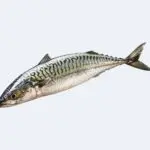
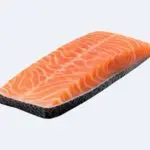
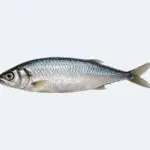
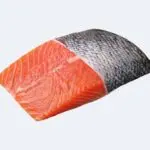
Coconut leads our USDA ranking: 1.66 g of myristic acid in 1 oz (28 g) of coconut, or 5.87 g per 100 g. Next come ground lamb with 1.05 g in 4 oz (113 g) and mackerel with 0.75 g in a fillet (112 g).
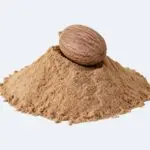
Ground beef and nutmeg follow, with 0.5 g in a teaspoon (2.2 g) of nutmeg. Farmed Atlantic salmon, herring, semi-skimmed cow’s milk and macadamia nuts come next; the ranking shows their amounts. Our arithmetic: 0.5 g in 2.2 g means ground nutmeg is about 23% myristic acid by weight.
The concentrated sources are fats. Nutmeg butter, extracted from nutmeg seeds, is the richest. Myristic acid made up 79.2% of its fatty acids in one extraction study, with 7.4% oleic and 6.1% palmitic acid. Coconut oil was 19.9% myristic acid and 47.7% lauric acid in a 2015 analysis of vegetable oils.
FAO lists dairy fat, coconut oil and palm kernel oil as typical sources. Milk fat is 11% myristic acid by weight, according to a review of milk fat. Our arithmetic: the 50 g a day of coconut oil in one trial carries about 10 g of myristic acid. That takes the share of the fatty acids as the share of the oil.
Refining and cooking: we found no source on how frying, refining or hydrogenation change the myristic acid in these fats. The food form does matter for dairy fat. In a trial, cheese and butter with the same fat gave different LDL cholesterol (see the forms section).
Per serving. No daily amount is set, so bars compare each food with the top food.
Per 100 g. No daily amount is set, so bars compare each food with the top food.
Per 100 kcal: the same calories of each food, for a fair comparison. Bars compare each food with the top food.
Food labels have no Daily Value or Reference Intake for myristic acid, so the % compares each food with the top food.
- 1.
- 2.

- 3.
- 4.

- 5.
- 6.
- 7.

- 8.

- 9.

- 10.


- 1.
- 2.
- 3.
- 4.
- 5.
- 6.
- 7.
- 8.
- 9.
- 10.

- 1.
- 2.
- 3.
- 4.
- 5.
- 6.
- 7.
- 8.

- 9.

- 10.


Sources
- FoodData Central. US Department of Agriculture, Agricultural Research Service. Values as shown in the ranking above.
- Piras A, et al. Extraction and separation of volatile and fixed oils from seeds of Myristica fragrans by supercritical CO₂: chemical composition and cytotoxic activity on Caco-2 cancer cells. J Food Sci. 2012.
- Orsavova J, et al. Fatty Acids Composition of Vegetable Oils and Its Contribution to Dietary Energy Intake and Dependence of Cardiovascular Mortality on Dietary Intake of Fatty Acids. Int J Mol Sci. 2015.
- Månsson HL, et al. Fatty acids in bovine milk fat. Food Nutr Res. 2008.
- FAO and WHO. Fats and fatty acids in human nutrition: report of an expert consultation. FAO Food and Nutrition Paper 91. Food and Agriculture Organization. 2010.
- National Center for Biotechnology Information. PubChem compound summary for myristic acid (CID 11005). US National Library of Medicine.
How myristic acid works
Most of what is known comes from feeding trials that measure blood fats, plus cell and animal work. Five ideas cover it. Myristic acid travels like the other long-chain fats, it raises LDL and HDL cholesterol, and cells attach it to proteins. It may nudge other fats, and animal and cell studies disagree on whether it helps or harms.
Here is each idea, and what has been seen in people.
It travels with the other long-chain fats
FAO defines long-chain fatty acids as those with 14 to 20 carbons, so myristic acid is the shortest of them. FAO says short and medium-chain fatty acids go through the portal vein to the liver. Long-chain fatty acids are mixed with bile salts, rebuilt into triglycerides and carried in chylomicrons (fat parcels) through the lymph vessels.
In cow’s milk fat, myristic, palmitic and stearic acid sit equally at the first two positions of the triglyceride, FAO says. The body’s own fat making from carbohydrate ends with palmitic acid, according to FAO. We found no source on how much myristic acid the body makes itself. In tissues it is a small share, usually 0.5% to 1% of fatty acids by weight.
It raises LDL and HDL cholesterol
Change in blood cholesterol for each 1% of energy that replaces carbohydrate, in mmol/L and drawn to scale. Magenta bars are myristic acid; orange bars are the other saturated fats. The first four bars are LDL cholesterol and the last four are HDL cholesterol.
The WHO review pooled 52 trials with 134 diet data points to estimate what each saturated fat does when it replaces carbohydrate. Per 1% of energy, myristic acid raised total cholesterol by 0.060 mmol/L, LDL by 0.044 and HDL by 0.021. It lowered triglycerides by 0.011. The total to HDL and LDL to HDL ratios did not change significantly.
Palmitic acid’s LDL estimate was 0.036, and the likely ranges of the two fats overlap. WHO’s 2023 guideline ranks the size of the lipid effects myristic > palmitic > lauric. The included diets held a mean of only 1.2% of energy as myristic acid (range 0.0% to 14.3%). The author says better-controlled studies at higher intakes are needed.
Our arithmetic: 1% of energy on a 2,000 kcal diet is 20 kcal, or about 2.2 g of fat at 9 kcal per gram. So 0.044 mmol/L per 1% of energy is about 0.02 mmol/L, or 0.8 mg/dL, of LDL for each gram of myristic acid. For palmitic acid it is about 0.016 mmol/L. The 1.2% mean intake in the trials is about 2.7 g a day.
Treat these as a scale drawn from an average of trials, not a prediction for one person.
Serum cholesterol after 3 weeks on each diet, in mmol/L and drawn to scale from zero. The diets differed by about 10% of energy in the test fatty acid.
The 36 women and 23 men trial gives a similar size from a different angle. Swapping about 10% of energy from oleic to myristic acid raised LDL by 0.50 mmol/L. That is 0.05 per 1% of energy (our arithmetic), the same order as the WHO estimate.
Not every trial agrees. In 12 men, a fat that was 41% myristic acid did not raise LDL above palm oil. Both trials were small, short and used specially made fats. A 2022 review pooled results only for palmitic and stearic acid, and described the myristic acid swaps in words.
We found no human study that shows how myristic acid raises LDL. In liver cells it increased HDL binding to the cell surface and the uptake of HDL’s cholesteryl esters by 32%. In a Sicilian population, higher myristic acid went with lower HDL. So the HDL story is not settled.
Cells attach it to proteins
How cells tag proteins with myristic acid. A diagram of the steps, not drawn to scale.
This is the other reason myristic acid is studied. N-myristoylation is a change made as a protein is built. An enzyme, N-myristoyltransferase, joins a myristoyl group to a glycine at the start of the protein. A 2014 study found more than 100 N-myristoylated proteins in human cells.
A review says myristate can also be attached to lysine in some proteins. A 2017 review describes it as a required step in many immune cell signals. These include the immunological synapse, the contact point between immune cells, and the virological synapse in HIV infection.
Another review says myristic acid also regulates desaturase enzymes in ceramide and polyunsaturated fat making. This is cell biology: we found no human study showing that the amount of myristic acid you eat changes any of it.
It may nudge other fats
A review on mammalian desaturases says myristic acid switches on the delta-6 desaturation of polyunsaturated fats. Some desaturases also act on myristic acid itself. In people, 25 men who went from 0.6% to 1.2% of energy as myristic acid had more DHA in cholesteryl esters. That is one small trial, and its title points to the position on the fat molecule, although the abstract compares two doses and not positions.
In animals and cells it can help or harm
The animal results point both ways. Mice on a high-fat diet with 3% myristic acid gained more weight and fat and became more insulin resistant. Diabetes-prone mice given it by mouth had 24% to 28% lower blood glucose in tolerance tests. In liver cells it was harmless alone but made palmitic acid’s damage worse.
Mice fed coconut oil early in life were protected from a Crohn’s-like gut disease, and the protection tracked with myristic acid. The studies differ in model, dose and whether myristic acid was fed alone, and none of them is a human trial.
What has been seen in people
Controlled trials agree that myristic acid raises LDL cholesterol, with HDL rising too. The size is about 0.044 mmol/L per 1% of energy in the WHO review. The 60-trial meta-analysis found little effect on the total to HDL ratio.
Cohorts (studies that follow groups of people over time) are mixed. Higher myristic acid intake went with 13% higher coronary risk, with the same pattern for the other saturated fats, which it cannot be separated from. Higher blood myristic acid went with 15% higher diabetes risk in Europe, but with no significant link in older US adults.
The one capsule trial lowered the blood sugar curve by about 20% at 970 mg a day. We found no trial of heart attacks, strokes or deaths for myristic acid.
Sources
- Mensink RP. Effects of saturated fatty acids on serum lipids and lipoproteins: a systematic review and regression analysis. Geneva: World Health Organization. 2016. ISBN 978 92 4 156534 9.
- World Health Organization. Saturated fatty acid and trans-fatty acid intake for adults and children: WHO guideline. WHO. 2023. ISBN 978-92-4-007363-0.
- Mensink RP, et al. Effects of dietary fatty acids and carbohydrates on the ratio of serum total to HDL cholesterol and on serum lipids and apolipoproteins: a meta-analysis of 60 controlled trials. Am J Clin Nutr. 2003.
- Zock PL, et al. Impact of myristic acid versus palmitic acid on serum lipid and lipoprotein levels in healthy women and men. Arterioscler Thromb. 1994.
- Tholstrup T, et al. Effect on blood lipids, coagulation, and fibrinolysis of a fat high in myristic acid and a fat high in palmitic acid. Am J Clin Nutr. 1994.
- Noto D, et al. Myristic acid is associated to low plasma HDL cholesterol levels in a Mediterranean population and increases HDL catabolism by enhancing HDL particles trapping to cell surface proteoglycans in a liver hepatoma cell model. Atherosclerosis. 2016.
- FAO and WHO. Fats and fatty acids in human nutrition: report of an expert consultation. FAO Food and Nutrition Paper 91. Food and Agriculture Organization. 2010.
- Rioux V, et al. Regulation of mammalian desaturases by myristic acid: N-terminal myristoylation and other modulations. Biochim Biophys Acta. 2011.
- Udenwobele DI, et al. Myristoylation: An Important Protein Modification in the Immune Response. Front Immunol. 2017.
- Resh MD, et al. Fatty acylation of proteins: The long and the short of it. Prog Lipid Res. 2016.
- Thinon E, et al. Global profiling of co- and post-translationally N-myristoylated proteomes in human cells. Nat Commun. 2014.
- Hayes KC, et al. Dietary saturated fatty acids (12:0, 14:0, 16:0) differ in their impact on plasma cholesterol and lipoproteins in nonhuman primates. Am J Clin Nutr. 1991.
- Saraswathi V, et al. Myristic Acid Supplementation Aggravates High Fat Diet-Induced Adipose Inflammation and Systemic Insulin Resistance in Mice. Biomolecules. 2022.
- Takato T, et al. Chronic administration of myristic acid improves hyperglycaemia in the Nagoya-Shibata-Yasuda mouse model of congenital type 2 diabetes. Diabetologia. 2017.
- Martínez L, et al. Myristic acid potentiates palmitic acid-induced lipotoxicity and steatohepatitis associated with lipodystrophy by sustaning de novo ceramide synthesis. Oncotarget. 2015.
- Rodriguez-Palacios A, et al. Early coconut oil exposure suppresses chronic experimental Crohn’s disease via myristic acid and enhanced regulatory T cells. Nat Commun. 2026.
- Dabadie H, et al. Moderate intake of myristic acid in sn-2 position has beneficial lipidic effects and enhances DHA of cholesteryl esters in an interventional study. J Nutr Biochem. 2005.
- Sellem L, et al. Impact of Replacement of Individual Dietary SFAs on Circulating Lipids and Other Biomarkers of Cardiometabolic Health: A Systematic Review and Meta-Analysis of Randomized Controlled Trials in Humans. Adv Nutr. 2022.
How much myristic acid do you need?
No official body sets a daily amount of myristic acid. The FDA has set no Daily Value for it and the EU no EU Reference Intake. Your body does not need it from food: FAO and WHO list only linoleic acid and alpha-linolenic acid as essential fatty acids. What is set is a ceiling for saturated fat as a whole, which includes myristic acid.
| Source | Group | Value | Notes |
|---|---|---|---|
| WHO 2023 | Adults and children aged 2 and older | No more than 10% of total energy intake from saturated fatty acids | Applies to all saturated fatty acids together. WHO says individual saturated fats cannot get their own recommendation yet. |
| FAO and WHO 2010 | Adults | Upper end of the range for saturated fat: 10% of energy | Called the U-AMDR. Applies to all saturated fats together. |
| EFSA 2010 | Adults | Saturated fatty acid intake should be as low as possible | No numeric intake value set for saturated fat. |
| French guidelines, as reported in a 2022 review | Adults | The sum of lauric, myristic and palmitic acid should not exceed 8% of energy (since 2011) | The only official figure we found that names myristic acid. The review notes that other countries have no such limit. |
We found no disease named for a lack of myristic acid. It is a normal part of milk fat and of the fats in coconut and nutmeg, and tissues hold it in small amounts. No minimum is set by any body we found.
Sources
- World Health Organization. WHO updates guidelines on fats and carbohydrates. News release. 17 July 2023.
- FAO and WHO. Fats and fatty acids in human nutrition: report of an expert consultation. FAO Food and Nutrition Paper 91. Food and Agriculture Organization. 2010.
- EFSA Panel on Dietetic Products, Nutrition and Allergies (NDA). Scientific opinion on dietary reference values for fats, including saturated fatty acids, polyunsaturated fatty acids, monounsaturated fatty acids, trans fatty acids, and cholesterol. EFSA Journal 8(3):1461. 2010.
- US Food and Drug Administration. Daily Value on the Nutrition and Supplement Facts Labels. FDA. Accessed October 2026.
- Sellem L, et al. Impact of Replacement of Individual Dietary SFAs on Circulating Lipids and Other Biomarkers of Cardiometabolic Health: A Systematic Review and Meta-Analysis of Randomized Controlled Trials in Humans. Adv Nutr. 2022.
- Rioux V, et al. Regulation of mammalian desaturases by myristic acid: N-terminal myristoylation and other modulations. Biochim Biophys Acta. 2011.
- European Commission. Commission Regulation (EU) No 432/2012 of 16 May 2012 establishing a list of permitted health claims made on foods, other than those referring to the reduction of disease risk and to children’s development and health. Annex, as retained in UK law. 2012.
Forms of myristic acid: absorption and effects
Myristic acid reaches people inside fats: milk fat and butter, coconut and palm kernel oil, and nutmeg butter. Far less often it comes as capsules or as an ingredient in fragrance and cosmetics. The forms differ in what comes with the myristic acid, not in the acid itself. The honest bottom line is that trials test foods and specially made fats.
We found no head-to-head trial of myristic acid in different forms for blood fats, and one placebo-controlled trial of capsules.
Two popular ideas have little behind them. The first is that myristic acid from dairy fat is gentler than from other sources. That has some support at the food level, since cheese gave lower LDL than butter with equal fat. But that trial did not measure myristic acid, and fecal fat excretion did not differ between cheese and butter.
The second is that the position of myristic acid on the fat molecule matters. It rests on two small trials from one French group, with other fats changed at the same time. Cosmetic use has a safety review but no trial of skin benefits.
| Form | What it is | What studies show | Source |
|---|---|---|---|
| Butter and milk fat | Dairy fat; myristic acid is 11% by weight of milk fat in a review of Swedish milk | In 91 adults, 50 g a day of butter raised LDL 0.42 mmol/L above coconut oil and 0.38 above olive oil; across 54 trials, nine oils and beef fat lowered LDL 0.23 to 0.42 mmol/L more than butter | 1, 2, 3, 14 |
| Cheese | Milk fat in a food with calcium and protein | At the same fat intake, cheese gave lower LDL than butter in 49 adults; cohort studies link cheese to lower coronary risk (0.96 per 20 g a day) and high-fat milk to higher (1.08 per 200 g) | 4, 5 |
| Coconut oil and palm kernel oil | Coconut oil is 19.9% myristic and 47.7% lauric acid; FAO names palm kernel oil as a source, share not stated | Coconut oil doubled plasma myristic acid in the 4-week trial; LDL did not differ from olive oil | 6, 7, 1, 18 |
| Nutmeg butter and spice | Nutmeg butter is 79.2% myristic acid in one extraction study; ground nutmeg is 0.5 g in a 2.2 g teaspoon in our USDA data | We found no trial of nutmeg or nutmeg butter for blood fats; poison-center reports of nutmeg exposures say the toxic effects are thought to come from myristicin | 8, 9, 19, 20 |
| High-myristic test fats | Specially made fats used in trials: 41% of the fat, or about 10% of energy | One trial found LDL 0.11 mmol/L above palm oil; another found no LDL difference from palm oil | 10, 11 |
| Myristic acid capsules | Soft capsules of a transesterified oil with myristic acid, 730 to 1,460 mg a day | Lowered the blood sugar curve after a glucose drink in 100 adults; industry-funded, 12 weeks, no long-term data | 12 |
| Fragrance and cosmetic use | Myristic acid as a fragrance ingredient | A 2026 safety assessment found it not expected to be genotoxic and no sensitization concern at declared use; we found no human skin benefit trial | 13 |
Here are the food-form studies, 5 in all.
All 5 studies, strongest evidence first
Nine oils and beef fat beat butter for lowering LDL
This network meta-analysis of 54 randomized trials of at least 3 weeks compared oils and solid fats. Per 10% of energy swapped, they lowered LDL cholesterol 0.23 to 0.42 mmol/L more than butter, coconut oil among them. Coconut oil ranked highest for raising HDL (88% on the ranking score) and palm oil highest for triglycerides. These fats carry myristic acid in different shares and with other fats, and the trials did not test myristic acid itself. The authors back swapping high saturated-fat foods for unsaturated oils.
In 49 adults, cheese gave lower LDL than butter with equal fat
In this randomized crossover trial, people ate cheese and butter for two 6-week periods, with fat at 13% of energy. Cheese gave lower total, LDL and HDL cholesterol than butter, and did not raise total or LDL above a 14-day run-in diet. Fecal fat excretion did not differ between the periods. The cheese and butter held the same milk fat, so the food form changed the result.
In 47 adults, butter raised total and LDL more than olive oil
In this double-blind randomized crossover trial, people ate butter at 4.5% of energy or refined olive oil, in 2 periods of 5 weeks. Butter also raised HDL cholesterol compared with the run-in diet; triglycerides, C-reactive protein, glucose and insulin did not differ. The authors advise people with high cholesterol to keep butter to a minimum. They say moderate butter may suit people with normal cholesterol.
Coconut oil doubled blood myristic and lauric acid; olive oil lowered them
A second look at the 4-week Khaw trial above: 96 healthy adults, 50 g a day of coconut oil, olive oil or butter. Butter raised the acids less than coconut oil did. Blood myristic acid rose 0.24 mol% more on coconut oil than on butter and 0.37 mol% more than on olive oil. Changes in fatty acids mostly showed no clear link with changes in metabolic markers.
In 30 young adults, dairy raised blood myristic acid above meat
13 men and 17 women each ate three same-calorie diets (dairy, meat or grain) in random order, with 28 to 32% of energy as fat. Myristic acid in blood cholesteryl esters was higher on dairy than on meat (beta 0.34), but not higher than on grain. Pentadecanoic acid (15:0) was higher on dairy than on both. This unplanned, after-the-fact analysis measures blood levels after food, not health outcomes.
Sources
- Khaw KT, et al. Randomised trial of coconut oil, olive oil or butter on blood lipids and other cardiovascular risk factors in healthy men and women. BMJ Open. 2018.
- Schwingshackl L, et al. Effects of oils and solid fats on blood lipids: a systematic review and network meta-analysis. J Lipid Res. 2018.
- Månsson HL, et al. Fatty acids in bovine milk fat. Food Nutr Res. 2008.
- Hjerpsted J, et al. Cheese intake in large amounts lowers LDL-cholesterol concentrations compared with butter intake of equal fat content. Am J Clin Nutr. 2011.
- Jakobsen MU, et al. Intake of dairy products and associations with major atherosclerotic cardiovascular diseases: a systematic review and meta-analysis of cohort studies. Sci Rep. 2021.
- Orsavova J, et al. Fatty Acids Composition of Vegetable Oils and Its Contribution to Dietary Energy Intake and Dependence of Cardiovascular Mortality on Dietary Intake of Fatty Acids. Int J Mol Sci. 2015.
- Sowah SA, et al. Effects of coconut oil, olive oil, and butter on plasma fatty acids and metabolic risk factors: a randomized trial. J Lipid Res. 2024.
- Piras A, et al. Extraction and separation of volatile and fixed oils from seeds of Myristica fragrans by supercritical CO₂: chemical composition and cytotoxic activity on Caco-2 cancer cells. J Food Sci. 2012.
- FoodData Central. US Department of Agriculture, Agricultural Research Service. Values as shown in the ranking above.
- Zock PL, et al. Impact of myristic acid versus palmitic acid on serum lipid and lipoprotein levels in healthy women and men. Arterioscler Thromb. 1994.
- Tholstrup T, et al. Effect on blood lipids, coagulation, and fibrinolysis of a fat high in myristic acid and a fat high in palmitic acid. Am J Clin Nutr. 1994.
- Sato T, et al. Suppressive effect of myristic acid on postprandial blood glucose elevation in healthy adults with high blood glucose levels: A double-blinded, randomized, placebo-controlled, parallel-group study. Clin Nutr ESPEN. 2026.
- Api AM, et al. Update to RIFM fragrance ingredient safety assessment, myristic acid, CAS Registry Number 544-63-8. Food Chem Toxicol. 2026.
- Engel S, et al. Butter increased total and LDL cholesterol compared with olive oil but resulted in higher HDL cholesterol compared with a habitual diet. Am J Clin Nutr. 2015.
- Vissers LET, et al. Consumption of a diet high in dairy leads to higher 15:0 in cholesteryl esters of healthy people when compared to diets high in meat and grain. Nutr Metab Cardiovasc Dis. 2020.
- Dabadie H, et al. Moderate intake of myristic acid in sn-2 position has beneficial lipidic effects and enhances DHA of cholesteryl esters in an interventional study. J Nutr Biochem. 2005.
- Vaysse-Boué C, et al. Moderate dietary intake of myristic and alpha-linolenic acids increases lecithin-cholesterol acyltransferase activity in humans. Lipids. 2007.
- FAO and WHO. Fats and fatty acids in human nutrition: report of an expert consultation. FAO Food and Nutrition Paper 91. Food and Agriculture Organization. 2010.
- Carstairs SD, et al. The spice of life: an analysis of nutmeg exposures in California. Clin Toxicol (Phila). 2011.
- Ehrenpreis JE, et al. Nutmeg poisonings: a retrospective review of 10 years experience from the Illinois Poison Center, 2001-2011. J Med Toxicol. 2014.
Is myristic acid safe? Limits and who should watch it
We found no source that sets an upper limit for myristic acid or names it as a safety problem at food amounts for most people. The limit is for saturated fat as a whole. WHO advises no more than 10% of energy, and EFSA (the EU’s food safety agency) says intake should be as low as possible.
WHO also says individual saturated fats cannot yet get their own recommendation, because no trial has tested them against disease outcomes. What the trials show is a rise in LDL cholesterol.
- Cholesterol. In the WHO review, each 1% of energy from myristic acid raised LDL by 0.044 mmol/L. In a trial, butter raised LDL more than olive oil and coconut oil. If you have high LDL cholesterol or heart disease, ask a doctor about butter, coconut oil and other rich sources.
- Capsules. The one capsule trial gave 730 to 1,460 mg a day for 12 weeks and reported no adverse events related to the capsules. But fasting insulin was higher on the medium dose, and two oil companies partly funded it. We found no long-term safety data and no upper limit.
- Nutmeg. Poison-center series report nutmeg exposures. Of 119 single-substance exposures in California, 72.3% were intentional and no one died. A fast heart rate and agitation were more likely in people who abused nutmeg. In Illinois, 10 of 17 unintentional exposures were in children under 13. The toxic effects are thought to come from myristicin, not myristic acid.
- Cosmetics. A 2026 safety assessment of myristic acid as a fragrance ingredient found it not expected to be genotoxic (damaging to genes). It found no sensitization concern at the declared levels of use.
- Cutting saturated fat. A Cochrane review of 15 trials found 17% fewer combined cardiovascular events when saturated fat was cut for at least 2 years. It had little effect on deaths. That is a result for saturated fat in general, not for myristic acid.
How to eat myristic acid wisely
- Count it inside saturated fat. WHO’s ceiling is 10% of energy, about 22 g of saturated fat on a 2,000 kcal diet (our arithmetic). The 50 g of coconut oil used in one trial carries about 10 g of myristic acid alone.
- Swap, do not add. The American Heart Association concluded that replacing saturated fat with unsaturated fat, especially polyunsaturated fat, lowers cardiovascular disease. WHO advises polyunsaturated fat as the first replacement. So use butter and coconut oil where flavor matters, and unsaturated oils for most cooking.
- Know your servings. 1 oz of coconut gives 1.66 g, 4 oz of ground lamb 1.05 g and a cup of semi-skimmed milk 0.43 g (our USDA data). At the WHO slope, that is roughly 0.03, 0.02 and 0.01 mmol/L of LDL (our arithmetic, a scale and not a prediction).
Sources
- World Health Organization. WHO updates guidelines on fats and carbohydrates. News release. 17 July 2023.
- EFSA Panel on Dietetic Products, Nutrition and Allergies (NDA). Scientific opinion on dietary reference values for fats, including saturated fatty acids, polyunsaturated fatty acids, monounsaturated fatty acids, trans fatty acids, and cholesterol. EFSA Journal 8(3):1461. 2010.
- World Health Organization. Saturated fatty acid and trans-fatty acid intake for adults and children: WHO guideline. WHO. 2023. ISBN 978-92-4-007363-0.
- Hooper L, et al. Reduction in saturated fat intake for cardiovascular disease. Cochrane Database Syst Rev. 2020.
- Sacks FM, et al. Dietary Fats and Cardiovascular Disease: A Presidential Advisory From the American Heart Association. Circulation. 2017.
- Sato T, et al. Suppressive effect of myristic acid on postprandial blood glucose elevation in healthy adults with high blood glucose levels: A double-blinded, randomized, placebo-controlled, parallel-group study. Clin Nutr ESPEN. 2026.
- Carstairs SD, et al. The spice of life: an analysis of nutmeg exposures in California. Clin Toxicol (Phila). 2011.
- Ehrenpreis JE, et al. Nutmeg poisonings: a retrospective review of 10 years experience from the Illinois Poison Center, 2001-2011. J Med Toxicol. 2014.
- Api AM, et al. Update to RIFM fragrance ingredient safety assessment, myristic acid, CAS Registry Number 544-63-8. Food Chem Toxicol. 2026.
- Engel S, et al. Butter increased total and LDL cholesterol compared with olive oil but resulted in higher HDL cholesterol compared with a habitual diet. Am J Clin Nutr. 2015.
- Khaw KT, et al. Randomised trial of coconut oil, olive oil or butter on blood lipids and other cardiovascular risk factors in healthy men and women. BMJ Open. 2018.
- FoodData Central. US Department of Agriculture, Agricultural Research Service. Values as shown in the ranking above.
- Mensink RP. Effects of saturated fatty acids on serum lipids and lipoproteins: a systematic review and regression analysis. Geneva: World Health Organization. 2016. ISBN 978 92 4 156534 9.
History of myristic acid
Myristic acid is named after the nutmeg tree, Myristica fragrans. The chemist Lyon Playfair isolated it from nutmeg butter in 1841 and described it in the Philosophical Magazine as a new fat acid.
The cholesterol story began with Ancel Keys. In 1965 Keys, Anderson and Grande analyzed 63 sets of comparisons from controlled diet experiments. They found that stearic acid and saturated fats with fewer than 12 carbon atoms have little or no effect on blood cholesterol. That left the fats of 12 to 16 carbons, myristic acid among them, as the cholesterol-raising group to test.
In 1994 two teams did. The Dutch team wrote that myristic acid was suspected of being much more cholesterol-raising than palmitic acid, but that direct comparisons were lacking. They fed 36 women and 23 men a specially produced high-myristic fat. The Danish team noted that the idea rested on very few experiments, and in 12 men found no LDL difference from palm oil.
Pooled analyses followed: 60 trials in 2003, the 52-trial WHO regression in 2016 and the 2023 WHO guideline. That guideline concluded that more research is needed before recommendations on individual saturated fats can be made. In 2016 a BMJ cohort analysis reported intakes of single saturated fats and coronary heart disease.
In 2026 a placebo-controlled trial of myristic acid capsules reported a lower blood sugar curve, which its authors call the first such finding in humans.
Sources
- Wikipedia contributors. Myristic acid. Wikimedia Foundation. Accessed October 2026.
- Playfair L. On a new fat acid in the butter of nutmegs. Philosophical Magazine, series 3, 18(115):102-113. 1841.
- Keys A, et al. Serum cholesterol response to changes in the diet: IV. Particular saturated fatty acids in the diet. Metabolism. 1965.
- Zock PL, et al. Impact of myristic acid versus palmitic acid on serum lipid and lipoprotein levels in healthy women and men. Arterioscler Thromb. 1994.
- Tholstrup T, et al. Effect on blood lipids, coagulation, and fibrinolysis of a fat high in myristic acid and a fat high in palmitic acid. Am J Clin Nutr. 1994.
- Mensink RP, et al. Effects of dietary fatty acids and carbohydrates on the ratio of serum total to HDL cholesterol and on serum lipids and apolipoproteins: a meta-analysis of 60 controlled trials. Am J Clin Nutr. 2003.
- Mensink RP. Effects of saturated fatty acids on serum lipids and lipoproteins: a systematic review and regression analysis. Geneva: World Health Organization. 2016. ISBN 978 92 4 156534 9.
- World Health Organization. Saturated fatty acid and trans-fatty acid intake for adults and children: WHO guideline. WHO. 2023. ISBN 978-92-4-007363-0.
- Zong G, et al. Intake of individual saturated fatty acids and risk of coronary heart disease in US men and women: two prospective longitudinal cohort studies. BMJ. 2016.
- Sato T, et al. Suppressive effect of myristic acid on postprandial blood glucose elevation in healthy adults with high blood glucose levels: A double-blinded, randomized, placebo-controlled, parallel-group study. Clin Nutr ESPEN. 2026.
Frequently asked questions about myristic acid
Is myristic acid bad for you?
It raises LDL cholesterol, and that is the main concern. In the WHO review of 52 trials, each 1% of energy from myristic acid in place of carbohydrate raised LDL by 0.044 mmol/L. HDL rose by 0.021, and the total to HDL ratio did not change significantly. WHO found no trial of heart attacks or deaths for individual saturated fats, so the effect on disease risk is not measured directly.
Does myristic acid raise cholesterol?
Yes, both LDL and HDL. In a trial of 36 women and 23 men, a myristic acid diet raised LDL 0.50 mmol/L above an oleic acid diet. It raised LDL 0.11 above a palmitic acid diet. But a trial of 12 men found no LDL difference from palm oil.
How much does a gram of myristic acid raise LDL?
About 0.02 mmol/L, or 0.8 mg/dL, per gram on a 2,000 kcal diet. That is our arithmetic from the WHO estimate of 0.044 mmol/L per 1% of energy, which is about 2.2 g. Palmitic acid works out to about 0.016. It averages trials where the mean intake was 1.2% of energy, so it is a rough scale and not a prediction.
Is the myristic acid in dairy fat unhealthy?
Milk fat is 11% myristic acid by weight, and butter raised LDL more than olive oil and coconut oil in trials. Cheese gave lower LDL than butter at equal fat in 49 adults. Cohort meta-analyses link cheese to lower coronary risk (0.96 times per 20 g a day). They link high-fat milk to higher risk (1.08 per 200 g), but none of these studies measured myristic acid itself.
Is nutmeg a good source of myristic acid, and is it safe?
Nutmeg butter is 79.2% myristic acid, but a teaspoon of ground nutmeg gives 0.5 g. Poison-center reports say the toxic effects of nutmeg are thought to come from myristicin, not myristic acid. Of 119 exposures in California, 72.3% were intentional and no one died. A fast heart rate and agitation were more likely in those who abused nutmeg.
What is protein myristoylation?
It is a tag that cells put on proteins. An enzyme, N-myristoyltransferase, attaches myristic acid to a glycine at the start of a protein as it is built. More than 100 such proteins have been found in human cells. It helps steer proteins to their place in the cell, including in immune signaling.
We found no human study showing that dietary myristic acid changes it.
Is myristic acid good for skin?
We found no human trial of myristic acid on skin. A 2026 safety assessment of it as a fragrance ingredient found it not expected to be genotoxic. It found no sensitization concern at the declared levels of use. That is a safety review and not evidence of a benefit.
Does a myristic acid supplement lower blood sugar?
One 12-week trial in 100 adults found that 970 mg a day lowered the blood sugar curve by about 20%. Fasting insulin was higher. Two oil companies partly funded it, we found no second human trial, and mouse studies disagree. The authors themselves say too much saturated fat should be avoided.