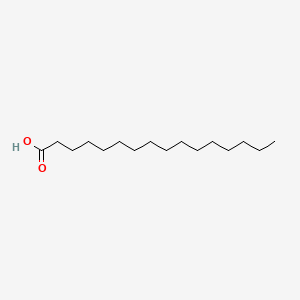
Palmitic acid (hexadecanoic acid, 16:0, C16H32O2) is a long-chain saturated fatty acid with 16 carbons and no double bonds. It is the most common saturated fat in food and in the body. One review puts it at 20% to 30% of all the fatty acids in human cell membranes and body fat.
The name points to palm oil, where it is about 43% to 44% of the fat. But it is just as much a part of milk fat and meat fat. Its shorter neighbors on the chain are lauric acid (12:0) and myristic acid (14:0), and its longer neighbor is stearic acid (18:0).
Here is what most readers do not know: your body makes palmitic acid itself. When the liver turns extra carbohydrate, alcohol or protein into fat, palmitic acid is the end product. The same review says changes in intake barely move the level in tissues, because the body’s own production balances the supply from food.
So a blood test for palmitic acid shows more than what you ate. It also has real jobs. Cells attach it to proteins, and the main fat in lung surfactant (the film that keeps the lungs open) carries two palmitic acid chains.
What the research says about eating more of it is narrower. In feeding trials, palmitic acid raises LDL (“bad”) cholesterol compared with carbohydrate. It raises HDL (“good”) cholesterol too, so the ratio of total to HDL cholesterol hardly moves.
WHO’s 2023 guideline asks adults and children to limit saturated fat to 10% of energy. It says the evidence on single saturated fats is not enough for a limit on palmitic acid alone. In our USDA ranking, ground lamb leads per serving with 5.8 g in 4 oz.
Health benefits of palmitic acid
The top findings from 24 studies, strongest evidence first
What the stars mean
- Strong. Several randomized trials, pooled in a meta-analysis, point the same way, or regulators (FDA or EFSA) have approved the claim.
- Moderate. Good randomized trials support it, but there are fewer of them, or their results vary.
- Limited. Small, short or single trials, or mixed results. Promising, but it needs confirmation.
Population and lab studies get no stars: they show a link or a mechanism, not proof.
How we rate evidence →- ★★★Little change in total to HDL cholesterol ratioAcross 60 trials, palmitic acid in the diet barely changed the ratio of total to HDL cholesterol. That ratio is one marker, and LDL is another.
- ★★Palm oil raised LDL versus low-saturated-fat oilsPalm oil raised “bad” LDL cholesterol by 0.24 mmol/L over low-saturated-fat vegetable oils in trials of at least 2 weeks. Palm oil is a mix of fats, so this is not palmitic acid alone.
- ★★Fewer heart events with less saturated fatCutting saturated fat for at least 2 years lowered combined cardiovascular events by 17% across 15 trials. This tested saturated fat as a class, not palmitic acid.
- ★★More liver fat from overeating palm oilIn 61 people with overweight or obesity, extra palm oil muffins for 8 weeks raised liver fat by 50%, and sunflower oil muffins did not. Weight gain was similar in both groups.
- ★★More weight gain with sn-2 palmitate infant formulaFormula with palmitic acid in the middle spot of the fat molecule (sn-2) gave infants 0.81 g a day more weight gain across 16 trials. In one trial bone mineral content was 128.1 g against 122.7 g.
All 20 studies, strongest evidence first
In 60 trials, palmitic acid barely changed the total to HDL ratio
Swapping saturated fat for cis unsaturated fat lowered the ratio, while swapping it for carbohydrate did not change it. Myristic acid also had little effect, and stearic acid lowered it slightly. Lauric acid raised total cholesterol a lot, but mostly as HDL, so lauric-rich oils lowered the ratio. The ratio is one marker and LDL another; the authors say marker effects should be confirmed by studies of disease. The LDL numbers for palmitic acid are in the section on how it works.
Cutting saturated fat cut combined cardiovascular events 17%
This Cochrane review pooled 15 randomized trials of at least 2 years, with 56,675 adults. The 17% drop (0.83 times the risk) came from 12 trials, with moderate-quality evidence and results that varied between trials (I² = 67%). There was little or no effect on deaths from any cause (0.96) or from cardiovascular disease (0.95). It tested saturated fat as a class, not palmitic acid, and the trials ranged from supplying all the food to giving advice.
Palm oil raised LDL 0.24 mmol/L over low-saturated-fat vegetable oils
Across trials of at least 2 weeks, randomized ones showed a 0.31 mmol/L rise and nonrandomized ones did not. Palm oil also raised HDL by 0.02 mmol/L against those oils, and by 0.09 mmol/L against oils with trans fat. Results varied between trials (I² = 83.2% overall), but only modestly after allowing for dose and comparison oil. Palm oil is a mix of fats, so the result cannot be credited to palmitic acid alone.
Palm oil gave higher LDL than stearic or unsaturated fat diets
This review of 51 studies covered diet trials of 2 to 16 weeks, with fat swaps of 4% to 43%. Most of the same markers were lower on palm oil than on diets rich in myristic and lauric acids. Against palm oil, trans-fat diets had lower HDL and higher apolipoprotein B, so swapping trans fat for palm oil brought only favorable changes. Against unsaturated fats, the higher total and LDL on palm oil were not significant in young people or on lower-fat diets. Palm oil is a whole fat, not palmitic acid alone.
Total cholesterol was 0.26 mmol/L higher on palmitic than oleic acid
18 women and 14 men ate three solid-food diets for 6 weeks each, in random order, with 40% of energy as fat. About 8.5% of energy was swapped between lauric, palmitic and oleic acid. The lauric diet raised total cholesterol 0.22 mmol/L and HDL 0.12 mmol/L above the palmitic diet. HDL on the palmitic and oleic diets was the same. The palmitic fat blended dairy fat (55%), palm stearin (36%) and sunflower oil (9%), so its other fats may explain part of the effect.
Cholesterol was 4.96 mmol/L on palm oil, 4.53 on sunflower oil
36 women and 23 men ate three diets for 3 weeks each, in random order, varying by about 10% of energy. Palm oil supplied the palmitic acid and high-oleic sunflower oil the oleic acid; a myristic acid fat gave 5.19 mmol/L. Myristic acid raised LDL by 0.11 mmol/L over palmitic acid and 0.50 over oleic acid. HDL was the same on the palmitic and oleic diets. The authors conclude that myristic and palmitic acid both caused high LDL and apolipoprotein B levels and low HDL to LDL ratios.
Stearic instead of palmitic acid lowered LDL 0.14 mmol/L, HDL 0.09
34 healthy men and postmenopausal women, about 61 years old, ate two 4-week diets in random order. Palmitic and stearic acid intakes differed by 6% of daily energy, and neither people nor researchers knew which diet was which. HDL’s ability to pull cholesterol out of cells (efflux capacity) did not differ. Interleukin 6 and tumor necrosis factor alpha (inflammation markers) were higher on stearic acid, as was insulin in women, so the picture is not one-sided.
In 51 adults, palmitic-rich fats left the total to HDL ratio unchanged
At 2 centers, healthy adults ate muffins and spreads made with interesterified fats rich in palmitic or stearic acid, for 6 weeks each. The fats gave 10% of energy, the order was random, and forty-seven people finished. The ratio differed by only 0.05, and interleukin-10 fell after the palmitic fats (−0.14 ng/L); nothing else changed. Long-term effects are unknown, and neither fat was compared with unsaturated fat. One author reports funding from the Malaysian Palm Oil Board, and several report ties to food companies.
Overeating palm oil muffins raised liver fat 50%; sunflower oil did not
61 people with overweight or obesity added muffins to their usual diet for 8 weeks, then cut calories for 4 weeks. The muffins were high in palm oil (saturated fat) or sunflower oil (polyunsaturated fat), and neither people nor researchers knew which. Weight gain was similar (2.31 and 2.01 kg), but the palm oil group had higher liver enzymes, ceramides and blood fats that promote artery disease. Belly, pancreas and total body fat did not differ, the changes reversed with calorie restriction, and palm oil is a mix of fats.
Fructose drinks raised the liver’s own fat making; glucose did not
For 10 weeks, overweight and obese adults got 25% of energy from drinks sweetened with glucose or fructose. Weight gain was similar, but belly fat, new fat making and the 23-hour triglyceride rise after meals increased only on fructose. Fasting triglyceride rose by about 10% on glucose but not on fructose. Apolipoprotein B, LDL, small dense LDL and oxidized LDL rose and insulin sensitivity fell on fructose only. The abstract reports new fat making overall, not palmitic acid alone.
28 days of high palmitic acid cut daily energy use 214 kcal
After a 28-day baseline, 43 healthy young adults were randomly given a 28-day formula diet in a double-masked trial. One diet had 16.8% of energy as palmitic acid, the other 1.7% (with 31.4% oleic acid), both 40% fat. On the oleic diet daily energy use changed by 9 kcal, and resting energy use did not differ between diets. Fat burning after meals was lower on the palmitic diet. The authors suggest more palmitic acid may raise the risk of obesity and insulin resistance, which this short trial did not test.
In 15 adults, palm oil gave 14% higher LDL than soybean oil
Volunteers aged 50 or more, with LDL of 130 mg/dL or higher, ate four diets for 35 days each. The oils were partially hydrogenated soybean, soybean, palm and canola oil, and palm oil gave LDL 18% higher than canola oil. Partially hydrogenated soybean oil gave 12% and 16% higher values than soybean and canola oil. Palm oil did not significantly change the ratio of total to HDL cholesterol, and the trial was small.
Overfeeding sugar raised liver fat 33%, saturated fat 55%
38 overweight adults ate 1,000 extra kcal a day as saturated fat, unsaturated fat or simple sugars for 3 weeks. Sugars worked through a 98% rise in new fat making, and saturated fat raised liver fat more than unsaturated fat (+55% against +15%). Saturated fat also caused insulin resistance and endotoxemia (gut toxins in the blood) and raised several blood ceramides. The abstract does not name the saturated fat used, so this is a class result, not a palmitic acid result, from a small, short trial.
Alcohol raised the new-fat share of blood palmitate from 2% to 30%
In this tracer study of 8 healthy men, most of the alcohol went elsewhere. New fat came to only about 0.8 g over 6 hours, under 5% of the dose. 77% of the alcohol cleared from plasma became acetate that entered the blood. Release of fatty acids from fat tissue fell 53%, and whole-body fat burning fell 73%. The authors conclude that 24 g of alcohol activates fat making only modestly, and it was a very small study.
Blood saturated fats did not follow dietary saturated fat in 16 adults
Adults with metabolic syndrome ate six 3-week diets, with carbohydrate rising step by step from 47 to 346 g a day. Saturated fat went from 46 to 84 g a day on the low-carbohydrate diet and then fell to 32 g. Yet the share of total saturated fatty acids in blood fats did not change significantly, while palmitoleic acid, which the body makes, rose with carbohydrate. The abstract reports total saturated fats, not palmitic acid alone; sponsors included the Dairy Research Institute, the Beef Checkoff and the Egg Nutrition Center.
Blood palmitic acid: 26% higher type 2 diabetes risk per standard deviation
EPIC-InterAct compared 12,403 people who got type 2 diabetes with a sample of 16,154, measuring fatty acids in blood. Each standard deviation (a typical spread) higher gave 1.26 times the risk for palmitic acid, 1.15 for myristic and 1.06 for stearic acid. Odd-chain and longer-chain saturated fats went the other way (pentadecanoic acid 0.79, heptadecanoic acid 0.67). Blood levels reflect both diet and the body’s own production, so this does not show that eating palmitic acid causes diabetes.
Top blood palmitic acid went with 53% higher type 2 diabetes risk
This pooled analysis of 17 cohorts followed 65,225 people for about 9 years, with 15,383 new cases. Comparing the middle of the top and bottom fifths gave 1.53 times the risk, and the link held after adjusting for triglycerides. Results differed between cohorts (I² of 51.1% to 73.1%), and the authors name reverse causation and leftover confounding as limits. Palmitic acid is made from carbohydrate, protein and alcohol as well as eaten, and several authors report ties to food companies.
The highest palmitic acid intake went with 18% more coronary heart disease
Two US cohorts of 73,147 women and 42,635 men were followed from 1984 (women) and 1986 (men) to 2012 and 2010, with 7,035 cases. Top against bottom intake gave 1.18 times the risk. Intakes of lauric, myristic, palmitic and stearic acid rose together (correlations 0.38 to 0.93), so their effects are hard to separate. Replacing 1% of energy from palmitic acid with polyunsaturated fat gave 0.88 times the risk, and with monounsaturated fat 0.92, which could be chance. One author’s fellowship is funded by Unilever, and three authors work for Unilever R&D.
In cells, excess palmitic acid caused cell death; oleic acid was tolerated
Excess palmitic acid was poorly turned into triglyceride, while oleic acid built up as triglyceride without harm. Unsaturated fatty acids rescued cells from palmitate-induced death by steering the palmitate into triglyceride. These are cells in a dish, and the result does not say how much palmitic acid people can eat.
A palm-oil-rich diet made cancer cells spread more in mice
The authors report that dietary palmitic acid promoted the spread (metastasis) of oral cancer and melanoma cells, while oleic and linoleic acid did not. Tumors from mice on a short palm-oil-rich diet, or cells briefly exposed to palmitic acid, stayed highly metastatic after serial transplants. The effect needed the fatty acid transporter CD36 and involved Schwann cells. This is mouse and cell work with no human data.
Foods high in palmitic acid
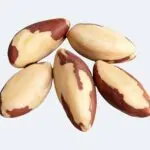
Palmitic acid is in almost every food that has fat. In our USDA ranking per serving, ground lamb leads with 5.8 g in 4 oz (113 g). Ground beef follows at 4.84 g, then Brazil nuts at 2.73 g in 1 oz (28 g).
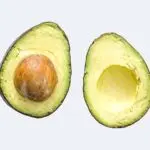
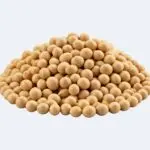
A chicken drumstick with skin and a mackerel fillet come next. Plant foods are in the top ten too: avocado, macadamia nuts and soybeans. The ranking shows their amounts.
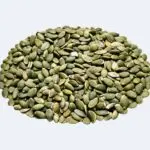
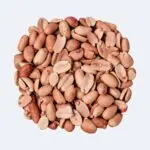
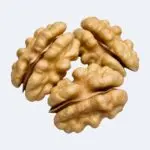
Per 100 g the order changes and nuts and seeds take the top. Brazil nuts lead with 9.63 g, then macadamia nuts with 6.04 g and pumpkin seeds with 5.36 g. Pistachio nuts, peanuts and ground lamb follow.
Oils and cooking fats do not appear in our top ten, but they matter. Palm oil was 43% palmitic acid in one trial and 44% of its fat in a review. FAO and WHO list palmitic acid as the main saturated fat in milk fat and in the muscle and fat of pigs, sheep and cattle. These are mixtures: WHO notes that saturated fats found naturally in foods are generally mixtures, so palmitic acid never arrives alone.
The top-ten list is not a list of foods to avoid. A 2020 review in a cardiology journal argued that you cannot predict a food’s health effects from one nutrient group without the whole diet. In a 6-week trial of 49 people, hard cheese gave lower LDL cholesterol than butter of equal fat content.
WHO’s guideline does not rule out any particular food. It says foods high in saturated fat should be eaten sparingly to stay within the recommended level.
Our arithmetic for scale: across the 134 trial diets in WHO’s 2016 analysis, palmitic acid averaged 5.9% of energy. At about 9 kcal per gram of fat, that is roughly 13 g in a 2,000 kcal diet. So the 5.8 g in 4 oz of ground lamb would be a large share of it. The trial average is not a survey of what people eat.
Per serving. No daily amount is set, so bars compare each food with the top food.
Per 100 g. No daily amount is set, so bars compare each food with the top food.
Per 100 kcal: the same calories of each food, for a fair comparison. Bars compare each food with the top food.
Food labels have no Daily Value or Reference Intake for palmitic acid, so the % compares each food with the top food.
- 1.

- 2.

- 3.
- 4.

- 5.

- 6.
- 7.

- 8.
- 9.

- 10.


- 1.
- 2.
- 3.
- 4.
- 5.
- 6.
- 7.
- 8.
- 9.
- 10.


- 1.
- 2.
- 3.
- 4.

- 5.

- 6.

- 7.
- 8.
- 9.
- 10.



Sources
- FoodData Central. US Department of Agriculture, Agricultural Research Service. Values as shown in the ranking above.
- Tholstrup T, Marckmann P, Jespersen J, Sandström B. Fat high in stearic acid favorably affects blood lipids and factor VII coagulant activity in comparison with fats high in palmitic acid or high in myristic and lauric acids. Am J Clin Nutr. 1994.
- Carta G, Murru E, Banni S, Manca C. Palmitic Acid: Physiological Role, Metabolism and Nutritional Implications. Front Physiol. 2017.
- FAO and WHO. Fats and fatty acids in human nutrition: report of an expert consultation. FAO Food and Nutrition Paper 91. Food and Agriculture Organization. 2010.
- World Health Organization. Saturated fatty acid and trans-fatty acid intake for adults and children: WHO guideline. WHO. 2023.
- Astrup A, Magkos F, Bier DM, et al. Saturated Fats and Health: A Reassessment and Proposal for Food-Based Recommendations: JACC State-of-the-Art Review. J Am Coll Cardiol. 2020.
- Hjerpsted J, Leedo E, Tholstrup T. Cheese intake in large amounts lowers LDL-cholesterol concentrations compared with butter intake of equal fat content. Am J Clin Nutr. 2011.
- Mensink RP. Effects of saturated fatty acids on serum lipids and lipoproteins: a systematic review and regression analysis. World Health Organization. 2016.
How palmitic acid works
Most of what is known about how palmitic acid works comes from human feeding trials and tracer studies, with some cell and mouse work. Six ideas cover it. The body makes it, sugar and alcohol speed that up, and blood levels do not simply mirror intake. It raises LDL cholesterol, cells use it for membranes and signals, and in a dish too much is toxic.
Here is each idea, and what has been seen in people.
Your body makes it from sugar, alcohol and protein
How the body makes palmitic acid, as described in a review and an FAO and WHO report. Not to scale.
Fatty acid synthesis, called de novo lipogenesis, is the main pathway that builds fatty acids from carbohydrates, protein or alcohol. According to FAO and WHO, excess carbohydrate is broken down to acetyl units, and palmitic acid is the end product. Once released, it can be lengthened to stearic acid. A review adds that it can be turned into palmitoleic acid, or lengthened to stearic acid and then turned into oleic acid.
The new fatty acids are bound to glycerol as triglyceride, which the liver exports in VLDL (a blood fat carrier) and fat tissue stores. A labeled-water study of 7 people with type 2 diabetes and 7 matched controls put palmitate at 71% of new fatty acids (44% to 84%). FAO and WHO cite a study that put this new fat making at about 20% of newly formed fat-tissue triglyceride in free-living healthy people.
Sugar and alcohol speed it up
Share of newly made (de novo) fat in VLDL triglyceride, drawn to scale. Orange bars are the maximum share after a high-sugar diet with 30% or 10% fat; magenta bars are the peak share after sugar drinks; green bars are the share of VLDL palmitate before and after alcohol. The studies used different people and methods, so compare the bars within a color only.
How much of the fat in your blood is newly made depends on what you eat. In lean adults on solid-food, high-sugar diets, newly made fatty acids peaked at 43% of VLDL triglyceride on a 10% fat diet. They peaked at 12% on a 30% fat diet, and blood triglycerides rose in line with the amount made. Obese volunteers responded the same way (37% against 6%).
In 6 healthy people, a mix of glucose and fructose gave about twice the absolute new fat making of glucose alone. Blood triglycerides after a later lunch were 11% to 29% higher. Over 10 weeks in overweight adults, fructose-sweetened drinks supplying 25% of energy raised new fat making, and glucose-sweetened drinks did not. In 38 overweight adults overfed simple sugars for 3 weeks, it rose 98%.
Alcohol also feeds it: after 24 g, new fat’s share of VLDL palmitate rose from 2% to 30%. But the absolute rate, 0.8 g over 6 hours, was under 5% of the alcohol dose. A review notes that in healthy people on a regular diet, new fat making adds a modest share and fasting suppresses it. In obesity, insulin resistance and fatty liver disease it is markedly induced.
Blood palmitic acid reflects more than what you eat
Researchers use fatty acids in blood and tissue as markers of diet. A review of the method lists the body’s own synthesis among the factors that shape the result. In a controlled trial in 16 adults with metabolic syndrome, saturated fat went from 46 to 84 g a day, then down to 32 g.
Yet the share of total saturated fatty acids in blood fats did not change significantly, while palmitoleic acid rose with carbohydrate. The review by Carta and colleagues reports the same pattern. Changes in palmitic acid intake do not move tissue levels much, because production balances the supply.
Cohorts still link higher blood palmitic acid to type 2 diabetes. In EPIC-InterAct, each standard deviation higher went with 1.26 times the risk. In 17 pooled cohorts, the top fifth had 1.53 times the risk of the bottom.
WHO’s 2023 guideline reviewed such tissue studies and found palmitic acid strongly associated with a higher risk of type 2 diabetes. But it did not use them for its recommendations, because the body’s own synthesis of saturated fatty acids cannot be estimated consistently. A high level is a flag, not a verdict, and we found no official cut-off for a blood palmitic acid level.
It raises LDL cholesterol compared with carbohydrate
WHO’s 2016 regression analysis, done for its 2023 guideline, pooled 52 strictly controlled feeding trials (134 diets). It estimated what happens when 1% of daily energy from carbohydrate is replaced by one fatty acid. In those diets palmitic acid averaged 5.9% of energy, with a range of 1.0% to 20.8%.
Change in LDL cholesterol in mmol/L when 1% of daily energy from carbohydrate is replaced by each fatty acid, drawn to scale. Orange bars are significant rises. The green bar for stearic acid is below zero and not significant. Values come from a regression analysis of 52 controlled trials.
For palmitic acid, LDL cholesterol rose 0.036 mmol/L (a unit for blood levels) per 1% of energy. HDL cholesterol rose 0.010, and triglycerides fell 0.011. The ratio of total to HDL cholesterol did not change significantly, but the ratio of LDL to HDL rose 0.013. Stearic acid had no significant effect on any blood fat.
By our arithmetic, if the straight-line estimate holds, swapping 5% of energy from carbohydrate to palmitic acid would raise LDL by about 0.18 mmol/L. WHO’s guideline ranks the size of the LDL effect as myristic acid, then palmitic acid, then lauric acid. It notes that lauric and myristic acid intakes were low in the trials (a mean of 1.2% of energy).
A review of the mechanisms says saturated fatty acids raise LDL by increasing the formation of LDL in the blood and slowing its turnover. Unsaturated fatty acids, by contrast, raise the number of LDL receptors in the liver. Much of that work was done in animals.
Cells use it for membranes, protein tags and lung surfactant
Palmitic acid makes up 20% to 30% of the fatty acids in membrane phospholipids and in body fat. The review by Carta and colleagues estimates that a 70 kg man holds about 3.5 kg of it. In mammals, cells attach it to several hundred proteins in a reversible step called S-palmitoylation, which helps proteins stick to membranes.
The main surface-active fat in lung surfactant carries two palmitic acid chains and is about 60% of the surfactant’s lipids. The body also makes palmitoylethanolamide from it.
The authors argue that harm comes when the balance between palmitic acid and unsaturated fats is lost, as with a surplus of energy and sugar. That is a hypothesis from a review, not a trial result.
In a dish, too much is toxic
In cultured cells, excess palmitic acid was poorly turned into triglyceride and triggered cell death. Oleic acid was tolerated and rescued the cells. In mice, a short palm-oil-rich diet, or briefly exposing tumor cells to palmitic acid, left oral cancer and melanoma cells more able to spread. That was not seen with oleic or linoleic acid.
Neither result has been tested in people in the studies on this page.
What has been seen in people
The human trials agree on direction. Palm oil and palmitic acid-rich fats raised LDL cholesterol compared with oleic acid-rich or polyunsaturated fats. HDL cholesterol rose too, which is why the total to HDL ratio moved little in the 60-trial meta-analysis.
Against stearic acid the results are mixed. LDL cholesterol was 0.14 mmol/L lower on stearic acid in a 34-person trial. A 51-person trial of interesterified fats found no difference in the total to HDL ratio.
Overeating palm oil raised liver fat by 50% in 61 people, and the effect reversed with calorie restriction. No trial has tested palmitic acid alone on heart attacks, strokes or deaths, and WHO says it found none for any single saturated fatty acid.
Sources
- FAO and WHO. Fats and fatty acids in human nutrition: report of an expert consultation. FAO Food and Nutrition Paper 91. Food and Agriculture Organization. 2010.
- Carta G, Murru E, Banni S, Manca C. Palmitic Acid: Physiological Role, Metabolism and Nutritional Implications. Front Physiol. 2017.
- Wilke MS, French MA, Goh YK, Ryan EA, Jones PJ, Clandinin MT. Synthesis of specific fatty acids contributes to VLDL-triacylglycerol composition in humans with and without type 2 diabetes. Diabetologia. 2009.
- Hudgins LC, Hellerstein MK, Seidman CE, Neese RA, Tremaroli JD, Hirsch J. Relationship between carbohydrate-induced hypertriglyceridemia and fatty acid synthesis in lean and obese subjects. J Lipid Res. 2000.
- Parks EJ, Skokan LE, Timlin MT, Dingfelder CS. Dietary sugars stimulate fatty acid synthesis in adults. J Nutr. 2008.
- Stanhope KL, Schwarz JM, Keim NL, et al. Consuming fructose-sweetened, not glucose-sweetened, beverages increases visceral adiposity and lipids and decreases insulin sensitivity in overweight/obese humans. J Clin Invest. 2009.
- Luukkonen PK, Sädevirta S, Zhou Y, et al. Saturated Fat Is More Metabolically Harmful for the Human Liver Than Unsaturated Fat or Simple Sugars. Diabetes Care. 2018.
- Siler SQ, Neese RA, Hellerstein MK. De novo lipogenesis, lipid kinetics, and whole-body lipid balances in humans after acute alcohol consumption. Am J Clin Nutr. 1999.
- Hodson L, Skeaff CM, Fielding BA. Fatty acid composition of adipose tissue and blood in humans and its use as a biomarker of dietary intake. Prog Lipid Res. 2008.
- Volk BM, Kunces LJ, Freidenreich DJ, et al. Effects of step-wise increases in dietary carbohydrate on circulating saturated Fatty acids and palmitoleic Acid in adults with metabolic syndrome. PLoS One. 2014.
- Forouhi NG, Koulman A, Sharp SJ, et al. Differences in the prospective association between individual plasma phospholipid saturated fatty acids and incident type 2 diabetes: the EPIC-InterAct case-cohort study. Lancet Diabetes Endocrinol. 2014.
- Imamura F, Fretts AM, Marklund M, et al. Fatty acids in the de novo lipogenesis pathway and incidence of type 2 diabetes: A pooled analysis of prospective cohort studies. PLoS Med. 2020.
- World Health Organization. Saturated fatty acid and trans-fatty acid intake for adults and children: WHO guideline. WHO. 2023.
- Mensink RP. Effects of saturated fatty acids on serum lipids and lipoproteins: a systematic review and regression analysis. World Health Organization. 2016.
- Fernandez ML, West KL. Mechanisms by which dietary fatty acids modulate plasma lipids. J Nutr. 2005.
- Listenberger LL, Han X, Lewis SE, et al. Triglyceride accumulation protects against fatty acid-induced lipotoxicity. Proc Natl Acad Sci U S A. 2003.
- Pascual G, Domínguez D, Elosúa-Bayes M, et al. Dietary palmitic acid promotes a prometastatic memory via Schwann cells. Nature. 2021.
- van Rooijen MA, Plat J, Blom WAM, Zock PL, Mensink RP. Dietary stearic acid and palmitic acid do not differently affect ABCA1-mediated cholesterol efflux capacity in healthy men and postmenopausal women: A randomized controlled trial. Clin Nutr. 2021.
- Hall WL, Wood E, Joris PJ, et al. The effects of consumption of interesterified fats rich in palmitic acid compared with stearic acid on intermediary markers of cardiometabolic disease risk: a randomized controlled trial in healthy adults. Am J Clin Nutr. 2025.
- Rosqvist F, Kullberg J, Ståhlman M, et al. Overeating Saturated Fat Promotes Fatty Liver and Ceramides Compared With Polyunsaturated Fat: A Randomized Trial. J Clin Endocrinol Metab. 2019.
How much palmitic acid do you need?
No daily amount of palmitic acid is set. The FDA has set no Daily Value for it and the EU no EU Reference Intake. Health bodies limit saturated fat as a group, not palmitic acid alone.
The body makes palmitic acid, and the essential fatty acids are different ones. FAO and WHO note that mammals cannot make linoleic acid or alpha-linolenic acid. Palmitic acid, by contrast, is the end product of the body’s own fatty acid synthesis. We found no deficiency disease for palmitic acid.
The official values below are for saturated fat as a whole. WHO’s 2023 guideline says the evidence on individual saturated fats is not enough for recommendations on palmitic acid or any other single one.
| Source | Group | Value | Notes | Source |
|---|---|---|---|---|
| WHO guideline, 2023 | Adults and children | Reduce saturated fat to 10% of total energy (strong recommendation); further reduction to less than 10% suggested (conditional) | Replace it with polyunsaturated fat (strong), plant monounsaturated fat or fiber-rich carbohydrates (conditional). No recommendation for single saturated fats. | 1 |
| EFSA, 2010 | Not stated in the abstract | Saturated fatty acid intake should be as low as possible | The opinion’s abstract gives no number for saturated fat. | 2 |
| Dietary Guidelines for Americans, 2020-2025 | Ages 2 and older | Less than 10 percent of calories per day from saturated fat | Part of the guidelines’ limits on added sugars, saturated fat and sodium. | 3 |
| FDA Daily Value | Nutrition Facts labels | Saturated fat: 20 g | A label value for the whole class of saturated fats. | 4 |
Our arithmetic for a 2,000 kcal diet: 10% of energy is 200 kcal, about 22 g of saturated fat at 9 kcal per gram. That is the limit for all saturated fats together, and palmitic acid is only part of it. One 4 oz serving of ground lamb holds 5.8 g of palmitic acid in our ranking.
Sources
- World Health Organization. Saturated fatty acid and trans-fatty acid intake for adults and children: WHO guideline. WHO. 2023.
- EFSA Panel on Dietetic Products, Nutrition and Allergies. Dietary reference values for fats. EFSA Journal. 2010;8(3):1461.
- US Department of Agriculture and US Department of Health and Human Services. Dietary Guidelines for Americans, 2020-2025: executive summary. 9th edition. December 2020.
- US Food and Drug Administration. Daily Value on the Nutrition and Supplement Facts Labels. FDA. Accessed October 2026.
- FAO and WHO. Fats and fatty acids in human nutrition: report of an expert consultation. FAO Food and Nutrition Paper 91. Food and Agriculture Organization. 2010.
- FoodData Central. US Department of Agriculture, Agricultural Research Service. Values as shown in the ranking above.
Forms of palmitic acid: absorption and effects
Palmitic acid reaches you in palm oil, milk fat or meat fat, as fat your own liver makes, and as a few engineered fats. The pure acid is a solid used in soap and cosmetics. We found no randomized trial of a palmitic acid supplement for a health benefit in people.
What differs between sources is the company the acid keeps, and where it sits on the glycerol backbone of the triglyceride. In human milk, palmitic acid sits mainly at the middle (sn-2) position, while palm oil carries most of it at the outer positions. The honest bottom line is that the trials test whole fats, and no trial separates the acid from the fat around it.
Popular claims need care. We found no trial that tested palmitic acid as a skin treatment, whether eaten or applied. It is an ingredient in cosmetics, not a proven skin remedy. Palmitoylethanolamide, sold for pain, is a different compound, so its trials say nothing about eating palmitic acid.
| Form | What it is | What studies show | Source |
|---|---|---|---|
| Palm oil and palm olein | Vegetable fat, 43% to 44% palmitic acid | Raised LDL cholesterol by 0.24 mmol/L compared with vegetable oils low in saturated fat, and gave 14% higher LDL cholesterol than soybean oil in 15 adults. In a 51-study review, most of the same markers were lower than on diets rich in myristic and lauric acids, and only favorable changes were seen against trans fat. | 1, 2, 3, 4, 13 |
| Dairy fat (butter, cheese) | Milk fat, where palmitic acid predominates among the saturated fats | In 49 people, hard cheese gave lower total and LDL cholesterol than butter of equal fat content over 6 weeks, and did not raise LDL cholesterol compared with the run-in diet. | 5, 6 |
| Meat fat and lard | Animal fat, where palmitic acid is the main saturated fat | Palmitic acid at the sn-2 position was 70.5 mol% in lard, against 9.2 mol% in palm olein. After a 50 g fat meal, blood triglyceride rose less after lard than after sunflower oil or palm olein in 50 adults. | 5, 7 |
| Made in the body | Palmitic acid from de novo lipogenesis | Palmitate was 71% of the fatty acids made in 14 people. Lipogenesis is suppressed by fasting and induced in obesity, insulin resistance and fatty liver disease. | 13, 14 |
| sn-2 palmitate infant formula | Formula fat blended so that more palmitic acid sits at the sn-2 position, as in human milk | Softer stools and higher bone mineral content than standard formula in trials, and similar to human milk. A 2019 European position paper found insufficient evidence to avoid palm oil in formula and called sn-2 palmitate non-essential. | 5, 8, 9, 10 |
| Interesterified palm fats | Palm fat whose fatty acids were rearranged, which can raise palmitic acid at sn-2 | Lowered the post-meal triglyceride rise compared with palm olein in 50 adults. In 53 adults it did not change insulin secretion or glucose, and LDL cholesterol was 0.3 mmol/L lower on high-oleic sunflower oil than on either palm fat. A review says long-term effects are less well understood. | 7, 11, 12 |
| Palmitoylethanolamide (PEA) | A different compound: an amide the body makes from palmitic acid | A meta-analysis of 10 studies found it reduced pain more than inactive controls, but the trials were small and varied, with poor quality and poor side effect reporting. It is not evidence about eating palmitic acid. | 13, 15 |
| Pure palmitic acid | A white solid used in soap, cosmetics and as a food additive | Listed as an emulsifier and emollient in cosmetics. The Cosmetic Ingredient Review panel judged it safe in cosmetics when formulated to be non-irritating, and it was a mild irritant on human skin in one test (75 mg over 3 days). We found no supplement trials. | 16 |
Here are the form-specific and head-to-head studies, strongest evidence first, 4 in all.
All 4 studies, strongest evidence first
sn-2 palmitate formula added 0.81 g a day of weight gain
This meta-analysis pooled 16 trials with 1,931 infants, against standard formula. Babies on it also had fewer fatty acid soaps in stool (−3.47 mg/100 mg) and higher bone mineral content (7.08). There was no difference between sn-2 palmitate formula and human milk. The comparison is about where palmitic acid sits on the fat molecule, here the middle spot, not about more palmitic acid.
High sn-2 formula gave babies more bone mineral at 12 weeks
In this double-blind trial, healthy newborns got standard formula (103 infants) or formula with half its palmitate at sn-2 (100 infants). Bone mineral content was 128.1 g against 122.7 g, stools were softer at 6 and 12 weeks, and stool soap fatty acids were lower. The 120 breast-fed infants studied alongside had 128.3 g, similar to the high sn-2 group. The authors say the larger bone mass matters only if it lasts.
In 49 adults, hard cheese gave lower LDL than equal-fat butter
In this randomized crossover trial, 13% of energy came from cheese or butter for two 6-week periods. Cheese also gave lower total and HDL cholesterol and higher glucose. It did not raise LDL cholesterol compared with the run-in diet, and fecal fat did not differ. Both foods are dairy fat, and the trial did not measure which fatty acid explains the gap.
More sn-2 palmitic acid lowered the triglyceride rise after meals
In random order, 50 healthy adults (25 men and 25 women) ate meals with 50 g of fat from each source. The fats, with their palmitic acid at sn-2, were high-oleic sunflower oil (0.6 mol%), palm olein (9.2), interesterified palm olein (39.1) and lard (70.5). The triglyceride rise was 34% lower after lard than after sunflower oil and 26% lower than after palm olein. This is a single-meal result in healthy people, not a long-term effect.
Sources
- Tholstrup T, Marckmann P, Jespersen J, Sandström B. Fat high in stearic acid favorably affects blood lipids and factor VII coagulant activity in comparison with fats high in palmitic acid or high in myristic and lauric acids. Am J Clin Nutr. 1994.
- Sun Y, Neelakantan N, Wu Y, Lote-Oke R, Pan A, van Dam RM. Palm Oil Consumption Increases LDL Cholesterol Compared with Vegetable Oils Low in Saturated Fat in a Meta-Analysis of Clinical Trials. J Nutr. 2015.
- Fattore E, Bosetti C, Brighenti F, Agostoni C, Fattore G. Palm oil and blood lipid-related markers of cardiovascular disease: a systematic review and meta-analysis of dietary intervention trials. Am J Clin Nutr. 2014.
- Vega-López S, Ausman LM, Jalbert SM, Erkkilä AT, Lichtenstein AH. Palm and partially hydrogenated soybean oils adversely alter lipoprotein profiles compared with soybean and canola oils in moderately hyperlipidemic subjects. Am J Clin Nutr. 2006.
- FAO and WHO. Fats and fatty acids in human nutrition: report of an expert consultation. FAO Food and Nutrition Paper 91. Food and Agriculture Organization. 2010.
- Hjerpsted J, Leedo E, Tholstrup T. Cheese intake in large amounts lowers LDL-cholesterol concentrations compared with butter intake of equal fat content. Am J Clin Nutr. 2011.
- Sanders TA, Filippou A, Berry SE, Baumgartner S, Mensink RP. Palmitic acid in the sn-2 position of triacylglycerols acutely influences postprandial lipid metabolism. Am J Clin Nutr. 2011.
- Kennedy K, Fewtrell MS, Morley R, et al. Double-blind, randomized trial of a synthetic triacylglycerol in formula-fed term infants: effects on stool biochemistry, stool characteristics, and bone mineralization. Am J Clin Nutr. 1999.
- Zhang Z, Wang Y, Li Y, et al. Effects of Sn-2-palmitate-enriched formula feeding on infants’ growth, stool characteristics, stool fatty acid soap contents and bone mineral content: A systematic review and meta-analysis of randomized controlled trials. Crit Rev Food Sci Nutr. 2023.
- Bronsky J, Campoy C, Embleton N, et al. Palm Oil and Beta-palmitate in Infant Formula: A Position Paper by the European Society for Paediatric Gastroenterology, Hepatology, and Nutrition (ESPGHAN) Committee on Nutrition. J Pediatr Gastroenterol Nutr. 2019.
- Mensink RP, Sanders TA, Baer DJ, Hayes KC, Howles PN, Marangoni A. The Increasing Use of Interesterified Lipids in the Food Supply and Their Effects on Health Parameters. Adv Nutr. 2016.
- Filippou A, Teng KT, Berry SE, Sanders TA. Palmitic acid in the sn-2 position of dietary triacylglycerols does not affect insulin secretion or glucose homeostasis in healthy men and women. Eur J Clin Nutr. 2014.
- Carta G, Murru E, Banni S, Manca C. Palmitic Acid: Physiological Role, Metabolism and Nutritional Implications. Front Physiol. 2017.
- Wilke MS, French MA, Goh YK, Ryan EA, Jones PJ, Clandinin MT. Synthesis of specific fatty acids contributes to VLDL-triacylglycerol composition in humans with and without type 2 diabetes. Diabetologia. 2009.
- Artukoglu BB, Beyer C, Zuloff-Shani A, Brener E, Bloch MH. Efficacy of Palmitoylethanolamide for Pain: A Meta-Analysis. Pain Physician. 2017.
- National Center for Biotechnology Information. PubChem compound summary for palmitic acid (CID 985). US National Library of Medicine. Includes entries from the Hazardous Substances Data Bank.
Is palmitic acid safe? Limits and who should watch it
At the amounts in ordinary food, palmitic acid is not a poison. It is a normal part of the body, and we found no upper limit set for it alone. JECFA, the FAO and WHO expert committee on food additives, found no safety concern at current intake levels for its use as a flavoring.
What is limited is saturated fat as a group: 10% of energy, by WHO and by the US guidelines. The reason is its effect on LDL cholesterol and cardiovascular risk. Palmitic acid is a major part of that class, but no authority sets a separate number for it.
- People with high LDL cholesterol or heart disease. In the Cochrane review, 56 people without cardiovascular disease had to cut saturated fat for about four years to avoid one cardiovascular event. For people who already had it, the number was 53. WHO’s 10% is a population guideline, so ask a doctor or dietitian about your own target, especially if you take cholesterol medicine.
- Overeating with palm oil or saturated fat. In overfeeding trials of 8 weeks and 3 weeks, extra saturated fat (palm oil in the longer one) raised liver fat by 50% and 55%. The changes reversed with calorie restriction in the longer trial. These were extra calories on top of usual food, not a usual diet.
- Infant formula. A 2019 European position paper found insufficient evidence to avoid palm oil as a fat source in infant formula for health reasons. It found no study of later disease markers. Ask a pediatrician about formula choices.
- Skin and eyes. PubChem reports that palmitic acid was a mild irritant on human skin in a 3-day test of 75 mg in total. It cites the Cosmetic Ingredient Review panel’s finding that it is safe in cosmetics when formulated to be non-irritating and non-sensitizing. That says nothing about food.
Sources
- National Center for Biotechnology Information. PubChem compound summary for palmitic acid (CID 985). US National Library of Medicine. Includes entries from the Hazardous Substances Data Bank.
- World Health Organization. Saturated fatty acid and trans-fatty acid intake for adults and children: WHO guideline. WHO. 2023.
- US Department of Agriculture and US Department of Health and Human Services. Dietary Guidelines for Americans, 2020-2025: executive summary. 9th edition. December 2020.
- Hooper L, Martin N, Jimoh OF, Kirk C, Foster E, Abdelhamid AS. Reduction in saturated fat intake for cardiovascular disease. Cochrane Database Syst Rev. 2020.
- Rosqvist F, Kullberg J, Ståhlman M, et al. Overeating Saturated Fat Promotes Fatty Liver and Ceramides Compared With Polyunsaturated Fat: A Randomized Trial. J Clin Endocrinol Metab. 2019.
- Luukkonen PK, Sädevirta S, Zhou Y, et al. Saturated Fat Is More Metabolically Harmful for the Human Liver Than Unsaturated Fat or Simple Sugars. Diabetes Care. 2018.
- Bronsky J, Campoy C, Embleton N, et al. Palm Oil and Beta-palmitate in Infant Formula: A Position Paper by the European Society for Paediatric Gastroenterology, Hepatology, and Nutrition (ESPGHAN) Committee on Nutrition. J Pediatr Gastroenterol Nutr. 2019.
How to eat palmitic acid wisely
- Swap, rather than just cut. WHO recommends replacing saturated fat with polyunsaturated fat (strong), or with plant monounsaturated fat or fiber-rich carbohydrates (conditional). In US cohorts, swapping 1% of energy from palmitic acid for polyunsaturated fat went with 12% lower coronary heart disease risk (0.88 times).
- Mind sugar and alcohol too. The body makes palmitic acid from them. In lean adults, a very low-fat, high-sugar diet raised the peak share of new fat in VLDL to 43%, against 12% on 30% fat. Fructose-sweetened drinks supplying 25% of energy raised new fat making over 10 weeks.
- Think in foods, not single acids. WHO does not rule out any food but asks for foods high in saturated fat to be eaten sparingly. In a 6-week trial, hard cheese did not raise LDL compared with butter of equal fat. So the food matters as well as its fat.
Sources
- World Health Organization. Saturated fatty acid and trans-fatty acid intake for adults and children: WHO guideline. WHO. 2023.
- Zong G, Li Y, Wanders AJ, et al. Intake of individual saturated fatty acids and risk of coronary heart disease in US men and women: two prospective longitudinal cohort studies. BMJ. 2016.
- Hudgins LC, Hellerstein MK, Seidman CE, Neese RA, Tremaroli JD, Hirsch J. Relationship between carbohydrate-induced hypertriglyceridemia and fatty acid synthesis in lean and obese subjects. J Lipid Res. 2000.
- Stanhope KL, Schwarz JM, Keim NL, et al. Consuming fructose-sweetened, not glucose-sweetened, beverages increases visceral adiposity and lipids and decreases insulin sensitivity in overweight/obese humans. J Clin Invest. 2009.
- Hjerpsted J, Leedo E, Tholstrup T. Cheese intake in large amounts lowers LDL-cholesterol concentrations compared with butter intake of equal fat content. Am J Clin Nutr. 2011.
History of palmitic acid
Palmitic acid was discovered by the saponification (the soap-making reaction) of palm oil. An 1842 memoir by the French chemist Edmond Frémy on the products of palm oil saponification is cited as the early record. That route, from palm oil, is still the main industrial route for making the acid, and PubChem lists palm oil as a starting material. FAO and WHO list the acid as present in most fats and oils.
What it does to cholesterol was worked out in feeding trials much later. In a 1992 study of 14 men, a palm oil diet gave a total cholesterol of 5.17 mmol/L and an LDL cholesterol of 3.93. That compared with 4.94 and 3.70 on a lauric-rich oil, and 4.44 and 3.31 on high-oleic sunflower oil.
In 2003, Mensink and colleagues pooled 60 controlled trials published from 1970 to 1998. WHO commissioned an update that added trials through 2013. In 2023 the guideline built on it set the 10% limit for saturated fat as a whole.
Sources
- Wikipedia contributors. Palmitic acid. Wikimedia Foundation. Accessed October 2026.
- National Center for Biotechnology Information. PubChem compound summary for palmitic acid (CID 985). US National Library of Medicine. Includes entries from the Hazardous Substances Data Bank.
- FAO and WHO. Fats and fatty acids in human nutrition: report of an expert consultation. FAO Food and Nutrition Paper 91. Food and Agriculture Organization. 2010.
- Denke MA, Grundy SM. Comparison of effects of lauric acid and palmitic acid on plasma lipids and lipoproteins. Am J Clin Nutr. 1992.
- Mensink RP, Zock PL, Kester AD, Katan MB. Effects of dietary fatty acids and carbohydrates on the ratio of serum total to HDL cholesterol and on serum lipids and apolipoproteins: a meta-analysis of 60 controlled trials. Am J Clin Nutr. 2003.
- Mensink RP. Effects of saturated fatty acids on serum lipids and lipoproteins: a systematic review and regression analysis. World Health Organization. 2016.
- World Health Organization. Saturated fatty acid and trans-fatty acid intake for adults and children: WHO guideline. WHO. 2023.
Frequently asked questions about palmitic acid
Is palmitic acid bad for you?
Not in the way a poison is, but more of it raises some risk markers. In feeding trials it raised LDL cholesterol by 0.036 mmol/L for each 1% of energy swapped in for carbohydrate. It raised HDL cholesterol too, so the ratio of total to HDL cholesterol barely moved in a 60-trial meta-analysis.
WHO asks for saturated fat as a whole to stay at 10% of energy. It says the evidence on single saturated fats is not enough for a limit on palmitic acid alone. The body also makes it and needs it for membranes.
What foods are high in palmitic acid?
In our USDA ranking per serving, ground lamb leads with 5.8 g in 4 oz. Ground beef follows with 4.84 g, then Brazil nuts with 2.73 g in 1 oz. Per 100 g, Brazil nuts lead with 9.63 g.
Palm oil is 43% to 44% palmitic acid, and milk fat and meat fat carry it as their main saturated fat. Foods carry mixes of fats, so palmitic acid never comes alone.
Is palm oil unhealthy because of its palmitic acid?
Palm oil raised LDL cholesterol by 0.24 mmol/L compared with vegetable oils low in saturated fat in a meta-analysis of trials. Overeating palm oil muffins raised liver fat by 50% in 61 people. But palm oil is a mix of fats.
In a 51-study review, most of the same markers were lower on palm oil than on diets rich in myristic and lauric acids. Against trans fat, palm oil brought only favorable changes. A 2019 European position paper found insufficient evidence to avoid palm oil in infant formula.
Does sugar turn into palmitic acid?
Partly. The liver turns extra carbohydrate into fat, and palmitic acid is the end product of that pathway. Palmitate was 71% of the fatty acids made in 14 people.
In lean adults on high-sugar diets, new fatty acids peaked at 43% of VLDL triglyceride on a 10% fat diet, against 12% on 30% fat. Fructose-sweetened drinks raised new fat making over 10 weeks. And 24 g of alcohol raised new fat’s share of VLDL palmitate from 2% to 30%, though that was under 5% of the alcohol dose.
Palmitic acid vs stearic acid vs lauric acid: which raises LDL most?
In WHO’s 2016 analysis, for each 1% of energy swapped in for carbohydrate, myristic acid raised LDL cholesterol by 0.044 mmol/L. Palmitic acid raised it by 0.036 and lauric acid by 0.017, while stearic acid had no significant effect. Lauric acid raised HDL cholesterol more, so it lowered the total to HDL ratio.
In a 34-person trial, stearic acid lowered LDL cholesterol by 0.14 mmol/L compared with palmitic acid. But a 51-person trial of interesterified fats found no difference in the total to HDL ratio.
Is palmitic acid good for skin?
We found no trial that tested palmitic acid for skin health, eaten or applied. PubChem lists it as an emulsifier and emollient (skin softener) in cosmetics. The Cosmetic Ingredient Review panel judged it safe in cosmetics when formulated to be non-irritating. In a human test it was a mild irritant at 75 mg in total over 3 days, and eating it has no known skin benefit.
What does a high blood palmitic acid level mean?
In EPIC-InterAct, each standard deviation higher plasma palmitic acid went with a 26% higher risk of type 2 diabetes. In 17 pooled cohorts, the top fifth had a 53% higher risk than the bottom. But the body makes palmitic acid, and in a 16-person trial blood saturated fats did not follow diet. We found no official cut-off, and the studies cannot say that eating it caused the risk.