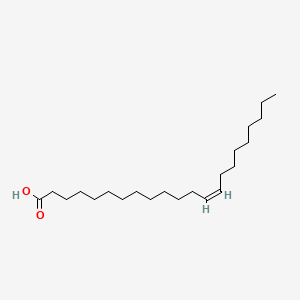
Erucic acid (cis-13-docosenoic acid, 22:1 n-9, C22H42O2) is a monounsaturated omega-9 fat with 22 carbons. That makes it a very long chain fatty acid. Seeds of the cabbage and mustard family make it, mainly rapeseed and mustard, and the name comes from Eruca, the genus that includes arugula.
The Codex Alimentarius, the international food standards code, lists erucic acid at 22.0% to 50.0% of the fatty acids in mustard seed oil. In rapeseed oil that is not the low-erucic type, it lists more than 2.0% and up to 60.0%.
Erucic acid matters because of its limit, not because of a benefit. Young rats, piglets and monkeys fed large amounts of it stored fat in heart muscle. In rats, months of feeding were followed by small scars.
Canadian breeders responded by cutting the erucic acid in rapeseed oil. The result was canola, which Codex and the US FDA define as no more than 2% erucic acid.
In 2016 the European Food Safety Authority (EFSA) set a tolerable daily intake of 7 mg per kilogram of body weight a day. That is the most you can eat every day, long term, without appreciable risk. In 2019 the EU lowered its maximum for most vegetable oils to 20 g per kilogram.
The human evidence is thin. Reviews in 2018 and 2023 say the heart change seen in animals has not been documented or confirmed in people. We found no randomized trial of erucic acid that tested a health outcome.
What exists is a set of small trials of Lorenzo’s oil, used for a rare brain disease. It is a 4 to 1 mix of glyceryl trioleate and glyceryl trierucate. It lowered a harmful blood fat but did not help people who already had symptoms. There are also cohort studies of mustard oil that point in different directions.
Erucic acid is not one of the two fats you must eat: those are linoleic acid and alpha-linolenic acid.
Health benefits of erucic acid
The top findings from 25 studies, strongest evidence first
What the stars mean
- Strong. Several randomized trials, pooled in a meta-analysis, point the same way, or regulators (FDA or EFSA) have approved the claim.
- Moderate. Good randomized trials support it, but there are fewer of them, or their results vary.
- Limited. Small, short or single trials, or mixed results. Promising, but it needs confirmation.
Population and lab studies get no stars: they show a link or a mechanism, not proof.
How we rate evidence →- ★Blood marker fell, but disease still progressedLorenzo’s oil, a mix of two oils (one holding erucic acid), lowered harmful blood fats in people with adrenoleukodystrophy, a rare inherited brain disease. Even so, none of 14 men improved in one trial, and disability still rose in another.
- ★Lower platelet counts on Lorenzo’s oilIn 39 people with adrenoleukodystrophy taking Lorenzo’s oil, mean platelets fell from 247,000 to 169,000 per mm³ in 6 months. Counts fell in all 5 patients in another study and recovered after the oil was stopped.
- ★No better eye nerve signals after a yearIn 70 retested patients with the adrenomyeloneuropathy form, eye nerve signals did not improve after a year of Lorenzo’s oil, though blood fats fell.
- ★Nerve signals improved in 5 carrier womenIn 5 women who carry the gene, Lorenzo’s oil plus conjugated linoleic acid improved a test of nerve signals over 2 months. It was a small study without a control group, and the result belongs to the mix and not to erucic acid.
- Population studyHigher blood levels linked to more heart failureIn two US studies, people with the highest blood levels of 22:1 fats had 1.34 and 1.57 times the heart failure risk. These fats include erucic acid, but the study could not separate them, and links do not show cause.
All 22 studies, strongest evidence first
On Lorenzo’s oil, 24% of 89 boys developed MRI abnormalities
The boys had X-linked adrenoleukodystrophy, a rare inherited brain disease, and a normal brain scan (MRI) at the start. This single-arm study had no untreated comparison group, so it cannot show that the oil prevents anything. All boys also ate a moderately fat-restricted diet, and they were followed for 6.9 ± 2.7 years. Of the 89 boys, 11% developed both neurological and MRI abnormalities. MRI abnormalities appeared only in the 64 boys aged 7 or younger at the start. A rising blood level of hexacosanoic acid (C26:0), a very long saturated fat, went with higher risk. Each 0.1 µg/mL rise in the area under the C26:0 curve meant 1.36 times the rate of new MRI abnormalities. The treatment was Lorenzo’s oil, a 4:1 mix of glyceryl trioleate and glyceryl trierucate. The authors recommend it for boys with a normal MRI.
Mean platelets fell from 247,000 to 169,000 per mm³ in 6 months
In this controlled trial at Johns Hopkins, 39 people with adrenoleukodystrophy took Lorenzo’s oil and 19 ate a control diet. The abstract does not say people were randomly assigned. Control-diet counts were 259,000 per mm³ at baseline and 267,000 at 6 months, so they did not change. Platelet counts fell the more erucic acid, and omega-9 fatty acids made from it, the platelets held. The authors conclude that eating erucic acid affects platelet biology, and raise the question for regions where it is widely eaten. The oil was a mix of glyceryl trioleate and glyceryl trierucate.
Blood fats nearly normalized by week 10; none of 14 men improved
This open trial had no placebo group and lasted about 33 months. It took 14 men with adrenomyeloneuropathy (a spinal cord form of the disease), 5 women carriers with symptoms and 5 boys with preclinical disease. All ate a low-fat diet, with daily glycerol trioleate oil at 1.7 g and glycerol trierucate oil at 0.3 g per kilogram of body weight. Blood very-long-chain fatty acids fell, yet nine men worsened, four of them with new cerebral lesions on MRI. One of the five boys developed signs of myelopathy. Asymptomatic thrombocytopenia (under 100,000 platelets per mm³) appeared in six patients. The authors found no evidence of a clinically relevant benefit.
In 22 patients, the harmful blood fat fell, yet disability still rose
This uncontrolled study included 2 people with no symptoms, 4 with the Addison-only form, 13 with adrenomyeloneuropathy and 3 symptomatic female carriers. Over a median of 2.5 years, blood C26:0 normalized or nearly so in 19. Disability scores still rose by 0.5 in the 16 people with neurological symptoms. Mild liver enzyme rises and thrombocytopenia each occurred in 55%, stomach complaints in 14% and gum inflammation in 14%. The authors advise against routine use in patients who already have neurological deficits.
After a year, none of 70 patients had better visual signals
The retested patients had the adrenomyeloneuropathy form, and their very-long-chain fatty acids had fallen markedly. Of 108 patients tested at the start, 68 of 82 men and all 26 women had normal visual evoked potentials (an eye nerve signal test). In the 10 men who were abnormal at baseline the results stayed abnormal, and 4 men with normal results at baseline became abnormal. Changes in the signals did not track changes in very-long-chain fatty acids. The authors found no evidence that lowering these fats improved or slowed damage to the visual pathways. Treatment was glycerol trioleate and Lorenzo oil.
Erucic acid lowered C26:0 further, but 6 of 8 worsened
In a double-blind crossover part, erucic acid was added for patients already on oleic acid; the abstract does not give its size. Twelve newly diagnosed patients then ate a diet enriched with erucic acid and oleic acid for 2 to 19 months. Mean C26:0 fell to normal by 4 weeks. Over about a year, the 6 who worsened or showed progression had moderate to advanced disease. Two mildly affected patients stayed stable after 10 and 19 months. Tissue from one boy who died after 10 months suggested that dietary erucic acid had entered the heart, liver, adrenal gland and brain. No adverse effects were reported here; later trials found falling platelet counts.
Platelets fell in all 5 patients on the oil mix
These patients took glycerol trioleate with glycerol trierucate, and counts fell to between 84,000 and 37,000 per mm³ in 3 of them. No bleeding symptoms occurred, and bleeding time stayed normal. The fall was fully reversible after the oil was stopped, and dose dependent when it was restarted at stepwise higher doses. Mean platelet volumes were increased, and bone marrow biopsies showed no sign of reduced platelet production. The authors advise close platelet monitoring, because thrombocytopenia (low platelets) may limit the maximal daily dose.
In 5 carrier women, Lorenzo’s oil plus CLA improved nerve signals
These women carry the adrenoleukodystrophy gene, and this small open study had no control group. They took 40 g a day of Lorenzo’s oil plus 5 g a day of conjugated linoleic acid (CLA) for 2 months. Somatosensory evoked potentials, a test of nerve signals from the body, improved. Plasma C26:0 and the ratio of C26:0 to C22:0 fell. CLA crossed into the spinal fluid, where the inflammatory marker interleukin-6 fell in three of the five. On Lorenzo’s oil alone, evoked potentials had been unchanged or worse, the authors say. So the result belongs to the mix and not to erucic acid.
Higher blood 22-carbon monounsaturated fats went with more heart failure
These 2 US prospective cohorts were 3,694 older adults (Cardiovascular Health Study) and 3,577 middle-aged adults (ARIC, Minnesota). They had 997 and 330 heart failure events. The top fifth of blood levels had 1.34 and 1.57 times the risk of the bottom fifth (hazard ratios). The marker was 22:1 in plasma phospholipids; the abstract does not separate erucic acid from other 22:1 fats. Fish, poultry, meats, whole grains and mustard were related to blood levels. The authors suggest possible cardiotoxicity in humans, but an association cannot show cause.
In India, heavy mustard oil use went with more gallbladder cancer
This case-control study, which compares people with a disease to people without, had 1,170 cases and 2,525 controls at India’s largest cancer hospital. Diet came from a food frequency questionnaire. In high-risk regions the odds ratio was 1.33, which is compatible with no effect; in low-risk regions it was 3.01. Deep frying fresh fish in mustard oil had an odds ratio of 1.57. Erucic acid was not measured, and the authors say the finding needs confirmation.
Cooking with mustard oil went with about half the heart attack risk
This hospital case-control study in India compared 350 heart attack patients with 700 matched controls in 8 hospitals in New Delhi and Bangalore. Long-term diet came from food frequency questionnaires. Against sunflower oil, the relative risk for frying with mustard oil was 0.29, and for cooking 0.49. The authors credit the alpha-linolenic acid in mustard oil, and erucic acid was not examined. Other differences between users of each oil can distort a case-control comparison.
In India, homes using mainly mustard oil had less overweight and obesity
National surveys covered 638,445 women and 92,312 men in India. Two surveys were joined by matching households, so oil use is a household measure and not a personal one. Overweight or obesity was 17% in women and 15% in men in mustard-oil households, against 27% and 26% in other households. The odds ratios were 0.88 for women and 0.80 for men. Predominant groundnut oil use showed no link, and the authors say the finding needs further research.
One 200 g mackerel meal could supply 143% of the daily limit
This Norwegian surveillance covered fish feed, farmed and wild fish, and seafood products. The meal figure uses the highest measured level and the tolerable daily intake for a 60 kg person. Erucic acid rose with fat content and was particularly high in fish liver, fish oil and oily fish such as mackerel. EFSA’s 2016 assessment had largely left fish out, because erucic acid was seldom reported separately. This team measures erucic acid (22:1 n-9) apart from cetoleic acid (22:1 n-11). No health outcome was tested.
Only 3 of 14 modeled infant diets stayed clearly below the limit
This was exposure modeling of feeding scenarios from German guidelines, not a measurement in babies. Scenarios used published erucic acid levels in breast milk, formula and German retail rapeseed oil. The three scenarios below the limit gave 4.4 to 6.0 mg per kilogram of body weight a day. High intake or high concentration gave 7.5 to 26.2, and the new EU limits for formula or vegetable oils gave 33.6 and 43.2. The authors call for current data on erucic acid in breast milk and formula.
In 28 Chinese children on high-erucic oil, blood fat patterns looked normal
The children lived in Shaanxi province, and their main cooking oil, high-erucic rapeseed oil, held a mean of 43.83% erucic acid (range 33.91% to 50.48%). By the study’s protocol data, erucic acid gave about 3% of daily energy. Erucic acid showed up in every blood fraction analyzed. The authors saw no sign of erucic acid toxicity, but note that data on erucic acid in human tissue are scarce. They ask whether it worsens the selenium deficiency behind Keshan disease, a heart muscle disease. The abstract reports no heart examination.
EFSA’s limit: 7 mg of erucic acid per kilogram a day
EFSA’s Panel on Contaminants in the Food Chain based this tolerable daily intake (TDI) on heart fat build-up in young rats and newborn piglets. It judged myocardial lipidosis (heart fat build-up), an effect that is reversible and transient during prolonged exposure, to be the critical effect. The no-observed-adverse-effect level was 0.7 g per kilogram of body weight a day. Mean exposure of the population groups did not exceed the TDI. In infants and other children, the 95th percentile ranged from 1.3 to 7.4 mg per kilogram a day. The top value is at the TDI, which may indicate a risk for young people with high intake. Fine bakery wares were the main source for most people, and food for infants and small children for infants.
Rat heart fat peaked in 3 to 7 days, then faded
Young Sprague-Dawley rats ate fully refined rapeseed oils with 1.6%, 4.3% or 22.3% erucic acid for up to 112 days. The oil made up 20% of the diet by weight. Fat build-up was marked with 22.3% erucic acid, moderate with 4.3% and very slight with 1.6%. Yet small areas of heart-muscle death and scarring (focal necrosis and fibrosis) appeared by 112 days, in males far more than females. Oxidizing the oil made no difference, and lesions were generally fewer on the oils lowest in erucic acid.
Up to 5% erucic acid in piglet milk: only trace heart fat
Newborn piglets drank milk replacers whose oil held various levels of erucic acid. Rapeseed oil mixtures with 7% to 42.9% erucic acid caused definite lipidosis that rose with the dose and peaked after one week on the diet. That was more severe than earlier results in weaned pigs. The authors concluded that up to 750 mg of 22:1 n-9 per kilogram a day caused no adverse nutritional or heart effects. EFSA used newborn piglets, with young rats, to set its no-effect level.
Rapeseed oil raised rat heart triglyceride fourfold in days, reversibly
The team used erucic acid, which the heart oxidizes poorly, to test whether heart fat build-up drives cell death after a heart attack. After 3 to 5 days on 20% rapeseed oil, heart triglyceride was 49.5 against 13.6 mg per gram of wet weight in controls. The build-up reversed with continued feeding or a normal diet, and it did not raise tissue calcium or cause cell death. Three months of high intake was linked with small areas of degeneration and loss of muscle cells. That suggests fat lingering for months may harm the heart.
In human heart tissue, erucic acid burned far slower than oleic acid
This French-language report used fragments of heart auricles cut off during intracardiac operations. Mitochondria, the cell’s power plants, were isolated and incubated with radioactively labeled erucic acid or oleic acid. Products of beta-oxidation (fat burning) formed in much lower amounts from erucic acid, and the first activation step was also much lower. The authors read this as a very low capacity of human heart mitochondria to use erucic acid directly for energy, as in other species. The abstract gives no patient numbers, and the result shows a metabolic step, not harm.
After heart attacks in mice, dietary erucic acid worsened function and scarring
A genetic screen (two-sample Mendelian randomization) checked 1,400 serum metabolites against FinnGen heart attack data. It flagged erucic acid as a possible risk metabolite. Mouse experiments then showed worse heart function, fibrosis and mitochondrial damage with erucic acid, in a dose-dependent way. The team traced the effect to a CD36 pathway. Mice and cells are not people, and the abstract does not state the doses used.
In obese, diabetic mice, erucic-rich mustard oil lowered insulin resistance indexes
The diet held 7.0% erucic-acid-rich yellow mustard oil, and it also raised bone mineral density. In cell assays, the oil blocked PPAR-gamma activity and the development of fat cells from stem cells. The same team had earlier found that erucic acid suppresses PPAR-gamma. Kewpie Corporation funded the work and supplied the oil. This is a mouse result, and the oil is a mix, not pure erucic acid.
Foods high in erucic acid
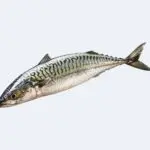
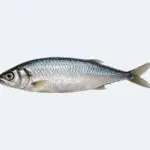
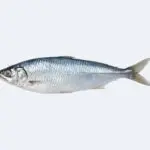
Oily fish lead our ranking, but read the fish numbers with care. A 112 g mackerel fillet shows 1.58 g, and a can (92 g) of sardines 0.99 g. Herring, wild Atlantic salmon and mustard seeds follow.
Per 100 g the order is mackerel 1.41 g and sardines 1.08 g, then herring, wild Atlantic salmon and macadamia nuts. The ranking below shows every amount.
The ranking counts the 22-carbon fats that USDA reports as 22:1. That is not the same as erucic acid (22:1 n-9) alone. Oily fish carry a second 22-carbon fat, cetoleic acid (22:1 n-11).
Norwegian labs measure the two apart. Mean erucic acid was 33.8 to 260.4 mg per 100 g in fillets of oily fish such as mackerel, halibut, herring and salmon. That is far below the figures above.
Lean fish such as cod averaged at most 3.7 mg per 100 g. The livers of cod and saithe held more than 400 mg, and fish oil supplements 371.3 mg. Farmed salmon held more than wild, probably because it carries almost twice the fat. So read the fish rows as a measure of 22:1 fats, and the Norwegian numbers as the better guide to erucic acid.
The richest sources are not in the ranking: oils and condiments. Codex lists erucic acid at 22.0% to 50.0% of the fatty acids in mustard seed oil. In rapeseed oil that is not low in erucic acid, it lists more than 2.0% and up to 60.0%. Low-erucic rapeseed oil (canola) must stay at 2% or less.
Fifteen mustards sold as condiments held 14% to 33% of their lipids as erucic acid, and nine mustard oils ranged from 0.3% to 50.8%. In EFSA’s data, fine bakery wares were the main source for most people, and food for infants and small children for infants.
Refining does not remove it: in rats, heart scarring followed the erucic acid level of the oil and not how refined it was. In two US cohorts, blood levels of 22:1 fats were related to eating fish, poultry, meats, whole grains and mustard.
Per serving. No daily amount is set, so bars compare each food with the top food.
Per 100 g. No daily amount is set, so bars compare each food with the top food.
Per 100 kcal: the same calories of each food, for a fair comparison. Bars compare each food with the top food.
Food labels have no Daily Value or Reference Intake for erucic acid, so the % compares each food with the top food.
- 1.
- 2.
- 3.
- 4.
- 5.
- 6.

- 7.

- 8.

- 9.
- 10.


- 1.
- 2.
- 3.
- 4.
- 5.
- 6.
- 7.
- 8.
- 9.
- 10.
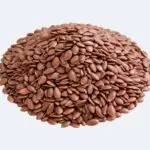

- 1.
- 2.
- 3.
- 4.
- 5.
- 6.
- 7.
- 8.
- 9.
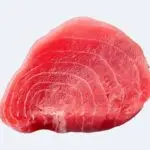
- 10.

Sources
- FoodData Central. US Department of Agriculture, Agricultural Research Service. Values as shown in the ranking above.
- Codex Alimentarius. Standard for named vegetable oils (CODEX STAN 210-1999). Amendment 2015.
- Sissener NH, Ørnsrud R, Sanden M, et al. Erucic acid (22:1n-9) in fish feed, farmed, and wild fish and seafood products. Nutrients. 2018.
- Wendlinger C, Hammann S, Vetter W. Various concentrations of erucic acid in mustard oil and mustard. Food Chem. 2014.
- EFSA Panel on Contaminants in the Food Chain (CONTAM). Scientific opinion on erucic acid in feed and food. EFSA J. 2016.
- Charlton KM, Corner AH, Davey K, et al. Cardiac lesions in rats fed rapeseed oils. Can J Comp Med. 1975.
- Imamura F, Lemaitre RN, King IB, et al. Long-chain monounsaturated fatty acids and incidence of congestive heart failure in 2 prospective cohorts. Circulation. 2013.
How erucic acid works
Most of what we know about erucic acid and the heart comes from rats, piglets and monkeys. A few test-tube studies and one on human heart tissue add to it.
Three ideas cover it. The heart burns erucic acid slowly, so fat piles up for a while. The body adapts, though months of high intake still scarred rat hearts. And in Lorenzo’s oil, erucic acid competes with an enzyme that builds very long saturated fats.
Two charts then put the safe limit and some real portions on one scale.
The heart burns it slowly, so fat piles up
How erucic acid builds up in the heart, as shown in rats, piglets and monkeys and in test-tube studies. The human heart tissue result covers only the burning step. A diagram, not to scale.
A review of the biochemistry says unadapted rats and other animals have a limited capacity to handle 22-carbon monounsaturated fats. The quick fat build-up in the heart is most likely due to slow oxidation of 22:1 acyl-CoA by the mitochondrial enzyme acyl-CoA dehydrogenase. That explanation adds an inhibitory effect of this molecule on the oxidation of normal-length fats.
A second finding fits: rat heart homogenates could not split trierucin, the triglyceride of erucic acid, although they split other triglycerides. In pieces of human heart auricle, mitochondria formed far less oxidation product from erucic acid than from oleic acid.
The build-up is temporary. On continued feeding, rats adapt: they shorten the chain of erucic acid by partial beta-oxidation in peroxisomes, and the lipidosis disappears. In one study, a diet with 15% high-erucic rapeseed oil raised heart microperoxisomal beta-oxidation 4 to 5 times over a soybean oil diet.
EFSA likewise describes the effect as reversible and transient during prolonged exposure. But in rats, the fat that lingered for months was linked with focal degeneration and loss of heart muscle cells. That is the reason regulators still count it as a harm.
An older rat experiment adds nuance. Pig fat with 5.6% erucic acid caused no more heart lesions than control fat, so the form in which erucic acid is eaten may matter.
Lorenzo’s oil slows the making of very long saturated fats
How Lorenzo’s oil is thought to work. The enzyme step comes from cell experiments, and the blood and brain results from small human studies. A diagram, not to scale.
X-linked adrenoleukodystrophy is a peroxisomal disorder: faults in the ABCD1 gene impair the breakdown of very long-chain fatty acids. Lorenzo’s oil, a 4 to 1 mix of glyceryl trioleate and glyceryl trierucate, lowers the saturated ones in blood.
A cell study found that oleic and erucic acid inhibit ELOVL1, the main enzyme that builds saturated and monounsaturated fats of this length. The 4:1 mix was the strongest. In patients, blood C26:0 fell to normal by 4 weeks in one study, and nearly to normal by week 10 in another.
Autopsy reports explain part of the letdown. In a boy treated for 9 months, the brain showed no corresponding change and little erucic acid crossed into it. In four treated patients, brain levels of erucic acid did not exceed those in controls. One earlier autopsy report, of a boy treated for 10 months, suggested erucic acid had entered the brain, so the evidence is not fully consistent.
How the safe limit is set, and what the numbers look like
EFSA’s limit starts from the no-harm dose in young rats and newborn piglets: 0.7 g (700 mg) per kilogram of body weight a day. The tolerable daily intake of 7 mg per kilogram is one hundredth of that (our arithmetic).
The first chart puts the limit beside the highest child exposure EFSA estimated. It also shows the trierucate dose given in the 1993 Lorenzo’s oil trial and the no-effect level.
Milligrams of erucic acid per kilogram of body weight a day, drawn to scale. The two top bars are thin because the tolerable daily intake is one hundredth of the no-effect level. The Lorenzo’s oil bar is the 0.3 g per kilogram trierucate dose, counted as erucic acid (our arithmetic).
The second chart shows what the limit means for a meal. Using Norwegian analyses, a 200 g portion of farmed salmon at the mean level supplied 43% of the limit for a 60 kg person. 200 g of mackerel at the mean level supplied 102%. At the highest levels measured the shares were 85% and 143%.
Share of EFSA’s tolerable daily intake supplied by one 200 g portion of fish for a 60 kg person, from Norwegian analyses, drawn to scale. The limit is meant for long-term intake, so one meal above 100% is not the same as exceeding it.
What has been seen in people
Two kinds of human data exist. First come people who eat high-erucic oils. The 28 Chinese children in the first group had normal blood fatty acid patterns, and the authors saw no sign of toxicity.
Second come patients on Lorenzo’s oil, who ate about 0.3 g of trierucate per kilogram a day for months or years. The consistent finding there was a fall in platelets. It fell in all five patients in one report, and from 247,000 to 169,000 per mm³ over 6 months in 39 patients in another. A third found larger, more active platelets that held more erucic acid in 17 adults.
Reviews in 2018 and 2023 state that the heart changes seen in animals have not been documented or confirmed in people. We found no study that examined the hearts of people who regularly eat high-erucic oil.
Whether Lorenzo’s oil helps is still disputed. Early series of 20 patients and of 13 Japanese patients found blood C26:0 fell in all. Yet symptomatic patients worsened or did not improve. Those without symptoms stayed free of symptoms for more than a year in one series, and for 23 and 38 months in the other.
A review in 2008 concluded the oil did not prove effective in the cerebral inflammatory forms. People without symptoms, and perhaps adrenomyeloneuropathy without brain involvement and female carriers, may benefit from early intake, it said. A 2025 narrative review calls its clinical benefit inconsistent. The 89-boy follow-up above had no untreated group.
Sources
- Bremer J, Norum KR. Metabolism of very long-chain monounsaturated fatty acids (22:1) and the adaptation to their presence in the diet. J Lipid Res. 1982.
- Mersel M, Heller M, Pinson A. Intracellular lipase activities in heart and skeletal muscle homogenates. The absence of trierucin cleavage by the heart: a possible biochemical basis for erucic acid lipidosis. Biochim Biophys Acta. 1979.
- Clouet P, Bézard J. Comparative oxidation of erucic and oleic acids by mitochondria isolated from heart auricle of living man (in French). C R Seances Acad Sci D. 1979.
- Norseth J, Thomassen MS. Stimulation of microperoxisomal beta-oxidation in rat heart by high-fat diets. Biochim Biophys Acta. 1983.
- Chien KR, Bellary A, Nicar M, et al. Induction of a reversible cardiac lipidosis by a dietary long-chain fatty acid (erucic acid). Am J Pathol. 1983.
- Hulan HW, Kramer JK, Mahadevan S, Sauer FD. Relationship between erucic acid and myocardial changes in male rats. Lipids. 1976.
- EFSA Panel on Contaminants in the Food Chain (CONTAM). Scientific opinion on erucic acid in feed and food. EFSA J. 2016.
- Sassa T, Wakashima T, Ohno Y, Kihara A. Lorenzo’s oil inhibits ELOVL1 and lowers the level of sphingomyelin with a saturated very long-chain fatty acid. J Lipid Res. 2014.
- Aubourg P, Adamsbaum C, Lavallard-Rousseau MC, et al. A two-year trial of oleic and erucic acids (“Lorenzo’s oil”) as treatment for adrenomyeloneuropathy. N Engl J Med. 1993.
- Rizzo WB, Leshner RT, Odone A, et al. Dietary erucic acid therapy for X-linked adrenoleukodystrophy. Neurology. 1989.
- Poulos A, Gibson R, Sharp P, et al. Very long chain fatty acids in X-linked adrenoleukodystrophy brain after treatment with Lorenzo’s oil. Ann Neurol. 1994.
- Rasmussen M, Moser AB, Borel J, et al. Brain, liver, and adipose tissue erucic and very long chain fatty acid levels in adrenoleukodystrophy patients treated with glyceryl trierucate and trioleate oils (Lorenzo’s oil). Neurochem Res. 1994.
- Sissener NH, Ørnsrud R, Sanden M, et al. Erucic acid (22:1n-9) in fish feed, farmed, and wild fish and seafood products. Nutrients. 2018.
- Galanty A, Grudzińska M, Paździora W, Paśko P. Erucic acid: both sides of the story. A concise review on its beneficial and toxic properties. Molecules. 2023.
- Laryea MD, Jiang YF, Xu GL, Lombeck I. Fatty acid composition of blood lipids in Chinese children consuming high erucic acid rapeseed oil. Ann Nutr Metab. 1992.
- Zierz S, Schröder R, Unkrig CJ. Thrombocytopenia induced by erucic acid therapy in patients with X-linked adrenoleukodystrophy. Clin Investig. 1993.
- Kickler TS, Zinkham WH, Moser A, et al. Effect of erucic acid on platelets in patients with adrenoleukodystrophy. Biochem Mol Med. 1996.
- Konijnenberg A, van Geel BM, Sturk A, et al. Lorenzo’s oil and platelet activation in adrenomyeloneuropathy and asymptomatic X-linked adrenoleukodystrophy. Platelets. 1998.
- Uziel G, Bertini E, Bardelli P, et al. Experience on therapy of adrenoleukodystrophy and adrenomyeloneuropathy. Dev Neurosci. 1991.
- Asano J, Suzuki Y, Yajima S, et al. Effects of erucic acid therapy on Japanese patients with X-linked adrenoleukodystrophy. Brain Dev. 1994.
- Semmler A, Köhler W, Jung HH, Weller M, Linnebank M. Therapy of X-linked adrenoleukodystrophy. Expert Rev Neurother. 2008.
- Di Stefano A, Ricci L, Ferrari D, et al. Dietary approaches in the management of adrenoleukodystrophy: evidence summary for nutritional tips. Nutrients. 2025.
How much erucic acid do you need?
No daily amount of erucic acid is needed. What is set is a limit: EFSA’s tolerable daily intake (TDI) is 7 mg per kilogram of body weight a day. That is about 490 mg for a 70 kg adult and 420 mg for a 60 kg adult (our arithmetic).
The TDI is meant for long-term intake, so a single meal above it is not the same as exceeding it. The rules below cap erucic acid in foods; none of them is a daily target.
| Source | Group | Value | Notes |
|---|---|---|---|
| EFSA 2016 | All ages | TDI of 7 mg per kg of body weight a day | Based on a no-observed-adverse-effect level of 0.7 g per kg a day for heart fat build-up in young rats and newborn piglets. Mean exposure of the population groups did not exceed the TDI; the 95th percentile in infants and other children was 1.3 to 7.4 mg per kg a day. About 490 mg a day for 70 kg (our arithmetic). |
| Regulation (EU) 2023/915, Annex I, 2.1 | Vegetable oils and fats for consumers or as an ingredient, except camelina, mustard and borage oil | Maximum 20.0 g per kg | Erucic acid, including erucic acid bound in fat. The 2019 amendment (Regulation (EU) 2019/1870) lowered the level for most vegetable oils; 2023/915 repealed and replaced Regulation (EC) No 1881/2006 and carries the entry forward. |
| Regulation (EU) 2023/915, Annex I, 2.1 | Camelina oil, mustard oil and borage oil | Maximum 50.0 g per kg | With acceptance from the competent authority, the maximum does not apply to mustard oil locally produced and consumed. The 2019 recitals say lower levels cannot be reached with current varieties of these crops. |
| Regulation (EU) 2023/915, Annex I, 2.1 | Mustard (condiment) | Maximum 35.0 g per kg | Set in 2019 because mustard is high in erucic acid and a risk of significant exposure was seen. |
| Delegated Regulation (EU) 2016/127, as amended by 2019/828 | Infant formula and follow-on formula | Erucic acid not more than 0.4% of total fat | The 2019 change lowered the earlier maximum, after EFSA found the highest exposure in infants and other children. |
| US FDA, 21 CFR 184.1555(c) | Low erucic acid rapeseed oil (canola oil) | No more than 2% of the component fatty acids | Listed as an edible fat and oil in food “except in infant formula”. |
| US FDA, Import Alert 26-04 (revised April 15, 2026) | Expressed mustard oil used as a cooking oil | No set level; shipments may be detained without examination | FDA says it may contain 20% to 40% erucic acid, and that mustard oil with unsafe levels is an unsafe food additive. Mustard essential oil used as a flavoring is a different product and is generally recognized as safe. |
| Codex Alimentarius, CODEX STAN 210-1999 | Low-erucic acid rapeseed oil (canola) | No more than 2% of total fatty acids | The same standard lists mustard seed oil at 22.0% to 50.0%. |
There is no deficiency to write about. Nobody needs erucic acid from food: the only fats you must eat are linoleic acid and alpha-linolenic acid. Erucic acid is also close kin to oleic acid, which the body makes, and to gadoleic acid, a 20-carbon monounsaturated fat.
Sources
- EFSA Panel on Contaminants in the Food Chain (CONTAM). Scientific opinion on erucic acid in feed and food. EFSA J. 2016.
- European Commission. Commission Regulation (EU) 2023/915 of 25 April 2023 on maximum levels for certain contaminants in food and repealing Regulation (EC) No 1881/2006. Official Journal of the European Union. 2023.
- European Commission. Commission Regulation (EU) 2019/1870 of 7 November 2019 amending and correcting Regulation (EC) No 1881/2006 as regards maximum levels of erucic acid and hydrocyanic acid in certain foodstuffs. Official Journal of the European Union. 2019.
- European Commission. Commission Delegated Regulation (EU) 2016/127 of 25 September 2015 supplementing Regulation (EU) No 609/2013 as regards the specific compositional and information requirements for infant formula and follow-on formula. Official Journal of the European Union. 2016.
- European Commission. Commission Delegated Regulation (EU) 2019/828 of 14 March 2019 amending Delegated Regulation (EU) 2016/127 with regard to vitamin D requirements for infant formula and erucic acid requirements for infant formula and follow-on formula. Official Journal of the European Union. 2019.
- US Food and Drug Administration. 21 CFR 184.1555 Rapeseed oil. Electronic Code of Federal Regulations.
- US Food and Drug Administration. Import Alert 26-04: detention without physical examination of expressed mustard oil. Revised April 15, 2026.
- Codex Alimentarius. Standard for named vegetable oils (CODEX STAN 210-1999). Amendment 2015.
- Sissener NH, Ørnsrud R, Sanden M, et al. Erucic acid (22:1n-9) in fish feed, farmed, and wild fish and seafood products. Nutrients. 2018.
Forms of erucic acid: absorption and effects
Erucic acid reaches people in cooking oils, condiments, fish, foods made with those oils and, for one rare disease, as a prescribed oil. The honest bottom line: the human studies compare oils and mixtures, not forms of erucic acid.
We found no randomized trial of erucic acid capsules and no human trial that compared one form against another. The head-to-head comparisons are in animals, and one of them hints that the form matters.
The oils differ mainly in how much erucic acid they carry, and that is where the rules apply. Refining does not change it, but breeding does: low-erucic varieties are the reason canola exists. Here is what is known for each form, with the numbers copied from the cited sources.
| Form | What it is | What studies show | Source |
|---|---|---|---|
| High-erucic rapeseed oil | Rapeseed or colza oil from varieties not bred for low erucic acid. Codex lists 22:1 at more than 2.0% and up to 60.0% of fatty acids | In rats, oils with 22.3%, 4.3% and 1.6% erucic acid gave marked, moderate and very slight heart fat build-up. Chinese children eating oil with a mean of 43.83% erucic acid had normal blood fatty acid patterns. The EU caps most vegetable oils at 20.0 g per kg. | 1, 3, 12, 13 |
| Low-erucic rapeseed oil (canola) | No more than 2% erucic acid, as Codex and the FDA define it. The FDA rule excludes infant formula | In a randomized trial, infant formula with canola oil supported normal growth. Rats given oil with 1.6% erucic acid had very slight lipidosis. | 1, 2, 12, 14 |
| Mustard oil, pressed | Codex lists 22.0% to 50.0% erucic acid; FDA says 20% to 40%. EU maximum 50.0 g per kg, with an exemption for oil made and eaten locally | Nine mustard oils tested in Germany and Australia ranged from 0.3% to 50.8% erucic acid. Monkeys given 5% or 10% of the diet as mustard oil for about 18 months had no heart vacuolation or fibrosis, though oxygen use in left heart muscle was lower than in monkeys fed peanut oil. | 1, 3, 4, 5, 6 |
| Mustard as a condiment | EU maximum 35.0 g per kg | Fifteen mustards held 14% to 33% erucic acid in their lipids. A 20 g portion (two servings) of the highest already passed the TDI set in Australia and New Zealand. | 3, 5 |
| Oily fish, cod liver and fish oil | Erucic acid (22:1 n-9) sits beside cetoleic acid (22:1 n-11). Mean values: oily fish fillets 33.8 to 260.4 mg per 100 g, cod and saithe liver over 400 mg, fish oil supplements 371.3 mg | Monkeys fed partly hydrogenated herring oil, rich in cetoleic acid, developed heart fat build-up, somewhat less than with rapeseed oil. In rats, hydrogenated fish oil caused less lipidosis than rapeseed oil at the same 22:1 amount. | 7, 8, 9 |
| Glyceryl trierucate in Lorenzo’s oil | The triglyceride of erucic acid, mixed 4:1 with glyceryl trioleate. Trial doses were 0.3 g of trierucate and 1.7 g of trioleate per kg of body weight | Blood C26:0 fell to near normal; platelet counts fell; no clinical benefit once symptoms had begun. In cells the 4:1 mix was the strongest inhibitor of ELOVL1. | 10, 11, 16 |
| Fat from animals fed rapeseed oil | Rendered pig fat from pigs fed rapeseed oil held 5.6% erucic acid | Rats fed it showed no more heart lesions than controls, unlike rapeseed oil with 4.8% erucic acid. | 15 |
| Erucic acid capsules, purified oil and “omega-9” supplements | No product reviewed | We found no randomized trial for a health outcome. Reviews of laboratory work list possible effects on the brain and metabolism, but harm and benefit for the heart have not been confirmed in people. | 17 |
Here are the form-specific and head-to-head studies, strongest evidence first, 3 in all.
All 3 studies, strongest evidence first
In a randomized trial, infant formula with canola oil supported normal growth
This re-analysis used data from the German Infant Nutritional Intervention study (GINI), a randomized double-blind trial. Canola oil is rapeseed oil low in erucic acid (under 2%). The authors say it has been widely used in infant formula in Europe, but not in North America, because of safety concerns. From week 4 to month 7, absolute and standardized weight and length did not differ between formulas with and without canola oil. The power analysis could detect a difference of 3 g a day, and the abstract reports growth only.
In monkeys, rapeseed and hydrogenated herring oils both caused heart fat build-up
For 4 months, cynomolgus monkeys ate 25% of the diet as rapeseed oil. About 25% of its fatty acids were erucic acid (22:1 n-9). Others ate partly hydrogenated herring oil, with a similar amount of mainly cetoleic acid (22:1 n-11). A control group ate lard and corn oil. Heart fat build-up was somewhat greater with rapeseed oil. Serum cholesterol rose in the rapeseed group, and the enzyme marker serum glutamic-oxaloacetic transaminase (GOT) rose in both 22:1 groups at times. The authors say the short share of the life span covered may explain why group differences were less clear than in rats.
In rats, fat from rapeseed-fed pigs did not raise heart lesions
Male rats ate 20% fat diets for 16 weeks. The fats were rendered fat from pigs fed rapeseed oil (5.6% erucic acid) or Span rapeseed oil (4.8%). Others were commercial lard, or lard with 5.4% free erucic acid added. Heart erucic acid levels were similar in the pig fat, rapeseed oil and lard-plus-erucic-acid groups. Yet the incidence and severity of heart lesions were higher only with rapeseed oil. The authors conclude the lesions are not related to erucic acid per se, and suggest a triglyceride imbalance in the oil may play a role. It is an older single experiment that adds nuance and does not overturn the later animal work.
Sources
- Codex Alimentarius. Standard for named vegetable oils (CODEX STAN 210-1999). Amendment 2015.
- US Food and Drug Administration. 21 CFR 184.1555 Rapeseed oil. Electronic Code of Federal Regulations.
- European Commission. Commission Regulation (EU) 2023/915 on maximum levels for certain contaminants in food. Official Journal of the European Union. 2023.
- US Food and Drug Administration. Import Alert 26-04: detention without physical examination of expressed mustard oil. Revised April 15, 2026.
- Wendlinger C, Hammann S, Vetter W. Various concentrations of erucic acid in mustard oil and mustard. Food Chem. 2014.
- Shenolikar IS, Tilak TB. Effect of feeding different levels of mustard oil in monkeys. Nutr Metab. 1980.
- Sissener NH, Ørnsrud R, Sanden M, et al. Erucic acid (22:1n-9) in fish feed, farmed, and wild fish and seafood products. Nutrients. 2018.
- Loew FM, Schiefer B, Laxdal VA, et al. Effects of plant and animal lipids rich in docosenoic acids on the myocardium of Cynomolgus monkeys. Nutr Metab. 1978.
- Bremer J, Norum KR. Metabolism of very long-chain monounsaturated fatty acids (22:1) and the adaptation to their presence in the diet. J Lipid Res. 1982.
- Aubourg P, Adamsbaum C, Lavallard-Rousseau MC, et al. A two-year trial of oleic and erucic acids (“Lorenzo’s oil”) as treatment for adrenomyeloneuropathy. N Engl J Med. 1993.
- Sassa T, Wakashima T, Ohno Y, Kihara A. Lorenzo’s oil inhibits ELOVL1 and lowers the level of sphingomyelin with a saturated very long-chain fatty acid. J Lipid Res. 2014.
- Charlton KM, Corner AH, Davey K, et al. Cardiac lesions in rats fed rapeseed oils. Can J Comp Med. 1975.
- Laryea MD, Jiang YF, Xu GL, Lombeck I. Fatty acid composition of blood lipids in Chinese children consuming high erucic acid rapeseed oil. Ann Nutr Metab. 1992.
- Rzehak P, Koletzko S, Koletzko B, et al. Growth of infants fed formula rich in canola oil (low erucic acid rapeseed oil). Clin Nutr. 2011.
- Hulan HW, Kramer JK, Mahadevan S, Sauer FD. Relationship between erucic acid and myocardial changes in male rats. Lipids. 1976.
- Kickler TS, Zinkham WH, Moser A, et al. Effect of erucic acid on platelets in patients with adrenoleukodystrophy. Biochem Mol Med. 1996.
- Galanty A, Grudzińska M, Paździora W, Paśko P. Erucic acid: both sides of the story. A concise review on its beneficial and toxic properties. Molecules. 2023.
Is erucic acid safe? Limits and who should watch it
At the levels in modern low-erucic oils, erucic acid is not a concern for most adults. EFSA found that the average exposure of every population group stayed under the TDI.
The concern is with high intakes, with young children, and with traditional high-erucic oils. Heart fat build-up is proven in animals and has not been documented in people, so the limits are precautions based on animal work.
- Babies and young children come closest to the limit. EFSA’s 95th percentile exposure in infants and other children reached 7.4 mg per kilogram a day, at the level of the TDI. Since 2019 the EU caps erucic acid in infant formula and follow-on formula at 0.4% of total fat. In a randomized trial, formula with low-erucic canola oil supported normal growth. Modeling of German feeding scenarios found only 3 of 14 clearly below the TDI. Human milk also carries erucic acid where rapeseed oil is eaten; in 97 mothers in China the levels were below internationally accepted limits.
- Mustard oil can sit far above the limits. Pressed mustard oil carries 22.0% to 50.0% erucic acid by Codex. That is why the EU caps it at 50.0 g per kilogram, with an exemption for local use. It is also why the FDA may detain expressed mustard oil sold as a cooking oil. A teaspoon-sized amount adds up: at 40% erucic acid, about 1 g of oil holds 400 mg. That is close to a 60 kg adult’s TDI of 420 mg (our arithmetic). The TDI carries a built-in margin of 100. The human evidence on mustard oil is mixed: lower heart attack risk in one Indian case-control study, higher gallbladder cancer risk in another. A 2022 review calls for a new FDA look at safety limits.
- Adulterated mustard oil is a separate danger. Mustard oil mixed with argemone oil causes epidemic dropsy, even after short use. That is a contaminant problem and not an effect of erucic acid.
- Oily fish and fish oil add a little, in large portions. A 200 g meal of mackerel can reach the TDI in Norwegian analyses, but the TDI is a long-term value. Fish oil supplements averaged 371.3 mg of erucic acid per 100 g. So a 3 g dose holds about 11 mg, under 3% of a 60 kg adult’s TDI (our arithmetic). Authors of the fish study point out that oily fish has been tied to less cardiovascular disease, not more.
- Lorenzo’s oil is a medicine, not a food. The trial dose of 0.3 g of trierucate per kilogram is about 43 times the TDI (our arithmetic). Platelet counts fell in the trials, and mild liver enzyme rises occurred in 55% of 22 patients. In one patient, plasma linoleic acid, EPA and DHA were lower, while a marker of essential fatty acid deficiency was raised in liver. Use it only under a specialist’s care, with platelet monitoring.
- People with heart disease. We found no human trial of erucic acid intake in heart disease. The cohort and mouse findings are signals for researchers, not advice to change what you eat.
- Drug interactions. We found no drug interaction specific to erucic acid.
How to get less erucic acid
- Cook with low-erucic oils. Oil sold as canola or as low-erucic rapeseed oil holds no more than 2% erucic acid by the Codex and FDA definitions. The EU caps most vegetable oils at 20.0 g per kilogram.
- Know what is in the mustard bottle. Nine mustard oils tested in Germany and Australia ranged from 0.3% to 50.8% erucic acid. So the label or a lab figure says more than the name. At the top of that range, a tablespoon of oil would exceed a 60 kg adult’s TDI several times over (our arithmetic). Treat it as a flavoring and not the main cooking fat.
- Keep high-erucic oils away from babies and toddlers. Infants and other children had the highest exposure in EFSA’s data, with fine bakery wares and baby foods as the leading sources. Formula sold in the EU is capped at 0.4% of fat.
Sources
- EFSA Panel on Contaminants in the Food Chain (CONTAM). Scientific opinion on erucic acid in feed and food. EFSA J. 2016.
- European Commission. Commission Delegated Regulation (EU) 2019/828 amending Delegated Regulation (EU) 2016/127. Official Journal of the European Union. 2019.
- European Commission. Commission Regulation (EU) 2023/915 on maximum levels for certain contaminants in food. Official Journal of the European Union. 2023.
- US Food and Drug Administration. Import Alert 26-04: detention without physical examination of expressed mustard oil. Revised April 15, 2026.
- Codex Alimentarius. Standard for named vegetable oils (CODEX STAN 210-1999). Amendment 2015.
- Kersting M, Kalhoff H, Honermeier B, et al. Erucic acid exposure during the first year of life: scenarios with precise food-based dietary guidelines. Food Sci Nutr. 2022.
- Rzehak P, Koletzko S, Koletzko B, et al. Growth of infants fed formula rich in canola oil (low erucic acid rapeseed oil). Clin Nutr. 2011.
- Li J, Fan Y, Zhang Z, et al. Evaluating the trans fatty acid, CLA, PUFA and erucic acid diversity in human milk from five regions in China. Lipids. 2009.
- Wendlinger C, Hammann S, Vetter W. Various concentrations of erucic acid in mustard oil and mustard. Food Chem. 2014.
- Rastogi T, Reddy KS, Vaz M, et al. Diet and risk of ischemic heart disease in India. Am J Clin Nutr. 2004.
- Mhatre S, Rajaraman P, Chatterjee N, et al. Mustard oil consumption, cooking method, diet and gallbladder cancer risk in high- and low-risk regions of India. Int J Cancer. 2020.
- Poddar KH, Sikand G, Kalra D, Wong N, Duell PB. Mustard oil and cardiovascular health: why the controversy?. J Clin Lipidol. 2022.
- Babu CK, Khanna SK, Das M. Adulteration of mustard cooking oil with argemone oil: do Indian food regulatory policies and antioxidant therapy both need revisitation?. Antioxid Redox Signal. 2007.
- Sissener NH, Ørnsrud R, Sanden M, et al. Erucic acid (22:1n-9) in fish feed, farmed, and wild fish and seafood products. Nutrients. 2018.
- Aubourg P, Adamsbaum C, Lavallard-Rousseau MC, et al. A two-year trial of oleic and erucic acids (“Lorenzo’s oil”) as treatment for adrenomyeloneuropathy. N Engl J Med. 1993.
- van Geel BM, Assies J, Haverkort EB, et al. Progression of abnormalities in adrenomyeloneuropathy and neurologically asymptomatic X-linked adrenoleukodystrophy despite treatment with “Lorenzo’s oil”. J Neurol Neurosurg Psychiatry. 1999.
- Poulos A, Gibson R, Sharp P, et al. Very long chain fatty acids in X-linked adrenoleukodystrophy brain after treatment with Lorenzo’s oil. Ann Neurol. 1994.
- Zierz S, Schröder R, Unkrig CJ. Thrombocytopenia induced by erucic acid therapy in patients with X-linked adrenoleukodystrophy. Clin Investig. 1993.
History of erucic acid
The name comes from Eruca, the genus that includes arugula. Rapeseed was first grown in Canada during the Second World War, as a source of lubricant for marine engines.
Canadian researchers Baldur Stefansson and Keith Downey jointly identified the first low-erucic plants in rapeseed. The first low-erucic, low-glucosinolate canola, a variety named Tower, was developed in 1974. The reason for breeding low-erucic plants was early warnings of problems with erucic acid. In 1975 a study in rats reported heart lesions from rapeseed oils.
A 1989 review describes canola oil as pressed from a rapeseed cultivar selectively bred in Canada to be very low in erucic acid. It notes the oil has US GRAS status (generally recognized as safe) from the FDA. The FDA’s rapeseed oil regulation, 21 CFR 184.1555, dates from 1977 and has been amended since. Today it caps low erucic acid rapeseed oil at 2% of fatty acids.
Erucic acid took on a second life through Lorenzo’s oil. Lorenzo Odone was diagnosed with adrenoleukodystrophy in 1984, at age five. His parents, Augusto and Michaela Odone, pushed for an experimental treatment. A 4 to 1 mix of glyceryl trioleate and glyceryl trierucate became known as Lorenzo’s oil.
The 1992 film Lorenzo’s Oil made it famous. By 1993 the authors of a two-year trial in 24 patients wrote that the diet had been widely publicized as a possible cure. They found no clinically relevant benefit. Lorenzo died on May 30, 2008, at age 30.
The rules came later. EFSA set the TDI in 2016. In 2019 the EU lowered the maximum for most vegetable oils to 20.0 g per kilogram. It kept 50.0 g per kilogram for camelina, mustard and borage oil.
It also added 35.0 g per kilogram for mustard, and lowered the formula limit to 0.4% of fat. Regulation (EU) 2023/915 replaced the old contaminants regulation in 2023. In April 2026 the FDA revised Import Alert 26-04 on expressed mustard oil.
Sources
- Canola. The Canadian Encyclopedia. For the breeding history of canola.
- Dupont J, White PJ, Johnston KM, et al. Food safety and health effects of canola oil. J Am Coll Nutr. 1989.
- Charlton KM, Corner AH, Davey K, et al. Cardiac lesions in rats fed rapeseed oils. Can J Comp Med. 1975.
- 21 CFR 184.1555 Rapeseed oil. US Food and Drug Administration. Electronic Code of Federal Regulations.
- Aubourg P, Adamsbaum C, Lavallard-Rousseau MC, et al. A two-year trial of oleic and erucic acids (“Lorenzo’s oil”) as treatment for adrenomyeloneuropathy. N Engl J Med. 1993.
- Rizzo WB, Leshner RT, Odone A, et al. Dietary erucic acid therapy for X-linked adrenoleukodystrophy. Neurology. 1989.
- Moser HW, Raymond GV, Lu SE, et al. Follow-up of 89 asymptomatic patients with adrenoleukodystrophy treated with Lorenzo’s oil. Arch Neurol. 2005.
- EFSA Panel on Contaminants in the Food Chain (CONTAM). Scientific opinion on erucic acid in feed and food. EFSA J. 2016.
- European Commission. Commission Regulation (EU) 2019/1870 amending and correcting Regulation (EC) No 1881/2006 as regards maximum levels of erucic acid and hydrocyanic acid in certain foodstuffs. Official Journal of the European Union. 2019.
- European Commission. Commission Regulation (EU) 2023/915 on maximum levels for certain contaminants in food. Official Journal of the European Union. 2023.
- Erucic acid. Wikipedia. For the origin of the name.
- Lorenzo’s oil. Wikipedia. For the story of the oil and of Lorenzo Odone.
Frequently asked questions about erucic acid
Is erucic acid bad for you?
In large amounts it harms the heart in animals, but harm has not been shown in people. Young rats, piglets and monkeys fed high-erucic oils built up fat in heart muscle, and rats developed small scars after months. Reviews in 2018 and 2023 say this has not been documented or confirmed in humans. EFSA still set a limit of 7 mg per kg of body weight a day; average exposure in every group stayed under it.
How much erucic acid is safe?
EFSA’s tolerable daily intake is 7 mg per kilogram of body weight a day, about 490 mg for a 70 kg adult (our arithmetic). It is one hundredth of the 0.7 g per kilogram that caused no harm in young rats and newborn piglets. Infants and other children come closest: EFSA’s 95th percentile exposure was up to 7.4 mg per kilogram. The limit is meant for long-term intake, so one meal above it is not the same as exceeding it.
Is mustard oil safe to cook with?
It depends on where you live and how much you use. The EU caps mustard oil at 50.0 g of erucic acid per kilogram, with an exemption for oil made and eaten locally. The US FDA may detain expressed mustard oil sold as a cooking oil.
In India, where it is a traditional cooking oil, one case-control study linked it to a lower heart attack risk. Another linked it to a higher gallbladder cancer risk. The human evidence is observational, so no one can say yet which way it tips.
Is canola oil high in erucic acid?
No. Canola is rapeseed bred to hold no more than 2% erucic acid, as Codex and the FDA define it. Canadian breeders developed the first low-erucic, low-glucosinolate variety, Tower, in 1974, because high-erucic rapeseed oil caused heart fat build-up in animals. The EU also caps most vegetable oils at 20.0 g of erucic acid per kilogram.
What is Lorenzo’s oil, and does it work?
Lorenzo’s oil is a 4 to 1 mix of glyceryl trioleate and glyceryl trierucate used in X-linked adrenoleukodystrophy. It brings blood C26:0 to near normal within weeks, but in trials it did not help people who already had symptoms. Of 89 boys with a normal MRI who started early, 24% developed MRI abnormalities over about 7 years, and that study had no untreated group. Platelet counts fell in the trials, so it needs a specialist’s monitoring.
Does erucic acid have health benefits, and should I take a supplement?
No health benefit is proven, and we found no randomized trial of erucic acid capsules for any health outcome. Reviews of laboratory work list possible effects on the brain and metabolism. In obese mice, a diet with erucic-acid-rich yellow mustard oil lowered insulin resistance indexes. That is animal evidence, from a study funded by the company that supplied the oil, and not a reason to supplement.
Which foods have the most erucic acid?
In our ranking mackerel leads with 1.58 g per fillet, then sardines with 0.99 g per can and herring with 0.71 g per 3 oz. Those fish figures count all 22:1 fats. Norwegian analyses that measure erucic acid alone found 33.8 to 260.4 mg per 100 g in oily fish fillets. Mustard seed oil (22.0% to 50.0% of fatty acids) and rapeseed oil not bred for low erucic acid (up to 60.0%) are far richer.
Is erucic acid in infant formula a problem?
EU formula may hold no more than 0.4% of its fat as erucic acid. That limit was lowered in 2019, after EFSA found the highest exposure in infants and other children. In a randomized trial, formula with low-erucic canola oil supported normal growth.
Modeling found only 3 of 14 German feeding scenarios clearly below the tolerable daily intake. Its authors asked for current data on breast milk and formula.