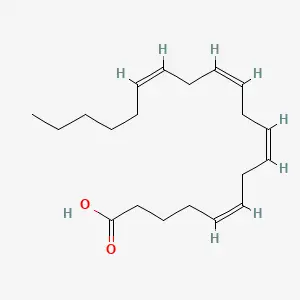
ARA (arachidonic acid, 20:4 n-6) is a long-chain omega-6 fat with 20 carbons and four double bonds. It is part of the membranes of every mammalian cell. It is also the raw material for prostaglandins, leukotrienes and other signaling molecules.
It is not one of the two essential fatty acids. The body makes it from linoleic acid. FAO and WHO, the UN food and health agencies, say it is not essential for a healthy adult. That holds when the usual diet gives more than 2.5% of energy as linoleic acid.
Do not confuse it with arachidic acid, the saturated 20-carbon fat. The name arachidonic was suggested in 1913 because of that resemblance.
Most readers do not know that aspirin and ibuprofen work by blocking the first enzymes that turn ARA into prostaglandins. John Vane showed this in 1971, and in 1982 he shared a Nobel Prize for discoveries about prostaglandins.
ARA is also in breast milk, at a mean of 0.47% of fatty acids worldwide. That makes it a live argument in infant formula.
The evidence is narrower than the debate. Cochrane reviews, careful summaries of the trials, found no consistent benefit from infant formula with added DHA and ARA. The EU has made DHA mandatory in formula since February 2020 but left ARA optional. In one trial of extremely preterm infants, ARA given with DHA halved severe retinopathy of prematurity, an eye disease of premature babies.
In healthy adults, ARA supplements raise blood ARA and looked safe in short trials. Eating more linoleic acid did not raise blood ARA in the trials we found.
Health benefits of ARA
The top findings from 25 studies, strongest evidence first
What the stars mean
- Strong. Several randomized trials, pooled in a meta-analysis, point the same way, or regulators (FDA or EFSA) have approved the claim.
- Moderate. Good randomized trials support it, but there are fewer of them, or their results vary.
- Limited. Small, short or single trials, or mixed results. Promising, but it needs confirmation.
Population and lab studies get no stars: they show a link or a mechanism, not proof.
How we rate evidence →- ★★★No clear benefit from DHA and ARA formulaIn 15 trials of term infants, formula with DHA and ARA added together did not change mental scores at 18 months. In 17 trials of preterm infants, it showed no clear long-term benefit or harm.
- ★★More linoleic acid did not raise inflammation markersIn 30 trials of 1,377 adults, eating more linoleic acid, the parent fat of ARA, did not clearly change inflammation markers. C-reactive protein might rise in people whose intake rose the most.
- ★★Halved severe retinopathy in extremely preterm babiesIn a trial of 206 babies born before 28 weeks, an oil with ARA and DHA halved severe retinopathy (an eye problem), 15.8% against 33.3%. The two fats were given together, so the result cannot be credited to ARA alone.
- ★★More lung disease with DHA in preterm babiesPooling 9 trials, DHA with or without ARA gave 1.11 times the risk of bronchopulmonary dysplasia, a chronic lung disease. The results do not separate out the effect of ARA.
- ★★No harm seen in short adult supplement trialsARA supplements of 80 to 2,000 mg a day raised blood ARA in trials lasting 1 to 12 weeks. No adverse effects showed up to at least 1,000 to 1,500 mg a day.
All 23 studies, strongest evidence first
Formula DHA and ARA did not change mental scores at 18 months
This Cochrane review pooled 15 trials in 1,889 term infants, comparing formula with the long-chain fats DHA and ARA against plain formula. The trials added both fats, so this is not a result for ARA alone; the Bayley mental score differed by 0.06 (4 trials, 661 infants). Acuity evidence was mixed and low quality: 3 trials using visual evoked potentials found a benefit at 12 months, 3 using Teller cards found none. At 1 year the supplemented babies weighed less (−0.23 in z score, 5 trials), but not at 18 months or 2 years. The authors could not recommend routine supplementation of term infant formula.
Added DHA and ARA in formula: no clear long-term benefit or harm
This Cochrane review pooled 17 trials in 2,260 preterm infants fed by tube or mouth, comparing formula with long-chain fats against standard formula. The median DHA was 0.33% of fatty acids (range 0.15% to 1%). The median ARA was 0.37% (range 0.02% to 0.84%), so the trials tested the two fats together. Most found no difference in visual acuity, and the Bayley mental score at 12 months differed by 0.96 (4 studies, 364 infants). At 2 months past term the supplemented infants weighed more (0.21 in z score, 5 studies, 297 infants). Growth at 12 and 18 months did not differ, the evidence was low quality, and the infants were relatively mature and healthy.
Coxibs and diclofenac raised major vascular events by about a third
These meta-analyses of individual data from 280 trials in 124,513 people compared NSAIDs, which block the enzymes that turn ARA into prostaglandins, with placebo. These are drug trials, not ARA trials. Major vascular events were 1.37 times as common on a coxib and 1.41 times on diclofenac. Ibuprofen raised major coronary events (2.22) but not major vascular events (1.44), and naproxen did not (0.93). Every NSAID raised upper gut complications (coxibs 1.81, diclofenac 1.89, ibuprofen 3.97, naproxen 4.22), and heart failure risk roughly doubled. The UK Medical Research Council and British Heart Foundation funded the work.
More linoleic acid, the parent of ARA, did not raise inflammation markers
This meta-analysis pooled 30 randomized trials in 1,377 adults of higher linoleic acid (LA) intake, testing the worry that LA feeds ARA and inflammation. There was no clear effect on tumor necrosis factor (standardized difference −0.01), interleukin-6 (0.11) or C-reactive protein (0.09, 16 studies). A subgroup analysis suggested C-reactive protein might rise in people whose LA intake rose the most. See our linoleic acid page.
ARA with DHA halved severe retinopathy in extremely preterm infants
Mega Donna Mega, a Swedish randomized trial against standard care with no placebo, enrolled 206 infants born before 28 weeks. From within 3 days of birth to 40 weeks postmenstrual age, babies got an oil with ARA (100 mg/kg) and DHA (50 mg/kg) daily. Eye doctors who did not know the groups found severe retinopathy in 15.8% against 33.3%, an adjusted relative risk of 0.50. Lung disease (bronchopulmonary dysplasia, 47.5% versus 45.7%), any brain bleeding (42.6% versus 40.0%) and serious adverse events (25.7% versus 24.8%) did not clearly differ. Deaths were 15.8% versus 12.3%, and since ARA and DHA were given together, the result cannot be credited to ARA alone. No industry disclosures were reported.
DHA formulas, all with 0.64% ARA, gave better vision at 12 months
This US double-masked trial gave 343 healthy formula-fed infants formula with 0.32%, 0.64% or 0.96% DHA, each with 0.64% ARA, or neither fat. Amounts are percent of total fatty acids, and no arm tested ARA alone, so the benefit cannot be credited to either fat. Visual acuity by visual evoked potentials (a brain-wave eye test) was measured in 244 infants who completed the 12-month exam. It was poorer on the control formula, with no differences between the three DHA amounts. The abstract does not name the funder.
ARA with DHA for 180 days left growth and body fat unchanged
Omega Tots, a randomized trial against a corn oil placebo, enrolled 377 toddlers born before 35 weeks, aged 10 to 16 months corrected age. They took 200 mg of ARA plus 200 mg of DHA a day, or placebo, so ARA was always given with DHA. The change in weight-for-age z score was 0.1 with the supplement and 0.0 with placebo. A post-hoc subgroup analysis (not planned in advance) suggested somewhat slower linear growth in girls on the supplement.
Extra DHA, with or without ARA, raised lung risk in preterm babies
This meta-analysis pooled 11 randomized trials in infants born at 34 weeks or earlier or weighing 2,000 g or less. It left out formula and intravenous feeding. Nine trials of DHA with or without ARA gave 1.11 times the risk of bronchopulmonary dysplasia, a chronic lung disease. Five trials of DHA without ARA gave 1.15. There were no clear effects on retinopathy, necrotizing enterocolitis, sepsis, brain bleeding or death, so extra DHA did not prevent complications. The pooled results do not separate out the effect of ARA, and the authors declared no competing interests.
Short trials: ARA raised blood ARA, no harm to fats or clotting
This systematic review covered 22 articles from 14 randomized trials, mostly in adults and lasting 1 to 12 weeks. Supplements of 80 to 2,000 mg a day raised blood ARA, even at 80 mg, against a usual intake of 100 to 200 mg. There were few marked benefits and no adverse effects up to at least 1,000 to 1,500 mg a day. The safety measures covered blood lipids, platelet aggregation, clotting, immune function, inflammation and urinary ARA metabolites. There may be effects on thinking and muscle function in older people, but too few studies exist to recommend an intake for any health effect. The authors’ affiliations include Unilever, Nestlé, DSM, BASF and Danone.
Raising or lowering dietary linoleic acid did not change blood ARA
This systematic review of human trials covered ARA in plasma, serum or red blood cells of adults eating Western-type diets. Cutting linoleic acid by up to 90% did not track with ARA changes in plasma or serum phospholipids, nor did raising it up to six-fold. Dietary gamma-linolenic acid and dietary ARA did relate to blood ARA, and the abstract does not name a funder.
ARA with DHA improved white matter maturation on brain MRI
In this double-blind trial, infants born before 29 weeks got ARA (100 mg/kg) with DHA (50 mg/kg) a day or a control. The supplement ran from the second day of life until 36 weeks postmenstrual age. Of 120 infants (60 per group), 74 had diffusion MRI data of acceptable quality at term-equivalent age. Fractional anisotropy was higher and radial diffusivity lower in several white matter tracts, including the corpus callosum, but mean and axial diffusivity did not differ. The authors say any functional benefit is still to be shown. ARA and DHA were given together.
In DIAMOND, babies given the most DHA had lower blood ARA
This further analysis of the Birch 2010 trial above comes from authors who have lectured or consulted for the formula maker Mead Johnson. The formulas held 0.32%, 0.64% or 0.96% DHA, each with 0.64% ARA. Red blood cell DHA rose with dose but plateaued above 0.64%, while ARA rose and then fell again (an inverted U). On the highest dose (0.96% DHA, 0.64% ARA, a ratio of 1.5 to 1), babies had less ARA than on middle doses. The authors suggest less ARA may explain why benefits also faded at that dose; the trial was not designed to test this.
Experts recommended that infant formula provide ARA together with DHA
This position paper comes from the European Academy of Paediatrics and the Child Health Foundation. It followed EU rules that made DHA mandatory in formula from February 2020 (20 to 50 mg per 100 kcal) without requiring ARA. The authors say there is no accountable evidence on the suitability and safety of that design in healthy infants. They recommend DHA of at least 0.3% of fatty acids, preferably 0.5%. ARA should at least equal DHA when DHA is up to about 0.64%. The best ARA amounts remain to be defined, and this is expert opinion, not a trial.
Marine omega-3 formula without ARA gave lower weight-for-length
This double-blind trial in 59 preterm infants compared formula with long-chain omega-3 fats from marine oil against formula with only linolenic acid. Some of the infants developed lung disease (bronchopulmonary dysplasia). The supplemented infants weighed less at 6 months and 9 months, and had lower weight-for-length at 2, 6, 9 and 12 months. Acuity was better at 2 months but not later in infants without lung disease. The trial had no ARA arm, so it cannot show that adding ARA would have prevented the slower growth.
240 or 720 mg of ARA raised blood ARA, not its metabolites
This randomized, double-blind, placebo-controlled trial enrolled healthy Japanese men and women aged 55 to 70. They took ARA-enriched oil or placebo daily for 4 weeks, then had a 4-week washout (break). ARA in plasma phospholipids rose with dose over the 4 weeks and fell back to near baseline after the washout. EPA, DHA and blood markers of cardiovascular, inflammatory or allergic disease did not change. Nor did urinary ARA metabolites such as 11-dehydro thromboxane B2. The first author works at Suntory Wellness, a food company.
ARA did not raise muscle or strength but raised peak power
In this double-blind trial, 31 resistance-trained men took 1 g of ARA a day (15 men) or a corn oil placebo (16). They followed a standardized training program 4 days a week. After 50 days, Wingate relative peak power (a sprint test) was higher with ARA, and interleukin-6 was lower at 25 days. PGE2 tended to be higher, but body composition, strength, hormones and markers of muscle growth did not differ. A supplement maker gave the university an unrestricted research grant.
8 weeks of ARA with training raised lean mass 2.9%
In this randomized trial, 30 strength-trained men took an ARA supplement or placebo and trained 3 days a week. The paper also includes a rodent study of ARA feeding. Lean body mass, upper-body strength (8.7%) and peak power (12.7%) rose only in the ARA group. This differs from the 2007 trial above, and the authors point to a higher dose here (see the dose chart under “How ARA works”). The supplement maker partly funded the work.
ARA briefly raised inflammation after hard lifting, without slowing recovery
In this randomized double-blind trial, previously trained men took 1.5 g of ARA a day (9 men) or corn-soy oil (10 men) for 4 weeks. Then they did 8 sets each of leg press and leg extension at 80% of their one-repetition maximum (the most they can lift once). ARA raised exercise-stimulated creatine kinase (a muscle damage marker), blood white-cell counts and several inflammatory genes. Muscle soreness, white cells inside the muscle and force loss did not differ. Two companion papers came from this same trial. They found no change in muscle protein synthesis (Mitchell et al., 2018) and no rise in basal inflammation (Markworth et al., 2018, another journal).
Extra ARA for 50 days raised urinary thromboxane metabolites 41%
In this crossover trial in a metabolic unit, 10 healthy men ate a low-ARA diet with 210 mg a day of ARA for 65 days. Then they ate the same diet plus 1.5 g a day of ARA for 50 days. Urinary 11-dehydrothromboxane B2 rose from 493 to 696 ng a day, and the prostacyclin metabolite from 151 to 192 ng a day. The authors say this may bear on platelet aggregation and inflammation, which they did not measure.
Extra ARA raised inflammatory signals but did not change immune tests
This is the same metabolic-unit trial of 10 healthy men as the card above (same unit, size and length), from the same research group. This paper puts the basal diet at 200 mg a day of ARA, where the card above says 210 mg. Six men had 1.5 g a day added for 50 days while four stayed on the basal diet, and then the groups switched. ARA raised in-vitro secretion of leukotriene B4 and PGE2, but not of tumor necrosis factor alpha or interleukins 1 beta, 2 and 6. It did not change lymphocyte subsets or antibody levels after an influenza vaccine. The authors suggest that opposing effects of PGE2 and leukotriene B4 may explain the lack of change in immune function.
Ibuprofen or acetaminophen did not blunt muscle gains in older adults
In this double-blind placebo-controlled trial, 36 older adults did 12 weeks of knee-extensor resistance training. They took ibuprofen (1.2 g a day), acetaminophen (4 g a day) or placebo. Muscle volume rose 10.9% with ibuprofen and 12.5% with acetaminophen against 8.6% with placebo, and strength 19 kg against 15 kg. The drugs appeared to add to the gains, and muscle COX-1 and COX-2 content did not change. This tests COX-inhibiting drugs, not ARA, and the next card found the opposite in younger people.
In young adults, ibuprofen gave smaller muscle gains than low-dose aspirin
In this randomized trial, healthy men and women aged 18 to 35 did 8 weeks of leg training, with no placebo group. They took 1,200 mg of ibuprofen a day (15 people) or 75 mg of aspirin (16 people). Muscle volume rose 3.7% against 7.5%, and strength gains were also generally smaller with ibuprofen. The only molecular difference was lower interleukin-6 gene expression with ibuprofen. This tests drugs, not ARA, and differs from the older-adult trial above, so the role of the COX pathway in muscle growth is not settled.
In 30 cohorts, higher blood ARA did not mean more cardiovascular disease
This pooled analysis of 30 prospective studies from 13 countries covered 68,659 people with 15,198 cardiovascular events. ARA and linoleic acid were measured in blood or fat tissue as a percent of total fatty acids. Against the lowest fifth, the highest fifth of ARA had slightly lower risk of total cardiovascular disease (0.92 times the risk). Higher linoleic acid was linked to lower risk of total disease (0.93), cardiovascular death (0.78) and ischemic stroke (0.88). This is observational: blood levels cannot show that ARA itself protects.
Foods high in ARA
ARA comes from animal foods. In our USDA ranking per serving, wild Atlantic salmon leads with 0.23 g in 3 oz. Mackerel, a chicken drumstick with skin, one large egg and ground lamb follow. Farmed Atlantic salmon and chicken breast come further down the list.
Per 100 g, wild salmon, eggs and mackerel lead, and per 100 kcal the same foods lead. The ranking below shows every amount. It covers only foods for which USDA reports ARA, and FAO and WHO list meat, eggs, fish, algae and other aquatic plants as sources.
Wild and farmed salmon differ more in ARA (0.27 versus 0.09 g per 100 g) than in DHA. Our DHA page shows them nearly equal for DHA. Food-table values for ARA also depend on the analysis.
A 1998 study of beef, chicken, eggs, pork, turkey and tuna found that the older USDA handbook underreported ARA in several foods. It was off by about half in beef (raw and cooked), turkey breast and cooked pork, and it overreported ARA in tuna by about twice. Treat the numbers as estimates.
Our arithmetic for realistic servings: 3 oz of wild salmon holds 0.23 g, which is 230 mg, and one large egg holds about 90 mg. A systematic review puts usual intake at 100 to 200 mg a day. An Australian survey found a mean of 52 mg and a median of 24 mg. So a single serving of salmon matches or beats a typical day.
Per serving. No daily amount is set, so bars compare each food with the top food.
Per 100 g. No daily amount is set, so bars compare each food with the top food.
Per 100 kcal: the same calories of each food, for a fair comparison. Bars compare each food with the top food.
Food labels have no Daily Value or Reference Intake for arachidonic acid, so the % compares each food with the top food.
- 1.

- 2.

- 3.

- 4.

- 5.

- 6.

- 7.

- 8.

- 9.

- 10.



- 1.
- 2.
- 3.
- 4.
- 5.
- 6.
- 7.
- 8.
- 9.
- 10.


- 1.
- 2.
- 3.
- 4.
- 5.
- 6.
- 7.
- 8.
- 9.
- 10.
Sources
- FoodData Central. US Department of Agriculture, Agricultural Research Service. Values as shown in the ranking above.
- Taber L, Chiu CH, Whelan J. Assessment of the arachidonic acid content in foods commonly consumed in the American diet. Lipids. 1998.
- Meyer BJ, Mann NJ, Lewis JL, et al. Dietary intakes and food sources of omega-6 and omega-3 polyunsaturated fatty acids. Lipids. 2003.
- Calder PC, Campoy C, Eilander A, et al. A systematic review of the effects of increasing arachidonic acid intake on PUFA status, metabolism and health-related outcomes in humans. Br J Nutr. 2019.
- FAO and WHO. Fats and fatty acids in human nutrition: report of an expert consultation. FAO Food and Nutrition Paper 91. Food and Agriculture Organization. 2010.
How ARA works
The biochemistry below is well established, but most of the numbers come from tracer studies and reviews. What extra ARA does in people is tested in the study cards above.
Five ideas cover it. The body makes ARA from linoleic acid, and cells hold it in membranes until a signal frees it. It becomes prostaglandins and related signals, and aspirin-like drugs act on that step. The trials give the doses a sense of scale.
The body makes it from linoleic acid, but only a little
Share of a labeled linoleic acid dose that became ARA in two tracer studies in men, drawn to scale. GLA is gamma-linolenic acid and DGLA is dihomo-gamma-linolenic acid.
The pathway runs from linoleic acid through GLA and DGLA to ARA, and little of a dose goes all the way. In a 12-week trial of 38 men with moderately high blood fats, 17 ate 17 g a day of linoleic acid as sunflower oil. Their red-cell ARA did not change, and a labeled-linoleic-acid tracer in a few of them put conversion to ARA at about 0.2%.
An older tracer study in 7 young men found 0.5% reaching ARA. Conversion fell by 40% to 54% when dietary linoleic acid rose from 15 to 30 g a day. FAO and WHO make the same point: less ARA forms when more linoleic acid is supplied.
Genes matter as well. In 727 German adults, common variants in FADS1 and FADS2 were strongly linked to serum ARA. These genes make the desaturase enzymes in this pathway. This is why a systematic review (the Rett and Whelan card above) found that changing linoleic acid intake did not change blood ARA in adults.
It sits in cell membranes until a signal frees it
ARA is part of the membrane of every cell, where it gives fluidity and flexibility. Cells keep it bound in membrane phospholipids until an enzyme frees it. Phospholipase A2 does this in one step, and phospholipases C and D can do it in two.
FAO and WHO cite one human tracer study: the adult brain turns over about 18 mg of ARA a day. Brenna describes ARA as a major structural part of the nervous system that builds up around birth.
Preterm infants show how much supply matters. On commercial formula their plasma ARA fell from 84 to 38 mg per liter by 4 months. A formula with marine oil and no ARA pushed it down to 31 mg per liter, with slower growth.
It becomes prostaglandins, leukotrienes and other signals
The three enzyme routes for free ARA, from a review of ARA metabolism and the FAO/WHO report. Not to scale.
Free ARA goes down one of three routes. Cyclooxygenases make prostaglandins and thromboxane, and lipoxygenases make leukotrienes and lipoxins. Cytochrome P450 enzymes make epoxy and hydroxy products called EETs and 20-HETE. Cells also recycle the endocannabinoid anandamide back into ARA.
The products pull in different directions. According to FAO and WHO, PGE2 and thromboxane A2 made from ARA promote inflammation, narrow blood vessels and stimulate platelets. Prostacyclin (PGI2), also made from ARA, inhibits platelet clumping. Hanna and Hafez note that an imbalance between prostacyclin and thromboxane could raise cardiovascular risk.
EPA and DHA compete with ARA for the same enzymes. The NIH (US National Institutes of Health) says higher EPA and DHA than ARA tips the balance toward less inflammatory activity. Most experts agree, though, that raising EPA and DHA matters far more than lowering linoleic acid or ARA.
Aspirin and other NSAIDs act on the first step
The cyclooxygenase step is where common painkillers act. In 1971 Vane showed that aspirin and other NSAIDs block cyclooxygenase (COX), which forms the prostaglandins that cause inflammation, swelling, pain and fever.
The same step makes prostaglandins that protect the stomach lining, maintain kidney function and help platelets clump when needed. Vane and Botting give this as the unifying explanation for the drugs’ benefits and their shared side effects. COX-1 supports these everyday jobs, and COX-2 is switched on by inflammation. The CNT meta-analysis of 280 placebo-controlled trials put numbers on the trade-off.
Rate ratios against placebo for NSAIDs, from the CNT meta-analysis, drawn to scale. Grey bars were not statistically significant. These are drug effects, not effects of ARA.
The drugs have not been tested as a way to learn what ARA does, and results in muscle are mixed. Older adults taking ibuprofen or acetaminophen during leg training gained as much muscle as those on placebo, or more. Young adults taking 1,200 mg of ibuprofen gained less than those taking 75 mg of aspirin. The safety section covers pregnancy.
What has been seen in people
Supplement doses in the adult trials ran from 80 to 2,000 mg a day, far above what most people eat. The chart puts the amounts on one scale.
ARA per day in milligrams, drawn to scale. Green bars are amounts eaten in surveys or in the controlled diets of trials, orange bars are supplement doses, and red marks the FAO/WHO upper limit for pregnancy and breastfeeding. The strength-trial bar is our arithmetic: 1.5 g of an oil that was 40% ARA.
In adults, ARA supplements reliably raised blood ARA. A controlled-diet trial added 1.5 g a day to a base diet with 210 mg, for 1.7 g a day in total. After 50 days, ARA in plasma phospholipids had risen from 10.3% to 19.0%, and red cells were enriched. Blood cholesterol and lipoproteins did not change, and fat-tissue fatty acids stayed the same.
At 838 mg a day for 2 weeks, ARA in serum phospholipids rose from 9.6 to 13.7 per 100 g of fatty acids. It fell back to baseline within 4 weeks of stopping.
What ARA does next is mixed. Thromboxane metabolites rose 41% at 1.5 g a day, and PGE2 and leukotriene B4 secretion rose, but immune tests did not change. ARA at up to 720 mg a day did not raise urinary metabolites in older adults.
In trained men, 1.5 g a day for 4 weeks did not change muscle protein synthesis after a hard session. It did make the inflammatory response larger for a time.
In babies and toddlers the trials give ARA with DHA. They show either no gain (healthy term infants, toddlers) or a possible gain in the sickest preterm infants. The adult trials in the systematic review lasted 1 to 12 weeks, so the long-term effects of ARA supplements are unknown.
Sources
- Hanna VS, Hafez EAA. Synopsis of arachidonic acid metabolism: a review. J Adv Res. 2018.
- Vane JR, Botting RM. The mechanism of action of aspirin. Thromb Res. 2003.
- Coxib and traditional NSAID Trialists’ (CNT) Collaboration, Bhala N, Emberson J, et al. Vascular and upper gastrointestinal effects of non-steroidal anti-inflammatory drugs: meta-analyses of individual participant data from randomised trials. Lancet. 2013.
- FAO and WHO. Fats and fatty acids in human nutrition: report of an expert consultation. FAO Food and Nutrition Paper 91. Food and Agriculture Organization. 2010.
- National Institutes of Health, Office of Dietary Supplements. Omega-3 fatty acids: fact sheet for health professionals. Updated August 22, 2025.
- Hussein N, Ah-Sing E, Wilkinson P, et al. Long-chain conversion of [13C]linoleic acid and alpha-linolenic acid in response to marked changes in their dietary intake in men. J Lipid Res. 2005.
- Emken EA, Adlof RO, Gulley RM. Dietary linoleic acid influences desaturation and acylation of deuterium-labeled linoleic and linolenic acids in young adult males. Biochim Biophys Acta. 1994.
- Schaeffer L, Gohlke H, Müller M, et al. Common genetic variants of the FADS1 FADS2 gene cluster and their reconstructed haplotypes are associated with the fatty acid composition in phospholipids. Hum Mol Genet. 2006.
- Rett BS, Whelan J. Increasing dietary linoleic acid does not increase tissue arachidonic acid content in adults consuming Western-type diets: a systematic review. Nutr Metab (Lond). 2011.
- Brenna JT. Arachidonic acid needed in infant formula when docosahexaenoic acid is present. Nutr Rev. 2016.
- Carlson SE, Werkman SH, Peeples JM, Cooke RJ, Tolley EA. Arachidonic acid status correlates with first year growth in preterm infants. Proc Natl Acad Sci U S A. 1993.
- Nelson GJ, Schmidt PC, Bartolini G, et al. The effect of dietary arachidonic acid on plasma lipoprotein distributions, apoproteins, blood lipid levels, and tissue fatty acid composition in humans. Lipids. 1997.
- Kusumoto A, Ishikura Y, Kawashima H, et al. Effects of arachidonate-enriched triacylglycerol supplementation on serum fatty acids and platelet aggregation in healthy male subjects with a fish diet. Br J Nutr. 2007.
- Ferretti A, Nelson GJ, Schmidt PC, et al. Increased dietary arachidonic acid enhances the synthesis of vasoactive eicosanoids in humans. Lipids. 1997.
- Kelley DS, Taylor PC, Nelson GJ, Mackey BE. Arachidonic acid supplementation enhances synthesis of eicosanoids without suppressing immune functions in young healthy men. Lipids. 1998.
- Kakutani S, Ishikura Y, Tateishi N, et al. Supplementation of arachidonic acid-enriched oil increases arachidonic acid contents in plasma phospholipids, but does not increase their metabolites and clinical parameters in Japanese healthy elderly individuals: a randomized controlled study. Lipids Health Dis. 2011.
- Markworth JF, D’Souza RF, Aasen KMM, et al. Arachidonic acid supplementation transiently augments the acute inflammatory response to resistance exercise in trained men. J Appl Physiol. 2018.
- Mitchell CJ, D’Souza RF, Figueiredo VC, et al. Effect of dietary arachidonic acid supplementation on acute muscle adaptive responses to resistance exercise in trained men: a randomized controlled trial. J Appl Physiol. 2018.
- Trappe TA, Carroll CC, Dickinson JM, et al. Influence of acetaminophen and ibuprofen on skeletal muscle adaptations to resistance exercise in older adults. Am J Physiol Regul Integr Comp Physiol. 2011.
- Lilja M, Mandić M, Apró W, et al. High doses of anti-inflammatory drugs compromise muscle strength and hypertrophic adaptations to resistance training in young adults. Acta Physiol (Oxf). 2018.
- Meyer BJ, Mann NJ, Lewis JL, et al. Dietary intakes and food sources of omega-6 and omega-3 polyunsaturated fatty acids. Lipids. 2003.
- Ingol TT, Li R, Boone KM, et al. Docosahexaenoic and arachidonic acid supplementation of toddlers born preterm does not affect short-term growth or adiposity. J Nutr. 2019.
- De Souza EO, Lowery RP, Wilson JM, et al. Effects of arachidonic acid supplementation on acute anabolic signaling and chronic functional performance and body composition adaptations. PLoS One. 2016.
- Calder PC, Campoy C, Eilander A, et al. A systematic review of the effects of increasing arachidonic acid intake on PUFA status, metabolism and health-related outcomes in humans. Br J Nutr. 2019.
How much ARA do you need?
No daily amount of ARA is set for adults. FAO and WHO say healthy adults do not need it from food if their usual diet gives more than 2.5% of energy as linoleic acid. EFSA, the EU food safety agency, set no reference value for ARA. The FDA and the EU have set no Daily Value or Reference Intake either.
| Source | Group | Value | Notes |
|---|---|---|---|
| FAO/WHO 2010 | Healthy adults | Not essential | Applies when the habitual diet gives more than 2.5% of energy as linoleic acid. FAO and WHO cite vegans, who eat negligible long-chain omega-6 fats, as the demonstration. |
| FAO/WHO 2010 | Infants 0 to 6 months | 0.2% to 0.3% of energy | Adequate intake based on human milk composition. The same as 0.4% to 0.6% of fatty acids, assuming half of the energy in milk comes from fat. |
| FAO/WHO 2010 | Pregnancy and breastfeeding | Upper limit 800 mg a day | Described as a level with no observed adverse effect in trials. The table lists only an upper limit for ARA, no average requirement. |
| EFSA 2010 | Adults and children | No reference value set | EFSA decided not to set a Dietary Reference Value for ARA and not to set an upper limit for total or any omega-6 fat. |
| Regulation (EU) 2016/127 | Infant and follow-on formula | ARA optional; if added, at most 1% of total fat | Other long-chain omega-6 fats together may not exceed 2% of fat. DHA, by contrast, is mandatory at 20 to 50 mg per 100 kcal. |
Typical intakes are low and depend on how they are measured. A systematic review puts usual adult intake at 100 to 200 mg a day. In a survey of 10,851 Australian adults the mean was 52 mg and the median 24 mg. Japanese men eating about 87 g of fish and shellfish a day averaged 175 mg in one trial.
Our arithmetic for the linoleic acid threshold: 2.5% of 2,000 kcal is 50 kcal, about 5.6 g of linoleic acid at 9 kcal per gram. The Australian survey found an average linoleic acid intake of 10.8 g a day, nearly twice that.
For babies, breast milk is the benchmark. Worldwide, mean ARA in breast milk is 0.47% of fatty acids (range 0.24% to 1.0%), against 0.32% for DHA (range 0.06% to 1.4%). So ARA is the steadier of the two. FAO and WHO give a population range of 0.3% to 0.7% by weight for ARA in milk, and set their infant value from it.
ARA in infant formula: the rules and the debate
The EU requires DHA in infant and follow-on formula at 20 to 50 mg per 100 kcal, as EFSA recommended, but makes ARA optional. If any long-chain omega-6 fats are added, Delegated Regulation 2016/127 caps ARA at 1% of the total fat. The DHA rule applies from February 2020.
Brenna reports that EFSA considers ARA an optional nutrient for the term infant even when DHA is present. He argues the opposite: a formula with DHA and no ARA risks harm by suppressing ARA-mediated metabolism. He notes that none of the three infant cohorts that isolated the effect of ARA looked at ARA-specific outcomes such as vascular or immune function.
A 2020 position paper of the European Academy of Paediatrics and the Child Health Foundation recommends that formula provide both fats. It wants ARA at least equal to DHA when DHA is up to about 0.64%. The evidence behind either side is thin.
Cochrane reviews found no consistent benefit or harm from formula with both fats. They covered term infants (15 trials, 1,889 infants) and preterm infants (17 trials, 2,260 infants).
The NIH notes that the American Academy of Family Physicians and the two Cochrane reviews judged the evidence insufficient to recommend such formulas. Even so, most US formulas have carried both fats since 2002. Few trials isolate ARA, because most give it with DHA.
The trials that bear on the question point in different directions. In the DIAMOND trial, babies on the highest DHA dose had less blood ARA and weaker benefits than those on middle doses. A preterm trial of marine-oil formula with no ARA saw slower growth.
Against that, a trial of formula with DHA and ARA in healthy term infants found no developmental advantage. A meta-analysis of extra DHA by mouth in preterm infants found more lung disease, with or without ARA.
The honest bottom line is that no trial has shown a lasting gain from ARA in formula for healthy term infants. The case for it rests mainly on breast milk composition. Ask a pediatrician before choosing a formula for a specific reason.
ARA deficiency: signs and who is at risk
Healthy adults who eat enough linoleic acid do not become short of ARA. FAO and WHO treat ARA as non-essential for them, and point to vegans, whose diets hold almost no long-chain omega-6 fats.
The NIH says a deficiency of essential fatty acids, omega-3 or omega-6, can cause rough, scaly skin and dermatitis. Brenna notes that diets with ARA as the only omega-6 fat prevent those symptoms too, at a lower share of energy than linoleic acid.
Preterm infants are the group at risk. According to the background of the Moltu trial, very preterm infants miss the placenta’s enhanced supply of ARA and DHA. FAO and WHO treat both as conditionally essential (normally made by the body but needed from food) during early development.
In one study of preterm infants on commercial formula, plasma ARA fell from 84 to 38 mg per liter by 4 months. ARA status tracked growth through the first year, which led the authors to propose a conditional ARA deficiency. The trials of ARA with DHA in preterm infants are in the study cards above.
Sources
- FAO and WHO. Fats and fatty acids in human nutrition: report of an expert consultation. FAO Food and Nutrition Paper 91. Food and Agriculture Organization. 2010.
- EFSA Panel on Dietetic Products, Nutrition and Allergies (NDA). Scientific opinion on Dietary Reference Values for fats, including saturated fatty acids, polyunsaturated fatty acids, monounsaturated fatty acids, trans fatty acids, and cholesterol. EFSA J. 2010. Summary of conclusions.
- European Commission. Commission Delegated Regulation (EU) 2016/127 supplementing Regulation (EU) No 609/2013 as regards the specific compositional and information requirements for infant formula and follow-on formula (recital 20 and Annex I). Official Journal of the European Union. 2016. Text as published on legislation.gov.uk.
- Brenna JT, Varamini B, Jensen RG, et al. Docosahexaenoic and arachidonic acid concentrations in human breast milk worldwide. Am J Clin Nutr. 2007.
- Meyer BJ, Mann NJ, Lewis JL, et al. Dietary intakes and food sources of omega-6 and omega-3 polyunsaturated fatty acids. Lipids. 2003.
- Calder PC, Campoy C, Eilander A, et al. A systematic review of the effects of increasing arachidonic acid intake on PUFA status, metabolism and health-related outcomes in humans. Br J Nutr. 2019.
- Kusumoto A, Ishikura Y, Kawashima H, et al. Effects of arachidonate-enriched triacylglycerol supplementation on serum fatty acids and platelet aggregation in healthy male subjects with a fish diet. Br J Nutr. 2007.
- Koletzko B, Bergmann K, Brenna JT, et al. Should formula for infants provide arachidonic acid along with DHA? A position paper of the European Academy of Paediatrics and the Child Health Foundation. Am J Clin Nutr. 2020.
- Brenna JT. Arachidonic acid needed in infant formula when docosahexaenoic acid is present. Nutr Rev. 2016.
- Jasani B, Simmer K, Patole SK, Rao SC. Long chain polyunsaturated fatty acid supplementation in infants born at term. Cochrane Database Syst Rev. 2017.
- Moon K, Rao SC, Schulzke SM, Patole SK, Simmer K. Longchain polyunsaturated fatty acid supplementation in preterm infants. Cochrane Database Syst Rev. 2016.
- National Institutes of Health, Office of Dietary Supplements. Omega-3 fatty acids: fact sheet for health professionals. Updated August 22, 2025.
- Carlson SE, Werkman SH, Peeples JM, Cooke RJ, Tolley EA. Arachidonic acid status correlates with first year growth in preterm infants. Proc Natl Acad Sci U S A. 1993.
- Moltu SJ, Nordvik T, Rossholt ME, et al. Arachidonic and docosahexaenoic acid supplementation and brain maturation in preterm infants; a double blind RCT. Clin Nutr. 2024.
Forms of ARA: absorption and effects
ARA reaches people in a few forms. It is part of the fats in meat, eggs and fish. It comes as an oil made by fermenting the fungus Mortierella alpina. That oil was the ARA source in a Japanese supplement trial and the fungal oil in formula trials.
It also comes as egg-derived fat in some formulas, and from the body’s own conversion of linoleic acid.
Every form that was tested raised blood ARA. We found no trial that compared forms on a health outcome, so we cannot say that one form works better than another.
Popular claims have thin support. “ARA builds muscle” rests on a few small trials that disagree, two of them funded by a supplement maker. We found no trial behind “ARA is better absorbed as a phospholipid” or from any one source. And the supplement trials do not show that “ARA causes inflammation” at rest.
A hard training session did produce a larger inflammatory response for a time. The trials of key outcomes above used ARA-rich fungal oil with DHA (infants, preterm infants), capsule supplements (strength training) and fungal ARA oil (older adults).
| Form | What it is | What studies show | Source |
|---|---|---|---|
| Food fats | ARA within the fat of meat, eggs and fish | Wild Atlantic salmon holds 0.23 g in 3 oz in our ranking. A 1998 analysis found that the older USDA handbook underreported ARA in beef, turkey and pork. | 1 |
| Fungal (Mortierella alpina) oil | ARA-enriched triglyceride oil made by fermentation | 838 mg a day for 2 weeks raised serum phospholipid ARA from 9.6 to 13.7 per 100 g of fatty acids in 24 Japanese men, with no change in platelet aggregation. 240 and 720 mg a day in older adults raised blood ARA dose by dose without changing its metabolites. Authors of both trials work for a food company. | 2, 3 |
| Fungal ARA with DHA in formula | ARA from fungal oil, DHA from algae or fish | Preterm infants gained more weight and length on algal DHA with fungal ARA than on control formula. The fish-DHA version did less well on weight at 118 weeks. | 4 |
| Egg-derived triglyceride | ARA and DHA from egg-yolk fat, used in formula | Raised ARA and DHA in plasma and red cells as much as fungal and fish oil did in 239 term infants, with no developmental difference from control. | 5 |
| Capsule supplements for training | ARA oil capsules taken with resistance training | Mixed. 1 g a day for 50 days did not change muscle mass in 31 men. A higher dose for 8 weeks raised lean mass by 2.9% in 30 men. A hard session gave a larger inflammatory response for a time. Two of the three trials had supplement-maker funding. | 6, 7, 8 |
| Fish oil (EPA and DHA) | Omega-3 oil, not an ARA source | FAO and WHO say EPA is considered responsible for the lower membrane and plasma ARA seen when marine oil is eaten. In preterm infants a formula with marine oil and no ARA lowered plasma ARA and growth. | 9, 10, 11 |
| Linoleic acid (the precursor) | The essential omega-6 the body converts to ARA | Tracer studies put conversion to ARA at about 0.2% to 0.5%, and changing linoleic acid intake did not change blood ARA in adults. | 12, 13, 14 |
Here are the form-specific and head-to-head studies, 2 in all.
All 2 studies, strongest evidence first
ARA and DHA formulas raised blood levels but not development
This double-masked, randomized 1-year trial included 239 term infants. The control formula had no ARA or DHA, and the other two held 0.46% ARA and 0.14% DHA of fatty acids. Their sources were egg-derived triglyceride (80 infants) or fungal oil for ARA plus fish oil for DHA (82 infants). Both raised ARA and DHA in plasma and red cells alike, above control and comparable with breastfed infants. No test of growth, visual acuity, information processing, general development, language or temperament separated the groups up to 14 months. The first author works for the formula maker Abbott (Ross Products Division).
Fungal ARA plus algal DHA formula gave more weight and length
This double-blinded trial split 361 preterm infants into three formula groups until 92 weeks postmenstrual age, with follow-up to 118 weeks. The groups were unsupplemented control, algal DHA with fungal ARA, and fish DHA with fungal ARA, and 105 breastfed term infants were a reference group. The algal-DHA group weighed more than control from 66 to 118 weeks and more than the fish-DHA group at 118 weeks. Both supplemented groups scored higher on Bayley mental and psychomotor scales at 118 weeks, with no more adverse events. Both formulas held ARA and DHA, so the benefit cannot be credited to ARA, and the abstract does not name the funder.
Sources
- Taber L, Chiu CH, Whelan J. Assessment of the arachidonic acid content in foods commonly consumed in the American diet. Lipids. 1998.
- Kusumoto A, Ishikura Y, Kawashima H, et al. Effects of arachidonate-enriched triacylglycerol supplementation on serum fatty acids and platelet aggregation in healthy male subjects with a fish diet. Br J Nutr. 2007.
- Kakutani S, Ishikura Y, Tateishi N, et al. Supplementation of arachidonic acid-enriched oil increases arachidonic acid contents in plasma phospholipids, but does not increase their metabolites and clinical parameters in Japanese healthy elderly individuals: a randomized controlled study. Lipids Health Dis. 2011.
- Clandinin MT, Van Aerde JE, Merkel KL, et al. Growth and development of preterm infants fed infant formulas containing docosahexaenoic acid and arachidonic acid. J Pediatr. 2005.
- Auestad N, Halter R, Hall RT, et al. Growth and development in term infants fed long-chain polyunsaturated fatty acids: a double-masked, randomized, parallel, prospective, multivariate study. Pediatrics. 2001.
- Roberts MD, Iosia M, Kerksick CM, et al. Effects of arachidonic acid supplementation on training adaptations in resistance-trained males. J Int Soc Sports Nutr. 2007.
- De Souza EO, Lowery RP, Wilson JM, et al. Effects of arachidonic acid supplementation on acute anabolic signaling and chronic functional performance and body composition adaptations. PLoS One. 2016.
- Markworth JF, D’Souza RF, Aasen KMM, et al. Arachidonic acid supplementation transiently augments the acute inflammatory response to resistance exercise in trained men. J Appl Physiol. 2018.
- FAO and WHO. Fats and fatty acids in human nutrition: report of an expert consultation. FAO Food and Nutrition Paper 91. Food and Agriculture Organization. 2010.
- Carlson SE, Werkman SH, Peeples JM, Cooke RJ, Tolley EA. Arachidonic acid status correlates with first year growth in preterm infants. Proc Natl Acad Sci U S A. 1993.
- Carlson SE, Werkman SH, Tolley EA. Effect of long-chain n-3 fatty acid supplementation on visual acuity and growth of preterm infants with and without bronchopulmonary dysplasia. Am J Clin Nutr. 1996.
- Hussein N, Ah-Sing E, Wilkinson P, et al. Long-chain conversion of [13C]linoleic acid and alpha-linolenic acid in response to marked changes in their dietary intake in men. J Lipid Res. 2005.
- Emken EA, Adlof RO, Gulley RM. Dietary linoleic acid influences desaturation and acylation of deuterium-labeled linoleic and linolenic acids in young adult males. Biochim Biophys Acta. 1994.
- Rett BS, Whelan J. Increasing dietary linoleic acid does not increase tissue arachidonic acid content in adults consuming Western-type diets: a systematic review. Nutr Metab (Lond). 2011.
Is ARA safe? Supplements, dose and interactions
ARA from food is not a safety concern for healthy people, and no official body has set an upper limit for the general population. EFSA decided in 2010 not to set one for ARA or for any omega-6 fat.
FAO and WHO say they found no evidence of harm from high dietary ARA. They list an upper limit of 800 mg a day for pregnancy and breastfeeding. They call it a level with no observed adverse effect in trials.
The adult trials in the systematic review were short, 1 to 12 weeks. They saw no adverse effects up to at least 1,000 to 1,500 mg a day on blood lipids, platelets, clotting, immune function or inflammation.
- What the supplement trials show. At 1.5 g a day, thromboxane metabolites in urine rose 41%, and PGE2 and leukotriene B4 secretion rose. In trained men a hard training session gave a larger inflammatory response for a time, but immune tests, soreness and recovery did not get worse. At 720 mg a day in older adults, ARA metabolites did not change. We found no trial in people with heart disease, asthma or a clotting disorder, or in people taking blood thinners. So we cannot say supplements are safe for them. Ask a doctor first.
- Pregnancy, babies and children. No official body we found recommends ARA supplements in pregnancy. In extremely preterm infants, ARA (100 mg/kg) with DHA (50 mg/kg) a day halved severe retinopathy, with no more serious adverse events. But a meta-analysis found more lung disease with extra DHA, with or without ARA. Those were doses given in neonatal units under medical care. In toddlers born preterm, 200 mg of ARA with 200 mg of DHA for 180 days did not change growth. A post-hoc analysis suggested slower linear growth in girls, though. Talk to a midwife or pediatrician before using ARA in any of these settings.
- NSAIDs and aspirin. These drugs block the enzymes that process ARA. In the CNT meta-analysis, coxibs and diclofenac raised major vascular events by about a third, and every NSAID raised stomach and bowel complications. In October 2020 the FDA advised that pregnant women should not use NSAIDs at 20 weeks or later unless a health professional specifically advises it. None of this means that ARA itself is risky. It shows why the drugs need dosing advice from a doctor or pharmacist.
- Interactions. We found no study of ARA taken with aspirin, NSAIDs or blood thinners. Because ARA is the raw material for the pathway these drugs act on, tell your doctor about any ARA supplement.
How to get more ARA
- Eat the foods that carry it. In our ranking, 3 oz of wild Atlantic salmon gives 0.23 g, a chicken drumstick with skin 0.13 g and one large egg 0.09 g. A single serving of salmon is about a typical day’s intake, according to the systematic review.
- Let the body make it. Linoleic acid from vegetable oils is the raw material. But eating more of it did not raise blood ARA in the review, so do not count on it as a way to get more.
- For babies, use breast milk or a formula chosen with a pediatrician. Breast milk averages 0.47% ARA, and EU formula may add it up to 1% of the fat.
Sources
- EFSA Panel on Dietetic Products, Nutrition and Allergies (NDA). Scientific opinion on Dietary Reference Values for fats, including saturated fatty acids, polyunsaturated fatty acids, monounsaturated fatty acids, trans fatty acids, and cholesterol. EFSA J. 2010. Summary of conclusions.
- FAO and WHO. Fats and fatty acids in human nutrition: report of an expert consultation. FAO Food and Nutrition Paper 91. Food and Agriculture Organization. 2010.
- Calder PC, Campoy C, Eilander A, et al. A systematic review of the effects of increasing arachidonic acid intake on PUFA status, metabolism and health-related outcomes in humans. Br J Nutr. 2019.
- Coxib and traditional NSAID Trialists’ (CNT) Collaboration, Bhala N, Emberson J, et al. Vascular and upper gastrointestinal effects of non-steroidal anti-inflammatory drugs: meta-analyses of individual participant data from randomised trials. Lancet. 2013.
- US Food and Drug Administration. FDA recommends avoiding use of NSAIDs in pregnancy at 20 weeks or later because they can result in low amniotic fluid. Drug Safety Communication, October 15, 2020.
- Markworth JF, D’Souza RF, Aasen KMM, et al. Arachidonic acid supplementation transiently augments the acute inflammatory response to resistance exercise in trained men. J Appl Physiol. 2018.
- Ferretti A, Nelson GJ, Schmidt PC, et al. Increased dietary arachidonic acid enhances the synthesis of vasoactive eicosanoids in humans. Lipids. 1997.
- Kelley DS, Taylor PC, Nelson GJ, Mackey BE. Arachidonic acid supplementation enhances synthesis of eicosanoids without suppressing immune functions in young healthy men. Lipids. 1998.
- Kakutani S, Ishikura Y, Tateishi N, et al. Supplementation of arachidonic acid-enriched oil increases arachidonic acid contents in plasma phospholipids, but does not increase their metabolites and clinical parameters in Japanese healthy elderly individuals: a randomized controlled study. Lipids Health Dis. 2011.
- Hellström A, Nilsson AK, Wackernagel D, et al. Effect of enteral lipid supplement on severe retinopathy of prematurity: a randomized clinical trial. JAMA Pediatr. 2021.
- Dang D, Gao Z, Zhang C, et al. Effect of enteral supplementation of DHA with or without ARA in preterm infants: a meta-analysis. Arch Dis Child Fetal Neonatal Ed. 2025.
- Ingol TT, Li R, Boone KM, et al. Docosahexaenoic and arachidonic acid supplementation of toddlers born preterm does not affect short-term growth or adiposity. J Nutr. 2019.
- Brenna JT, Varamini B, Jensen RG, et al. Docosahexaenoic and arachidonic acid concentrations in human breast milk worldwide. Am J Clin Nutr. 2007.
- European Commission. Commission Delegated Regulation (EU) 2016/127 supplementing Regulation (EU) No 609/2013 as regards the specific compositional and information requirements for infant formula and follow-on formula (recital 20 and Annex I). Official Journal of the European Union. 2016. Text as published on legislation.gov.uk.
- Koletzko B, Bergmann K, Brenna JT, et al. Should formula for infants provide arachidonic acid along with DHA? A position paper of the European Academy of Paediatrics and the Child Health Foundation. Am J Clin Nutr. 2020.
History of ARA
ARA was first isolated from mammalian tissues in 1909 by Percival Hartley, before chromatography or any spectroscopy existed. The name arachidonic was suggested in 1913 from its relationship to arachidic acid. It took until 1940 to place the four double bonds at positions 5, 8, 11 and 14 of the 20-carbon chain. Total synthesis came in 1961.
In between, in 1929, George and Mildred Burr reported that rats needed dietary fat to prevent a deficiency disease. Linoleic acid cured it, which began the idea of essential fatty acids. By the 1930s, ARA’s place in that family helped to reveal its structure.
ARA then became the center of a medical story. In 1971 John Vane showed that aspirin and similar drugs block cyclooxygenase, the enzyme that makes prostaglandins.
In 1982 Sune Bergström, Bengt Samuelsson and Vane shared the Nobel Prize in Physiology or Medicine. It was for their discoveries concerning prostaglandins and related biologically active substances.
ARA reached the food supply through infant formula. The NIH says manufacturers have added DHA and ARA to most US infant formulas since 2002. In the EU, Delegated Regulation 2016/127 made DHA mandatory in formula but left ARA optional. A 2020 position paper argued that both fats belong in formula.
Sources
- Martin SA, Brash AR, Murphy RC. The discovery and early structural studies of arachidonic acid. J Lipid Res. 2016.
- Spector AA, Kim HY. Discovery of essential fatty acids. J Lipid Res. 2015.
- Vane JR, Botting RM. The mechanism of action of aspirin. Thromb Res. 2003.
- The Nobel Foundation. The Nobel Prize in Physiology or Medicine 1982. NobelPrize.org. Prize motivation as given by the Nobel Prize award data.
- National Institutes of Health, Office of Dietary Supplements. Omega-3 fatty acids: fact sheet for health professionals. Updated August 22, 2025.
- European Commission. Commission Delegated Regulation (EU) 2016/127 supplementing Regulation (EU) No 609/2013 as regards the specific compositional and information requirements for infant formula and follow-on formula (recital 20 and Annex I). Official Journal of the European Union. 2016. Text as published on legislation.gov.uk.
- Koletzko B, Bergmann K, Brenna JT, et al. Should formula for infants provide arachidonic acid along with DHA? A position paper of the European Academy of Paediatrics and the Child Health Foundation. Am J Clin Nutr. 2020.
Frequently asked questions about ARA
Is arachidonic acid bad for you?
Not at food amounts: ARA makes inflammatory signals such as PGE2, but also signals that limit platelet clumping, such as prostacyclin. A review of 14 short trials found no adverse effects up to at least 1,000 to 1,500 mg a day. The measures covered blood lipids, platelets, clotting, immune function and inflammation, though the trials lasted only 1 to 12 weeks. In 30 cohorts, higher blood ARA was not linked to more cardiovascular disease.
How much arachidonic acid per day do I need?
No daily amount is set for adults. FAO and WHO say it is not essential if you get more than 2.5% of energy from linoleic acid, and EFSA set no reference value. Usual intake is 100 to 200 mg a day in one review, and the mean was 52 mg in an Australian survey. For infants up to 6 months, FAO and WHO suggest 0.2% to 0.3% of energy, based on breast milk.
Which foods are highest in arachidonic acid?
Animal foods: in our USDA ranking, a serving of wild Atlantic salmon gives 0.23 g, mackerel 0.2 g and a chicken drumstick 0.13 g. One large egg gives 0.09 g and a serving of ground lamb 0.09 g. Per 100 g the order is wild salmon (0.27 g), eggs (0.19 g) and mackerel (0.18 g). Wild salmon has about three times the ARA of farmed salmon (0.09 g per 100 g).
Does eating linoleic acid raise arachidonic acid?
Not in the human trials reviewed. In a systematic review of adults on Western diets, cutting linoleic acid by up to 90% or raising it up to six-fold did not change blood ARA. In a tracer study only about 0.2% of labeled linoleic acid reached ARA. Conversion fell by 40% to 54% when intake rose from 15 to 30 g a day. A meta-analysis of 30 trials also found no rise in blood inflammatory markers with more linoleic acid.
Do aspirin and ibuprofen act on arachidonic acid?
They act on the enzymes that process it: aspirin and other NSAIDs block cyclooxygenase, which turns ARA into prostaglandins. That explains both their effects on pain, fever and inflammation and their effects on the stomach lining, kidneys and platelets. In a meta-analysis of 280 trials, coxibs and diclofenac raised major vascular events by about a third (rate ratios 1.37 and 1.41). Every NSAID raised upper gastrointestinal complications; ask a doctor or pharmacist about dose.
Does infant formula need arachidonic acid?
Not under EU law, though some experts say it should have it. The EU requires 20 to 50 mg of DHA per 100 kcal but makes ARA optional, capped at 1% of fat. A 2020 position paper recommended ARA with DHA, but Cochrane reviews of 15 term and 17 preterm trials found no consistent benefit from both. Breast milk averages 0.47% ARA. Ask a pediatrician.
Does arachidonic acid build muscle?
The evidence is mixed and comes from small trials. In 31 men, 1 g a day for 50 days did not raise muscle mass or strength. In 30 men, an 8-week trial with a higher dose found lean mass up 2.9%, upper-body strength up 8.7% and peak power up 12.7%. The supplement maker partly funded that trial. In a 4-week trial, ARA made the inflammatory response to hard exercise larger for a time without slowing recovery.
Is arachidonic acid the same as arachidic acid?
No. Arachidonic acid (20:4 n-6) is a polyunsaturated fat with four double bonds. Arachidic acid (20:0) is a saturated fat with none. The name arachidonic was suggested in 1913 because of the resemblance to arachidic acid, and both have 20 carbons.