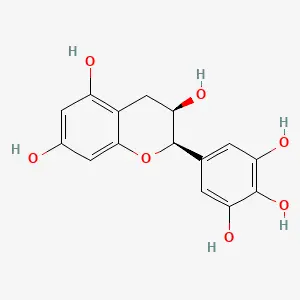
EGC, short for epigallocatechin, is a catechin from tea. Catechins are flavan-3-ols, a branch of the flavonoid family. Green tea is by far the richest food in USDA data, with 29.2 mg of EGC per 100 g.
Green tea is made without fermentation, which keeps its catechins from oxidizing. EGCG, the better-known catechin, carries a gallate group that EGC lacks.
EGC behaves differently from EGCG in the body. In 10 volunteers who took the same dose of each, EGC peaked in blood at 5.0 µmol/L against 1.3 for EGCG. It then returned to baseline within 24 hours.
After green tea, EGC in blood peaked nearly three times higher than EGCG in 8 people (223.4 versus 77.9 ng/mL). That is even though USDA lists less EGC than EGCG in green tea (29.2 versus 70.2 mg per 100 g).
Most people do not know that much of the EGC you swallow never reaches the blood as EGC. In blood it is mostly in conjugated form, with a chemical tag attached.
Gut bacteria turn a large part of tea catechins into valerolactones, which are small compounds. In one 20-person study, they made up most of the breakdown products in urine. And although green tea is studied for many health outcomes, we found no trial that tested EGC on its own for one.
Health benefits of EGC
The top findings from 21 studies, strongest evidence first
What the stars mean
- Strong. Several randomized trials, pooled in a meta-analysis, point the same way, or regulators (FDA or EFSA) have approved the claim.
- Moderate. Good randomized trials support it, but there are fewer of them, or their results vary.
- Limited. Small, short or single trials, or mixed results. Promising, but it needs confirmation.
Population and lab studies get no stars: they show a link or a mechanism, not proof.
How we rate evidence →- ★Blood EGC rose after green tea or capsulesIn 8 volunteers, blood EGC peaked nearly three times higher than EGCG after green tea (223.4 against 77.9 ng/mL). In another study, capsules of green tea extract raised blood EGC as the dose rose.
- ★Milk raised EGC uptake from green tea extractIn 24 healthy women, taking green tea extract with skimmed milk raised EGC availability to 134% of the extract alone, while EGCG fell to 68%. Caseinate and soy protein gave 118% and 123% for EGC.
- ★Colon handles more tea catechin than small intestineIn people drinking green tea, colon breakdown products in urine matched about 40% of tea catechin intake, against about 8% absorbed in the small intestine. These figures cover all green tea catechins, not EGC alone.
- ★Gene type changed how much EGC reached urineIn overweight men taking green tea extract, urine EGC was lower in those with two copies of the high-activity COMT gene variant. A second trial in 50 adults pointed the other way, so the effect is not settled.
- Population studyMixed links with cancer riskIn Shanghai men, higher urine EGC went with lower odds of colon cancer (0.40 times in the top third) and gastric cancer (0.52 times). But it went with higher liver cancer risk in men with hepatitis B, and was not linked to colon cancer in Japanese adults.
All 21 studies, strongest evidence first
Same dose: EGC peaked at 5.0 µmol/L, EGCG at 1.3
In this randomized crossover trial, 10 healthy volunteers took a single 1.5 mmol dose of epicatechin gallate, EGC or EGCG on separate days. EGC rose quickly, with a half-life of 1.7 hours against 3.9 for EGCG, and was back at baseline by 24 hours. Up to 13.6% of the EGC (partly methylated) reached the urine, while none of the other two was found there. The authors work for Unilever.
After green tea, blood EGC peaked nearly three times higher than EGCG
Eight volunteers took a single dose of green tea (20 mg of tea solids per kg of body weight), decaffeinated green tea or EGCG. With green tea, EGC peaked at 223.4 ng/mL and EGCG at 77.9. The half-life was 1.7 hours for EGC and 3.4 for EGCG. Over 90% of urine EGC left within 8 hours, almost all in conjugated form. 4′-O-methyl EGC reached higher levels than EGC in urine and plasma. Results varied a lot between people and between repeats.
Milk raised EGC uptake to 134%, while EGCG fell to 68%
In this randomized crossover trial, 24 healthy women drank 1.75 g of green tea extract alone or with skimmed milk, caseinate or soy protein. Availability was the area under the blood curve over 4.5 hours, compared with the extract alone. Caseinate and soy protein gave 118% and 123% for EGC, and all three additions lowered the gallated catechins. The extract was a mixture of catechins.
Stronger tea: blood EGC leveled off while EGCG kept rising
In this randomized crossover trial, adults drank infused green tea at three strengths (0.75%, 1.25% and 1.75%), the weakest holding 180 mg of total catechins. EGC in blood leveled off between the medium and high doses, and so did 4′-O-methyl EGC. EGCG and epicatechin rose in proportion to the dose. The catechins appeared in blood quickly, which suggests absorption in the small intestine, and the authors are from Nestlé Research.
After EGC, urine held three valerolactone breakdown products; epicatechin gave only one
This study looked at tea catechin metabolites in humans, mice and rats. Valerolactones are ring-fission products, made when the molecule’s ring is split. After green tea, the three valerolactones (M4, M6′ and M6) added up to 1.5 to 16% of the catechins eaten. All three appeared after people took EGC or EGCG alone, and only M6 after epicatechin. The authors say the metabolites may add to the activity of tea.
Gut-made valerolactones were green tea’s main urine products
In this feeding study, 20 healthy volunteers drank 400 mL of a ready-to-drink green tea with about 400 µmol of flavan-3-ols. Thirty-nine breakdown products were found, and valerolactones in urine were about 10 times the conjugates. In plasma, EGCG was the only unmetabolized compound and the highest in concentration. Counting the gut products, the authors calculate a bioavailability of 39%, with large differences between people. The figures cover all tea flavan-3-ols, not EGC alone.
The colon handles more green tea catechin than the small intestine
These were human feeding studies of green tea in healthy volunteers and in people with an ileostomy (an opening that bypasses the colon). Colon breakdown products in urine matched about 40% of green tea flavan-3-ol intake, against about 8% absorbed in the small intestine. In a lab test, EGC, epicatechin and EGCG were incubated with stool samples, and the authors propose how the colon breaks the catechins down. The percentages cover all green tea flavan-3-ols together, not EGC alone.
Green tea extract capsules raised blood EGC with the dose
Healthy subjects took 3, 5 or 7 capsules of green tea extract. These supplied 7.5, 12.5 and 17.5 mg of EGC alongside 225, 375 and 525 mg of EGCG. Blood measured 90 minutes later rose to 35, 144 and 255 pmol/mL of EGC. Plasma EGC and EGCG matched 0.2 to 2.0% of the amount eaten, and extracts like this are mostly EGCG.
In overweight men, the COMT gene changed how much EGC reached urine
Sedentary men aged 40 to 69 with a BMI of 28 to 38 took decaffeinated green tea extract or placebo, in random order. They were measured at weeks 0 and 6. The extract came as 530 mg capsules with about 400 mg of total catechins, twice a day. Urine EGC and 4′-O-methyl EGC rose on the extract and were lower in men with two copies of the high-activity G allele. Blood pressure and blood fats did not change. Weight fell 0.64 kg on the extract and rose 0.53 kg on placebo, a mixture result that cannot be tied to EGC. The authors work for Unilever.
With high-activity COMT, urine held more methylated EGC
In this randomized, double-blind crossover study, 50 adults took one dose of 1.06 g of green tea extract or placebo. 25 had the low-activity (AA) and 25 the high-activity (GG) COMT genotype. Over 5.5 hours, the high-activity group had more methylated EGC in urine. A small-vessel measure (digital volume pulse) depended on genotype, and the bottom blood pressure number tended to rise, but this could be chance. This points the other way from the 6-week trial above, so the effect of the gene on EGC levels is not settled.
In Shanghai men, more urine EGC linked to lower colon cancer risk
This nested case-control study sat inside the Shanghai Cohort Study of 18,244 men, followed for 16 years. It compared 162 colorectal cancer cases with 806 matched controls, using EGC, 4′-O-methyl EGC and epicatechin in baseline urine. Against men with no EGC detected, the odds fell across thirds of EGC (0.64, 0.60, 0.40), a clear trend. 4′-O-methyl EGC showed the same pattern, while epicatechin and rectal cancer showed no link.
Urine EGC linked to about half the gastric cancer risk
This nested case-control study within the Shanghai Cohort had 190 gastric cancer cases, 42 esophageal cancer cases and 772 matched controls. Men with detectable urine EGC had 0.52 times the odds. That was after leaving out cases found in the first 4 years and adjusting for H. pylori, smoking, alcohol and serum carotenes. The link was seen mainly in men with low serum carotenes (0.49), not high (1.02).
Urine EGC was not linked to liver cancer risk in Shanghai men
This nested case-control study within the Shanghai Cohort Study had 211 liver cancer cases and 1,067 matched controls. In men positive for hepatitis B, higher urine EGC went with higher risk, a clear trend. The odds were 2.62 times as high if serum retinol was also low. The authors found no sign of protection and say high catechin exposure may raise risk in high-risk people, but this is a subgroup finding.
In Japanese adults, blood EGC was not linked to colon cancer
This nested case-control study in the JPHC cohort had 375 colon cancer cases and 710 matched controls, with 35 plasma polyphenols measured by mass spectrometry. In men alone, epigallocatechin looked linked to higher colon cancer risk before adjustment for multiple comparisons. After that adjustment, every link could be chance. Coffee-derived compounds drew most of the attention.
Urine EGC linked to lower breast cancer risk only in some women
This nested case-control study within the Shanghai Women’s Health Study had 352 breast cancer cases and 701 matched controls aged 40 to 70. Higher urine EGC went with lower risk only in women who lacked the GSTM1 and GSTT1 genes, a clear interaction. Among women with both genes, risk rose with flavonols, particularly kaempferol. The authors say the gene-specific results need confirming.
In cells, EGC slowed two breast cancer cell lines, not normal cells
This study used MCF-7 and MDA-MB-231 breast cancer cells, and EGC triggered apoptosis (programmed cell death). Cell death happened whatever the p53 status, needed Fas signaling, and came with less Bcl-2 and more Bax. The abstract gives no concentrations, and a dish is not a body.
EGC’s effect on prostate cancer cells fell without hydrogen peroxide
This review includes new test results. Near neutral pH, EGCG and EGC form dimers that make hydrogen peroxide. The effect on LNCaP prostate cancer cells fell when catalase, an enzyme that removes it, was added first, for EGCG, EGC and theaflavins. Methylated EGC was more stable at neutral pH than EGC. One author received an honorarium and travel support from the Tea Council of the USA.
In test tubes, enzymes glucuronidated EGC much less than EGCG
This study used human, mouse and rat liver and intestine microsomes (bits of cells) and nine human UGT enzymes. Six EGCG and EGC glucuronides were made and identified. Some kept the radical-scavenging activity of their parent compound and blocked arachidonic acid release from HT-29 colon cancer cells. Mice resembled humans more than rats did.
In insulin-making cells, 100 µM EGC almost stopped insulin release
This study used INS-1D beta cells and glucose-stimulated insulin release. The order of potency was EGCG, then GCG, then EGC, and EGC had clear effects only at 100 µM; lower doses did little. The authors call these concentrations far above body levels. They suggest voltage-dependent calcium channels are involved.
In nerve cells, EGC lowered survival instead of protecting
Five catechins were compared in PC12 nerve cells, a model of Parkinson’s disease. They were tested at 50 to 400 µM against 250 µM of the toxin 6-hydroxydopamine. Protection ranked ECG, EGCG, epicatechin, catechin, then EGC. The doses are far above the blood peak of about 5 µmol/L after a dose of EGC in the first study of this section.
In mice, an EGC gut metabolite activated spleen immune cells
The metabolite EGC-M5 is the valerolactone 5-(3′,5′-dihydroxyphenyl)-γ-valerolactone. Given by mouth, it raised and activated plasmacytoid dendritic cells (pDCs) in the spleen. It also raised interleukin-12 gene expression, type I interferon and IL-6 without changing body weight. It did not directly speed pDC development in cultured cells. Several authors work for Mitsui Norin, a patent application was filed, and no people were tested.
Foods high in EGC
Green tea is the main source of EGC. In USDA data it has 71.5 mg per cup (245 g) and 29.2 mg per 100 g, against 70.2 mg of EGCG per 100 g.
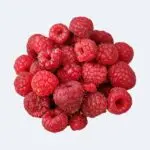
Nothing else comes close per cup. An ounce of pecans has 1.6 mg and a cup of strawberries 1.19 mg, under 3% of a cup of tea. Per 100 g, pecans (5.63 mg) and hazelnuts (2.78) come next, and the ranking below shows the rest. Strawberries lead the ranking per 100 kcal.
A cup of tea is not a fixed amount. A study of 18 teas found total flavanols from 21.2 to 103.2 mg per gram in regular teas. In one lab-made green tea drink, EGC was 18 mg per 100 mL against 23 mg of EGCG. That is a closer ratio than the USDA figures show. So the EGC and EGCG split depends on the tea.
Per serving. No daily amount is set, so bars compare each food with the top food.
Per 100 g. No daily amount is set, so bars compare each food with the top food.
Per 100 kcal: the same calories of each food, for a fair comparison. Bars compare each food with the top food.
Food labels have no Daily Value or Reference Intake for epigallocatechin, so the % compares each food with the top food.
- 1.
- 2.
- 3.
- 4.
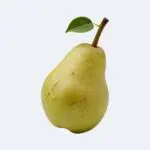
- 5.
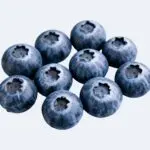
- 6.
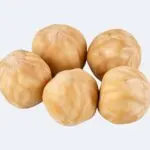
- 7.
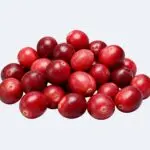
- 8.
- 9.
- 10.


- 1.
- 2.
- 3.
- 4.
- 5.
- 6.
- 7.
- 8.
- 9.
- 10.

- 1.
- 2.
- 3.
- 4.
- 5.
- 6.
- 7.
- 8.
- 9.
- 10.


Sources
- USDA Database for the Flavonoid Content of Selected Foods, Release 3.3. Bhagwat S, Haytowitz DB. US Department of Agriculture, Agricultural Research Service. 2018. Source of the ranking and of the EGCG figure above.
- Henning SM, Fajardo-Lira C, Lee HW, et al. Catechin content of 18 teas and a green tea extract supplement correlates with the antioxidant capacity. Nutr Cancer. 2003.
- Green RJ, Murphy AS, Schulz B, et al. Common tea formulations modulate in vitro digestive recovery of green tea catechins. Mol Nutr Food Res. 2007. Source of the 18 and 23 mg per 100 mL figures for a lab-made green tea drink.
How EGC works
Most of what we know about what EGC does inside cells comes from test tubes, cells and animals. What we know about how the body handles it comes from small human studies.
Four ideas keep coming up. It reaches the blood fast and leaves fast, and the body tags it with chemical groups. Gut bacteria turn part of it into other compounds, and in a dish it can act differently from EGCG. Here is each one, and what has been seen in people.
It reaches the blood fast and leaves fast
When 10 volunteers took the same molar dose of EGC, epicatechin gallate and EGCG on separate days, EGC rose quickly. It peaked at 5.0 µmol/L and was gone from blood by 24 hours. EGCG rose more slowly, peaked at 1.3 and stayed longer.
A review of the topic says the catechins without a gallate group, EGC and epicatechin, are more bioavailable than the gallated ones. Dose matters too. In a tea-strength trial, EGC in blood leveled off between the medium and high strengths while EGCG kept rising.
Drawn to scale within each pair of bars; the two pairs use different scales. Same dose of 1.5 mmol in 10 volunteers.
The body tags it before it circulates
In blood, most EGC travels in conjugated form, with a group such as glucuronide attached, while EGCG is mostly free. A methylated form, 4′-O-methyl EGC, reached higher levels than EGC itself in urine and plasma. In test tubes, human enzymes tagged EGC with glucuronic acid much less than they tagged EGCG.
Methylation depends on an enzyme called COMT. Its gene variants changed urine EGC in two trials, though in opposite directions, so that effect is not settled.
Gut bacteria turn part of it into other compounds
Not everything is absorbed in the small intestine. A review of human studies says about two-thirds of the flavan-3-ols in green tea pass on to the large intestine. There bacteria split their rings into compounds called valerolactones.
After people took EGC, three such valerolactones showed up in urine. They first appear after about 3 hours and peak at 8 to 15 hours, long after EGC itself is gone.
Drawn to scale on the hour axis. The abstract gives the 3-hour start and the 8 to 15 hour peak, but not when the products fall. Based on 8 volunteers given one dose of green tea.
Counting the gut products changes the picture of how much tea catechin the body takes in. In one study, the colon products in urine matched about 40% of intake, against about 8% absorbed in the small intestine. In another, valerolactones were the main urine products, and people differed widely, probably because their gut bacteria differ.
These percentages cover all green tea flavan-3-ols together, not EGC alone. In mice, one such metabolite, EGC-M5, raised immune cells in the spleen, in a study with authors from a tea company.
Drawn to scale. These are all green tea flavan-3-ols together, not EGC alone.
In a dish, it can act differently from EGCG
Some results from cell work may reflect the culture medium. Near neutral pH, EGC and EGCG form dimers that make hydrogen peroxide. In prostate cancer cells, the growth-slowing effect fell when an enzyme called catalase removed it.
One author of that review received an honorarium from the Tea Council of the USA. EGC also triggered apoptosis in breast cancer cells but not in normal breast cells, through Fas signaling.
Not every result favors EGC. In nerve cells exposed to a toxin, EGCG and ECG protected while EGC lowered survival. In insulin-making cells, 100 µM of EGC almost abolished insulin release. These doses are well above the blood levels measured in people.
What has been seen in people
The human data fit the absorption story better than any health claim. EGC is absorbed, mostly as conjugates and bacterial products, and is gone within hours.
In Shanghai men, higher urine EGC went with lower colon and gastric cancer risk (odds ratios 0.40 and 0.52). But the same cohort showed no link to liver cancer, and a Japanese study found no link to colon cancer after correction. Urine and blood markers cannot separate EGC from the habits of tea drinkers. Each study is a card above.
Sources
- Van Amelsvoort JM, Van Hof KH, Mathot JN, et al. Plasma concentrations of individual tea catechins after a single oral dose in humans. Xenobiotica. 2001. The authors work for Unilever.
- Lee MJ, Maliakal P, Chen L, et al. Pharmacokinetics of tea catechins after ingestion of green tea and (-)-epigallocatechin-3-gallate by humans: formation of different metabolites and individual variability. Cancer Epidemiol Biomarkers Prev. 2002.
- Henning SM, Choo JJ, Heber D. Nongallated compared with gallated flavan-3-ols in green and black tea are more bioavailable. J Nutr. 2008. One author received an honorarium and travel support from the Tea Council of the USA.
- Lu H, Meng X, Li C, et al. Glucuronides of tea catechins: enzymology of biosynthesis and biological activities. Drug Metab Dispos. 2003.
- Clifford MN, van der Hooft JJ, Crozier A. Human studies on the absorption, distribution, metabolism, and excretion of tea polyphenols. Am J Clin Nutr. 2013.
- Meng X, Sang S, Zhu N, et al. Identification and characterization of methylated and ring-fission metabolites of tea catechins formed in humans, mice, and rats. Chem Res Toxicol. 2002.
- Roowi S, Stalmach A, Mullen W, et al. Green tea flavan-3-ols: colonic degradation and urinary excretion of catabolites by humans. J Agric Food Chem. 2010.
- Del Rio D, Calani L, Cordero C, et al. Bioavailability and catabolism of green tea flavan-3-ols in humans. Nutrition. 2010.
- Kumazoe M, Nakajima M, Kawamoto R, et al. Metabolite derived from green tea polyphenol increases and activates plasmacytoid dendritic cells. J Nat Med. 2025. Several authors work for Mitsui Norin, and a patent application was filed.
- Vergote D, Cren-Olivé C, Chopin V, et al. (-)-Epigallocatechin (EGC) of green tea induces apoptosis of human breast cancer cells but not of their normal counterparts. Breast Cancer Res Treat. 2002.
- Jin CF, Shen SR, Zhao BL. Different effects of five catechins on 6-hydroxydopamine-induced apoptosis in PC12 cells. J Agric Food Chem. 2001.
- Kaneko YK, Takii M, Kojima Y, et al. Structure-dependent inhibitory effects of green tea catechins on insulin secretion from pancreatic β-cells. Biol Pharm Bull. 2015.
- Renouf M, Marmet C, Guy PA, et al. Dose-response plasma appearance of green tea catechins in adults. Mol Nutr Food Res. 2013. The authors are from Nestlé Research.
- Yuan JM, Gao YT, Yang CS, Yu MC. Urinary biomarkers of tea polyphenols and risk of colorectal cancer in the Shanghai Cohort Study. Int J Cancer. 2007.
- Sun CL, Yuan JM, Lee MJ, et al. Urinary tea polyphenols in relation to gastric and esophageal cancers: a prospective study of men in Shanghai, China. Carcinogenesis. 2002.
- Butler LM, Huang JY, Wang R, et al. Urinary biomarkers of catechins and risk of hepatocellular carcinoma in the Shanghai Cohort Study. Am J Epidemiol. 2015.
- Mori N, Murphy N, Sawada N, et al. Prediagnostic plasma polyphenol concentrations and colon cancer risk: the JPHC nested case-control study. Clin Nutr. 2022.
- Brown AL, Lane J, Holyoak C, et al. Health effects of green tea catechins in overweight and obese men: a randomised controlled cross-over trial. Br J Nutr. 2011. The authors work for Unilever.
- Miller RJ, Jackson KG, Dadd T, et al. The impact of the catechol-O-methyltransferase genotype on vascular function and blood pressure after acute green tea ingestion. Mol Nutr Food Res. 2012.
Is EGC safe? Supplements, dose and interactions
We found no official intake limit or safety assessment for EGC on its own. Green tea is how most people take it in. EFSA, the EU’s food safety agency, looked at EGCG in its 2018 opinion on green tea catechins. It judged traditionally prepared infusions safe at European intakes. But supplement doses of 800 mg of EGCG a day or more raised liver enzymes; details are on our EGCG page.
- Doses given to people. The only human study we found that gave EGC on its own was a single 1.5 mmol dose in 10 volunteers. Its abstract reports no safety results. In another study, green tea extract capsules supplied 7.5 to 17.5 mg of EGC with 225 to 525 mg of EGCG. So extracts are mostly EGCG.
- Liver. The liver signal in trials belongs to EGCG-rich extracts, and we found no analysis that separates EGC’s share. In one Shanghai study, men positive for hepatitis B who had higher urine EGC had a higher liver cancer risk in a subgroup. That is observational and not proof. But people with hepatitis B or liver disease should ask a doctor before using green tea extracts.
- Medicines. We found no interaction study for EGC on its own. The interaction data for green tea catechins are covered on our EGCG page, so ask your pharmacist if you take regular medicines.
- Pregnancy, breastfeeding and children. We found no studies of EGC on its own in these groups, so ask your doctor.
How to get more EGC
- Best food. Green tea, at 71.5 mg per cup in USDA data. Nuts and fruit add little: an ounce of pecans has 1.6 mg.
- Milk and citrus change what you absorb. In 24 women, adding skimmed milk to green tea extract raised EGC availability to 134% of normal, while EGCG fell to 68%. In a lab digestion test, citrus juice kept 81 to 98% of EGC, against about 10% or less in plain tea. We found no human trial of citrus.
- Choose tea over extract. Tea brands varied from 21.2 to 103.2 mg of total flavanols per gram. In the one capsule study we found, EGC was a small share of the extract. It held 7.5 to 17.5 mg of EGC next to 225 to 525 mg of EGCG.
Sources
- EFSA Panel on Food Additives and Nutrient Sources added to Food (ANS). Scientific opinion on the safety of green tea catechins. EFSA J. 2018. The opinion concerns EGCG.
- Van Amelsvoort JM, Van Hof KH, Mathot JN, et al. Plasma concentrations of individual tea catechins after a single oral dose in humans. Xenobiotica. 2001.
- Nakagawa K, Okuda S, Miyazawa T. Dose-dependent incorporation of tea catechins, (-)-epigallocatechin-3-gallate and (-)-epigallocatechin, into human plasma. Biosci Biotechnol Biochem. 1997.
- Butler LM, Huang JY, Wang R, et al. Urinary biomarkers of catechins and risk of hepatocellular carcinoma in the Shanghai Cohort Study. Am J Epidemiol. 2015.
- Egert S, Tereszczuk J, Wein S, et al. Simultaneous ingestion of dietary proteins reduces the bioavailability of galloylated catechins from green tea in humans. Eur J Nutr. 2013.
- Green RJ, Murphy AS, Schulz B, et al. Common tea formulations modulate in vitro digestive recovery of green tea catechins. Mol Nutr Food Res. 2007.
- Henning SM, Fajardo-Lira C, Lee HW, et al. Catechin content of 18 teas and a green tea extract supplement correlates with the antioxidant capacity. Nutr Cancer. 2003.
Frequently asked questions about EGC
What does EGC do for the body?
We do not know yet. We found no trial that gave EGC on its own to test a health outcome. So the evidence is mostly about how the body handles it. In 10 volunteers, EGC peaked in blood at 5.0 µmol/L against 1.3 for EGCG after the same dose. In Shanghai men, higher urine EGC went with lower colon and stomach cancer risk, but observational links do not prove cause.
Which foods are high in EGC?
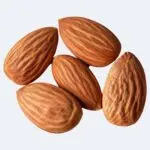
Green tea, by a wide margin. In USDA data it has 29.2 mg per 100 g and 71.5 mg per cup (245 g). Pecans (5.63 mg per 100 g), hazelnuts (2.78), almonds (2.59) and pistachios (2.05) come next. But a serving of any of them gives under 2 mg.
What is the difference between EGC and EGCG?
EGCG carries a gallate group that EGC lacks. In USDA data green tea holds 29.2 mg of EGC and 70.2 mg of EGCG per 100 g. EGC reaches higher blood levels and clears faster (half-life 1.7 versus 3.9 hours at the same dose). EGCG has far more trials, and the liver-enzyme findings at 800 mg a day or more from supplements. See our EGCG page.
Is EGC absorbed better than EGCG?
In the two human studies we found, yes. After the same dose, EGC peaked at 5.0 µmol/L against 1.3 for EGCG. After green tea, it peaked at 223.4 ng/mL against 77.9. Most of it travels as conjugates, and better absorption does not mean a health benefit.
Do milk or lemon change how much EGC you absorb?
Milk did in 24 women: EGC availability rose to 134% of normal with skimmed milk, while EGCG fell to 68%. In a lab digestion test, citrus juice kept 81 to 98% of EGC, against about 10% or less in plain tea. But that was not a human trial.
Can EGC harm the liver?
We found no study that tested EGC alone for liver safety. The liver signal is for EGCG: EFSA found that 800 mg a day or more from supplements raised liver enzymes. In Shanghai men with hepatitis B, higher urinary EGC went with higher liver cancer risk in a subgroup, which is not proof. Ask a doctor first if you have a liver condition.
Does EGC lower cancer risk?
Not proven. In Shanghai men, urine EGC went with lower colon cancer risk (odds ratio 0.40) and gastric cancer risk (0.52). But the same cohort showed no link to liver cancer, and a Japanese study found no link to colon cancer after correction. In cell studies EGC slowed breast cancer cells, and no trial has tested it.
How much EGC should you get a day?
We found no recommended amount. A cup of green tea has 71.5 mg in USDA data, though real tea varies widely. The only human dosing of EGC on its own we found was a single 1.5 mmol dose in 10 volunteers. So talk to a clinician before taking concentrated extracts.