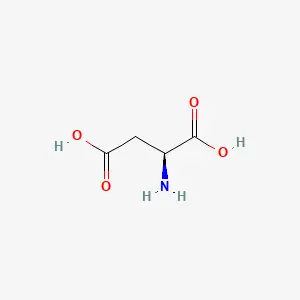
Aspartic acid is an amino acid, one of the 20 building blocks of protein. Its negatively charged form and its salts are called aspartate, and the two names are often used for the same thing.
It is a non-essential (dispensable) amino acid, made by the body itself. The WHO, the US National Academies (NASEM) and the European Food Safety Authority (EFSA) all list it among the dispensable amino acids. NASEM says it is made from oxaloacetate, an intermediate from glucose breakdown, by transamination (the transfer of an amino group). Healthy people who eat enough protein do not need to think about getting it.
Beyond building protein, the body uses aspartate as a hub. A 2025 review says it helps make arginine and nitric oxide, asparagine, N-acetylaspartate and N-methyl-D-aspartate.
Its major metabolic role in the brain is the malate-aspartate shuttle. This carries electrons from the cell fluid into the mitochondria, the power plants of cells. In the liver, it is one of the two inputs to the step that brings nitrogen into the urea cycle. That cycle turns ammonia into urea.
Here is what most readers do not know. The name covers four different things. There is aspartic acid in the protein of food, D-aspartic acid pills sold to raise testosterone, and magnesium or potassium aspartate salts. There is also the sweetener aspartame, which the FDA says is composed primarily of phenylalanine and aspartic acid.
The pills do not do what they promise in the trials we found. None of five trials in trained men showed a rise in testosterone, and one found a fall at 6 g a day.
And inside long-lived proteins, L-aspartic acid slowly flips into its mirror image, D-aspartic acid. About 8% of the aspartic acid in tooth enamel is the D form after 60 years, according to a 1975 study. That has been used to estimate age.
Health benefits of aspartic acid
The top findings from 25 studies, strongest evidence first
What the stars mean
- Strong. Several randomized trials, pooled in a meta-analysis, point the same way, or regulators (FDA or EFSA) have approved the claim.
- Moderate. Good randomized trials support it, but there are fewer of them, or their results vary.
- Limited. Small, short or single trials, or mixed results. Promising, but it needs confirmation.
Population and lab studies get no stars: they show a link or a mechanism, not proof.
How we rate evidence →- ★D-aspartic acid supplements mostly did not raise testosteroneIn 22 trained men, 6 g a day for 12 weeks left testosterone unchanged. One 14-day trial found a drop at 6 g, and one small trial of a D-aspartate supplement (no numbers given) reported a rise.
- ★Possibly fewer deaths in cirrhosis (hospital treatment)In cirrhosis, deaths were 0.42 times as likely on L-ornithine L-aspartate across 19 trials, but the evidence is very low quality. It is a salt of two amino acids, often given by drip, so it says little about aspartic acid from food.
- ★Magnesium aspartate absorbed far better than oxideIn healthy volunteers, magnesium from aspartate, chloride and lactate was absorbed about equally well, and far better than from oxide (about 4% absorbed). Absorption is not a health outcome.
- ★No clear exercise gain from potassium-magnesium aspartateIn small trials of men, this supplement did not change heart rate, oxygen use or blood lactate on a treadmill. It also did not improve bench press endurance or muscle force.
- ★Potassium aspartate lowered blood pressure, no placeboIn 104 people with mild to moderate high blood pressure, four weeks of potassium aspartate lowered office pressure (154.4/95.0 to 142.2/87.2 mm Hg). The comparison group took nothing, and the effect comes from the potassium (30 mmol a day), not the aspartate.
All 17 studies, strongest evidence first
Most products sold to raise testosterone failed to raise it
This systematic review covered 52 studies of 27 products sold to raise testosterone, and two of the studies tested D-aspartic acid. It looked at male athletes, men with late-onset hypogonadism (low testosterone with age), infertile men and healthy men. The authors rated only a few products as effective or possibly effective, such as betaine and HMB in athletes. D-aspartic acid was not among the products rated effective, and most products failed to raise total testosterone. Reviews like this are limited here because only two of the studies were of D-aspartic acid.
D-aspartic acid raised testosterone in animals, but human results were inconsistent
This systematic review covered 23 animal studies and 4 human studies, with searches to October 2015 that returned 396 records. D-aspartic acid raised testosterone in male animals. The authors call the human evidence sparse because the studies were few and of poor quality, and they ask for larger, longer trials. Four of the trials in this list were published after its search date.
6 g a day of D-aspartic acid did not change testosterone
In this randomized, double-blind trial, 22 resistance-trained men trained four days a week for 12 weeks. 11 took D-aspartic acid and 11 an equal-weight placebo, and total and free testosterone did not change compared with placebo. Estradiol, a form of estrogen, fell by 16% on D-aspartic acid. Calf strength rose by 17% in both groups, muscle growth was similar, and the authors declared no competing interests.
6 g of D-aspartic acid daily lowered testosterone; 3 g did nothing
In this trial, 24 resistance-trained men trained four days a week for 14 days. They were randomized to 6 g of plain flour, 3 g of D-aspartic acid or 6 g of D-aspartic acid a day. Total testosterone fell in the 6 g group, and free testosterone was lower than on flour. The authors say it is unknown what the drop means for strength and muscle gains. Response did not depend on starting testosterone (correlation r = 0.10).
3 g daily of D-aspartic acid did not change hormones or strength
In this randomized, placebo-controlled trial, resistance-trained men took D-aspartic acid or placebo for 28 days, with heavy resistance training four times a week. Testosterone, luteinizing hormone (a hormone that drives testosterone) and estradiol did not change. Strength and body composition improved in both groups to the same extent, and blood D-aspartic acid rose only slightly. The abstract does not give the number of men.
In climbers, 3 g daily of D-aspartic acid left testosterone unchanged
In this single-blind, placebo-controlled crossover, 16 male climbers took D-aspartic acid or placebo for two weeks each, with a two-week washout between. Testosterone and luteinizing hormone did not change compared with placebo. Sex hormone binding globulin rose 6.8% and cortisol fell 13.6% over time, but these changes did not depend on the treatment. The authors conclude that D-aspartic acid, including blended products, gives no benefit to athletic men.
In boxers at altitude, D-aspartic acid did not change testosterone or cortisol
16 male boxers were randomized to 6 g a day of D-aspartic acid for 14 days or to a control group. They spent 11 days at simulated altitude, breathing low oxygen (equal to 2,500 m) for 10 to 12 hours a day. Red blood cells, hemoglobin and hematocrit rose in both groups alike. The authors declared no conflicts of interest.
12 days of D-aspartate raised luteinizing hormone and testosterone in men
In this controlled trial, 23 men took a branded sodium D-aspartate supplement and 20 took placebo. It is the one trial in this list that supports the claim. The abstract gives no dose, no hormone numbers and no sentence on how men were assigned, so the size of the rise cannot be judged. The same paper also gave D-aspartate to rats and tested rat pituitary and testis cells.
A D-aspartic acid mix was followed by better sperm motility and testosterone
In this randomized, double-blind, placebo-controlled trial, 75 infertile men were recruited and the abstract reports 24 per group. The mixture held 2,660 mg D-aspartic acid, 200 mg ubiquinol and 10 mg zinc, taken for 3 months. In the supplement group, progressive sperm motility rose from 10.63 to 15.21 and total testosterone from 5.06 to 5.89. The abstract gives no units and does not report the placebo group, so the effect of D-aspartic acid cannot be separated from ubiquinol and zinc.
In mild high blood pressure, potassium aspartate lowered blood pressure
104 people with mild to moderate high blood pressure were split into two groups of 52. One took 30 mmol of potassium a day as aspartate for four weeks, and the other took nothing, so there was no placebo. Office blood pressure fell from 154.4/95.0 to 142.2/87.2 mmHg. Average 24-hour pressure fell from 142.7/90.8 to 134.8/84.6 mmHg, while the untreated group did not change. The effect comes from the potassium, and the trial did not compare potassium aspartate with another potassium salt. Earlier trials of potassium chloride used 48 to 120 mmol a day.
Potassium and magnesium aspartate did not change treadmill responses
Seven trained men did control, placebo and supplement trials of 90 minutes of treadmill walking at about 62% of their maximal oxygen uptake. Their VO2 max was 59.5 mL/kg/min, and the supplement was 7.2 g of potassium and magnesium aspartate over 24 hours. Heart rate, oxygen use, blood lactate, ventilation, blood pressure, rectal temperature, creatine kinase and plasma volume change did not differ. The authors found no effect on heart, lung, blood or metabolic responses.
Potassium plus magnesium aspartate did not increase muscle force or endurance
In human volunteers, the supplement did not increase force or endurance time in a submaximal (less than all-out) static muscle contraction. The same study used rat muscle, where ATP, phosphocreatine, lactate and aspartate were not affected and force did not improve. Earlier reports had claimed 20% to 50% better muscle performance at a submaximal load, but the authors did not see it in short intensive activity. The abstract gives no group size.
Potassium and magnesium aspartate did not lower ammonia or improve bench press
In this randomized, double-blind crossover, 12 weight-trained men took the supplement or vitamin C, one week apart. It was given over 2 hours, starting 5 hours before a workout of presses and curls at 70% of one-repetition maximum. A bench press to failure at 65% followed, and bench press endurance did not improve. Blood ammonia rose in both trials.
Sodium L-aspartate improved only one measure of repeated sprints
In this double-blind, placebo-controlled crossover, 14 healthy men took 4.5 g twice on each test day, before three sets of ten 6-second sprints. Blood aspartate rose: 45.3 versus 6.1 µM in the first set. Only peak cadence improved, 153 versus 152 rpm in the second set, while mean power output did not differ. Peak power (743 versus 734 W) and blood pH only tended to be higher, possibly by chance. The test foods were provided by Ajinomoto Co., and five of the authors work for the company.
Aspartate plus asparagine did not change high-intensity cycling performance
In this double-blind, placebo-controlled pilot study, 15 trained triathletes took one dose of 7 g of aspartate plus 7 g of asparagine. They then did an exhaustion test at 90% of maximal oxygen uptake, with blood lactate and glucose measured. The mix contained asparagine as well, so a result would not have been credited to aspartate alone.
Genes for higher blood aspartic acid went with more stomach cancer
This Mendelian randomization study uses inherited variants as a stand-in for blood levels, here of L-aspartic acid. In two northern Chinese cohorts, risk was 1.26 times as high per standard deviation (Shandong Intervention Trial) and 1.07 times (a second cohort). In Finnish data (FinnGen) the odds were 1.68 times as high. It concerns the level in blood, not aspartic acid from food or pills, and the authors call for confirmation in other populations.
Rats on aspartate plus asparagine swam 68 minutes to exhaustion against 41
Rats were given 350 mM aspartate plus 400 mM asparagine a day for 7 days (16 per group), or plain water. Rats on the amino acids also had lower blood lactate and slower glycogen use. This is a mixture, in animals, and the human trials above did not confirm the idea.
Foods high in aspartic acid
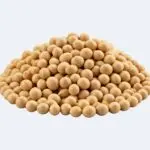
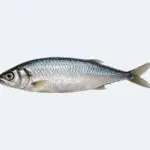
Soybeans lead our USDA ranking per serving with 3.6 g of aspartic acid per cup. Chicken breast (2.39 g in 4 oz) is next, then a chicken drumstick and a can of sardines (2.32 g each). Kidney beans, just below the top foods, give 1.92 g per cup.
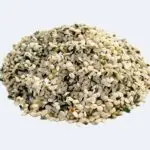
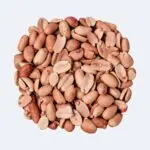
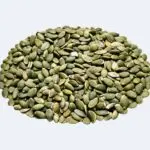
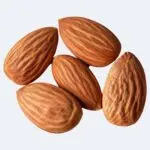
Per 100 g, hemp seeds come first with 3.66 g, then peanuts (3.15 g) and pumpkin seeds (2.96 g), with almonds close behind. Per 100 kcal, asparagus leads with 2.54 g, ahead of cod (2.22 g) and tuna (2.19 g). The ranking below has the full lists.
Aspartic acid is in every protein, so enough protein means enough aspartic acid, from animal and plant foods alike. Asparagine in food adds to it. NASEM says asparagine is either deaminated during food processing or converted into aspartate by the cells lining the gut.
Protein quality scores are built from the indispensable amino acids, so they say nothing about aspartic acid. The WHO discusses complementing one protein with another in terms of indispensable amino acids, so there is no aspartic acid to combine for.
How much does a serving give? The National Academies report a mean intake of 6.5 g of aspartic acid a day from food and supplements. That is the average across US life stages and genders in survey data from 1988 to 1994. The highest median was 9.2 g, in men aged 19 to 30.
By our arithmetic, 1 cup of soybeans (3.6 g) gives more than half of the 6.5 g mean. 4 oz of chicken breast (2.39 g) gives over a third.
Per serving. No daily amount is set, so bars compare each food with the top food.
Per 100 g. No daily amount is set, so bars compare each food with the top food.
Per 100 kcal: the same calories of each food, for a fair comparison. Bars compare each food with the top food.
Food labels have no Daily Value or Reference Intake for aspartic acid, so the % compares each food with the top food.
- 1.
- 2.

- 3.

- 4.
- 5.

- 6.
- 7.
- 8.
- 9.
- 10.


- 1.
- 2.
- 3.
- 4.
- 5.
- 6.
- 7.
- 8.
- 9.
- 10.


- 1.
- 2.

- 3.
- 4.
- 5.
- 6.
- 7.
- 8.
- 9.
- 10.


Sources
- FoodData Central. US Department of Agriculture, Agricultural Research Service. Values as shown in the ranking above.
- Institute of Medicine, Food and Nutrition Board. Dietary Reference Intakes for energy, carbohydrate, fiber, fat, fatty acids, cholesterol, protein, and amino acids. National Academies Press. 2005.
- EFSA Panel on Dietetic Products, Nutrition and Allergies (NDA). Scientific opinion on dietary reference values for protein. EFSA J. 2012.
How aspartic acid works
Most of what follows comes from textbook biochemistry, reviews, cell work and a few small human studies. Human trials of aspartic acid itself are few.
These ideas cover most of it. The body makes aspartate from oxaloacetate, the gut keeps most of what you swallow, and it carries nitrogen into the urea cycle. It moves electrons into mitochondria, and cells use it to build other molecules.
Its mirror image, D-aspartic acid, is a separate story. Here is each one, and what has been seen in people.
The body makes it from oxaloacetate
NASEM describes L-aspartic acid as a dispensable dicarboxylic amino acid. It is produced by the transamination of oxaloacetic acid, which arises from glucose breakdown. In the presence of α-ketoglutarate the reaction runs the other way and turns aspartate into oxaloacetate and glutamate.
The same report says humans appear to need preformed amino nitrogen, for example as glutamate, alanine or aspartate, in addition to the indispensable amino acids. The WHO adds that glutamate and glycine appear to be the most effective form of this component.
Cells can also make aspartate when they are stressed. In cultured human cells with a blocked respiratory chain, an enzyme called GOT1 reversed direction to make aspartate in the cell fluid. Adding aspartate let those cells keep dividing.
Three routes into aspartate. Not to scale. The share of each route is not known.
The gut keeps most of what you eat
The intestine takes up much of the aspartate in food before it reaches the blood. In eight tube-fed preterm infants, about 77% of aspartate given by mouth was taken up on its first pass through the gut and liver. About 80% of the labeled carbon from it came out as carbon dioxide in the breath, so most of it was burned for energy. We found no adult data on this.
Adult trials of aspartame, which NASEM says is about 40 percent aspartic acid, show the same kind of picture. NASEM reports a study of 12 adults given 34 mg/kg of aspartame or the matching 13 mg/kg of aspartic acid. Their plasma and red cell aspartate did not rise over 24 hours.
In a 20-person capsule study, 20 mg/kg of aspartame did not raise plasma aspartate either. One study of six men did find a clear rise in plasma aspartate 15 minutes after 1 g of aspartame.
Supplements are different, as the chart shows. In 14 men, two doses of 4.5 g of sodium L-aspartate raised blood aspartate several-fold during exercise. NASEM also notes that a 10 g bolus (single dose) of aspartic acid had no consistent effect on pituitary hormones in healthy adults.
Blood aspartate during the first and second of three sets of ten 6-second sprints, after sodium L-aspartate or placebo. Drawn to scale. Fourteen men, a small crossover trial; the test foods came from Ajinomoto Co.
It carries nitrogen into the urea cycle
The urea cycle is the pathway that disposes of excess nitrogen, which arises mainly as ammonia, according to a 2019 review. Aspartate is one of the inputs. The enzyme argininosuccinate synthetase joins citrulline and aspartate to form argininosuccinate, the immediate precursor of arginine. In the liver, arginine is then broken down to urea and ornithine.
A 2015 Nature paper calls this enzyme essential in the conversion of nitrogen from ammonia and aspartate to urea. When the enzyme is deficient, the result is citrullinemia type I. When aspartate cannot reach it because the carrier protein citrin is missing, the result is citrullinemia type II. The same gene defect (SLC25A13) also causes a form of newborn liver disease.
The urea cycle step that takes in aspartate, in three stages. Not to scale. The first two enzymes of the cycle work in the mitochondria and the rest in the cell fluid.
It moves electrons into the mitochondria
The inner membrane of the mitochondria does not let the electron carrier NADH through. So cells use the malate-aspartate shuttle: four enzymes and two transporters pass electrons in as malate, according to a 2021 review.
A history of the pathway says the shuttle was proposed in 1962. In the 1970s, aspartate was found to leave the mitochondria driven by the proton gradient of the respiratory chain. One glutamate and one proton come in for each aspartate going out, which makes the shuttle one-way, toward burning NADH in the cell fluid.
Inherited defects of the shuttle are rare. Five of seven potential deficiencies have been reported, most presenting as infantile epileptic encephalopathy (severe epilepsy in babies), with high lactate and ammonia.
Cells use it to build other molecules, and to divide
A 2025 review lists what aspartate contributes to: protein, arginine and nitric oxide, asparagine, N-acetylaspartate and N-methyl-D-aspartate. Cell work shows how much dividing cells depend on it.
A 2015 screen in human cells found that an essential role of the mitochondrial respiratory chain in cell growth is to enable aspartate synthesis. A 2018 paper found aspartate to be a limiting metabolite for cancer cell growth in low oxygen and in tumors. Another 2015 paper found that when the urea cycle enzyme ASS1 is switched off in tumors, aspartate is diverted into pyrimidine synthesis. The cells then divide faster.
All of this is cells and animals. We found no trial in which aspartic acid supplements were tested against cancer. The one genetic study in the cards above concerns blood levels, not diet.
Five main fates of aspartate in the body. Not to scale. Several of these come from cell and animal work.
D-aspartic acid is a different molecule
Almost all aspartic acid in the body is the L form, which builds proteins. D-aspartic acid is its mirror image, and it is present in small amounts.
A 1986 study found free D-aspartic acid in rodent brain and in human blood. In the cerebral hemispheres of newborn rats it was 8.4% of the total aspartic acid. Fetal cord blood held 2.6 nmol/g (4.9%), five times the level in adult human blood.
A 2007 review describes a role for D-aspartic acid in releasing hormones, from the hypothalamus and pituitary to the testes, based largely on animal work. A 2025 review is more careful: the role of D-aspartate in the brain is less certain still. It is more likely involved in fine regulation of hormone and body-balance processes than a minor neurotransmitter, that review says.
D-aspartic acid also builds up with age in slow-turnover tissue. It was found in the white matter of ten normal brains aged 30 to 80, and in tooth enamel.
What has been seen in people
The human evidence is thin. D-aspartic acid pills did not raise testosterone in five trials in trained men, and one dose of 6 g a day lowered it. A trial in infertile men used a mixture, and one early trial of D-aspartate in 23 men reported a rise without numbers in its abstract.
Potassium and magnesium aspartate did not improve exercise in three small trials. Sodium L-aspartate improved one measure of repeated sprints in a company-supported trial. A potassium aspartate trial without placebo lowered blood pressure. Blood levels of aspartate rise after a supplement but not after aspartame.
All of these studies are among the cards above and in the forms section below.
Sources
- Institute of Medicine, Food and Nutrition Board. Dietary Reference Intakes for energy, carbohydrate, fiber, fat, fatty acids, cholesterol, protein, and amino acids. National Academies Press. 2005.
- Rae CD, Rowlands BD, Balcar VJ. Aspartate in the brain: a review. Neurochem Res. 2025.
- Corpeleijn WE, Riedijk MA, Zhou Y, et al. Almost all enteral aspartate is taken up in first-pass metabolism in enterally fed preterm infants. Clin Nutr. 2010.
- Burns TS, Stargel WW, Hurwitz A. Bioavailability of phenylalanine and aspartate from aspartame (20 mg/kg) in capsules and solution. Metabolism. 1990.
- Møller SE. Effect of aspartame and protein, administered in phenylalanine-equivalent doses, on plasma neutral amino acids, aspartate, insulin and glucose in man. Pharmacol Toxicol. 1991.
- Stegink LD, Filer LJ Jr, Baker GL. Repeated ingestion of aspartame-sweetened beverage: effect on plasma amino acid concentrations in normal adults. Metabolism. 1988.
- Yamaguchi K, Hayashi N, Sumi D, et al. Sodium L-aspartate supplementation improves repeated-sprint performance. Nutrients. 2023.
- Matsumoto S, Häberle J, Kido J, et al. Urea cycle disorders-update. J Hum Genet. 2019.
- Husson A, Brasse-Lagnel C, Fairand A, Renouf S, Lavoinne A. Argininosuccinate synthetase from the urea cycle to the citrulline-NO cycle. Eur J Biochem. 2003.
- Rabinovich S, Adler L, Yizhak K, et al. Diversion of aspartate in ASS1-deficient tumours fosters de novo pyrimidine synthesis. Nature. 2015.
- Saheki T, Kobayashi K. Mitochondrial aspartate glutamate carrier (citrin) deficiency as the cause of adult-onset type II citrullinemia (CTLN2) and idiopathic neonatal hepatitis. J Hum Genet. 2002.
- Borst P. The malate-aspartate shuttle (Borst cycle): how it started and developed into a major metabolic pathway. IUBMB Life. 2020.
- Broeks MH, van Karnebeek CDM, Wanders RJA, Jans JJM, Verhoeven-Duif NM. Inborn disorders of the malate aspartate shuttle. J Inherit Metab Dis. 2021.
- Birsoy K, Wang T, Chen WW, et al. An essential role of the mitochondrial electron transport chain in cell proliferation is to enable aspartate synthesis. Cell. 2015.
- Garcia-Bermudez J, Baudrier L, La K, et al. Aspartate is a limiting metabolite for cancer cell proliferation under hypoxia and in tumours. Nat Cell Biol. 2018.
- Dunlop DS, Neidle A, McHale D, Dunlop DM, Lajtha A. The presence of free D-aspartic acid in rodents and man. Biochem Biophys Res Commun. 1986.
- D’Aniello A. D-aspartic acid: an endogenous amino acid with an important neuroendocrine role. Brain Res Rev. 2007.
- Man EH, Sandhouse ME, Burg J, Fisher GH. Accumulation of D-aspartic acid with age in the human brain. Science. 1983.
- Helfman PM, Bada JL. Aspartic acid racemization in tooth enamel from living humans. Proc Natl Acad Sci U S A. 1975.
- Protein and amino acid requirements in human nutrition: report of a joint WHO/FAO/UNU expert consultation. WHO Technical Report Series 935. World Health Organization. 2007.
How much aspartic acid do you need?
No daily amount of aspartic acid is set, because the body makes it. The WHO table of adult amino acid requirements covers the nine indispensable amino acids only, and NASEM derived requirements for those only.
The WHO, NASEM and EFSA all classify aspartic acid as dispensable. EFSA does not include it in its short list of conditionally indispensable amino acids (arginine, cysteine, glutamine, glycine, proline and tyrosine). The site has no Daily Value for aspartic acid, because neither the FDA nor the EU has set one.
What people actually eat is on record. In US survey data from 1988 to 1994, the mean intake from food and supplements was 6.5 g a day across life stages and genders. The highest median was 9.2 g, in men aged 19 to 30. The highest 99th percentile was 15.4 g, in men aged 31 to 50, according to the National Academies.
For scale, the WHO puts the mean protein requirement at 0.66 g/kg a day. Of that, about 0.48 g/kg a day is dispensable amino acids as a group, it works out. That is about 34 g for a 70 kg adult, by our arithmetic. We found no values for children, pregnancy or breastfeeding, because no requirement exists for aspartic acid.
Aspartic acid deficiency: signs and who is at risk
We found no report of aspartic acid deficiency from diet alone, and no sign or test that doctors use for it. The WHO says the diet must provide dispensable amino acids or a usable source of nonspecific nitrogen. At low total nitrogen intakes the critical limit may be glycine and glutamine, it adds, not aspartate.
Rare inherited disorders change how aspartate is handled. Citrin deficiency, caused by SLC25A13 mutations, makes the aspartate-glutamate carrier of the mitochondria defective. It causes neonatal liver disease and, in adults, type II citrullinemia.
From childhood to adulthood, people with it can look healthy, with a taste for fat and protein-rich food and a dislike of carbohydrate. Carbohydrate overload and alcohol can trigger sudden high ammonia. The treatment in reviews is nutritional, with medium-chain triglyceride oil and sodium pyruvate, not aspartate.
Defects of the malate-aspartate shuttle, five of which have been described, usually present in infancy with epileptic encephalopathy.
Sources
- Protein and amino acid requirements in human nutrition: report of a joint WHO/FAO/UNU expert consultation. WHO Technical Report Series 935. World Health Organization. 2007.
- Institute of Medicine, Food and Nutrition Board. Dietary Reference Intakes for energy, carbohydrate, fiber, fat, fatty acids, cholesterol, protein, and amino acids. National Academies Press. 2005.
- EFSA Panel on Dietetic Products, Nutrition and Allergies (NDA). Scientific opinion on dietary reference values for protein. EFSA J. 2012.
- Saheki T, Kobayashi K. Mitochondrial aspartate glutamate carrier (citrin) deficiency as the cause of adult-onset type II citrullinemia (CTLN2) and idiopathic neonatal hepatitis. J Hum Genet. 2002.
- Komatsu M, Tanaka N, Kimura T, Yazaki M. Citrin deficiency: clinical and nutritional features. Nutrients. 2023.
- Hayasaka K. Metabolic basis and treatment of citrin deficiency. J Inherit Metab Dis. 2021.
- Broeks MH, van Karnebeek CDM, Wanders RJA, Jans JJM, Verhoeven-Duif NM. Inborn disorders of the malate aspartate shuttle. J Inherit Metab Dis. 2021.
- EU Register of nutrition and health claims made on foods. European Commission.
Forms of aspartic acid: absorption and effects
Aspartic acid reaches people in several ways. It comes bound in the protein of food, as free L-aspartic acid or sodium L-aspartate, and as magnesium or potassium aspartate salts. It also comes as D-aspartic acid, as part of larger products such as L-ornithine L-aspartate or arginine aspartate, and as half of the sweetener aspartame.
Unlike minerals, there is no list of forms with known absorption rates. For the salts, the practical question is the mineral, because the absorption studies measure magnesium or potassium, not aspartate.
The honest bottom line: the form matters less for aspartic acid than for a mineral, and the popular claims have little behind them. We found no placebo-controlled trial of magnesium aspartate alone for tiredness or energy in everyday life. We found none that compared aspartate salts with other salts on a health outcome, and none that compared D-aspartic acid with the L form.
Magnesium aspartate is well absorbed, but so are chloride and lactate. The studies below compare products or look at a medical use of a combination; the eight cards are the head-to-head and product studies we found.
| Form | What it is | What studies show | Source |
|---|---|---|---|
| Aspartic acid in food protein | Bound in every protein; the gut takes up most of what is absorbed | The mean intake in US survey data is 6.5 g a day. In eight preterm infants about 77% of enteral aspartate was taken up on the first pass. We found no study of absorption in adults. | 1 |
| Free L-aspartic acid or sodium L-aspartate | The single amino acid or its sodium salt, not bound in protein | Two doses of 4.5 g of sodium L-aspartate raised blood aspartate to 45.3 from 6.1 µM and improved one sprint measure in 14 men. A 10 g bolus had no consistent effect on pituitary hormones in healthy adults, and NASEM reports that doses up to 8 g a day have not caused documented adverse effects. | 10, 1 |
| Magnesium aspartate (including DL and L forms) | Magnesium salt of aspartic acid; aspartate share by weight not stated | Absorbed as well as chloride and lactate and better than oxide (4%). The DL and the L forms were absorbed about equally (44.5% versus 41.7%) in 18 men. The NIH fact sheet says small studies find aspartate, citrate, lactate and chloride better absorbed than oxide and sulfate. We found no outcome trial of magnesium aspartate versus another salt. | 3, 4, 2 |
| Potassium aspartate and potassium-magnesium aspartate | Potassium salt, alone or with magnesium; elemental share not stated | Potassium as aspartate (30 mmol a day) lowered blood pressure in 104 people in a trial with no placebo. Three exercise trials of the potassium-magnesium salt found no benefit. NASEM lists acute doses of about 75 to 130 mg per kg of body weight in the exercise studies. | 6, 7, 8, 9, 5, 1 |
| D-aspartic acid | The mirror-image form, sold as a testosterone booster | Trials used 3 to 6 g a day for 12 days to 12 weeks. Five trials in trained men found no rise in testosterone, and 6 g a day lowered it in one. The one trial in infertile men used a mixture with ubiquinol and zinc. We found no trial comparing D-aspartic acid with the L form. | 11, 12, 13, 24 |
| L-ornithine L-aspartate | A salt of two amino acids, given into a vein or by mouth for liver disease | A Cochrane review of 36 trials found possible benefit in hepatic encephalopathy but of very low quality; two large trials in hospital gave 30 g a day into a vein as an add-on. It is a two-amino-acid product, so the result is not credited to aspartate. | 14, 15, 16 |
| Arginine aspartate and zinc magnesium aspartate | Blends sold to athletes | Arginine aspartate (5.7 g arginine plus 8.7 g aspartate, or half the dose) for 4 weeks changed no performance, hormone or metabolic measure in 30 endurance athletes. Zinc magnesium aspartate had no effect on sleep or morning lifting after two short nights in 16 trained men. The blends cannot be credited to aspartate alone. | 17, 18 |
| Aspartame | A dipeptide of aspartic acid and phenylalanine methyl ester; about 40% aspartic acid by weight, according to NASEM | Blood aspartate did not rise in several adult trials, though one study of six men saw a brief rise. Headaches were no more common than on placebo in 40 people who reported them. A French cohort links higher intake to more cancer; see the safety section for the regulators’ view. | 1, 19, 20, 21, 22, 23 |
| Asparagine | The amide of aspartic acid, found in food | NASEM says asparagine is deaminated during food processing or converted to aspartate by the cells of the gut, so asparagine in food adds to the aspartate supply. See our page on asparagine. | 1 |
Here are the studies that compare products or test a combination, eight in all. The first three concern L-ornithine L-aspartate, a salt that contains aspartate as well as ornithine.
All 8 studies, strongest evidence first
L-ornithine L-aspartate may lower deaths in cirrhosis, on very low-quality evidence
This Cochrane review included 36 trials in cirrhosis, with outcome data from 29 trials and 1,891 people. Against placebo or no treatment, deaths were 0.42 times as likely (19 trials). They were not clearly lower in the trials at low risk of bias (0.47). It may also lower hepatic encephalopathy, brain problems caused by liver failure. Against lactulose, rifaximin and probiotics there was no clear advantage, apart from hepatic encephalopathy against probiotics. L-ornithine L-aspartate is a salt of two amino acids, so the result is not credited to aspartate. The authors are very uncertain about the findings.
An L-ornithine L-aspartate drip improved mental state on days 1 to 4
This randomized, double-blind, placebo-controlled trial at two Indian hospitals included 193 people with cirrhosis and overt hepatic encephalopathy. They got 30 g a day for 5 days into a vein, and everyone also received lactulose and ceftriaxone. The gain in mental state grade did not hold on day 5. Recovery was faster (1.92 versus 2.50 days), and venous ammonia at day 5 and hospital stay were lower. It is an add-on given in hospital, and the salt contains ornithine as well as aspartate.
Adding an L-ornithine L-aspartate drip raised improvement to 92.5% versus 66%
In this double-blind, randomized, placebo-controlled trial, 140 people with severe (grade III to IV) overt hepatic encephalopathy got lactulose and rifaximin. On top, they got 30 g of L-ornithine L-aspartate over 24 hours for 5 days, or placebo. Blood ammonia, IL-6 and TNF-alpha fell more in the L-ornithine L-aspartate group, and the authors report lower 28-day mortality. It was given with two other drugs and into a vein, so it says little about aspartate in food or pills.
Magnesium aspartate was absorbed like chloride and lactate, better than oxide
Healthy volunteers took about 21 mEq of magnesium a day from four commercial products, and absorption was judged by the rise in urinary magnesium. Chloride, lactate and aspartate were clearly better absorbed than oxide, and equally well. Magnesium oxide was absorbed far worse, with a fractional absorption of 4%. The abstract gives no group size, and absorption is not a health outcome.
DL and L forms of magnesium aspartate were absorbed about equally
In this randomized trial, 18 healthy men took magnesium DL-hydrogen aspartate or magnesium L-hydrogen aspartate. Absorption, estimated from the urinary magnesium eliminated after a saturation phase, was 44.5% versus 41.7%, a gap that could be chance. It compares the DL (mixed) and the L form of the same salt, and it is the only study of that comparison we found.
Three aspartame-sweetened drinks did not raise blood aspartate
In this randomized crossover study, eight adults drank an unsweetened drink and, on another occasion, an aspartame-sweetened one. Each came as three 12-oz servings two hours apart, with aspartame at 10 mg/kg per serving. Plasma phenylalanine rose by 1.64 to 2.05 µmol/dL above baseline 30 to 45 minutes after each dose. It never exceeded normal after-meal values.
Aspartame caused headaches no more often than placebo in self-reported sensitive people
In this double-blind crossover trial, 40 people who reported headaches after aspartame took 30 mg/kg of aspartame or placebo. Headaches followed in 35% on aspartame and 45% on placebo. No serious reactions were seen, and other symptoms were equally common on aspartame and placebo. The authors note that most of the people were well educated and overweight and had a personal or family history of allergy.
In French adults, more aspartame went with higher overall cancer risk
The NutriNet-Santé cohort followed 102,865 French adults for a median of 7.8 years. Higher aspartame intake came with 1.15 times the overall cancer risk, and 1.22 times for breast cancer. The authors list selection bias, residual confounding and reverse causality as limits, so this shows an association, not a cause.
Sources
- Institute of Medicine, Food and Nutrition Board. Dietary Reference Intakes for energy, carbohydrate, fiber, fat, fatty acids, cholesterol, protein, and amino acids. National Academies Press. 2005.
- Magnesium: fact sheet for health professionals. National Institutes of Health, Office of Dietary Supplements. 2026.
- Firoz M, Graber M. Bioavailability of US commercial magnesium preparations. Magnes Res. 2001.
- Kuhn I, Jost V, Wieckhorst G, Theiss U, Lücker PW. Renal elimination of magnesium as a parameter of bioavailability of oral magnesium therapy. Methods Find Exp Clin Pharmacol. 1992.
- Potassium: fact sheet for health professionals. National Institutes of Health, Office of Dietary Supplements. 2022.
- Franzoni F, Santoro G, Carpi A, et al. Antihypertensive effect of oral potassium aspartate supplementation in mild to moderate arterial hypertension. Biomed Pharmacother. 2005.
- Hagan RD, Upton SJ, Duncan JJ, Cummings JM, Gettman LR. Absence of effect of potassium-magnesium aspartate on physiologic responses to prolonged work in aerobically trained men. Int J Sports Med. 1982.
- de Haan A, van Doorn JE, Westra HG. Effects of potassium + magnesium aspartate on muscle metabolism and force development during short intensive static exercise. Int J Sports Med. 1985.
- Tuttle JL, Potteiger JA, Evans BW, Ozmun JC. Effect of acute potassium-magnesium aspartate supplementation on ammonia concentrations during and after resistance training. Int J Sport Nutr. 1995.
- Yamaguchi K, Hayashi N, Sumi D, et al. Sodium L-aspartate supplementation improves repeated-sprint performance. Nutrients. 2023.
- Melville GW, Siegler JC, Marshall PW. Three and six grams supplementation of d-aspartic acid in resistance trained men. J Int Soc Sports Nutr. 2015.
- Melville GW, Siegler JC, Marshall PWM. The effects of d-aspartic acid supplementation in resistance-trained men over a three month training period: a randomised controlled trial. PLoS One. 2017.
- GamalEl Din SF, A M E, Elkhiat Y, et al. Evaluation of in vivo supplementation of 2660 mg D-aspartic acid and 200 mg ubiquinol and 10 mg zinc on different semen parameters in idiopathic male infertility: a randomized double blind placebo controlled study. Arch Ital Urol Androl. 2025.
- Goh ET, Stokes CS, Sidhu SS, Vilstrup H, Gluud LL, Morgan MY. L-ornithine L-aspartate for prevention and treatment of hepatic encephalopathy in people with cirrhosis. Cochrane Database Syst Rev. 2018.
- Sidhu SS, Sharma BC, Goyal O, Kishore H, Kaur N. L-ornithine L-aspartate in bouts of overt hepatic encephalopathy. Hepatology. 2018.
- Jain A, Sharma BC, Mahajan B, et al. L-ornithine L-aspartate in acute treatment of severe hepatic encephalopathy: a double-blind randomized controlled trial. Hepatology. 2022.
- Abel T, Knechtle B, Perret C, et al. Influence of chronic supplementation of arginine aspartate in endurance athletes on performance and substrate metabolism: a randomized, double-blind, placebo-controlled study. Int J Sports Med. 2005.
- Gallagher C, Austin V, Dunlop KA, et al. Effects of supplementing zinc magnesium aspartate on sleep quality and submaximal weightlifting performance, following two consecutive nights of partial sleep deprivation. Nutrients. 2024.
- Stegink LD, Filer LJ Jr, Baker GL. Repeated ingestion of aspartame-sweetened beverage: effect on plasma amino acid concentrations in normal adults. Metabolism. 1988.
- Møller SE. Effect of aspartame and protein, administered in phenylalanine-equivalent doses, on plasma neutral amino acids, aspartate, insulin and glucose in man. Pharmacol Toxicol. 1991.
- Schiffman SS, Buckley CE 3rd, Sampson HA, et al. Aspartame and susceptibility to headache. N Engl J Med. 1987.
- Debras C, Chazelas E, Srour B, et al. Artificial sweeteners and cancer risk: results from the NutriNet-Santé population-based cohort study. PLoS Med. 2022.
- Aspartame and other sweeteners in food. US Food and Drug Administration.
- Morgado A, Tsampoukas G, Sokolakis I, et al. Do “testosterone boosters” really increase serum total testosterone? A systematic review. Int J Impot Res. 2024.
Is aspartic acid safe? Supplements, dose and interactions
Aspartic acid from food is not a concern for most people. NASEM set no tolerable upper intake level for aspartic acid, saying the scientific data are not sufficient to develop one. It notes that supplement doses of up to 8 g a day have not resulted in any documented adverse effects. That is about 120 mg/kg of body weight.
All the human studies it reviewed involved short exposures. It also concluded that aspartic acid supplements are not advisable for infants and pregnant women, because of an unsettled debate over newborn animals. Newborn mice given large injected or oral doses developed hypothalamic lesions (brain damage), while infant monkeys given aspartame at 2 g/kg did not.
The 2012 EFSA protein opinion did not set an upper level for protein either, and we found no EFSA upper level for aspartic acid.
- D-aspartic acid. Trials ran from 12 days to 3 months at 3 to 6 g a day. At 6 g a day for 14 days, total and free testosterone fell. At 6 g a day for 12 weeks, estradiol fell by 16%, and we do not know what these changes mean. Long-term safety data are lacking.
- Magnesium aspartate. The magnesium is the issue. The NIH (the US National Institutes of Health) puts the upper limit for magnesium from supplements and medicines at 350 mg a day for adults. High doses often cause diarrhea, nausea and cramping. Magnesium can reduce the absorption of oral bisphosphonates, tetracyclines and quinolone antibiotics, so take them at different times.
- Potassium aspartate. People with kidney disease, or who take ACE inhibitors or potassium-sparing diuretics, are at risk, according to the NIH. They can develop dangerous high potassium (hyperkalemia) even at intakes below the adequate intake. The 30 mmol a day used in the blood pressure trial is about 1,170 mg of potassium, by our arithmetic. That is far above the 99 mg that many supplement makers use as a limit.
- Aspartame. EFSA (2013) and JECFA (reaffirmed in 2023) set an acceptable daily intake of 40 mg/kg of body weight a day. The FDA set 50 mg/kg. In July 2023 IARC, the WHO’s cancer agency, classified aspartame as possibly carcinogenic to humans (Group 2B), based on limited evidence. The WHO said a 70 kg adult would need more than 9 to 14 cans a day to pass the limit, with no other intake. That assumes a drink with 200 to 300 mg of aspartame per can. A French cohort found a link with cancer that could not show cause. For people with phenylketonuria the limit does not apply, because the phenylalanine in aspartame matters; see phenylalanine.
- L-ornithine L-aspartate. A hospital drug for liver disease. Adverse events did not clearly differ from placebo or no treatment in the Cochrane review (risk ratio 1.15), but the evidence was very low quality.
- Who should ask a doctor. Anyone who is pregnant or breastfeeding, has kidney or liver disease, or takes heart rhythm or blood pressure drugs. Also anyone with an inherited urea cycle, citrin or malate-aspartate shuttle disorder. We found no trial of aspartic acid supplements in pregnancy, kidney disease or these disorders. We also found no reported interaction between aspartic acid itself and medicines.
How to get more aspartic acid
- Best food. One cup of soybeans gives 3.6 g of aspartic acid, 4 oz of chicken breast 2.39 g, and a can of sardines 2.32 g. Per 100 g, hemp seeds lead with 3.66 g, then peanuts (3.15 g) and pumpkin seeds (2.96 g).
- Eat enough protein from varied foods. Average intake is 6.5 g a day in US data, and every protein contains it. Nobody needs to plan around it.
- Skip D-aspartic acid pills for testosterone. Across five trials in trained men, none showed a rise and 6 g a day lowered it. If you take a magnesium or potassium aspartate, take it for the mineral.
Sources
- Institute of Medicine, Food and Nutrition Board. Dietary Reference Intakes for energy, carbohydrate, fiber, fat, fatty acids, cholesterol, protein, and amino acids. National Academies Press. 2005.
- EFSA Panel on Dietetic Products, Nutrition and Allergies (NDA). Scientific opinion on dietary reference values for protein. EFSA J. 2012.
- Magnesium: fact sheet for health professionals. National Institutes of Health, Office of Dietary Supplements. 2026.
- Potassium: fact sheet for health professionals. National Institutes of Health, Office of Dietary Supplements. 2022.
- Melville GW, Siegler JC, Marshall PW. Three and six grams supplementation of d-aspartic acid in resistance trained men. J Int Soc Sports Nutr. 2015.
- Melville GW, Siegler JC, Marshall PWM. The effects of d-aspartic acid supplementation in resistance-trained men over a three month training period: a randomised controlled trial. PLoS One. 2017.
- Franzoni F, Santoro G, Carpi A, et al. Antihypertensive effect of oral potassium aspartate supplementation in mild to moderate arterial hypertension. Biomed Pharmacother. 2005.
- Goh ET, Stokes CS, Sidhu SS, Vilstrup H, Gluud LL, Morgan MY. L-ornithine L-aspartate for prevention and treatment of hepatic encephalopathy in people with cirrhosis. Cochrane Database Syst Rev. 2018.
- Debras C, Chazelas E, Srour B, et al. Artificial sweeteners and cancer risk: results from the NutriNet-Santé population-based cohort study. PLoS Med. 2022.
- Aspartame. European Food Safety Authority. Re-evaluation of 2013 (EFSA J 2013;11(12):3496).
- Aspartame hazard and risk assessment results released. World Health Organization. 14 July 2023.
- IARC Working Group on the Identification of Carcinogenic Hazards to Humans. Aspartame, methyleugenol, and isoeugenol. IARC Monogr Identif Carcinog Hazards Hum. 2024.
- Aspartame and other sweeteners in food. US Food and Drug Administration.
- FoodData Central. US Department of Agriculture, Agricultural Research Service. Values as shown in the ranking above.
History of aspartic acid
Aspartic acid comes from asparagus by way of asparagine, which was isolated from asparagus juice in 1806. Reference works credit Auguste-Arthur Plisson and Étienne-Ossian Henry with obtaining aspartic acid from asparagine in 1827. Asparagus still tops our per-100-kcal food ranking.
The science since has been about what the molecule does. The malate-aspartate shuttle was proposed in 1962 and is still an active field of research, with two new inherited defects of it found in 2019.
In 1975 a study of tooth enamel showed that aspartic acid racemizes (flips to its mirror form) with age. The rate constant was 8.29 × 10⁻⁴ per year. A 2022 meta-analysis of 26 studies found a lot of variation between teeth, with premolars the most consistent.
In 1983 D-aspartic acid was found to build up in the white matter of the aging brain. In 1986 free D-aspartic acid was found in rodent brain and in human blood. Later work, mostly in animals, linked D-aspartic acid to hormone release.
As a supplement, aspartic acid has had a quieter life. NASEM lists exercise studies of the potassium and magnesium salt from 1968 and 1973, and the trials of 1982, 1985 and 1995 found no benefit. The testosterone idea rests on a 2009 trial, and trained men were tested from 2013 on.
Sources
- Aspartic acid. Wikipedia.
- Auguste-Arthur Plisson. Wikipedia.
- Borst P. The malate-aspartate shuttle (Borst cycle): how it started and developed into a major metabolic pathway. IUBMB Life. 2020.
- Helfman PM, Bada JL. Aspartic acid racemization in tooth enamel from living humans. Proc Natl Acad Sci U S A. 1975.
- Roy J, Jayaraman J, Johnson A. Reliability of aspartic acid racemization rate for chronological age estimation: a systematic review and meta-analysis. Int J Legal Med. 2022.
- Man EH, Sandhouse ME, Burg J, Fisher GH. Accumulation of D-aspartic acid with age in the human brain. Science. 1983.
- Dunlop DS, Neidle A, McHale D, Dunlop DM, Lajtha A. The presence of free D-aspartic acid in rodents and man. Biochem Biophys Res Commun. 1986.
- Ahlborg B, Ekelund LG, Nilsson CG. Effect of potassium-magnesium-aspartate on the capacity for prolonged exercise in man. Acta Physiol Scand. 1968.
- Sen Gupta J, Srivastava KK. Effect of potassium-magnesium aspartate on endurance work in man. Indian J Exp Biol. 1973.
- Topo E, Soricelli A, D’Aniello A, Ronsini S, D’Aniello G. The role and molecular mechanism of D-aspartic acid in the release and synthesis of LH and testosterone in humans and rats. Reprod Biol Endocrinol. 2009.
Frequently asked questions about aspartic acid
Is aspartic acid an essential amino acid?
No. Aspartic acid is non-essential (dispensable), because the body makes it from oxaloacetate. The WHO, the US National Academies and EFSA all list it among the dispensable amino acids. Healthy adults who eat enough protein get enough, and average intake in US survey data is 6.5 g a day.
What is the difference between aspartic acid and aspartate?
They are the same molecule in different charge states. Aspartate is the negatively charged form, and the name is also used for its salts, such as magnesium aspartate. Research papers often use the two names for the same thing.
Does D-aspartic acid raise testosterone?
Not in the trials in trained men that we found. Five trials, with 3 to 6 g a day for 2 to 12 weeks, found no rise in testosterone. One found a fall at 6 g a day. A 2009 trial of 23 men reported a rise without numbers in its abstract. The 2025 trial in infertile men tested a mixture with ubiquinol and zinc. A 2024 review of products sold to raise testosterone did not rate D-aspartic acid as effective.
Which foods are highest in aspartic acid?
Soybeans lead our USDA ranking per serving, with 3.6 g per cup. Chicken breast (2.39 g in 4 oz), a chicken drumstick and a can of sardines (2.32 g each) follow. Per 100 g, hemp seeds lead with 3.66 g, then peanuts (3.15 g) and pumpkin seeds (2.96 g). Per 100 kcal, asparagus leads with 2.54 g.
Do magnesium or potassium aspartate help with fatigue or exercise?
We found no good evidence that they do. Three small trials of potassium and magnesium aspartate found no benefit for exercise. In seven men the dose was 7.2 g; the other trials had a small group of volunteers and 12 weight trainers. We found no placebo-controlled trial for everyday tiredness. Magnesium aspartate is well absorbed, but so are magnesium chloride and lactate. So take any of these for the magnesium, not the aspartate.
Is the aspartic acid in aspartame harmful?
The aspartic acid part is not the concern. In adult trials, aspartame did not raise blood aspartate. EFSA and JECFA both put the acceptable daily intake at 40 mg per kg of body weight. IARC calls aspartame possibly carcinogenic (Group 2B) on limited evidence. The warning for people with phenylketonuria is about the phenylalanine in it; see our page on phenylalanine.
How does aspartic acid differ from glutamic acid and asparagine?
All three are dispensable amino acids. Aspartic acid and glutamic acid are both dicarboxylic amino acids, and asparagine is the amide of aspartic acid, which the gut converts to aspartate. US intakes differ: the highest median intake is 9.2 g a day for aspartic acid against 21.1 g for glutamic acid. See our pages on glutamic acid and asparagine.
Is it safe to take aspartic acid supplements?
NASEM set no upper limit because data are lacking. It notes that doses of up to 8 g a day have caused no documented adverse effects. It advises against supplements for infants and pregnant women. The bigger issue is the salt: magnesium can cause diarrhea, and potassium can be dangerous in kidney disease or with ACE inhibitors. D-aspartic acid at 6 g a day lowered testosterone in one trial.