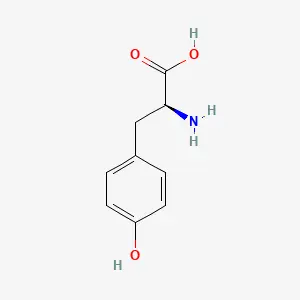
Tyrosine is an amino acid that the body makes from another one, phenylalanine. So it counts as conditionally essential. The 2005 US Dietary Reference Intakes report, from what is now the National Academies, lists it that way. It defines the group as amino acids that need a dietary source when the body cannot make enough.
The 2007 WHO, FAO and UNU report also names tyrosine among the amino acids that can become indispensable under certain conditions. Besides building proteins, the body uses tyrosine to make the messengers dopamine, norepinephrine and epinephrine (adrenaline), thyroid hormones and the skin pigment melanin.
Here is the part most readers do not know. Tyrosine has no daily requirement of its own. WHO and the National Academies each set one value for phenylalanine and tyrosine together. WHO gives 25 mg per kilogram of body weight a day for adults, and the National Academies a recommended allowance of 33 mg per kilogram.
WHO adds that tyrosine in the diet spares some phenylalanine, but it could not put a number on how much. The trials of tyrosine supplements use far more than food provides. Single doses were 100 to 150 mg per kilogram, about 7 to 10.5 g for a 70 kg adult (our arithmetic). The mean US intake is 2.8 g a day.
Nearly everyone who eats enough protein gets enough tyrosine. The mean US intake is more than the whole combined requirement for a 70 kg adult (our arithmetic). The research question is a different one: whether extra tyrosine helps the brain in short, demanding situations.
This page covers what the trials found on stress, sleep loss and cold. It also covers the foods richest in tyrosine, and how much has been tested for safety.
Health benefits of tyrosine
The top findings from 20 studies, strongest evidence first
What the stars mean
- Strong. Several randomized trials, pooled in a meta-analysis, point the same way, or regulators (FDA or EFSA) have approved the claim.
- Moderate. Good randomized trials support it, but there are fewer of them, or their results vary.
- Limited. Small, short or single trials, or mixed results. Promising, but it needs confirmation.
Population and lab studies get no stars: they show a link or a mechanism, not proof.
How we rate evidence →- ★★May help thinking in short, demanding situationsIn small studies of mostly single doses in healthy adults, tyrosine countered losses in working memory and information processing under demands like heavy mental load. Reviewers judge its use for treating disorders to be limited.
- ★★No effect on endurance performanceA pooled analysis of studies in physically active people found no difference from placebo in time to exhaustion or time trial performance. The authors rated the evidence moderate quality.
- ★No antidepressant effect in major depressionIn 65 outpatients with major depression, 4 weeks of tyrosine (100 mg per kg a day) showed no sign of antidepressant activity.
- ★Higher doses may worsen memory in older adultsIn 17 adults aged 60 to 75, working memory scores fell as the tyrosine dose rose from 100 to 200 mg per kg. This only just reached statistical significance.
- ★Higher blood tyrosine in PKU, no other benefitIn phenylketonuria (PKU, an inherited disorder), a Cochrane review of 3 trials (56 people) found supplements raised blood tyrosine and changed no other outcome.
All 15 studies, strongest evidence first
Tyrosine helped thinking in short, demanding situations, not in disorders or exercise
This review of the cognitive and behavioral studies on tyrosine found that it improved thinking in short, stressful or demanding situations. The authors conclude that tyrosine enhances cognition when the brain’s dopamine and norepinephrine systems are intact and temporarily depleted. They judge its potential for treating clinical disorders to be limited and its potential for exercise to be minimal. It is a review, not a pooled analysis, and some of its authors have run tyrosine trials themselves.
A single tyrosine dose countered working memory losses under demanding conditions
This systematic review of 15 studies in healthy adults found that a single dose countered losses in working memory and information processing under demanding conditions. It mostly did not help exercise performance. All studies except one gave tyrosine in a single test session, and the samples were small. Demanding conditions included extreme weather and heavy mental load. The authors suggest tyrosine may buffer depleted brain catecholamines (dopamine and related messengers), and they call for larger studies that last several weeks.
In active people, tyrosine did not change endurance performance
This systematic review and meta-analysis pooled 10 interventions from 8 studies in physically active people, tyrosine against placebo. There was no difference in time to exhaustion (standardized mean difference 0.02) or in time trial performance (-0.04). The authors rate the quality of the evidence as moderate with the GRADE system, a standard rating method. They conclude that tyrosine is ineffective for endurance.
In phenylketonuria, tyrosine raised blood tyrosine but showed no other benefit
This Cochrane review found six trials and included three, with 56 participants in all (Cochrane is a group known for careful reviews of trials). Phenylketonuria (PKU) is an inherited disorder in which the body cannot properly turn phenylalanine into tyrosine. Blood tyrosine was higher with supplements (mean difference 23.46), and no other outcome differed. The authors rate the risk of bias as low to moderate, make no recommendation for routine use and do not plan another update. This is the 2021 update, which replaces the earlier versions of the review.
Tyrosine reduced the memory loss caused by cold water in 19 volunteers
In this double-blind trial, each volunteer took part in three sessions. They were warm water with placebo, water at about 10°C with placebo, and about 10°C with tyrosine. Each session had two 90-minute immersions, and tyrosine came in a food bar before each one (150 mg/kg, 300 mg/kg in all). Cold lowered correct answers on a memory task and raised tension and the stress hormone cortisol. With tyrosine, correct answers rose and study time for the sample was shorter.
After a sleepless night, tyrosine eased the usual drop in performance
This double-blind trial ran during one night of continuous work. Six hours in, half of the volunteers received 150 mg/kg of tyrosine in a split dose and half received cornstarch. For about 3 hours, tyrosine reduced the usual decline on a psychomotor (movement and reaction) task and the chance of lapses on a vigilance task. The authors describe it as a relatively benign treatment at this dose and ask for tests of other doses and timing.
On a combat course, a tyrosine-rich drink improved memory and tracking
During a combat course, 21 cadets took part. Ten received five daily doses of a protein-rich drink containing 2 g of tyrosine, and 11 received a carbohydrate-rich drink with the same 255 kcal. Testing took place before the course and on day 6. The tyrosine-rich drink improved memory and tracking scores and lowered systolic (top number) blood pressure, while mood did not change. The test drink was a protein drink, so the result cannot be credited to tyrosine alone.
Tyrosine sustained working memory when several tasks ran at once
In this trial, 20 volunteers (ten men and 10 women) took 150 mg/kg of L-tyrosine or placebo. They took it 1 hour before a multiple-task battery and a simple-task battery. Tyrosine improved accuracy and reduced list retrievals on the working memory task in the multiple-task battery. It changed nothing on the arithmetic, visual or auditory tasks, or on any measure in the simple-task battery.
Under severe stress, tyrosine increased anger and changed little else
This double-blind trial took place at a military Survival, Evasion, Resistance and Escape school. Seventy-eight healthy personnel took part. The analyses report 36 per group, fewer than the 78 who took part. They got it in food bars, in two doses of 150 mg/kg, each about 60 minutes before a mock interrogation. The stress raised tension, depression, anger, fatigue, confusion, the stress hormone cortisol and heart rate. Tyrosine raised anger and had no other effects. The authors suggest the modest rise may be an adaptive response. They work at a US Army research institute.
In major depression, tyrosine showed no antidepressant effect
This randomized double-blind trial included 65 outpatients with major depression. For 4 weeks they took oral L-tyrosine at 100 mg/kg a day, the antidepressant imipramine at 2.5 mg/kg a day, or placebo. Tyrosine raised excretion of MHPG, a breakdown product of norepinephrine, but there was no sign of antidepressant activity. Dry mouth, more frequent with imipramine, was the only side effect to reach statistical significance.
In Parkinson’s disease, tyrosine did not change blood pressure on standing
This randomized double-blind placebo-controlled trial included 36 people with Parkinson’s disease who took levodopa. They had orthostatic hypotension, a fall in blood pressure on standing. Seventeen took 1,000 mg a day (500 mg twice a day) for 7 days, and 19 took placebo. Blood pressure after the standing test did not differ, and no secondary outcome changed. The authors call the dose safe and well tolerated and the results inconclusive.
In anorexia nervosa, tyrosine shortened reaction times and improved mood
This double-blind randomized crossover trial included 19 hospitalized women with anorexia nervosa. They took L-tyrosine at 100 mg/kg a day and placebo capsules, each for 3 weeks. Tyrosine shortened reaction time and test duration in memory tasks and improved depressive mood, and no side effects were noted. The group was small and the illness serious, so the authors conclude only that tyrosine may help cognition and psychological traits in anorexia nervosa.
In the heat, tyrosine lengthened cycling time to exhaustion in 8 men
In this randomized double-blind crossover trial, moderately trained men drank 500 mL of a sugar-free drink with or without 150 mg/kg of tyrosine. Then, 1 hour later, they cycled to exhaustion at about 68% of peak oxygen uptake, at 30°C and 60% humidity. Time to exhaustion rose from 69.2 to 80.3 minutes, a statistically significant difference. Core temperature, heart rate and effort ratings were similar in both trials.
Retested in the heat, tyrosine did not improve a cycling time trial
Seven endurance-trained men did two double-blind trials. They drank 150 mg/kg of tyrosine or an isocaloric (equal-calorie) amount of whey powder in 500 mL, 60 minutes before exercise. They cycled for 60 minutes at about 57% of peak oxygen uptake and then did a time trial at 30°C. The time trial took 34.8 minutes on tyrosine against 35.2 on placebo, and power output was similar. Yet the blood ratio of tyrosine plus phenylalanine to competing amino acids rose 2.5-fold. The authors conclude that tyrosine availability is not a key factor in fatigue under these conditions. It comes from the same laboratory as the previous card.
Higher habitual tyrosine intake went with better memory and reasoning scores
This cross-sectional analysis of the Berlin Aging Study II included 1,724 adults: 1,383 older and 341 younger. They answered a food frequency questionnaire and completed a broad set of thinking tasks. Tyrosine intake was associated with a combined factor for episodic memory, working memory and fluid intelligence (reasoning). The link held in both age groups, with no difference between them. A link at one point in time cannot show that tyrosine caused the difference.
Foods high in tyrosine
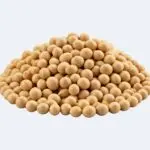
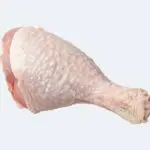
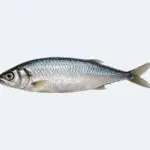
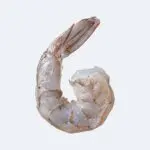
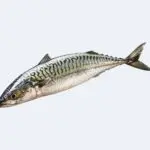
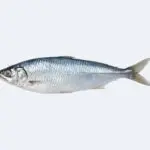
The USDA ranking below changes with how you count. Per serving, soybeans lead: 1 cup (172 g) holds 1.08 g of tyrosine. Next come chicken breast (0.92 g in 4 oz) and a chicken drumstick with skin (0.88 g). Sardines (0.76 g in a can), shrimp (0.73 g) and a mackerel fillet (0.70 g) follow.
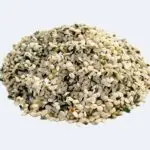
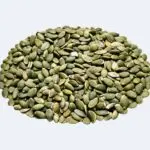
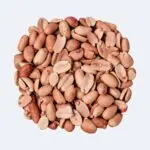
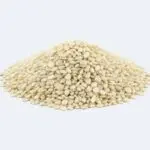
Per 100 g, seeds and peanuts lead. Hemp seeds have 1.26 g, pumpkin seeds 1.09 g and peanuts 1.05 g. Then come shrimp (0.86 g), sardines (0.83 g) and chicken breast (0.81 g).
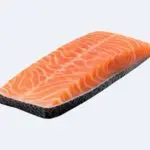
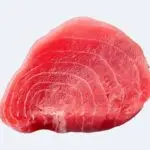
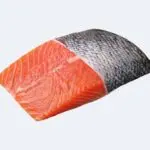
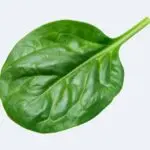
Per 100 kcal, lean fish, chicken and some vegetables rank high. Cod has 0.73 g, shrimp 0.72 g, tuna 0.72 g and chicken breast 0.68 g, then wild salmon and spinach (0.47 g each).
Here is what a serving means, by our arithmetic. The combined requirement for phenylalanine plus tyrosine is 1,750 mg a day for a 70 kg adult by the WHO value. By the US allowance, it is 2,310 mg. The tyrosine alone in one cup of soybeans (1.08 g) is about 62% of the first and 47% of the second.
A 4 oz chicken breast (0.92 g) gives about 53% and 40%, and a can of sardines (0.76 g) about 43% and 33%. The phenylalanine in the same foods counts toward the same pair, so a serving covers more than these shares.
Plant protein is no obstacle. WHO’s table of food proteins looks at total aromatic amino acids, phenylalanine plus tyrosine. In potato, rice, soy, maize and wheat protein, they reach 243% to 314% of its requirement pattern. In egg, beef and milk the figure is 271% to 301%.
The weak point of cereals in the same table is lysine, at 57% to 86%, not tyrosine. Foods that contain tyramine, a related compound, are the reason people who take MAO inhibitors (a type of antidepressant) get dietary warnings.
Per serving. No daily amount is set, so bars compare each food with the top food.
Per 100 g. No daily amount is set, so bars compare each food with the top food.
Per 100 kcal: the same calories of each food, for a fair comparison. Bars compare each food with the top food.
Food labels have no Daily Value or Reference Intake for tyrosine, so the % compares each food with the top food.
- 1.
- 2.

- 3.
- 4.
- 5.
- 6.
- 7.
- 8.
- 9.
- 10.


- 1.
- 2.
- 3.
- 4.
- 5.
- 6.
- 7.
- 8.
- 9.
- 10.


- 1.

- 2.
- 3.
- 4.
- 5.
- 6.
- 7.

- 8.
- 9.
- 10.


Sources
- FoodData Central. US Department of Agriculture, Agricultural Research Service. Values as shown in the ranking above.
- WHO, FAO, UNU. Protein and amino acid requirements in human nutrition. Report of a joint WHO/FAO/UNU expert consultation. WHO Technical Report Series 935. 2007. Table 24, page 151, and section 8.6.
- Institute of Medicine, Food and Nutrition Board. Dietary Reference Intakes for energy, carbohydrate, fiber, fat, fatty acids, cholesterol, protein, and amino acids. National Academies Press. 2005. Chapter 10, pages 678 to 681 and 734 to 736.
- Flockhart DA. Dietary restrictions and drug interactions with monoamine oxidase inhibitors: an update. J Clin Psychiatry. 2012.
How tyrosine works
Most of the biochemistry below is well established, but it comes from reviews and lab work. The results in people come from small trials.
Five ideas cover it. First, the body makes tyrosine from phenylalanine, and it is the starting material for the catecholamines (dopamine and related messengers). It also goes into thyroid hormones and melanin, and it competes with other amino acids to reach the brain. Last, the body breaks down what it does not need.
Together they explain why the doses in trials are so much larger than the amounts in food.
The body makes it from phenylalanine
An enzyme in the liver, phenylalanine hydroxylase, converts phenylalanine to tyrosine with the help of a molecule called tetrahydrobiopterin. People with phenylketonuria carry faulty versions of this enzyme.
WHO describes tyrosine as dependent on there being enough phenylalanine to supply the needs of both. Its adult requirement of 25 mg per kilogram a day is for the pair. A single oral dose of 100 or 150 mg per kilogram raises blood tyrosine two- to threefold, according to the National Academies.
It is the starting material for dopamine, norepinephrine and epinephrine
Tyrosine hydroxylase converts tyrosine to DOPA, using tetrahydrobiopterin and oxygen. It is the rate-limiting step, the slowest step, in making the catecholamines. The enzyme was described in 1964 as the initial step in norepinephrine biosynthesis, and it is switched down by the catecholamines it helps make.
Unlike most nerve messenger pathways, the rate of catecholamine synthesis in the brain responds to the amount of tyrosine available. This holds even within the range normally found in the body. A review adds that raising brain tyrosine speeds production only in neurons that are firing. Phenylalanine can also feed the enzyme, but tyrosine is the preferred substrate (starting material).
That fits the pattern in the trials. Effects appear in cold, sleep loss or heavy mental load, when catecholamine neurons are working hard, and mostly not in rested people. This is our reading, not a result any trial tested directly.
Where tyrosine comes from and where it goes. The boxes are not drawn to scale, and they show only a few of its uses.
It also goes into thyroid hormones and melanin
The thyroid builds its hormones on tyrosine. In thyroglobulin, the protein that holds the hormones as they are made, several tyrosine residues pick up iodine. Pairs of them couple to form thyroxine (T4) and triiodothyronine (T3).
Melanin starts with tyrosinase, an enzyme in the pigment cells of skin, hair and eyes. It converts tyrosine to another compound as the first step in making the pigment. Mutations that disable tyrosinase cause oculocutaneous albinism type 1, according to MedlinePlus Genetics.
It competes with other amino acids to reach the brain
Tyrosine crosses the blood-brain barrier on a carrier it shares with the other large neutral amino acids. Raising blood tyrosine raises its uptake into the brain, while raising the branched-chain amino acids lowers it. Catecholamine synthesis in the brain follows these changes, according to a review by Fernstrom.
The same review notes that particular proteins change tryptophan uptake a lot but tyrosine uptake only a little. Ordinary meals still move the tyrosine ratio. In 8 adults who ate both a carbohydrate-rich and a protein-rich breakfast, the median difference in the tyrosine ratio was 28% (range 10 to 64%).
A supplement moves it much more. In a dose trial described in the forms section, 8 men took 150 mg per kilogram and saw the ratio rise 5.3-fold. Higher doses lifted it only a little further.
Bar chart drawn to scale. The fold rise is in the blood ratio of tyrosine to the amino acids that compete with it for uptake into the brain, before exercise, in 8 men, against a placebo drink set at 1. Brain levels were not measured.
The body breaks down what it does not need
Tyrosine can be broken down into smaller molecules that the body uses for energy, according to MedlinePlus Genetics. When that breakdown fails, tyrosine and its by-products build up, which is tyrosinemia. There are three inherited types, with liver and kidney failure in type I and eye, skin and mental development problems in type II.
About 1 in 10 newborns also have temporarily raised tyrosine that is not inherited. The most likely causes are vitamin C deficiency or an immature liver after premature birth.
What has been seen in people
The firmest facts in people are about need and breakdown. There is one combined requirement for phenylalanine plus tyrosine, and tyrosinemia when breakdown fails.
The supplement results are narrower. Two reviews found that single doses of 100 to 150 mg per kilogram protected working memory in cold, sleep loss and heavy mental load. The same kind of dose did not help endurance in 8 pooled studies or depression in 65 people. It raised anger under severe stress in 72 trainees, and in older adults higher doses were followed by lower working memory scores.
The cards above give each result.
Grams of tyrosine for a 70 kg adult, drawn to scale. The trial doses are our arithmetic (mg per kg times 70). The intakes come from US survey data of 1988 to 1994. The teal bars are food, the pink bar a safety trial and the orange bars tests of effect.
Sources
- Fernstrom JD, Fernstrom MH. Tyrosine, phenylalanine, and catecholamine synthesis and function in the brain. J Nutr. 2007.
- Daubner SC, Le T, Wang S. Tyrosine hydroxylase and regulation of dopamine synthesis. Arch Biochem Biophys. 2011.
- Nagatsu T, Levitt M, Udenfriend S. Tyrosine hydroxylase. The initial step in norepinephrine biosynthesis. J Biol Chem. 1964.
- Citterio CE, Targovnik HM, Arvan P. The role of thyroglobulin in thyroid hormonogenesis. Nat Rev Endocrinol. 2019.
- Fernstrom JD. Large neutral amino acids: dietary effects on brain neurochemistry and function. Amino Acids. 2013.
- Wurtman RJ, Wurtman JJ, Regan MM, et al. Effects of normal meals rich in carbohydrates or proteins on plasma tryptophan and tyrosine ratios. Am J Clin Nutr. 2003.
- Tumilty L, Davison G, Beckmann M, Thatcher R. No influence of low-, medium-, or high-dose tyrosine on exercise in a warm environment. Med Sci Sports Exerc. 2020.
- MedlinePlus Genetics. PAH gene. National Library of Medicine.
- MedlinePlus Genetics. TYR gene. National Library of Medicine.
- MedlinePlus Genetics. Tyrosinemia. National Library of Medicine.
- Jongkees BJ, Hommel B, Kühn S, Colzato LS. Effect of tyrosine supplementation on clinical and healthy populations under stress or cognitive demands: a review. J Psychiatr Res. 2015.
- Hase A, Jung SE, aan het Rot M. Behavioral and cognitive effects of tyrosine intake in healthy human adults. Pharmacol Biochem Behav. 2015.
- Gelenberg AJ, Wojcik JD, Falk WE, et al. Tyrosine for depression: a double-blind trial. J Affect Disord. 1990.
- WHO, FAO, UNU. Protein and amino acid requirements in human nutrition. Report of a joint WHO/FAO/UNU expert consultation. WHO Technical Report Series 935. 2007. Section 8.1.5.
- Institute of Medicine, Food and Nutrition Board. Dietary Reference Intakes for energy, carbohydrate, fiber, fat, fatty acids, cholesterol, protein, and amino acids. National Academies Press. 2005. Chapter 10, pages 734 to 735.
How much tyrosine do you need?
Tyrosine has no daily requirement of its own, because the body makes it from phenylalanine. WHO and the National Academies each set one value for phenylalanine plus tyrosine. For adults, WHO gives 25 mg per kilogram of body weight a day, about 1,750 mg for a 70 kg adult.
The National Academies give an Estimated Average Requirement (EAR) of 27 mg per kilogram, about 1,890 mg. Their Recommended Dietary Allowance (RDA, enough for nearly all healthy people) is 33 mg per kilogram, about 2,310 mg. The amounts for 70 kg are our arithmetic. Neither the FDA nor the EU has set a Daily Value.
The pair is the unit because the two amino acids share the same supply. WHO says its total of 25 mg per kilogram is close to the midpoint of a range of estimates. The range runs from about 9 to 39 mg per kilogram, and all the estimates carry considerable uncertainty.
The National Academies averaged estimates from 15.1 to 39 and called this the weakest of their amino acid values. WHO says tyrosine in the diet spares some phenylalanine, but it could not set a number for how much.
Children need more per kilogram because they are growing. For phenylalanine plus tyrosine, WHO gives 59 mg per kilogram a day at 6 months and 40 at 1 to 2 years. It gives 30 at 3 to 14 years, 28 at 15 to 18 years and 25 from age 18.
The National Academies give 58 (EAR) and 84 (RDA) at 7 to 12 months, and 41 and 54 at 1 to 3 years. At 4 to 8 years they give 33 and 41. For pregnancy they set an EAR of 36 and an RDA of 44 mg per kilogram, and for breastfeeding 41 and 51. The pregnancy and breastfeeding values are scaled from the adult values because there are essentially no direct data.
We found no separate value for pregnancy or breastfeeding in the WHO report. In 13 newborns fed by vein, one study estimated a mean tyrosine need of 74 mg per kilogram a day. It put the safe intake at 94 mg per kilogram a day.
Intake is usually well above these figures. US survey data from 1988 to 1994 put the mean intake of tyrosine from food and supplements at 2.8 g a day. The 99th percentile, in men aged 31 to 50, was 6.4 g.
Tyrosine deficiency: signs and who is at risk
We found no description of a tyrosine deficiency syndrome in people who eat enough protein. The National Academies say conditionally indispensable amino acids need a dietary source only when the body cannot make enough. They add that the quantitative requirement has not been determined and presumably varies greatly with the condition.
Two groups are named in the sources. People with phenylketonuria have a faulty enzyme for turning phenylalanine into tyrosine, and about 1 in 25,000 US newborns has the condition. A deficiency of tyrosine has been suggested as a cause of some of their neuropsychological problems. But a 2021 Cochrane review found only 3 trials with 56 people and could make no recommendation on tyrosine supplements.
The second group is newborns fed by vein. Tyrosine dissolves poorly, which has kept it low in intravenous solutions. The authors of one study estimating the need raised concern about the aromatic amino acid supply in these infants.
Sources
- WHO, FAO, UNU. Protein and amino acid requirements in human nutrition. Report of a joint WHO/FAO/UNU expert consultation. WHO Technical Report Series 935. 2007. Sections 8.1.5 and 9.4, Tables 20 and 36.
- Institute of Medicine, Food and Nutrition Board. Dietary Reference Intakes for energy, carbohydrate, fiber, fat, fatty acids, cholesterol, protein, and amino acids. National Academies Press. 2005. Chapter 10, pages 593 to 594, 672 to 674 and 679 to 682.
- Roberts SA, Ball RO, Moore AM, Filler RM, Pencharz PB. The effect of graded intake of glycyl-L-tyrosine on phenylalanine and tyrosine metabolism in parenterally fed neonates with an estimation of tyrosine requirement. Pediatr Res. 2001.
- Remmington T, Smith S. Tyrosine supplementation for phenylketonuria. Cochrane Database Syst Rev. 2021.
- MedlinePlus Genetics. Phenylketonuria. National Library of Medicine.
- MedlinePlus Genetics. PAH gene. National Library of Medicine.
Forms of tyrosine: absorption and effects
Tyrosine is sold as free L-tyrosine, comes bound in food protein, and is also sold as N-acetyl-L-tyrosine. Related forms such as tyrosine dipeptides are used in intravenous nutrition.
Taking more raises blood tyrosine. But how much of it reaches the brain depends on the competing amino acids that arrive with it. So the form and the meal both matter.
The honest bottom line: we found no trial that compared forms head to head for focus, mood or exercise. Nearly all of the trials in the benefits section used free L-tyrosine, apart from the cadets, who drank a protein drink.
The popular claim that N-acetyl-L-tyrosine is absorbed better or reaches the brain more easily has no trial behind it. The human studies we found gave it by vein, and a large share came out in the urine.
Many products also combine tyrosine with other ingredients, and a trial of a blend says little about tyrosine alone. A 2019 trial of a proprietary blend of caffeine, theanine and tyrosine in 20 male athletes found better movement accuracy than placebo. Two of its authors work for the supplement maker Nature’s Bounty.
A 2022 trial of five amino acids that included tyrosine was funded by Ajinomoto Co., Inc., whose employees wrote it. It found no difference in its main outcome, fatigue. Motivation and cognitive function after mental work were better in the secondary results.
| Form | What it is | What studies show | Source |
|---|---|---|---|
| L-tyrosine (free amino acid) | The free L-form as powder, capsule, drink or food bar | Used in nearly all trials, usually at 100 to 150 mg per kg, about 7 to 10.5 g for 70 kg. A single dose of 150 mg per kg raised blood tyrosine as much as two doses, and 300 and 400 mg per kg gave similar rises. In older adults, higher single doses went with lower working memory scores. Up to 4 g a day for 4 weeks was well tolerated by 30 men. | 1, 2, 3, 4 |
| Tyrosine in food protein | Peptide-bound in meat, fish, dairy and seeds | A protein-rich breakfast and a carbohydrate-rich one changed the blood tyrosine ratio by a median of 28% in 8 adults. One review says protein intake raises brain tyrosine, and another that particular proteins change tyrosine uptake only slightly. The cadet trial used a protein-rich drink with 2 g of tyrosine, a mix. | 5, 6, 7, 8 |
| N-acetyl-L-tyrosine (NALT) | Tyrosine with an acetyl group, which makes it dissolve better | Given by vein, 35% to 60% of the dose was excreted unchanged in the urine (about 35% in 13 adults, 60% in healthy volunteers, 38% in low-birth-weight infants), and blood tyrosine did not rise in two studies of healthy people and patients. We found no trial of oral NALT. | 9, 10, 11, 12 |
| Tyrosine dipeptides | Glycyl-L-tyrosine and alanyl-L-tyrosine, two amino acids joined; used in intravenous nutrition | Both were broken apart and released tyrosine at once in healthy people and in people with liver failure, and alanyl-tyrosine was cleared faster than glycyl-tyrosine. In newborns, glycyl-L-tyrosine gave an estimated need of 74 mg per kg a day. We found no trial by mouth. | 10, 11, 13 |
| Phenylalanine | The amino acid the body converts to tyrosine; not a form of tyrosine itself | Supplies tyrosine in people with normal phenylalanine hydroxylase activity, and WHO and the National Academies set one requirement for the pair. In the brain, phenylalanine can feed tyrosine hydroxylase, but tyrosine is the preferred substrate. | 7, 14, 15, 16 |
Here are the dose and form studies, 5 in all.
All 5 studies, strongest evidence first
Tyrosine did not help thinking or speed on a hot march
Two studies in one paper. In study 1, 21 participants received two doses of 150 mg/kg, two of 75 mg/kg or a sugar-free drink. Blood was drawn every hour. A single 150 mg/kg dose raised serum tyrosine as effectively as the double dose. In study 2, 8 participants did a 60-minute walk and a 2.4 km time trial carrying a 25 kg backpack at 40°C. They did it once with tyrosine and once with placebo. Tyrosine did not improve cognition or time (19.78 against 20.29 minutes).
Bigger doses raised the blood ratio but not time trial performance
Eight recreationally trained men did four randomized double-blind trials. They drank 0, 150, 300 or 400 mg/kg of tyrosine in sugar-free drinks. Then they cycled for 60 minutes and did a time trial at 30°C and 60% humidity. The blood ratio of tyrosine to the amino acids that compete with it for brain uptake rose 5.3-fold at the lowest dose. At the two higher doses it rose 7.7-fold and 8.2-fold, which were similar to each other. Time trial performance did not differ.
In older adults, working memory scores fell as the tyrosine dose rose
This double-blind randomized crossover trial included 17 adults aged 60 to 75, who took 100, 150 and 200 mg/kg of tyrosine on separate days. For comparison, 17 young adults took 150 mg/kg. Blood tyrosine rose with the dose and was higher in older adults than in young adults at the same dose. Performance on a working memory task fell with higher doses, most in older adults with larger blood responses. This result only just reached statistical significance.
About 35% of intravenous N-acetyl-L-tyrosine came out unchanged in urine
N-acetyl-L-tyrosine is commonly used in place of tyrosine in parenteral (intravenous) nutrition. In 13 adults on continuous parenteral nutrition, about 35% of the dose was excreted unchanged, whatever the infusion rate, nitrogen balance or kidney function. Enough was retained that 1 g of amino acids per kg a day exceeded the combined recommended allowance for aromatic amino acids. This was given by vein, not by mouth.
Newborns fed by vein needed more tyrosine than solutions then gave
Thirteen infants on parenteral nutrition were randomized to five graded levels of glycyl-L-tyrosine, a dipeptide that dissolves well. Tyrosine alone dissolves poorly, which had limited it to under 1% of the amino acids in intravenous solutions. A tracer study found a break point in phenylalanine oxidation. The mean requirement was 74 mg/kg a day and the safe intake 94 (3.1% and 3.9% of total amino acids). Both were more than in the commercial pediatric solutions of the time. The authors raise concern about aromatic amino acid intake in infants fed by vein.
Sources
- Coull N, Chrismas B, Watson P, Horsfall R, Taylor L. Tyrosine ingestion and its effects on cognitive and physical performance in the heat. Med Sci Sports Exerc. 2016.
- Tumilty L, Davison G, Beckmann M, Thatcher R. No influence of low-, medium-, or high-dose tyrosine on exercise in a warm environment. Med Sci Sports Exerc. 2020.
- van de Rest O, Bloemendaal M, de Heus R, Aarts E. Dose-dependent effects of oral tyrosine administration on plasma tyrosine levels and cognition in aging. Nutrients. 2017.
- Matsumoto H, Miura N, Naito M, Elango R. Evaluation of the safety and tolerability of L-tyrosine supplementation in healthy adult men: a randomized crossover trial. Nutrients. 2026.
- Wurtman RJ, Wurtman JJ, Regan MM, et al. Effects of normal meals rich in carbohydrates or proteins on plasma tryptophan and tyrosine ratios. Am J Clin Nutr. 2003.
- Fernstrom JD. Large neutral amino acids: dietary effects on brain neurochemistry and function. Amino Acids. 2013.
- Fernstrom JD, Fernstrom MH. Tyrosine, phenylalanine, and catecholamine synthesis and function in the brain. J Nutr. 2007.
- Deijen JB, Wientjes CJ, Vullinghs HF, Cloin PA, Langefeld JJ. Tyrosine improves cognitive performance and reduces blood pressure in cadets after one week of a combat training course. Brain Res Bull. 1999.
- Hoffer LJ, Sher K, Saboohi F, Bernier P, MacNamara EM, Rinzler D. N-acetyl-L-tyrosine as a tyrosine source in adult parenteral nutrition. JPEN J Parenter Enteral Nutr. 2003.
- Druml W, Lochs H, Roth E, Hübl W, Balcke P, Lenz K. Utilization of tyrosine dipeptides and acetyltyrosine in normal and uremic humans. Am J Physiol. 1991.
- Druml W, Hübl W, Roth E, Lochs H. Utilization of tyrosine-containing dipeptides and N-acetyl-tyrosine in hepatic failure. Hepatology. 1995.
- Van Goudoever JB, Sulkers EJ, Timmerman M, et al. Amino acid solutions for premature neonates during the first week of life: the role of N-acetyl-L-cysteine and N-acetyl-L-tyrosine. JPEN J Parenter Enteral Nutr. 1994.
- Roberts SA, Ball RO, Moore AM, Filler RM, Pencharz PB. The effect of graded intake of glycyl-L-tyrosine on phenylalanine and tyrosine metabolism in parenterally fed neonates with an estimation of tyrosine requirement. Pediatr Res. 2001.
- WHO, FAO, UNU. Protein and amino acid requirements in human nutrition. Report of a joint WHO/FAO/UNU expert consultation. WHO Technical Report Series 935. 2007. Section 8.1.5.
- Institute of Medicine, Food and Nutrition Board. Dietary Reference Intakes for energy, carbohydrate, fiber, fat, fatty acids, cholesterol, protein, and amino acids. National Academies Press. 2005. Chapter 10, pages 593 to 594 and 679 to 680.
- MedlinePlus Genetics. PAH gene. National Library of Medicine.
- Umeda K, Shindo D, Somekawa S, et al. Effects of five amino acids (serine, alanine, glutamate, aspartate, and tyrosine) on mental health in healthy office workers: a randomized, double-blind, placebo-controlled exploratory trial. Nutrients. 2022.
- Zaragoza J, Tinsley G, Urbina S, et al. Effects of acute caffeine, theanine and tyrosine supplementation on mental and physical performance in athletes. J Int Soc Sports Nutr. 2019.
Is tyrosine safe? Supplements, dose and interactions
The National Academies set no tolerable upper intake level (UL) for tyrosine in 2005. A UL is the highest daily intake likely to pose no risk. They said there were no dose-response data on how loads of L-tyrosine alter catecholamine synthesis, physiological function and corneal lesions in healthy people. So a level could not be set.
We found no upper level from EFSA. For food, the same report says no adverse effects have been reported. It puts the mean US intake from food and supplements at 2.8 g a day and the 99th percentile at 6.4 g. The points below are about supplements.
- Doses tested. The National Academies report that single doses of 500 mg per kilogram were not linked to adverse effects in the studies it reviewed. Neither were daily doses of 100 mg per kilogram. It adds that 2.5 g a day for 2 weeks changed no blood pressure measure in 13 people with mild hypertension. In a 2026 trial in 30 healthy men, 1 to 4 g a day for 4 weeks caused no clinically meaningful lab changes. Mild to moderate side effects were as common as on placebo. The authors name 4 g a day as the highest level tested without effect for that study, not an official limit. Two of them are employees of Ajinomoto Co., Inc., and the trial included men only.
- Very high blood levels. In rodents, very large amounts of tyrosine slowed weight gain, damaged the cornea and caused deaths. The National Academies set this beside people with tyrosinemia type II, whose blood levels can be tenfold higher and who have corneal and skin lesions. They say that sustained high levels may have adverse effects. If you have any form of tyrosinemia, ask your doctor before using tyrosine.
- Older adults, mood and Parkinson’s disease. In 17 adults aged 60 to 75, working memory scores fell as single doses rose from 100 to 200 mg per kilogram. Under severe stress, 300 mg per kilogram raised anger in a trial of military trainees. In a trial of 36 people with Parkinson’s disease, 1,000 mg a day for 7 days was safe and well tolerated.
- MAO inhibitors, levodopa and thyroid medicine. People who take MAO inhibitors get dietary warnings because tyramine in food can cause a hypertensive crisis, a dangerous spike in blood pressure. In mice with high tissue tyrosine, more of it is converted to tyramine. We found no trial of tyrosine supplements with these drugs, so ask a doctor first. Levodopa, a Parkinson’s drug, competes with large neutral amino acids for transport into the brain. In one study, phenylalanine, leucine and isoleucine at 100 mg per kilogram reversed its effect. Tyrosine uses the same carrier, but we found no trial that tested it against levodopa. The thyroid builds its hormones on tyrosine. We found no study of tyrosine supplements in people with thyroid disease or taking thyroid medicine, so ask a doctor if that applies to you.
- Pregnancy, breastfeeding and liver disease. We found no trials of tyrosine supplements in pregnancy. In 24 breastfeeding women given 0, 2, 5 or 10 g once, total tyrosine in breast milk did not rise. The mothers’ blood tyrosine did. In six people with liver failure, clearance of tyrosine, measured after an infusion of alanyl-tyrosine, was about a third of that in seven healthy volunteers. That is our arithmetic from the study’s figures. Ask a doctor before taking tyrosine if you are pregnant, have liver disease or take regular medicines.
How to get more tyrosine
- Eat enough protein from varied foods. Soybeans (1.08 g per cup), chicken breast (0.92 g in 4 oz) and sardines (0.76 g in a can) rank near the top per serving. The mean US intake of 2.8 g a day is more than the whole combined requirement for a 70 kg adult (our arithmetic).
- Plant eaters get plenty. WHO puts the aromatic amino acids at 243% to 314% of its requirement pattern in soy, potato, rice, maize and wheat protein. Seeds and peanuts lead per 100 g: hemp seeds 1.26 g, pumpkin seeds 1.09 g and peanuts 1.05 g.
- Food over pills. The doses in trials, 7 to 10.5 g at once for a 70 kg adult, are two to four times the average daily food intake. They were tested for short, demanding situations. If you want to try a supplement, talk to a doctor first, especially if you take an antidepressant, thyroid medicine or levodopa.
Sources
- Institute of Medicine, Food and Nutrition Board. Dietary Reference Intakes for energy, carbohydrate, fiber, fat, fatty acids, cholesterol, protein, and amino acids. National Academies Press. 2005. Chapter 10, pages 734 to 736.
- Matsumoto H, Miura N, Naito M, Elango R. Evaluation of the safety and tolerability of L-tyrosine supplementation in healthy adult men: a randomized crossover trial. Nutrients. 2026.
- van de Rest O, Bloemendaal M, de Heus R, Aarts E. Dose-dependent effects of oral tyrosine administration on plasma tyrosine levels and cognition in aging. Nutrients. 2017.
- Lieberman HR, Thompson LA, Caruso CM, et al. The catecholamine neurotransmitter precursor tyrosine increases anger during exposure to severe psychological stress. Psychopharmacology (Berl). 2015.
- DiFrancisco-Donoghue J, Rabin E, Lamberg EM, Werner WG. Effects of tyrosine on Parkinson’s disease: a randomized, double-blind, placebo-controlled trial. Mov Disord Clin Pract. 2014.
- Flockhart DA. Dietary restrictions and drug interactions with monoamine oxidase inhibitors: an update. J Clin Psychiatry. 2012.
- Nutt JG, Woodward WR, Hammerstad JP, Carter JH, Anderson JL. The “on-off” phenomenon in Parkinson’s disease. Relation to levodopa absorption and transport. N Engl J Med. 1984.
- Fernstrom JD. Large neutral amino acids: dietary effects on brain neurochemistry and function. Amino Acids. 2013.
- Citterio CE, Targovnik HM, Arvan P. The role of thyroglobulin in thyroid hormonogenesis. Nat Rev Endocrinol. 2019.
- Dowlati Y, Ravindran AV, Maheux M, Steiner M, Stewart DE, Meyer JH. No effect of oral tyrosine on total tyrosine levels in breast milk: implications for dietary supplementation in early postpartum. Arch Womens Ment Health. 2014.
- Druml W, Hübl W, Roth E, Lochs H. Utilization of tyrosine-containing dipeptides and N-acetyl-tyrosine in hepatic failure. Hepatology. 1995.
- MedlinePlus Genetics. Tyrosinemia. National Library of Medicine.
- WHO, FAO, UNU. Protein and amino acid requirements in human nutrition. Report of a joint WHO/FAO/UNU expert consultation. WHO Technical Report Series 935. 2007. Table 24, page 151.
- FoodData Central. US Department of Agriculture, Agricultural Research Service. Values as shown in the ranking above.
History of tyrosine
Tyrosine takes its name from the Greek word for cheese. The German chemist Justus von Liebig first found it in casein, the main protein of cheese, in 1846.
Its role as the starting point for the body’s stress chemicals came more than a century later. In 1964, Nagatsu, Levitt and Udenfriend described tyrosine hydroxylase as the initial step in norepinephrine biosynthesis. The enzyme is now known as the rate-limiting enzyme in making the catecholamines.
Interest in tyrosine as a supplement for stress grew from military research. In 1989, Banderet and Lieberman, at the US Army Research Institute of Environmental Medicine, reported a double-blind crossover test. In 4.5 hours of cold and low oxygen, 100 mg per kilogram of tyrosine reduced symptoms, adverse moods and performance impairments. This was in volunteers who reacted at least as strongly as average.
Gelenberg and colleagues published case reports of tyrosine for depression in 1980. A double-blind trial of 65 people ten years later found no antidepressant activity. The same Army institute ran the 2015 trial in which tyrosine raised anger under severe stress.
Sources
- Wikipedia. Tyrosine. Accessed October 2026.
- Nagatsu T, Levitt M, Udenfriend S. Tyrosine hydroxylase. The initial step in norepinephrine biosynthesis. J Biol Chem. 1964.
- Daubner SC, Le T, Wang S. Tyrosine hydroxylase and regulation of dopamine synthesis. Arch Biochem Biophys. 2011.
- Banderet LE, Lieberman HR. Treatment with tyrosine, a neurotransmitter precursor, reduces environmental stress in humans. Brain Res Bull. 1989.
- Gelenberg AJ, Wojcik JD, Growdon JH, Sved AF, Wurtman RJ. Tyrosine for the treatment of depression. Am J Psychiatry. 1980.
- Gelenberg AJ, Wojcik JD, Falk WE, et al. Tyrosine for depression: a double-blind trial. J Affect Disord. 1990.
- Lieberman HR, Thompson LA, Caruso CM, et al. The catecholamine neurotransmitter precursor tyrosine increases anger during exposure to severe psychological stress. Psychopharmacology (Berl). 2015.
Frequently asked questions about tyrosine
Is tyrosine an essential amino acid?
No, it is conditionally essential. The body makes it from phenylalanine, so people who eat enough protein do not need to get it separately. The National Academies define the group as amino acids that need a dietary source when the body cannot make enough. WHO also lists tyrosine among the conditionally indispensable ones, and the sources name people with phenylketonuria and newborns fed by vein as examples.
Does tyrosine improve focus and memory?
Only in demanding situations, and the evidence is limited. Two reviews found that single doses protected working memory in cold, sleep loss or heavy mental load. A trial of 72 trainees under severe stress found tyrosine raised anger and changed little else. The EU did not authorize claims about tyrosine and mental focus under stress. One review concluded that the effect appears when brain dopamine or norepinephrine is temporarily depleted.
How much tyrosine can you take a day?
No official upper limit exists, but in a 4-week trial of 30 men, up to 4 g a day was well tolerated. The authors name that as the highest level tested. Most stress trials gave one dose of 100 to 150 mg per kilogram, about 7 to 10.5 g for a 70 kg adult. In older adults, higher doses lowered working memory scores. Ask a doctor before using tyrosine if you take medicines or have a medical condition.
Which foods are highest in tyrosine?
Per serving, soybeans lead our USDA ranking, with 1.08 g in 1 cup. Next come chicken breast (0.92 g in 4 oz), chicken drumstick (0.88 g), sardines (0.76 g) and shrimp (0.73 g). Per 100 g, hemp seeds lead at 1.26 g, then pumpkin seeds (1.09 g) and peanuts (1.05 g). Per 100 kcal, cod, shrimp, tuna and chicken breast lead.
Is N-acetyl-L-tyrosine better than L-tyrosine?
We found no trial that shows it. N-acetyl-L-tyrosine has been studied as an intravenous source. There, 35% to 60% of the dose was excreted unchanged in the urine, and blood tyrosine did not rise in two studies. We found no trial of it by mouth in people, and none that compared it with L-tyrosine for focus or mood.
Does tyrosine help depression or ADHD?
Not in the trials we found. A 4-week double-blind trial of 100 mg per kilogram a day in 65 people with major depression found no antidepressant activity. In an open 8-week trial of 12 adults with attention deficit disorder, 8 responded within 2 weeks. But the response faded by week 6, which the authors read as tolerance.
Can you take tyrosine with antidepressants, thyroid medicine or levodopa?
Ask a doctor first. People on MAO inhibitors are warned about tyramine in food, and we found no trial of tyrosine supplements with those drugs. Levodopa competes with large neutral amino acids to reach the brain, and tyrosine is one of them, but we found no trial that tested it. We found no study of tyrosine in people taking thyroid medicine.
Do vegans get enough tyrosine?
Almost certainly yes. WHO puts total aromatic amino acids, phenylalanine plus tyrosine, at 243% to 314% of its requirement pattern in soy, potato, rice, maize and wheat protein. Soybeans lead our per-serving ranking at 1.08 g per cup, and seeds and peanuts lead per 100 g.