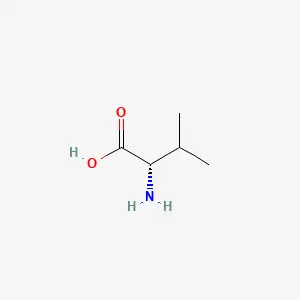
Valine is an essential amino acid. That means the body cannot make it and has to take it in with food. Both the 2005 US Dietary Reference Intakes report and the 2007 WHO, FAO and UNU report list it among the indispensable amino acids.
It is one of the three branched-chain amino acids (BCAAs), with leucine and isoleucine. The valine in food and supplements is the L-form, the version found in protein. Besides building proteins, its breakdown makes succinyl-CoA, which the body can turn into glucose. It also makes a signaling intermediate called 3-hydroxyisobutyrate (3-HIB) that researchers are studying in diabetes.
Here is the part most readers do not know. In sickle cell anemia, a single change in the gene for beta-globin swaps glutamic acid for valine at position 6 of hemoglobin. That one swap makes the hemoglobin stick together and bend red blood cells into a crescent. A gene variant causes it, according to MedlinePlus Genetics, not the valine you eat.
Another surprise is that valine is hardly ever tested on its own. Nearly every supplement trial uses a BCAA blend of leucine, isoleucine and valine. So this page names the blend on every card and never credits a result to valine alone.
Almost everyone who eats enough protein gets enough valine. WHO puts the adult requirement at 26 mg per kilogram of body weight a day, about 1.8 g for a 70 kg adult (our arithmetic). The US recommended allowance is 24 mg per kilogram.
US survey data summarized by the Institute of Medicine put the mean intake from food and supplements at 4.0 g a day. That is about 2.4 times the allowance for a 70 kg adult (our arithmetic). We found only two small trials of valine alone in healthy people, both short studies of gut and hormone responses.
Health benefits of valine
The top findings from 19 studies, strongest evidence first
What the stars mean
- Strong. Several randomized trials, pooled in a meta-analysis, point the same way, or regulators (FDA or EFSA) have approved the claim.
- Moderate. Good randomized trials support it, but there are fewer of them, or their results vary.
- Limited. Small, short or single trials, or mixed results. Promising, but it needs confirmation.
Population and lab studies get no stars: they show a link or a mechanism, not proof.
How we rate evidence →- ★★Fewer complications of cirrhosis with BCAA blendsIn 18 trials, BCAA blends (not valine alone) lowered hepatic encephalopathy, brain problems from a failing liver, to 0.79 times the risk. The evidence is low-certainty. In 646 people with advanced cirrhosis, a BCAA blend for 2 years gave 0.67 times the risk of death or major complications.
- ★★Possibly less muscle soreness with low-dose BCAA blendsIn 7 of 10 trials, healthy people taking BCAA blends had less soreness 24 to 72 hours after muscle-damaging exercise. Low doses (up to 255 mg per kilogram a day) or use in trained people could blunt soreness.
- ★BCAA blend in ALS: more deaths, trial stoppedIn ALS, a disease of the nerves that control muscles, a trial of a BCAA blend was stopped after more deaths. Deaths were 24 against 13 on placebo, and a second trial found lung function fell faster.
- ★Higher muscle protein synthesis after weight trainingIn 10 trained men, a 5.6 g BCAA drink right after weights raised muscle protein synthesis by 22% over 4 hours compared with placebo. It did not measure muscle growth.
- ★Valine alone did not change appetite or glucoseIn 15 healthy men, 10 g of valine by stomach tube did not lower blood sugar after a mixed drink, while leucine and isoleucine did. In 12 men, valine infused into the gut did not change appetite or food eaten at a buffet.
All 14 studies, strongest evidence first
In cirrhosis, BCAA blends reduced hepatic encephalopathy, with low-certainty evidence
This updated Cochrane review covered 18 randomized trials with 934 adults with cirrhosis, published from 1984 to 2023. Cochrane is a group known for careful reviews of trials. Ten trials gave oral BCAA supplements and eight gave BCAAs by vein. They were compared with diets, lactulose, neomycin, placebo or no treatment, over 4 days to 2 years. BCAAs reduced hepatic encephalopathy to 0.79 times the risk (risk ratio). There was no clear effect on death from any cause (risk ratio 0.89), with very low-certainty evidence. Nausea and diarrhea occurred in 12% on BCAAs and 3% on diets, but the evidence is very uncertain. There were no trials in children, and three trials received support from for-profit organizations.
In advanced cirrhosis, BCAAs lowered the risk of death or major complications
This multicenter randomized trial included 646 people with decompensated cirrhosis (cirrhosis with complications). It compared a BCAA preparation at 12 g a day for 2 years with diet therapy with a defined food intake. The preparation was a blend of leucine, isoleucine and valine; the abstract does not give the split. The combined end point was death, liver cancer, rupture of esophageal varices (bleeding from swollen veins in the gullet) or progress of liver failure. Over a median of 445 days, the risk was 0.67 times that on diet therapy (hazard ratio). Serum albumin rose more in the BCAA group, and the general health perception score improved.
In trained people, low-dose BCAA blends reduced muscle soreness after exercise
This systematic review covered 10 randomized trials, 9 of them in a meta-analysis (which pools results), in healthy people after one session of muscle-damaging exercise. Seven studies found less soreness 24 to 72 hours later. Doses up to 255 mg per kilogram a day, or use in trained people after mild to moderate damage, could blunt soreness. Training status, dose, timing and the size of the damage varied a lot. So the authors could not draw conclusions for untrained people or for higher doses.
After weight training, a BCAA drink raised muscle protein synthesis by 22%
In this crossover study, 10 young, resistance-trained men drank 5.6 g of BCAAs or a placebo right after resistance exercise. The BCAAs were leucine, isoleucine and valine, and the abstract does not give the split. Muscle protein synthesis over the next 4 hours was 0.110 against 0.090 percent an hour. Plasma valine rose by 144%, and plasma leucine and isoleucine by 300%. The drink held no other amino acids, and the study measured protein synthesis over 4 hours, not muscle growth.
In the heat, a BCAA drink lengthened cycling time to exhaustion
Six women and seven men, 13 in all, cycled at 40% of peak oxygen uptake in a hot room. Every 30 minutes they drank 5 mL per kilogram of a placebo or a BCAA drink; the abstract gives neither the blend nor the dose. Time to exhaustion was 153.1 against 137.0 minutes. Plasma BCAAs were 1,209 against 496 micromolar, a measure of concentration, and free tryptophan was lower. Mood and other psychological measures did not change.
In brain-injured veterans, BCAAs improved insomnia in a small pilot trial
In this pilot randomized, double-blind trial, 32 veterans with brain injury enrolled. They took BCAAs (leucine, isoleucine and valine) at 30 g twice a day for 21 days. Others took one of two placebos, cellulose or rice protein, at 30 g twice a day. Six dropped out, and the 26 who remained took 93% to 96% of the doses. Insomnia symptoms improved, as did sleep latency (time to fall asleep) and time awake after sleep onset on a wrist motion sensor (actigraphy). The trial was small, and the authors call for a larger one.
In a small concussion pilot, BCAAs did not speed thinking
This randomized, double-blind pilot trial included people aged 11 to 34 with concussion. They took placebo or a BCAA blend at 15, 30, 45 or 54 g a day for 21 days. Of 42 randomized, 38 gave usable data. The main outcome, processing speed, did not differ. Total symptom score fell by 4.4 points on a 0 to 54 scale for every 500 g of study drug taken. This trend was not corrected for multiple tests. There were no serious adverse events, and two mild stomach complaints, both in the 45 g and 54 g groups. Slow enrollment, a small sample and missing data limit the trial.
An ALS trial of a BCAA blend was stopped after more deaths
This double-blind, placebo-controlled trial was in people with amyotrophic lateral sclerosis (ALS), a disease that destroys the nerves that control muscles. The daily blend held 12 g of leucine, 6 g of isoleucine and 6 g of valine. When 126 patients had been recruited, there were more deaths among those given the blend: 24 against 13 on placebo. There was also no gain on disability scales. So the Data Monitoring Committee required the trial to stop.
In ALS, BCAAs did not slow the disease; lung function fell faster
This two-center, double-blind trial included 95 people with ALS. For 6 months, 31 took the BCAA blend (12 g of leucine, 8 g of isoleucine and 6.4 g of valine a day). Another 32 took 4 g of L-threonine with 160 mg of pyridoxal phosphate, and 32 took placebo; 77 finished. The BCAA group gained 0.2 kg while the placebo group lost 1.1 kg. Forced vital capacity, a measure of lung function, fell about 2.5 times faster with BCAAs or threonine than with placebo, a statistically significant difference. Nothing else differed. The authors say chance is possible, but an adverse effect cannot be ruled out.
In tardive dyskinesia, high-dose BCAAs reduced involuntary movements more than placebo
This randomized trial included 36 men with psychiatric disorders and long-standing tardive dyskinesia, involuntary movements caused by antipsychotic drugs. For 3 weeks, 18 took a BCAA blend of leucine, isoleucine and valine, and 18 took placebo. The blend dose was 222 mg per kilogram of body weight three times a day, and the abstract does not give the split. Videotaped movements fell significantly more in the BCAA group, with minimal stomach symptoms. The authors link the response to falling aromatic amino acid levels in plasma. The dose is far above what food provides.
Higher blood BCAAs and aromatic amino acids were linked to future diabetes
Among 2,422 people with normal blood sugar, 201 developed diabetes over 12 years. Blood amino acids were measured at the start, and cases and controls were matched for age, body mass index and fasting glucose. Five BCAAs and aromatic amino acids (valine, leucine, isoleucine, tyrosine and phenylalanine) showed highly significant links. A combination of three predicted diabetes, with a more than fivefold higher risk in the top quarter. A second cohort replicated it. An association in blood does not show that valine causes diabetes.
Each standard deviation of blood valine went with 35% more diabetes risk
This systematic review pooled eight prospective studies, which follow people forward in time, with 8,000 people, 1,940 of whom developed type 2 diabetes. The pooled relative risk per study-specific standard deviation of blood valine was 1.35 (1.19 to 1.53). It was 1.36 for isoleucine and leucine and 1.26 for phenylalanine, while glycine and glutamine were linked to lower risk. These are blood levels, not intakes.
Highest valine intake went with 11% more diabetes risk than lowest
This analysis covered three cohorts with 16,097 cases of type 2 diabetes and up to 32 years of follow-up. They were the Nurses’ Health Study, Nurses’ Health Study II and Health Professionals Follow-up Study. The hazard ratio comparing the top with the bottom fifth of valine intake was 1.11 (1.05 to 1.17), and 1.13 for leucine and for isoleucine. In a healthy subsample, higher dietary BCAAs went with higher blood levels. Observational data cannot show cause.
In mice, valine’s breakdown product 3-HIB caused insulin resistance
These were experiments in muscle cells and mice, plus human muscle samples. 3-HIB, a breakdown product of valine, is secreted by muscle cells and activates fatty acid transport across blood vessel walls. It drove fatty acids into muscle, increased fat buildup there and led to insulin resistance, a poor response to insulin, in mice. Blocking its synthesis cut the effect. It was higher in muscle from diabetic mice and from people with diabetes than in people without. The study does not show that eating more valine causes diabetes.
Foods high in valine
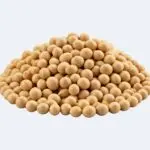
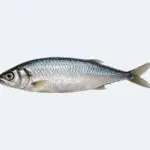
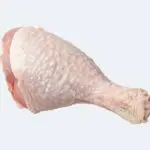
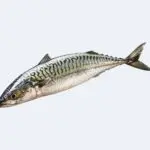
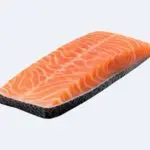
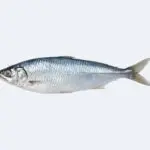
The USDA ranking below changes with how you count. Per serving, soybeans lead: 1 cup (172 g) holds 1.43 g of valine. Next come chicken breast (1.32 g in 4 oz) and sardines (1.17 g in a can). A chicken drumstick with skin (1.15 g) and a mackerel fillet (1.07 g) follow.
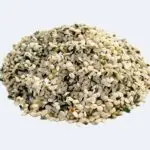
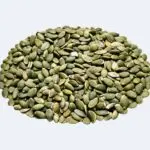
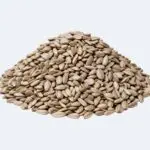
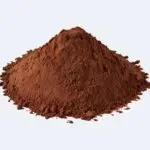
Per 100 g, seeds lead: hemp seeds 1.78 g, pumpkin seeds 1.58 g and sunflower seeds 1.32 g. Sardines, pistachios, cocoa powder and chicken breast follow.
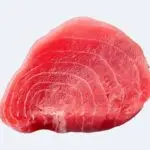
Per 100 kcal, lean fish and white mushrooms rank high: cod (1.12 g), tuna (1.10 g), white mushrooms (1.05 g) and chicken breast (0.97 g).
Here is what a serving means, by our arithmetic. We use 1.82 g a day for a 70 kg adult from WHO and 1.68 g from the US allowance. One cup of soybeans gives 1.43 g, which is 79% of the WHO value and 85% of the US allowance.
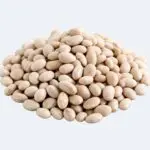
A 4 oz chicken breast gives 1.32 g (73% and 79%), and a can of sardines 1.17 g (64% and 70%). A cup of navy beans gives 0.92 g (51% and 55%). Two to three of these servings cover the requirement, and mixed diets do it easily.
Unlike lysine or tryptophan, valine is rarely the amino acid that limits a food protein. WHO says dietary proteins are likely to be limited only by lysine (most cereal proteins) or the sulfur amino acids (legume proteins). Others are tryptophan (some cereals such as maize) or threonine (some cereals), and valine is not on that list.
WHO’s amino acid score compares the limiting amino acid in a protein with a requirement pattern. For valine, that pattern is 39 mg per gram of protein. Multiplying that score by digestibility gives the PDCAAS. FAO has endorsed a newer score, DIAAS, in its place, though a review lists limits of DIAAS for plant-based diets.
For vegans, a 2025 review says plant proteins have a poorer spread of indispensable amino acids and lower digestibility. So total protein and variety matter, but we found no study of valine intake in vegans.
Per serving. No daily amount is set, so bars compare each food with the top food.
Per 100 g. No daily amount is set, so bars compare each food with the top food.
Per 100 kcal: the same calories of each food, for a fair comparison. Bars compare each food with the top food.
Food labels have no Daily Value or Reference Intake for valine, so the % compares each food with the top food.
- 1.
- 2.

- 3.
- 4.
- 5.
- 6.
- 7.
- 8.
- 9.
- 10.


- 1.
- 2.
- 3.
- 4.
- 5.
- 6.
- 7.
- 8.
- 9.
- 10.


- 1.

- 2.
- 3.
- 4.
- 5.
- 6.
- 7.
- 8.
- 9.

- 10.


Sources
- FoodData Central. US Department of Agriculture, Agricultural Research Service. Values as shown in the ranking above.
- WHO, FAO, UNU. Protein and amino acid requirements in human nutrition. Report of a joint WHO/FAO/UNU expert consultation. WHO Technical Report Series 935. 2007. Tables 23 and 36; section 6.
- Institute of Medicine, Food and Nutrition Board. Dietary Reference Intakes for energy, carbohydrate, fiber, fat, fatty acids, cholesterol, protein, and amino acids. National Academies Press. 2005. Chapter 10, pages 679 to 680 and 704.
- Craddock JC, Genoni A, Strutt EF, et al. Limitations with the Digestible Indispensable Amino Acid Score (DIAAS) with Special Attention to Plant-Based Diets: a Review. Curr Nutr Rep. 2021.
- Soh BXP, Smith NW, von Hurst PR, et al. Achieving High Protein Quality Is a Challenge in Vegan Diets: A Narrative Review. Nutr Rev. 2025.
How valine works
Most of the biochemistry below is well established. But the details come from reviews, animal studies and small tests in people rather than from trials of valine supplements.
Four ideas cover it. The body needs a moderate amount for protein, and valine is broken down mostly in muscle by a path it shares with leucine and isoleucine. It competes with other amino acids to enter the brain, and one of its breakdown products is under study in diabetes. A fifth fact is about one position in one protein, hemoglobin.
It is built into protein, and the body needs a moderate amount
WHO sets the adult requirement at 26 mg per kilogram a day, but the number has moved a lot. The 1973 and 1985 WHO values were 10 mg per kilogram, from nitrogen balance studies.
In 1986, a tracer study in 12 young men found that below about 20 mg per kilogram, plasma valine stayed low. Below 16 mg the body burned more valine than it took in, so 10 mg would not keep protein status up. A 2005 study in 18 Indian men put the breakpoint at 17 mg per kilogram.
The 2007 WHO report said that reliable direct tracer data were not available. Two studies did point to more than 16 and to 17 to 20 mg. So it estimated valine from the leucine requirement of 39 mg per kilogram. Its reasons were that the three BCAAs share one breakdown path and that their maintenance needs reflect mainly their basal breakdown.
That gave 26 mg for valine and 20 mg for isoleucine. The Institute of Medicine’s average requirement is 19 mg and its allowance 24 mg.
Estimates of the adult valine requirement, drawn to scale. Red is the old WHO figure of 1973 and 1985, orange are single tracer studies (Meguid found intakes below about 16 were not enough, Kurpad put the breakpoint at 17), and teal are the current official values. The WHO 2007 value is a proportion of the leucine requirement, not a direct measurement.
It is broken down mostly in muscle, along a path shared with leucine and isoleucine
Unlike most amino acids, the BCAAs are not broken down first in the liver, because the first enzyme, BCAT, has low activity there. A 2018 review explains this. After a protein meal they reach the blood quickly, and skeletal muscle is the main starting point.
Step 1 moves the amino group off valine and makes its keto acid, alpha-ketoisovalerate (KIV). Step 2, the BCKD enzyme complex, cannot be reversed. It is most active in the liver, intermediate in kidneys and heart and low in muscle, fat and brain.
KIV ends up as succinyl-CoA, which is why valine counts as glucogenic: it can supply glucose, while leucine makes acetyl-CoA and acetoacetate. The Institute of Medicine adds that enzyme differences between rats and humans mean rodent data may not predict human responses.
When BCKD is missing or weak, the pathway stops. In maple syrup urine disease (MSUD), variants in the BCKDHA, BCKDHB or DBT genes block the breakdown of leucine, isoleucine and valine. These amino acids and their by-products build up and harm the brain, according to MedlinePlus Genetics. The disease affects an estimated 1 in 185,000 infants worldwide, and it is treated by tight dietary control of the BCAAs under medical care.
The main steps of valine breakdown, simplified. The boxes are not drawn to scale and several enzyme steps are left out between the intermediates and succinyl-CoA.
It competes with other amino acids to reach the brain
The 2018 review notes that valine, leucine and isoleucine cross the blood-brain barrier on the same carrier as the aromatic amino acids. These are phenylalanine, tyrosine and tryptophan.
The Institute of Medicine says the BCAAs are not direct precursors of nerve messengers. But they can change how much of the other large neutral amino acids enters the brain, and so the brain’s messenger levels. In rats, brain tryptophan fell as the ratio of plasma tryptophan to its competitors, the BCAAs among them, fell.
In people, a BCAA drink raised plasma BCAAs from 496 to 1,209 micromolar and lowered free tryptophan in the heat trial above. The three BCAAs also compete with each other. In 11 older adults, adding 3 g of leucine to 20 g of essential amino acids raised plasma leucine more than the mixture alone. Meanwhile plasma isoleucine fell by 16% and the valine keto acid KIV by 21%.
The authors suggest this could affect muscle health but did not test it.
One breakdown product, 3-HIB, is under study in diabetes
The mouse and cell work in the card above is the main lab finding. It showed that 3-HIB, made along the valine path, pushes fatty acids into muscle. Human data are associations.
A genetics-based study found that genetically higher BCAAs went with a higher risk of ischemic heart disease and diabetes. The odds ratios were 1.19 and 1.20 per standard deviation. Genetically higher 3-HIB went with heart disease (1.43) but not diabetes.
A review adds that it is not yet known whether raised BCAA levels are only markers of insulin resistance or also contribute to it. So no one can say that valine from food raises diabetes risk.
One misplaced valine changes hemoglobin
Valine also matters as a building block. Beta-globin, a part of hemoglobin, normally has glutamic acid at position 6. In sickle cell anemia, a variant in the HBB gene puts valine there instead, written Glu6Val.
The abnormal hemoglobin S subunits stick together and form long, rigid molecules that bend red blood cells into a sickle or crescent shape. The cells die too early, which can cause anemia, and the rigid cells can block small blood vessels, causing severe pain and organ damage. The gene variant is the cause, not diet, and we found no source linking dietary valine to the disease.
A schematic of the start of the beta-globin chain. Only position 6 is named in the source, so the other dots stand for the rest of the chain and are not real residues.
What has been seen in people
The firmest facts in people are about need. WHO puts it at about 26 mg per kilogram a day, direct tracer studies point lower, and the diet supplies far more. The supplement trials test BCAA blends.
A Cochrane review found fewer cases of hepatic encephalopathy in cirrhosis, and a large trial found fewer serious events. A meta-analysis found less soreness after exercise in trained people at low doses. Trials in ALS found no benefit, and one was stopped for more deaths.
Valine alone was tested only in two short gut and hormone studies. Higher blood valine goes with diabetes in cohorts, which fits the lab work but does not show cause. The cards above give each result.
Sources
- Institute of Medicine, Food and Nutrition Board. Dietary Reference Intakes for energy, carbohydrate, fiber, fat, fatty acids, cholesterol, protein, and amino acids. National Academies Press. 2005. Chapter 10, pages 704 to 706 and 710.
- Holeček M. Branched-chain amino acids in health and disease: metabolism, alterations in blood plasma, and as supplements. Nutr Metab (Lond). 2018.
- Kurpad AV, Regan MM, Raj TD, et al. The daily valine requirement of healthy adult Indians determined by the 24-h indicator amino acid balance approach. Am J Clin Nutr. 2005.
- Meguid MM, Matthews DE, Bier DM, et al. Valine kinetics at graded valine intakes in young men. Am J Clin Nutr. 1986.
- Knezek SB, Engelen MPKJ, Coyle KS, et al. Adding free leucine to a balanced essential amino acid mixture suppresses intracellular transamination of isoleucine and valine in healthy older adults. Clin Nutr. 2026.
- WHO, FAO, UNU. Protein and amino acid requirements in human nutrition. Report of a joint WHO/FAO/UNU expert consultation. WHO Technical Report Series 935. 2007. Section 8.1.3 and Tables 18 and 23.
- Jang C, Oh SF, Wada S, et al. A branched-chain amino acid metabolite drives vascular fatty acid transport and causes insulin resistance. Nat Med. 2016.
- Zhao JV, Fan B, Burgess S. Using genetics to examine the overall and sex-specific associations of branch-chain amino acids and the valine metabolite, 3-hydroxyisobutyrate, with ischemic heart disease and diabetes: A two-sample Mendelian randomization study. Atherosclerosis. 2023.
- MedlinePlus Genetics. Maple syrup urine disease. National Library of Medicine.
- MedlinePlus Genetics. Sickle cell disease. National Library of Medicine.
- MedlinePlus Genetics. HBB gene. National Library of Medicine.
- Mittleman KD, Ricci MR, Bailey SP. Branched-chain amino acids prolong exercise during heat stress in men and women. Med Sci Sports Exerc. 1998.
How much valine do you need?
Adults need about 26 mg of valine per kilogram of body weight a day, according to the 2007 WHO, FAO and UNU report. That is about 1,820 mg for a 70 kg adult. The US recommended dietary allowance (RDA, enough for nearly all healthy people) is 24 mg per kilogram, about 1,680 mg. Neither the FDA nor the EU has set a Daily Value for valine.
| Source | Requirement (mg per kg a day) | For a 70 kg adult | Notes |
|---|---|---|---|
| WHO, FAO and UNU, 2007: adults | 26 | 1,820 mg | Average requirement, estimated from the leucine requirement of 39 mg per kilogram. Also stated as 39 mg per gram of protein. 1 |
| Institute of Medicine, 2005: adults, EAR | 19 | 1,330 mg | Estimated Average Requirement, the intake that meets the need of half of healthy people. 2 |
| Institute of Medicine, 2005: adults, RDA | 24 | 1,680 mg | Recommended Dietary Allowance, the EAR raised by 24% to cover nearly all healthy people. 2 |
Children need more per kilogram because they are growing. WHO gives 49 mg per kilogram a day at 6 months, 36 at 1 to 2 years and 29 at 3 to 14 years. It gives 28 at 15 to 18 years and 26 from age 18.
The Institute of Medicine sets RDAs of 58 mg per kilogram for ages 7 to 12 months. For ages 1 to 3 years it is 37 mg.
In pregnancy, its EAR (estimated average requirement) is 25 and its RDA 31 mg per kilogram. While breastfeeding, the EAR is 28 and the RDA 35. The pregnancy and breastfeeding values are scaled from the adult values because there are essentially no direct data.
We found no separate valine value for pregnancy or breastfeeding in the WHO report, which adds protein instead. It adds a safe protein intake of 0.7, 9.6 and 31.2 g a day in the three trimesters. In the first six months of breastfeeding, it adds about 19 g a day.
Intake is usually well above these figures. US survey data from 1988 to 1994 put the mean intake from food and supplements at 4.0 g a day. The highest median, in men aged 19 to 30, was 5.5 g. The 99th percentile, in men aged 51 to 70, was 9.1 g.
Valine deficiency: signs and who is at risk
We found no description of a separate valine deficiency syndrome in people who eat enough protein. In the studies reviewed in a 2018 paper, a diet short of BCAAs impairs growth and causes protein wasting.
Low blood levels of BCAAs are typical in liver cirrhosis, urea cycle disorders and chronic kidney failure. In cirrhosis, the muscles use the BCAAs up to clear ammonia, so the low levels reflect the illness as well as the diet. WHO adds that after an amino acid infusion in HIV-infected people, plasma valine, threonine, lysine and methionine stayed low.
The opposite problem is the inherited one. In maple syrup urine disease, the body cannot break down valine, leucine and isoleucine, and too much of them, not too little, is the danger. People with it need leucine restricted and valine and isoleucine given in set amounts by a metabolic team. A 2026 study of liquid supplements describes this.
Sources
- WHO, FAO, UNU. Protein and amino acid requirements in human nutrition. Report of a joint WHO/FAO/UNU expert consultation. WHO Technical Report Series 935. 2007. Tables 23 and 36, sections 7.7 and 7.8 and the section on HIV infection.
- Institute of Medicine, Food and Nutrition Board. Dietary Reference Intakes for energy, carbohydrate, fiber, fat, fatty acids, cholesterol, protein, and amino acids. National Academies Press. 2005. Chapter 10, pages 672, 679 to 682 and 704.
- Holeček M. Branched-chain amino acids in health and disease: metabolism, alterations in blood plasma, and as supplements. Nutr Metab (Lond). 2018.
- MedlinePlus Genetics. Maple syrup urine disease. National Library of Medicine.
Forms of valine: absorption and effects
Valine is sold as free L-valine, as part of a BCAA blend, inside essential amino acid mixtures and in other amino acid mixes. It also comes bound in food protein. Taking more of any of them raises blood valine. But what it does depends on what arrives with it, because the BCAAs compete with each other and with other amino acids.
The honest bottom line: free valine has been tested alone only in short gut and hormone studies. We found no trial that compared forms of valine, or ratios of the three BCAAs, for muscle, sleep, liver or any other health outcome. Almost all the trials in the benefits section used a BCAA blend. The one head-to-head trial below compared a BCAA blend with a milk protein and with maltodextrin in cirrhosis.
| Form | What it is | What studies show | Source |
|---|---|---|---|
| Free L-valine | The free L-form as powder, capsule or liquid | Tested alone only in short studies in healthy men. Ten grams by stomach tube did not lower blood glucose after a meal drink and raised glucagon, and 3.3 or 9.9 g infused into the intestine changed no gut pressures, hormone levels, appetite or food intake. In maple syrup urine disease, liquid valine supplements were tolerated by 5 children and plasma leucine fell. We found no trial of valine alone for muscle, sleep or liver outcomes. | 1, 2, 3 |
| BCAA blends | Leucine, isoleucine and valine together, with ratios that differ between products | The ALS trials used 12 g of leucine with 6 g each of isoleucine and valine (2:1:1 by weight) in the Italian trial and 12, 8 and 6.4 g in the later two-center trial. Most abstracts do not state the split. In cirrhosis, a blend was compared with a milk protein and with maltodextrin. We found no trial that compared different ratios. | 4, 5, 6 |
| Essential amino acid mixtures | All nine essential amino acids, with or without extra leucine | In 11 older adults, adding 3 g of leucine to 20 g of essential amino acids lowered plasma isoleucine by 16% and the valine keto acid KIV by 21%, so the mix matters. The study did not test health outcomes. | 7 |
| Valine in other amino acid mixes | For example arginine, valine and serine together | A mix with 2,200 mg of valine, 3,600 mg of arginine and 200 mg of serine lowered the feeling of fatigue in 39 men. The result cannot be credited to valine. | 8 |
| Valine in food protein | Peptide-bound valine in meat, fish, dairy, soy and seeds | The mean US intake from food and supplements is 4.0 g a day. We found no trial that compared free valine with protein-bound valine. | 9 |
| D- and DL-valine | The mirror-image form, and a mix of both forms | We found no human trial of D- or DL-valine. | none |
Here are the head-to-head and form-specific studies, 5 in all.
All 5 studies, strongest evidence first
BCAAs cut death or decline more than milk protein, not clearly maltodextrin
This multicenter, double-blind randomized trial included 174 people with advanced cirrhosis. For 1 year, they took a BCAA blend (leucine, isoleucine and valine), lactoalbumin (a milk protein) or maltodextrin (a carbohydrate). The combined end point of death and deterioration was lower with BCAAs than with lactoalbumin (odds ratio 0.43). That result was statistically significant, though its range came close to no effect. It was not significantly lower than with maltodextrin (0.51, a difference that could be chance). Hospital admissions were lower, and long-term compliance with the BCAA blend was poor.
Valine alone did not lower post-drink blood sugar, unlike leucine or isoleucine
In this double-blind crossover trial, 15 healthy men received 10 g of leucine, isoleucine or valine, or a control, by stomach tube. This came 30 minutes before a mixed-nutrient drink. The amino acids alone did not change glucose or C-peptide, and isoleucine and valine, but not leucine, raised the hormone glucagon. After the drink, isoleucine and leucine lowered peak glucose against control and against valine. Gastric emptying overall did not change. The authors suggest that glucagon stimulation may explain valine’s lack of effect.
Valine infused into the gut did not change appetite or food intake
In this randomized, double-blind crossover study, 12 healthy lean men had 90-minute intestinal infusions of L-valine or saline, then a buffet meal. The valine came at 0.15 kcal a minute (3.3 g in total) or 0.45 kcal a minute (9.9 g). Gut pressures and the gut hormone CCK did not change. Food intake was 1,040 kcal after saline and after the low dose, and 1,056 kcal after the high dose. The authors note that the loads were moderately and substantially above the WHO valine requirement. Blood glucose and stomach symptoms did not change either.
An arginine, valine and serine mix eased perceived fatigue in cycling
In this randomized, double-blind crossover trial, 39 men took a daily mixture or placebo for 14 days. The mixture held 3,600 mg of arginine, 2,200 mg of valine and 200 mg of serine. Then they cycled for 120 minutes (2 hours) at 50% of peak oxygen uptake. Fatigue and perceived exertion scores were better with the mix. The rise in ketone bodies and the plasma tryptophan to BCAA ratio were lower. It was a three-amino acid mixture, so the result cannot be credited to valine. The authors are employees or board members of the company that funded it.
In 5 children with MSUD, liquid supplements were well tolerated; leucine fell
This open-label observational study ran over 56 days in children aged 3 to 14 (mean 8.8 years) with classic maple syrup urine disease. They took a ready-to-use liquid valine in one 28-day phase and a liquid isoleucine in the other, in place of powders. Mean plasma leucine was 253 with liquid valine and 219 with liquid isoleucine, against 356 at baseline (micromol per liter). Required doses of valine and isoleucine fell by 30% and 18%. There were no adverse effects. The study was small, short and had no control group, and several authors report funding from nutrition and drug companies. These children take valine as part of medical care.
Sources
- Elovaris RA, Bitarafan V, Agah S, et al. Comparative Effects of the Branched-Chain Amino Acids, Leucine, Isoleucine and Valine, on Gastric Emptying, Plasma Glucose, C-Peptide and Glucagon in Healthy Men. Nutrients. 2021.
- Elovaris RA, Fitzgerald PCE, Bitarafan V, et al. Intraduodenal Administration of L-Valine Has No Effect on Antropyloroduodenal Pressures, Plasma Cholecystokinin Concentrations or Energy Intake in Healthy, Lean Men. Nutrients. 2019.
- Tosi M, Daly A, Evans S, et al. Simplifying supplementation in MSUD: tolerance and acceptability of liquid valine and isoleucine supplements in maple syrup urine disease. Orphanet J Rare Dis. 2026.
- Italian ALS Study Group. Branched-chain amino acids and amyotrophic lateral sclerosis: a treatment failure?. Neurology. 1993.
- Tandan R, Bromberg MB, Forshew D, et al. A controlled trial of amino acid therapy in amyotrophic lateral sclerosis: I. Clinical, functional, and maximum isometric torque data. Neurology. 1996.
- Marchesini G, Bianchi G, Merli M, et al. Nutritional supplementation with branched-chain amino acids in advanced cirrhosis: a double-blind, randomized trial. Gastroenterology. 2003.
- Knezek SB, Engelen MPKJ, Coyle KS, et al. Adding free leucine to a balanced essential amino acid mixture suppresses intracellular transamination of isoleucine and valine in healthy older adults. Clin Nutr. 2026.
- Tsuda Y, Yamaguchi M, Noma T, et al. Combined Effect of Arginine, Valine, and Serine on Exercise-Induced Fatigue in Healthy Volunteers: A Randomized, Double-Blinded, Placebo-Controlled Crossover Study. Nutrients. 2019.
- Institute of Medicine, Food and Nutrition Board. Dietary Reference Intakes for energy, carbohydrate, fiber, fat, fatty acids, cholesterol, protein, and amino acids. National Academies Press. 2005. Chapter 10, page 704.
Is valine safe? Supplements, dose and interactions
The Institute of Medicine set no tolerable upper intake level (UL) for the BCAAs in 2005. A UL is the highest daily intake likely to pose no risk. It said there were no adequate dose-response data from human or animal studies on which to base one. Because data on high intakes of amino acids from supplements are limited, it added, caution may be warranted.
We found no upper level from EFSA. For food, the same report found no reports of adverse health effects with normal diets containing BCAAs. Nor were there any in healthy people given single infusions of BCAAs as high as 9.75 g, though it called those studies highly limited.
It puts the mean US valine intake at 4.0 g a day and the 99th percentile at 9.1 g. The risks below come from supplements.
- Doses tested. Healthy men received valine alone as 3.3 or 9.9 g by infusion and 10 g by stomach tube, in single short sessions. BCAA blends were tested at 5.6 g once and at 12 g a day for 2 years in cirrhosis. They were also tested at 30 g twice a day for 21 days in veterans. In concussion, they were tested at 15 to 54 g a day for 21 days. In that trial, two mild stomach complaints came in the 45 g and 54 g groups. The Cochrane review of cirrhosis trials found nausea and diarrhea in 12% of BCAA users against 3% on diets, with very uncertain evidence.
- ALS. In the Italian trial, a blend with 6 g of valine a day was stopped after 24 deaths against 13 on placebo. In the US trial, lung function fell faster on a blend with 6.4 g of valine. People with ALS should not take BCAA blends without their neurologist.
- Liver disease and ammonia. A 2018 review says BCAAs may help less in cirrhosis because glutamine made in muscle is turned into ammonia in the gut and kidneys. It adds that BCAAs may raise blood ammonia during exercise in some studies. A doctor should guide any BCAA use in liver or kidney disease.
- Maple syrup urine disease and other inherited disorders. People with MSUD must keep BCAA intake under tight medical control, and valine in this disease is given in measured doses by a metabolic team. Do not use a BCAA or valine supplement with an inherited amino acid disorder unless that team says so.
- Levodopa. Levodopa, a Parkinson’s drug, shares a carrier with large neutral amino acids. In nine people with Parkinson’s disease, high-protein meals reversed the effect of infused levodopa without lowering its blood level. So did 100 mg per kilogram of leucine, isoleucine or phenylalanine. The abstract names leucine, isoleucine and phenylalanine, not valine. But valine uses the same carrier, so ask a doctor before taking BCAAs with levodopa.
- Pregnancy and long-term use. We found no trials of valine or BCAA supplements in pregnancy or breastfeeding. In a rat study described by the Institute of Medicine, pregnant rats on a low-protein diet with 5% valine had lighter fetuses than pair-fed controls. Its meaning for people is not known. Most human trials ran from one session to 21 days, apart from the cirrhosis trials. Ask a doctor first if you are pregnant, breastfeeding or take regular medicines.
- Diabetes. Higher blood valine goes with a higher risk of type 2 diabetes in cohorts. No trial shows that valine supplements cause it, but people with diabetes should ask a doctor before using BCAA products.
How to get more valine
- Eat enough protein from varied foods. Soybeans (1.43 g per cup), chicken breast (1.32 g in 4 oz) and sardines (1.17 g in a can) rank high per serving. Navy beans (0.92 g per cup) also make the list. The mean US intake is 4.0 g a day, against a 1.68 g allowance for a 70 kg adult (our arithmetic).
- If you eat no animal foods, mix plant proteins. Hemp seeds (1.78 g per 100 g), pumpkin seeds (1.58 g) and sunflower seeds (1.32 g) top the per-100-gram ranking. Soybeans lead per serving. WHO does not name valine as a usual limiting amino acid, but variety still helps.
- Food over powders. Food already covers the requirement. The BCAA trials tested blends at 5.6 to 54 g a day for soreness, sleep, injury and liver disease, not for filling a dietary gap. Two ALS trials found no benefit. If you want to try a blend, talk to a doctor first, especially with liver disease, ALS or levodopa.
Sources
- Institute of Medicine, Food and Nutrition Board. Dietary Reference Intakes for energy, carbohydrate, fiber, fat, fatty acids, cholesterol, protein, and amino acids. National Academies Press. 2005. Chapter 10, pages 704 to 711 and 736 to 737.
- Italian ALS Study Group. Branched-chain amino acids and amyotrophic lateral sclerosis: a treatment failure?. Neurology. 1993.
- Tandan R, Bromberg MB, Forshew D, et al. A controlled trial of amino acid therapy in amyotrophic lateral sclerosis: I. Clinical, functional, and maximum isometric torque data. Neurology. 1996.
- Muto Y, Sato S, Watanabe A, et al. Effects of oral branched-chain amino acid granules on event-free survival in patients with liver cirrhosis. Clin Gastroenterol Hepatol. 2005.
- Aamann L, Deshpande N, Dam G, et al. Branched-chain amino acids for people with cirrhosis and hepatic encephalopathy. Cochrane Database Syst Rev. 2026.
- Corwin DJ, Myers SR, Arbogast KB, et al. Head Injury Treatment With Healthy and Advanced Dietary Supplements: A Pilot Randomized Controlled Trial of the Tolerability, Safety, and Efficacy of Branched Chain Amino Acids in the Treatment of Concussion in Adolescents and Young Adults. J Neurotrauma. 2024.
- Elliott JE, Keil AT, Mithani S, et al. Dietary Supplementation With Branched Chain Amino Acids to Improve Sleep in Veterans With Traumatic Brain Injury: A Randomized Double-Blind Placebo-Controlled Pilot and Feasibility Trial. Front Syst Neurosci. 2022.
- Jackman SR, Witard OC, Philp A, et al. Branched-Chain Amino Acid Ingestion Stimulates Muscle Myofibrillar Protein Synthesis following Resistance Exercise in Humans. Front Physiol. 2017.
- Holeček M. Branched-chain amino acids in health and disease: metabolism, alterations in blood plasma, and as supplements. Nutr Metab (Lond). 2018.
- Nutt JG, Woodward WR, Hammerstad JP, et al. The “on-off” phenomenon in Parkinson’s disease. Relation to levodopa absorption and transport. N Engl J Med. 1984.
- Wang TJ, Larson MG, Vasan RS, et al. Metabolite profiles and the risk of developing diabetes. Nat Med. 2011.
- WHO, FAO, UNU. Protein and amino acid requirements in human nutrition. Report of a joint WHO/FAO/UNU expert consultation. WHO Technical Report Series 935. 2007.
- FoodData Central. US Department of Agriculture, Agricultural Research Service. Values as shown in the ranking above.
- MedlinePlus Genetics. Maple syrup urine disease. National Library of Medicine.
- Tosi M, Daly A, Evans S, et al. Simplifying supplementation in MSUD: tolerance and acceptability of liquid valine and isoleucine supplements in maple syrup urine disease. Orphanet J Rare Dis. 2026.
- Elovaris RA, Fitzgerald PCE, Bitarafan V, et al. Intraduodenal Administration of L-Valine Has No Effect on Antropyloroduodenal Pressures, Plasma Cholecystokinin Concentrations or Energy Intake in Healthy, Lean Men. Nutrients. 2019.
- Elovaris RA, Bitarafan V, Agah S, et al. Comparative Effects of the Branched-Chain Amino Acids, Leucine, Isoleucine and Valine, on Gastric Emptying, Plasma Glucose, C-Peptide and Glucagon in Healthy Men. Nutrients. 2021.
History of valine
Valine was first isolated from casein, the main protein of milk, in 1901 by Hermann Emil Fischer, according to a general reference. A history of proteins confirms that Fischer’s laboratory first isolated it that year, together with proline. The name comes from valeric acid, which in turn is named after the plant valerian.
William Rose’s series of papers on the amino acid requirements of man ended in 1955 with one on the valine requirement. It was titled as a summary and final observations.
The old requirement of 10 mg per kilogram was set in 1973 and kept in 1985. WHO later traced it to a value of 800 mg a day. The 1986 tracer study showed that 10 mg would not be enough, and the 2007 report raised the figure to 26 mg.
The link with diabetes is newer. In 2011, a study of blood metabolites in 2,422 people found that valine, leucine, isoleucine, tyrosine and phenylalanine predicted who would develop diabetes. A 2016 mouse study named a valine breakdown product, 3-HIB, as one possible mechanism.
Sources
- Wikipedia. Valine. Accessed October 2026.
- Tanford C, Reynolds J. Nature’s Robots: a history of proteins, chapter “The peptide bond” (abstract). Oxford University Press. 2001.
- Rose Wc, Wixom Rl, Lockhart Hb, et al. The amino acid requirements of man. XV. The valine requirement; summary and final observations. J Biol Chem. 1955.
- WHO, FAO, UNU. Protein and amino acid requirements in human nutrition. Report of a joint WHO/FAO/UNU expert consultation. WHO Technical Report Series 935. 2007. Section 8.1.3.
- Meguid MM, Matthews DE, Bier DM, et al. Valine kinetics at graded valine intakes in young men. Am J Clin Nutr. 1986.
- Wang TJ, Larson MG, Vasan RS, et al. Metabolite profiles and the risk of developing diabetes. Nat Med. 2011.
- Jang C, Oh SF, Wada S, et al. A branched-chain amino acid metabolite drives vascular fatty acid transport and causes insulin resistance. Nat Med. 2016.
Frequently asked questions about valine
How much valine do you need a day?
About 26 mg per kilogram of body weight, or 1,820 mg for a 70 kg adult, according to WHO. The US recommended allowance is 24 mg per kilogram, about 1,680 mg. Pregnancy raises the US allowance to 31 mg per kilogram and breastfeeding to 35. Average intake from food and supplements is already 4.0 g a day, and no Daily Value is set.
Which foods are highest in valine?
Per serving, soybeans lead our USDA ranking, with 1.43 g in 1 cup. Chicken breast (1.32 g in 4 oz), sardines (1.17 g in a can), a chicken drumstick (1.15 g) and mackerel (1.07 g) follow. Per 100 g, seeds lead: hemp 1.78 g, pumpkin 1.58 g and sunflower 1.32 g. Per 100 kcal, cod (1.12 g), tuna (1.10 g) and white mushrooms (1.05 g) lead.
What is the difference between valine and leucine?
Both are essential BCAAs, but leucine is needed in larger amounts and studied far more. WHO sets 39 mg per kilogram a day for leucine and 26 for valine, and the US allowances are 42 and 24. The Institute of Medicine says leucine looks the most metabolically active, partly because it has been studied more. In 15 healthy men, 10 g of leucine and of isoleucine lowered peak blood glucose after a meal drink. Valine at 10 g did not.
Is valine safe as a supplement?
In short tests, yes, but the evidence is thin. The Institute of Medicine set no upper level because it had no adequate dose-response data. Healthy men who received 3.3 or 9.9 g of valine into the intestine had no change in appetite, food intake or stomach symptoms. BCAA blends caused more nausea and diarrhea in cirrhosis trials (12% against 3%, very uncertain). One ALS trial stopped after more deaths on a blend. Ask a doctor if you have liver disease, ALS, an inherited amino acid disorder or take levodopa.
Do BCAA supplements reduce muscle soreness?
Possibly, in trained people at low doses. A meta-analysis of 9 trials found that BCAA blends reduced soreness 24 to 72 hours after exercise in 7 of 10 trials. It could not say whether they work for untrained people or at doses above 255 mg per kilogram a day. A drink with 5.6 g of BCAAs raised muscle protein synthesis by 22% over 4 hours in 10 men. No trial tested valine alone.
Does a high valine level cause diabetes?
No trial shows that. In cohorts, each standard deviation of blood valine went with a 35% higher risk of type 2 diabetes. The highest fifth of dietary valine intake went with an 11% higher risk. In mice, a valine breakdown product, 3-HIB, caused insulin resistance. A review says it is not known whether raised BCAAs are only markers or also contribute.
Do vegans get enough valine?
Probably yes with enough protein and variety, but we found no study of valine intake in vegans. WHO says food proteins are likely to be limited only by lysine, the sulfur amino acids, tryptophan or threonine, not valine. A 2025 review says plant proteins have a poorer spread of essential amino acids and lower digestibility, which matters most for older vegans. A cup of soybeans gives 1.43 g, about 79% of the WHO value for a 70 kg adult.
What does valine have to do with sickle cell disease?
In sickle cell anemia, a variant in the HBB gene replaces glutamic acid with valine at position 6 of beta-globin. The abnormal hemoglobin sticks together and bends red blood cells into a crescent. The gene variant causes it, according to MedlinePlus Genetics, and we found no source linking dietary valine to the disease.