
Maltose, or malt sugar, is two molecules of glucose joined together. It is a disaccharide, one of the sugars, and it is rarely eaten as such.
It forms when amylase, the enzyme that cuts starch, breaks the long chains down. This happens in your mouth and small intestine, in sprouting grain (malting), in the wort that becomes beer, and in cooking sweet potatoes. Nobody needs maltose itself, and no daily need or limit is set for it on its own.
Your gut cannot absorb maltose whole, but it has more than one way to split it. In healthy volunteers, the enzyme blocker acarbose (200 mg) cut the blood glucose response to 50 g of sucrose by 89%. It cut the response to 50 g of starch by 80%. Yet it cut the response to 50 g of maltose by only 19%, a change that was not statistically significant.
Most readers do not know how little research there is on maltose by itself. We found no trial of maltose for weight, diabetes, heart disease or tooth decay. The studies that exist cover digestion, sports drinks, a few safety problems and rare enzyme deficiencies, plus results for sugars as a class. Each card below says which kind it is.
Health effects of maltose
The top findings from 18 studies, strongest evidence first
What the stars mean
- Strong. Several randomized trials, pooled in a meta-analysis, point the same way, or regulators (FDA or EFSA) have approved the claim.
- Moderate. Good randomized trials support it, but there are fewer of them, or their results vary.
- Limited. Small, short or single trials, or mixed results. Promising, but it needs confirmation.
Population and lab studies get no stars: they show a link or a mechanism, not proof.
How we rate evidence →- ★★★Isomaltulose raises blood sugar less than sugarIsomaltulose, a related sugar and not maltose, has an authorized EU claim for a lower blood glucose rise than sugar. In 11 trials, it raised glucose less than sucrose at 30 minutes.
- ★★Less tooth decay with less free sugarThis covers sugars as a group, not maltose alone: EFSA calls them a well-established hazard for tooth decay. A WHO review of 55 studies found fewer cavities with free sugars under 10% of energy.
- ★Used as fuel, but no performance gainNine trained cyclists burned up to 1.01 g of maltose a minute during a 150-minute ride. In 10 people, a maltose drink did no better than glucose or placebo on a 1-hour test.
- ★Gut enzyme deficiency can limit starch digestionA review says inherited sucrase-isomaltase deficiency, a lack of a gut enzyme with maltase activity, may limit digestion of sucrose and potentially starch. Symptoms can overlap with irritable bowel syndrome.
- Population studyMaltose in drip products fooled glucose metersOf 82 reports of falsely high readings on some test strips, 16 were associated with death and 46 with severe low blood sugar. This concerns hospital products containing maltose, not maltose in food.
All 11 studies, strongest evidence first
EFSA: sugars are a well-established tooth decay hazard; no safe level set
This scientific opinion covers added and free sugars as a class, so it is not a result for maltose alone. Randomized trials on surrogate endpoints (stand-in measures) gave moderate certainty of a causal link with obesity and dyslipidaemia (unhealthy blood fats). Certainty was low for fatty liver and type 2 diabetes, and very low for high blood pressure. Prospective cohorts (studies that follow people over time) did not support a link when sugars replaced other macronutrients at the same energy. EFSA advises that added and free sugars be as low as possible in a nutritionally adequate diet.
In 55 studies, fewer cavities with free sugars under 10% of energy
This systematic review for the WHO (World Health Organization) sugars guideline covered 3 intervention, 8 cohort, 20 population and 24 cross-sectional studies. In 42 of 50 studies in children and 5 of 5 in adults, at least one result linked sugars and caries. The evidence was of moderate quality for the 10% cut-off and of very low quality for 5%. It covers free sugars as a class and does not single out maltose.
Nine trained cyclists burned up to 1.01 g of maltose a minute
In this crossover trial, trained cyclists rode 150 minutes at 55% of maximal power. They drank 1.1 g a minute of maltose, 1.1 g a minute of trehalose or water. Peak burning of the drink’s carbohydrate was 1.01 g a minute with maltose and 0.73 with trehalose. Maltose also cut the burning of the body’s own carbohydrate stores (1.20 g a minute against 1.62 with water). The authors link trehalose’s slower use to slower digestion in the small intestine; nine athletes did one session each.
In 10 people, maltose did no better than glucose or placebo
After exercise that drained their glycogen (stored carbohydrate), people tried four drinks in turn. These were glucose, maltose, a mix of sucrose, maltose and maltodextrin, and a placebo. They took 0.65 g per kg of body weight during a 15-minute refueling, then 0.2 g per kg every 15 minutes. A 1-hour performance test followed. Times for the 1-hour test were 67.2 minutes (glucose), 68.6 (maltose), 66.7 (mix) and 69.4 (placebo), with no significant differences. All carbohydrate drinks kept blood glucose higher than the placebo.
Inherited sucrase-isomaltase deficiency can affect starch as well as sucrose
This narrative review covers inherited and acquired deficiency of sucrase-isomaltase, one of the two gut enzymes with maltase activity. Gene variants may limit digestion of sucrose and potentially starch, and symptoms can overlap with irritable bowel syndrome. The standard test is a disaccharidase assay on tissue from a duodenal biopsy (a sample from the upper small intestine). Treatment rests on limiting sucrose and potentially starch. Sacrosidase, an enzyme medicine, is available for sucrose, and some patients still need to limit starch.
Maltose fooled glucose meters: 82 reports, 16 with a death
This review of medical products covered the US FDA’s device-event database and the literature on glucose test strips that use the GDH-PQQ enzyme. That enzyme also reacts with other sugars, so meters can read falsely high. Of 82 reports, 16 (20%) were associated with death, 46 (56%) with severe hypoglycemia (low blood sugar) and 12 (15%) with nonsevere hypoglycemia. The agents most often involved were icodextrin dialysis fluid and intravenous immune globulin that contains maltose. The authors’ concern is insulin users, for whom a falsely high reading can lead to too much insulin. This concerns hospital products, not maltose in food.
Of 963 children with a gut biopsy, 8 (0.8%) had maltase deficiency
This review used records from 13 pediatric gastroenterologists (child gut doctors) over 5 years. Sucrase deficiency (below 25 μmol per minute per g) was found in 73 children (7.6%). Maltase deficiency was less common and had similar symptoms. The authors write that genetic sucrase-isomaltase deficiency often occurs together with lactase or pan-disaccharidase deficiency. They conclude that disaccharidase deficiency should be considered a possible cause of abdominal pain or diarrhea in children. These were children sent for endoscopy because of symptoms, not a random sample.
Across 30 studies, maltase deficiency was found in 12.6% of children
This systematic review pooled 34,753 biopsy assays in children under 18 who had small-bowel biopsy for enzyme activity; all studies were observational. Among studies that reported deficiency, the overall share was 39.2% for lactase, 12.6% for maltase, 9.1% for palatinase and 9.0% for sucrase. Of 16 studies that looked, 12 found that more inflammation of the gut lining went with lower enzyme levels. The share for maltase is far higher than the 0.8% in the card above.
In 120 adults, isolated enzyme deficiency was usually lactase, rarely maltase
This retrospective review covered adults with unexplained long-term abdominal symptoms, normal imaging and endoscopy, and a duodenal biopsy for lactase, maltase, sucrase and palatinase. Fifty-six (46.7%) had some enzyme deficiency: 44 had a single one (either lactase or maltase), 1 had three, and 11 (9.2%) had all four. Symptom type and severity did not predict who had a deficiency.
Of 511 children with diarrhea, 15 lacked glucoamylase; 7 improved without starch
This biopsy study ran at 54 centers in children with chronic diarrhea. Nine children had primary glucoamylase deficiency with a normal gut lining, and six had it with gut injury. In the seven studied further, pancreatic amylase was normal and all responded to a starch-free diet; diarrhea came back in four when starch returned. The paper describes glucoamylase deficiency as a cause of malabsorption of starch and short glucose chains.
In rats, glucose syrups and maltodextrins led to unexpectedly high tooth decay
This lab study of two starch-derived glucose polymers measured acid from human plaque microbes, breakdown by salivary amylase, and caries in three large rat experiments. Salivary amylase broke the oligosaccharides (short sugar chains) mainly into maltose and maltotriose. Maltotriose fermented more slowly than maltose, but after 2 hours the total acid was the same. The rat results surprised the authors, who had expected less decay than with sucrose. This was animal and test-tube work on maltodextrins and glucose syrups, not pure maltose.
Foods high in maltose
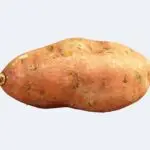
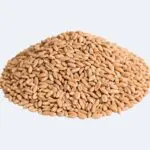
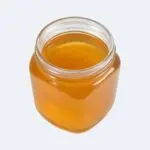
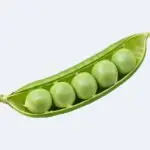
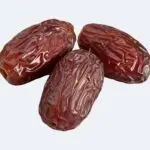
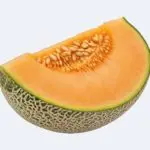
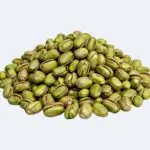
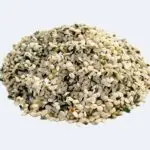
Few foods carry measurable maltose, and cooked or starchy plants lead the USDA ranking. Per serving, sweet potatoes lead with 5.04 g in 1 medium (151 g), followed by spelt (2.24 g in ¼ cup, 44 g). Honey, peas and cherries follow with much less.
Per 100 g, spelt (5.15 g) tops sweet potatoes (3.34 g), with honey, dates and kiwifruit next. Per 100 kcal, sweet potatoes (4.39 g) and spelt (1.52 g) lead, then honey. The ranking below shows every amount.
Cooking matters for sweet potatoes. In four varieties, baking, boiling and steaming all cut starch and raised reducing sugars, most of all maltose.
The ranking shows what the USDA measured. It leaves out the main commercial sources: malt syrups and extracts, malted drinks, many breakfast cereals and beer. In commercial beers, a lab analysis found maltose among the oligosaccharides, behind raffinose, maltotetraose and maltotriose. Dextrins made up 15.90 to 34.83% of the carbohydrate.
When maltose is added as an ingredient, it is an added sugar. The 2025-2030 US Dietary Guidelines name maltose among the label names for added sugars. WHO counts sugars added by manufacturers, plus those in syrups, as free sugars. The guidelines do not count the sugars that occur naturally in fruit and plain milk.
Per serving. No daily amount is set, so bars compare each food with the top food.
Per 100 g. No daily amount is set, so bars compare each food with the top food.
Per 100 kcal: the same calories of each food, for a fair comparison. Bars compare each food with the top food.
Food labels have no Daily Value or Reference Intake for maltose, so the % compares each food with the top food.
- 1.
- 2.
- 3.
- 4.
- 5.

- 6.
- 7.

- 8.

- 9.

- 10.


- 1.
- 2.
- 3.
- 4.
- 5.
- 6.
- 7.
- 8.
- 9.
- 10.


- 1.
- 2.
- 3.
- 4.
- 5.
- 6.
- 7.
- 8.
- 9.

- 10.

Sources
- U.S. Department of Agriculture, Agricultural Research Service. FoodData Central. Values as shown in the ranking above.
- Wei S, Lu G, Cao H, et al. Effects of cooking methods on starch and sugar composition of sweetpotato storage roots. PLoS One. 2017.
- Li M, Du J, Zhang K, et al. Profiling of carbohydrates in commercial beers and their influence on beer quality. J Sci Food Agric. 2020.
- U.S. Department of Health and Human Services and U.S. Department of Agriculture. Dietary Guidelines for Americans, 2025-2030. 2026.
- World Health Organization. WHO calls on countries to reduce sugars intake among adults and children. News release. 2015.
How maltose works
Maltose digestion is textbook physiology, so this section leans on reviews and small human tests rather than on health trials.
Three ideas cover it. Amylase makes maltose from starch. Two enzyme complexes on the gut lining split it into glucose, and trouble starts when they fall short. Here is each one, and what has been seen in people.
Amylase cuts starch into maltose
Starch digestion uses two amylases inside the gut and four enzyme subunits on the gut lining. In plaque experiments, salivary amylase broke short glucose chains down mainly to maltose and maltotriose.
A pilot trial fitted 10 healthy adults with tubes into the stomach and duodenum. A chickpea meal with broken cell walls produced a sharp rise in stomach maltose within 30 minutes. It also gave a higher blood glucose than the same meal with intact cells.
The mouth is not essential. In a trial of cooked rice, people with low and high salivary amylase had an equivalent glycemic index (73 and 75) and equivalent starch digestibility.
How starch becomes maltose and then glucose, simplified. Not to scale.
Two enzymes on the gut lining split it
Maltose is split by the maltase activity of two large enzyme complexes in the small intestine: maltase-glucoamylase and sucrase-isomaltase. Their activities overlap, which is why the biopsy maltase test is harder to read than the lactase or sucrase test.
Early work found four maltase activities, later identified as these two complexes. The C-terminal half of maltase-glucoamylase is the fast one. With no amylase help it digested cooked starch by close to 80%, against 20 to 30% for the other subunits.
The overlap shows in people. Acarbose, which blocks these enzymes, cut the blood glucose response to 50 g of sucrose by 89% and to starch by 80%. But it cut the response to maltose by only 19%, and it had no effect on glucose (the chart).
In a second double-blind test of 12 healthy men, even 300 mg of acarbose did not stop 50 g of maltose being absorbed. Another inhibitor, 50 mg of BAY m1099, did abolish the rise after maltose. A second one, o1248, had no effect on it at 20 mg.
The glucose that results crosses the gut wall with the sodium-glucose transporter SGLT1.
Fall in the area under the blood glucose curve with 200 mg of acarbose, an enzyme blocker, against no drug, in healthy volunteers, drawn to scale (400 units = 100%).
When the enzymes fall short
Missing enzymes leave undigested sugar and starch to ferment in the colon. Biopsy studies in children give very different counts of maltase deficiency: 0.8% in one clinic series, 12.6% pooled across 30 studies. In adults with unexplained symptoms, isolated deficiency was usually lactase and rarely maltase.
Inherited sucrase-isomaltase deficiency is the better-known cause; it is covered on the sucrose page. Glucoamylase deficiency is rarer still: 15 of 511 children with chronic diarrhea.
A review of the Arctic gene variant that disables sucrase-isomaltase reports that adult Greenlanders with two copies have a healthier metabolic profile. That has raised the question of whether slowing these enzymes might help metabolic health.
Overall share of deficiency in children who had a biopsy during an upper endoscopy, pooled from 30 studies, drawn to scale (400 units = 50%). Not a rate in the general population.
What has been seen in people
Putting it together: maltose from starch is turned into glucose by overlapping enzymes, so a single blocker barely dents it. Athletes burn a maltose drink about as they burn glucose.
The harms we found are narrow: false glucose meter readings from maltose in some medical products, and enzyme deficiencies that make starch hard to digest. We found no trial that fed maltose against another sugar for months and followed weight, blood sugar, heart disease or tooth decay.
Sources
- Lin AH, Nichols BL, Quezada-Calvillo R, et al. Unexpected high digestion rate of cooked starch by the Ct-maltase-glucoamylase small intestine mucosal α-glucosidase subunit. PLoS One. 2012.
- Nichols BL, Baker SS, Quezada-Calvillo R, et al. Metabolic impacts of maltase deficiencies. J Pediatr Gastroenterol Nutr. 2018.
- Lentze MJ. The history of maltose-active disaccharidases. J Pediatr Gastroenterol Nutr. 2018.
- Sim L, Willemsma C, Mohan S, et al. Structural basis for substrate selectivity in human maltase-glucoamylase and sucrase-isomaltase N-terminal domains. J Biol Chem. 2010.
- Grenby TH, Mistry M. Properties of maltodextrins and glucose syrups in experiments in vitro and in the diets of laboratory animals, relating to dental health. Br J Nutr. 2000.
- Cai M, Tejpal S, Tashkova M, et al. Upper-gastrointestinal tract metabolite profile regulates glycaemic and satiety responses to meals with contrasting structure: a pilot study. Nat Metab. 2025.
- Wolever TMS, El-Sohemy A, Ezatagha A, et al. Neither low salivary amylase activity, cooling cooked white rice, nor single nucleotide polymorphisms in starch-digesting enzymes reduce glycemic index or starch digestibility: a randomized, crossover trial in healthy adults. Am J Clin Nutr. 2021.
- Jenkins DJ, Taylor RH, Goff DV, et al. Scope and specificity of acarbose in slowing carbohydrate absorption in man. Diabetes. 1981.
- Hayakawa T, Kondo T, Okumura N, et al. Enteroglucagon release in disaccharide malabsorption induced by intestinal alpha-glucosidase inhibition. Am J Gastroenterol. 1989.
- Taylor RH, Barker HM, Bowey EA, Canfield JE. Regulation of the absorption of dietary carbohydrate in man by two new glycosidase inhibitors. Gut. 1986.
- Wright EM, Martín MG, Turk E. Intestinal absorption in health and disease–sugars. Best Pract Res Clin Gastroenterol. 2003.
- Lebenthal E, Khin-Maung-U, Zheng BY, et al. Small intestinal glucoamylase deficiency and starch malabsorption: a newly recognized alpha-glucosidase deficiency in children. J Pediatr. 1994.
- Senftleber NK, Ramne S, Moltke I, et al. Genetic loss of sucrase-isomaltase function: mechanisms, implications, and future perspectives. Appl Clin Genet. 2023.
How much maltose do you need?
You need none: no daily need or limit is set for maltose on its own. Your body makes it from starch and gets its glucose from many foods. The limits that cover maltose are for free and added sugars. They apply when maltose is an ingredient, as in malt syrup or a sweetened cereal.
The current US advice is stricter than the one before it. The 2025-2030 Dietary Guidelines for Americans say no amount of added sugars is recommended. One meal should contain no more than 10 g of added sugars.
They list maltose among the names for added sugars and do not count the sugars in fruit and plain milk. The previous edition, 2020-2025, advised less than 10% of calories a day from added sugars starting at age 2, and none under age 2. WHO advises under 10% of energy from free sugars and says below 5% may give extra benefit.
| Source | Group | Value | Notes |
|---|---|---|---|
| National Academies (IOM) 2005, RDA and AMDR | Adults | Digestible carbohydrate 130 g a day; 45 to 65% of energy | Total digestible carbohydrate, not maltose or any single sugar. About 225 to 325 g on 2,000 kcal (our arithmetic). |
| National Academies 2005, added sugars | Everyone | Limit to no more than 25% of total energy | A suggested maximal intake, because data were too thin to set an upper level. About 125 g on 2,000 kcal (our arithmetic). |
| WHO 2015, free sugars | Adults and children | Under 10% of energy (strong recommendation); below 5% (conditional) | 10% is about 50 g and 5% roughly 25 g (6 teaspoons) on a 2,000 kcal diet. Free sugars include sugars added by the manufacturer, cook or consumer, plus those in honey, syrups and fruit juices. |
| EFSA 2022, dietary sugars | Adults and children | No upper level or safe level could be set; added and free sugars as low as possible in a nutritionally adequate diet | Covers sugars as a class. Maltose is not assessed on its own. |
| US Dietary Guidelines 2025-2030 (current) | Everyone | No amount of added sugars is recommended; one meal no more than 10 g of added sugars | Maltose is named among the added sugars on labels. Sugars in fruit and plain milk are not counted. 10 g is about 2.4 teaspoons (our arithmetic). |
| US Dietary Guidelines 2020-2025 (previous edition) | Age 2 and older; under 2 | Added sugars less than 10% of calories a day from age 2; avoid under age 2 | Replaced by the 2025-2030 edition above. |
| FDA label Daily Value | Nutrition Facts label | Added sugars 50 g a day | Based on a 2,000 kcal daily diet. |
Here is a worked example for a 2,000 kcal diet (our arithmetic). WHO’s 10% is 200 kcal, or 50 g of free sugars, and its 5% is 25 g. That 50 g is all free sugars together, so a malt-sweetened cereal, a sweetened drink and a spoon of honey draw on the same allowance.
We found no source that describes a deficiency from eating no maltose, and the body gets all the glucose it needs from other carbohydrates. So this page has no deficiency section. Missing digestive enzymes are a different matter; they are covered under safety.
Sources
- Institute of Medicine, Food and Nutrition Board. Dietary Reference Intakes for energy, carbohydrate, fiber, fat, fatty acids, cholesterol, protein, and amino acids. National Academies Press. 2005.
- Health Canada. Dietary reference intakes tables: reference values for macronutrients. 2005.
- World Health Organization. WHO calls on countries to reduce sugars intake among adults and children. News release. 2015.
- EFSA Panel on Nutrition, Novel Foods and Food Allergens (NDA), Turck D, Bohn T, et al. Tolerable upper intake level for dietary sugars. EFSA J. 2022.
- U.S. Department of Health and Human Services and U.S. Department of Agriculture. Dietary Guidelines for Americans, 2025-2030. 2026.
- U.S. Department of Agriculture and U.S. Department of Health and Human Services. Dietary Guidelines for Americans, 2020-2025. 2020.
- U.S. Food and Drug Administration. Added sugars on the Nutrition Facts label.
Forms of maltose: absorption and effects
Maltose reaches people as the sugar made inside cooked starchy foods, as syrups and extracts, in beer, in sports drinks and, rarely, in medical products. The honest bottom line: lab analyses describe these forms well, while trials of health outcomes are scarce.
We found no trial of malt syrup against table sugar, and none of maltose against glucose over months. Nor did any trial of malted drinks test their maltose. The idea that malt or rice syrup is a healthier sweetener than sugar has no trial behind it that we found. The US guidelines treat maltose and syrups as added sugars.
Two related products are not maltose, and their results do not belong to it. Maltodextrin is a mix of longer glucose chains made from starch, which salivary amylase breaks down mainly to maltose and maltotriose. Isomaltulose is a different disaccharide, and the cards below show that it blunts the glucose rise compared with sucrose.
| Form | What it is | What studies show | Source |
|---|---|---|---|
| Maltose syrup | A syrup made by breaking starch down with enzymes. We found no source that gives a standard maltose share | In 15 adults at risk of type 2 diabetes, a pudding made with maltose syrup and starch was the test food, and three soluble fibers lowered its blood glucose and insulin peaks. It counts as an added sugar | 1, 16 |
| Malt extract and malt syrup | Sweet extracts of malted (sprouted and dried) grain | We found no human trial of malt extract or malt syrup with a verified abstract. When added to food, maltose and syrups count as added sugars | 16 |
| Brown rice syrup | A syrup made from rice. Our sources give no maltose share | In a lab survey, brown rice syrups and foods made with them carried inorganic arsenic, up to six times the US drinking water limit in one toddler formula | 2 |
| Maltodextrin (related product, not maltose) | A mix of longer glucose chains made from starch | Salivary amylase breaks it down mainly to maltose and maltotriose. In rats, maltodextrin and glucose syrup diets gave high caries. In 10 healthy people a 12.5% maltodextrin drink emptied from the stomach about as fast as phytoglycogen by 120 minutes, with no difference in glucose or insulin | 3, 4 |
| Isomaltulose (related sugar, not maltose) | A different disaccharide, used as a sugar replacer | Smaller blood glucose rise than sucrose in two meta-analyses, a modest gap; EU claim for replacing other sugars with it | 5, 6, 15 |
| Beer | Carbohydrate in beer is mostly dextrins and short oligosaccharides, with maltose among them | A beer with almost no maltose plus isomaltulose and a resistant maltodextrin lowered fasting insulin in 41 adults with type 2 diabetes, with three changes at once | 7, 8 |
| Cooked sweet potato | Starch turned into maltose and other sugars by cooking | Cooking raised maltose in four varieties. Glycemic index differed by method: boiled 41 to 50, baked 82 to 94 | 9, 10 |
| Sports drinks with maltose | Maltose alone or in a mix with sucrose and maltodextrin | Burned as fuel in cyclists at 1.1 g a minute; no performance difference from glucose or placebo in a 1-hour test | 13, 14 |
| Intravenous maltose and maltose in medical products | Maltose given into a vein, or present in some immune globulin products | Kidney maltase splits infused maltose and the glucose is reabsorbed. Maltose in some products falsely raised readings on some glucose meters | 11, 12 |
| Malted milk drinks and malt powders | Powders made from malted grain and milk | We found no trial that tested the maltose in these products | none |
Here are the form-specific studies, strongest evidence first, 7 in all.
All 7 studies, strongest evidence first
EU claim: isomaltulose instead of other sugars gives a lower glucose rise
Regulation (EU) No 432/2012 words the claim for sugar replacers as “Consumption of foods/drinks containing <name of sugar replacer> instead of sugar induces a lower blood glucose rise after their consumption compared to sugar-containing foods/drinks”. For isomaltulose and D-tagatose, “instead of sugar” reads “instead of other sugars”. The food must replace equal amounts of other sugars, in the proportion set for “reduced [name of nutrient]” claims in Regulation (EC) No 1924/2006. A second claim, for tooth mineralisation, needs the product not to lower plaque pH below 5.7 during eating and up to 30 minutes after. Isomaltulose is not maltose; it is covered here as a related sugar.
In 11 trials, isomaltulose raised glucose less than sucrose at 30 minutes
This systematic review and meta-analysis pooled randomized trials in adults, 175 in all, who drank isomaltulose or another carbohydrate in water after an overnight fast. Moderate-certainty evidence showed a smaller response than with sucrose at 30 minutes. Low-certainty evidence suggested a lower but longer response, and a lower insulin response. Benefit may be larger in type 2 diabetes, impaired glucose tolerance, high blood pressure, and older and overweight people. The trials used drinks, not mixed meals.
In 367 people, isomaltulose modestly lowered glucose at 60 minutes versus sucrose
This meta-analysis pooled 10 randomized or crossover studies comparing isomaltulose with sucrose in a meal, aimed at people with diabetes. The mean difference in plasma glucose at 60 minutes was −7.99. The authors call the actual effect modest in clinical terms, and results varied with participants and meal composition. This review and the one above may include some of the same trials.
In 41 adults with diabetes, near-maltose-free beer cut fasting insulin, not glucose
Adults with type 2 diabetes drank two alcohol-free beers (66 cL a day) for 10 weeks each, with a 6 to 8 week gap. The test beer almost eliminated maltose and added 16.5 g a day of isomaltulose and 5.28 g a day of a resistant maltodextrin. Glucose and HbA1c did not change. Fasting insulin fell 11.1% and HOMA-IR, an insulin resistance score, also fell with the test beer but not the regular one. Satiety (fullness) scores were higher. Three changes were made together, so the result cannot be credited to removing maltose.
Boiled sweet potatoes: glycemic index 41 to 50; baked, 82 to 94
Ten non-diabetic adults ate each of ten Jamaican varieties after roasting, baking, frying or boiling. Glycemic index ranged from 41 to 94 across all samples; boiling gave 41 to 50, baking 82 to 94 and roasting 79 to 93. The study did not measure maltose, but cooking is the step that forms maltose in sweet potatoes (next card).
Cooking sweet potatoes cut starch and raised sugars, especially maltose
This lab analysis looked at baked, boiled and steamed roots of four varieties. Cooking lowered starch and amylase activity and raised reducing sugar content, most of all maltose; it did not change non-reducing sugars much. Baking cut starch the least. Two of the four varieties were high-maltose types. Food chemistry, not a trial in people.
Organic brown rice syrups and their products carried inorganic arsenic
This lab analysis tested commercially available brown rice syrups and foods that list them, including a toddler formula, cereal bars and endurance-athlete foods. Inorganic arsenic was the main form in most products. One toddler formula with the syrup as its main ingredient had total arsenic up to six times the US EPA drinking water limit. The authors called for limits on arsenic in food, since none applied in the US at the time. The paper does not give the syrup’s maltose share.
Sources
- Repin N, Kay BA, Cui SW, et al. Investigation of mechanisms involved in postprandial glycemia and insulinemia attenuation with dietary fibre consumption. Food Funct. 2017.
- Jackson BP, Taylor VF, Karagas MR, et al. Arsenic, organic foods, and brown rice syrup. Environ Health Perspect. 2012.
- Grenby TH, Mistry M. Properties of maltodextrins and glucose syrups in experiments in vitro and in the diets of laboratory animals, relating to dental health. Br J Nutr. 2000.
- Hammond LRD, Barfett J, Baker T, et al. Gastric emptying of maltodextrin versus phytoglycogen carbohydrate solutions in healthy volunteers: a quasi-experimental study. Nutrients. 2022.
- Xie J, Li R, Qin Y, et al. Effect of isomaltulose on glycemic and insulinemic responses: a systematic review and meta-analysis of randomized controlled trials. Adv Nutr. 2022.
- Chen Z, Gu Y, Wu H, et al. Impact of isomaltulose on glycemic response in diabetic and healthy populations: a meta-analysis. Nutrients. 2025.
- Mateo-Gallego R, Pérez-Calahorra S, Lamiquiz-Moneo I, et al. Effect of an alcohol-free beer enriched with isomaltulose and a resistant dextrin on insulin resistance in diabetic patients with overweight or obesity. Clin Nutr. 2020.
- Li M, Du J, Zhang K, et al. Profiling of carbohydrates in commercial beers and their influence on beer quality. J Sci Food Agric. 2020.
- Wei S, Lu G, Cao H, et al. Effects of cooking methods on starch and sugar composition of sweetpotato storage roots. PLoS One. 2017.
- Bahado-Singh PS, Riley CK, Wheatley AO, Lowe HI. Relationship between processing method and the glycemic indices of ten sweet potato (Ipomoea batatas) cultivars commonly consumed in Jamaica. J Nutr Metab. 2011.
- Tahara Y, Fukuda M, Yamamoto K, et al. Metabolism of intravenously administered maltose in renal tubules in humans. Am J Clin Nutr. 1990.
- Frias JP, Lim CG, Ellison JM, Montandon CM. Review of adverse events associated with false glucose readings measured by GDH-PQQ-based glucose test strips in the presence of interfering sugars. Diabetes Care. 2010.
- Venables MC, Brouns F, Jeukendrup AE. Oxidation of maltose and trehalose during prolonged moderate-intensity exercise. Med Sci Sports Exerc. 2008.
- Anastasiou CA, Kavouras SA, Koutsari C, et al. Effect of maltose-containing sports drinks on exercise performance. Int J Sport Nutr Exerc Metab. 2004.
- European Commission. Regulation (EU) No 432/2012, Annex: list of permitted health claims. 2012.
- U.S. Department of Health and Human Services and U.S. Department of Agriculture. Dietary Guidelines for Americans, 2025-2030. 2026.
Is maltose safe? Limits and who should watch it
Maltose in food is not known to be harmful at normal intakes. No source we found sets a toxic dose or an upper limit for it. EFSA could not set an upper level for dietary sugars and advises added and free sugars as low as possible. The groups below deserve more care.
- Teeth. Caries is the best-established harm of sugars as a class. EFSA calls it a well-established hazard, and caries was lower when free sugars gave under 10% of energy. In lab work, salivary amylase turns starch products into maltose and maltotriose, and plaque microbes ferment both to acid. Rats fed glucose syrups and maltodextrins had unexpectedly high caries.
- Weight, blood fats and diabetes. The class results from EFSA are moderate certainty for obesity and dyslipidaemia, and low for fatty liver and type 2 diabetes. Certainty is very low for high blood pressure. None of this separates maltose from other added sugars. People with diabetes should follow the carbohydrate plan from their care team, since maltose ends up as glucose.
- Glucose meters and hospital products. Maltose in some intravenous immune globulin products falsely raised readings on glucose meters that use GDH-PQQ strips. So did icodextrin dialysis fluid, whose breakdown products also interfere. The FDA-database review found 82 reports, 16 with a death. A case report found the same problem with a newer “mutant” version of that strip chemistry. If you use insulin and receive such products, ask your care team whether your glucose test method is affected.
- Missing maltase or sucrase-isomaltase. Deficiency of these enzymes causes abdominal pain and diarrhea. The clinic series cited above found maltase deficiency in 0.8% of one group of children, and rarely in adults. Treatment in genetic sucrase-isomaltase deficiency is sucrose and, for some, starch restriction. Ask a doctor if sweets and starchy meals reliably bring on cramps and loose stools.
- Brown rice syrup and arsenic. If you pick a rice-syrup sweetener, know that brown rice syrups and foods made with them contained inorganic arsenic in a US lab survey. That was a 2012 survey of products on sale then.
Sources
- EFSA Panel on Nutrition, Novel Foods and Food Allergens (NDA), Turck D, Bohn T, et al. Tolerable upper intake level for dietary sugars. EFSA J. 2022.
- Moynihan PJ, Kelly SA. Effect on caries of restricting sugars intake: systematic review to inform WHO guidelines. J Dent Res. 2014.
- Grenby TH, Mistry M. Properties of maltodextrins and glucose syrups in experiments in vitro and in the diets of laboratory animals, relating to dental health. Br J Nutr. 2000.
- Frias JP, Lim CG, Ellison JM, Montandon CM. Review of adverse events associated with false glucose readings measured by GDH-PQQ-based glucose test strips in the presence of interfering sugars. Diabetes Care. 2010.
- Chakraborty PP, Patra S, Bhattacharjee R. Erroneously elevated glucose values due to maltose interference in mutant glucose dehydrogenase pyrroloquinolinequinone (mutant GDH-PQQ) based glucometer. BMJ Case Rep. 2017.
- Cohen SA, Oloyede H, Gold BD, et al. Clinical characteristics of disaccharidase deficiencies among children undergoing upper endoscopy. J Pediatr Gastroenterol Nutr. 2018.
- Danialifar TF, Chumpitazi BP, Mehta DI, et al. Genetic and acquired sucrase-isomaltase deficiency: a clinical review. J Pediatr Gastroenterol Nutr. 2024.
- Jackson BP, Taylor VF, Karagas MR, et al. Arsenic, organic foods, and brown rice syrup. Environ Health Perspect. 2012.
How to keep maltose in balance
- Read the label. The 2025-2030 US guidelines say to look for ingredients with “sugar” or “syrup” in the name, or ending in “-ose”. They list maltose, rice syrup and corn syrup among added sugar names. One meal should have no more than 10 g of added sugars.
- Choose the cooking method. In 10 Jamaican sweet potato varieties, boiling gave glycemic index values of 41 to 50, against 82 to 94 for baking.
- Keep food whole. In 10 adults, a chickpea meal with intact cell walls gave a lower blood glucose than the same meal with broken cells. The broken-cell meal showed a sharp rise in stomach maltose within 30 minutes. Whole, minimally processed starchy foods may release maltose more slowly, though one small pilot trial is thin evidence.
Sources
- U.S. Department of Health and Human Services and U.S. Department of Agriculture. Dietary Guidelines for Americans, 2025-2030. 2026.
- Bahado-Singh PS, Riley CK, Wheatley AO, Lowe HI. Relationship between processing method and the glycemic indices of ten sweet potato (Ipomoea batatas) cultivars commonly consumed in Jamaica. J Nutr Metab. 2011.
- Cai M, Tejpal S, Tashkova M, et al. Upper-gastrointestinal tract metabolite profile regulates glycaemic and satiety responses to meals with contrasting structure: a pilot study. Nat Metab. 2025.
History of maltose
Maltose research grew out of a sugar shortage. According to a history of these enzymes, Napoleon Bonaparte decreed that no goods could be imported from England into the countries he occupied. That caused a shortage of cane sugar in continental Europe.
The search for other sugar sources led to the discovery in 1811 by Kirchhoff that dilute sulfuric acid breaks starch down into sugar. In 1833 Payen found the starch-digesting enzyme alpha-amylase.
The gut enzymes came a century later. A Swedish group studying nutrient absorption in adults found little invertase (the enzyme that splits sucrose) in the gut fluid compared with alpha-amylase. They guessed that the activity sat in the intestinal cells.
Dahlqvist studied maltose-active enzymes in pig intestine, and a second group under Semenza did the same in rabbit intestine. After the first descriptions of congenital sucrase-isomaltase deficiency in 1960 and 1961, the work grew, and Dahlqvist published the first quantitative assay.
The four maltase activities were later identified as two enzyme complexes, sucrase-isomaltase and maltase-glucoamylase. Their gene sequences in human intestine showed that the two are related.
Today the picture is still being refined. A 2018 review proposes a classification of maltase deficiencies in the gut, including a new primary maltase deficiency. It argues that biopsy maltase activity needs careful reading, because two enzymes share it. That is a proposal, not an agreed diagnosis.
Sources
- Lentze MJ. The history of maltose-active disaccharidases. J Pediatr Gastroenterol Nutr. 2018.
- Nichols BL, Baker SS, Quezada-Calvillo R, et al. Metabolic impacts of maltase deficiencies. J Pediatr Gastroenterol Nutr. 2018.
Frequently asked questions about maltose
Is maltose bad for you?
Not by itself, and we found no trial that tested maltose alone for disease. When added to foods it counts as an added sugar. EFSA calls dietary sugars a well-established hazard for dental caries, and advises added and free sugars as low as possible.
What foods have maltose?
In the USDA ranking, cooked or starchy plants lead: sweet potatoes with 5.04 g in 1 medium, then spelt with 2.24 g in ¼ cup. Honey has 0.3 g in a tablespoon. Beer, malt syrup and malted products are not in the ranking, though a lab analysis found maltose in commercial beers.
Is maltose the same as maltodextrin?
No. Maltose is two glucose units. Maltodextrin is a mix of longer glucose chains made from starch, and salivary amylase breaks it down mainly to maltose and maltotriose. Results for maltodextrin, such as the high caries in rats fed maltodextrin and glucose syrups, are not results for maltose.
How much maltose per day is too much?
No limit is set for maltose alone; it falls under the limits for free and added sugars. WHO advises under 10% of energy, about 50 g on 2,000 kcal (our arithmetic). The 2025-2030 US guidelines say no amount of added sugars is recommended and no more than 10 g in one meal. The 2020-2025 edition said less than 10% of calories a day from age 2.
Does maltose raise blood sugar more than other sugars?
It ends up as glucose. A drug that blocks sucrose digestion barely changed the response to 50 g of maltose, because several gut enzymes can split it. We found no trial that ranked maltose against other sugars by the standard glycemic index method. So numbers you see online for maltose could not be checked here, and people with diabetes should follow their care plan.
What is the difference between maltose, sucrose and glucose?
Glucose is a single sugar. Maltose is two glucose units, made when amylase cuts starch. Sucrose, table sugar, is glucose joined to fructose. All three are sugars.
Can maltose cause false glucose meter readings?
Yes, in a narrow setting. Maltose in some intravenous immune globulin products, and icodextrin dialysis fluid, falsely raised readings on glucose meters that use GDH-PQQ strips. A review found 82 adverse event reports, 16 of them with a death. Maltose in food does not do this; if you use insulin and are treated with such products, ask your care team about your meter.
Are malt syrup and rice syrup healthier than sugar?
Not shown. We found no trial that compared them with table sugar. The US guidelines list maltose, rice syrup and corn syrup as added sugars. In a lab survey, brown rice syrups and foods made with them also carried inorganic arsenic.