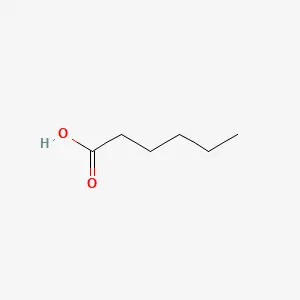
Caproic acid (hexanoic acid, 6:0, C6H12O2) is a saturated fat with six carbons. It sits between butyric acid (4:0) and caprylic acid (8:0) on the ladder of milk-fat fatty acids. FAO and WHO (the UN food and health agencies) class 3 to 7 carbons as short-chain and 8 to 13 as medium-chain. By their rule caproic acid is short-chain, although many papers call it medium-chain.
The name comes from the Latin word for goat, and PubChem, a US chemical database, describes its odor as characteristic and goat-like. PubChem lists it as a human metabolite (a substance found in human metabolism), and we found no source that calls it an essential fat.
The liver deals with it quickly. FAO says short and medium-chain fats go straight to the liver by the portal vein and are rapidly burned there. PubChem notes that only liver mitochondria make ketones (fuels made from fat) from caproic acid.
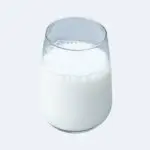
One thing most readers do not know: the ketone ester that has been tested in people is built from two hexanoic acid units. Food gives very little. In our USDA ranking, a cup of semi-skimmed cow’s milk holds 0.1 g.
Evidence is scarce, and this page says so. We found no human trial that gave caproic acid on its own for any health outcome. The human studies test products that release it, a high-dairy diet, or intake in large cohorts, and the rest is lab and mouse work. Read this page as an honest map of what is known, not as a reason to take it.
Health benefits of caproic acid
The top findings from 12 studies, strongest evidence first
What the stars mean
- Strong. Several randomized trials, pooled in a meta-analysis, point the same way, or regulators (FDA or EFSA) have approved the claim.
- Moderate. Good randomized trials support it, but there are fewer of them, or their results vary.
- Limited. Small, short or single trials, or mixed results. Promising, but it needs confirmation.
Population and lab studies get no stars: they show a link or a mechanism, not proof.
How we rate evidence →- ★Oil raised blood hexanoate, but no metabolic changeIn 12 men with overweight, an oil with butyrate and hexanoate (caproic acid) raised blood hexanoate at medium and high doses. Appetite, hormones, blood sugar and blood fats did not change.
- ★Ester that releases hexanoic acid was well toleratedIn 59 healthy adults, up to 25 g a day of the ester for 4 weeks was tolerated like placebo. It is a product that releases hexanoic acid, not the acid itself.
- ★Ketone ester raised blood hexanoic acid and ketonesIn 33 healthy adults, a hexanoic acid ester raised blood hexanoic acid as the dose rose (12.5 to 50 g a day). In 8 adults it raised blood ketones to 0.8 to 1.7 mM.
- Population studyNot linked to cancer risk in large studiesAmong 71,599 US adults followed for 13.7 years, caproic acid intake was not linked to colorectal cancer (868 cases). A review of 55 studies also found no clear cancer link for it.
All 12 studies, strongest evidence first
Butyrate-hexanoate oil raised blood hexanoate but no metabolic marker
Fourteen men with overweight and a BMI (body mass index) of 25 to 35 started this crossover trial, and 12 finished. On each test day they had a liquid high-fat meal with the oil at 650, 1,325 or 2,000 mg, or sunflower oil as placebo. Over 6 hours of blood tests, the medium and high doses raised blood hexanoate against placebo. Appetite, hormones, blood sugar and blood fats did not change. The oil carries both acids on long-chain fats, so hexanoate alone gets no credit; its maker funded the study and employs two authors.
A ketone ester of two hexanoic acids released hexanoic acid into blood
33 healthy adults took 12.5, 25 or 50 g a day of bis-hexanoyl (R)-1,3-butanediol, which splits into hexanoic acid and butanediol. Blood was sampled for 8 hours on the first day and after 7 days, and peak and total levels rose with the dose. The ketone beta-hydroxybutyrate was highest, then butanediol (a ketone precursor), then hexanoic acid, with no consistent change after a week. This small pilot tested a product, not the acid itself, and several authors report stock options in the companies behind it.
6 weeks of high dairy changed serum hexanoic acid in 26 adults
Adults with high insulin ate a high-dairy diet (4 or more servings a day) and an adequate-dairy diet (2 or fewer) for 6 weeks each. In the 26 who finished, hexanoic acid was one of the serum metabolites that differed: it was lower after the adequate-dairy diet. Caprylic, decanoic, lauric and heptadecanoic acids were higher on the high-dairy diet. The study measured metabolites, not health, and dairy mixes many fats, proteins and minerals, so nothing here can be credited to caproic acid.
Up to 25 g daily of the ester was tolerated like placebo
For 4 weeks, 59 healthy adults drank the ester or a taste-matched placebo with breakfast. The dose was 12.5 g a day of the ester on days 0 to 7, then 25 g a day on days 7 to 28. Gut and whole-body tolerability matched placebo, blood ketones rose within 1 hour, and blood tests and vital signs showed no clinically meaningful change. The product releases hexanoic acid; its maker, BHB Therapeutics, funded the trial, and several authors hold equity in it or patents.
The ester raised blood ketones to 0.8 to 1.7 mM
8 healthy adults took 25 g with a meal, 12.5 g with a meal and 25 g fasted, in random order. Blood was sampled for up to 5 hours. Peak and total ketone (r-beta-hydroxybutyrate) levels were higher with 25 g than 12.5 g, and the ester lowered blood glucose and free fatty acids. The ketones come from both parts of the ester, hexanoic acid and butanediol, so this does not show what caproic acid alone would do.
Caproic acid intake was not linked to colorectal cancer in 71,599 adults
The Southern Community Cohort Study followed mostly low-income adults aged 40 to 79 in the southeastern US for a median 13.7 years. 67.3% were Black, and intake came from an 89-item food questionnaire, which estimates intake only roughly. Among 868 colorectal cancers, hexanoic (C6:0), octanoic (C8:0) and decanoic acid (C10:0) showed no link, overall or by race. Only lauric acid (C12:0) did: the top quarter of intake had 0.52 times the risk among White but not Black participants.
Caproic acid (C6:0) showed no cancer link in 55 studies
This review pooled 38 case-control and 17 cohort studies of saturated fats, measured in blood or the diet, and cancer. Total saturated fat went with higher risk (odds ratio 1.294), as did C14:0, C16:0 and C18:0. There was no clear link for butyric, caproic, caprylic, capric or lauric acid, nor for pentadecylic, margaric, arachidic, behenic or lignoceric acid. Observational designs cannot show cause, and the authors ask for more high-quality studies.
With HIV, less stool caproic acid went with early artery disease
Groups were 49 and 30 people with HIV, with and without early artery disease, and 25 and 24 HIV-negative controls, with and without it. Higher IL-32, an inflammation signal, in blood cells went with altered gut bacteria and lower stool caproic acid. In human blood cells given bacterial LPS, caproic acid reduced IL-32, IL-18 and IL-1β. This is an association in a small group plus a cell test, so it does not show that caproic acid protects the arteries.
5% hexanoic acid in food prevented obesity in mice on high-fat diets
Male mice ate chow, a high-fat diet, or a high-fat diet with 5% butyric acid or 5% hexanoic acid for 4 weeks. Both acids prevented weight gain and fat build-up, and lowered liver triglycerides and blood fatty acids. Only hexanoic acid improved high blood sugar; it also raised the gut hormone GLP-1 and improved glucose tolerance and insulin sensitivity. A 5% share of the diet is far more than food gives, and we found no human trial of this.
Oral hexanoate calmed regulatory T cells and slowed cancer growth in mice
Mice with tumors were given sodium hexanoate by mouth. Hexanoic acid rose in the tumor and its draining lymph nodes, and fewer regulatory T cells formed and entered the tumor. CD8+ T cells worked better, cancer growth slowed, and hexanoate strengthened immune checkpoint therapy. The authors suggest hexanoic acid may explain part of the link between milk and lower colorectal cancer risk, a hypothesis no human trial has tested.
In obese mice, propionic acid, not caproic acid, eased fatty liver disease
Ldlr-/-.Leiden mice ate a high-fat diet for 16 weeks, then were treated for 12 weeks with added caproic acid, added propionic acid or neither. Propionic acid lowered body weight, blood pressure and fasting insulin, and reduced liver fat, inflammation and scarring. Only propionic acid eased the fatty liver disease and improved blood vessel function, as the paper’s title states. Both acids reversed one high-fat effect on links between visual and hearing brain areas; this is a mouse study with no human data.
In liver cells, hexanoic acid made ketones, alone or with oleic acid
This liver cell test measured ketones from fatty acids of 4 to 18 carbons; yield fell as chains got longer, highest for butyrate. At high concentration hexanoic acid and butyrate were a ketone source. At low concentration they added to the yield from oleic acid and a fat blend. The authors, several from co-funder Danone Nutricia Research, say human validation is needed.
Sources
- European Commission. Commission Regulation (EU) No 432/2012 establishing a list of permitted health claims made on foods. Official Journal of the European Union. 2012. We found no entry for caproic acid, hexanoic acid or short-chain or medium-chain fatty acids.
Foods high in caproic acid
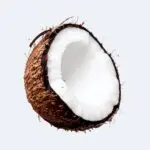
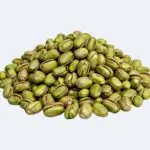
Caproic acid is a minor fat in every food in our data. In our USDA ranking per serving, semi-skimmed cow’s milk leads with 0.1 g in a cup (246 g). Coconuts follow at 0.05 g in 1 oz (28 g), then pistachio nuts at 0.003 g in 1 oz.
Per 100 g, coconuts lead at 0.19 g, and per 100 kcal milk leads again. The ranking below shows the rest.
The richest everyday source is milk fat, and the ranking does not include the fats themselves. FAO lists dairy fat as the typical source of caproic acid. PubChem says it makes up about 2% of milk fats and under 1% of coconut oil, so coconut oil is not a rich source.
Butter and cream are mostly milk fat, so they should carry it in about that proportion (our inference, not a measured value). Goat milk is the famous source, but caproic acid is only a small part of its fat. In 160 retail samples from Greece, it was about 1.6% of the fatty acids on conventional farms, against about 8.5% for capric acid.
A 2024 study found human milk lower in butyric and caproic acid than cow milk.
Our arithmetic for realistic servings: at 0.1 g a cup, 10 cups of semi-skimmed milk give about 1 g. The ketone ester trials gave 12.5 to 50 g a day of the ester. If fully split, 25 g carries about 20 g of hexanoic acid (from the molecular weights), the amount in about 200 cups of milk. Food gives a small fraction of what the product trials gave.
Per serving. No daily amount is set, so bars compare each food with the top food.
Per 100 g. No daily amount is set, so bars compare each food with the top food.
Per 100 kcal: the same calories of each food, for a fair comparison. Bars compare each food with the top food.
Food labels have no Daily Value or Reference Intake for caproic acid, so the % compares each food with the top food.
- 1.
- 2.
- 3.
- 4.
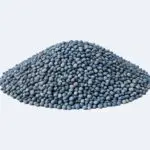
- 5.
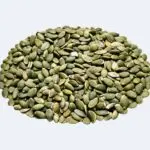
- 6.
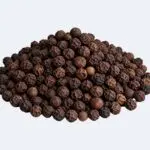
- 7.
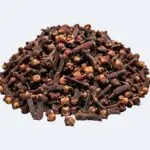


- 1.
- 2.
- 3.
- 4.
- 1.
- 2.
- 3.
- 4.
Sources
- FoodData Central. US Department of Agriculture, Agricultural Research Service. Values as shown in the ranking above.
- National Center for Biotechnology Information. PubChem compound summary for hexanoic acid (CID 8892). US National Library of Medicine. Includes entries from the Hazardous Substances Data Bank.
- FAO and WHO. Fats and fatty acids in human nutrition: report of an expert consultation. FAO Food and Nutrition Paper 91. Food and Agriculture Organization. 2010.
- Kasapidou E, Karatzia MA, Mitlianga P, Basdagianni Z. Effects of Production Systems and Seasons on Retail-Goat-Milk Fatty-Acid Composition and Nutritional Indices in Greece. Animals (Basel). 2022.
- Wu X, Chen M, Wang F, et al. A new isopropyl esterification method for quantitative profiling of short-chain fatty acids in human and cow milk by gas chromatograph-mass spectrometer. J Dairy Sci. 2024.
How caproic acid works
Most of what is known about how it works comes from food chemistry, mice, and a few small human studies of products that release it. Four ideas cover it: where it sits in the chain-length ladder, how the liver burns it, why it smells, and what mice show. Here is each idea, and what has been seen in people.
It sits between butyric and caprylic acid
Number of carbons in the chain, drawn to scale. Orange is caproic acid, magenta the other short-chain acid and teal the medium-chain acids, as FAO and WHO define them (3 to 7 carbons short, 8 to 13 medium).
FAO and WHO recommend calling saturated fatty acids with 3 to 7 carbons short-chain and those with 8 to 13 carbons medium-chain. So caproic acid is short-chain by their rule, with butyric acid one step below it and caprylic acid one step above. Papers on a hexanoate ketone ester call hexanoic acid a medium-chain fatty acid. A 2000 toxicology review lists it as a minor part of medium-chain triglycerides, so you will meet both labels.
The label matters less than the route: FAO says the short and medium-chain acids are handled alike. FAO reports that in cow milk fat, all butyric acid and most caproic acid sit at the end position of the triglyceride (sn-3).
It goes straight to the liver
From milk fat to the liver, as described by FAO, the Hazardous Substances Data Bank (through PubChem) and a human kinetics study. Not to scale.
After a meal, gut enzymes split fats. According to FAO, the short and medium-chain fatty acids released are absorbed across the gut. They travel through the portal vein to the liver, where they are rapidly burned. Long-chain fatty acids are instead rebuilt into fats and sent into the blood through the lymph, in chylomicrons (fat-carrying particles).
The Hazardous Substances Data Bank entry in PubChem adds that caproic acid is rapidly broken down in mitochondria (beta-oxidation). It is not stored or converted to longer fatty acids, and it is burned in the liver, kidneys and heart. But only liver mitochondria make ketone bodies from it.
People support the first part. In the 33 adults who took the hexanoate ketone ester, hexanoic acid appeared in the blood at lower levels than the ketone. The authors read this as heavy removal on the first pass through the liver. A lab and rodent study found the ester stays intact in the stomach and is split into hexanoate in the small intestine.
The ketone result is less clear. The ester also gives butanediol, which the liver turns into ketones too. So these trials do not show how much of the ketone rise comes from hexanoic acid. In a liver cell test, hexanoic acid yielded ketones at high concentration, and the authors say the result needs human validation.
In a digestion model, a pure butyrate and hexanoate triglyceride (tributyrin/caproin) was split rapidly in the stomach. The long-chain oil used in the men’s trial released its acids gradually, mostly in the small intestine.
It is a small part of milk fat, and a strong smell
Share of the identified fatty acids in retail goat milk from conventional farms in Greece (94 of 160 samples), drawn to scale. Orange is caproic acid.
PubChem describes the odor of caproic acid as characteristic and goat-like, and other records call it cheesy and sweat-like. The smell does not come from the fat as it sits in the milk. It comes when enzymes free the acids.
In a 2025 study, treating milk with lipase (a fat-splitting enzyme) at 4 °C made hexanoic, heptanoic and octanoic acid key aroma compounds. In a 2024 study of fermented goat milk, cultures with a lower goaty-flavor score also had less hexanoic, octanoic and decanoic acid.
So the goaty smell comes from several short and medium fatty acids together, and caproic acid is one of them. In Greek goat milk from conventional farms, caproic, caprylic and capric acid made up about 12% of the fatty acids. That is our sum of the three means.
Mice and cells hint at signals, with no human proof
In mice, 5% hexanoic acid in a high-fat diet prevented obesity and raised the gut hormone GLP-1. Oral hexanoate calmed regulatory T cells in tumor-bearing mice and strengthened checkpoint therapy. In obese mice, caproic acid did not match propionic acid for fatty liver. In human blood cells, caproic acid reduced inflammatory signals after bacterial LPS (a bacterial toxin).
Each of these is on a card above. They are early signals, mostly at doses far above what food gives, and none has been tested in a human trial of caproic acid.
What has been seen in people
Very little. The 12 studies above include 5 human trials, 3 observational studies and 4 lab studies.
The human trials show that hexanoate from an ester or an enriched oil reaches the blood. They also show that 25 g a day of the ester for 4 weeks was tolerated in 59 adults. A high-dairy diet also changed serum hexanoic acid.
None tested a health outcome. The cohort and the meta-analysis found no link between caproic acid and colorectal cancer or cancer in general. Whether caproic acid does anything good in people is unknown.
Sources
- FAO and WHO. Fats and fatty acids in human nutrition: report of an expert consultation. FAO Food and Nutrition Paper 91. Food and Agriculture Organization. 2010.
- National Center for Biotechnology Information. PubChem compound summary for hexanoic acid (CID 8892). US National Library of Medicine. Includes entries from the Hazardous Substances Data Bank.
- Mah E, Blonquist TM, Kaden VN, et al. A randomized, open-label, parallel pilot study investigating metabolic product kinetics of the novel ketone ester, bis-hexanoyl (R)-1,3-butanediol, over one week of ingestion in healthy adults. Front Physiol. 2023.
- Stubbs BJ, Blade T, Mills S, et al. In vitro stability and in vivo pharmacokinetics of the novel ketogenic ester, bis hexanoyl (R)-1,3-butanediol. Food Chem Toxicol. 2021.
- van Deuren T, Smolders L, Hartog A, et al. Butyrate and hexanoate-enriched triglycerides increase postprandrial systemic butyrate and hexanoate in men with overweight/obesity: A double-blind placebo-controlled randomized crossover trial. Front Nutr. 2022.
- Meeusen H, Romagnolo A, Holsink SAC, et al. A novel hepatocyte ketone production assay to help the selection of nutrients for the ketogenic diet treatment of epilepsy. Sci Rep. 2024.
- Wang W, Xi Y, Wang J, et al. Deciphering lipase-catalyzed lipolysis in milk at low temperatures based on intelligent sensory, volatile compound, and lipid profiles. Food Res Int. 2025.
- Yu Z, Han H, Muratkhan M, et al. Screening of lactic acid bacteria with the ability to reduce goaty flavor related fatty acids in goat milk. Int J Food Microbiol. 2024.
- Kasapidou E, Karatzia MA, Mitlianga P, Basdagianni Z. Effects of Production Systems and Seasons on Retail-Goat-Milk Fatty-Acid Composition and Nutritional Indices in Greece. Animals (Basel). 2022.
- Traul KA, Driedger A, Ingle DL, Nakhasi D. Review of the toxicologic properties of medium-chain triglycerides. Food Chem Toxicol. 2000.
How much caproic acid do you need?
No official body sets a daily amount of caproic acid. The FDA has set no Daily Value for it, and the EU no Reference Intake. The 2010 FAO and WHO report on fats lists dairy fat as its typical source and gives no intake value for it. PubChem lists it as a human metabolite, and we found no deficiency disease for it in any source we checked.
What trials have used is a different question, and it is about products, not the acid. The ketone ester trials gave 12.5 to 50 g a day of the ester. 25 g a day was used for 4 weeks in 59 adults. If fully split, 25 g of the ester carries about 20 g of hexanoic acid (our arithmetic from the molecular weights).
The enriched oil in the men’s trial was given in single meals at 650 mg, 1,325 mg or 2,000 mg of oil. Neither is an intake to aim for, and no source sets one.
Sources
- US Food and Drug Administration. Daily Value on the Nutrition and Supplement Facts Labels. FDA. Accessed October 2026.
- FAO and WHO. Fats and fatty acids in human nutrition: report of an expert consultation. FAO Food and Nutrition Paper 91. Food and Agriculture Organization. 2010.
- National Center for Biotechnology Information. PubChem compound summary for hexanoic acid (CID 8892). US National Library of Medicine. Includes entries from the Hazardous Substances Data Bank.
- Mah E, Blonquist TM, Kaden VN, et al. A randomized, open-label, parallel pilot study investigating metabolic product kinetics of the novel ketone ester, bis-hexanoyl (R)-1,3-butanediol, over one week of ingestion in healthy adults. Front Physiol. 2023.
- Chen O, Blonquist TM, Mah E, et al. Tolerability and Safety of a Novel Ketogenic Ester, Bis-Hexanoyl (R)-1,3-Butanediol: A Randomized Controlled Trial in Healthy Adults. Nutrients. 2021.
- van Deuren T, Smolders L, Hartog A, et al. Butyrate and hexanoate-enriched triglycerides increase postprandrial systemic butyrate and hexanoate in men with overweight/obesity: A double-blind placebo-controlled randomized crossover trial. Front Nutr. 2022.
Forms of caproic acid: absorption and effects
Caproic acid reaches people in a few forms. It is inside the triglycerides of milk fat and a minor part of MCT oil. It is in oils and esters made for research, and it exists as the free acid, which is a corrosive liquid and not a food.
The honest bottom line is that no trial compared forms of caproic acid on a health outcome. The only head-to-head we found is a digestion model, which compared two triglycerides. Trials of the ester and the enriched oil measure blood levels and tolerability.
Two popular ideas have no trial behind them. One is that a caproic acid supplement helps ketosis or burns fat. The human ketone trials used a ketone ester that also gives butanediol, and we found no trial of caproic acid alone.
The other is that the C6 share of MCT oil adds anything, but no study separated it from caprylic and capric acid. No brands or product recommendations are made here.
| Form | What it is | What studies show | Source |
|---|---|---|---|
| Milk fat (cow and goat) | Caproic acid joined to glycerol in triglycerides; about 2% of milk fats (PubChem), 1.6% of the fatty acids in retail goat milk in Greece | The food form. Human milk has less of it than cow milk. A high-dairy diet changed serum hexanoic acid in 26 adults. Most of it in cow milk fat sits on the sn-3 position. | 1, 2, 3, 4, 5 |
| Coconut oil and palm kernel oil | Vegetable fats with a small share of caproic acid; coconut oil under 1% (PubChem) | FAO lists dairy fat, not these oils, as the typical source of caproic acid. They are rich in lauric acid instead. | 1, 2 |
| MCT oil | Medium-chain triglycerides, mostly caprylic and capric acid with lesser amounts of caproic and lauric acid | Reviews of MCT safety describe the mix. No trial separated the effect of its caproic acid share. | 6, 7 |
| Free caproic acid | A colorless to pale yellow oily liquid with an unpleasant odor; the FDA permits it as a synthetic flavoring substance and adjuvant | Corrosive to skin and eyes in the industry notifications PubChem lists. We found no human trial of it by mouth. | 1, 14 |
| Butyrate and hexanoate triglycerides | Short-chain acids attached to glycerol, alone (tributyrin/caproin) or with long-chain fats | In a digestion model the pure form was split rapidly in the stomach and the long-chain form released its acids gradually in the small intestine. In 12 men, the long-chain oil raised blood hexanoate and changed no metabolic marker. | 8 |
| Bis-hexanoyl butanediol (ketone ester) | Two hexanoic acid units on a butanediol backbone, sold as a ketone ingredient | It is split into hexanoic acid and butanediol in the small intestine and in plasma. In 33 adults hexanoic acid reached the blood at lower levels than the ketone. In 59 adults, 25 g a day for 4 weeks was as well tolerated as placebo. | 9, 10, 11, 12 |
| Sodium hexanoate | The salt of hexanoic acid, used in lab work | Given by mouth to tumor-bearing mice, it calmed regulatory T cells. We found no human trial. | 13 |
Sources
- National Center for Biotechnology Information. PubChem compound summary for hexanoic acid (CID 8892). US National Library of Medicine. Includes entries from the Hazardous Substances Data Bank.
- FAO and WHO. Fats and fatty acids in human nutrition: report of an expert consultation. FAO Food and Nutrition Paper 91. Food and Agriculture Organization. 2010.
- Kasapidou E, Karatzia MA, Mitlianga P, Basdagianni Z. Effects of Production Systems and Seasons on Retail-Goat-Milk Fatty-Acid Composition and Nutritional Indices in Greece. Animals (Basel). 2022.
- Wu X, Chen M, Wang F, et al. A new isopropyl esterification method for quantitative profiling of short-chain fatty acids in human and cow milk by gas chromatograph-mass spectrometer. J Dairy Sci. 2024.
- O’Connor S, Greffard K, Leclercq M, et al. Increased Dairy Product Intake Alters Serum Metabolite Profiles in Subjects at Risk of Developing Type 2 Diabetes. Mol Nutr Food Res. 2019.
- Traul KA, Driedger A, Ingle DL, Nakhasi D. Review of the toxicologic properties of medium-chain triglycerides. Food Chem Toxicol. 2000.
- Bach AC, Babayan VK. Medium-chain triglycerides: an update. Am J Clin Nutr. 1982.
- van Deuren T, Smolders L, Hartog A, et al. Butyrate and hexanoate-enriched triglycerides increase postprandrial systemic butyrate and hexanoate in men with overweight/obesity: A double-blind placebo-controlled randomized crossover trial. Front Nutr. 2022.
- Mah E, Blonquist TM, Kaden VN, et al. A randomized, open-label, parallel pilot study investigating metabolic product kinetics of the novel ketone ester, bis-hexanoyl (R)-1,3-butanediol, over one week of ingestion in healthy adults. Front Physiol. 2023.
- Chen O, Blonquist TM, Mah E, et al. Tolerability and Safety of a Novel Ketogenic Ester, Bis-Hexanoyl (R)-1,3-Butanediol: A Randomized Controlled Trial in Healthy Adults. Nutrients. 2021.
- Crabtree CD, Blade T, Hyde PN, et al. Bis Hexanoyl (R)-1,3-Butanediol, a Novel Ketogenic Ester, Acutely Increases Circulating r- and s-ß-Hydroxybutyrate Concentrations in Healthy Adults. J Am Nutr Assoc. 2023.
- Stubbs BJ, Blade T, Mills S, et al. In vitro stability and in vivo pharmacokinetics of the novel ketogenic ester, bis hexanoyl (R)-1,3-butanediol. Food Chem Toxicol. 2021.
- Seta D, Nagahori K, Katoh Y, et al. Hexanoic Acid Intake Enhances Anti-Tumor Immune Responses in Colorectal Cancer by Reducing the Immunosuppressive Function of Tregs. Mol Nutr Food Res. 2025.
- US Food and Drug Administration. 21 CFR 172.515: Synthetic flavoring substances and adjuvants. Code of Federal Regulations. Accessed October 2026.
Is caproic acid safe? Supplements, dose and interactions
Caproic acid at food amounts is not a safety concern in any source we checked; it is a natural part of milk fat. The FDA lists hexanoic acid among the synthetic flavoring substances and adjuvants allowed in food (21 CFR 172.515). They may be used in the minimum quantity needed and in line with good manufacturing practice. We found no upper limit and no recommended intake from the FDA, the EU or FAO and WHO.
PubChem quotes a 2023 report of the FAO and WHO committee on food additives (JECFA). It asked for updated exposure data on hexanoic acid by December 2025, so it could be re-evaluated as a flavoring. That is a data request, not a finding of harm. Supplements and products are another matter.
- Product trials were short. In 59 adults, 25 g a day of the hexanoate ketone ester for 4 weeks was tolerated like placebo. Blood tests showed no clinically meaningful change. The enriched oil was well tolerated in 12 men, but both were industry-funded and long-term safety is untested.
- MCT oil is a mix. A toxicology review calls MCTs essentially non-toxic in animals, and confirmed safe in clinical trials up to 1 g per kg of body weight. A 1982 review lists ketosis, acidosis and cirrhosis as reasons not to use them. Both reviews cover the mix, with caproic acid a minor part.
- The pure acid is corrosive. According to PubChem, nearly all industry notifications classify hexanoic acid as causing severe skin burns and eye damage. It is a laboratory liquid, not a supplement, and should not be swallowed or splashed.
- Who should ask a doctor. We found no trial of caproic acid in pregnancy or breastfeeding, and no human study of drug interactions. People with liver disease should ask first. The 1982 review lists cirrhosis as a reason not to use MCT, and the liver does the work of burning caproic acid.
How to eat caproic acid wisely
- Count on milk fat, not on pills. A cup of semi-skimmed milk gives 0.1 g in our USDA ranking, and PubChem puts caproic acid at about 2% of milk fats. There is no daily amount to reach.
- Skip pure caproic acid and C6 products. We found no trial of caproic acid alone for any health outcome, and the pure liquid is corrosive. The ketone trials used an ester, and no trial shows it burns fat.
- Expect the smell to come from broken-down fat. Lipase in milk frees hexanoic acid and its neighbors, even at 4 °C, and the free acids add the goaty, cheesy note.
Sources
- US Food and Drug Administration. 21 CFR 172.515: Synthetic flavoring substances and adjuvants. Code of Federal Regulations. Accessed October 2026.
- National Center for Biotechnology Information. PubChem compound summary for hexanoic acid (CID 8892). US National Library of Medicine. Includes entries from the Hazardous Substances Data Bank.
- Traul KA, Driedger A, Ingle DL, Nakhasi D. Review of the toxicologic properties of medium-chain triglycerides. Food Chem Toxicol. 2000.
- Bach AC, Babayan VK. Medium-chain triglycerides: an update. Am J Clin Nutr. 1982.
- Chen O, Blonquist TM, Mah E, et al. Tolerability and Safety of a Novel Ketogenic Ester, Bis-Hexanoyl (R)-1,3-Butanediol: A Randomized Controlled Trial in Healthy Adults. Nutrients. 2021.
- van Deuren T, Smolders L, Hartog A, et al. Butyrate and hexanoate-enriched triglycerides increase postprandrial systemic butyrate and hexanoate in men with overweight/obesity: A double-blind placebo-controlled randomized crossover trial. Front Nutr. 2022.
- Wang W, Xi Y, Wang J, et al. Deciphering lipase-catalyzed lipolysis in milk at low temperatures based on intelligent sensory, volatile compound, and lipid profiles. Food Res Int. 2025.
History of caproic acid
The name comes from the Latin word for goat, like caprylic acid (8:0) and capric acid (10:0). The French chemist Michel Eugène Chevreul first isolated caproic acid in 1816, in the years he was studying butter and other fats. By 1824 he had shown that fats are esters of glycerol and fatty acids of different chain lengths. The story of his butter work, and of butyric acid, is on its own page.
The three goat acids still tell a modern story. In retail goat milk from Greece, caproic, caprylic and capric acid together made up about 12% of the fatty acids. Studies of goat milk flavor still point to them when they ask why it tastes goaty. We found no older medical story for caproic acid itself.
Sources
- Carpenter KJ. Early ideas on the nutritional significance of lipids. J Nutr. 1998.
- Wikipedia contributors. Caproic acid. Wikimedia Foundation. Accessed October 2026.
- Wikipedia contributors. Caprylic acid. Wikimedia Foundation. Accessed October 2026.
- National Center for Biotechnology Information. PubChem compound summary for hexanoic acid (CID 8892). US National Library of Medicine. Includes entries from the Hazardous Substances Data Bank.
- Kasapidou E, Karatzia MA, Mitlianga P, Basdagianni Z. Effects of Production Systems and Seasons on Retail-Goat-Milk Fatty-Acid Composition and Nutritional Indices in Greece. Animals (Basel). 2022.
- Yu Z, Han H, Muratkhan M, et al. Screening of lactic acid bacteria with the ability to reduce goaty flavor related fatty acids in goat milk. Int J Food Microbiol. 2024.
Frequently asked questions about caproic acid
What is caproic acid, and what is it used for?
Caproic acid, also called hexanoic acid, is a saturated fatty acid with six carbons (6:0). In food it is a small part of milk fat, about 2% of milk fats according to PubChem. PubChem lists its uses as a flavoring agent, a fragrance ingredient and an emulsifier in cosmetics. The FDA permits it as a synthetic flavoring substance and adjuvant.
Why does caproic acid smell like goats?
Because the free acid has a goat-like odor, and milk enzymes can free it from fat. PubChem describes the odor as characteristic and goat-like, and the name comes from the Latin word for goat. Lipase treatment of milk at 4 °C made hexanoic, heptanoic and octanoic acid key aroma compounds. Caprylic acid and capric acid add to the goaty note.
Is caproic acid a short-chain or a medium-chain fatty acid?
By the FAO and WHO rule it is short-chain, and many papers call it medium-chain. FAO and WHO recommend 3 to 7 carbons for short-chain and 8 to 13 for medium-chain. The ketone ester papers call hexanoic acid medium-chain. Either way, FAO says short and medium-chain fatty acids go by the portal vein to the liver and are rapidly oxidized.
Which foods have the most caproic acid?
Milk fat leads, and the milk itself has the most per serving. In our USDA ranking a cup of semi-skimmed milk holds 0.1 g, coconuts 0.05 g in an ounce and pistachio nuts 0.003 g. PubChem puts it at about 2% of milk fats and under 1% of coconut oil. In Greek retail goat milk it was about 1.6% of the fatty acids.
Is caproic acid in MCT oil?
In small amounts. A toxicology review describes medium-chain triglycerides as mainly caprylic and capric acid, with lesser amounts of caproic and lauric acid. No trial isolated the effect of the caproic acid share. For the MCT evidence, see the page on caprylic acid.
Does caproic acid make ketones?
Your liver can make ketones from it, but no trial shows how much. PubChem notes that only liver mitochondria make ketone bodies from caproic acid, and in liver cells hexanoic acid yielded ketones at high concentration. A ketone ester made of hexanoic acid raised blood ketones to 0.8 to 1.7 mM in 8 adults. But the ester also gives butanediol, which makes ketones too.
Is caproic acid safe, and does it have side effects?
At food amounts, yes as far as sources show. In 59 adults, 25 g a day of a hexanoate ketone ester for 4 weeks was as well tolerated as placebo. The pure acid is a corrosive liquid, not a supplement.
We found no data in pregnancy or breastfeeding. A large cohort and a meta-analysis found no link between caproic acid and cancer.
Is caproic acid the same as aminocaproic acid?
No. Aminocaproic acid is a drug used to limit bleeding, not a dietary fat. In a randomized trial in 80 people having bypass surgery, epsilon-amino-caproic acid was compared with tranexamic acid.
Median bleeding at 24 hours was 430 mL against 350 mL. Caproic acid, the fat on this page, is a different molecule that shares part of the name.