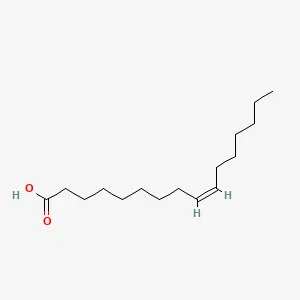
Palmitoleic acid (9Z-hexadec-9-enoic acid, 16:1 n-7, C16H30O2) is a monounsaturated fatty acid. It has 16 carbons and one double bond. It is the unsaturated partner of palmitic acid. The body makes it from palmitic acid with an enzyme called stearoyl-CoA desaturase-1 (SCD1).
A review calls it one of the most abundant fatty acids in blood and tissues, especially fat tissue and liver. It is often called omega-7. Its better-known cousin is oleic acid (18:1 n-9), the fat that olive oil is rich in.
Food holds only small amounts, with one standout. In our USDA ranking, macadamia nuts lead with 3.68 g in 1 oz (28 g). That is far ahead of ground beef, second at 0.82 g in 4 oz (113 g).
Outside the ranking, oil from the pulp and peel of sea buckthorn berries can be rich in it. In one analysis it made up 12.1% to 39.0% of that oil, against practically none in the seed oil.
Here is what most readers do not know. In 2008 a mouse study named palmitoleic acid a “lipokine”: a fat released by fat tissue that signals to the liver and muscle. Supplement sellers took the idea from there.
In people the picture is mixed. In 34 men with high cholesterol, adding palmitoleic acid to the diet raised LDL (“bad”) cholesterol about as much as palmitic acid did. A 123-person trial compared 500 or 1,000 mg a day for 12 weeks with a placebo (dummy pill). It did not lower a standard inflammation marker.
A blood test for palmitoleic acid mostly shows how much fat your liver makes from carbohydrate and alcohol. It does not show how many macadamia nuts you ate.
Health benefits of palmitoleic acid
The top findings from 31 studies, strongest evidence first
What the stars mean
- Strong. Several randomized trials, pooled in a meta-analysis, point the same way, or regulators (FDA or EFSA) have approved the claim.
- Moderate. Good randomized trials support it, but there are fewer of them, or their results vary.
- Limited. Small, short or single trials, or mixed results. Promising, but it needs confirmation.
Population and lab studies get no stars: they show a link or a mechanism, not proof.
How we rate evidence →- ★★No effect on inflammation markersIn 123 adults, a palmitoleic acid concentrate for 12 weeks did not lower C-reactive protein, an inflammation marker, more than placebo. Other blood markers stayed the same too.
- ★★Raised LDL cholesterol, like a saturated fatIn 34 men with high cholesterol, palmitoleic acid raised LDL, the “bad” cholesterol, about as much as palmitic acid, a saturated fat. HDL was lower with it than with palmitic acid.
- ★★Lower LDL on macadamia nut dietsMacadamia diets gave lower “bad” LDL than a typical American diet high in saturated fat in two trials (3.14 against 3.44 mmol/L in 25 adults). The 25 adults had mildly high cholesterol, and these were whole-nut diets, so the result cannot be credited to palmitoleic acid alone.
- ★★Lower triglycerides and LDL with sea buckthornAcross 15 trials, sea buckthorn supplements lowered triglycerides and LDL, but only in people with abnormal blood fats. Blood sugar and blood pressure did not change, and the result cannot be credited to palmitoleic acid.
- ★★Slower rise in tear osmolarity in dry eyeIn 100 adults with dry eye, 2 g of sea buckthorn oil a day for 3 months slowed the rise in tear concentration versus placebo. Its palmitoleic acid content was not given, so the effect cannot be credited to it.
All 28 studies, strongest evidence first
A palmitoleic acid concentrate did not lower C-reactive protein more than placebo
This double-blind randomized trial enrolled 123 adults whose high-sensitivity C-reactive protein was 2 mg/L or higher. They took 500 or 1,000 mg a day of a marine-source concentrate, or a placebo, for 12 weeks. Nothing else changed either: interleukin-6, tumor necrosis factor-α, fasting glucose, insulin, glycosylated hemoglobin, LDL cholesterol and the exploratory markers stayed the same. Blood fatty acids changed with the dose, so the supplement was absorbed, and the authors reported no conflicts of interest.
Palmitoleic acid raised LDL about as much as palmitic acid
In this randomized crossover feeding trial, 34 men with high cholesterol each ate three diets for 3 weeks. Supplements added palmitoleic or palmitic acid at about 4% of energy, or oleic acid at about 3%, with dietary cholesterol under 165 mg a day. Palmitoleic acid raised LDL more than oleic acid did, and HDL cholesterol was lower with it than with palmitic acid. The authors, who chose the question because macadamia oil is a potentially large source, concluded that for LDL it acted like a saturated fat.
A macadamia nut diet lowered LDL cholesterol against an average American diet
In this randomized crossover feeding study, 25 adults with mildly high cholesterol ate two 5-week diets, both with 33% of energy from fat. The macadamia diet had 42.5 g of nuts per 2,100 kcal and 7% of energy from saturated fat, against 13% on the comparison diet. LDL cholesterol was 3.14 against 3.44 mmol/L (millimoles per liter, a blood unit), and total cholesterol 4.94 against 5.45. Triglycerides did not change, and since the diet swapped saturated for monounsaturated fat, the result cannot be credited to palmitoleic acid alone.
A macadamia nut diet gave lower LDL than a typical American diet
In this randomized crossover trial, 30 volunteers ate three diets for 30 days each. The typical diet was high in saturated fat (37% of energy from fat). The second was an American Heart Association Step 1 diet (30% from fat), and the third was based on macadamia nuts (37% from fat). LDL cholesterol was 3.22 mmol/L on the macadamia diet against 3.37 on the typical diet, and total cholesterol 4.95 against 5.20. HDL cholesterol was 1.37 against 1.43, and the Step 1 diet did about as well (LDL 3.21).
Sea buckthorn supplements lowered triglycerides and LDL, not blood sugar or pressure
This meta-analysis (a study that pools earlier studies) combined 15 trials. On a common scale (standardized mean differences), triglycerides changed by −0.722, LDL cholesterol by −0.396 and HDL cholesterol by +0.370. Blood fats fell only in people with abnormal lipid metabolism, and blood sugar and blood pressure did not change. Results varied widely, the products differed, and the abstract gives no palmitoleic acid content, so the result cannot be credited to palmitoleic acid.
Sea buckthorn oil slowed rising tear osmolarity in the cold season
Here, 100 adults aged 20 to 75 with dry eye took 2 g of sea buckthorn oil a day, or a placebo, for 3 months. The trial was double-blind and randomized, and 86 finished. Tear osmolarity (how concentrated tears are) rose less than on placebo, in everyone and in those taking at least 80% of doses. Redness and burning tended to be lower. With no palmitoleic acid content given for the oil (only n-3 and n-6 fats and antioxidants), the effect cannot be credited to it.
Macadamia nuts for 4 weeks lowered LDL cholesterol by 5.3%
In this before-and-after study, 17 men with high cholesterol ate 40 to 90 g of macadamia nuts a day, about 15% of energy. The abstract describes no separate control group. Total cholesterol fell 3.0% and HDL cholesterol rose 7.9%, while triglycerides were unchanged. Plasma 16:1 n-7 (palmitoleic acid) rose, so eating the nuts moved the blood level. The next card is a second paper from the same trial.
Macadamia nuts lowered inflammation and oxidative stress markers in the same men
This is a second paper from the trial above: the same 17 men ate 40 to 90 g of nuts a day for 4 weeks. Despite more fat in the diet, leukotriene B4 fell from 1,353 to 1,030 pg/mL and 8-isoprostane from 876 to 679 pg/mL. A 23.6% fall in the thromboxane to prostacyclin ratio could be chance. There was no control group in the abstract, and the nuts also carry polyphenols, so palmitoleic acid cannot be singled out.
Macadamia nuts for 8 weeks did not change weight or body fat
In this randomized crossover trial, 35 adults with abdominal obesity ate their usual diet plus macadamia nuts for 8 weeks. The nuts gave about 15% of daily calories, and the other period was the usual diet without nuts, after a 2-week washout (break). LDL cholesterol fell about 4% and total cholesterol about 2%, both within chance, and glycemic (blood sugar) measures did not change. Blood fats fell more in people with overweight than with obesity, and Hort Innovation in Australia funded the trial.
Sea buckthorn oil improved the vaginal lining more often than placebo
This double-blind randomized trial gave 116 postmenopausal women with vaginal dryness, itching or burning 3 g of sea buckthorn oil a day or a placebo. After 3 months, 98 had finished, and the odds of better lining integrity were 3.1 times those on placebo. In women who took the oil as directed it was 2.9, with a range that includes no effect. A vaginal health index only tended to improve, and the abstract gives no palmitoleic acid content. The first author is listed with Aromtech Ltd, a Finnish company.
Cis-palmitoleic acid lowered inflammation markers in ulcerative colitis more than placebo
In this small double-blind pilot trial in Mexico, 20 people with active ulcerative colitis took 720 mg a day or a placebo for 8 weeks. The supplement was added to usual treatment. High-sensitivity C-reactive protein and erythrocyte sedimentation rate, both inflammation markers, changed more than on placebo, and interleukin-6 gene activity fell in colon tissue. Twenty patients is too few to show a clinical benefit, and the abstract does not report the Mayo score (a colitis rating) results.
An omega-7 blend failed on inflammation markers and quality of life
In this double-blind randomized crossover trial, 56 adults with muscle and joint discomfort were randomized and 50 finished. The 50 took 688 mg a day of the blend for 3 weeks and, in the other period, a placebo (medium-chain triglycerides). The product was a mixed omega-7 supplement, not pure palmitoleic acid, and the authors say future studies should check cis versus trans palmitoleate. A company that sells oils (Barlean’s Organic Oils) sponsored the trial, and the authors’ university has received donations from it.
At the top dose, trans-enriched sea buckthorn oil raised blood trans-palmitoleate 26.6%
In this double-blind randomized crossover study, 13 adults took rising doses in three 3-week steps, with a 4-week washout. Unmodified sea buckthorn oils gave 380, 760 and 1,520 mg of cis-palmitoleic acid a day. Oils augmented with the trans form gave 120, 240 and 480 mg a day. Neither oil changed blood glucose, insulin or lipids, but the study was too small to detect that, and no adverse effects were seen. It shows the supplements reach the blood, not that they help.
Top fifth of blood palmitoleic acid: 40% higher type 2 diabetes risk
This harmonized analysis of 17 cohorts followed 65,225 people for about 9 years, with 15,383 new cases. Against the bottom fifth, the relative risk was 1.40 for palmitoleic acid, 1.53 for palmitic acid, 1.14 for stearic acid and 1.16 for oleic acid. The link held after adjusting for triglycerides. The authors list reverse causation (diabetes changing the level) and residual confounding as limits. Some report funding from Unilever and other companies for other work.
Higher blood trans-palmitoleic acid went with 18% lower type 2 diabetes risk
This analysis pooled 16 cohorts with 63,682 people and over 15,180 new cases, followed for about 9 years. Moving from the 10th to the 90th percentile of blood level went with 0.82 times the risk, adjusted for body size and palmitate. Odd-chain fatty acids 15:0 (0.80) and 17:0 (0.65) also went with lower risk. These fatty acids are dairy markers that do not tell which dairy foods were eaten, and residual confounding may remain.
Top two fifths of trans-palmitoleate: 0.41 and 0.38 times the diabetes risk
This cohort study of 3,736 older US adults had 304 new cases, compared against the lowest fifth. Whole-fat dairy was the food most strongly linked to higher levels. Higher levels also went with lower triglycerides (−19.0% across fifths), lower C-reactive protein and less insulin resistance (−16.7%). The metabolic findings held in a separate group of 327 women. Harvard University has filed a patent application, naming three of the authors, for using this fatty acid against insulin resistance and diabetes.
Top fifth of blood trans-palmitoleate: 48% lower risk of new diabetes
The Multi-Ethnic Study of Atherosclerosis followed 2,281 adults free of diabetes, with 205 new cases, and the top group had 0.52 times the risk. Levels tracked whole-fat dairy, butter, margarine and baked desserts, so the sources were mixed and included partially hydrogenated oils. The top fifth also had 6.4% higher LDL cholesterol but 19.1% lower triglycerides and 2.4 mm Hg lower systolic blood pressure.
Adjusted for other trans fats, trans-palmitoleic acid was not linked to diabetes
This EPIC-Potsdam case-cohort study compared 801 people with new type 2 diabetes against a random subsample of 1,248, over a median 6.5 years. Each standard-deviation step up went with 1.08 times the risk, a difference that could be chance. Vaccenic acid, another trans fat from cud-chewing animals, went with lower risk (0.72). The authors conclude that earlier findings of lower diabetes risk with trans-palmitoleic acid are likely due to confounding.
Higher blood palmitoleate went with both better and worse risk markers
This cohort study of 3,630 older US adults had 296 new cases of diabetes, and palmitoleate was not linked to them. Higher levels went with lower LDL cholesterol, higher HDL cholesterol and lower fibrinogen, but also with higher triglycerides and, in men, more insulin resistance. Higher body mass index, carbohydrate intake, protein intake and alcohol use were each linked to higher levels. The authors suggest the mixed pattern may come from different sources, such as liver and fat tissue.
Higher free palmitoleate went with better insulin sensitivity and glucose tolerance
This cohort analysis of free (non-esterified) fatty acids covered 1,234 people without diabetes. Adjusted for age, sex, BMI, body fat and other fatty acids, it tracked clamp-measured insulin sensitivity (standardized coefficient 0.16) and lower 2-hour glucose (−0.24). Among 924 people followed for 3 years, rising palmitoleate went with rising insulin sensitivity. The authors read this as support for a lipokine role, but it is an association.
Higher serum palmitoleate went with more metabolic syndrome and fatty liver
This cross-sectional study (a single snapshot in time) measured free fatty acids in 358 people aged 30 to 65 at high cardiovascular risk. The odds ratio for metabolic syndrome was 1.12 in men and 1.07 in women, and for fatty liver 1.12 and 1.11. No link with early, silent artery disease (subclinical atherosclerosis) was found. This runs against the lipokine idea, but snapshot data cannot say which came first.
More fat-tissue palmitoleic acid went with lower odds of nonfatal heart attack
This case-control study in Costa Rica compared 1,828 people after a nonfatal heart attack with 1,828 matched controls. The top fifth of fat-tissue palmitoleic acid had 0.55 times the odds of a nonfatal heart attack. Fat-tissue palmitoleic acid was also higher with higher HDL cholesterol. The authors say more research is needed on its opposing links with HDL cholesterol and systolic blood pressure, and they reported no conflicts of interest.
Fat-tissue palmitoleic acid went with more insulin resistance in women
This small study of blood and fat samples from 34 adults found more palmitoleic acid in women than in men. That held in free fatty acids and fat tissue, and it tracked HOMA-IR (an insulin resistance score) only in women. The authors’ repeat-test figures were 7% for fat tissue, 24% for VLDL triglyceride and 53% for free fatty acids. The authors call it not a potent lipokine in humans and suggest researchers re-evaluate how palmitoleic acid data are presented.
In 2,613 people, insulin resistance lowered palmitoleic acid, not the reverse
This Mendelian randomization study, replicated in three more studies, uses inherited gene variants to test cause and effect. It also profiled up to 910 older men with clamp-measured insulin resistance. Insulin resistance lowered palmitoleic acid and oleic acid in 2,613 people and in three independent groups (7,824, 8,961 and 8,330 people). The authors say this may explain part of the extra cardiovascular risk in insulin resistance.
In mice, fat-tissue palmitoleate improved insulin action and cut fatty liver
Mice lacking two lipid chaperones in fat tissue (aP2 and mal1) made far more fat there and resisted harm from dietary fat. Lipid profiling picked out C16:1 n-7 palmitoleate as a fat-derived hormone that strongly stimulates muscle insulin action and suppresses fatty liver (hepatosteatosis). This mouse study named palmitoleate a lipokine, and later human data are mixed.
In male rats, oral palmitoleic acid cut short-term food intake
Given by stomach tube, palmitoleic acid cut food intake more than palmitic acid, oleic acid or a plain carrier (vehicle). The effect grew with the dose with no sign of general malaise, and a triglyceride form also worked, but olive oil did not. Palmitoleic acid built up in the small intestine and raised the fullness hormone cholecystokinin, and a drug blocking its receptor weakened the effect. One author works at the Central Research Laboratory of Nippon Suisan Kaisha, and no human trial of this effect has been found.
In prediabetic rats, 4 weeks of palmitoleic acid lowered non-fasting glucose
Hereditary hypertriglyceridemic rats got 100 mg/kg of palmitoleic acid or oleic acid by stomach tube for 4 weeks. Only the palmitoleic acid group had lower non-fasting glucose, plus higher adiponectin and less inflammatory cytokine output from visceral (belly) fat. Oleic acid improved lipid metabolism and inflammation in another way, by changing arachidonic acid metabolism. The authors reported no conflicts of interest.
In hamsters, macadamia oil beat palm and coconut oil on blood fats
Four groups of 16 hamsters ate diets with 10% fat from macadamia, palm, canola or safflower oil for 12 weeks. Half were studied then; the rest went on for 6 more weeks, with the palm group switched to coconut oil. Macadamia oil gave lower non-HDL cholesterol and triglycerides than palm or coconut oil, and higher HDL cholesterol than coconut, canola and safflower oils. The authors read this as showing that an oil high in palmitoleic acid behaves like other unsaturated oils. Aortic cholesterol did not depend on the fat type, and the result contrasts with the human result of Nestel and colleagues.
Foods high in palmitoleic acid
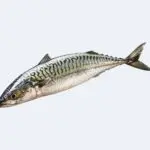
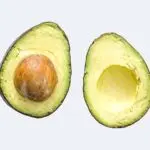
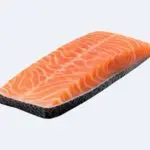
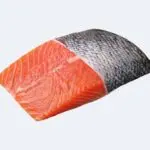
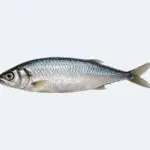
Our USDA ranking per serving puts macadamia nuts first, with 3.68 g in 1 oz (28 g). Ground beef, a mackerel fillet, ground lamb, a chicken drumstick, half an avocado, farmed Atlantic salmon and herring follow, far behind.
Per 100 g the nut is far ahead at 13 g. Farmed Atlantic salmon, mackerel, ground beef and avocados come next, all below 1 g, and pistachio nuts reach 0.5 g. By our arithmetic, per 100 g macadamia nuts hold about 18 times as much as ground beef (13 g against 0.72 g). The ranking below shows every amount.
The ranking shows wild Atlantic salmon at 0.25 g per 100 g against 0.79 g for farmed, and it does not say why. Oils are not in the ranking, but they matter. In one analysis of nut oils, oleic acid was the main monounsaturated fat of the macadamia nut, with substantial palmitoleic acid too.
Sea buckthorn is the other rich source, and the part of the berry decides. Palmitoleic acid was 12.1% to 39.0% of the oil from pulp and peel and 8.9% to 31.0% of the oil from whole berries. The seed oil had practically none; there linoleic and alpha-linolenic acids made up about 70%.
The trans form of palmitoleic acid comes mainly from ruminant fat (from cud-chewing animals such as cows) and dairy. In a cohort of 3,736 older adults, whole-fat dairy was the food most strongly linked to a higher blood level.
Our arithmetic for scale: the macadamia trial gave 40 to 90 g of nuts a day. At 13 g per 100 g, that is about 5 to 12 g of palmitoleic acid a day. The 34-man LDL trial added about 4% of energy. That is about 9 g on 2,000 kcal, using the 9 kcal per gram of fat that FAO and WHO use.
Capsule trials used 0.5 to 1 g a day. So food trials and supplement trials are testing very different amounts.
Per serving. No daily amount is set, so bars compare each food with the top food.
Per 100 g. No daily amount is set, so bars compare each food with the top food.
Per 100 kcal: the same calories of each food, for a fair comparison. Bars compare each food with the top food.
Food labels have no Daily Value or Reference Intake for palmitoleic acid, so the % compares each food with the top food.
- 1.

- 2.

- 3.
- 4.

- 5.

- 6.
- 7.
- 8.

- 9.
- 10.


- 1.
- 2.
- 3.
- 4.
- 5.
- 6.
- 7.
- 8.
- 9.
- 10.

- 1.
- 2.
- 3.
- 4.
- 5.
- 6.
- 7.
- 8.
- 9.
- 10.


Sources
- FoodData Central. US Department of Agriculture, Agricultural Research Service. Values as shown in the ranking above.
- Yang B, Kallio HP. Fatty acid composition of lipids in sea buckthorn (Hippophaë rhamnoides L.) berries of different origins. J Agric Food Chem. 2001.
- Maguire LS, O’Sullivan SM, Galvin K, O’Connor TP, O’Brien NM. Fatty acid profile, tocopherol, squalene and phytosterol content of walnuts, almonds, peanuts, hazelnuts and the macadamia nut. Int J Food Sci Nutr. 2004.
- Mozaffarian D, Cao H, King IB, et al. Trans-palmitoleic acid, metabolic risk factors, and new-onset diabetes in U.S. adults: a cohort study. Ann Intern Med. 2010.
- Garg ML, Blake RJ, Wills RB. Macadamia nut consumption lowers plasma total and LDL cholesterol levels in hypercholesterolemic men. J Nutr. 2003.
- Nestel P, Clifton P, Noakes M. Effects of increasing dietary palmitoleic acid compared with palmitic and oleic acids on plasma lipids of hypercholesterolemic men. J Lipid Res. 1994.
- Bridges MD, Vennam SS, Davis T, et al. Effects of a palmitoleic acid concentrated oil on C-reactive protein levels in adults: A randomized, double-blind placebo-controlled clinical trial. Am J Clin Nutr. 2025.
- FAO and WHO. Fats and fatty acids in human nutrition: report of an expert consultation. FAO Food and Nutrition Paper 91. Food and Agriculture Organization. 2010.
How palmitoleic acid works
Most of what is known about how palmitoleic acid works comes from human blood studies and tracer studies. The lipokine idea rests on mouse and rat work. Here is each idea, and what has been seen in people.
Five ideas cover it: the body makes it from palmitic acid, and blood levels follow fat making in the liver. Higher levels go with more diabetes in pooled cohorts, and the lipokine idea is unsettled in people. The cis and trans forms are different molecules.
Your body makes it from palmitic acid
How the body makes palmitoleic acid, as described in reviews and a pooled analysis, and where food adds more. Not to scale.
De novo lipogenesis, making fat from scratch, is the main pathway that makes fatty acids from carbohydrate, protein or alcohol. A review says SCD1 makes the cis form, cis-palmitoleate, from palmitic acid.
Another review adds two other 16-carbon monounsaturated fats that are not palmitoleic acid. Sapienic acid (16:1 n-10) is made by a different enzyme, and hypogeic acid (16:1 n-9) by partial breakdown of oleic acid.
Studies measure palmitoleic acid in different pools: plasma phospholipids, free fatty acids, VLDL triglyceride and fat tissue. So numbers from different papers are not directly comparable. In 34 adults, the share in free fatty acids varied with total free fatty acids and was greater in women than in men.
Blood levels follow how much fat the liver makes
Correlation (r) between the share of palmitoleic acid (16:1 n-7) in VLDL triglyceride and three measures in 24 overweight adults, drawn to scale: a bar as wide as the whole figure would be a perfect correlation (r of 1.0). A correlation does not prove cause.
Researchers gave 24 overweight adults heavy water, a tracer, for 10 days. Palmitoleic acid (16:1 n-7) in their VLDL triglyceride tracked measured fat making (r = 0.56). It also tracked liver fat (r = 0.53) and insulin resistance of fat tissue (r = 0.56).
People with high liver fat (18.4%) had 45% more 16:1 n-7 in VLDL triglyceride than those with low liver fat (3.1%). They also had 2.5 times the measured fat making. The authors support using this share as a marker of high liver fat when isotopes are not available. Unlike palmitic acid, little palmitoleic acid comes from the diet, so it gives a stronger signal of high fat making.
Diet moves it too. In 16 adults with metabolic syndrome, six 3-week diets raised carbohydrate from 47 to 346 g a day. The share of palmitoleic acid in plasma triglyceride and cholesteryl ester fell as carbohydrate fell and rose again as it came back. The share of total saturated fat did not change.
In 8 people, 3 days of a very high-carbohydrate diet (75% carbohydrate, 10% fat) were compared with a higher-fat diet. It raised the VLDL ratio of 16:1 n-7 to 16:0, and fat making and SCD activity rose together. In 3,630 older adults, higher body mass index, carbohydrate intake, protein intake and alcohol use were each independently linked to higher plasma palmitoleate.
Higher blood levels go with more diabetes in pooled cohorts
Relative risk of type 2 diabetes for the top fifth against the bottom fifth of blood level in 17 pooled cohorts, drawn to scale from zero. The marker shows a relative risk of 1.0, which means no difference. Magenta is palmitoleic acid. Bars above the marker mean a higher risk.
In 65,225 people, those with the most palmitoleic acid had 1.40 times the risk of diabetes. Each of the four fatty acids studied from the fat-making pathway was linked to higher risk. The authors name reverse causation (the disease changing the level) and residual confounding as limits.
A genetic analysis points the other way: insulin resistance lowered palmitoleic acid levels, rather than palmitoleic acid causing resistance. And in a cohort of 3,630 older adults the level was not clearly linked to new diabetes. A high level is a flag for fat making, not a verdict on palmitoleic acid.
The lipokine idea is strong in mice and unsettled in people
The 2008 mouse study found that palmitoleate released by fat tissue improved muscle insulin action and suppressed fatty liver. A rat study found that 100 mg/kg for 4 weeks lowered non-fasting glucose in prediabetic rats, which oleic acid did not.
In people the data conflict. Free palmitoleate went with better insulin sensitivity in 1,234 people without diabetes. But it went with more metabolic syndrome and fatty liver in 358 people at high cardiovascular risk. In a 34-person study it went with higher insulin resistance in women, and the authors call it not a potent lipokine in humans.
A 2017 review described mixed cardiovascular effects. A 2026 review concluded that clinically meaningful benefits of purified palmitoleic acid remain unproven. Its authors work for a company developing microalgal oils enriched in palmitoleic acid.
A trial protocol for more than 90% pure palmitoleic acid in overweight adults with prediabetes was published in 2024, sponsored by Tersus Life Sciences. We found no results yet.
Cis and trans palmitoleic acid are different molecules
Hazard ratios for new type 2 diabetes with higher blood trans-palmitoleic acid, drawn to scale from zero, with a marker at 1.0 (no difference). Teal bars are below 1.0 and the orange bar is above it. The measures differ: top fifth against bottom fifth (first two), the 10th to 90th percentile range (pooled) and per standard deviation after adjusting for other trans fats (last), so compare the direction rather than the size.
Trans-palmitoleic acid (trans-16:1 n-7) is a natural trans fat that comes mainly from ruminant fat and dairy. It is a different molecule from the cis form the body makes. The first US cohort paper treated its blood level as a clean measure of intake, not muddied by the body’s own fat making. A review notes, though, that the body can make some trans-palmitoleate too.
The first two US cohorts found a much lower diabetes risk with higher levels, and the 16-cohort analysis found a smaller one. The EPIC-Potsdam study, which adjusted for the other trans fats, found none, and its authors blame confounding for the earlier results. No trial has tested trans-palmitoleic acid on disease.
A review dedicated to the fatty acid says that what we know of its effects in people is limited to cohort data, awaiting supplementation studies. That review was funded by a French dairy organization. In mice the trans form entered tissue fats but, unlike the cis form, did not prevent atherosclerosis. In cell lines both forms raised insulin release.
What has been seen in people
The human trials are few and small. A concentrate of palmitoleic acid did not change inflammation markers in 123 adults, and an omega-7 blend did not in 50. One pilot of 20 people with ulcerative colitis found lower inflammation markers. In the feeding trial, palmitoleic acid raised LDL cholesterol about as much as palmitic acid and lowered HDL cholesterol relative to it.
Macadamia nut diets lowered LDL cholesterol against a diet higher in saturated fat in two feeding trials. LDL was 3.14 against 3.44 mmol/L in 25 adults, and 3.22 against 3.37 in 30. It did not fall clearly in an 8-week trial of 35 adults eating as usual. Sea buckthorn products lowered triglycerides and LDL cholesterol in a pooled analysis of 15 trials, with no way to tell which part did it.
No trial has tested palmitoleic acid on heart attacks, strokes or diabetes.
Sources
- Imamura F, Fretts AM, Marklund M, et al. Fatty acids in the de novo lipogenesis pathway and incidence of type 2 diabetes: A pooled analysis of prospective cohort studies. PLoS Med. 2020.
- Frigolet ME, Gutiérrez-Aguilar R. The Role of the Novel Lipokine Palmitoleic Acid in Health and Disease. Adv Nutr. 2017.
- Bermúdez MA, Pereira L, Fraile C, Valerio L, Balboa MA, Balsinde J. Roles of Palmitoleic Acid and Its Positional Isomers, Hypogeic and Sapienic Acids, in Inflammation, Metabolic Diseases and Cancer. Cells. 2022.
- Cao H, Gerhold K, Mayers JR, Wiest MM, Watkins SM, Hotamisligil GS. Identification of a lipokine, a lipid hormone linking adipose tissue to systemic metabolism. Cell. 2008.
- Lee JJ, Lambert JE, Hovhannisyan Y, et al. Palmitoleic acid is elevated in fatty liver disease and reflects hepatic lipogenesis. Am J Clin Nutr. 2015.
- Volk BM, Kunces LJ, Freidenreich DJ, et al. Effects of step-wise increases in dietary carbohydrate on circulating saturated Fatty acids and palmitoleic Acid in adults with metabolic syndrome. PLoS One. 2014.
- Chong MF, Hodson L, Bickerton AS, et al. Parallel activation of de novo lipogenesis and stearoyl-CoA desaturase activity after 3 d of high-carbohydrate feeding. Am J Clin Nutr. 2008.
- Mozaffarian D, Cao H, King IB, et al. Circulating palmitoleic acid and risk of metabolic abnormalities and new-onset diabetes. Am J Clin Nutr. 2010.
- Ramos P, Bush NC, Jensen MD. Sex and Depot Differences in Palmitoleic Acid Content of Human Blood and Fat. Lipids. 2020.
- Nowak C, Salihovic S, Ganna A, et al. Effect of Insulin Resistance on Monounsaturated Fatty Acid Levels: A Multi-cohort Non-targeted Metabolomics and Mendelian Randomization Study. PLoS Genet. 2016.
- Tricò D, Mengozzi A, Nesti L, et al. Circulating palmitoleic acid is an independent determinant of insulin sensitivity, beta cell function and glucose tolerance in non-diabetic individuals: a longitudinal analysis. Diabetologia. 2020.
- Merino J, Sala-Vila A, Plana N, et al. Serum palmitoleate acts as a lipokine in subjects at high cardiometabolic risk. Nutr Metab Cardiovasc Dis. 2016.
- Miklankova D, Markova I, Hüttl M, Stankova B, Malinska H. The Different Insulin-Sensitising and Anti-Inflammatory Effects of Palmitoleic Acid and Oleic Acid in a Prediabetes Model. J Diabetes Res. 2022.
- Destaillats F, Oliveira M, Zhou X, et al. Palmitoleic (16:1 n-7) acid and metabolic health: integrating observational, clinical, and mechanistic evidence. Front Nutr. 2026.
- Cetin E, Pedersen B, Porter LM, Adler GK, Burak MF. Protocol for a randomized placebo-controlled clinical trial using pure palmitoleic acid to ameliorate insulin resistance and lipogenesis in overweight and obese subjects with prediabetes. Front Endocrinol (Lausanne). 2023.
- Imamura F, Fretts A, Marklund M, et al. Fatty acid biomarkers of dairy fat consumption and incidence of type 2 diabetes: A pooled analysis of prospective cohort studies. PLoS Med. 2018.
- Mozaffarian D, Cao H, King IB, et al. Trans-palmitoleic acid, metabolic risk factors, and new-onset diabetes in U.S. adults: a cohort study. Ann Intern Med. 2010.
- Mozaffarian D, de Oliveira Otto MC, Lemaitre RN, et al. trans-Palmitoleic acid, other dairy fat biomarkers, and incident diabetes: the Multi-Ethnic Study of Atherosclerosis (MESA). Am J Clin Nutr. 2013.
- Prada M, Wittenbecher C, Eichelmann F, et al. Plasma Industrial and Ruminant Trans Fatty Acids and Incident Type 2 Diabetes in the EPIC-Potsdam Cohort. Diabetes Care. 2022.
- Guillocheau E, Legrand P, Rioux V. Trans-palmitoleic acid (trans-9-C16:1, or trans-C16:1 n-7): Nutritional impacts, metabolism, origin, compositional data, analytical methods and chemical synthesis. A review. Biochimie. 2020.
- Cimen I, Yildirim Z, Dogan AE, et al. Double bond configuration of palmitoleate is critical for atheroprotection. Mol Metab. 2019.
- Korkus E, Szustak M, Madaj R, et al. Trans-palmitoleic acid, a dairy fat biomarker, stimulates insulin secretion and activates G protein-coupled receptors with a different mechanism from the cis isomer. Food Funct. 2023.
- Nestel P, Clifton P, Noakes M. Effects of increasing dietary palmitoleic acid compared with palmitic and oleic acids on plasma lipids of hypercholesterolemic men. J Lipid Res. 1994.
- Bridges MD, Vennam SS, Davis T, et al. Effects of a palmitoleic acid concentrated oil on C-reactive protein levels in adults: A randomized, double-blind placebo-controlled clinical trial. Am J Clin Nutr. 2025.
- Sasagawa M, Boclair MJ, Amieux PS. Omega-7 Mixed Fatty Acid Supplementation Fails to Reduce Serum Inflammatory Biomarkers: A Placebo-Controlled, Double-Blind Randomized Crossover Trial. Nutrients. 2021.
- Bueno-Hernández N, Sixtos-Alonso MS, Milke García MDP, Yamamoto-Furusho JK. Effect of Cis-palmitoleic acid supplementation on inflammation and expression of HNF4γ, HNF4α and IL6 in patients with ulcerative colitis. Minerva Gastroenterol Dietol. 2017.
- Griel AE, Cao Y, Bagshaw DD, Cifelli AM, Holub B, Kris-Etherton PM. A macadamia nut-rich diet reduces total and LDL-cholesterol in mildly hypercholesterolemic men and women. J Nutr. 2008.
- Curb JD, Wergowske G, Dobbs JC, Abbott RD, Huang B. Serum lipid effects of a high-monounsaturated fat diet based on macadamia nuts. Arch Intern Med. 2000.
- Jones JL, Sabaté J, Heskey C, Oda K, Miles F, Rajaram S. Macadamia nut effects on cardiometabolic risk factors: a randomised trial. J Nutr Sci. 2023.
- Geng Y, Wang J, Chen K, et al. Effects of sea buckthorn (Hippophae rhamnoides L.) on factors related to metabolic syndrome: A systematic review and meta-analysis of randomized controlled trial. Phytother Res. 2022.
How much palmitoleic acid do you need?
No daily amount of palmitoleic acid is set. The FDA has set no Daily Value and the EU no Reference Intake for it. Official reports set no value for any single monounsaturated fat.
EFSA, the EU food safety agency, proposed no reference value for cis-monounsaturated fatty acids. FAO and WHO, the UN food and health agencies, treat monounsaturated fat as what is left after saturated, polyunsaturated and trans fat. The body makes palmitoleic acid, and the fatty acids that must come from food are linoleic acid and alpha-linolenic acid. We found no deficiency disease for palmitoleic acid.
The official statements that bear on it are below. They cover monounsaturated fat as a group.
| Source | Group | Value | Notes | Source |
|---|---|---|---|---|
| EFSA, 2010 | Adults | No dietary reference value for cis-monounsaturated fatty acids | The opinion proposes total fat at 20 to 35% of energy, and saturated and trans fat as low as possible. | 1 |
| FAO and WHO, 2010 | Adults | Monounsaturated fat = total fat minus saturated, polyunsaturated and trans fat | The report notes the result may cover a wide range, depending on total fat and the fatty acid pattern. It found insufficient evidence of a link between monounsaturated fat and diabetes. | 2 |
| EU health claims | Foods high in unsaturated fat | No claim names palmitoleic acid | The general claim on replacing saturated fats with unsaturated fats names oleic acid separately. | 3 |
For scale, supplement trials gave 500 and 1,000 mg a day (123 adults), 688 mg (50 adults) and 720 mg (20 adults). A dose-escalation study gave up to 1,520 mg of cis-palmitoleic acid a day. One ounce of macadamia nuts holds 3.68 g in our ranking. These are trial doses, not recommended intakes.
Sources
- EFSA Panel on Dietetic Products, Nutrition and Allergies. Scientific opinion on dietary reference values for fats, including saturated fatty acids, polyunsaturated fatty acids, monounsaturated fatty acids, trans fatty acids, and cholesterol. EFSA Journal. 2010;8(3):1461.
- FAO and WHO. Fats and fatty acids in human nutrition: report of an expert consultation. FAO Food and Nutrition Paper 91. Food and Agriculture Organization. 2010.
- European Commission. Regulation (EU) No 432/2012 establishing a list of permitted health claims made on foods: annex. Official Journal of the European Union. 2012. Read in the copy at legislation.gov.uk.
- FoodData Central. US Department of Agriculture, Agricultural Research Service. Values as shown in the ranking above.
- Bridges MD, Vennam SS, Davis T, et al. Effects of a palmitoleic acid concentrated oil on C-reactive protein levels in adults: A randomized, double-blind placebo-controlled clinical trial. Am J Clin Nutr. 2025.
- Sasagawa M, Boclair MJ, Amieux PS. Omega-7 Mixed Fatty Acid Supplementation Fails to Reduce Serum Inflammatory Biomarkers: A Placebo-Controlled, Double-Blind Randomized Crossover Trial. Nutrients. 2021.
- Bueno-Hernández N, Sixtos-Alonso MS, Milke García MDP, Yamamoto-Furusho JK. Effect of Cis-palmitoleic acid supplementation on inflammation and expression of HNF4γ, HNF4α and IL6 in patients with ulcerative colitis. Minerva Gastroenterol Dietol. 2017.
- Huang NK, Matthan NR, Galluccio JM, Shi P, Lichtenstein AH, Mozaffarian D. Supplementation with Seabuckthorn Oil Augmented in 16:1n-7t Increases Serum Trans-Palmitoleic Acid in Metabolically Healthy Adults: A Randomized Crossover Dose-Escalation Study. J Nutr. 2020.
Forms of palmitoleic acid: absorption and effects
Palmitoleic acid reaches you in three ways. It comes in whole foods and food oils, such as macadamia nuts and oil, sea buckthorn pulp oil, fish and meat. It also comes in capsules or oils concentrated for the purpose. Your own liver and fat tissue make it too.
The honest bottom line is that no trial has compared forms for a health outcome. The only head-to-head trial we found compared sea buckthorn oils enriched in trans-palmitoleic acid with unmodified oils, and it measured blood levels, not health. The cis and trans forms are different molecules, so a result for one does not carry over to the other.
Popular claims need care. We found no human trial of palmitoleic acid for appetite or weight loss. The appetite result is from male rats, and macadamia nuts at about 15% of daily calories did not change weight in 35 adults.
For sea buckthorn oil, the dry-eye and vaginal trials used oils whose abstracts do not give the palmitoleic acid content. In the dry-eye trial the tear film fatty acids did not change. A 2014 trial of a purified palmitoleic acid on C-reactive protein was withdrawn by its journal, so we do not use it.
| Form | What it is | What studies show | Source |
|---|---|---|---|
| Macadamia nuts and oil | Whole nut and the oil pressed from it | Oleic acid is the main monounsaturated fat, with substantial palmitoleic acid. The LDL trial of palmitoleic acid was prompted by macadamia oil as a possible large source. Nut diets lowered LDL cholesterol against a diet higher in saturated fat, but they swap fats, and a free-living trial found no significant change. | 1, 2, 9, 15 |
| Sea buckthorn pulp and peel oil | Oil from the flesh and skin of the berry | Palmitoleic acid was 12.1% to 39.0% of the fatty acids in the oil from pulp and peel and 8.9% to 31.0% in whole-berry oil. | 3 |
| Sea buckthorn seed oil | Oil from the seeds | Palmitoleic acid practically absent; linoleic and alpha-linolenic acids about 70%. The dry-eye and vaginal trials do not say how much palmitoleic acid their oil held, and in the dry-eye trial the tear film fatty acids did not change. | 3, 10, 11, 16 |
| Concentrated cis-palmitoleic acid | Capsule or oil, marine-source in the largest trial | 500 and 1,000 mg a day for 12 weeks did not lower C-reactive protein in 123 adults. 720 mg a day for 8 weeks lowered inflammation markers in a pilot of 20 people with ulcerative colitis. | 4, 6 |
| Omega-7 blend | Mixed omega-7 supplement, 688 mg of palmitoleate a day in the trial | No change in inflammation markers or quality of life in 50 people over 3 weeks. Sponsored by an oils company. | 5 |
| Trans-palmitoleic acid | A natural trans fat from ruminant fat and dairy, and also found in partially hydrogenated oils in one cohort | Sea buckthorn oil augmented in the trans form raised blood trans-palmitoleic acid by 26.6% at 480 mg a day. No effect on glucose or lipids in a small study that was not powered for it. | 7, 12, 13 |
| Triglyceride versus free acid | Palmitoleate bound in fat, or as the free acid | In rats both the free acid and a triglyceride form cut food intake, and olive oil did not. We found no such comparison in people. | 8 |
| Other 16:1 fats | Sapienic acid (16:1 n-10) and hypogeic acid (16:1 n-9) | Made by other routes and not palmitoleic acid. Their biological effects are still little studied. | 14 |
Here are the 3 form-specific studies, strongest evidence first.
All 3 studies, strongest evidence first
Review of dairy trans fat: most blood lipids unchanged, HDL slightly lower
This 2026 review pooled 10 trials of regular dairy against dairy enriched in trans fats by changing the cow’s diet, and reviewed 12 cohort studies. Most blood lipids did not change, but HDL cholesterol fell slightly (−0.05 mmol/L). The cohorts measured trans vaccenic acid or trans-palmitoleic acid in blood, and dairy trans fat intakes ranged from 1.3 to 13.2 g a day. The trials tested dairy trans fat as a whole, not trans-palmitoleic acid alone, and the authors work for or receive funding from dairy organizations.
In mice, trans-palmitoleate did not prevent atherosclerosis, unlike the cis form
Mice prone to atherosclerosis (artery plaque) were given trans-palmitoleate by mouth. It entered the major fats in blood plasma and tissues. But unlike cis-palmitoleate, it did not prevent organelle stress and inflammation in macrophages (immune cells) or the progress of atherosclerosis. The authors conclude that the shape of the double bond matters and that the trans form’s effects are muted.
In insulin-making cells, both forms raised insulin release by a similar amount
The study used mouse and human pancreatic beta cell lines, the cells that make insulin. Computer models tested how cis and trans palmitoleic acid fit four fat-sensing receptors (GPR40, GPR55, GPR119 and GPR120). The paper reports that both may promote glucose-stimulated insulin release, through different signaling routes. This is a lab result in cell lines and says nothing about doses or effects in people.
Sources
- Maguire LS, O’Sullivan SM, Galvin K, O’Connor TP, O’Brien NM. Fatty acid profile, tocopherol, squalene and phytosterol content of walnuts, almonds, peanuts, hazelnuts and the macadamia nut. Int J Food Sci Nutr. 2004.
- Nestel P, Clifton P, Noakes M. Effects of increasing dietary palmitoleic acid compared with palmitic and oleic acids on plasma lipids of hypercholesterolemic men. J Lipid Res. 1994.
- Yang B, Kallio HP. Fatty acid composition of lipids in sea buckthorn (Hippophaë rhamnoides L.) berries of different origins. J Agric Food Chem. 2001.
- Bridges MD, Vennam SS, Davis T, et al. Effects of a palmitoleic acid concentrated oil on C-reactive protein levels in adults: A randomized, double-blind placebo-controlled clinical trial. Am J Clin Nutr. 2025.
- Sasagawa M, Boclair MJ, Amieux PS. Omega-7 Mixed Fatty Acid Supplementation Fails to Reduce Serum Inflammatory Biomarkers: A Placebo-Controlled, Double-Blind Randomized Crossover Trial. Nutrients. 2021.
- Bueno-Hernández N, Sixtos-Alonso MS, Milke García MDP, Yamamoto-Furusho JK. Effect of Cis-palmitoleic acid supplementation on inflammation and expression of HNF4γ, HNF4α and IL6 in patients with ulcerative colitis. Minerva Gastroenterol Dietol. 2017.
- Huang NK, Matthan NR, Galluccio JM, Shi P, Lichtenstein AH, Mozaffarian D. Supplementation with Seabuckthorn Oil Augmented in 16:1n-7t Increases Serum Trans-Palmitoleic Acid in Metabolically Healthy Adults: A Randomized Crossover Dose-Escalation Study. J Nutr. 2020.
- Yang ZH, Takeo J, Katayama M. Oral administration of omega-7 palmitoleic acid induces satiety and the release of appetite-related hormones in male rats. Appetite. 2013.
- Griel AE, Cao Y, Bagshaw DD, Cifelli AM, Holub B, Kris-Etherton PM. A macadamia nut-rich diet reduces total and LDL-cholesterol in mildly hypercholesterolemic men and women. J Nutr. 2008.
- Larmo PS, Järvinen RL, Setälä NL, et al. Oral sea buckthorn oil attenuates tear film osmolarity and symptoms in individuals with dry eye. J Nutr. 2010.
- Larmo PS, Yang B, Hyssälä J, Kallio HP, Erkkola R. Effects of sea buckthorn oil intake on vaginal atrophy in postmenopausal women: a randomized, double-blind, placebo-controlled study. Maturitas. 2014.
- Mozaffarian D, de Oliveira Otto MC, Lemaitre RN, et al. trans-Palmitoleic acid, other dairy fat biomarkers, and incident diabetes: the Multi-Ethnic Study of Atherosclerosis (MESA). Am J Clin Nutr. 2013.
- Guillocheau E, Legrand P, Rioux V. Trans-palmitoleic acid (trans-9-C16:1, or trans-C16:1 n-7): Nutritional impacts, metabolism, origin, compositional data, analytical methods and chemical synthesis. A review. Biochimie. 2020.
- Bermúdez MA, Pereira L, Fraile C, Valerio L, Balboa MA, Balsinde J. Roles of Palmitoleic Acid and Its Positional Isomers, Hypogeic and Sapienic Acids, in Inflammation, Metabolic Diseases and Cancer. Cells. 2022.
- Jones JL, Sabaté J, Heskey C, Oda K, Miles F, Rajaram S. Macadamia nut effects on cardiometabolic risk factors: a randomised trial. J Nutr Sci. 2023.
- Järvinen RL, Larmo PS, Setälä NL, et al. Effects of oral sea buckthorn oil on tear film Fatty acids in individuals with dry eye. Cornea. 2011.
- Gayet-Boyer C, Tenenhaus-Aziza F, Torres-Gonzalez M, Givens DI, Schweitzer C. Trans fatty acids from dairy foods do not affect risk of cardiometabolic diseases: Systematic review and meta-analysis of evidence from randomized controlled trials and systematic review of prospective cohort studies. Nutr Res. 2026.
- Cimen I, Yildirim Z, Dogan AE, et al. Double bond configuration of palmitoleate is critical for atheroprotection. Mol Metab. 2019.
- Korkus E, Szustak M, Madaj R, et al. Trans-palmitoleic acid, a dairy fat biomarker, stimulates insulin secretion and activates G protein-coupled receptors with a different mechanism from the cis isomer. Food Funct. 2023.
Is palmitoleic acid safe? Supplements, dose and interactions
At the amounts in ordinary food, palmitoleic acid is not a concern: it is a normal part of body fat and the body makes it. We found no upper limit set for it. EFSA and FAO and WHO set no reference value for it, and we found no tolerable upper intake for it from any body. What is known comes from short supplement trials and from food trials.
- Supplement doses so far. Trials gave 500 and 1,000 mg a day for 12 weeks, 688 mg for 3 weeks and 720 mg for 8 weeks. A dose-escalation study gave up to 1,520 mg of cis-palmitoleic acid a day in 3-week steps. That 13-person study saw no adverse effects. The other abstracts report none, but the trials are small and short, and we found no long-term safety data.
- High LDL cholesterol. In 34 men with high cholesterol, palmitoleic acid raised LDL cholesterol about as much as palmitic acid. If your LDL is high, ask a doctor before taking a concentrate. Macadamia nuts swapped for saturated fat lowered LDL cholesterol in other trials.
- A high blood level. In pooled cohorts, the top fifth of blood palmitoleic acid had 1.40 times the risk of type 2 diabetes. In 358 people at high cardiovascular risk, a higher level went with more metabolic syndrome and fatty liver. The level mostly reflects fat making in the liver, so it is not a reason on its own to avoid foods that carry it. A doctor can look at liver fat and blood sugar.
- Macadamia allergy. Macadamia allergy can cause severe reactions. In 7 patients in Spain, hazelnut extract blocked IgE (allergy antibody) binding to a macadamia protein. This suggests cross-reactivity between the two nuts. People with a tree nut allergy should ask an allergist before eating macadamias.
- Pregnancy, children and medicines. We found no trial of palmitoleic acid supplements in pregnancy or in children, and none of the trials above studied interactions with medicines. Ask a doctor first.
Sources
- EFSA Panel on Dietetic Products, Nutrition and Allergies. Scientific opinion on dietary reference values for fats, including saturated fatty acids, polyunsaturated fatty acids, monounsaturated fatty acids, trans fatty acids, and cholesterol. EFSA Journal. 2010;8(3):1461.
- FAO and WHO. Fats and fatty acids in human nutrition: report of an expert consultation. FAO Food and Nutrition Paper 91. Food and Agriculture Organization. 2010.
- Nestel P, Clifton P, Noakes M. Effects of increasing dietary palmitoleic acid compared with palmitic and oleic acids on plasma lipids of hypercholesterolemic men. J Lipid Res. 1994.
- Bridges MD, Vennam SS, Davis T, et al. Effects of a palmitoleic acid concentrated oil on C-reactive protein levels in adults: A randomized, double-blind placebo-controlled clinical trial. Am J Clin Nutr. 2025.
- Sasagawa M, Boclair MJ, Amieux PS. Omega-7 Mixed Fatty Acid Supplementation Fails to Reduce Serum Inflammatory Biomarkers: A Placebo-Controlled, Double-Blind Randomized Crossover Trial. Nutrients. 2021.
- Bueno-Hernández N, Sixtos-Alonso MS, Milke García MDP, Yamamoto-Furusho JK. Effect of Cis-palmitoleic acid supplementation on inflammation and expression of HNF4γ, HNF4α and IL6 in patients with ulcerative colitis. Minerva Gastroenterol Dietol. 2017.
- Huang NK, Matthan NR, Galluccio JM, Shi P, Lichtenstein AH, Mozaffarian D. Supplementation with Seabuckthorn Oil Augmented in 16:1n-7t Increases Serum Trans-Palmitoleic Acid in Metabolically Healthy Adults: A Randomized Crossover Dose-Escalation Study. J Nutr. 2020.
- Imamura F, Fretts AM, Marklund M, et al. Fatty acids in the de novo lipogenesis pathway and incidence of type 2 diabetes: A pooled analysis of prospective cohort studies. PLoS Med. 2020.
- Merino J, Sala-Vila A, Plana N, et al. Serum palmitoleate acts as a lipokine in subjects at high cardiometabolic risk. Nutr Metab Cardiovasc Dis. 2016.
- Gutiérrez-Díaz G, Betancor D, Parrón-Ballesteros J, et al. Identification of New Allergens in Macadamia Nut and Cross-Reactivity with Other Tree Nuts in a Spanish Cohort. Nutrients. 2024.
How to get palmitoleic acid from food
- Swap macadamia nuts for a saturated-fat snack. One ounce gives 3.68 g in our ranking. In a feeding trial of 25 adults, a diet with 42.5 g of nuts per 2,100 kcal had saturated fat at 7% of energy. It gave an LDL cholesterol of 3.14 mmol/L, against 3.44 on a diet with 13%.
- Eat fish and avocado for smaller amounts. A mackerel fillet gives 0.81 g, a serving of farmed Atlantic salmon 0.67 g and half an avocado 0.7 g. The trials do not show a benefit from these amounts.
- If you buy sea buckthorn oil, check which part it is. Pulp and peel oil was 12.1% to 39.0% palmitoleic acid, and seed oil had practically none.
Sources
- FoodData Central. US Department of Agriculture, Agricultural Research Service. Values as shown in the ranking above.
- Griel AE, Cao Y, Bagshaw DD, Cifelli AM, Holub B, Kris-Etherton PM. A macadamia nut-rich diet reduces total and LDL-cholesterol in mildly hypercholesterolemic men and women. J Nutr. 2008.
- Yang B, Kallio HP. Fatty acid composition of lipids in sea buckthorn (Hippophaë rhamnoides L.) berries of different origins. J Agric Food Chem. 2001.
History of palmitoleic acid
Palmitoleic acid is a minor fatty acid in the human diet and in blood plasma, as a 1994 paper put it. That year an Australian team tested it on cholesterol in men with high cholesterol. They chose it because macadamia oil is a potentially large source, and found that it behaved like a saturated fat.
The idea that it is a hormone came in 2008. A Harvard group reported in Cell that fat tissue releases palmitoleate and called it a lipokine.
In December 2010 a team that shared several authors with the Cell paper published two cohort papers. The cis form had mixed links to risk markers and no clear link to diabetes. The trans form, a dairy marker, looked strongly protective, at 0.41 and 0.38 times the risk. Harvard filed a patent application for the use of trans-palmitoleic acid, and the paper disclosed it.
A 2013 cohort found a smaller link, and a 2018 pooled analysis of 16 cohorts a smaller one still (0.82). A 2019 mouse study found the trans form did not protect the arteries. In 2022 a German cohort concluded that earlier findings were likely due to confounding. In 2025 a 123-person trial of a palmitoleic acid concentrate against placebo found no effect on inflammation.
Sources
- Wikipedia contributors. Palmitoleic acid. Wikimedia Foundation. Accessed October 2026.
- Nestel P, Clifton P, Noakes M. Effects of increasing dietary palmitoleic acid compared with palmitic and oleic acids on plasma lipids of hypercholesterolemic men. J Lipid Res. 1994.
- Cao H, Gerhold K, Mayers JR, Wiest MM, Watkins SM, Hotamisligil GS. Identification of a lipokine, a lipid hormone linking adipose tissue to systemic metabolism. Cell. 2008.
- Mozaffarian D, Cao H, King IB, et al. Trans-palmitoleic acid, metabolic risk factors, and new-onset diabetes in U.S. adults: a cohort study. Ann Intern Med. 2010.
- Mozaffarian D, Cao H, King IB, et al. Circulating palmitoleic acid and risk of metabolic abnormalities and new-onset diabetes. Am J Clin Nutr. 2010.
- Mozaffarian D, de Oliveira Otto MC, Lemaitre RN, et al. trans-Palmitoleic acid, other dairy fat biomarkers, and incident diabetes: the Multi-Ethnic Study of Atherosclerosis (MESA). Am J Clin Nutr. 2013.
- Imamura F, Fretts A, Marklund M, et al. Fatty acid biomarkers of dairy fat consumption and incidence of type 2 diabetes: A pooled analysis of prospective cohort studies. PLoS Med. 2018.
- Cimen I, Yildirim Z, Dogan AE, et al. Double bond configuration of palmitoleate is critical for atheroprotection. Mol Metab. 2019.
- Prada M, Wittenbecher C, Eichelmann F, et al. Plasma Industrial and Ruminant Trans Fatty Acids and Incident Type 2 Diabetes in the EPIC-Potsdam Cohort. Diabetes Care. 2022.
- Bridges MD, Vennam SS, Davis T, et al. Effects of a palmitoleic acid concentrated oil on C-reactive protein levels in adults: A randomized, double-blind placebo-controlled clinical trial. Am J Clin Nutr. 2025.
Frequently asked questions about palmitoleic acid
Is palmitoleic acid good for you?
Not proven: 500 or 1,000 mg a day for 12 weeks did not beat placebo on C-reactive protein or other markers in 123 adults. In 34 men with high cholesterol, palmitoleic acid raised LDL cholesterol about as much as palmitic acid. Macadamia nut diets lowered LDL cholesterol when they replaced diets higher in saturated fat (7% of energy against 13% in the 25-adult trial). The benefits seen in mice and rats have not been shown in people.
What foods are high in palmitoleic acid?
In our USDA ranking per serving, macadamia nuts lead with 3.68 g in 1 oz (28 g). Then come ground beef at 0.82 g in 4 oz, a mackerel fillet at 0.81 g and ground lamb at 0.77 g. Per 100 g, macadamia nuts have 13 g and the next foods have under 1 g. Sea buckthorn pulp and peel oil is also rich: 12.1% to 39.0% of its fatty acids in one analysis.
Is omega-7 the same as palmitoleic acid?
Palmitoleic acid is the best-known omega-7 fatty acid, and the rat study and several trials use the two terms for the same compound. Products sold as omega-7 can be blends. The 50-person crossover trial used a mixed omega-7 supplement with 688 mg of palmitoleate a day and found no change in inflammation markers. Its authors say the cis and trans forms need to be told apart.
Palmitoleic acid vs palmitic acid: what is the difference?
Palmitoleic acid has one double bond and palmitic acid has none, and the body makes the first from the second with the enzyme SCD1. In 34 men with high cholesterol, palmitoleic acid raised LDL cholesterol about as much as palmitic acid, and HDL cholesterol was lower with it. So for LDL it acted like a saturated fat, though in hamsters a macadamia oil diet looked like other unsaturated oils. See the palmitic acid page for the other side.
Does sea buckthorn oil work because of its palmitoleic acid?
We cannot say. Pulp and peel oil is 12.1% to 39.0% palmitoleic acid and seed oil has practically none. The abstracts of the dry-eye trial (100 people) and the vaginal trial (116 women) do not give the oil’s palmitoleic acid content. In the dry-eye trial the benefit was not explained by tear film fatty acids, and its authors point to carotenoids, tocopherols or eicosanoids instead.
What does a high blood palmitoleic acid level mean?
Mostly that the liver is making a lot of fat. In 24 overweight adults, VLDL triglyceride 16:1 n-7 tracked measured fat making (r = 0.56) and liver fat (r = 0.53). In 3,630 older adults, higher body mass index, carbohydrate, protein and alcohol went with higher levels. In pooled cohorts the top fifth had 1.40 times the risk of type 2 diabetes, and we found no official cut-off for a blood level.
Is trans-palmitoleic acid from dairy bad like other trans fats?
The evidence does not show harm, but it does not show a benefit either. Pooled cohorts found 18% lower diabetes risk with higher levels (hazard ratio 0.82), while EPIC-Potsdam found none after adjusting for other trans fats. A 2026 review of dairy trans fat trials found no change in most blood lipids and a slight fall in HDL cholesterol. Its authors work for or are funded by dairy organizations, and no trial has tested trans-palmitoleic acid on disease.
Does palmitoleic acid help with weight loss or appetite?
We found no human trial that tested it. The appetite result is from male rats, where oral palmitoleic acid cut short-term food intake and raised the fullness hormone CCK. In 35 adults with abdominal obesity, 8 weeks of macadamia nuts at about 15% of calories did not change weight, body fat or glycemic measures.