Anthocyanins are the red, purple and blue pigments of blueberries, red cabbage, eggplant and radishes. They are flavonoids, and in plants they carry sugar groups. The pigment part without its sugar is called an anthocyanidin.
Six anthocyanidins turn up in common foods: cyanidin, delphinidin, malvidin, peonidin, petunidin and pelargonidin. In a 2006 analysis of US foods, cyanidin, delphinidin and malvidin supplied 45%, 21% and 15% of the anthocyanin people ate.
Color is the first thing to know. Anthocyanins look red in acid and turn purple, then blue, as the acidity falls. That is why red cabbage anthocyanins are used as color indicators for food packaging.
Plants use the pigments for more than looks. A 2004 review links them to tolerance of drought, UV-B light and heavy metals, and says they shield leaves from strong light. Beets are red for a different reason. Their pigments are betalains, and plants that make betalains generally do not make anthocyanins.
Here is what most readers do not know: very little anthocyanin reaches the blood as itself. In a tracer study, 8 men took 500 mg of cyanidin-3-glucoside labeled with carbon-13, and about 12% of the label was absorbed. A 2013 opinion of EFSA, the EU’s food safety agency, put the absorption of intact anthocyanins in humans at under 1%.
What circulates afterward is mostly smaller molecules, such as protocatechuic acid. So some effects credited to anthocyanins may belong to their breakdown products.
Health benefits of anthocyanins
None of the studies below reaches strong evidence. The best-supported findings are small. Meta-analyses (studies that pool earlier trials) of 30 to 44 trials report higher HDL (“good”) cholesterol and slightly lower LDL (“bad”) cholesterol and triglycerides. They also report lower CRP, IL-6 and TNF-alpha, which are inflammation markers, mostly with extracts of 300 mg a day or more.
Blood pressure did not change in most analyses, and results for blood vessel function, blood sugar and thinking are mixed. Large cohorts, which follow people for years, link higher intake to fewer heart attacks in women, less type 2 diabetes and less hypertension. But food questionnaires cannot prove cause, and in men the heart attack link was weak.
Several trials used Medox, a bilberry and black currant extract. Here is what 32 studies found, strongest evidence first, including the trials that found nothing.
Across 41 trials, supplements raised HDL and lowered LDL and triglycerides
This meta-analysis pooled 41 studies of anthocyanin supplements against placebo, with 2,788 participants. Standardized differences were 0.42 for HDL, -0.16 for LDL and -0.10 for triglycerides. The authors say larger, better-designed trials are needed.
Purified anthocyanins lowered LDL by 5.43 mg/dL, not blood pressure
This review covered 44 trials and 15 cohort studies. Purified anthocyanins also lowered triglycerides by 6.18 mg/dL, raised HDL by 11.49 mg/dL and lowered CRP and TNF-alpha. Anthocyanin-rich berries lowered total cholesterol by 4.48 mg/dL and CRP. Neither changed BMI, blood pressure or flow-mediated dilation (a test of how well arteries widen). In the cohorts, the highest anthocyanin intake went with 0.83 times the risk of coronary heart disease.
Across 32 trials, anthocyanins lowered CRP, IL-6 and TNF-alpha
This meta-analysis pooled 32 randomized trials of anthocyanin-rich foods and extracts. The clearest drops came above 300 mg a day. CRP fell by 0.33 mg/L, IL-6 by 0.41 pg/mL and TNF-alpha by 0.64 pg/mL. The adhesion molecules ICAM-1 and VCAM-1 also fell, while IL-1 beta and P-selectin did not change.
In 19 trials, supplements lowered an insulin resistance score (HOMA-IR)
This meta-analysis pooled 19 randomized trials in adults. HOMA-IR fell by 0.21. Blood pressure, body weight, fasting glucose, insulin and HbA1c did not clearly change (HbA1c -0.32). Total and LDL cholesterol fell only at more than 300 mg a day for more than 12 weeks.
Show 28 more studies
Purified anthocyanins lowered CRP, IL-6 and TNF-alpha, CRP only slightly
This dose-response meta-analysis pooled randomized trials of purified anthocyanins. CRP fell by 0.12 mg/L, TNF-alpha by 1.37 pg/mL and IL-6 by 1.43 pg/mL. The CRP drop was clearer in trials of 84 days or longer, and at 320 mg a day or more. It was also clearer in people whose CRP started at 1.52 mg/L or higher.
In 13 diabetes trials, HbA1c, glucose and LDL fell
This meta-analysis pooled 13 randomized trials with 703 people with type 2 diabetes. They took a median of 320 mg a day for a median of 8 weeks. Mean differences were -0.31 for HbA1c (a marker of long-term blood sugar), -0.63 for fasting glucose, -0.45 for triglycerides and -0.26 for LDL. Fasting insulin, HOMA-IR, HDL and blood pressure did not clearly change. Fruit extracts and powders lowered HbA1c more than pure anthocyanin supplements.
In 24 trials, anthocyanins improved blood vessel widening, but results varied widely
This meta-analysis pooled 24 randomized trials of anthocyanin-rich foods and extracts. Flow-mediated dilation improved after a single dose (standardized difference 3.92) and after longer supplementation (0.84). Pulse wave velocity, a measure of artery stiffness, improved only after a single dose. One author is an employee of Naturex-DBS, and sponsors funded the publication costs.
In 9 trials, berry supplements did not clearly lower resting blood pressure
This meta-analysis pooled 9 randomized trials with 547 adults with high blood pressure. Systolic pressure fell by 2.35 mmHg and diastolic by 1.04 mmHg, and neither drop was clear. 24-hour diastolic pressure fell by 1.11 mmHg, driven by crossover trials. The authors rate the certainty of the evidence as low to very low.
In 18 trials, delphinidin-type foods changed blood fats; others did not
This meta-analysis sorted 18 randomized trials by the main anthocyanin in the test food. Delphinidin-based foods (see delphinidin) lowered triglycerides (mean difference -0.24) and LDL (-0.28) and raised HDL (0.11). Cyanidin- and malvidin-based foods showed no clear effects. The authors say no earlier trial or meta-analysis had examined these structural differences.
Across 59 trials, anthocyanins improved overall thinking scores
This meta-analysis pooled 59 randomized trials of anthocyanin supplements and foods. Global cognition (overall thinking) improved by 0.46 (standardized difference). Gains were also reported for visuospatial processing and attention (0.37), episodic memory (0.30), working memory (0.24), verbal fluency (0.21) and processing speed (0.19). Results varied a lot between trials in several areas (I2 up to 76.3%), and the authors call for further well-designed trials.
In 13 trials of healthy older adults, only processing speed improved
This meta-analysis pooled 13 randomized trials of anthocyanin-rich supplements in cognitively healthy middle-aged and older adults. Processing speed in older adults was the only clear thinking result. Memory, attention and executive function did not improve. Brain imaging studies suggested effects on brain activation and blood flow in the brain.
In 14 trials, blueberries improved vessel widening 1.11%, not blood pressure
This meta-analysis pooled 14 randomized trials in 632 healthy people. Systolic pressure fell by 0.11 mmHg and diastolic by 0.46 mmHg, and neither drop was clear. Executive function (standardized difference 0.21) and mood did not clearly change. The authors call the effect on thinking inconclusive.
A cup of blueberries daily improved blood vessel function in metabolic syndrome
In this double-blind trial, 115 people with metabolic syndrome (average age 63) took part for 6 months. They ate blueberry amounts equal to a half cup (75 g) or a full cup (150 g) a day, or a placebo. The full cup raised flow-mediated dilation by 1.45% and lowered arterial stiffness (augmentation index -2.24%). Insulin resistance, pulse wave velocity and blood pressure did not change, and half a cup had no effect.
160 mg twice daily raised HDL 13.7% and lowered LDL 13.6%
In this double-blind trial, 120 people aged 40 to 65 with abnormal blood fats took berry-derived anthocyanin supplements or a placebo for 12 weeks. On placebo, HDL rose 2.8% and LDL fell 0.6%. The protein CETP fell by 10.4% in mass and 6.3% in activity, and cells released more cholesterol into serum (20.0% against 0.2%). The abstract does not name the product.
160 mg twice daily lowered fasting glucose 8.5% in diabetes
In this double-blind trial, 58 people with type 2 diabetes (29 per group) took purified anthocyanins or a placebo for 24 weeks. An insulin resistance score fell by 13%. Against placebo, LDL fell by 7.9% and triglycerides by 23.0%, HDL rose by 19.4%, and markers of oxidative damage were lower. The trial is small, and the abstract does not name the product.
Three weeks of Medox lowered IL-8, RANTES and IFN-alpha
In this parallel trial, 120 men and women aged 40 to 74 took Medox or a placebo. Medox is an extract of bilberry and black currant anthocyanins, here at 300 mg a day. The chemokines IL-8, RANTES and IFN-alpha fell by 45%, 15% and 40% from baseline, against 20%, 0% and 15% on placebo. In cultured monocytes (immune cells), the same extract held back NF-kappaB activation.
Medox at 80 mg daily or more reduced platelet clumping
In this double-blind trial, 93 people with abnormal blood fats took Medox capsules or placebo for 12 weeks. Doses were 40, 80, 160 or 320 mg a day. Medox is made by MedPalett AS of Norway. The effect grew with the dose. At 320 mg a day, collagen-induced platelet aggregation fell by 7.05% against placebo, and ADP-induced aggregation by 7.14%. At 80 mg a day, collagen-induced aggregation fell by 3.39%. The authors report no funding and no conflicts.
320 mg twice daily for 4 weeks did not lower blood pressure
In this double-blind crossover trial, 31 men with high-normal blood pressure had 4 weeks per treatment, with a 4-week washout, and 27 men finished. Sitting systolic pressure was 133 mmHg after placebo and 135 mmHg after anthocyanins. 24-hour pressure and stress reactivity did not differ either.
640 mg daily: higher HDL, but also glucose and a clotting factor
This paper appears to report other results from the same 31-man crossover trial as the 2012 card above. The men were prehypertensive and had 4 weeks of treatment per period. Blood glucose and von Willebrand factor, a clotting protein, were also higher. Inflammation and oxidative stress markers did not change. The authors say no other short-term benefit was found.
In older adults at dementia risk, Medox lowered CRP and IL-6
This secondary analysis of a double-blind trial used 99 people aged 60 to 80 with mild cognitive impairment or heart and metabolic disorders. They took 320 mg a day of Medox or a placebo for 24 weeks. Results also favored anthocyanins for LDL cholesterol and IL-1 beta. MedPalett AS, an Evonik company, supplied the capsules, and one author received conference support from Evonik.
In prediabetes, purified anthocyanins did not change arterial stiffness
This secondary analysis of a double-blind trial had 184 people with prediabetes or early diabetes, in four groups of 46. They took placebo or 160, 320 or 640 mg a day for 12 weeks, and 19 people withdrew. There was no clear effect or dose-response for arterial stiffness, blood pressures in four limbs or cardiovascular risk scores. The capsules were Medox, supplied by MedPalett AS, and the authors report no conflicts.
Review: no good evidence that bilberry improves normal night vision
This systematic review covered 30 trials of bilberry anthocyanosides, 12 of them placebo-controlled, with 11 of the 12 in healthy people. The 4 most recent trials were randomized and negative. A fifth randomized trial and 7 non-randomized trials were positive. Negative results went with better methods, lower doses and extracts from different sources, and no rigorous trial tested people with impaired night vision.
240 mg bilberry extract daily eased eye muscle strain after screen work
In this randomized, double-blind trial, 109 healthy adults took a standardized bilberry extract for 12 weeks; the dose is of extract, not of anthocyanins alone. After the screen task, the eye muscle measure (HFC-1) was better than on placebo at week 8 and week 12. Two authors are employees of Omnica Co., Ltd.
In ulcerative colitis, bilberry extract did not beat placebo for response
This trial stopped early because of COVID-19. Of 48 patients, 34 were randomized, and 18 on the extract and 8 on placebo could be analyzed. Half (9 of 18) on the extract and 3 of 8 on placebo responded, a gap that could be chance. A gut inflammation marker, fecal calprotectin, fell from 1049 to 557 µg/g on the extract but not on placebo. The authors note an unusually high placebo response.
In 93,600 younger women, top intake went with fewer heart attacks
The Nurses’ Health Study II followed these young and middle-aged women for 18 years, with 405 heart attacks. The top fifth of anthocyanin intake had 0.68 times the risk of the lowest. Blueberries and strawberries together, more than 3 servings a week, gave 0.66, which could be chance. Other flavonoid subclasses were not clearly linked.
Three US cohorts: top intake went with 8% less hypertension
This pooled analysis covered 87,242 women in one Nurses’ Health Study, 46,672 in the other and 23,043 men, followed for 14 years. Risk was 0.92 times overall, and the link was mostly in people 60 or younger (0.88). Above 60 it was 0.96, which could be chance. Intake came mainly from blueberries and strawberries.
In three US cohorts, top intake went with less type 2 diabetes
These cohorts had 70,359 women in the Nurses’ Health Study, 89,201 in its second study and 41,334 men, followed for 3,645,585 person-years. There were 12,611 diabetes cases. The top fifth of intake had 0.85 times the risk of the lowest. Blueberries were also linked (2 or more servings a week against under 1 a month, 0.77). So were apples or pears (5 or more a week, 0.77), but no other flavonoid subclass was.
Each 7.5 mg daily went with 5% less type 2 diabetes
This meta-analysis covered three cohorts with 12,611 diabetes cases, the same case count as the US cohorts of the 2012 card above. Highest against lowest intake gave 0.85 times the risk. Berry intake gave 0.82, with 5% lower risk per 17 g a day.
43,880 men: intake not linked to total or fatal heart attack
The Health Professionals Follow-Up Study followed the men for 24 years, with 4046 heart attacks and 1572 strokes. The link with non-fatal heart attack was weak and borderline (0.87 times the risk), and stronger in men with normal blood pressure (0.81). Anthocyanin intake was not linked to stroke.
In 16,010 older women, more berries went with slower cognitive decline
In the Nurses’ Health Study, women aged 70 or older had thinking tests at an initial interview and at two follow-ups 2 years apart. Comparing the highest and lowest intakes, the global score differed by 0.04 for blueberries and 0.03 for strawberries. The authors equate this to up to 2.5 years of aging. Higher anthocyanidin intake was also linked.
In mice, purple corn color blocked weight gain on a high-fat diet
Mice ate control, purple corn color, high-fat or high-fat plus purple corn color diets for 12 weeks; the color was rich in cyanidin 3-glucoside. It suppressed weight gain and fat tissue weight on the high-fat diet. It also normalized blood sugar, high insulin and the TNF-alpha mRNA level. These are animal results, and the doses are not comparable to human intakes.
In human platelets, an anthocyanin breakdown product protected against oxidative damage
In this lab study, platelets were treated with hydrogen peroxide with or without protocatechuic acid, a breakdown product of cyanidin-3-glucoside. The acid reduced platelet cell death, reactive oxygen species and calcium in a dose-dependent way, acting through PI3K/Akt/GSK3beta signaling. It tests a metabolite, which is what reaches the blood in people.
Foods high in anthocyanins
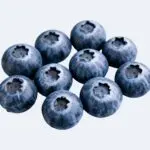
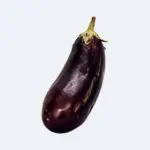
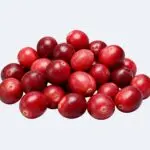
The USDA data on this page rank blueberries first, both per 100 g (163 mg) and per cup (242 mg in 148 g). Per 100 g, eggplant (85.7 mg) and cranberries (68.4 mg) come next.
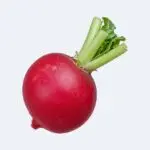
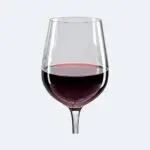
By the cup, radishes (73.2 mg) and eggplant (70.3 mg) come second and third. A 5 fl oz glass of red wine gives 28.3 mg. Radishes (395 mg) and eggplant (343 mg) lead per 100 calories, because they hold little energy. The ranking adds up six anthocyanidins, and the full list is below.
Our data hold 22 foods with a measured value and miss some richer ones. A 2006 analysis of more than 100 US foods found anthocyanins in 24 of them. Amounts ran from 0.7 mg per 100 g in a gooseberry variety to 1,480 mg per 100 g in chokeberry. It estimated that Americans ate about 12.5 mg a day. That analysis used a different method from USDA’s, so the two sets of numbers should not be compared directly.
Per serving. No daily amount is set, so bars compare each food with the top food.
Per 100 g. No daily amount is set, so bars compare each food with the top food.
Per 100 kcal: the same calories of each food, for a fair comparison. Bars compare each food with the top food.
Food labels have no Daily Value or Reference Intake for anthocyanins, so the % compares each food with the top food.
- 1.
- 2.
- 3.
- 4.
- 5.
- 6.
- 7.
- 8.
- 9.
- 10.


- 1.
- 2.
- 3.
- 4.
- 5.
- 6.
- 7.
- 8.
- 9.
- 10.

- 1.
- 2.
- 3.
- 4.
- 5.
- 6.
- 7.
- 8.
- 9.
- 10.

Sources
- Bhagwat S, Haytowitz DB. USDA Database for the Flavonoid Content of Selected Foods, Release 3.3. US Department of Agriculture, Agricultural Research Service. 2018. The ranking above is built from it.
- Wu X, Beecher GR, Holden JM, et al. Concentrations of anthocyanins in common foods in the United States and estimation of normal consumption. J Agric Food Chem. 2006.
How anthocyanins work
Most of what we know about how anthocyanins work comes from test tubes, cells and a few small human studies. Four ideas keep coming up. The pigment changes shape with acidity, and most of it is broken down on the way into the body. Its breakdown products may do some of the work, and it may act on cholesterol handling and on inflammation signals.
Here is each one, and what has been seen in people.
It changes color with acidity
The red form of an anthocyanin is a charged molecule called the flavylium cation. As the solution becomes less acidic, it picks up water and loses protons, and colorless forms appear. At neutral pH it becomes a purple quinoidal anion, and in strong base it turns blue.
Color also depends on which anthocyanin it is and on other plant compounds that pair with it and help hold the color. Metal ions matter too, and can give delphinidin a blue hue.
The same shape change matters inside the body. A review of anthocyanins says the flavylium ion converts to other forms as the pH rises during digestion. A pharmacokinetic paper says anthocyanins are unstable at neutral pH and presumed to break down. That sets up the next idea.
Colors at four points on the pH scale; the bars show where each applies, drawn to scale. The red, violet and blue values are for cyanidin; the pH 4 to 5 value is for an anthocyanin solution in general. Shades shift with the anthocyanin, other plant compounds and metal ions.
Most of it is broken down on the way in
In the tracer study, 8 men took 500 mg of cyanidin-3-glucoside labeled with carbon-13, so that every product could be followed. Over 48 hours, 43.9% of the label was recovered in urine, breath and feces, with a wide range between men (15.1 to 99.3%).
The share counted as absorbed was 12.38%: 5.37% in urine and 6.91% in breath. The labeled products in blood peaked about 10 hours after eating, and their half-lives ran from 12 to 52 hours.
Drawn to scale, with the 500 mg dose as 100%. The 12.4% is the study’s relative bioavailability, counted from labeled carbon in urine and breath, not from intact pigment.
Its breakdown products may do the work
A companion paper on the same 8-man study found 17 labeled compounds in serum. They were the parent pigment, two breakdown products (protocatechuic acid and phloroglucinaldehyde), 13 metabolites of protocatechuic acid and 1 of the aldehyde. The main ones were hippuric acid and ferulic acid.
A review by anthocyanin researchers argues that these lasting metabolites suggest the body recycles anthocyanins through the liver and gut. If so, they stay around longer and are more available than blood levels of the parent pigment imply.
Some of the metabolites have been tested alone. In isolated human platelets, protocatechuic acid cut cell death after hydrogen peroxide in a dose-dependent way. It acted through the PI3K/Akt/GSK3beta signaling pathway. That is a cell study of one metabolite, done by a group that also ran a platelet trial of Medox.
It may slow a cholesterol-shuffling protein
CETP is a blood protein that moves cholesteryl esters from HDL particles to VLDL and LDL particles. Blocking it raises HDL cholesterol and lowers LDL, according to a review of CETP and its inhibitors.
In a 12-week trial of 120 people with abnormal blood fats, anthocyanin capsules lowered CETP mass and activity, and HDL rose while LDL fell. In human liver cells in the dish, cyanidin 3-glucoside lowered CETP activity as the dose went up. The trial shows an association inside one group of people, not proof that CETP was the cause.
Drawn to scale, as percent change over 12 weeks in 120 people with abnormal blood fats. On placebo, CETP mass rose 3.5% and activity fell 1.1%.
It may quiet inflammatory signals
NF-kappaB is a switch that turns on many inflammation genes. In cultured monocytes, Medox anthocyanins from bilberries and black currants held back its activation by a bacterial toxin. In a 3-week trial of 120 adults, the same extract at 300 mg a day lowered several inflammatory chemokines more than placebo. The lab result and the blood result fit together, but they do not show that NF-kappaB was the route in people.
What has been seen in people
The mechanisms are easier to show in a dish than in a person. In people, the clearest results are small shifts in blood fats and inflammation markers, mostly with extracts. For blueberries, the effect on blood vessel function is about 1 to 1.5 percentage points of flow-mediated dilation.
Blood pressure did not change in the meta-analyses of purified anthocyanins, nor in a 640 mg a day crossover trial. Several trials used Medox, so those results cannot be credited to one anthocyanin or to food. The study cards above give the details.
Sources
- Khoo HE, Azlan A, Tang ST, Lim SM. Anthocyanidins and anthocyanins: colored pigments as food, pharmaceutical ingredients, and the potential health benefits. Food Nutr Res. 2017.
- Abedi-Firoozjah R, Yousefi S, Heydari M, et al. Application of red cabbage anthocyanins as pH-sensitive pigments in smart food packaging and sensors. Polymers (Basel). 2022.
- Anthocyanin. Wikipedia. Used for the note on beets and betalains.
- Gould KS. Nature’s Swiss army knife: the diverse protective roles of anthocyanins in leaves. J Biomed Biotechnol. 2004.
- Khan MI, Giridhar P. Plant betalains: chemistry and biochemistry. Phytochemistry. 2015.
- Wu X, Beecher GR, Holden JM, et al. Concentrations of anthocyanins in common foods in the United States and estimation of normal consumption. J Agric Food Chem. 2006.
- Czank C, Cassidy A, Zhang Q, et al. Human metabolism and elimination of the anthocyanin, cyanidin-3-glucoside: a 13C-tracer study. Am J Clin Nutr. 2013.
- de Ferrars RM, Czank C, Zhang Q, et al. The pharmacokinetics of anthocyanins and their metabolites in humans. Br J Pharmacol. 2014.
- Lila MA, Burton-Freeman B, Grace M, Kalt W. Unraveling anthocyanin bioavailability for human health. Annu Rev Food Sci Technol. 2016.
- Ya F, Li K, Chen H, et al. Protocatechuic acid protects platelets from apoptosis via inhibiting oxidative stress-mediated PI3K/Akt/GSK3β signaling. Thromb Haemost. 2021.
- Shrestha S, Wu BJ, Guiney L, Barter PJ, Rye KA. Cholesteryl ester transfer protein and its inhibitors. J Lipid Res. 2018.
- Qin Y, Xia M, Ma J, et al. Anthocyanin supplementation improves serum LDL- and HDL-cholesterol concentrations associated with the inhibition of cholesteryl ester transfer protein in dyslipidemic subjects. Am J Clin Nutr. 2009.
- Karlsen A, Retterstøl L, Laake P, et al. Anthocyanins inhibit nuclear factor-kappaB activation in monocytes and reduce plasma concentrations of pro-inflammatory mediators in healthy adults. J Nutr. 2007.
- Tian Z, Li K, Fan D, et al. Dose-dependent effects of anthocyanin supplementation on platelet function in subjects with dyslipidemia: a randomized clinical trial. EBioMedicine. 2021. Medox capsules were supplied by MedPalett AS.
- Scientific opinion on the re-evaluation of anthocyanins (E 163) as a food additive. EFSA Panel on Food Additives and Nutrient Sources added to Food (ANS). EFSA J. 2013;11(4):3145.
Are anthocyanins safe? Supplements, dose and interactions
Anthocyanins at food amounts are part of everyday eating. As a food color, EFSA’s additives panel concluded in 2013 that the toxicology data were “inadequate to establish a numerical ADI for anthocyanins”. An ADI (acceptable daily intake) is the amount judged safe to eat every day.
For extracts made from edible fruits and vegetables with water, the panel judged an older 1975 conclusion of safety still applied. That holds as long as intake from use as a color is comparable to intake from the diet. It also said current uses of grape skin and blackcurrant extracts are unlikely to be a safety concern.
The panel noted that JECFA had set an ADI of 2.5 mg per kg of body weight a day for anthocyanins from grape skin. Its own refined exposure estimates for E 163 at maximum use levels were higher than dietary intake. In the US, grape skin extract (enocianina), which contains anthocyanins, is a color additive exempt from batch certification. So are fruit and vegetable juices used as colors.
- Trial doses and side effects. Purified extracts were studied at 40 to 640 mg a day for 3 to 24 weeks. For scale, 320 mg is about 25 times the 12.5 mg a day estimated for the average American. And 640 mg is about 51 times (our arithmetic). A 16-week pilot of 320 mg a day in 27 people reported no adverse effects, and the ulcerative colitis trial reported few serious ones. Trials this short cannot show long-term safety.
- Blood clotting. In 93 people with abnormal blood fats, 80 mg a day or more reduced platelet clumping. In 31 prehypertensive men, 640 mg a day raised von Willebrand factor. We found no study of bleeding or of an interaction with blood thinners, so any concern is theoretical. But people on warfarin or antiplatelet drugs, or facing surgery, should ask a clinician before taking extracts.
- Pregnancy, breastfeeding and allergy. We found no safety trials of purified anthocyanins in pregnancy. The US LactMed database says there are no data on bilberry in nursing mothers. It says bilberry should be avoided in people allergic to bilberry, cranberry, blueberry or other Vaccinium species.
- Health claims. We found no health claim for anthocyanins authorized in the EU. In 2011 EFSA’s nutrition panel looked at anthocyanins from Ribes nigrum (blackcurrant) and better visual adaptation to the dark. It judged that a cause and effect relationship had not been established, because no human studies were provided.
How to get more anthocyanins
- Best food. Blueberries lead the USDA ranking, at 242 mg a cup. In a 6-month trial in metabolic syndrome, a cup a day improved blood vessel function but half a cup did not.
- Freeze, do not dry or can. Blueberries kept 3 months at −20°C lost no significant anthocyanin, while drying cut it by 41 to 49%. Canned blueberry solids lost up to 86% over 13 months of storage.
- Eat red cabbage raw or lightly steamed. Steaming, microwaving, boiling and stir-frying all cut its anthocyanin content, and the authors say raw cabbage in salads keeps the most.
Sources
- Scientific opinion on the re-evaluation of anthocyanins (E 163) as a food additive. EFSA Panel on Food Additives and Nutrient Sources added to Food (ANS). EFSA J. 2013;11(4):3145.
- Scientific opinion on the substantiation of health claims related to anthocyanins from Ribes nigrum L. and improvement of visual adaptation to the dark (ID 2750) pursuant to Article 13(1) of Regulation (EC) No 1924/2006. EFSA Panel on Dietetic Products, Nutrition and Allergies (NDA). EFSA J. 2011;9(6):2204.
- 21 CFR 73.250: Fruit juice; 73.260: Vegetable juice; 73.170: Grape skin extract (enocianina). Code of Federal Regulations, US Food and Drug Administration.
- Wu X, Beecher GR, Holden JM, et al. Concentrations of anthocyanins in common foods in the United States and estimation of normal consumption. J Agric Food Chem. 2006.
- Bergland AK, Soennesyn H, Dalen I, et al. Effects of anthocyanin supplementation on serum lipids, glucose, markers of inflammation and cognition in adults with increased risk of dementia: a pilot study. Front Genet. 2019. Open-label, 27 people, Medox 320 mg a day for 16 weeks.
- Hassellund SS, Flaa A, Kjeldsen SE, et al. Effects of anthocyanins on cardiovascular risk factors and inflammation in pre-hypertensive men. J Hum Hypertens. 2013.
- Bilberry. Drugs and Lactation Database (LactMed). National Institute of Child Health and Human Development. Updated 2021.
- Curtis PJ, van der Velpen V, Berends L, et al. Blueberries improve biomarkers of cardiometabolic function in participants with metabolic syndrome. Am J Clin Nutr. 2019.
- Lohachoompol V, Srzednicki G, Craske J. The change of total anthocyanins in blueberries and their antioxidant effect after drying and freezing. J Biomed Biotechnol. 2004.
- Syamaladevi RM, Andrews PK, Davies NM, Walters T, Sablani SS. Storage effects on anthocyanins, phenolics and antioxidant activity of thermally processed conventional and organic blueberries. J Sci Food Agric. 2012.
- Xu F, Zheng Y, Yang Z, et al. Domestic cooking methods affect the nutritional quality of red cabbage. Food Chem. 2014.
History of anthocyanins
The name comes from Greek words for flower and dark blue. In 1835 the German pharmacist Ludwig Clamor Marquart called the blue pigment of flowers Anthokyan, in a treatise on the colors of flowers. The chemistry took longer.
Just before the First World War, Richard Willstätter completed studies of anthocyanins, the colors of flowers and fruits. The Nobel Prize in Chemistry he received in 1915 honored his work on plant pigments, mainly chlorophyll. Sir Robert Robinson, who won the 1947 Nobel Prize in Chemistry, also worked on the chemical makeup of these dyes. He and his wife Gertrude surveyed anthocyanins together.
The eyesight story is old. A French clinical study of bilberry anthocyanoside extracts and night vision appeared in 1965, and by 2004 a systematic review could count 30 trials of the question. Its verdict for healthy eyes was negative.
As a food color, anthocyanin extracts carry the European code E 163. The EU scientific committee on food looked at them in 1975, JECFA in 1982 and EFSA in 2013. Purified anthocyanin capsules came later. A 2007 trial studied Medox, made by MedPalett AS of Norway, which a 2025 trial paper describes as an Evonik Industries AG company.
Sources
- Anthocyanin. Wikipedia.
- Richard Willstätter: biographical. NobelPrize.org.
- Sir Robert Robinson: biographical. NobelPrize.org.
- Jayle GE, et al. Study concerning the action of anthocyanoside extracts of Vaccinium myrtillus on night vision. Ann Ocul (Paris). 1965.
- Canter PH, Ernst E. Anthocyanosides of Vaccinium myrtillus (bilberry) for night vision: a systematic review of placebo-controlled trials. Surv Ophthalmol. 2004.
- Scientific opinion on the re-evaluation of anthocyanins (E 163) as a food additive. EFSA Panel on Food Additives and Nutrient Sources added to Food (ANS). EFSA J. 2013;11(4):3145.
- Karlsen A, Retterstøl L, Laake P, et al. Anthocyanins inhibit nuclear factor-kappaB activation in monocytes and reduce plasma concentrations of pro-inflammatory mediators in healthy adults. J Nutr. 2007.
- de Lucia C, Tovar-Rios DA, Khalifa K, et al. Effects of oral anthocyanin supplementation on in vitro neurogenesis, hippocampus-dependent cognition, and blood-based dementia biomarkers. Nutrients. 2025. The conflict-of-interest statement describes MedPalett AS as an Evonik Industries AG company.
Frequently asked questions about anthocyanins
What do anthocyanins do for the body?
The best-supported effects are small changes in blood fats and inflammation markers. A 2023 meta-analysis of 41 trials found higher HDL cholesterol and lower LDL and triglycerides. A 2020 analysis of 32 trials found lower CRP, IL-6 and TNF-alpha. Blood pressure did not change in several analyses, and results for blood sugar, vessel function and thinking vary. No finding reaches strong evidence.
Which foods are highest in anthocyanins?
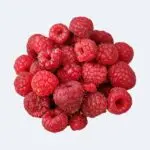
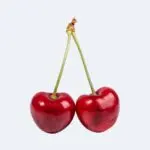
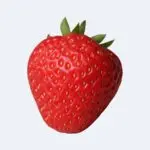
Blueberries rank first in the USDA data, with 163 mg per 100 g and 242 mg per cup. Eggplant, cranberries, radishes, raspberries, cherries and strawberries follow per 100 g. One 2006 analysis found chokeberry much higher, at up to 1,480 mg per 100 g, but it used a different method.
How much anthocyanin should you take a day?
No dose is recommended, and no daily need is set. Trials of purified extracts used 40 to 640 mg a day. Meta-analyses saw clearer inflammation and blood fat effects above 300 mg a day, and for blood fats at more than 12 weeks. The average American was estimated to eat 12.5 mg a day. Ask a clinician before taking extracts.
Are anthocyanin supplements safe?
Trials reported few problems, but they were short. A 16-week pilot of 320 mg a day in 27 people reported no adverse effects. One trial found higher von Willebrand factor at 640 mg a day, and another found less platelet clumping at 80 mg or more. So people on blood thinners should ask first. We found no safety trials in pregnancy.
Does bilberry improve night vision?
Not in healthy people, according to the evidence we found. A review of 12 placebo-controlled trials said the idea that bilberry anthocyanosides improve normal night vision is not supported. In 2011 EFSA found no established cause and effect for blackcurrant anthocyanins and seeing in the dark. A 12-week trial of 240 mg of bilberry extract in 109 adults eased eye muscle strain after screen work. Two of its authors were employed by Omnica Co., Ltd.
Are anthocyanins absorbed by the body?
Only partly, and mostly as breakdown products. In 8 men who took 500 mg of labeled cyanidin-3-glucoside, about 12% was absorbed. The blood held 17 labeled compounds, mostly metabolites such as protocatechuic acid. EFSA put the absorption of intact anthocyanins in humans at under 1%.
Is anthocyanin food coloring (E 163) safe?
EFSA could not set a numerical ADI in 2013 because the toxicology data were inadequate. It judged current uses of grape skin and blackcurrant extracts unlikely to be a safety concern, and asked for better data on other extracts. JECFA had set an ADI of 2.5 mg per kg of body weight a day for grape skin anthocyanins.
What is the difference between anthocyanins and anthocyanidins?
Anthocyanidins are the pigment cores, and anthocyanins are the same pigments with sugar groups attached, which is how plants store them. Six anthocyanidins are common in food: cyanidin, delphinidin, malvidin, peonidin, petunidin and pelargonidin. One meta-analysis found that foods rich in delphinidin-type anthocyanins changed blood fats while cyanidin- and malvidin-type foods did not.