
Monounsaturated fats are fatty acids with one double bond in their chain of carbon atoms. The best known is oleic acid, the main fatty acid in olive oil. Nuts, avocados and olives are rich in them, and so is the fat in meat.
Your body can make monounsaturated fat, so you do not need it from food. The European Food Safety Authority (EFSA) found no specific role for it in preventing or causing disease, and it set no daily amount.
What matters most is what monounsaturated fat replaces. Swapping saturated fat for unsaturated fat lowers LDL cholesterol, the kind that builds up in arteries, the American Heart Association (AHA) says. Olive oil has the most evidence behind it, though much of that evidence comes from cohort studies that observe habits.
Health effects of monounsaturated fat
The top findings from 3 studies, strongest evidence first
What the stars mean
- Strong. Several randomized trials, pooled in a meta-analysis, point the same way, or regulators (FDA or EFSA) have approved the claim.
- Moderate. Good randomized trials support it, but there are fewer of them, or their results vary.
- Limited. Small, short or single trials, or mixed results. Promising, but it needs confirmation.
Population and lab studies get no stars: they show a link or a mechanism, not proof.
How we rate evidence →- ★★Fewer heart events on a Mediterranean dietIn 7,447 Spanish adults at high risk, a diet with free olive oil or nuts led to fewer heart attacks, strokes and heart deaths. Over about 4.8 years, events struck 3.8% on olive oil, 3.4% on nuts and 4.4% on advice to eat a low-fat diet.
- Population studyOlive oil linked to fewer heart deathsAmong about 92,000 US nurses and health professionals, people using more than half a tablespoon of olive oil a day had 19% fewer heart deaths. In 32 pooled studies, only olive oil, not monounsaturated fat overall, went with lower risk of death.
All 3 studies, strongest evidence first
Mediterranean diet with olive oil or nuts cut heart events about 30%
PREDIMED was a randomized trial in 7,447 Spanish adults at high risk, against advice to eat a low-fat diet, followed for about 4.8 years. The diet came with free extra-virgin olive oil or mixed nuts. Heart attacks, strokes or heart deaths struck 3.8% of the olive oil group, 3.4% of the nut group and 4.4% of the control group. This is the corrected analysis, after the authors withdrew a first report over problems with randomization.
Olive oil, not monounsaturated fat overall, went with lower risk
This meta-analysis pooled 32 cohort studies of 841,211 people and compared the top third of intake with the bottom third. All the measures together went with 11% fewer deaths from any cause and 17% fewer strokes. When the authors split them by source, only olive oil showed a link with lower risk of death, heart disease and stroke. Monounsaturated fat from mixed animal and plant foods did not.
In US cohorts, more olive oil went with 19% fewer heart deaths
Two cohort studies followed about 92,000 US nurses and health professionals for 28 years. People using more than half a tablespoon of olive oil a day were compared with those who rarely used it. Deaths from any cause were also 19% lower. Olive oil did no better than other vegetable oils combined, and cohort studies show links, not cause and effect.
Foods high in monounsaturated fat
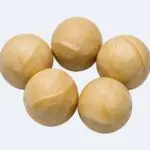
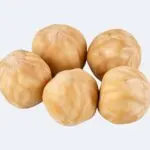
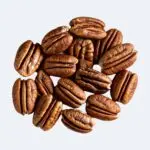
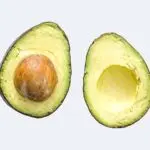
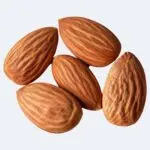
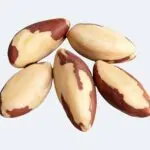
In our USDA ranking, per serving, macadamia nuts lead with 16.7 g in 1 oz (28 g). Hazelnuts follow with 12.9 g and pecans with 11.6 g. Half an avocado gives 9.85 g and an ounce of almonds 8.94 g. Per 100 g, macadamia nuts top the list at 58.9 g.
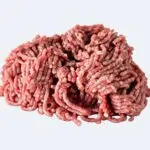
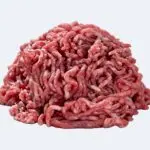
Meat fat is partly monounsaturated too. A 4 oz serving of ground lamb has 10.8 g, but it also brings 11.5 g of saturated fat. Our database covers whole foods, not oils, so olive oil is not in the ranking. Olives come third per 100 kcal, at 6.6 g.
Per serving. No daily amount is set, so bars compare each food with the top food.
Per 100 g. No daily amount is set, so bars compare each food with the top food.
Per 100 kcal: the same calories of each food, for a fair comparison. Bars compare each food with the top food.
Food labels have no Daily Value or Reference Intake for monounsaturated fat, so the % compares each food with the top food.
- 1.
- 2.
- 3.
- 4.
- 5.
- 6.
- 7.
- 8.
- 9.
- 10.


- 1.
- 2.
- 3.
- 4.
- 5.
- 6.
- 7.
- 8.
- 9.
- 10.


- 1.
- 2.
- 3.
- 4.
- 5.
- 6.
- 7.
- 8.
- 9.
- 10.



Sources
- FoodData Central. US Department of Agriculture, Agricultural Research Service. Values as shown in the ranking above.
How much monounsaturated fat do you need?
No official daily amount exists. EFSA set no reference value, because the body makes monounsaturated fat and no specific role in disease was found. It also has no Daily Value on US or EU food labels.
Health bodies use it as a replacement instead. The World Health Organization (WHO) advises replacing saturated fat with polyunsaturated fat, plant monounsaturated fat or carbohydrates with natural fiber. EFSA likewise says policy makers should consider replacing saturated fat with monounsaturated and polyunsaturated fat.
Sources
- European Food Safety Authority. Dietary Reference Values for nutrients: summary report. EFSA Supporting Publications. 2017. Summarizes the 2010 opinion on fats.
- European Food Safety Authority. EFSA sets European dietary reference values for nutrient intakes. News release, 26 March 2010.
- World Health Organization. WHO updates guidelines on fats and carbohydrates. News release, 17 July 2023.
- Sacks FM, Lichtenstein AH, Wu JHY, et al. Dietary fats and cardiovascular disease: a presidential advisory from the American Heart Association. Circulation. 2017.
- Hooper L, Martin N, Jimoh OF, et al. Reduction in saturated fat intake for cardiovascular disease. Cochrane Database Syst Rev. 2020.
Types of monounsaturated fat
Oleic acid is the main one in olive oil, nuts and avocado. Erucic acid is the one with safety limits: breeders cut it in rapeseed oil, and the result was called canola. Each type has its own page with its foods and studies.
5 monounsaturated fats
Monounsaturated fats
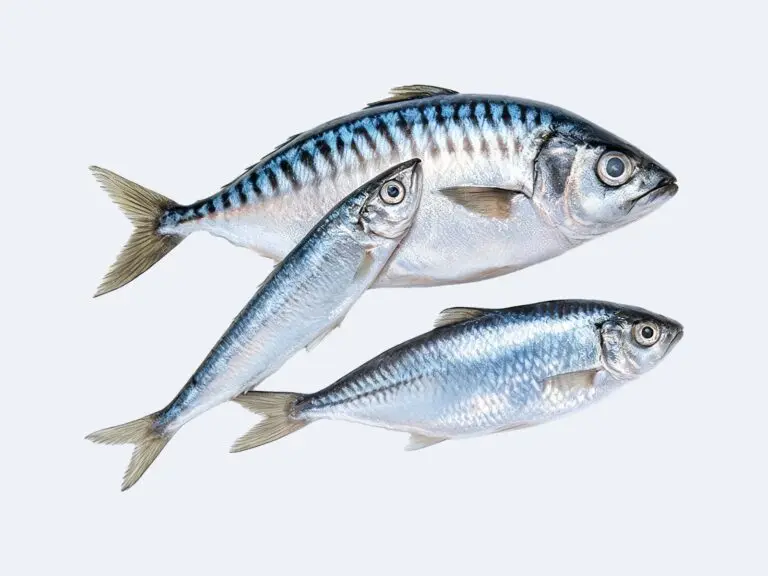
Erucic acid
Erucic acid made rapeseed oil a heart worry in young animals, so breeders cut it below 2% and called the result canola. This page weighs 25 studies on the safety limits, mustard oil, fish and Lorenzo’s oil, and says plainly how little is known in people.
Top source: mackerel, 1.58 g per 1 fillet (112 g)
Top source: mackerel, 1.41 g per 100 g
Monounsaturated fats
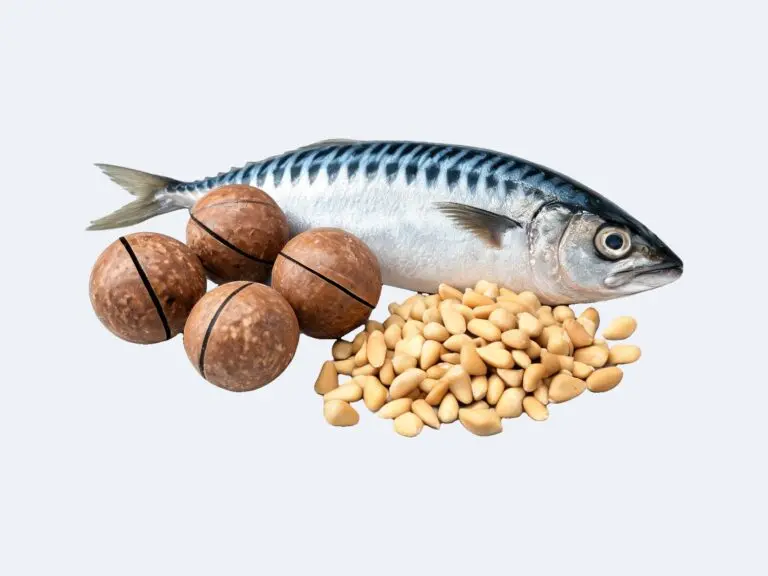
Gadoleic acid
Gadoleic acid is named for the cod genus Gadus, but USDA counts it together with its plant twin gondoic acid in one 20:1 value. This page weighs 11 studies, mostly small fish oil trials and blood-level cohorts, and says plainly what is not known.
Top source: mackerel, 1.16 g per 1 fillet (112 g)
Top source: macadamia nuts, 1.89 g per 100 g
Monounsaturated fats
Myristoleic acid
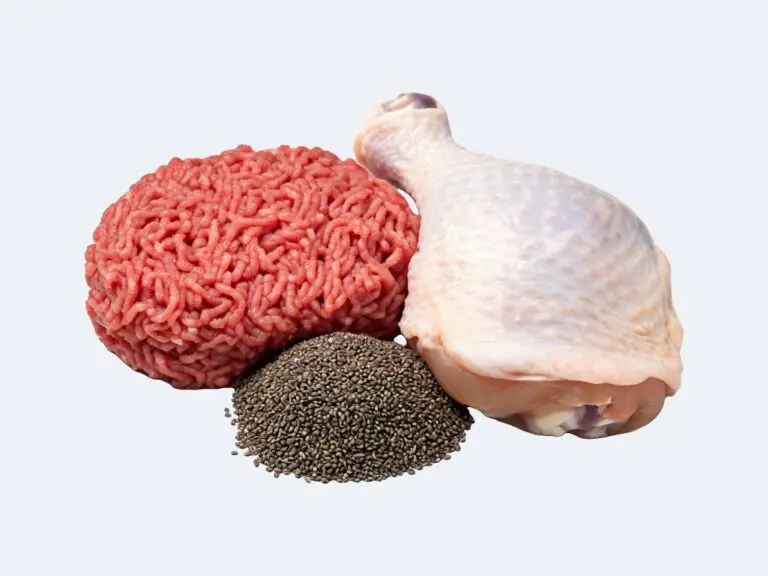
Myristoleic acid (14:1 n-5) is a trace fat that the body makes from myristic acid with the enzyme SCD1. It is better known as the first half of cetyl myristoleate, a joint supplement. Its trials are small, and its link to the fatty acid itself is unproven.
Top source: ground beef, 0.18 g per 4 oz (113 g)
Top source: ground beef, 0.16 g per 100 g
Monounsaturated fats
Oleic acid
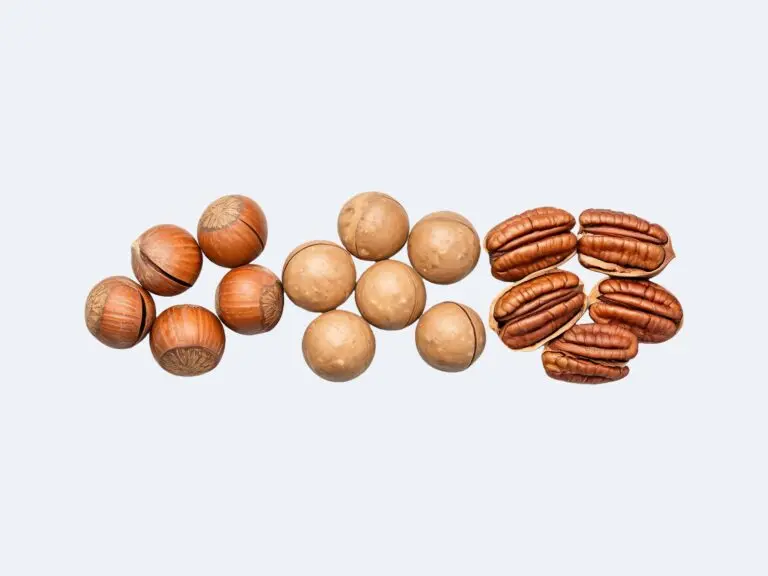
Oleic acid is the main fatty acid in olive oil. Yet the FDA found no sign that it lowers cholesterol apart from the saturated fat it replaces. This page ranks the foods, led by hazelnuts at 12.9 g in 1 oz. It weighs 34 studies on olive oil, high-oleic oils and Mediterranean diets.
Top source: hazelnuts, 12.9 g per 1 oz (28 g)
Top source: hazelnuts, 45.4 g per 100 g
Monounsaturated fats
Palmitoleic acid
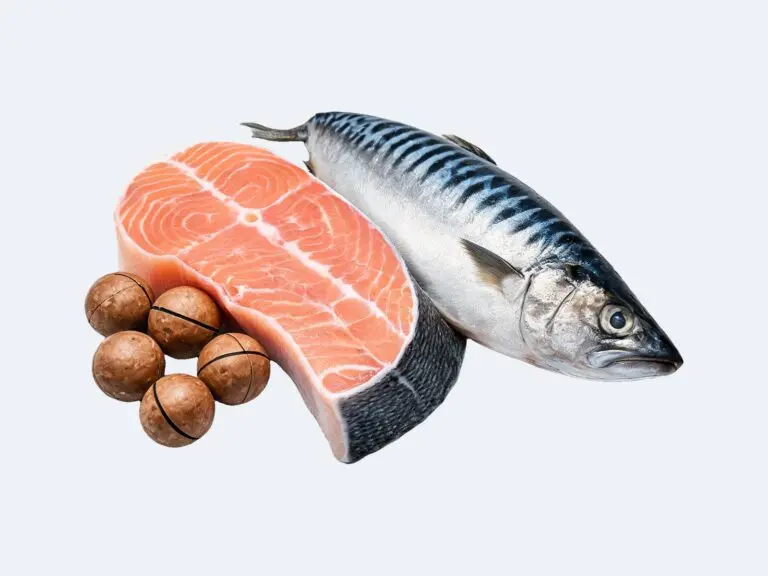
Palmitoleic acid is the fat macadamia nuts are known for, and your own liver makes it from sugar. This page weighs 31 studies on LDL cholesterol, supplements, sea buckthorn oil, dairy’s trans form and what a blood level means.
Top source: macadamia nuts, 3.68 g per 1 oz (28 g)
Top source: macadamia nuts, 13 g per 100 g


How to get more monounsaturated fat
- Cook with olive oil instead of butter. In two US cohorts, swapping 10 g a day of butter, margarine or mayonnaise for olive oil went with lower risks of death. The drops ranged from 8 to 34% across causes of death.
- Eat a handful of nuts. Macadamia nuts, hazelnuts and pecans lead our ranking per ounce. Nuts were part of the Mediterranean diet that cut heart events in PREDIMED.
- Add avocado and olives. Half an avocado gives 9.85 g, and olives rank third per 100 kcal.
Sources
- Guasch-Ferré M, Li Y, Willett WC, et al. Consumption of olive oil and risk of total and cause-specific mortality among U.S. adults. J Am Coll Cardiol. 2022.
- Estruch R, Ros E, Salas-Salvadó J, et al. Primary prevention of cardiovascular disease with a Mediterranean diet supplemented with extra-virgin olive oil or nuts. N Engl J Med. 2018.
Frequently asked questions about monounsaturated fat
Is monounsaturated fat good for you?
In place of saturated fat, it lowers LDL cholesterol, the AHA says. Olive oil and nuts were part of the Mediterranean diet that cut heart events in the PREDIMED trial. Cohort studies link olive oil, but not monounsaturated fat as a whole, with lower risk.
How much monounsaturated fat do you need a day?
No official amount exists. EFSA set no value because the body makes it. WHO lists plant monounsaturated fat as one of the good replacements for saturated fat.
Is olive oil better than other vegetable oils?
Not clearly. In two large US cohorts, olive oil went with lower risk than butter, margarine, mayonnaise and dairy fat. It did not differ significantly from other vegetable oils combined.
Is meat a source of monounsaturated fat?
Yes. In our ranking, 4 oz of ground lamb has 10.8 g and ground beef 10 g. The same servings also bring 11.5 g and 8.57 g of saturated fat.