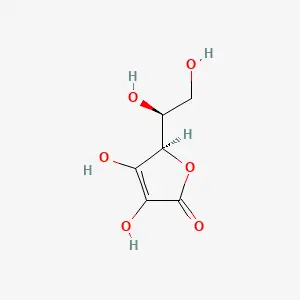
Vitamin C (ascorbic acid) is a vitamin that dissolves in water. Your body uses it as a helper for enzymes that build collagen and make carnitine and some nerve messengers. It also works as an antioxidant, says the NIH (the US National Institutes of Health).
People are among the few higher animals that cannot make vitamin C. The gene for the last enzyme that makes it is still in our DNA, but it carries many mutations. So all of our vitamin C has to come from food.
Here is the part most people do not know: about 10 mg a day prevents scurvy. Yet the US allowance is 75 to 90 mg. The NIH explains that the allowance is based on what vitamin C does in white blood cells, not on what it takes to avoid scurvy. White blood cells hold at least 14 times the concentration found in blood plasma (the liquid part of blood).
Your body also limits what a bigger dose can add. About 80% of an intake of 100 mg is absorbed, but under 50% above 1 g. The absorbed excess leaves in urine.
Most people in rich countries get enough. EFSA is the EU’s food safety agency. In European surveys, it reports average intakes from food of 69 to 130 mg a day for men and 65 to 138 mg for women.
Deficiency has not disappeared, though. In US survey data from 2003 to 2004, 7.1% of people aged 6 and older had a deficient blood level. Smokers’ average levels were about one-third lower than those of nonsmokers.
Health benefits of vitamin C
The top findings from 34 studies, strongest evidence first
What the stars mean
- Strong. Several randomized trials, pooled in a meta-analysis, point the same way, or regulators (FDA or EFSA) have approved the claim.
- Moderate. Good randomized trials support it, but there are fewer of them, or their results vary.
- Limited. Small, short or single trials, or mixed results. Promising, but it needs confirmation.
Population and lab studies get no stars: they show a link or a mechanism, not proof.
How we rate evidence →- ★★★Did not prevent colds in most peopleIn 29 trials, daily vitamin C (0.2 g or more) left the cold risk almost unchanged in the general community (0.97 times). Daily use made colds 8% shorter in adults.
- ★★★No change in the risk of deathAcross 29 reliable trials of vitamin C, alone or with other vitamins, the risk of death was 1.02 times that of controls. That is no real change.
- ★★★No help against pre-eclampsia or preterm birthAcross 29 trials in 24,300 pregnant women, vitamin C (alone or with other supplements) did not clearly prevent pre-eclampsia (0.92 times the risk). Preterm birth (0.99 times the risk) and stillbirth (1.15) also did not differ clearly; these differences could be chance.
- ★★No fewer heart attacks or strokesIn 14,641 male doctors, vitamin C supplements (500 mg a day) gave 0.99 times the risk of major heart and blood vessel events. In 8,171 high-risk women taking 500 mg a day in combinations with other supplements, the risk was 1.02 times as high.
- ★★Slightly lower blood pressureIn 29 trials of oral vitamin C (median 500 mg a day), the top number fell by 3.84 points (mm Hg systolic). The trials were short, so effects on heart attacks or strokes are unknown.
All 27 studies, strongest evidence first
15 EU health claims for vitamin C, none of them treatment claims
Regulation (EU) No 432/2012 says vitamin C contributes to normal collagen formation for blood vessels, bones, cartilage, gums, skin and teeth. It also contributes to normal energy metabolism, nerve, mental and immune function, protecting cells from oxidative stress, renewing vitamin E, iron absorption and less tiredness. Only foods that are at least a source of vitamin C may carry them: as a rule, 12 mg per 100 g. That is 15% of the 80 mg EU Reference Intake (Regulation (EU) No 1169/2011). A separate claim, on normal immune function during and after intense exercise, needs 200 mg a day on top of the recommended intake.
In 29 trials, vitamin C did not cut colds for most people
The review pooled 29 trial comparisons in 11,306 people taking at least 0.2 g a day or a placebo (dummy pill). In 10,708 people in the general community, the risk of catching a cold was 0.97 times as high, almost no difference. In 598 marathon runners, skiers and soldiers on subarctic exercises it was 0.48 times, about half. Daily use made colds 8% shorter in adults, 14% in children and 18% in children on 1 to 2 g a day. Taking it only after symptoms began had no consistent effect on how long or how bad colds were.
In pregnancy, vitamin C did not prevent pre-eclampsia, preterm birth or stillbirth
A Cochrane review pooled 29 trials in 24,300 pregnant women, testing vitamin C alone or with other supplements against placebo or no treatment. Risks were 0.92 times as high for pre-eclampsia (16 trials), 0.99 for preterm birth and 1.15 for stillbirth, all differences that could be chance. Placental abruption was rarer (0.64 times; 8 studies), but vitamin C plus E raised the risk of waters breaking at term (1.73 times; 2 studies). The authors do not support routine vitamin C in pregnancy, and two review authors were investigators on one included trial.
In 78 trials, vitamin C did not change the risk of death
A Cochrane review compared antioxidants with placebo or no treatment in 296,707 people; many trials gave vitamin C alone or with other vitamins and minerals. In the 56 most reliable trials, deaths with vitamin C (29 trials) were 3,637 of 36,659 people, against 2,717 of 29,283 controls. That is 1.02 times the risk, so no real change. Beta-carotene (1.05) and vitamin E (1.03) slightly raised deaths, but vitamin A and selenium did not.
500 mg a day did not prevent heart attacks or strokes
The trial followed 14,641 male doctors aged 50 or older for 8 years. They took vitamin C 500 mg a day and vitamin E 400 IU every other day, each tested against a placebo. Major heart and blood vessel events were 10.8 per 1,000 people a year with vitamin C and 10.9 without (0.99 times the risk). Deaths were also unchanged (1.07), while vitamin E, the other arm, raised bleeding strokes (1.74 times).
No drop in prostate or total cancer on 500 mg a day
This is the cancer report from the same Physicians’ Health Study II: 14,641 male doctors followed for a mean 8.0 years. There were 1,943 cancers in all, including 1,008 prostate cancers. With vitamin C the risk was 1.01 times as high for all cancer and 1.02 for prostate cancer. Vitamin C also did not change colorectal, lung or other specific cancers.
A daily vitamin mix did not cut vascular events, cancer or death
For 5 years, 20,536 UK adults aged 40 to 80 with heart disease, other artery disease or diabetes took the mix or a placebo. Each day it gave 250 mg of vitamin C, 600 mg of vitamin E and 20 mg of beta-carotene. It raised blood vitamin C by one-third, yet major vascular (blood vessel) events hit 22.5% of both groups (1.00 times the risk). Deaths were 14.1% against 13.5%, and the vitamins appeared safe, but a mix cannot show what vitamin C does alone.
500 mg a day did not change cardiovascular events in high-risk women
The trial followed 8,171 women aged 40 or older, with heart disease or at least 3 risk factors, for 9.4 years. They took vitamin C 500 mg a day, vitamin E 600 IU every other day and beta-carotene 50 mg every other day, in combinations. For vitamin C, the risk of heart attack, stroke, artery-opening procedures or cardiovascular death was 1.02 times as high, no real change.
In sepsis, vitamin C drips raised death or organ failure risk
872 intensive care patients with sepsis (a severe body-wide reaction to infection) got vitamin C or a placebo by drip. The dose was 50 mg per kg of body weight every 6 hours, for up to 96 hours. By day 28, 44.5% on vitamin C had died or had lasting organ failure, against 38.5% on placebo (1.21 times the risk). Deaths alone were 35.4% and 31.6% (1.17 times), and this was a hospital drip, not a supplement.
Vitamin C lowered systolic pressure about 3.8 mm Hg in 29 trials
The trials of oral vitamin C lasted at least 2 weeks and had 10 to 120 people each. The median dose was 500 mg a day, and the median length 8 weeks. Systolic pressure (the top number) fell 3.84 mm Hg, or 4.85 in people with high blood pressure, and diastolic (the bottom number) 1.48 mm Hg. Adding 9 trials with estimated data weakened the effect, but it held; the trials were short, so effects on heart attacks or strokes are unknown.
Vitamin C improved blood vessel function, most in people at higher risk
This meta-analysis (a study that pools earlier studies) covered 44 trials of vitamin C alone. They measured how well the blood vessel lining works, by ultrasound, blood flow tests or pulse wave analysis. The pooled effect was 0.50 on a standard scale, larger in people with hardened arteries (0.84), diabetes (0.52) and heart failure (0.48). It rose with dose, but this is a stand-in measure: the large trials above found no fewer heart attacks or strokes.
In 18 small trials, vitamin C shortened intensive care stays about 8%
Of the 18 trials (2,004 patients), 13 were in planned heart surgery; in 12 trials with 1,766 patients, intensive care stays were 7.8% shorter. Six trials of 1 to 3 g a day by mouth (average 2.0 g) found 8.6% shorter stays. In 3 trials of patients on a breathing machine for more than 24 hours, time on the machine was 18.2% shorter. The trials were small and varied, and the LOVIT trial above found harm with vitamin C drips in sepsis.
Vitamins plus zinc cut the odds of advanced macular degeneration (0.72)
The AREDS trial followed 3,640 people aged 55 to 80 with signs of age-related macular degeneration (AMD), an eye disease, for an average 6.3 years. Daily tablets held vitamin C 500 mg, vitamin E 400 IU and beta-carotene 15 mg, with or without zinc 80 mg and copper 2 mg. With zinc, the mix gave 0.72 times the odds of advanced AMD, while antioxidants alone (0.80) or zinc alone (0.75) made no clear difference. Vitamin C was never tested alone, and a companion AREDS report found no clear effect of the antioxidant mix on cataracts.
Vitamin C lowered uric acid 0.35 mg/dl in 13 trials
The trials had 556 people in all, taking a median 500 mg a day for a median 30 days. Serum uric acid fell 0.35 mg/dl, or 20.8 µmol/L (micromoles per liter, another blood unit). The range of likely effects was wide, and results varied a lot between trials (I2 77%), with bigger drops in placebo-controlled trials. Whether this prevents gout was not tested.
7 small trials: unclear if vitamin C prevents or treats pneumonia
The 7 trials (2,774 adults and children) had high or unclear risk of bias, and the evidence was very low quality. Prevention studies used 500 mg a day for 14 weeks or 2 g a day for 8 to 12 weeks. Pneumonia risk was 0.46 times as high, but the range was very wide (2 studies, 736 people). As an add-on treatment, some studies reported shorter illness or hospital stays, but the effect on death was uncertain (0.21 times; 1 study, 57 people).
In pregnant smokers, 500 mg a day improved newborn lung tests
Newborns of 76 women on vitamin C had better lung function tests than those of 83 women on placebo (TPTEF:TE 0.38 against 0.35). Wheezing through age 1 year was less common: 21% against 40%, or 0.56 times the risk. Lung tests at 1 year did not differ. A second trial by the same group found no gain in the main measure at 3 months, but two secondary lung measures were better.
In advanced colorectal cancer, 10 g daily did no better than placebo
The 100 patients were in very good general condition and had not had chemotherapy. Vitamin C gave no gain in time to progression or survival, and no objective improvement in people with measurable disease. The authors’ earlier trial also found no benefit. The NIH notes that this trial gave vitamin C by mouth only, which cannot reach the blood levels of a drip.
A 4-day vitamin C drip did not improve organ failure scores
In 7 US intensive care units, 167 patients with sepsis and severe lung failure got vitamin C or a placebo by drip. The dose was 50 mg per kg of body weight every 6 hours for 96 hours. Organ failure scores did not differ from placebo (a difference of -0.10), nor did the inflammation markers C-reactive protein and thrombomodulin. The authors called it preliminary, 62% of patients completed follow-up to day 60, and the lead author reported receiving study materials from McGuff Pharmaceuticals.
C plus E did not slow artery narrowing, and deaths were higher
The Women’s Angiographic Vitamin and Estrogen trial enrolled 423 postmenopausal women with coronary heart disease. They took 500 mg of vitamin C plus 400 IU of vitamin E, each twice a day, and a separate arm tested hormones. Over an average 2.8 years between artery X-rays, narrowing progressed 0.044 mm a year on the vitamins and 0.028 mm on placebo, no clear difference. Deaths were 16 against 6 (2.8 times the risk), which the authors read as possible harm from the vitamin C plus E mix.
Vitamin C’s single-meal iron gain shrank sharply in a whole diet
Twelve people ate a labeled wheat roll at every meal for 5 days during 3 diet periods. Daily vitamin C ranged from 51 to 247 mg, yet average iron absorption did not clearly differ between the periods. Pooled data linked more absorption to vitamin C and animal tissue, and less to phosphate. The authors say this may explain why long-term vitamin C supplements barely changed iron status in earlier studies.
In gout, 500 mg daily had no meaningful effect on uric acid
This small first trial ran for 8 weeks, in two sets of 20 gout patients, with and without allopurinol (a gout drug). Uric acid fell 0.23 mg/dl on vitamin C against 1.9 mg/dl on allopurinol, even though blood vitamin C rose. The authors note that the effect in gout patients was much smaller than in healthy volunteers.
Low vitamin C: 25% less fat burned per kilogram while walking
In a preliminary study, 15 young adults with marginal vitamin C status and 7 with adequate status walked on a treadmill for 60 minutes. Eight of the marginal group then joined an 8-week trial of 500 mg of vitamin C a day. During exercise, their fat burning rose 4-fold compared with controls who stayed low. The study was very small and measured fat burning during exercise, not weight loss.
In 14 men, 1 g a day blunted endurance gains from training
Of the 14 men, 5 took 1 g of vitamin C a day during 8 weeks of training. Endurance capacity improved less, and muscles showed less exercise-driven activity of key genes for making new mitochondria (the cell’s energy units). A rat experiment in the same paper pointed the same way. A later vitamin C and E trial (Paulsen et al., 2014, J Physiol) also found blunted mitochondrial markers in muscle, though running performance improved equally.
Pills over 700 mg linked to a quarter lower heart risk (0.75)
This pooled analysis of 9 cohorts (groups of people followed over time) covered 293,172 people for 10 years, with 4,647 major heart events. Compared with no supplement, more than 700 mg a day gave 0.75 times the risk of a major coronary event. Vitamin C from food alone was not protective: the highest fifth of intake had 1.23 times the risk of the lowest. People who take supplements differ from those who do not, and the large trials above found no effect.
High-dose pills (1,000 mg or more) linked to kidney stones in men
Three cohorts using food questionnaires followed 156,735 women and 40,536 men for a median 11.3 to 11.7 years, with 6,245 first kidney stones. Men taking high-dose supplements had 1.19 times the risk. Men whose total intake was 1,000 mg a day or more had 1.43 times the risk of those under 90 mg. There was no clear link in women, or with food vitamin C in either sex, though few people ate over 700 mg from food.
1,500 mg or more linked to about half the gout risk (0.55)
This cohort followed 46,994 men for 20 years, and 1,317 developed gout. Against under 250 mg a day, the risk was 0.83 times as high at 500 to 999 mg. It was 0.66 at 1,000 to 1,499 mg and 0.55 at 1,500 mg or more. These are observational data in men only, and the gout trial above found little effect on uric acid at 500 mg.
In over 13,000 adults, higher vitamin C went with more fat-free mass
The EPIC-Norfolk cohort took a one-time measurement in men and women aged 42 to 82. Fat-free mass (a stand-in for muscle) was estimated as a share of body weight, using a weak electric current. It was 1.6% higher in men and 3.4% higher in women with blood vitamin C of 50 µmol/L or more than in those below. A snapshot cannot show that vitamin C builds muscle, and muscle itself may affect diet.
Foods high in vitamin C
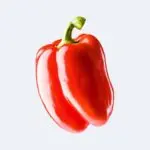
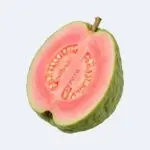
Fruits and vegetables supply most vitamin C, and the leaders in our USDA ranking are not always the ones people expect. Per serving, bell peppers lead with 152 mg in 1 medium pepper (119 g). That is 169% of the 90 mg Daily Value (DV), the amount used on US food labels. Guava follows with 126 mg in one fruit.
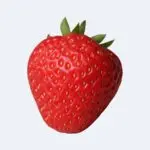
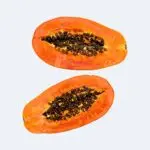
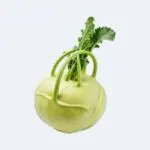
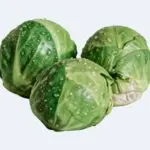
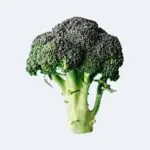
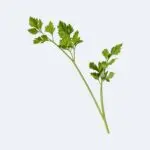
Strawberries, papaya, kohlrabi, pineapple, Brussels sprouts, oranges, broccoli and chili peppers complete the top ten. Per 100 g, guava leads with 228 mg, ahead of thyme, chili peppers, parsley and bell peppers. The ranking below shows every amount.
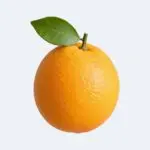
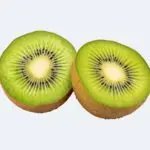
The NIH table lists ½ cup of raw red pepper at 95 mg and ¾ cup of orange juice at 93 mg. One medium orange has 70 mg, one medium kiwifruit 64 mg and ½ cup of cooked broccoli 51 mg. Five varied servings of fruits and vegetables can give more than 200 mg, the NIH says. Citrus and potatoes are major sources in the American diet, though not the densest, and some breakfast cereals are fortified (have vitamin C added).
Vitamin C from food is absorbed about as well as vitamin C from tablets (see the section on forms of vitamin C). Cooking and storage can lower it. Heat and oxygen destroy vitamin C, and it dissolves into cooking water that is thrown away, according to EFSA.
In a test of several cooked vegetables, the share of vitamin C kept ranged from 0.0% to 91.1%. It was highest after microwaving and lowest after boiling. In broccoli, steaming did not clearly lower vitamin C, but microwaving, boiling and stir-frying did. In carrots and courgettes, boiling and steaming kept ascorbic acid better than frying.
The NIH adds that long storage also reduces vitamin C, and that many of the best sources are usually eaten raw.
Per serving. Bars show the share of the Daily Value (90 mg a day). The line marks 100%.
Per 100 g. Bars show the share of the Daily Value (90 mg a day). The line marks 100%.
Per serving. Bars show the share of the EU Reference Intake (80 mg a day). The line marks 100%.
Per 100 g. Bars show the share of the EU Reference Intake (80 mg a day). The line marks 100%.
Per 100 kcal: the same calories of each food, for a fair comparison. Bars compare each food with the top food.
- 1.
- 2.
- 3.
- 4.
- 5.
- 6.

- 7.
- 8.
- 9.
- 10.



- 1.
- 2.

- 3.
- 4.
- 5.
- 6.
- 7.
- 8.
- 9.
- 10.



- 1.
- 2.
- 3.
- 4.
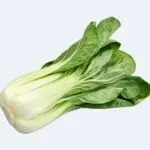
- 5.
- 6.
- 7.
- 8.
- 9.
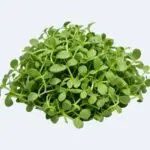
- 10.


Sources
- FoodData Central. US Department of Agriculture, Agricultural Research Service. Values as shown in the ranking above.
- Vitamin C: fact sheet for health professionals. National Institutes of Health, Office of Dietary Supplements. Updated July 31, 2025.
- EFSA Panel on Dietetic Products, Nutrition and Allergies (NDA). Scientific opinion on Dietary Reference Values for vitamin C. EFSA J. 2013.
- Lee S, Choi Y, Jeong HS, Lee J, Sung J. Effect of different cooking methods on the content of vitamins and true retention in selected vegetables. Food Sci Biotechnol. 2018.
- Yuan GF, Sun B, Yuan J, Wang QM. Effects of different cooking methods on health-promoting compounds of broccoli. J Zhejiang Univ Sci B. 2009.
- Miglio C, Chiavaro E, Visconti A, Fogliano V, Pellegrini N. Effects of different cooking methods on nutritional and physicochemical characteristics of selected vegetables. J Agric Food Chem. 2008.
How vitamin C works
Most of what we know about how vitamin C works comes from biochemistry and controlled feeding studies in small groups of volunteers. It does not come from trials in people with disease. Humans cannot make vitamin C because the gene for its last enzyme has gathered many mutations since it stopped working.
Four ideas cover most of what follows. Vitamin C helps enzymes make collagen and other molecules, and it helps the gut take up iron. The gut and the body limit how much stays, and a drip goes around those limits. Then comes what has been seen in people.
It helps enzymes build collagen, carnitine and nerve messengers
Vitamin C is a helper (cofactor) for enzymes of the monooxygenase and dioxygenase families, according to EFSA. It plays an important role in making collagen, and it is essential for making carnitine and catecholamines (nerve messengers such as adrenaline). It also takes part in turning cholesterol into bile acids.
In water, it readily mops up reactive oxygen and nitrogen molecules, and the NIH says it can renew vitamin E. The highest levels in the body are in white blood cells, the eyes, the adrenal glands, the pituitary gland and the brain.
When vitamin C is missing, collagen is weak. That explains the bleeding gums, bruising and poor wound healing of scurvy. EFSA adds that the early tiredness of deficiency may relate partly to too little carnitine. EFSA says low mood may relate to too little dopamine hydroxylation, a step in making nerve messengers.
Four main jobs of vitamin C in the body. Not to scale.
It helps the gut take up iron
Iron from plants (nonheme iron) is poorly absorbed. Hallberg and colleagues describe two ways vitamin C helps. It stops iron forming insoluble compounds that cannot be absorbed. It also turns ferric iron into ferrous iron, which seems to be needed for uptake into gut cells.
The effect is largest in meals that contain inhibitors of iron absorption. Teucher and colleagues’ review says a meal with low to medium inhibitors needs a 2 to 1 molar ratio of vitamin C to iron. That means, for example, 20 mg of vitamin C for 3 mg of iron, and more when inhibitors are high.
Across a whole diet the effect is much smaller than in single-meal tests, as the card by Cook and Reddy above shows. The EU authorizes the claim that vitamin C increases iron absorption.
The gut absorbs most of a small dose and less of a large one
Vitamin C is taken up by transport proteins that depend on sodium. A review by Savini and colleagues says SVCT1 helps keep the body’s vitamin C in balance. SVCT2 protects cells with high activity.
The NIH says gut absorption is controlled by at least one active transporter that depends on the dose. About 70% to 90% is absorbed at 30 to 180 mg a day, and under 50% above 1 g a day. EFSA gives about 80% at an intake of about 100 mg.
In a hospital study of seven volunteers, a single 200 mg dose was absorbed completely. At single doses of 500 mg and higher, absorption declined and the absorbed excess left in the urine.
Share of vitamin C absorbed, drawn to scale. The second bar shows the upper limit of “less than 50%”.
Blood levels rise, then level off
EFSA reports that in people who had run low, 60 to 100 mg a day lifts plasma vitamin C steeply to about 50 µmol/L. The body pool rises to 1.0 to 1.5 g. Above 100 mg the curve flattens, up to a plateau of 70 to 80 µmol/L. Only regular doses above 200 mg can hold that plateau.
Scurvy occurs below 10 µmol/L, when the body pool is under 300 mg, and 10 mg a day can prevent it. In the hospital study by Levine and colleagues, volunteers lived for 4 to 6 months on a diet with under 5 mg of vitamin C. They then took doses from 30 to 2,500 mg a day.
Plasma was completely saturated at 1,000 mg a day, and white blood cells at 100 mg. Oxalate and urate in urine rose at 1,000 mg. The NIH puts the total body content between 300 mg near scurvy and about 2 g.
Plasma vitamin C in micromoles per liter, drawn to scale. The bars follow the ranges EFSA gives for deficiency, suboptimal and adequate status and for the plateau.
A drip goes around those limits
Oral doses cannot push plasma levels very high, but a drip into a vein can. In 17 healthy hospitalized volunteers, a 1.25 g dose gave a peak of 134.8 µmol/L by mouth and 885 µmol/L by vein. Modeling predicted 220 µmol/L for 3 g by mouth every 4 hours, and 13,400 µmol/L for a 50 g drip.
The NIH notes that levels of that size are toxic to tumor cells in test tubes. It says the question of whether intravenous vitamin C helps people with cancer needs more research. People having chemotherapy or radiation should talk to their oncologist (cancer doctor) first, the NIH says. The two sepsis trials above, which used a drip, did not show benefit, and one found harm.
Peak plasma vitamin C after a 1.25 g dose in 17 healthy volunteers, drawn to scale.
What has been seen in people
The clearest human findings are the official ones: vitamin C prevents and cures scurvy, and it helps iron absorption from a single meal. In trials of 500 mg a day, effects on heart attacks, cancer and death were null.
The NIH points out why this may be so. If people’s vitamin C levels were already close to saturation (full) when a trial began, extra vitamin C would be expected to change little.
The effects that did show up, all among the study cards above, are small. Colds last about 8% to 14% less in people who take it every day. Blood pressure falls by about 4 mm Hg in short trials. In people under heavy physical stress, such as marathon runners and soldiers, colds were about half as common.
Sources
- EFSA Panel on Dietetic Products, Nutrition and Allergies (NDA). Scientific opinion on Dietary Reference Values for vitamin C. EFSA J. 2013.
- Vitamin C: fact sheet for health professionals. National Institutes of Health, Office of Dietary Supplements. Updated July 31, 2025.
- Nishikimi M, Fukuyama R, Minoshima S, Shimizu N, Yagi K. Cloning and chromosomal mapping of the human nonfunctional gene for L-gulono-gamma-lactone oxidase, the enzyme for L-ascorbic acid biosynthesis missing in man. J Biol Chem. 1994.
- Savini I, Rossi A, Pierro C, Avigliano L, Catani MV. SVCT1 and SVCT2: key proteins for vitamin C uptake. Amino Acids. 2008.
- Hallberg L, Brune M, Rossander L. The role of vitamin C in iron absorption. Int J Vitam Nutr Res Suppl. 1989.
- Teucher B, Olivares M, Cori H. Enhancers of iron absorption: ascorbic acid and other organic acids. Int J Vitam Nutr Res. 2004.
- Levine M, Conry-Cantilena C, Wang Y, et al. Vitamin C pharmacokinetics in healthy volunteers: evidence for a recommended dietary allowance. Proc Natl Acad Sci U S A. 1996.
- Padayatty SJ, Sun H, Wang Y, et al. Vitamin C pharmacokinetics: implications for oral and intravenous use. Ann Intern Med. 2004.
How much vitamin C do you need?
Adults need 75 to 90 mg of vitamin C a day, according to the US Recommended Dietary Allowance (RDA). The RDA covers the needs of nearly all healthy people: 90 mg for men and 75 mg for women. People who smoke need 35 mg more. In the EU, EFSA’s Population Reference Intake (its version of the RDA) is higher: 110 mg for men and 95 mg for women.
In pregnancy, the US allowance rises to 85 mg a day from age 19 (80 mg at ages 14 to 18). For breastfeeding it is 120 mg (115 mg at ages 14 to 18). EFSA adds 10 mg a day in pregnancy, and 60 mg for women who breastfeed only (exclusively) in the first six months.
For older adults, the US allowance stays the same as for younger adults. EFSA found too little data to set different values for them.
EFSA sets no separate value for smokers. But it cites a study of 17 men who had smoked more than 20 cigarettes a day for years. They lost 50.2 to 114.0 mg a day through metabolism (except one man at 29.6 mg), against 13.7 to 47.6 mg in nonsmokers.
The NIH adds that people exposed to secondhand smoke should make sure they meet the allowance. No specific extra amount has been set for them.
Vitamin C: recommended intake per day
US: Adequate Intake / Recommended Dietary Allowance (NASEM). EU: Population Reference Intake (EFSA).
| Age and sex | US (RDA) | EU (PRI) |
|---|---|---|
| Men, 31–50 years | 90 mg | 110 mg |
| Women, 31–50 years | 75 mg | 95 mg |
All ages, pregnancy and breastfeeding
| Age and sex | US (AI/RDA) | EU (PRI) |
|---|---|---|
| Infants 0–6 months | 40 mg | None set |
| Infants 7–11 months | None set | 20 mg |
| Infants 7–12 months | 50 mg | None set |
| Children 1–3 years | 15 mg | 20 mg |
| Children 4–6 years | None set | 30 mg |
| Children 4–8 years | 25 mg | None set |
| Children 7–10 years | None set | 45 mg |
| Females 9–13 years | 45 mg | None set |
| Males 9–13 years | 45 mg | None set |
| Children 11–14 years | None set | 70 mg |
| Females 14–18 years | 65 mg | None set |
| Males 14–18 years | 75 mg | None set |
| Children 15–17 years, female | None set | 90 mg |
| Children 15–17 years, male | None set | 100 mg |
| Adults 18+ years, female | None set | 95 mg |
| Adults 18+ years, male | None set | 110 mg |
| Females 19–30 years | 75 mg | None set |
| Males 19–30 years | 90 mg | None set |
| Females 31–50 years | 75 mg | None set |
| Males 31–50 years | 90 mg | None set |
| Females 51–70 years | 75 mg | None set |
| Males 51–70 years | 90 mg | None set |
| Females >70 years | 75 mg | None set |
| Males >70 years | 90 mg | None set |
| Pregnancy 14–18 years | 80 mg | None set |
| Pregnancy | None set | 105 mg |
| Pregnancy 19–30 years | 85 mg | None set |
| Pregnancy 31–50 years | 85 mg | None set |
| Lactation 14–18 years | 115 mg | None set |
| Lactation | None set | 155 mg |
| Lactation 19–30 years | 120 mg | None set |
| Lactation 31–50 years | 120 mg | None set |
EU and US age bands differ; "None set" means that body sets no value for the group. Label reference: FDA Daily Value 90 mg, EU Reference Intake 80 mg.EU and US age bands differ; "None set" means that body sets no value for the group. Label reference: EU Reference Intake 80 mg, FDA Daily Value 90 mg.
Vitamin C deficiency: signs and who is at risk
Deficiency causes scurvy. Signs can appear within about a month of eating less than about 10 mg of vitamin C a day, according to the NIH. The first signs are tiredness, a general unwell feeling and inflamed gums.
Later come tiny skin bleeds, bruises, joint pain, slow wound healing, thickened skin and corkscrew-shaped hairs. Gums swell and bleed, teeth loosen or fall out, and depression can set in. Iron deficiency anemia can follow, children can develop bone disease, and untreated scurvy is fatal.
The NIH lists the groups at risk: people who smoke or breathe secondhand smoke, and infants fed evaporated or boiled cow’s milk. People who eat a very limited range of foods are at risk too. Among them are some older people who cook for themselves, people with alcohol or drug dependence and food faddists. So are people with severe malabsorption, some cancer patients and people on long-term hemodialysis (kidney dialysis).
In a trial of smokers and nonsmokers who ate similar amounts of fruit and vegetables, only vitamin C was lower in smokers. A moderate supplement brought it back up within 3 months. It held 272 mg of vitamin C, in a mix with vitamin E and folic acid.
Scurvy is rare in rich countries but still turns up. One hospital saw 22 adults with scurvy over 8 years, with a mean blood level of 6 µmol/L. More than half had iron deficiency anemia, and more than half were taking proton pump inhibitors (acid-reducing drugs). In children it can mimic autoimmune disease, infection or cancer, which delays the diagnosis.
The usual test is plasma vitamin C. EFSA reads below 10 µmol/L as the scurvy range, 10 to 50 as below ideal and about 50 as adequate. The US survey defined deficiency as below 11.4 µmol/L, so cut-offs differ between agencies. A doctor reads the result together with symptoms and diet.
Sources
- Vitamin C: fact sheet for health professionals. National Institutes of Health, Office of Dietary Supplements. Updated July 31, 2025.
- EFSA Panel on Dietetic Products, Nutrition and Allergies (NDA). Scientific opinion on Dietary Reference Values for vitamin C. EFSA J. 2013.
- Schleicher RL, Carroll MD, Ford ES, Lacher DA. Serum vitamin C and the prevalence of vitamin C deficiency in the United States: 2003-2004 National Health and Nutrition Examination Survey (NHANES). Am J Clin Nutr. 2009.
- Lykkesfeldt J, Christen S, Wallock LM, et al. Ascorbate is depleted by smoking and repleted by moderate supplementation: a study in male smokers and nonsmokers with matched dietary antioxidant intakes. Am J Clin Nutr. 2000.
- Khalife R, Grieco A, Khamisa K, Tinmouh A, McCudden C, Saidenberg E. Scurvy, an old story in a new time: The hematologist’s experience. Blood Cells Mol Dis. 2019.
- Trapani S, Rubino C, Indolfi G, Lionetti P. A Narrative Review on Pediatric Scurvy: The Last Twenty Years. Nutrients. 2022.
Forms of vitamin C: absorption and effects
Vitamin C supplements differ in their chemical form and in added ingredients, such as bioflavonoids or other vitamin C breakdown products. They also differ in how they are delivered (liposomes, sustained release). The NIH says most supplements contain ascorbic acid. It is as bioavailable (as well absorbed and used) as the vitamin C in foods such as orange juice and broccoli.
Other forms are sodium ascorbate, calcium ascorbate, other mineral ascorbates, and ascorbic acid with bioflavonoids. There are also blends such as Ester-C, which holds calcium ascorbate, dehydroascorbate, calcium threonate, xylonate and lyxonate.
EFSA noted in 2013 that L-ascorbic acid and its sodium, calcium and potassium salts may be added to foods and food supplements in the EU. Magnesium and zinc ascorbate may be added to food supplements only.
The honest bottom line: the human comparisons measure how vitamin C rises in blood and white blood cells after a dose, not health outcomes. Food and tablets raise blood levels alike. The alternatives show modest and inconsistent differences in small studies. The one systematic review of them was written by authors with industry ties.
We found no trial that compared forms for colds, scurvy or any other health outcome. The one cold study in that review compared a calcium ascorbate blend with placebo, not with plain ascorbic acid.
For “natural is better”, the whole-food trials with oranges, broccoli and kiwifruit found vitamin C that matched tablets. Only a small 1988 test of a citrus extract with bioflavonoids found more absorption. For “buffered” vitamin C, the only evidence on stomach comfort we found is that review. It reports fewer stomach side effects with one calcium ascorbate blend.
For ascorbic acid, a single 200 mg dose is absorbed completely, and larger single doses less so. The trials in the benefits section either named ascorbic acid or did not state a form in the abstract.
| Form | Activity or conversion | What studies show | Source |
|---|---|---|---|
| Ascorbic acid (most supplements) | Same molecule as in food; bioavailability equal to food vitamin C (NIH) | Raised plasma vitamin C as well as orange segments, orange juice and cooked broccoli in 68 men (raw broccoli 20% lower). A single 200 mg dose is absorbed completely; at 500 mg and above, bioavailability falls and the excess is excreted. | 1, 2, 13 |
| Vitamin C from foods (kiwifruit, oranges, broccoli) | Same molecule; no conversion factor stated | Half a gold kiwifruit a day matched a 50 mg tablet in plasma, white blood cells and muscle in 36 men over 6 weeks. A separate 9-man crossover study found comparable plasma curves for 200 mg. | 2, 3, 4 |
| With citrus bioflavonoids | Not stated | A citrus extract gave 35% more absorption than ascorbic acid alone in 8 people after one 500 mg dose (1988). A randomized study cited by the NIH found no difference in plasma levels among ascorbic acid, an Ester-C blend and ascorbic acid with bioflavonoids. | 1, 5 |
| Sodium, calcium and other mineral ascorbates (“buffered”) | Not stated | In 93 healthy adults, 250 mg of calcium ascorbate and ascorbic acid did not differ; at 500 mg the calcium form changed some immune and blood measures, in a preliminary study. A 2025 review reports fewer stomach side effects with one calcium ascorbate blend; its authors have industry ties. | 7, 8 |
| Ester-C type blends | Not stated | In 15 men, 1,000 mg of calcium ascorbate with vitamin C metabolites raised white blood cell vitamin C at 24 hours (P < 0.0001) but not plasma. Seven of the 13 studies in the 2025 review were on one such blend. | 1, 6, 8 |
| Liposomal | Not stated | In 27 adults, one liposomal product gave a 27% higher peak and 21% more plasma exposure over 24 hours than standard vitamin C. A 2021 open-label crossover of another product found 1.77 times the bioavailability. No health outcomes were measured. | 9, 10 |
| Sustained release (“time release”) | Not stated | A 1,000 mg capsule peaked later (12 hours in whole blood against 4 hours); calculated bioavailability was 149% to 180% of a standard capsule in a 1977 study, with the number of people not given in the abstract. | 11 |
| Intravenous (clinical use only) | Not stated | A 1.25 g dose gave a peak of 885 µmol/L by vein against 134.8 µmol/L by mouth in 17 volunteers. The LOVIT sepsis trial found harm with a drip. | 12 |
Here are the 7 studies that compare forms or test a single form, strongest evidence first.
All 7 studies, strongest evidence first
Oranges and cooked broccoli raised vitamin C about as well as tablets
68 men went through two 8-week cycles of running low and refilling, with 108 mg a day of vitamin C. It came as tablets (with or without iron), orange segments or juice, or raw or cooked broccoli. Blood vitamin C rose about equally in all groups except raw broccoli, which was 20% lower. The authors expect that gap to matter little in mixed diets.
A 2025 review: some forms raised white blood cell vitamin C more
The review covered 13 studies of liposomal, calcium ascorbate, slow-release and lipid-metabolite forms in healthy adults. Seven tested a branded calcium ascorbate blend with vitamin C breakdown products, including L-threonate. Of 4 studies that measured white blood cell vitamin C, some found higher levels with the blend than with ascorbic acid, sometimes without changing plasma. In 7 studies, plasma levels were more favorable with an alternative form than with ascorbic acid or placebo. No study measured tissue retention, 77% of studies had a low risk of bias, and the authors report ties to supplement and consumer health companies.
Half a gold kiwifruit daily matched a 50 mg vitamin C tablet
36 men ate the kiwifruit or took the tablet for 6 weeks. Vitamin C rose in plasma, urine, white blood cells and a thigh muscle (vastus lateralis) in both groups, with no clear difference between them. A separate study from the same group in nine men also found similar blood curves for a tablet and kiwifruit.
In 8 people, citrus-extract vitamin C was absorbed 35% more than plain
In this very small 1988 test, fasting people took a single 500 mg dose as plain ascorbic acid or in a citrus extract. Total blood exposure was 35% higher with the extract, which also holds bioflavonoids, proteins and carbohydrates. Absorption was slower, and in people already saturated, more of the extract’s vitamin C left in urine. A later study cited by the NIH found no difference in blood levels among ascorbic acid, an Ester-C blend and ascorbic acid with bioflavonoids.
Calcium ascorbate blends beat plain C in white cells at 24 hours
In four rounds, 15 men took four 1,000 mg preparations: vitamin C alone, two calcium ascorbate blends with vitamin C metabolites, and a placebo. Plasma vitamin C did not differ between the 1,000 mg doses. At 24 hours, white blood cell levels were higher with the calcium ascorbate blends, including in the 6 smokers. The authors call the results preliminary and ask for larger trials to see whether this matters for health.
Liposomal C gave 21% more plasma exposure than standard over 24 hours
In turn, 27 healthy adults took 500 mg of one commercial liposomal product, 500 mg of standard vitamin C and a placebo. Peak plasma was 27% higher and 24-hour exposure 21% higher, and in white blood cells the peak was 20% higher and exposure 8% higher. It was a single dose of one product in healthy adults, with no health outcomes. A 2021 study of another liposomal product, where people knew what they took, also reported higher bioavailability.
Slow-release 1,000 mg peaked at 12 hours, standard at 4, in blood
In this 1977 study, the sustained-release capsule peaked in whole blood at 8.5 µg/ml (micrograms per milliliter) at 12 hours. Its plasma peak was 5.7 µg/ml at 6 hours. The standard capsule peaked at 9.4 µg/ml (plasma 8.6 µg/ml) at 4 hours. Calculated bioavailability was 149% of the standard from whole blood data and 180% from plasma data; the abstract does not give the number of people.
Sources
- Vitamin C: fact sheet for health professionals. National Institutes of Health, Office of Dietary Supplements. Updated July 31, 2025.
- Mangels AR, Block G, Frey CM, et al. The bioavailability to humans of ascorbic acid from oranges, orange juice and cooked broccoli is similar to that of synthetic ascorbic acid. J Nutr. 1993.
- Carr AC, Bozonet SM, Pullar JM, Simcock JW, Vissers MC. A randomized steady-state bioavailability study of synthetic versus natural (kiwifruit-derived) vitamin C. Nutrients. 2013.
- Carr AC, Bozonet SM, Vissers MC. A randomised cross-over pharmacokinetic bioavailability study of synthetic versus kiwifruit-derived vitamin C. Nutrients. 2013.
- Vinson JA, Bose P. Comparative bioavailability to humans of ascorbic acid alone or in a citrus extract. Am J Clin Nutr. 1988.
- Moyad MA, Combs MA, Vrablic AS, Velasquez J, Turner B, Bernal S. Vitamin C metabolites, independent of smoking status, significantly enhance leukocyte, but not plasma ascorbate concentrations. Adv Ther. 2008.
- Dickerson B, Gonzalez DE, Sowinski R, et al. Comparative Effectiveness of Ascorbic Acid vs. Calcium Ascorbate Ingestion on Pharmacokinetic Profiles and Immune Biomarkers in Healthy Adults: A Preliminary Study. Nutrients. 2024.
- Calder PC, Kreider RB, McKay D. Enhanced Vitamin C Delivery: A Systematic Literature Review Assessing the Efficacy and Safety of Alternative Supplement Forms in Healthy Adults. Nutrients. 2025.
- Purpura M, Jäger R, Godavarthi A, Bhaskarachar D, Tinsley GM. Liposomal delivery enhances absorption of vitamin C into plasma and leukocytes: a double-blind, placebo-controlled, randomized trial. Eur J Nutr. 2024.
- Gopi S, Balakrishnan P. Evaluation and clinical comparison studies on liposomal and non-liposomal ascorbic acid (vitamin C) and their enhanced bioavailability. J Liposome Res. 2021.
- Sacharin R, Taylor DC, Chasseaud LF. Blood levels and bioavailability of ascorbic acid after administration of a sustained-release formulation to humans. Int J Vitam Nutr Res. 1977.
- Padayatty SJ, Sun H, Wang Y, et al. Vitamin C pharmacokinetics: implications for oral and intravenous use. Ann Intern Med. 2004.
- Levine M, Conry-Cantilena C, Wang Y, et al. Vitamin C pharmacokinetics in healthy volunteers: evidence for a recommended dietary allowance. Proc Natl Acad Sci U S A. 1996.
- EFSA Panel on Dietetic Products, Nutrition and Allergies (NDA). Scientific opinion on Dietary Reference Values for vitamin C. EFSA J. 2013.
Is vitamin C safe? Supplements, dose and interactions
Vitamin C has low toxicity, and the NIH says high intakes do not cause serious harm in healthy people. The US Tolerable Upper Intake Level (UL), the highest daily amount unlikely to cause harm, covers vitamin C from food and supplements together. It is 2,000 mg a day for adults, including in pregnancy and breastfeeding.
The UL is 1,800 mg at ages 14 to 18 and 1,200 mg at ages 9 to 13. It is 650 mg at ages 4 to 8 and 400 mg at ages 1 to 3. It could not be set for infants, who should get vitamin C only from formula and food. It does not apply to people who take vitamin C as medical treatment under a doctor’s care.
EFSA did not set any upper level for vitamin C. It judged acute toxicity low, and saw reversible stomach upset or diarrhea at 3 to 4 g a day as the best-defined adverse effect. It found the data on dose and effect too thin to set a level.
- Side effects. The most common complaints at high doses are diarrhea, nausea and stomach cramps, the NIH says. Unabsorbed vitamin C pulls water into the gut.
- Kidney stones. Vitamin C can raise oxalate and uric acid in urine. The NIH says the evidence is conflicting, with the best evidence in people who already have high urinary oxalate. In the large cohorts on the card above, men taking 1,000 mg or more from supplements had 1.19 times the risk. Women and food-only vitamin C showed no clear link. People who form stones should ask a doctor first.
- Iron overload. The NIH says high vitamin C intakes are not a concern for healthy people. But in people with hereditary hemochromatosis (an inherited iron overload), long-term high doses could make it worse.
- Cancer treatment. The NIH calls the safety and benefit of vitamin C and other antioxidants during chemotherapy or radiation controversial. It advises talking to your oncologist before taking them, especially at high doses.
- Statins and niacin. In a trial of 160 patients, an antioxidant mix that included vitamin C blunted the rise in protective HDL2 cholesterol from simvastatin plus niacin. The NIH says blood fat levels should be checked in people who take both.
- Glucose meters. In a lab test of 30 drugs on 6 handheld glucose meters and a portable analyzer, vitamin C (ascorbic acid) interfered with every device. A later study found vitamin C pushed readings up on several of 7 meters. People with diabetes who take high-dose vitamin C, or get it by drip, should ask how their meter responds.
- Pregnancy. In 2,410 women, high doses with vitamin E (1,000 mg of vitamin C with 400 IU of vitamin E) did not prevent pre-eclampsia. They came with more low-birthweight babies (28% against 24%). The Cochrane review also links vitamin C with vitamin E to waters breaking at term more often.
- Intravenous vitamin C. The LOVIT trial found a higher risk of death or lasting organ failure in sepsis, and a drip belongs in hospital care only.
How to get more vitamin C
- Best foods. In our ranking, one medium bell pepper gives 152 mg, one guava 126 mg and a cup of strawberries 89.4 mg. An orange has 69.7 mg. Eat some raw, since in one test cooking left anywhere from 0% to 91% of the vitamin C, depending on the vegetable and method.
- Cook gently. Steaming kept broccoli’s vitamin C in one test, and microwaving kept the most overall in another, while boiling kept the least. Because vitamin C dissolves into cooking water, use little water or put the water in soup.
- Pair it with plant iron. Vitamin C raises iron absorption from a meal, mainly when the meal contains inhibitors, so beans or grains with peppers or citrus make sense. Across a whole diet the effect is smaller. Food gives about as much vitamin C as a tablet. Blood levels level off at 70 to 80 µmol/L on doses above 200 mg a day, so larger doses add little.
Sources
- Vitamin C: fact sheet for health professionals. National Institutes of Health, Office of Dietary Supplements. Updated July 31, 2025.
- EFSA Panel on Dietetic Products, Nutrition and Allergies (NDA). Scientific opinion on Dietary Reference Values for vitamin C. EFSA J. 2013.
- Ferraro PM, Curhan GC, Gambaro G, Taylor EN. Total, Dietary, and Supplemental Vitamin C Intake and Risk of Incident Kidney Stones. Am J Kidney Dis. 2016.
- Brown BG, Zhao XQ, Chait A, et al. Simvastatin and niacin, antioxidant vitamins, or the combination for the prevention of coronary disease. N Engl J Med. 2001.
- Tang Z, Du X, Louie RF, Kost GJ. Effects of drugs on glucose measurements with handheld glucose meters and a portable glucose analyzer. Am J Clin Pathol. 2000.
- Grzych G, Pekar JD, Chevalier-Curt MJ, et al. Antioxidants other than vitamin C may be detected by glucose meters: Immediate relevance for patients with disorders targeted by antioxidant therapies. Clin Biochem. 2021.
- Poston L, Briley AL, Seed PT, Kelly FJ, Shennan AH. Vitamin C and vitamin E in pregnant women at risk for pre-eclampsia (VIP trial): randomised placebo-controlled trial. Lancet. 2006.
- Rumbold A, Ota E, Nagata C, Shahrook S, Crowther CA. Vitamin C supplementation in pregnancy. Cochrane Database Syst Rev. 2015.
- Lamontagne F, Masse MH, Menard J, et al. Intravenous Vitamin C in Adults with Sepsis in the Intensive Care Unit. N Engl J Med. 2022.
- Cook JD, Reddy MB. Effect of ascorbic acid intake on nonheme-iron absorption from a complete diet. Am J Clin Nutr. 2001.
- Teucher B, Olivares M, Cori H. Enhancers of iron absorption: ascorbic acid and other organic acids. Int J Vitam Nutr Res. 2004.
- Lee S, Choi Y, Jeong HS, Lee J, Sung J. Effect of different cooking methods on the content of vitamins and true retention in selected vegetables. Food Sci Biotechnol. 2018.
- Yuan GF, Sun B, Yuan J, Wang QM. Effects of different cooking methods on health-promoting compounds of broccoli. J Zhejiang Univ Sci B. 2009.
- Levine M, Conry-Cantilena C, Wang Y, et al. Vitamin C pharmacokinetics in healthy volunteers: evidence for a recommended dietary allowance. Proc Natl Acad Sci U S A. 1996.
History of vitamin C
Scurvy was a scourge of sailors. An estimated 2 million of them were affected over the years. In 1747 the Royal Navy surgeon James Lind tested six treatments in 12 sailors with scurvy, and only oranges and lemons worked.
His report of a controlled trial came half a century before the British Navy used citrus fruits to prevent and cure scurvy. When lime juice was swapped in for lemon juice around 1860, without anyone realizing the difference, the disease returned, especially among sailors on polar expeditions.
The cause took another two centuries to find. The Norwegian researchers Axel Holst and Theodor Frölich produced scurvy in guinea pigs by chance. Like people, guinea pigs need vitamin C from food.
In 1928 the Hungarian biochemist Albert Szent-Györgyi isolated a substance from adrenal glands that he called hexuronic acid. Four years later Charles Glen King isolated vitamin C in his own laboratory and concluded that it was the same substance. In 1932 Szent-Györgyi and his coworker Svirbely published a paper titled “The chemical nature of vitamin C”.
The chemist Norman Haworth worked out its structure in 1933. In 1937 Szent-Györgyi received the Nobel Prize in Physiology or Medicine, with a citation that names vitamin C. That year Haworth shared the Nobel Prize in Chemistry for his work on carbohydrates and vitamin C.
Linus Pauling then made vitamin C famous. In 1970 he argued that the best daily intake was about 2.3 g or more. In 1976 he and Ewan Cameron reported on 100 terminal cancer patients given extra ascorbate. They lived more than four times as long as 1,000 comparison patients, they reported.
At the Mayo Clinic, randomized trials (where chance decides who is treated) in 1979 and 1985 found no benefit from 10 g a day. Later work on how oral and intravenous doses differ in blood levels reopened the question without settling it. The Cochrane review calls the cold debate one that has run for 70 years.
Sources
- Carpenter KJ. The discovery of vitamin C. Ann Nutr Metab. 2012.
- Baron JH. Sailors’ scurvy before and after James Lind–a reassessment. Nutr Rev. 2009.
- The Nobel Prize in Physiology or Medicine 1937. NobelPrize.org.
- The Nobel Prize in Chemistry 1937. NobelPrize.org.
- Pauling L. Evolution and the need for ascorbic acid. Proc Natl Acad Sci U S A. 1970.
- Cameron E, Pauling L. Supplemental ascorbate in the supportive treatment of cancer: Prolongation of survival times in terminal human cancer. Proc Natl Acad Sci U S A. 1976.
- Creagan ET, Moertel CG, O’Fallon JR, et al. Failure of high-dose vitamin C (ascorbic acid) therapy to benefit patients with advanced cancer. A controlled trial. N Engl J Med. 1979.
- Moertel CG, Fleming TR, Creagan ET, et al. High-dose vitamin C versus placebo in the treatment of patients with advanced cancer who have had no prior chemotherapy. A randomized double-blind comparison. N Engl J Med. 1985.
- Hemilä H, Chalker E. Vitamin C for preventing and treating the common cold. Cochrane Database Syst Rev. 2013.
- Vitamin C. Wikipedia. Background reading for dates.
Frequently asked questions about vitamin C
Does vitamin C prevent colds?
Not in most people. In a Cochrane review of 29 trials, daily vitamin C did not change how many colds most people caught (0.97 times the risk). But it roughly halved them (0.48 times) in 598 marathon runners, skiers and soldiers on subarctic exercises.
Colds lasted 8% less in adults and 14% less in children who took it daily. Taking it only after symptoms began had no consistent effect.
Is it better to get vitamin C from food or supplements?
Food is the better default, because vitamin C from food raises blood levels as well as tablets do. In 68 men, orange segments, orange juice and cooked broccoli matched tablets. Large trials of 500 mg a day found no fewer heart attacks (0.99 times the risk) or cancers (1.01). The NIH says a supplement makes sense when food cannot meet needs, such as with a very restricted diet, smoking or a proven deficiency.
Does cooking destroy vitamin C?
Some of it, depending on the vegetable and the method. In one test, the share kept ranged from 0.0% to 91.1%, highest after microwaving and lowest after boiling. In broccoli, steaming did not clearly lower it, while boiling, microwaving and stir-frying did. EFSA notes that heat and oxygen destroy vitamin C, and that it dissolves into cooking water.
Which foods are highest in vitamin C?
In our USDA ranking per serving, bell peppers lead with 152 mg in 1 medium pepper. Guava follows with 126 mg in one fruit, then strawberries (89.4 mg per cup), papaya (88.3 mg per cup) and kohlrabi (83.7 mg per cup). An orange has 69.7 mg and ranks eighth. Per 100 g, guava leads with 228 mg.
Can too much vitamin C cause kidney stones?
Possibly, in men who take supplements. In three large cohorts, men with a total intake of 1,000 mg or more a day had 1.43 times the risk of kidney stones. Supplements of 1,000 mg or more gave 1.19 times the risk.
Women showed no clear link, and vitamin C from food alone was not linked in either sex. The NIH calls the evidence conflicting and says people with kidney problems or a history of stones are the main concern.
Is 1,000 mg of vitamin C a day too much?
It is below the US upper level of 2,000 mg a day, but it adds little. Above 1 g, absorption falls to under 50%, and plasma was already completely saturated at 1,000 mg in a hospital study. The usual effects of high doses are diarrhea, nausea and cramps. EFSA set no upper level and found stomach upset at 3 to 4 g a day.
Does vitamin C help you absorb iron?
Yes, from a single meal, and less across a whole diet. Vitamin C turns iron into the form the gut can take up and stops it forming insoluble compounds. The EU authorizes the claim that it increases iron absorption.
In 12 people eating a full diet for 5 days, iron absorption did not clearly differ between periods. Their vitamin C intake ranged from 51 to 247 mg a day.
Is liposomal vitamin C better?
It has not been shown to be better for health. In 27 adults, a single 500 mg dose of one liposomal product gave 27% higher peak plasma levels than standard vitamin C. It also gave 21% more plasma exposure over 24 hours. No trial we found tested colds, scurvy or any other outcome.
The NIH cites authors who concluded that plain ascorbic acid is the preferred form, given its low cost.